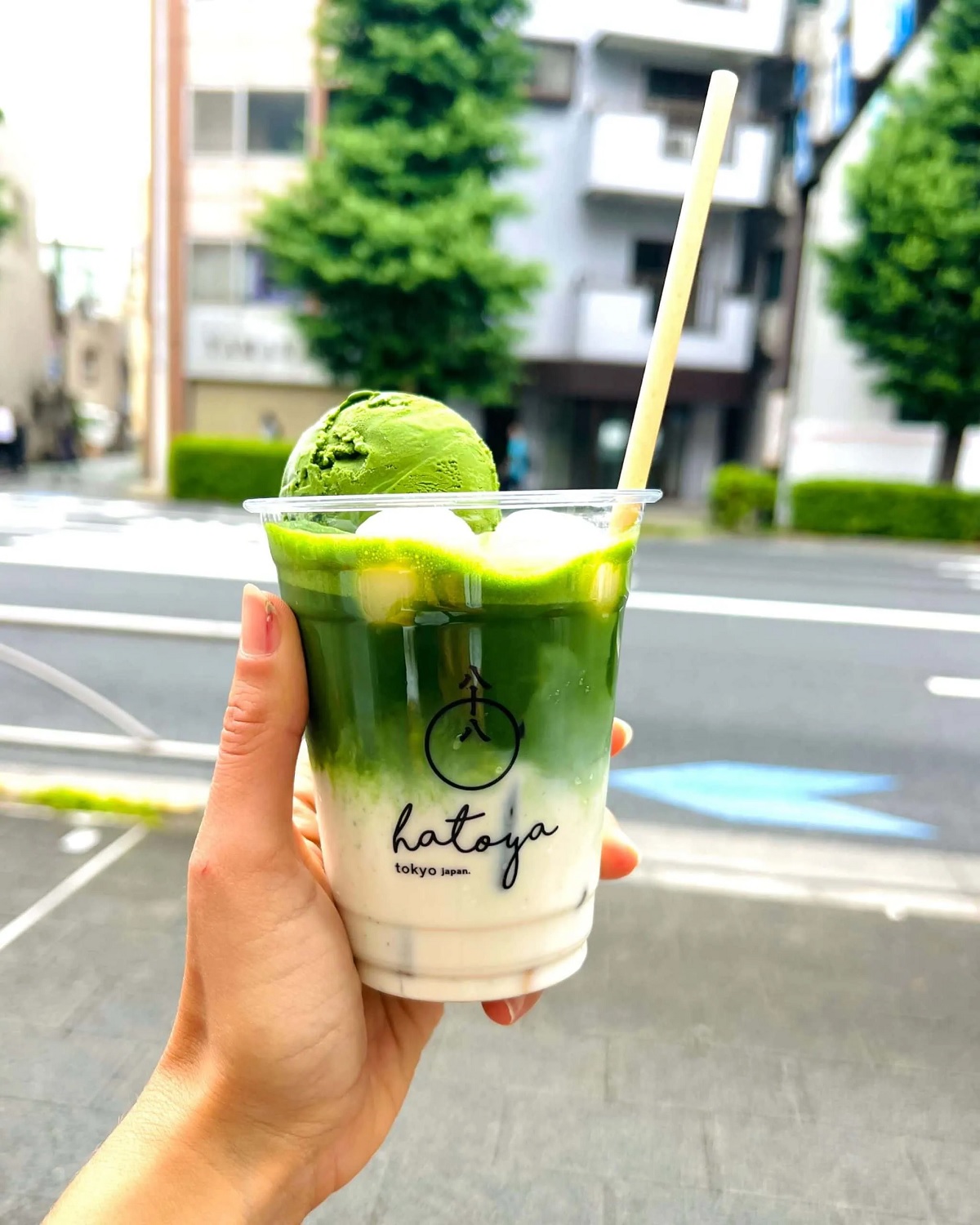
Where To Buy Matcha: Top Sources For Quality Green Tea Powder
Finding high-quality matcha can feel overwhelming with so many options available, from local stores to online retailers. The popularity of this vibrant green tea has grown rapidly, making it easier to access but also challenging to identify authentic, flavorful matcha that suits your taste and purpose. Understanding where to look and what to consider is key to a satisfying purchase.
Matcha is graded by quality, typically divided into ceremonial and culinary types, and knowing which grade you need affects where you should shop. Ceremonial matcha is ideal for traditional tea preparation, while culinary grades are suited for lattes, smoothies, and baking. Choosing the right grade ensures a better flavor experience and helps you get the most out of your tea.
Different retailers offer varying options in terms of origin, price, and packaging. Specialty tea shops, Asian grocery stores, and online marketplaces each have their own advantages. Exploring these sources allows you to find matcha that is fresh, authentic, and appropriate for your intended use.
Understanding how to evaluate matcha quality, reading reviews, and checking for trustworthy certifications can further guide your buying decisions. Being informed ensures that the matcha you purchase delivers both flavor and health benefits.
By knowing where to look and what factors to consider, you can enjoy a high-quality matcha experience whether brewing traditionally, making lattes, or incorporating it into recipes. Proper selection enhances flavor, aroma, and overall enjoyment of this unique green tea.
Online Retailers for Matcha
Purchasing matcha online offers convenience, variety, and access to high-quality products that might not be available locally. Online retailers often provide detailed information about origin, grade, and flavor profile, allowing you to make an informed choice. With the growing popularity of matcha, e-commerce platforms have become a go-to resource for both beginners and enthusiasts seeking authentic green tea.
Specialty Tea Websites
Specialty tea websites focus exclusively on tea, including ceremonial and culinary matcha. These sites often source directly from Japanese farms, ensuring authenticity and freshness. Detailed product descriptions, including grade, harvest date, and flavor notes, help buyers choose the right matcha for their needs.
Specialty retailers frequently offer curated sets, subscriptions, and brewing guides, providing additional value for customers looking to explore matcha deeply. Many also provide customer reviews and tasting notes, helping you understand what to expect in terms of taste and quality. This focused approach makes specialty tea websites ideal for those seeking premium, authentic matcha without leaving home.
Buying from a trusted specialty site minimizes the risk of low-quality or adulterated matcha. With clear sourcing information and quality assurances, you can confidently select matcha for ceremonial use, culinary applications, or everyday enjoyment.
Large E-Commerce Platforms
Large e-commerce platforms, such as Amazon and Walmart, offer a wide variety of matcha brands, from budget-friendly options to premium Japanese powders. The convenience of fast shipping, competitive pricing, and extensive customer reviews makes these platforms appealing for many buyers.
These platforms allow you to compare multiple brands, check ratings, and read user experiences before purchasing. However, quality can vary significantly, so it’s important to verify the authenticity and origin of the product. Look for reputable brands, clear labeling, and positive reviews that mention flavor, freshness, and color.
While large platforms may not offer the same detailed sourcing information as specialty sites, they are a practical option for buyers seeking accessibility, competitive pricing, and a wide selection of matcha products without needing a local tea shop.
Subscription Services
Subscription services are another convenient way to purchase matcha online. These services deliver curated matcha selections directly to your door, often on a monthly basis. Subscriptions may include different grades, flavors, and tasting notes, providing a consistent supply of fresh matcha.
This method is ideal for enthusiasts who want to explore multiple types of matcha without committing to large quantities. Subscriptions often include educational materials or recipes, helping you improve your brewing skills and experiment with culinary applications. Regular deliveries also ensure you always have fresh matcha on hand.
Subscription services combine convenience with quality assurance, often sourcing directly from farms in Japan. This approach guarantees that the matcha you receive is fresh, authentic, and carefully packaged for optimal flavor.
Tips For Buying Matcha Online
When purchasing matcha online, pay attention to product details such as grade, origin, harvest date, and packaging. Ceremonial matcha is best for traditional whisked tea, while culinary grades are ideal for lattes, smoothies, and baking. Look for reputable sellers with positive customer feedback and transparent sourcing information.
Check for freshness indicators, such as sealed containers or vacuum-packed tins, which help preserve flavor and color. Reading reviews and comparing multiple options can guide your decision, ensuring that you purchase high-quality matcha that meets your taste preferences and intended use.
By understanding the options available, from specialty websites to large e-commerce platforms and subscription services, you can find authentic, high-quality matcha online. Being informed about grades, sourcing, and reviews ensures a satisfying purchase that delivers both flavor and health benefits.
Physical Stores and Supermarkets
Buying matcha in physical stores or supermarkets provides an opportunity to inspect the product firsthand and often receive guidance from staff. While online shopping offers convenience and variety, visiting a store allows you to evaluate packaging, freshness, and color directly. Physical locations also cater to those who prefer instant availability without waiting for delivery.
Specialty Tea Shops
Specialty tea shops are one of the best places to find high-quality matcha. These stores often carry both ceremonial and culinary grades, sourced directly from Japan, and may provide detailed descriptions of origin, harvest date, and flavor profile. Staff in specialty tea shops are usually knowledgeable and can guide you in selecting the appropriate grade for your needs.
Many specialty shops also offer tastings or sample sizes, which allow you to experience the matcha before committing to a larger purchase. You can ask about proper storage techniques, brewing instructions, and suggested recipes for lattes, desserts, or smoothies. This hands-on approach ensures you purchase matcha that meets both quality and taste expectations.
Shopping at specialty tea stores reduces the risk of buying low-quality powders often sold under generic branding. It also provides access to premium matcha that may not be available in supermarkets, making these stores ideal for enthusiasts seeking authenticity and expert advice.
Asian Grocery Stores
Asian grocery stores are another popular destination for matcha, often offering a range of Japanese green tea products at competitive prices. These stores typically stock both ceremonial and culinary grades, along with accessories like whisks, bowls, and tins. Shopping here allows you to explore authentic Japanese brands that might not be widely available elsewhere.
The selection in Asian markets can vary, but many provide small packaging suitable for occasional use or experimentation. You can compare multiple brands side by side and check for color, texture, and labeling to ensure freshness. Some stores may even carry imported matcha from farms with specific regional origins, offering unique flavor profiles.
Asian grocery stores provide a balance between accessibility and authenticity. While staff may not be as specialized as in dedicated tea shops, the convenience of local shopping and the availability of trusted Japanese brands make these stores a reliable source for matcha.
Supermarkets And Health Food Stores
Supermarkets and health food stores are convenient for purchasing matcha, especially for casual drinkers or those looking to try lattes and blends. These stores often carry culinary-grade matcha, pre-mixed powders, or matcha-containing beverages. While selection may be limited compared to specialty shops, supermarkets provide the advantage of quick access and broader product availability.
Health food stores sometimes focus on organic or fair-trade matcha, giving buyers additional quality and ethical considerations. Labels often include certifications, nutritional information, and suggested uses, which can help guide your purchase. While ceremonial-grade matcha is less common in these locations, culinary-grade matcha works well for recipes, smoothies, and lattes.
Supermarkets and health stores are a practical choice for daily consumption or experimentation without committing to larger quantities. Their accessibility, reasonable prices, and straightforward shopping experience make them a convenient option for beginners or casual matcha enthusiasts.
Tips For Buying Matcha In Physical Stores
When buying matcha in stores, check packaging for freshness, including sealed or vacuum-packed containers. Observe the color—vibrant green indicates quality—and read labels for grade, origin, and harvest date. Ask staff about storage tips and brewing recommendations to maximize flavor and shelf life.
Comparing multiple brands and grades in-store allows you to select matcha that suits your taste and intended use. Physical shopping also enables you to touch, smell, and examine the product, helping you make a more confident purchase. Visiting specialty tea shops, Asian markets, or supermarkets ensures that you find quality matcha suited to both traditional tea preparation and modern culinary applications.
Matcha Grades and What to Look For
Understanding matcha grades is crucial when purchasing this vibrant green tea. Different grades affect flavor, color, texture, and ideal uses. Knowing what to look for helps you select the right matcha for traditional tea preparation, lattes, smoothies, or culinary applications. Recognizing the differences ensures a satisfying experience whether you’re a beginner or an experienced matcha enthusiast.
Ceremonial Grade Matcha
Ceremonial grade matcha is the highest quality and is intended for traditional tea preparation. Made from the youngest tea leaves, it has a vibrant, bright green color and a naturally sweet, umami-rich flavor. The fine texture allows for smooth whisking, creating a frothy, creamy cup of tea with minimal bitterness.
This grade is ideal for enjoying matcha in its purest form, typically prepared with just water in a whisking bowl. Ceremonial matcha requires careful handling, including proper storage in airtight containers away from light and heat. Its superior flavor, color, and aroma make it perfect for tea ceremonies or mindful drinking experiences.
Investing in ceremonial grade matcha ensures that each sip is smooth, flavorful, and visually appealing, highlighting the delicate balance of taste and tradition that high-quality matcha offers.
Culinary Grade Matcha
Culinary grade matcha is made from slightly more mature leaves and is designed for cooking and beverage blending rather than traditional tea preparation. Its color is often a deeper green, and the flavor is more robust and slightly bitter, which balances well with sweet or creamy ingredients.
This grade works perfectly for lattes, smoothies, baked goods, and desserts. The flavor stands up well when combined with milk, sweeteners, or other ingredients, making it more versatile in culinary applications. It’s also generally more affordable than ceremonial grade, allowing for experimentation without compromising quality.
When choosing culinary matcha, look for fresh powder with a consistent color and fine texture. Avoid matcha that appears dull, clumpy, or overly coarse, as this may indicate poor quality or older stock. Proper storage preserves its flavor and vibrant color.
Color, Texture, and Aroma Indicators
The quality of matcha is often determined by its color, texture, and aroma. High-quality matcha has a vibrant, bright green hue, which indicates young leaves and minimal oxidation. A fine, silky texture is essential for smooth whisking and even incorporation into liquids.
Aromatic qualities also signal freshness and quality. Ceremonial grade matcha should have a fresh, grassy, and slightly sweet scent, while culinary grades may be more robust. Dull color, coarse texture, or a musty smell may indicate low-grade or old matcha, which can taste bitter or flat.
Checking these indicators when purchasing ensures that your matcha delivers both flavor and visual appeal, enhancing your overall tea experience.
Understanding Labels and Sourcing
Labels provide important information about the grade, origin, and intended use of matcha. Japanese-origin matcha, particularly from regions like Uji, Nishio, or Shizuoka, is often associated with higher quality. Look for clearly labeled grades such as ceremonial or culinary, and check harvest dates for freshness.
Sourcing directly from trusted suppliers or reputable brands can also ensure authenticity and consistency. Some matcha products include certifications like organic or shade-grown, which may indicate superior cultivation practices. Being mindful of labeling helps you choose matcha that meets your needs and expectations.
By understanding matcha grades, color, texture, aroma, and sourcing, you can confidently select the right product for your brewing or culinary needs. Making informed choices ensures a flavorful, enjoyable experience and allows you to appreciate the nuances of high-quality matcha.
Local Cafés and Tea Houses
Visiting local cafés and tea houses is a great way to access high-quality matcha while enjoying a social or relaxing experience. These establishments often focus on creating expertly prepared beverages, from traditional whisked matcha to modern lattes and specialty drinks. Exploring local options allows you to taste different varieties and discover your preferred flavor profiles without committing to purchasing large quantities.
Specialty Matcha Cafés
Specialty matcha cafés are dedicated to the art of green tea, offering a curated selection of matcha grades and beverages. These cafés prioritize authentic preparation techniques, often using ceremonial-grade matcha for hot whisked drinks and high-quality culinary-grade powders for lattes, smoothies, or desserts.
The staff at these cafés are usually knowledgeable about brewing techniques, origins, and flavor profiles. They can recommend the right drink based on your preferences for sweetness, strength, or texture. Visiting a specialty café allows you to experience matcha in its intended form, from traditional Japanese tea ceremonies to creative modern adaptations.
Many specialty cafés also provide educational opportunities, such as tasting events or workshops, where you can learn proper whisking techniques, discover different grades of matcha, and explore pairing options. This hands-on exposure enhances your understanding of matcha quality and preparation.
General Cafés Offering Matcha
Even general coffee shops and cafés often carry matcha beverages on their menu, catering to the growing demand for green tea lattes and flavored drinks. While these establishments may not specialize in matcha, they provide convenient access and often feature popular drink combinations such as matcha latte, iced matcha, or matcha with alternative milks.
The quality of matcha at general cafés can vary, typically using culinary-grade powders suitable for mixed drinks. While the flavor may not match the depth of ceremonial-grade matcha, these beverages are approachable for beginners and casual consumers. Trying matcha at local cafés allows you to explore your taste preferences and decide whether you enjoy it pure or blended.
Benefits of Visiting Local Establishments
Buying and drinking matcha at local cafés and tea houses has several advantages. You can taste different grades and preparations without committing to a full container of matcha. These venues also provide an opportunity to learn from skilled baristas or tea experts about brewing techniques, flavor adjustments, and pairing options.
Additionally, the ambiance of cafés and tea houses enhances the overall experience. Many establishments emphasize a calming environment, allowing you to enjoy matcha as a mindful, social, or relaxing ritual. Sampling matcha in these settings provides insight into how cultural practices and presentation influence flavor and enjoyment.
Tips For Selecting Quality Matcha Locally
When visiting local cafés or tea houses, pay attention to the menu descriptions and ask about the matcha’s grade and origin. Ceremonial-grade matcha is ideal for traditional whisked beverages, while culinary grades work well in lattes and blended drinks. Observing the color and texture of prepared matcha can also indicate freshness and quality.
Asking staff for recommendations or tastings can help you find a flavor profile that suits your preferences. By exploring local options, you gain access to both expertly prepared beverages and valuable knowledge, allowing you to enjoy high-quality matcha in a convenient and social setting.
Tips For Buying Matcha
Buying matcha can be overwhelming due to the variety of grades, origins, and brands available. Making informed choices ensures you select a product that delivers optimal flavor, freshness, and health benefits. Understanding what to look for, where to shop, and how to evaluate quality can help you confidently purchase matcha suitable for brewing, culinary use, or both.
Check For Grade And Purpose
The first step in buying matcha is identifying the grade and intended purpose. Ceremonial-grade matcha is ideal for traditional whisked tea, offering a smooth, umami-rich flavor and vibrant green color. Culinary-grade matcha is better for lattes, smoothies, baking, and desserts, as its slightly stronger, more robust flavor can stand up to other ingredients.
Knowing the grade prevents disappointment with taste or texture. Ceremonial matcha should never be used solely for recipes, as its delicate flavor is lost when combined with milk or sweeteners. Similarly, culinary matcha is best reserved for blending or cooking, as it may be too bitter for pure tea. Determining your purpose before purchasing ensures the matcha meets your needs.
Look For Color, Texture, And Aroma
High-quality matcha is characterized by vibrant, bright green color, fine powder, and fresh aroma. Dull green or yellowish hues may indicate low quality, poor storage, or older stock. Silky, clump-free texture ensures smooth whisking and even mixing in beverages.
Aromatic quality is another indicator of freshness. Matcha should have a grassy, slightly sweet scent, while a musty or stale odor suggests degraded quality. Checking color, texture, and aroma before purchasing helps you avoid low-grade or expired matcha. These sensory cues are particularly important when shopping in physical stores, where you can inspect the product firsthand.
Consider Origin And Sourcing
The origin of matcha affects both flavor and quality. Matcha from Japan, particularly regions like Uji, Nishio, and Shizuoka, is widely regarded as premium due to careful cultivation and traditional processing methods. Labels indicating origin provide transparency and assure authenticity.
Sourcing information can also include details about cultivation practices, such as shade-grown or organic certifications. Shade-grown leaves tend to produce a sweeter, umami-rich powder. Choosing reputable brands or certified sellers helps ensure that the matcha is genuine, fresh, and responsibly produced, providing both superior flavor and peace of mind.
Evaluate Packaging And Freshness
Proper packaging is essential for preserving matcha’s flavor and color. Look for airtight, light-proof containers or tins, as exposure to air and light can degrade quality quickly. Vacuum-sealed or sealed bags also help maintain freshness.
Check for harvest dates or “best by” information whenever available. Fresher matcha has a more vibrant color, sweeter taste, and richer aroma. Avoid buying matcha in bulk that appears old or improperly stored. Evaluating packaging and freshness guarantees that your matcha remains flavorful and retains its health benefits.
Compare Prices And Reviews
While price is not always an indicator of quality, extremely low-cost matcha may be low-grade or adulterated. Compare prices across reputable retailers to ensure you are getting good value for authentic product. Online reviews, customer feedback, and ratings provide insights into taste, texture, and overall satisfaction.
Reading reviews can reveal important details about how the matcha performs in tea, lattes, or recipes. Consider feedback from users with similar preferences or experience levels to guide your purchase. Combining price evaluation with trusted reviews helps you make an informed decision and ensures a satisfying matcha experience.
By paying attention to grade, color, texture, origin, packaging, and customer feedback, you can confidently purchase matcha that meets your expectations. Following these tips ensures both quality and flavor, allowing you to enjoy authentic green tea in any preparation.
FAQs
Where Can I Buy High-Quality Matcha Online?
You can buy high-quality matcha online through specialty tea websites, e-commerce platforms, and subscription services. Specialty tea sites often source directly from Japan, offering ceremonial and culinary grades with detailed descriptions of origin, harvest date, and flavor profile.
Large e-commerce platforms provide convenience, competitive pricing, and customer reviews, but it’s important to check the authenticity and brand reputation. Subscription services deliver fresh matcha regularly and sometimes include curated selections, recipes, or brewing guides, making them ideal for enthusiasts who want consistent quality and variety.
Are Supermarkets A Good Place To Buy Matcha?
Supermarkets and health food stores are convenient for purchasing matcha, especially for beginners or casual drinkers. They typically carry culinary-grade powders suitable for lattes, smoothies, or baking, rather than ceremonial-grade matcha for traditional whisked tea.
These stores often focus on accessibility, reasonable pricing, and pre-packaged products, sometimes including organic or fair-trade certifications. While the selection may be limited compared to specialty shops, supermarkets are a practical option for trying matcha without committing to large quantities, making them ideal for casual use or experimenting with recipes.
Should I Visit Local Tea Shops For Matcha?
Local tea shops are excellent for buying high-quality matcha, as they often carry both ceremonial and culinary grades. Staff are usually knowledgeable and can guide you in selecting the right grade, offering advice on brewing, storage, and taste.
Some shops even provide tastings or sample sizes, allowing you to experience matcha before purchasing. Visiting a local tea shop ensures freshness, authenticity, and expert guidance. It also allows you to see and smell the product firsthand, which is especially important when buying higher-grade matcha for traditional tea preparation.
Can I Buy Matcha From Asian Grocery Stores?
Asian grocery stores often stock authentic Japanese matcha at competitive prices. They usually carry both ceremonial and culinary grades, along with accessories like whisks, bowls, and storage tins.
Shopping at Asian markets allows you to explore unique regional brands and flavors that might not be available in mainstream supermarkets. While staff may not provide specialized guidance like tea shops, the variety and affordability make these stores a reliable source for authentic matcha suitable for brewing or culinary use.
How Do I Ensure Matcha Is Fresh When Buying Online?
To ensure matcha is fresh when buying online, look for sealed, airtight packaging or vacuum-packed tins. Check for harvest or best-by dates and read detailed product descriptions about sourcing and storage.
Choosing reputable retailers or certified sellers increases the likelihood of receiving fresh, high-quality matcha. Customer reviews can also provide insight into freshness and flavor. Properly stored matcha retains vibrant color, aroma, and taste, so always verify packaging, expiration, and storage recommendations before making a purchase.
Is Subscription Delivery A Good Option For Matcha?
Subscription delivery services are an excellent way to ensure a steady supply of fresh, high-quality matcha. Many services offer curated selections, including ceremonial and culinary grades, with detailed information about origin, flavor profile, and harvest date.
Subscriptions are convenient for enthusiasts who want consistent access to fresh matcha without visiting stores. Some also include recipes, brewing guides, or sample sizes, making it easy to explore different grades and styles. This approach ensures you always have high-quality matcha on hand while gaining exposure to new flavors and preparation methods.
Final Thoughts
Finding the right matcha can make a significant difference in both flavor and quality, whether you plan to drink it, bake with it, or make lattes. Choosing reputable sources ensures you get authentic, vibrant green tea powder with the right texture and taste. Paying attention to grade, freshness, and origin helps you select the best matcha for your needs.
For those searching where to buy matcha, there are many options available, from online retailers and specialty tea websites to local grocery stores, Asian markets, and tea shops. Online shopping provides convenience and access to international brands, while physical stores allow you to inspect the color, texture, and aroma before purchasing. Subscription boxes and bulk options are also excellent choices for regular matcha drinkers.
Ultimately, knowing your preferences—whether ceremonial or culinary grade, hot or cold beverages, or baking—can guide you to the best matcha sources. By exploring different retailers and paying attention to quality, you can enjoy a consistent, flavorful matcha experience at home anytime.