How Many Grams Coffee in an Espresso: Perfect Measurement for Every Cup
Creating the perfect espresso starts with understanding the essentials, and one of the most important aspects is the exact amount of coffee used. Many coffee lovers often wonder about the right balance that delivers that rich, intense flavor without tipping into bitterness. This balance depends largely on the precise measurement of coffee grounds.
For those aiming to master their espresso at home, knowing how much coffee to use can transform an ordinary cup into a café-quality experience. The grind size, tamping pressure, and extraction time all interact with the coffee amount to determine the final taste.
Understanding [How Many Grams Coffee in an Espresso] allows enthusiasts to control consistency in every shot. Baristas rely on this measurement daily to maintain flavor profiles across different blends.
Exploring this topic also opens the door to experimenting with personal preferences, from lighter, sweeter notes to stronger, bolder profiles. By learning the standard grams for a shot of espresso, anyone can elevate their brewing technique and enjoy a perfectly balanced cup every time.
Standard Espresso Coffee Measurements
Understanding the standard espresso coffee measurements is key for achieving a consistently flavorful shot. Measurements play a crucial role in balancing taste, strength, and crema quality. Knowing the correct amount of coffee, water, and extraction time ensures that every cup delivers the desired aroma and intensity. Whether brewing at home or in a professional café, adhering to standard measurements helps maintain quality and consistency across all espresso shots.
Typical Coffee Amount for a Single Espresso
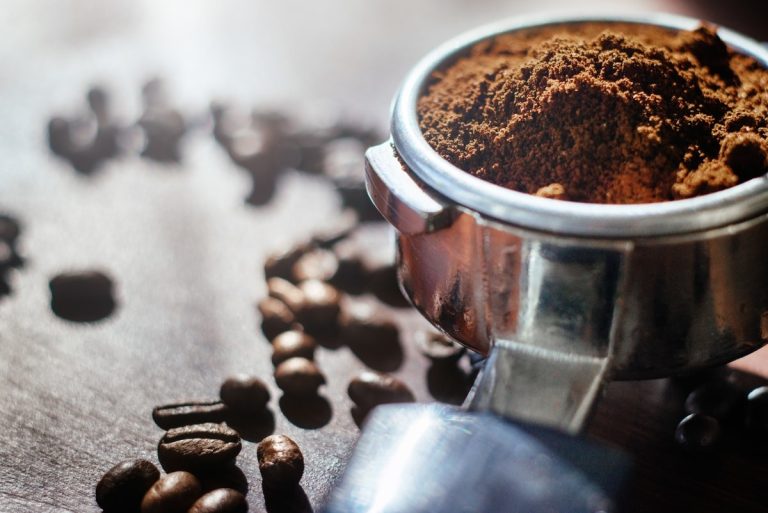
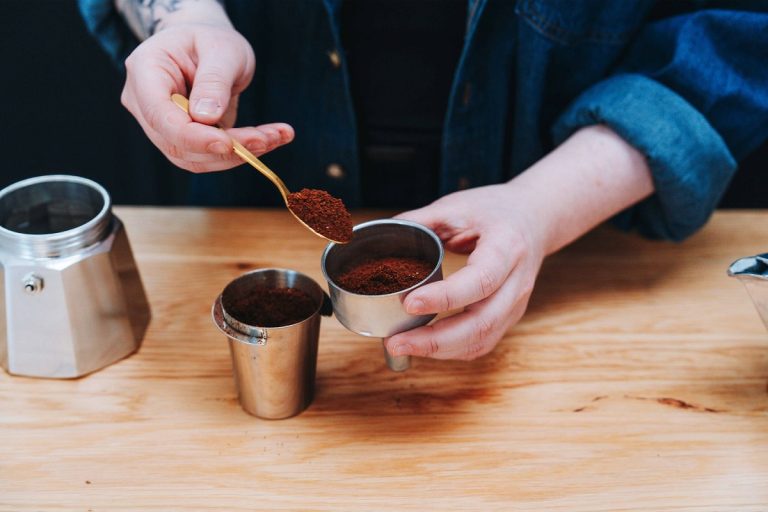
A single espresso typically requires around 7 to 9 grams of finely ground coffee. This measurement is crucial because using too little coffee can result in a weak, under-extracted shot, while too much can create over-extraction, producing bitter flavors. Many home espresso machines provide scoops designed for this standard range, but using a digital scale ensures the most precise measurement.
The grind size also influences the measurement’s effectiveness. Finely ground coffee allows for optimal extraction, ensuring that water flows through at the correct rate to draw out flavors. In professional settings, baristas weigh each shot to maintain consistency across multiple servings, which is especially important for specialty coffee. This precision guarantees that each espresso maintains a balanced flavor profile, body, and aroma, making every cup enjoyable.
Single espresso shots are often paired with a double shot measurement for stronger flavor, which typically uses 14 to 18 grams of coffee. This slight increase doubles the intensity without compromising the extraction process. Understanding these measurements allows you to adjust strength according to personal taste while maintaining a balanced espresso.
Water-to-Coffee Ratio for Optimal Espresso
The water-to-coffee ratio is another critical factor in espresso quality. Standard measurements suggest using approximately 25 to 30 milliliters of water for a single espresso shot. This small volume ensures that the coffee is concentrated, creating the signature bold flavor and thick crema that espresso is known for. Adjusting this ratio can alter the taste significantly, emphasizing sweetness or increasing bitterness depending on the desired profile.
Extraction time works closely with the water-to-coffee ratio. Standard espresso shots take around 25 to 30 seconds to pull, allowing water to interact with coffee grounds thoroughly. Too short a time results in a weak shot, while too long causes over-extraction and harsh flavors. Maintaining precise ratios ensures consistency and prevents common brewing mistakes.
For double shots, the water amount usually ranges between 50 to 60 milliliters. Matching this with the doubled coffee grounds maintains the correct concentration and ensures that espresso flavor remains balanced. By understanding the interplay between water volume and coffee weight, you can produce espresso with a smooth texture, balanced body, and rich aroma consistently.
Measuring Espresso for Consistency
Consistency in espresso preparation relies heavily on accurate measurement. Using a digital scale to weigh coffee ensures precise dosing, which directly impacts extraction and flavor. Even slight variations in grams can change taste, making measurement an essential step in achieving high-quality espresso. Standard measurements help prevent common errors like under or over-extraction.
Baristas often use a standard 7-gram single shot or 14-gram double shot as a baseline. Scaling from this standard allows for adjustments based on coffee roast type, grind size, and personal preference. Measuring not only coffee but also the water ensures that each shot aligns with the intended flavor profile. Proper measurement also allows experimentation with ratios to highlight unique coffee characteristics, from nutty notes to chocolatey undertones, while maintaining balance.
Consistency is vital in cafés and home brewing alike. With the right tools—a digital scale, timer, and calibrated grinder—you can replicate professional espresso standards. Accurate measurement fosters control, enabling you to produce espresso with a perfect crema, body, and flavor profile every time, creating a reliable and enjoyable experience.
Espresso Extraction Weight and Yield
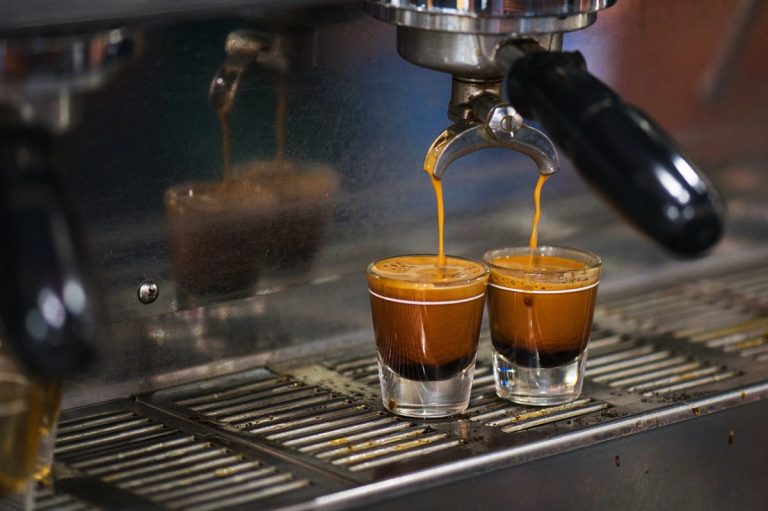
The final espresso yield, or the amount of liquid extracted, is another important measurement. Standard yields suggest a single shot produces about 25 to 30 milliliters of espresso. Maintaining this yield ensures the coffee’s intensity and flavor remain consistent with standard espresso profiles. Over or under-pulled shots can distort the balance of acidity, sweetness, and bitterness.
Extraction weight also depends on the coffee dose and grind size. A finely ground coffee with the correct measurement interacts perfectly with water, producing an even extraction and thick crema. Professional baristas track yield with scales to monitor shot consistency, adjusting grind or tamp pressure as needed. Yield consistency allows for repeatable quality across multiple shots, which is essential in commercial settings.
Adjusting the yield slightly can be used to experiment with espresso flavor. Pulling slightly longer can highlight body and sweetness, while shorter pulls increase acidity. Understanding the standard espresso measurements, including coffee grams, water volume, and final yield, allows you to control flavor and craft a shot that meets personal or professional standards.
Factors Affecting Coffee Quantity
The amount of coffee used in an espresso shot or any brew is not fixed and can vary based on several factors. Understanding what influences coffee quantity helps achieve the perfect balance of flavor, aroma, and body in each cup. Factors like coffee type, grind size, machine type, and personal taste preferences all play a role. By considering these elements, you can adjust your coffee quantity for consistent and high-quality results every time.
Coffee Bean Type and Roast Level
The type of coffee bean and its roast level significantly affect the quantity of coffee needed for brewing. Arabica beans are lighter and less dense, often requiring slightly more grams per shot to achieve the same strength as denser Robusta beans. Robusta, on the other hand, contains more caffeine and has a stronger flavor, meaning less quantity may be sufficient for the same intensity.
Roast level also plays a role in determining coffee weight. Dark roasted beans lose more moisture during roasting, making them lighter by volume. Using the same volume as lighter roasts may result in under-extraction and weak flavor. Adjusting coffee quantity based on roast ensures consistent extraction and taste. Understanding the impact of bean type and roast allows you to tweak the amount of coffee used to bring out the optimal flavor profile, whether you prefer a rich, bold espresso or a smooth, balanced cup.
Proper measurement helps highlight the unique characteristics of each coffee type. Weighing beans instead of relying on scoop volume provides more precision, as different roasts have varying densities. This consideration ensures that your espresso or brewed coffee maintains consistent strength, aroma, and body.
Grind Size and Its Impact
Grind size directly affects how coffee interacts with water during extraction, influencing the required coffee quantity. Finer grinds increase surface area, allowing water to extract flavors more efficiently. This can reduce the needed coffee weight slightly while still achieving a full-bodied shot. Coarser grinds, often used in methods like French press or AeroPress, require a higher coffee quantity to maintain strength because water flows through quickly, extracting fewer soluble compounds.
The grind size also affects extraction time and consistency. In espresso, a fine grind ensures that water moves slowly through the coffee, drawing out flavor without over-extraction. If the grind is too coarse, water passes too quickly, leading to weak, under-extracted shots. Adjusting coffee quantity based on grind size helps achieve balance and prevents common brewing issues.
Consistency in measurement is essential. A digital scale provides precise control over coffee quantity, ensuring that changes in grind size don’t negatively impact flavor. By understanding the interplay between grind size and coffee weight, brewers can tailor each cup to their preferred taste, whether aiming for sweeter, acidic notes or richer, bolder profiles.
Brewing Method Considerations
The brewing method you choose greatly influences how much coffee you should use. Espresso, drip, pour-over, French press, and AeroPress each require different amounts due to variations in water contact time, pressure, and extraction efficiency. Espresso requires a concentrated shot, typically 7–9 grams per single serving, while a French press or drip coffee often needs higher coffee-to-water ratios to produce full-bodied flavor.
Each method extracts flavors differently, making standard measurement guidelines a starting point rather than a strict rule. For instance, espresso machines use high pressure and short extraction time, requiring precise dosing. Pour-over relies on slower water flow and longer steeping, allowing slightly less coffee per volume of water while maintaining flavor strength. Adjusting quantity according to the method ensures proper balance between intensity, body, and aroma.
Experimenting with coffee quantity based on brewing method allows you to optimize taste. You can make subtle adjustments to strength, sweetness, and acidity while maintaining overall balance. Understanding how the method affects extraction makes it easier to achieve consistency and enjoy the best flavor from each type of coffee bean.
Personal Taste Preferences
Personal taste is perhaps the most flexible factor affecting coffee quantity. Some individuals prefer stronger, more concentrated shots, while others enjoy lighter, milder flavors. Adjusting coffee grams allows you to tailor the cup to your liking without compromising extraction quality. Experimenting with slight variations can reveal the ideal balance for your palate.
Taste preferences also guide adjustments in combination with other factors like grind size, roast level, and brewing method. For example, a dark roast espresso shot may taste overly bitter to some, prompting a small reduction in coffee quantity to achieve smoother flavor. Conversely, a lighter roast may need slightly more coffee to enhance body and aroma.
Considering personal taste ensures every cup is enjoyable and satisfying. Tracking changes in coffee quantity while adjusting other brewing variables helps you develop a consistent routine, producing a cup tailored to your preferences. Balancing personal taste with standard measurement practices allows for a repeatable, high-quality coffee experience every time.
Tips for Consistent Espresso Measurements
Consistency is essential for brewing high-quality espresso every time. Small variations in coffee quantity, grind size, or tamping pressure can drastically affect flavor, aroma, and crema quality. Understanding key techniques and adopting reliable measurement practices ensures that each shot meets your expectations. Whether you are brewing at home or in a café, these tips will help you maintain precision and achieve the perfect espresso consistently.
Use a Digital Scale for Accuracy
One of the most important tips for consistent espresso measurements is using a digital scale. Relying on scoops or approximations can lead to variations in coffee weight, which directly impacts extraction and taste. Digital scales allow you to measure coffee grounds precisely, ensuring that each shot contains the exact amount needed for optimal flavor.
For a single espresso, this usually means 7–9 grams of coffee, while double shots require 14–18 grams. Even slight differences in weight can alter the strength, sweetness, and body of your espresso. Weighing the final liquid yield is also essential, helping you monitor extraction consistency and make adjustments to grind size or tamping pressure as needed.
Professional baristas and home enthusiasts alike rely on scales to reduce human error and improve repeatability. With practice, weighing coffee becomes a seamless part of your brewing routine, giving you full control over espresso strength, flavor balance, and aroma.
Maintain Consistent Grind Size
Grind size directly affects the extraction rate and flavor profile of espresso. Even when measuring the correct coffee quantity, an inconsistent grind can lead to over- or under-extraction, causing bitterness or weak flavors. Using a quality burr grinder and setting it to a consistent grind ensures that water flows evenly through the coffee, producing balanced shots.
Regularly calibrating your grinder is crucial, as burrs wear down over time, changing particle size. A consistent grind also complements precise coffee measurements, ensuring that each shot responds predictably during extraction. Finer grinds increase surface area for faster extraction, while coarser grinds slow it down, so maintaining uniformity is key.
Pay attention to signs of inconsistency, such as uneven crema or variations in shot volume. By controlling grind size alongside coffee weight, you can replicate café-quality espresso consistently, every time. This combination of precision tools and technique is essential for achieving a balanced flavor, rich aroma, and thick crema.
Master Tamping Pressure
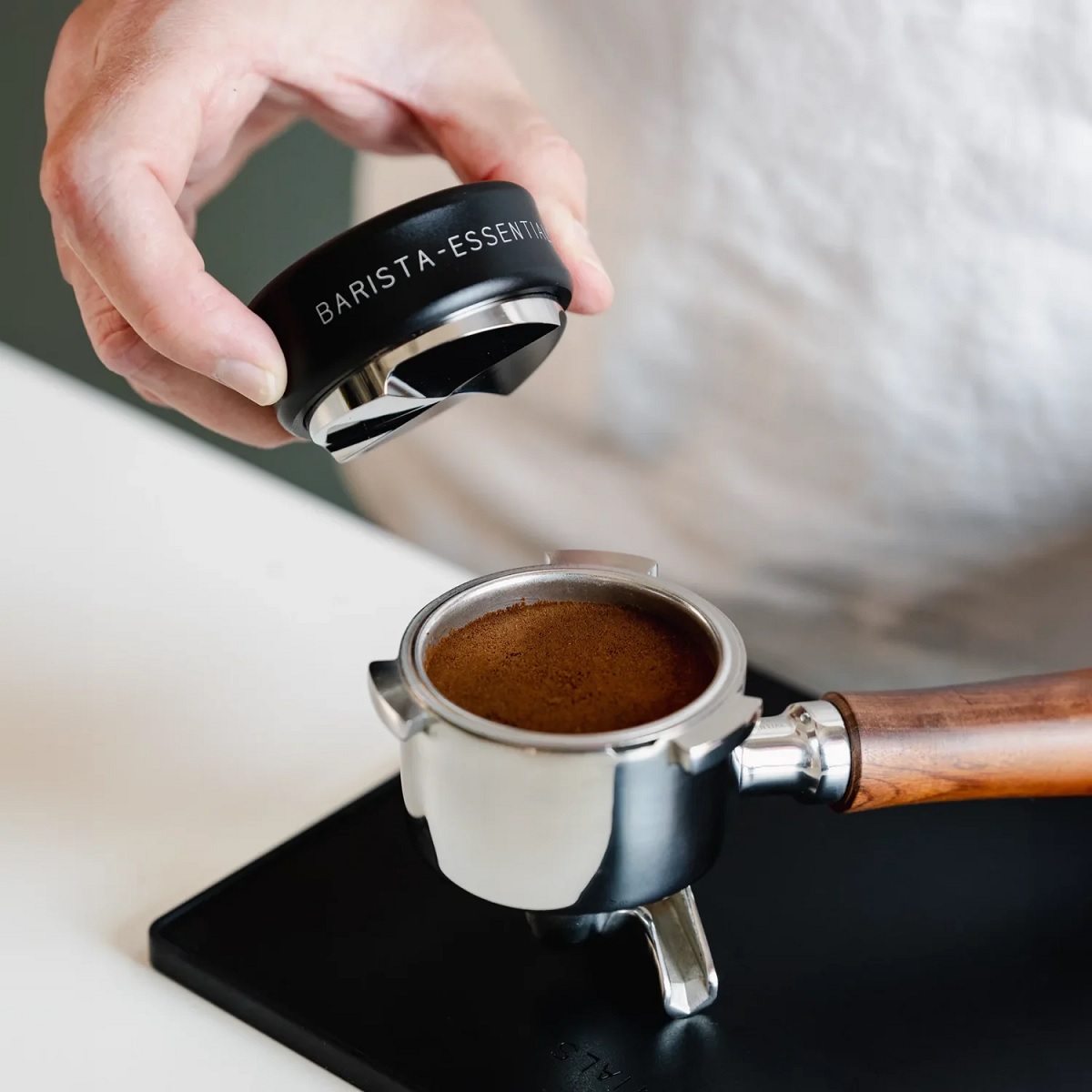
Tamping, or pressing coffee grounds into the portafilter, is another factor that affects espresso consistency. Applying consistent pressure ensures even water flow through the coffee bed, which is essential for uniform extraction. Variations in tamping pressure can create channels where water flows too quickly, resulting in under-extracted shots or uneven flavor.
The ideal tamping pressure is typically around 30 pounds, but the key is consistency rather than exact force. Using a calibrated tamper or practicing a steady, even pressure helps maintain uniformity across multiple shots. A leveled tamp also prevents uneven compression, which can disrupt water flow and alter taste.
Combining consistent tamping with precise coffee measurements and grind size ensures that each shot extracts evenly. This balance enhances the espresso’s aroma, body, and crema, while minimizing unwanted bitterness or sour notes. Practicing tamping technique over time builds muscle memory, allowing for predictable results with every shot.
Monitor Extraction Time and Yield
Monitoring extraction time and espresso yield is essential for consistency. Standard espresso shots usually take 25–30 seconds for a single shot, producing approximately 25–30 milliliters of liquid. Deviations in time or volume indicate issues with coffee weight, grind size, or tamping pressure. Tracking these variables ensures that every shot meets your quality standards.
Using a timer and scale during extraction helps maintain repeatable results. Recording shot data, such as coffee grams, grind setting, and final yield, allows you to adjust variables methodically. This approach ensures that small differences don’t affect flavor, and it provides a reference for replicating successful shots in the future.
Monitoring extraction time and yield alongside precise measurements creates a controlled process that produces consistent espresso flavor, aroma, and body. Over time, this systematic approach allows you to achieve café-quality results at home or in a professional setting, ensuring every cup meets your expectations.
FAQs
How Many Grams Coffee in a Single Espresso Shot?
A single espresso shot typically uses around 7 to 9 grams of finely ground coffee. This precise amount ensures that the shot is strong, flavorful, and balanced without being bitter or watery. Using too little coffee can make your espresso taste weak, while too much can over-extract and create a harsh flavor.
You can measure your coffee using a digital scale for accuracy. Adjusting slightly within this range allows you to experiment with strength and taste. He or she who monitors grams can maintain consistent espresso quality every time, even when using different beans or roast levels.
How Many Grams Coffee in a Double Espresso Shot?
A double espresso, or “doppio,” generally requires about 14 to 18 grams of coffee grounds. This doubles the intensity compared to a single shot while maintaining the proper extraction balance. Measuring accurately ensures a consistent flavor profile, crema quality, and smooth body for each serving.
Using a digital scale is especially useful when preparing double shots, as slight variations in grams can affect strength and taste. He or she who masters this measurement can reliably produce café-quality espresso, whether brewing at home or in a professional setting, while adjusting for personal preference in flavor intensity.
Does Coffee Grind Size Affect How Many Grams I Should Use?
Yes, grind size significantly affects the amount of coffee needed for an espresso. Finely ground coffee extracts more efficiently, which may require slightly fewer grams, while coarser grounds often need a bit more to achieve the same flavor strength.
He or she who adjusts grind size alongside weight ensures consistent extraction. Monitoring both factors allows for balanced shots without over- or under-extraction. Using a consistent grind size with precise grams guarantees a repeatable espresso experience, highlighting the natural sweetness, body, and aroma of the coffee every time.
Can Different Bean Types Change How Many Grams Are Needed?
Different coffee bean types and roast levels can impact how many grams you use. Denser beans, like Robusta, may need slightly less by weight, while lighter Arabica beans sometimes require more. Dark roasts lose moisture and density during roasting, which may also influence measurement.
He or she who considers bean type can adjust grams to maintain the same strength and flavor balance. Accurate measurement allows you to bring out the unique characteristics of each bean while preventing over- or under-extraction, resulting in a consistent, enjoyable espresso experience regardless of the coffee origin or roast profile.
How Do I Measure Coffee Grams Accurately for Espresso?
The most reliable method is using a digital kitchen scale. Place your portafilter or container on the scale and tare it before adding coffee grounds. This ensures precise measurement, whether you’re preparing a single or double shot. Scoops are less accurate due to variations in grind size and density.
He or she who consistently measures coffee in grams can maintain repeatable espresso quality. Tracking grams alongside other variables like grind size, tamping pressure, and extraction time helps produce consistent shots with optimal flavor, aroma, and crema, whether at home or in a professional café environment.
Does Water Amount Affect How Many Grams of Coffee I Should Use?
Yes, the water-to-coffee ratio affects the ideal grams for espresso. Standard single shots use around 25–30 milliliters of water, while double shots use roughly 50–60 milliliters. Using the correct coffee weight ensures that extraction is balanced and flavors are fully developed without over- or under-extraction.
He or she who adjusts coffee grams according to water volume can control taste, strength, and crema quality. Balancing grams and water allows for smooth, full-bodied espresso shots, enabling you to enjoy a consistent flavor experience while experimenting with intensity or personal preference.
Conclusion
Finding the perfect balance in espresso requires careful attention to both measurement and technique. Understanding the right coffee dose ensures that every shot delivers optimal flavor, crema, and body. By experimenting with grind size, tamping pressure, and extraction time, you can create a consistently rich and satisfying espresso experience.
When considering [How Many Grams Coffee in an Espresso], most standard guidelines suggest around 7–9 grams for a single shot and 14–18 grams for a double. However, personal taste and the type of espresso machine you use can influence the ideal measurement. Keeping track of these adjustments will help you achieve the flavor intensity you prefer, whether you like a bolder, more robust shot or a smoother, milder taste.
Ultimately, mastering [How Many Grams Coffee in an Espresso] is about precision and experimentation. With practice, you can enjoy a perfectly balanced espresso that matches your taste preferences every time, making each cup a satisfying ritual.