How Much Coffee to Put in Coffee Maker for the Perfect Brew
Making the perfect cup of coffee starts long before the brewing process—it begins with knowing the right amount of coffee to use. Many coffee lovers struggle with finding the balance between too weak and too strong, which can make a morning routine less enjoyable. Understanding how much coffee to put in a coffee maker ensures consistent flavor and prevents wasting coffee grounds or water.
The type of coffee maker you use plays a crucial role in determining the right measurement. Drip machines, single-serve brewers, and French presses all have slightly different requirements, so paying attention to the manufacturer’s guidelines can make a noticeable difference. Measuring your coffee carefully also helps you maintain control over caffeine content and taste strength.
For those who enjoy experimenting, knowing the standard ratio between coffee and water allows customization to personal preference. This small step can transform a basic morning ritual into a satisfying daily experience, making your coffee both enjoyable and efficient.
Learning how much coffee to put in a coffee maker is a simple adjustment that can elevate everyday coffee drinking. Proper measurements lead to better flavor extraction, richer aroma, and a more satisfying cup every time.
Measuring Coffee Accurately
Accurate coffee measurement is one of the most important steps in brewing a consistently delicious cup. Small variations in coffee quantity can lead to noticeable differences in taste, strength, and aroma. Using precise measurements ensures that each brew meets your expectations, whether you prefer a mild morning cup or a bold, robust flavor. Understanding proper measurement techniques allows you to take full control over your brewing process, improving both consistency and overall coffee quality.
Using a Digital Scale for Precision
A digital scale is the most reliable tool for measuring coffee accurately. Unlike scoops or tablespoons, which can vary depending on grind size or bean density, a scale measures the exact weight of your coffee grounds. This precision ensures consistency from one brew to the next. Most coffee enthusiasts recommend weighing both coffee and water to maintain the correct coffee-to-water ratio. For example, using a 1:16 ratio, you can weigh 20 grams of coffee against 320 grams of water for a perfectly balanced cup.
Using a scale also allows for experimentation. You can adjust the amount of coffee in small increments to find your preferred strength without guessing. It helps in adapting to different brewing methods, as pour-over, French press, and espresso each benefit from slightly different measurements. Over time, tracking these precise measurements creates a brewing log that makes replicating your favorite cup simple and consistent.
Measuring by Volume: Cups and Scoops
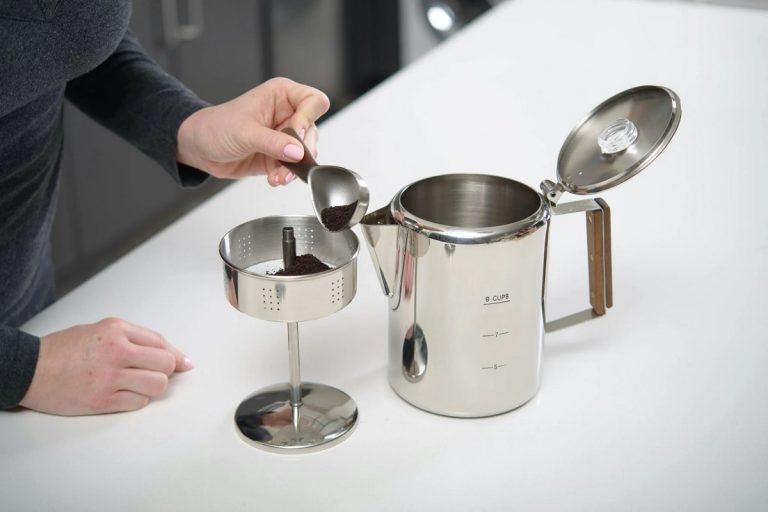
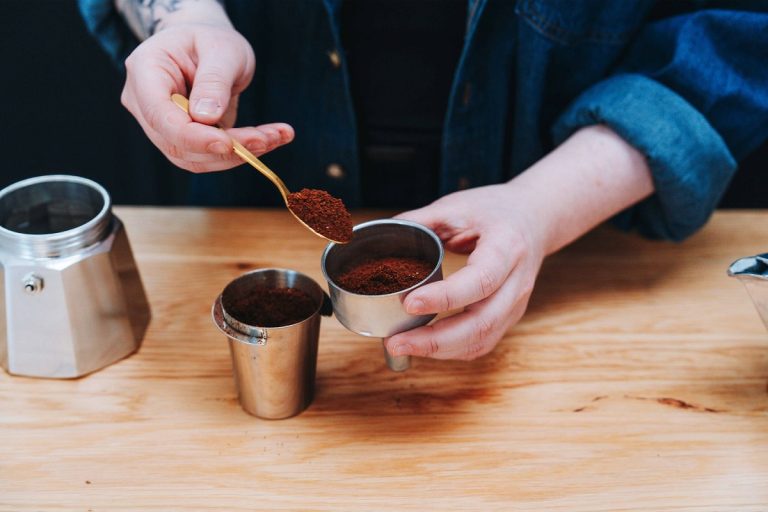
While weighing coffee is ideal, measuring by volume with scoops or spoons is a more common method in home kitchens. Accuracy can be affected by grind size, how densely the coffee is packed, or the shape of the scoop. One standard guideline is to use approximately one level tablespoon of coffee for every six ounces of water, but this can vary depending on taste preferences. Using consistent scoops, leveling off the coffee, and avoiding heaping can help minimize errors.
Volume measurements are convenient and quick, especially for drip coffee makers or larger batches. However, it’s important to recognize their limitations. Slight inconsistencies in measurement can result in coffee that is too strong or weak. Combining volumetric methods with occasional weight checks can improve accuracy while maintaining convenience. This hybrid approach balances precision with practicality, ensuring enjoyable results without adding extra steps.
Importance of Consistent Grind and Density
Accurate measurement isn’t just about quantity; grind size and coffee density also affect brewing results. Finer grinds take up less space but weigh the same, while coarser grinds may appear larger but require slightly more weight to maintain strength. Adjusting your measurements according to grind ensures proper extraction, which directly impacts flavor. Measuring coffee by weight helps account for these differences, leading to more consistent and flavorful cups.
Density can vary between beans, roasts, and even storage conditions. Freshly roasted beans often expand and become less dense over time, so using a scale eliminates guesswork. Maintaining consistent grind size and monitoring weight allows for precise control over extraction, ensuring that each cup of coffee delivers the intended taste, aroma, and body.
Tips for Accurate Coffee Measurement
For best results, use a digital scale that measures grams, which is standard in the coffee industry. Always tare the container before adding coffee, and pour slowly to avoid overshooting the desired weight. If using volume measurements, level each scoop carefully, and keep grind size consistent. Tracking each brew in a simple log can help refine your technique over time.
Consistency in measurement also makes experimenting easier. Once you find a ratio and weight that produces your preferred flavor, replicating it is simple. You can also adjust strength slightly without risking over-extraction or under-extraction. Accurate measurement combines science and habit, giving you confidence that every cup will taste just as good as the last.
Brewing Techniques That Affect Coffee Amount
The way you brew coffee has a direct impact on the amount of coffee you should use. Different methods extract flavors differently, meaning the ideal coffee-to-water ratio varies depending on your brewing technique. Understanding these nuances ensures you achieve the right strength, body, and aroma in every cup. Adjusting coffee amounts according to brewing method helps prevent under-extraction or over-extraction, producing a consistently satisfying experience.
Drip Coffee Makers and Automatic Machines
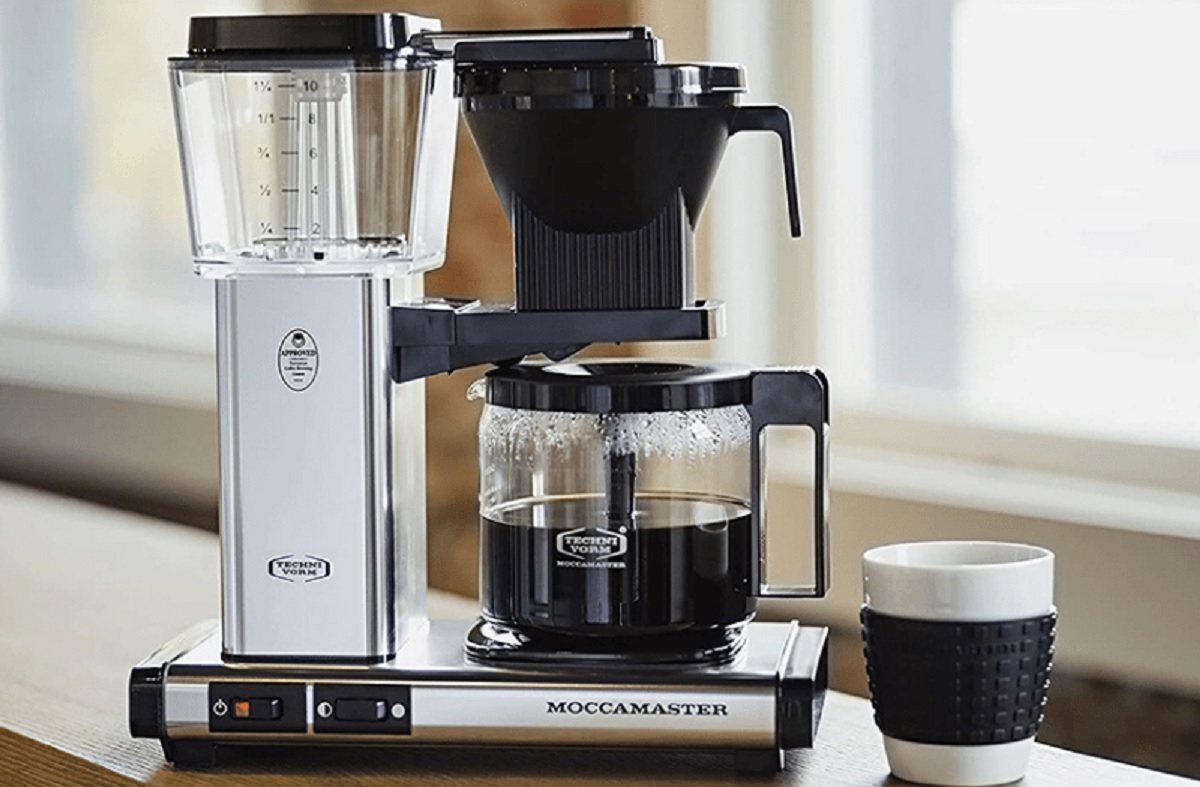
Drip coffee makers are one of the most common brewing methods, and they usually require a standard coffee-to-water ratio. Most machines work well with about one to two tablespoons of ground coffee per six ounces of water. Using too much coffee can make the brew bitter, while too little results in a weak flavor. Automatic machines often have water reservoirs with markings, but it’s important to measure coffee separately to maintain accuracy.
Drip machines rely on a steady flow of water through the grounds, so grind size and even distribution also influence extraction. Medium grind is generally recommended, and ensuring the coffee bed is level helps prevent channeling, where water flows unevenly and under-extracts some areas. By adjusting the coffee amount based on your machine’s capacity and personal taste, you can enjoy a well-balanced cup without guesswork.
Consistency is key for repeatable results. Many coffee enthusiasts use a scale to weigh coffee grounds before placing them in the filter, even when using a drip machine. Tracking these measurements helps maintain the same flavor profile each morning and makes it easier to tweak strength for stronger or lighter coffee. This approach ensures your coffee tastes just as good every time, without relying solely on scoops.
French Press and Immersion Brewing
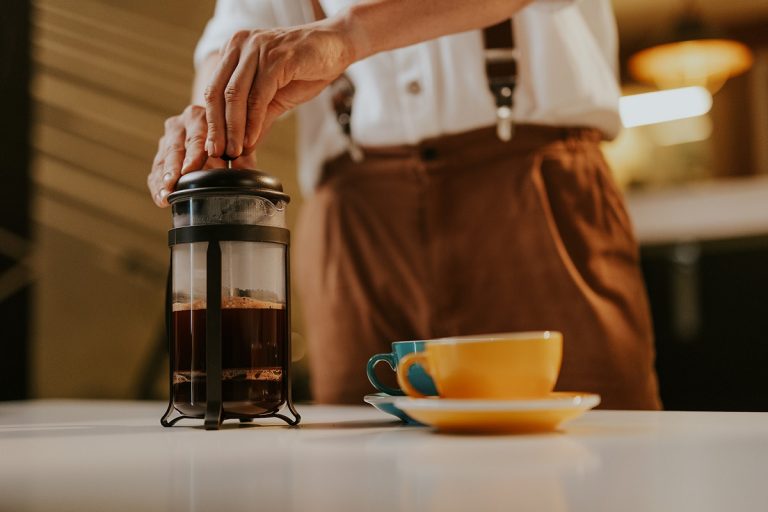
French press and other immersion brewing methods require different coffee amounts due to longer steeping times. A standard recommendation is one part coffee to 12–15 parts water, slightly stronger than drip brewing. Immersion methods allow the coffee grounds to remain in contact with water for several minutes, which extracts more flavor and requires careful measurement to avoid over-extraction.
Grind size is coarser for French press, which affects how much coffee you should use by weight. Too fine a grind can create a sludgy texture and bitter taste, while too coarse may under-extract, leaving weak coffee. Consistency in measuring coffee and water is crucial here, as slight changes can noticeably impact taste. Using a digital scale ensures precise control, and stirring the coffee during steeping promotes even extraction.
Immersion brewing also offers flexibility for experimentation. You can slightly adjust the ratio for taste preferences or adapt to different coffee bean characteristics. Keeping track of these measurements in a brewing journal allows you to replicate your ideal cup consistently. This method highlights the importance of adjusting coffee amounts according to brewing style rather than using a one-size-fits-all approach.
Pour-Over and Manual Brewing
Pour-over brewing emphasizes control over water flow and extraction, which directly affects the amount of coffee needed. Standard ratios range from 1:15 to 1:17, depending on bean type and desired strength. The slow, controlled pour allows you to extract flavors evenly, but using too little coffee results in underwhelming taste, while too much can make the cup overly strong and bitter.
The technique involves layering water over the grounds in stages, allowing the coffee to bloom and release gases. Accurate measurement of both coffee and water ensures proper extraction throughout the process. Pour-over methods often require careful weighing of coffee grounds to maintain consistency, as small differences in water volume can significantly change flavor.
This method is ideal for those who enjoy experimenting with flavor profiles. Adjusting coffee amount slightly lets you emphasize acidity, sweetness, or body. Combining accurate measurement with precise pouring technique ensures every cup is balanced, aromatic, and full of character, highlighting the subtle differences between beans and roasts.
Practical Tips for Consistent Results
Consistency is the key to brewing coffee that tastes great every time. Even small variations in coffee measurement, grind size, water temperature, or brewing method can change the flavor significantly. By following practical tips and maintaining careful routines, you can ensure your coffee is reliably balanced, aromatic, and full-bodied. Developing a consistent process transforms coffee-making into a repeatable craft rather than a guessing game.
Measure Coffee and Water Precisely
Accurate measurement of coffee and water is the foundation of consistency. Using a digital scale ensures that you’re adding the exact amount of coffee grounds needed for your chosen brewing method. Even small deviations in weight can lead to noticeable changes in taste. For example, one extra gram of coffee can make a cup stronger, while a slightly smaller amount may taste weak or watery.
Water measurement is equally important. Using a scale to weigh water rather than relying on cups or spoons helps maintain the desired coffee-to-water ratio. Tracking the ratio allows you to replicate the exact flavor strength consistently. Keeping a small brewing log that notes the coffee weight, water volume, and resulting taste can help you refine your process. Over time, this habit ensures that every cup meets your personal standards without needing guesswork.
Use Consistent Grind Size
Grind size plays a critical role in extraction and consistency. Finer grinds extract faster and can lead to bitter coffee if over-extracted, while coarser grinds extract more slowly, potentially creating weak or underwhelming flavor. Matching grind size to your brewing method is essential—drip coffee machines work best with medium grinds, French press requires coarse grinds, and espresso needs fine grounds.
Using a burr grinder instead of a blade grinder ensures uniform particle size, which improves extraction consistency. Regularly checking your grinder and adjusting for slight variations in bean size or roast level helps maintain reliable results. Consistent grind size, combined with precise coffee and water measurement, minimizes variations in flavor, body, and aroma between cups. This approach makes it easier to enjoy a predictable and satisfying coffee experience every day.
Maintain Proper Water Temperature
Water temperature significantly impacts extraction and consistency. Ideal brewing temperature typically ranges between 195°F and 205°F. Water that is too hot can over-extract coffee, producing bitterness, while water that is too cool may under-extract, leaving the cup weak and acidic. Using a thermometer or temperature-controlled kettle ensures accurate and consistent heat for every brew.
Consistency in temperature is particularly important for pour-over and immersion methods. Small fluctuations in temperature can affect solubility, altering flavor balance and body. Preheating your coffee maker, cups, and equipment also contributes to maintaining stable brewing conditions. By paying attention to water temperature, you minimize variables that could disrupt the flavor profile, allowing you to reproduce the same high-quality coffee consistently.
Standardize Brewing Routine
Establishing a repeatable brewing routine helps reduce inconsistencies. Measuring, grinding, pouring, and timing your brew in the same sequence each time minimizes variability. For methods like pour-over or French press, using a timer for bloom, steep, and total brewing time ensures uniform extraction. Even drip machines benefit from consistent preparation steps, including filter placement, coffee leveling, and water pouring.
Documenting your routine in a simple coffee log can improve results over time. Note grind size, coffee-to-water ratio, water temperature, brewing time, and flavor notes. This reference allows you to replicate preferred cups and identify adjustments needed for future batches. Standardizing your routine transforms coffee preparation into a precise and repeatable process, guaranteeing that every cup meets your expectations.
Clean and Maintain Equipment Regularly
Equipment cleanliness is often overlooked but is essential for consistent coffee results. Residual oils, old coffee grounds, or mineral deposits can alter flavor and reduce extraction quality. Regularly cleaning grinders, filters, coffee makers, and kettles prevents off-flavors and ensures uniform performance.
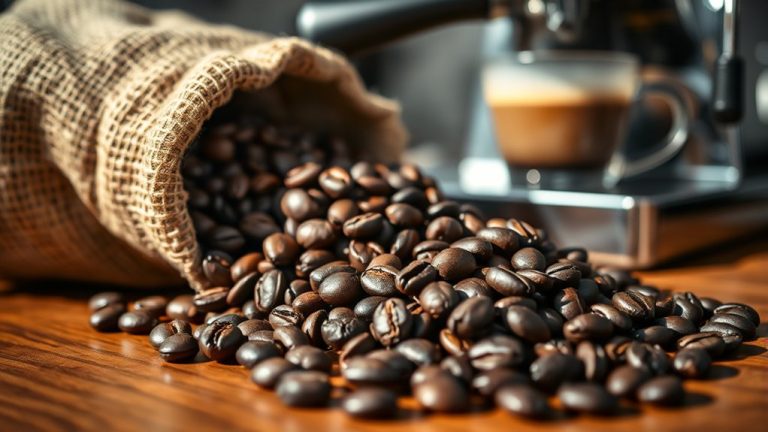
Using fresh, high-quality beans also enhances consistency. Store coffee in airtight containers away from light, heat, and moisture to maintain freshness. Routine maintenance and cleaning of equipment, combined with proper storage, minimize variables that could compromise your brewing process. This approach ensures that each cup is true to your intended flavor profile and delivers reliable enjoyment every time.
Frequently Asked Questions
How Much Coffee Should I Use Per Cup for the Best Flavor?
The amount of coffee you use per cup significantly affects the taste and strength. A common guideline is one to two tablespoons of coffee per six ounces of water. This provides a balanced flavor that isn’t too weak or bitter.
You can adjust this ratio slightly depending on your personal taste preferences or the type of coffee beans you use. Measuring coffee by weight with a digital scale ensures even more precision, allowing you to consistently achieve your ideal cup every time. Tracking this helps you maintain consistency across different brewing sessions.
Does The Type of Coffee Maker Affect How Much Coffee I Should Use?
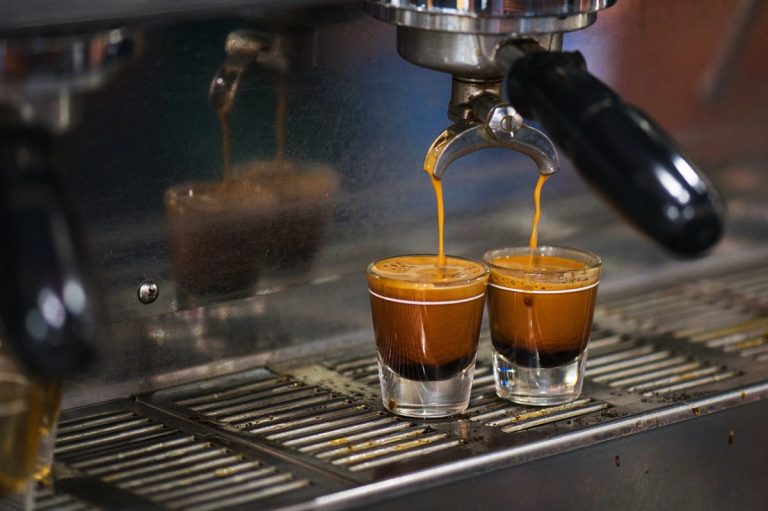
Yes, the brewing method influences how much coffee you should put in your coffee maker. Drip machines, French presses, pour-over devices, and espresso machines all extract flavors differently. Each requires slightly different ratios to produce a balanced cup.
For example, a French press often needs a stronger coffee-to-water ratio because of the immersion method, while drip machines rely on medium strength ratios. Using the correct amount for your specific coffee maker ensures optimal extraction, prevents over- or under-extraction, and consistently delivers a flavorful and aromatic brew.
Can I Use the Same Coffee-to-Water Ratio for All Bean Types?
While a standard coffee-to-water ratio works for most beans, the roast and type can affect how much coffee you should use. Darker roasts tend to be more soluble, meaning slightly less coffee may be needed. Lighter roasts may require a bit more to extract full flavor.
Adjusting your coffee amount allows you to highlight specific tasting notes. Experimenting with the ratio for each bean type helps you find the perfect balance between strength and flavor. Over time, you’ll learn the ideal measurements for every coffee variety you enjoy.
How Does Grind Size Influence the Amount of Coffee I Should Use?
Grind size directly impacts extraction, which affects the amount of coffee you should use. Coarser grinds, typical for French press or cold brew, extract more slowly, so you may need slightly more coffee to achieve desired strength. Finer grinds, like those used in espresso, extract quickly and require less coffee.
Using a digital scale to weigh coffee instead of measuring by volume ensures consistency across different grind sizes. Maintaining the correct coffee-to-water ratio for each grind prevents under-extraction or over-extraction and ensures every cup delivers optimal flavor and aroma.
Will Using Too Much or Too Little Coffee Affect My Brew?
Absolutely. Using too much coffee can make your drink bitter, overpowering, or astringent, while too little coffee results in weak, watery, or flat flavor. Both scenarios prevent you from enjoying the full potential of your beans.
Accurately measuring coffee grounds ensures a balanced cup with the right strength and aroma. Paying attention to your coffee-to-water ratio, grind size, and brewing method helps you avoid inconsistencies. Making small adjustments based on taste preferences allows you to achieve your ideal brew every time.
How Can I Ensure Consistency in Every Brew?
Consistency comes from precise measurement and careful brewing routines. Using a digital scale to weigh coffee and water, maintaining uniform grind size, and following specific brewing times ensures a repeatable process.
You can also document your ratios and methods in a simple log. Tracking the coffee-to-water ratio, brewing time, and bean type allows you to replicate your favorite cup every time. By standardizing these practices, you remove guesswork and guarantee that every cup is just as flavorful, balanced, and satisfying as the last.
Final Thoughts
Finding the ideal balance between coffee and water is essential for enjoying a satisfying cup every time. By paying attention to ratios, measuring accurately, and adjusting for personal taste, you can ensure your morning brew hits the mark. Small tweaks in grind size, strength preference, and brewing method can make a noticeable difference in flavor and aroma.
Understanding [How Much Coffee to Put in Coffee Maker for the Perfect Brew] allows you to consistently create coffee that suits your taste, whether you prefer a mild, smooth cup or a strong, bold flavor. Experimenting with scoops, scales, and brewing techniques will help you discover the exact measurements that work best for your coffee maker and your lifestyle.
Ultimately, achieving the perfect cup is a combination of precision and personal preference. Knowing [How Much Coffee to Put in Coffee Maker for the Perfect Brew] empowers you to avoid weak or overly strong coffee and enjoy a balanced, flavorful experience every time.