How to Make Coffee in Moka Pot: Step-By-Step Guide for Rich Flavor
Brewing coffee at home can be a satisfying ritual, and the Moka pot is one of the most classic ways to enjoy a rich, espresso-like cup without a fancy machine. Known for its stovetop simplicity and bold flavor, the Moka pot brings out deep aromas and a robust body that rivals café coffee. Learning to master this method allows you to enjoy consistent, flavorful coffee with minimal effort.
Understanding how the Moka pot works is key to making the perfect cup. Hot water in the lower chamber creates steam pressure that pushes water through finely ground coffee, extracting oils and flavor compounds along the way. The result is a concentrated, aromatic coffee that sits somewhere between espresso and strong drip coffee.
Grind size, water temperature, and proper assembly all influence the final taste. Paying attention to these details ensures a smooth, balanced brew without bitterness or weak spots. By following a reliable technique, you can enjoy café-quality coffee in the comfort of your kitchen.
Learning [How to Make Coffee in Moka Pot] opens the door to experimenting with different beans and roast profiles, allowing you to tailor each cup to your preferences. This method is not only practical but also a rewarding way to deepen your appreciation for coffee.
Preparing Your Moka Pot for Brewing
A well-prepared Moka pot is essential for achieving rich, flavorful coffee. Proper preparation ensures even extraction, prevents bitter or weak coffee, and extends the life of your pot. From cleaning and assembling to measuring the right amount of water and coffee, each step plays a critical role. Following the correct preparation routine allows you to brew consistently excellent coffee at home and fully enjoy the Moka pot experience.
Cleaning and Inspecting Your Moka Pot
Before every brew, it’s important to clean and inspect your Moka pot. Residual coffee oils or old grounds can affect flavor and create bitterness. Disassemble the pot and rinse all parts with warm water; avoid using soap, as it can leave a residue that impacts taste. Check the rubber gasket and filter plate for wear or buildup. A damaged gasket can cause leaks and uneven pressure during brewing, while a clogged filter prevents proper water flow.
Regular maintenance also includes descaling to remove mineral deposits, especially if you use hard water. Running a mixture of water and vinegar through the pot or using a descaling solution periodically keeps your Moka pot in optimal condition. Inspecting all components before brewing ensures safe operation and consistent coffee quality, allowing you to enjoy a smooth, aromatic cup every time.
Measuring Water Correctly
The amount of water you add to the Moka pot directly influences extraction and taste. Fill the bottom chamber up to the safety valve without exceeding it. Too little water will create weak coffee, while too much can cause over-extraction or messy overflow. Using filtered water can enhance flavor and reduce mineral buildup over time.
Temperature also matters. Many coffee enthusiasts prefer adding hot water to the lower chamber to speed up brewing and reduce metallic aftertastes. Cold water works as well, but it increases brew time, which can slightly alter flavor. Measuring accurately and understanding how water volume affects pressure and extraction ensures a balanced, flavorful cup every time you brew with your Moka pot.
Adding and Leveling Coffee Grounds
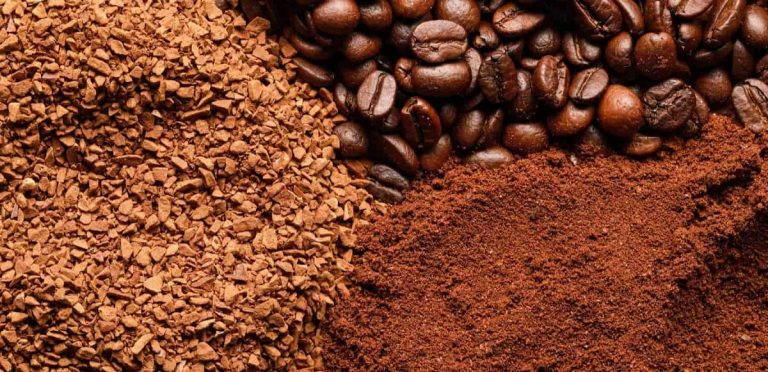
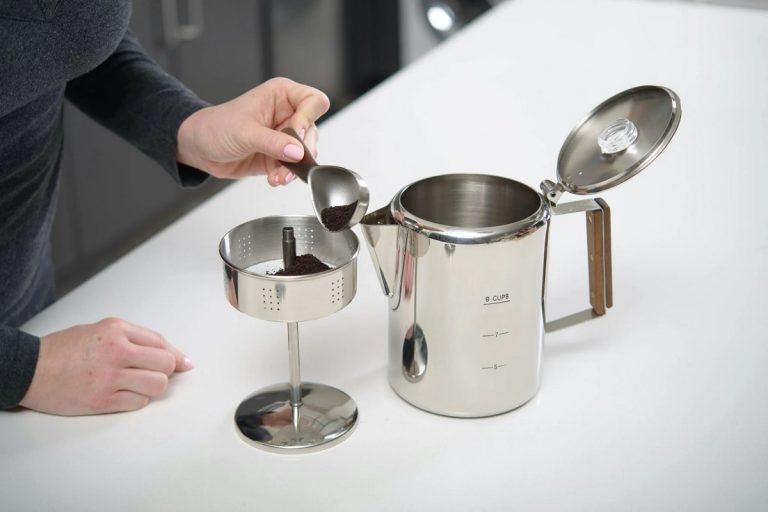
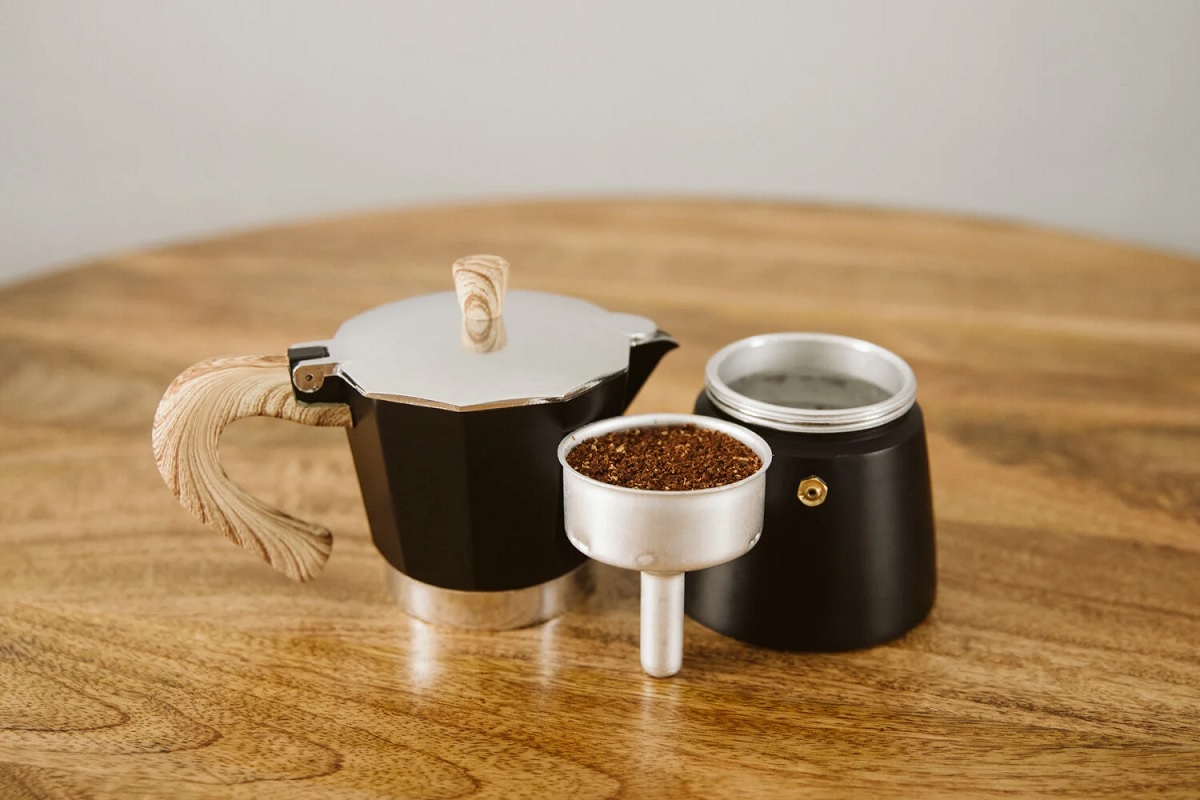
The coffee grounds should be medium-fine, slightly coarser than espresso, to allow proper pressure extraction without clogging. Fill the filter basket without pressing the coffee too tightly, as tamping can overcompress the grounds and hinder water flow. Level the surface gently using a spoon or finger to ensure even distribution.
Consistency in grind size and amount ensures predictable flavor with each brew. Experimenting with small adjustments in coffee quantity allows you to fine-tune strength and richness according to your taste. Avoid overfilling, as this can increase pressure and produce a bitter, over-extracted brew. Properly measured and leveled grounds create uniform extraction and unlock the full aromatic potential of your beans.
Assembling the Moka Pot
Once the water and coffee are prepared, assemble the Moka pot carefully. Place the filter basket into the bottom chamber, secure the top chamber tightly, and ensure the gasket and threads are aligned correctly. A loose assembly can cause leaks or uneven pressure during brewing, resulting in weak or bitter coffee.
Double-check the safety valve is unobstructed to maintain proper pressure control. Proper assembly also protects your Moka pot from long-term wear and prevents accidents on the stovetop. Taking a few extra moments to ensure all components fit securely guarantees a smooth, consistent brewing process and a perfect cup every time.
Brewing Coffee in a Moka Pot
Brewing coffee in a Moka pot is a rewarding process that brings out rich aromas and bold flavors. Unlike other brewing methods, the Moka pot uses steam pressure to extract coffee quickly while maintaining its body and complexity. Mastering the brewing process ensures consistency and helps you enjoy a café-quality cup at home. Understanding heat management, timing, and technique is key to achieving the perfect balance in your coffee.
Heating and Monitoring the Pot
Place the Moka pot on medium heat, ensuring the handle remains away from direct flame or electric heat to avoid burns. As the water in the lower chamber heats, pressure builds and pushes water through the coffee grounds into the upper chamber. It’s essential to monitor the pot during brewing to avoid overheating, which can scorch the coffee or create a bitter taste.
The brewing process typically takes 4–6 minutes, depending on heat intensity and the amount of coffee. A gentle, steady heat allows the coffee to extract evenly, producing a balanced cup. Listen for a hissing or gurgling sound, signaling that extraction is nearly complete. Removing the pot from heat at the right moment prevents over-extraction and preserves flavor nuances. With careful attention, heating and monitoring ensure a smooth, aromatic brew.
Controlling Extraction for Flavor
Extraction control is crucial to get the desired taste from your Moka pot coffee. Coffee brewed too quickly can taste weak, while overly slow brewing can result in bitterness. Medium heat ensures the water flows at an optimal rate through the coffee grounds, extracting oils and soluble compounds without burning them.
Swirling the upper chamber gently once brewing is complete helps mix the coffee evenly and enhances aroma. Avoid stirring during extraction, as this can disrupt pressure and lead to inconsistent flavor. Observing color changes as coffee rises into the top chamber helps gauge brewing progress. Proper control over extraction ensures a full-bodied cup with rich flavor, balanced acidity, and minimal bitterness.
Serving and Enjoying Your Brew
Once brewing finishes, remove the Moka pot from heat and allow it to sit for a minute to stabilize the temperature. Pour immediately to enjoy the best aroma and flavor, avoiding prolonged contact with the hot metal, which can alter taste. Moka pot coffee is versatile, ideal for drinking straight or using in milk-based drinks like lattes and cappuccinos.
Pair your coffee with complementary foods or enjoy it alone to savor its intensity. The concentrated flavor profile of Moka pot coffee allows experimentation with different beans and roast levels, revealing unique tasting notes in each cup. Serving correctly ensures the bold richness is preserved, making each sip satisfying and memorable.
Tips for Consistency
Achieving consistent results requires attention to routine. Using a consistent grind size, water temperature, and coffee quantity helps replicate your favorite cup every time. Cleaning the Moka pot after each use prevents oil buildup and maintains flavor integrity. Avoid overfilling the basket or tamping the grounds, as this affects pressure and extraction.
Small adjustments in technique, such as heat level or brewing duration, can fine-tune flavor to personal preference. Keeping track of successful brewing variables creates a reliable reference for future brews. With careful attention and consistent technique, your Moka pot becomes a tool for producing flavorful, rich coffee that highlights the best qualities of your beans.
Tips for Perfect Moka Pot Coffee
Brewing coffee in a Moka pot can be simple, but achieving the perfect cup requires attention to detail. Factors like grind size, water temperature, and brewing technique play a major role in taste, aroma, and strength. Following practical tips ensures consistent, flavorful coffee every time. By understanding how each element affects the brewing process, you can elevate your Moka pot coffee from ordinary to exceptional.
Choose the Right Coffee Grind
The grind size is crucial for extracting rich flavor without bitterness. Medium-fine grind is ideal for Moka pots, slightly coarser than espresso but finer than drip coffee. Using too fine a grind can clog the filter and create overly bitter coffee, while too coarse a grind leads to weak, under-extracted brews.
Consistency in grind size is equally important. Uneven particles result in uneven extraction, producing a mix of bitter and sour flavors. Burr grinders are preferred over blade grinders because they provide uniformity and allow precise control over grind size. Paying attention to grind selection ensures that water flows smoothly through the coffee, extracting oils and aromas evenly. Experimenting with different beans and grind levels lets you tailor flavor, body, and strength to your personal preference, unlocking the full potential of each cup.
Monitor Heat and Brewing Time
Maintaining the correct heat is essential for perfect extraction. Medium heat allows water to flow steadily through the coffee, producing balanced flavor without burning or over-extracting. High heat may push water too quickly, resulting in weak or burnt coffee, while low heat extends brewing time and can produce overly bitter flavors.
Listening and observing are key during brewing. A gentle gurgling sound signals the coffee is nearly done, while rapid bubbling indicates excessive heat. Removing the pot from the stove at the right moment prevents over-extraction, preserving aroma and body. Swirling the upper chamber slightly after brewing helps mix the coffee evenly, enhancing the final taste. Controlling heat and timing ensures your coffee is smooth, rich, and aromatic with every brew.
Measure Water and Coffee Accurately
Precision in measuring both water and coffee grounds makes a noticeable difference. Fill the bottom chamber up to the safety valve and avoid overfilling. Using the correct amount of coffee in the filter basket ensures proper extraction and strength. Too much coffee increases pressure and bitterness, while too little produces weak, underwhelming coffee.
Filtered water enhances taste and reduces mineral buildup, which can affect flavor and longevity of the Moka pot. Consistent measurements allow repeatable results, making it easier to replicate your favorite cup. Keeping track of water and coffee ratios also helps when experimenting with different beans or roasts, letting you fine-tune strength and flavor while maintaining balance and richness.
Maintain and Clean Your Moka Pot
A clean Moka pot is critical for perfect coffee. Residual coffee oils or mineral buildup can alter taste, introducing bitterness or stale flavors. Disassemble and rinse all parts with warm water after each use, avoiding soap, which may leave residue. Regularly inspect the gasket and filter for wear, replacing them as needed to maintain proper pressure and flow.
Periodic descaling removes mineral deposits, especially in areas with hard water. Proper maintenance ensures smooth brewing, consistent flavor, and longevity of your Moka pot. Attention to cleaning and care guarantees that each cup remains fresh, aromatic, and full-bodied, reflecting the true character of your coffee beans.
FAQs
What Grind Should I Use For A Moka Pot?
For a Moka pot, you should use a medium-fine grind, slightly coarser than espresso but finer than drip coffee. The right grind allows water to pass through the coffee evenly under pressure, producing a rich, balanced brew.
If the grind is too fine, it can clog the filter and cause over-extraction, resulting in bitter coffee. Too coarse, and your coffee may taste weak or watery. Experimenting with grind size and noting the results helps you consistently achieve smooth, flavorful Moka pot coffee every time.
How Much Coffee Should I Put In A Moka Pot?
The amount of coffee depends on your Moka pot size, but generally, you should fill the filter basket just below the rim without pressing the grounds down. Overfilling can cause excessive pressure, while underfilling may make weak coffee.
Using a scale or scoop ensures consistent coffee-to-water ratio. Standard ratios are usually 1:10, meaning for every gram of coffee, use 10 grams of water. This balance helps you achieve rich flavor, proper extraction, and a smooth cup every time.
Can I Use Tap Water Or Should I Use Filtered Water?
Using filtered or clean water is highly recommended for Moka pot coffee. Tap water with high mineral content or impurities can affect flavor and leave deposits inside your pot over time.
Filtered water enhances the natural aroma and taste of the coffee, giving a smoother cup. He or she should avoid using distilled water, which can make coffee taste flat. Proper water quality is crucial for consistently flavorful and aromatic coffee.
How Long Should I Brew Coffee In A Moka Pot?
Brewing usually takes 4–6 minutes over medium heat. You’ll hear a gurgling or hissing sound when the water in the lower chamber has pushed through the coffee and filled the top chamber.
Brewing too quickly with high heat can cause burnt, bitter coffee, while brewing too slowly may result in under-extracted, weak coffee. Observing the sound and color of the coffee as it rises helps you know when the process is complete for the best flavor.
Can I Make Espresso-Like Coffee Using A Moka Pot?
Moka pot coffee is stronger and more concentrated than drip coffee but is not true espresso, as it cannot reach the high pressure of an espresso machine. It produces a rich, robust flavor that closely resembles espresso, especially with a fine grind and proper brewing technique.
You can enhance the crema-like layer by using freshly roasted beans, the correct grind, and optimal heat. While it won’t replicate espresso perfectly, a Moka pot delivers a satisfying, bold cup that is ideal for lattes, cappuccinos, or drinking straight.
How Do I Clean And Maintain My Moka Pot?
Cleaning your Moka pot regularly ensures great tasting coffee and long-lasting equipment. Rinse all parts with warm water after each use and avoid soap, which can affect coffee flavor.
Periodically, check the gasket and filter for wear and replace them if necessary. He or she should also remove any residual coffee oils to prevent bitterness. Proper maintenance, including drying completely before reassembling, keeps your Moka pot in perfect condition for consistently smooth, flavorful coffee every time.
Final Words
Brewing coffee with a Moka pot is both an art and a science that brings rich, bold flavors into your cup. Understanding the steps involved, from preparing the pot and measuring water and coffee to controlling heat and extraction, ensures a consistently satisfying brew. Paying attention to these details elevates your coffee experience beyond ordinary stovetop brewing.
Following proper technique allows you to maximize the aroma and body of your coffee. The Moka pot’s design produces a concentrated, espresso-like brew, and mastering water temperature, grind size, and brewing time ensures the flavors are balanced and smooth. Small adjustments can tailor the cup to your personal taste, making each brew uniquely enjoyable.
Learning [How to Make Coffee in Moka Pot] empowers you to experiment with different beans, roast levels, and brewing styles. With practice and consistency, your Moka pot becomes a reliable tool for producing café-quality coffee at home, turning every morning into a flavorful ritual.