How Many Ounces in an Espresso Shot Explained Simply
Espresso is known for its bold flavor, rich crema, and concentrated strength, yet many coffee drinkers still feel unsure about its actual size. Understanding the standard serving helps you better enjoy café drinks and recreate them at home with confidence. Knowing the exact amount also improves consistency when following espresso-based recipes.
When ordering or brewing espresso, measurements matter more than you might expect. A small difference in volume can affect taste, strength, and balance. Baristas rely on precise measurements to ensure every shot delivers the same intensity and mouthfeel, cup after cup.
For home brewers, learning How Many Ounces in an Espresso Shot removes confusion and helps align expectations with café standards. It also allows you to adjust milk ratios properly when making lattes, cappuccinos, or americanos.
Once you understand espresso shot sizing, choosing cups, dialing in machines, and following recipes becomes much easier. This simple knowledge brings clarity to espresso preparation and enhances your overall coffee experience from the first sip to the last.
Standard Espresso Shot Measurements
Understanding standard espresso shot measurements is essential for achieving consistency, balance, and authentic flavor. Espresso is highly concentrated, so even small changes in volume can impact strength and taste. Knowing the standard measurements helps you brew confidently at home, order accurately in cafés, and follow espresso-based recipes with precision. These measurements form the foundation of classic espresso preparation worldwide.
Single Espresso Shot Size
A single espresso shot is the foundation of all espresso-based drinks and follows a widely accepted standard. Typically, a single shot measures about one ounce of liquid coffee. This small volume is the result of forcing hot water through finely ground coffee under pressure, producing a concentrated beverage with intense flavor and a layer of crema on top. Despite its size, a single shot delivers a strong taste and noticeable caffeine content.
In professional settings, baristas focus not only on liquid volume but also on extraction time and coffee dose. A single shot usually uses around seven to nine grams of coffee grounds and is extracted in approximately 25 to 30 seconds. This balance ensures proper flavor extraction without bitterness or sourness. Measuring the liquid output helps maintain consistency across multiple servings.
For home brewers, understanding the standard size of a single shot helps when using espresso machines or following recipes. It also ensures proper ratios when adding milk or water. Maintaining this measurement allows you to replicate café-style espresso while preserving the drink’s intended strength and aroma.
Double Espresso Shot Size
A double espresso shot is the most common serving in modern coffee culture. It typically measures around two ounces and uses approximately 14 to 18 grams of coffee grounds. Many cafés default to serving double shots because they provide a more balanced flavor and fuller body compared to single shots. This measurement allows better extraction and highlights the complexity of the coffee beans.
The brewing process for a double shot follows similar timing to a single shot, usually between 25 and 30 seconds. However, the increased coffee dose results in a richer mouthfeel and stronger caffeine content. Baristas rely on precise measurements to ensure consistency, as small variations in volume can noticeably alter taste.
For home espresso enthusiasts, understanding double shot measurements simplifies drink preparation. Most espresso-based beverages like lattes, cappuccinos, and flat whites are built around a double shot. Using the correct volume ensures the milk-to-espresso ratio stays balanced, preserving flavor integrity. Measuring accurately helps you achieve café-quality results with every brew.
Ristretto and Lungo Variations
Ristretto and lungo shots are variations of standard espresso that differ mainly in water volume. A ristretto shot is shorter and more concentrated, typically measuring about 0.75 ounces. It uses the same amount of coffee grounds as a standard shot but less water, resulting in a sweeter, more intense flavor with reduced bitterness. This variation highlights the coffee’s natural sweetness and body.
A lungo shot, on the other hand, is longer and measures about 1.5 to 2 ounces for a single shot. It uses more water during extraction, creating a lighter-bodied espresso with increased bitterness. While it has a higher volume, it doesn’t necessarily contain more caffeine due to extended extraction pulling out different compounds.
Understanding these variations helps you choose the right espresso style for your taste. Accurate measurement ensures the intended flavor profile is achieved. Whether you prefer the intensity of a ristretto or the extended flavor of a lungo, knowing the standard volumes allows consistent preparation and better control over taste.
Why Measurement Consistency Matters
Consistency in espresso shot measurements is critical for maintaining flavor quality. Espresso is sensitive to small changes, and even a quarter-ounce difference can affect strength, bitterness, and mouthfeel. Professional baristas rely on precise measurement tools to ensure every shot matches the intended standard. This consistency builds trust and reliability in café settings.
At home, consistent measurements help eliminate guesswork. Using a scale, shot glass, or built-in espresso machine indicators allows you to track output accurately. Maintaining standard volumes ensures repeatable results, making it easier to refine grind size, dose, and extraction time. Over time, this consistency improves brewing confidence and skill.
Standard measurements also ensure compatibility with recipes and drink ratios. Whether preparing a latte, americano, or cortado, accurate shot sizes maintain balance. Consistent measurement transforms espresso brewing into a controlled process, allowing you to focus on flavor refinement rather than correcting inconsistencies during each brew.
Factors That Affect Espresso Shot Volume
Espresso shot volume is influenced by more than just pressing a brew button. Small adjustments in technique, equipment, and ingredients can significantly change how much liquid ends up in your cup. Understanding these factors helps you control strength, flavor, and consistency. When you recognize what affects espresso shot volume, you gain the ability to fine-tune your brewing process with confidence and precision.
Coffee Grind Size and Particle Distribution
Grind size plays a major role in determining espresso shot volume. Finely ground coffee creates more resistance during extraction, slowing the flow of water and often resulting in a lower volume shot. Coarser grinds allow water to pass through more quickly, increasing shot volume but potentially weakening flavor. Finding the correct grind size is essential for balancing volume and taste.
Particle distribution also matters just as much as grind size itself. Uneven grinds create channels where water flows faster through certain areas of the coffee puck. This leads to inconsistent extraction and unpredictable shot volume. Using a high-quality burr grinder helps produce uniform particles, improving both control and repeatability.
Small grind adjustments can lead to noticeable changes in volume within seconds. When dialing in espresso, baristas often adjust grind size before changing dose or brew time. Maintaining consistency in grinding ensures that each shot produces a predictable volume, helping you replicate the same results across multiple brews.
Coffee Dose and Tamping Pressure
The amount of coffee used in the portafilter directly impacts espresso shot volume. A higher dose increases resistance, slowing water flow and reducing the final liquid output. A lower dose allows water to move more freely, increasing volume but potentially causing under-extraction. Maintaining a consistent coffee dose ensures predictable results and balanced flavor.
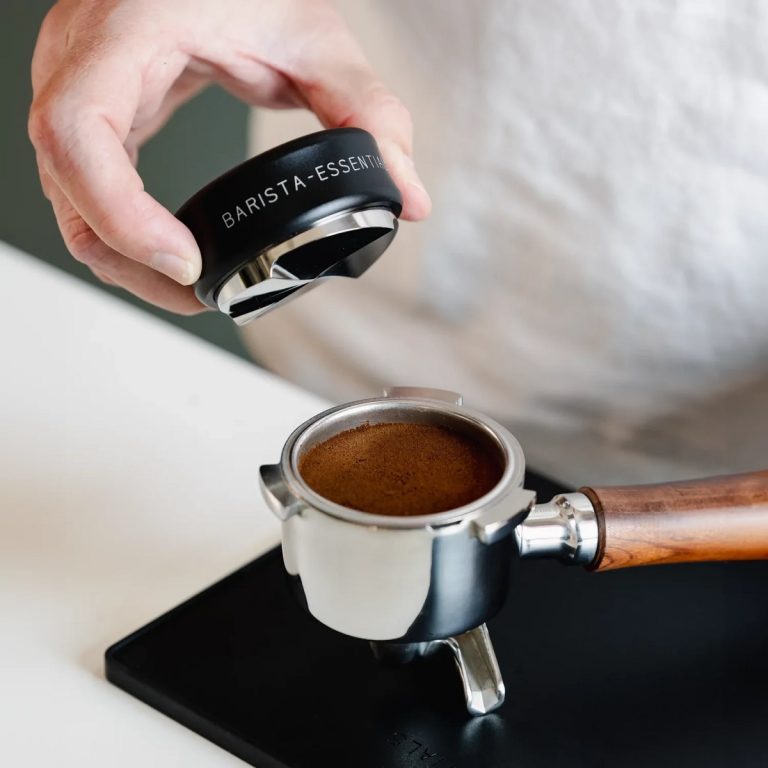
Tamping pressure also influences how water interacts with the coffee puck. Firm, even tamping compresses the grounds uniformly, reducing gaps that cause channeling. Uneven or light tamping allows water to rush through certain areas, increasing shot volume while reducing extraction quality. Consistent tamping helps regulate flow rate and volume.
Professional baristas focus on repeatable dosing and tamping techniques to maintain consistency. Using a scale to measure coffee and applying steady tamp pressure ensures each shot behaves similarly. When dose and tamp remain consistent, it becomes easier to adjust other variables without unexpected changes in espresso shot volume.
Brew Time and Machine Pressure
Brew time is closely connected to espresso shot volume. Longer extraction times usually result in higher liquid output, while shorter brew times produce smaller shots. Standard espresso extraction typically falls between 25 and 30 seconds, but slight variations can significantly alter volume and taste. Timing helps control how much water passes through the coffee.
Machine pressure also plays a critical role. Espresso machines generally operate around nine bars of pressure, forcing water through tightly packed grounds. If pressure drops or fluctuates, water flow changes, affecting shot volume. Consistent pressure ensures stable extraction and predictable results.
Home machines may experience pressure inconsistencies due to temperature fluctuations or pump limitations. Monitoring brew time and understanding your machine’s pressure behavior helps you anticipate volume changes. When brew time and pressure are properly controlled, espresso shot volume becomes easier to manage and replicate.
Water Temperature and Quality
Water temperature affects how efficiently coffee compounds dissolve during extraction. Hotter water extracts faster, often increasing shot volume within the same brew time. Cooler water slows extraction, resulting in smaller shots and potentially sour flavors. Maintaining proper temperature stability is essential for consistent espresso volume.
Most espresso machines aim for water temperatures between 195°F and 205°F. Variations outside this range can change flow rate and extraction efficiency. Preheating the machine, portafilter, and cups helps stabilize temperature and ensures consistent water delivery during brewing.
Water quality also influences shot behavior. Mineral content affects how water interacts with coffee grounds. Hard water may slow extraction, while soft water may extract too quickly. Using filtered water with balanced mineral content supports predictable flow and volume. Consistent water conditions reduce variability and improve control over espresso shot size.
Filter Basket and Portafilter Design
The design of the filter basket affects espresso shot volume by controlling water flow through the coffee puck. Different basket sizes and hole patterns influence resistance and extraction rate. A larger basket allows higher doses and potentially greater volume, while smaller baskets limit output.
Portafilter design also plays a role. Precision baskets with evenly spaced holes promote uniform extraction, reducing channeling and volume inconsistencies. Standard baskets may produce variable results depending on grind and tamp. Choosing high-quality accessories improves shot consistency.
Understanding your equipment helps you adjust technique accordingly. Matching basket size with the correct coffee dose ensures stable extraction and predictable volume. When filter basket and portafilter variables are accounted for, espresso shot volume becomes easier to control and refine, allowing more consistent brewing results.
Espresso Shot Variations and Styles
Espresso shot variations reflect how small changes in brewing technique can create distinctly different drinking experiences. From short, intense shots to longer, lighter extractions, each style emphasizes unique flavor characteristics. Understanding these variations helps you choose the right espresso style based on strength, aroma, and mouthfeel. Knowing how espresso shots differ also improves consistency when ordering or preparing espresso-based drinks.
Ristretto Espresso Shot
A ristretto is a shorter and more concentrated version of a standard espresso shot. It typically uses the same amount of coffee grounds but less water, resulting in a smaller volume and more intense flavor. The reduced water flow limits extraction, emphasizing sweetness while minimizing bitterness. Many coffee drinkers prefer ristretto shots for their smooth texture and bold aroma.
During preparation, water passes through the coffee grounds for a shorter time, often producing a shot around 0.75 ounces. This style highlights the coffee’s natural oils and crema, creating a richer mouthfeel. Baristas often adjust grind size slightly finer to control flow and achieve the desired concentration.
Ristretto shots are commonly used in specialty coffee settings where flavor clarity and intensity are prioritized. They work well as a standalone espresso or as the base for milk drinks that benefit from a stronger coffee presence. Accurate measurement and careful control ensure the ristretto maintains its signature richness.
Lungo Espresso Shot
A lungo is the opposite of a ristretto, using more water during extraction to produce a longer shot. Typically measuring between 1.5 and 2 ounces for a single shot, a lungo extracts more compounds from the coffee grounds. This results in a lighter body but increased bitterness compared to standard espresso.
The extended extraction time allows water to pass through the coffee puck for longer, pulling out additional soluble elements. While the volume is higher, the flavor becomes more diluted and less concentrated. Many coffee drinkers enjoy lungos for their smoother drinking experience and extended flavor profile.
Lungo shots are often preferred by those who want a less intense espresso without adding milk or water afterward. Maintaining consistent grind size and timing is crucial to avoid over-extraction. When prepared correctly, a lungo offers a balanced yet distinct alternative to traditional espresso shots.
Single and Double Espresso Shots
Single and double espresso shots are the most common espresso styles worldwide. A single shot typically measures about one ounce and uses a smaller coffee dose. A double shot, often measuring around two ounces, uses twice the amount of coffee grounds. Modern cafés frequently serve double shots as the standard due to their balanced flavor and fuller body.
Double shots provide greater complexity and consistency, making them ideal for milk-based drinks like lattes and cappuccinos. They offer a stronger coffee presence without overwhelming bitterness. Single shots, on the other hand, are often used in traditional espresso servings or smaller beverages.
Understanding the difference between single and double shots helps you adjust recipes and expectations. Consistent measurement ensures proper ratios and flavor balance. Choosing between single or double shots depends on taste preference, caffeine needs, and drink style, making them essential espresso variations.
Specialty Espresso Styles
Specialty espresso styles introduce unique approaches to extraction and presentation. Styles like the doppio ristretto, triple shot, or long black adapt standard espresso principles to suit specific preferences. These variations focus on customizing strength, volume, and flavor intensity while maintaining espresso’s core characteristics.
Some specialty styles adjust grind size, dose, or water volume to create tailored experiences. Others modify how water is added, as seen in long blacks where hot water is poured before espresso. These methods preserve crema and alter mouthfeel without changing extraction basics.
Specialty espresso styles allow creativity while maintaining structure. Understanding these variations helps you explore new flavor profiles and personalize your espresso routine. Precise measurement and technique ensure these styles deliver consistent results, enhancing both enjoyment and brewing confidence.
Measuring Espresso Shots Accurately
Measuring espresso shots accurately is essential for achieving consistent flavor, strength, and balance. Espresso is highly concentrated, so even slight variations in volume or extraction can noticeably affect taste. Accurate measurement helps you control brew ratios, replicate café-quality results at home, and follow espresso-based recipes with confidence. Precision turns espresso brewing into a repeatable process rather than relying on guesswork.
Using a Scale for Precise Measurement
A digital scale is the most reliable tool for measuring espresso shots accurately. Unlike visual cues or cup markings, a scale measures the exact weight of the liquid espresso, offering greater precision. Many baristas measure espresso output in grams rather than ounces, as weight remains consistent regardless of crema volume. This method ensures repeatable results across different machines and coffee beans.
Using a scale also allows you to track brew ratios effectively. For example, a common ratio is 1:2, meaning 18 grams of coffee grounds produces about 36 grams of liquid espresso. Monitoring this ratio helps maintain balanced extraction and flavor consistency. Placing the cup on the scale during brewing allows real-time control over shot volume.
For home brewers, using a scale builds confidence and consistency. Over time, it becomes easier to identify ideal extraction points and make minor adjustments. Accurate weight-based measurement eliminates guesswork and provides dependable results with every espresso shot.
Shot Glasses and Visual Measurement
Shot glasses designed for espresso offer a convenient way to measure shot volume visually. These glasses often include ounce or milliliter markings, making it easy to see how much espresso is produced. While not as precise as a scale, they provide a quick reference for maintaining consistency, especially for beginners.
Crema can affect visual accuracy, as it adds volume without contributing significantly to liquid weight. This makes visual measurement less reliable for precise brewing. However, combining shot glasses with consistent extraction time helps maintain acceptable accuracy. Many baristas use shot glasses to monitor flow rate and timing rather than relying solely on volume markings.
For daily use, shot glasses are practical and accessible. When paired with consistent grind size and brew time, they help maintain uniform shot size. While not ideal for fine-tuning, they serve as a useful tool for maintaining general consistency in espresso preparation.
Timing and Brew Control
Brew time plays a crucial role in measuring espresso shots accurately. Standard espresso extraction typically falls between 25 and 30 seconds. Monitoring time helps regulate how much water passes through the coffee grounds, directly influencing shot volume. Shorter brew times usually produce smaller shots, while longer times increase volume and extraction.
Using a timer alongside measurement tools improves consistency. Many espresso machines include built-in timers, but external timers offer added precision. Tracking brew time allows you to detect inconsistencies caused by grind size, tamping, or machine pressure. When timing remains consistent, shot volume becomes more predictable.
Timing also supports troubleshooting. If shot volume is off, adjusting grind size or dose while maintaining the same brew time helps isolate variables. Consistent timing, combined with accurate measurement, ensures repeatable espresso shots and improved control over flavor and strength.
Equipment Calibration and Consistency
Accurate measurement depends heavily on properly calibrated equipment. Espresso machines, grinders, and scales should be checked regularly to ensure reliable performance. A miscalibrated grinder can affect extraction speed, altering shot volume even when measurements appear consistent. Routine maintenance supports accurate results.
Portafilter baskets and cups should also remain consistent. Using different cup sizes or basket types can influence perceived volume and extraction behavior. Sticking to the same tools helps reduce variability and improves measurement reliability. Clean equipment ensures unobstructed water flow and stable extraction.
Establishing a consistent setup makes accurate measurement easier. When equipment behaves predictably, adjustments become more effective. Calibration and routine checks reinforce precision, allowing you to measure espresso shots accurately and maintain consistent quality across every brew.
FAQs
How Many Ounces Are in a Standard Espresso Shot?
A standard espresso shot typically contains about one ounce of liquid coffee. This measurement refers to the brewed espresso itself, not the cup size it’s served in. Despite its small volume, espresso is highly concentrated and delivers bold flavor and noticeable strength.
When brewing at home or ordering in a café, understanding this one-ounce standard helps you follow recipes accurately and manage drink proportions. Knowing the exact ounce amount also makes it easier to balance milk and water when preparing espresso-based beverages like lattes or americanos.
Is a Double Espresso Shot Measured in Ounces?
Yes, a double espresso shot is usually measured at around two ounces. It uses roughly double the amount of coffee grounds compared to a single shot, resulting in a fuller-bodied and more balanced flavor. Many cafés serve double shots by default because they provide better consistency.
When making espresso at home, recognizing that a double shot equals two ounces helps you replicate café-style drinks. This measurement is especially useful when following recipes or adjusting strength without guessing how much espresso is actually in your cup.
Does Crema Affect the Ounce Measurement of an Espresso Shot?
Crema can visually make an espresso shot appear larger, but it doesn’t significantly change the actual liquid volume. The foam layer sits on top of the espresso and adds height rather than true liquid ounces. This can cause confusion when measuring by sight alone.
For more accuracy, many baristas measure espresso by weight instead of volume. Understanding how crema affects appearance helps you avoid overestimating ounces and ensures your espresso shot stays within standard measurements for consistent flavor and strength.
Are Espresso Shot Sizes the Same Everywhere?
Espresso shot sizes are generally consistent, but slight variations can exist depending on café practices or regions. Most places consider one ounce a single shot and two ounces a double shot, though extraction style and machine settings may cause small differences.
Knowing the standard ounce measurement helps you set expectations when ordering or brewing espresso. Even with minor variations, understanding the typical size allows you to judge strength accurately and adjust recipes or preferences without relying on guesswork.
How Can You Measure Espresso Shots Accurately at Home?
You can measure espresso shots at home using a shot glass with ounce markings or a digital scale. Measuring by weight is often more precise because crema doesn’t affect grams the way it affects volume. Many home brewers aim for consistency rather than exact visual measurements.
By tracking ounces or grams consistently, you gain better control over flavor and strength. Accurate measurement helps you repeat successful brews and make small adjustments confidently, improving your espresso-making skills over time.
Does Espresso Shot Size Affect Caffeine Content?
Yes, the ounce size of an espresso shot influences caffeine content, but not as dramatically as many people expect. A single one-ounce shot contains less caffeine than a larger brewed coffee, though it tastes stronger due to concentration.
A double shot increases caffeine because it uses more coffee grounds, not just more water. Understanding how many ounces are in an espresso shot helps you manage caffeine intake while still enjoying the flavor intensity espresso is known for.
Final Words
Understanding espresso shot measurements helps you achieve better consistency and flavor in every cup. Whether you enjoy a single shot or prefer a double, knowing the correct volume allows you to control strength, taste, and balance. Small variations in ounces can noticeably affect the final result, especially when paired with milk or other ingredients.
Learning [How Many Ounces in an Espresso Shot] also makes it easier to recreate café-style drinks at home. Accurate measurements help you adjust grind size, extraction time, and machine settings with confidence. This knowledge ensures each shot delivers the rich crema and bold flavor espresso is known for.
Mastering the basics of shot volume ultimately improves your overall coffee experience. By understanding [How Many Ounces in an Espresso Shot], you can avoid weak or over-extracted pours and enjoy a consistently satisfying espresso, no matter your brewing setup or personal preference.