How Does A Percolator Coffee Maker Work – Complete Guide
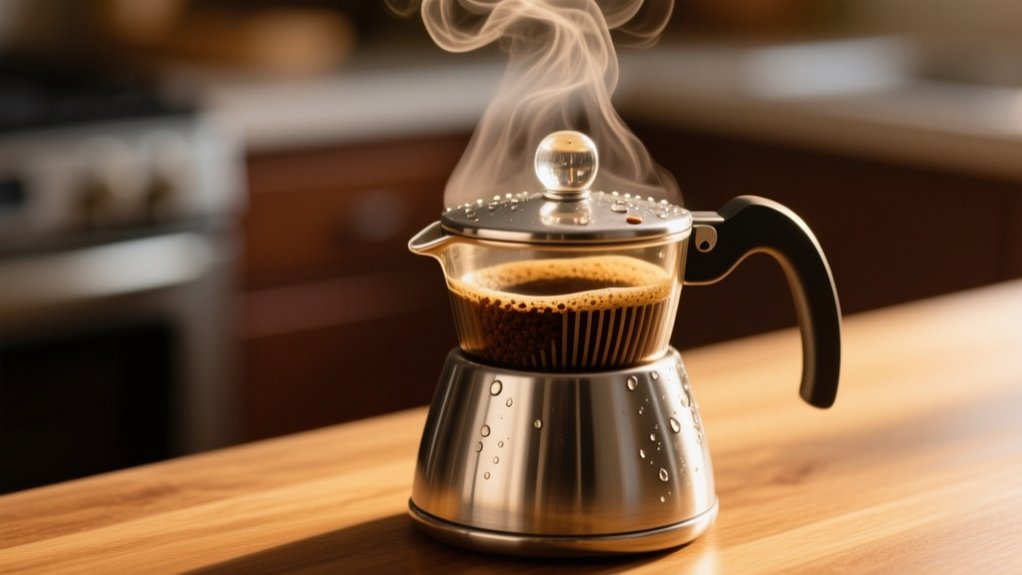
A stovetop percolator brews bold, rich coffee by cycling hot water through coarsely ground beans. You start by filling the base chamber with water and placing coffee grounds in the basket above.
As the water heats, steam forces it up the stem, saturating the grounds repeatedly for deep flavor extraction. Controlling heat and timing prevents bitterness, while regular cleaning maintains taste.
Keep going to explore perfect grind, precise measurements, and how percolators compare with other brewers.
Key Parts of a Stovetop Percolator and How They Work
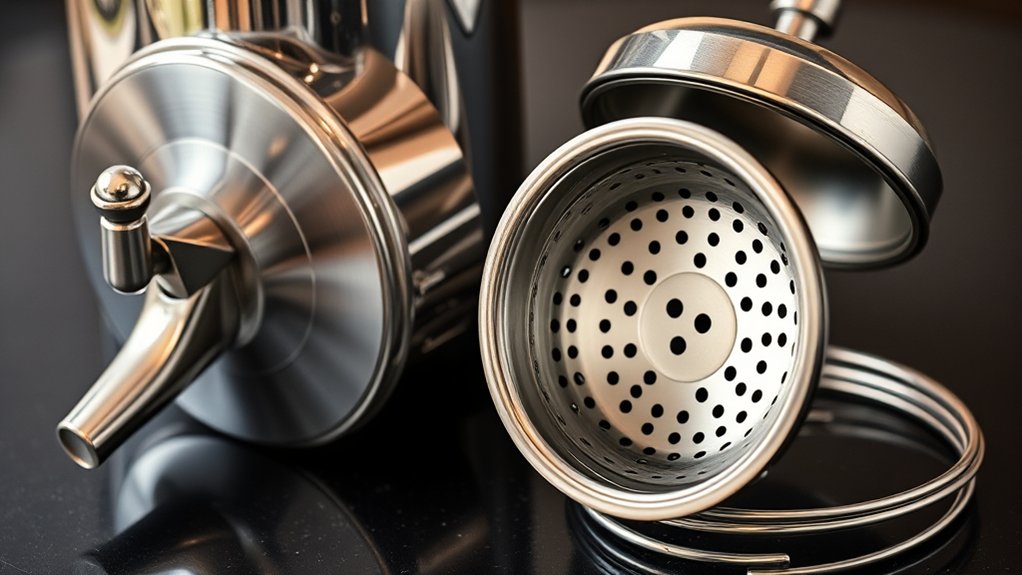
A stovetop percolator relies on three essential components working together to brew your coffee: the base chamber, the vertical stem, and the coffee basket.
You fill the base chamber with water, which heats up and creates steam that forces water up the vertical tube. This tube channels the hot water evenly over the coffee grounds contained in the coffee basket.
As the water seeps through the grounds, it extracts the rich flavors, producing brewed coffee that drips back into the base chamber. This continuous cycle intensifies the flavor.
To keep your stovetop percolator functioning perfectly, you should regularly clean the coffee basket and vertical tube to avoid buildup that can affect taste.
Understanding these parts helps you appreciate how each contributes to the brewing process.
How a Percolator Brews Coffee: Step-by-Step Process
You start by heating water in the lower chamber. As it heats up, steam pressure pushes the water up through the central tube.
Then, this hot water flows over the coffee grounds, extracting all those rich flavors. It keeps cycling back down repeatedly, which helps get the perfect brew.
Understanding this continuous extraction cycle is really the secret to mastering your coffee’s strength and taste.
Water Heating Mechanism
Once the water in the lower chamber heats up, steam pressure forces it to rise through a vertical tube and cascade over the coffee grounds held in the upper basket.
This water heating mechanism is critical for effective brewing. It relies on a consistent heat source to maintain the ideal brew time.
Here’s how it works:
- Water heats evenly in the lower chamber, building steam pressure.
- Pressure pushes the hot water upward through the vertical tube.
- Water flows over the coffee grounds, extracting flavors.
- Brewed coffee drips back down, ready for multiple cycles.
Coffee Extraction Cycle
Although the percolator’s design may seem simple, it employs a dynamic cycle to brew your coffee. As water heats in the lower chamber, steam pressure pushes boiling water up a vertical tube, distributing it evenly over the coffee grounds in the upper basket.
This hot water saturates the grounds, initiating the extraction process that releases rich flavors. The brewed coffee then drips back into the bottom chamber, where the cycle repeats multiple times.
By continuously cycling water through the coffee grounds, the percolator intensifies extraction, allowing you to control the desired strength. However, be mindful of timing because over-percolation can cause bitterness.
Using coarse coffee grounds guarantees proper flow and prevents clogging, giving you a balanced brew every time with your percolator.
Choose the Right Coffee Grind for Percolator Brewing
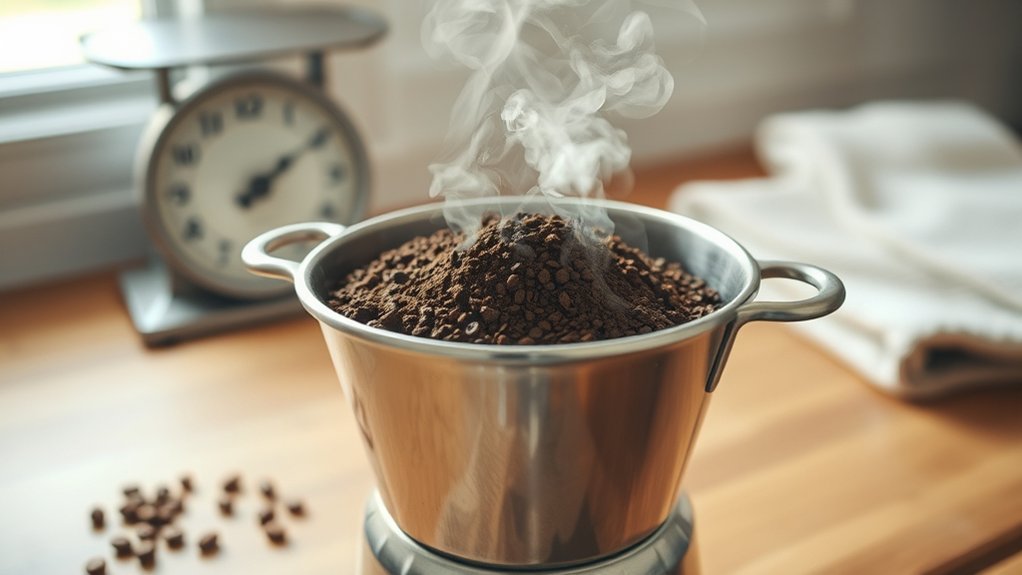
When brewing coffee with a percolator, selecting the right grind size is essential to achieving a bold, rich flavor without bitterness. A coarse grind, similar to sea salt, facilitates ideal extraction and prevents clogging during percolator brewing.
Fine coffee grounds can cause over-extraction and sediment, ruining your cup’s texture and taste. Use a burr grinder for consistent coarse grind, enhancing your brewing methods and overall coffee quality.
Keep these tips in mind:
- Choose a coarse grind for proper water flow and flavor balance.
- Avoid fine grounds to reduce bitterness and sediment.
- Use a burr grinder for uniform coffee grounds.
- Experiment within coarse ranges to match your taste preferences.
This precision guarantees a smooth, flavorful brew every time.
Measure Coffee and Water Perfectly for Your Percolator
You’ll want to measure your coffee and water carefully to get the perfect brew every time. Start with about one tablespoon of coarsely ground coffee for each cup of water, but feel free to adjust it to your taste.
And don’t forget to always fill the lower chamber with fresh, cold water.
Using a reliable scale or measuring spoons can really help keep things consistent. That way, you can fine-tune your ratios and get the best flavor every time you brew.
Ideal Coffee To Water
Getting the coffee-to-water ratio right is essential for brewing the perfect cup with your percolator. Using the correct balance guarantees your brewing coffee yields fresh coffee with the ideal strength and flavor.
Here’s how to nail it:
- Use 1 tablespoon (7-8 grams) of coarsely ground coffee per 240 ml (1 cup) of water for a strong brew.
- For a milder taste, reduce to 1 teaspoon (3-4 grams) per cup.
- A standard percolator holds about 500 ml (2 cups) of water, so use roughly 15 grams of coffee.
- Always choose coarsely ground coffee to prevent basket clogging and guarantee smooth percolation.
Adjust these ratios during initial brews to find your perfect coffee-to-water ratio and enhance your percolator experience.
Measuring Tools And Tips
Although measuring coffee and water might seem straightforward, using the right tools guarantees your brew stays consistent and balanced every time.
When using a coffee percolator, precise measuring tools like a kitchen scale and a dedicated coffee scoop are essential.
Stick to a coffee-to-water ratio of one tablespoon of coarse-ground coffee per cup for a strong brew, or one teaspoon for a milder taste.
Always use coarsely ground beans to prevent clogging and bitterness.
Weigh water carefully. 500 grams equals about two cups, so this helps maintain consistency in your brewing method.
Adjust your measurements slightly as you experiment, and record your findings.
This approach assures you master your percolator’s flavor profile, achieving perfect extraction every time.
Control Heat and Brewing Time for Percolator Coffee
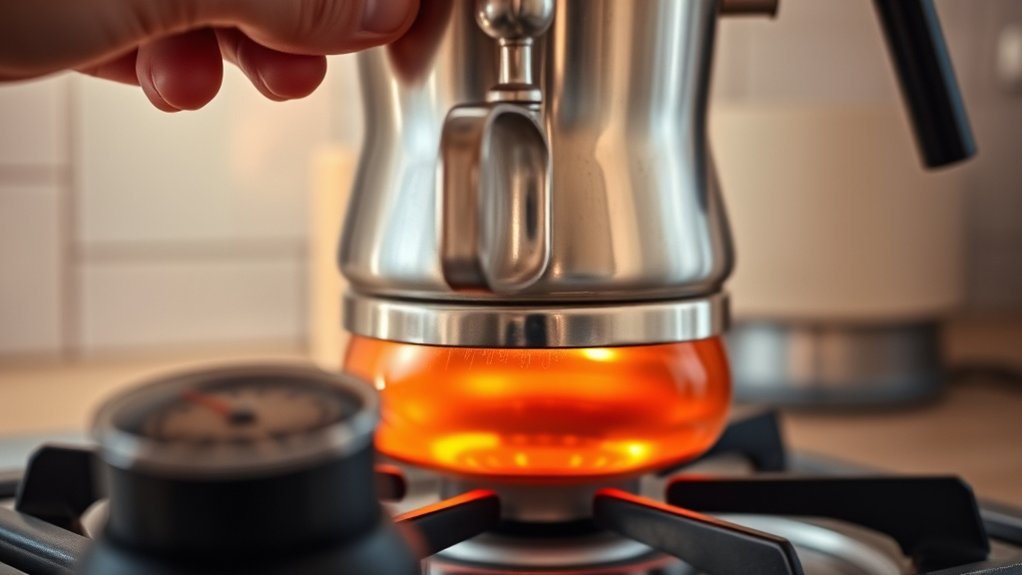
When you control the heat carefully and manage brewing time, you guarantee your percolator coffee reaches its full flavor potential without bitterness.
Maintaining medium-low heat during brewing guarantees peak extraction from the coffee grounds without over-percolation.
The ideal brewing time ranges from 7 to 10 minutes, adjustable based on your strength preference.
Here’s how to master this:
- Start with medium heat until the water boils, then reduce to medium-low to control heat.
- Use 1 tablespoon of coarsely ground coffee per cup of water for strength consistency.
- Monitor the glass knob to observe the percolation process and avoid over-extraction.
- Adjust brewing time within the 7–10 minute window to fine-tune flavor intensity.
This approach balances extraction, guaranteeing smooth, flavorful percolator coffee every time.
Avoid Bitterness and Over-Extraction When Brewing
Since maintaining the right brewing conditions is essential, you should keep the heat at medium-low once the percolator starts cycling. High temperatures can cause over-extraction, resulting in bitterness.
To avoid bitterness, limit the brewing process to 7-10 minutes and watch the clear knob closely to stop brewing at your preferred strength.
Use coarsely ground coffee to prevent clogging and guarantee smooth extraction.
Adjust coffee-to-water ratios, starting with 1 tablespoon per cup, to find the perfect balance that suits your taste.
When the coffee reaches your desired strength, promptly remove the percolator from the heat to halt extraction and preserve flavor.
Following these steps ensures a rich, balanced cup without the harshness caused by over-brewing.
Clean and Maintain Your Coffee Percolator Properly
Keeping your percolator clean right after brewing preserves the quality of your coffee and extends the life of your equipment. To properly maintain your coffee percolator, follow these essential steps:
- Rinse the brewing basket and water chamber with warm, soapy water immediately. This helps prevent dried coffee grounds from sticking.
- Regularly check and clear the coffee basket and stem to avoid blockages that can affect how well your coffee brews.
- For a deep clean, heat a mixture of vinegar or baking soda in the water chamber for 10 minutes, then rinse everything thoroughly.
- Make sure to dry all the parts completely before putting your percolator back together. This prevents mold and damage.
Use a Percolator on Gas, Electric, and Campfire Stoves
You can brew great coffee with a percolator on three main heat sources: gas, electric, and campfire stoves.
On a gas stove, start with a medium flame and reduce to medium-low once the water boils to avoid over-extraction.
Begin with medium flame on gas, then lower to medium-low after boiling to prevent over-extraction.
For an electric stove, set the burner to medium heat to keep the brewing process steady and consistent.
When using a campfire, place your percolator on a stable surface or grate to prevent direct flame contact that can scorch the coffee.
Regardless of the heat source, closely monitor the brewing process to achieve your preferred coffee strength without burning the grounds.
Mastering these techniques with your percolator guarantees rich, flavorful coffee whether you’re indoors or outdoors.
Compare the Percolator With Other Coffee Makers
Although percolators share the goal of brewing coffee, their method of continuously cycling boiling water through the grounds sets them apart from other makers like drip machines, moka pots, siphons, and French presses.
This unique process influences the flavor profiles you get from each method.
Here’s how they compare:
- A percolator pushes boiling water repeatedly through coffee grounds, intensifying the brew.
- Drip coffee makers let water pass once through grounds by gravity, yielding a lighter taste.
- Moka pots use pressure but don’t recycle water, creating a strong yet different flavor.
- French presses steep grounds without cycling, producing a distinct, full-bodied profile.
Understanding these differences helps you choose the right tool to brew coffee matching your flavor preference.
Why Coffee Lovers Choose Percolators for Bold Flavor
You’ll notice that percolators cycle hot water through the coffee grounds over and over again. This process pulls out deeper, bolder flavors compared to many other brewing methods.
Because of this, the coffee ends up with a rich, intense taste.
It’s this robust technique that really brings out the natural oils and fullness in the coffee.
Enhanced Flavor Extraction
Because a percolator continuously cycles hot water through the coffee grounds, it extracts flavors more thoroughly than many other brewing methods. This enhanced flavor extraction creates a richer, bolder cup that coffee lovers crave.
You use coarsely ground coffee to avoid clogging and guarantee peak brewing. Adjusting brewing time lets you customize the strength and intensity to your preference.
Here’s why percolators excel at flavor extraction:
- Hot water recirculates over coffee grounds multiple times, deepening flavor.
- Oils and aromatics are fully drawn out, creating a robust brew.
- Coarse grounds allow steady percolation without bitterness.
- Brewing time control lets you tailor the taste to your liking.
With these factors, you get a cup packed with bold, complex flavors every time.
Robust Brewing Technique
When you choose a percolator, you tap into a brewing technique that cycles hot water repeatedly through coarse coffee grounds. This process reveals a depth of flavor that drip machines often miss.
This robust brewing method guarantees multiple extractions, producing a bold, intense cup. The coarse grind prevents clogging, allowing maximum saturation and flavor release during each cycle.
Typically, brewing lasts 7 to 10 minutes, balancing strength without bitterness. Coffee lovers prefer percolators for this rich, multi-layered taste.
| Feature | Description | Benefit |
|---|---|---|
| Brewing Method | Continuous water cycling | Enhanced flavor extraction |
| Coffee Grounds | Coarse grind | Prevents clogging |
| Brewing Time | 7 to 10 minutes | Balanced strength, no bitterness |
| Final Flavor | Bold and robust | Rich, intense coffee experience |
Frequently Asked Questions
Can I Use Flavored Coffee Grounds in a Percolator?
Yes, you can use flavored coffee grounds in a percolator, but keep the grind size coarse to avoid clogging.
Flavored coffee oils intensify during brewing, so watch the coffee strength and adjust brewing time accordingly.
Experiment with brewing tips to balance boldness without bitterness.
Remember, percolator maintenance is key. Residual flavored oils can build up and affect future brews.
Clean your percolator regularly to keep flavors fresh and guarantee peak performance every time.
Is It Safe to Leave a Percolator on the Heat Unattended?
You’ll want to avoid leaving a percolator on the heat unattended, as it raises some safety concerns.
Even with adjustable heat settings, prolonged brewing can lead to over-extraction, making your coffee bitter.
Most stovetop percolators lack automatic design features to prevent overheating, so unattended brewing risks damage or fire hazards.
To enjoy the best flavor and guarantee safety, it’s smart to keep an eye on your percolator throughout the brewing process.
What Materials Are Percolators Typically Made From?
Percolators typically feature stainless steel or aluminum in their design, balancing brewing efficiency and durability.
Stainless steel enhances coffee extraction by distributing heat evenly, while aluminum keeps the percolator lightweight but requires careful maintenance to avoid reactions.
Some models include glass lids for monitoring brewing, reflecting their historical origins.
Handles often use heat-resistant plastic for safe handling.
Knowing these materials helps you optimize coffee extraction and follow smart maintenance tips for lasting use.
How Do Altitude and Water Quality Affect Percolator Brewing?
Altitude alters your brewing temperature by lowering water’s boil point. This means you’ll need a longer brewing time to avoid weak, watery coffee.
Water hardness also plays a pivotal part. Hard water enhances extraction, while soft or chlorinated water can dull flavors.
To optimize taste, adjust your grind size and brewing time accordingly and always use fresh coffee.
Can I Use a Percolator for Tea or Other Beverages?
Yes, you can use a percolator for tea and other beverages. When making percolator tea, use a larger mesh basket to avoid clogging and cooler water to prevent bitterness.
Experiment with brewing techniques for herbal infusions, adjusting steeping times to suit flavors. This brewing versatility lets you create delicious flavored blends, from traditional teas to herbal and even hot chocolate.
Just remember to clean thoroughly to maintain flavor purity across drinks.
Conclusion
Now that you know how a percolator works, imagine the rich aroma rising as hot water cycles through your coffee grounds, creating a bold, full-bodied brew. With the right grind, perfect measurements, and careful heat control, you’ll master this classic method.
Whether on a stovetop or campfire, your percolator promises a timeless coffee experience. Keep it clean, and each cup will reward you with deep flavor and comforting warmth, sip after sip.