Can You Drink Old Coffee – Safety And Freshness Guide
You can safely drink old coffee if it’s stored properly. Sealed beans remain safe for years past roast, while brewed coffee holds up for about 4 hours at room temperature.
However, flavor degrades quickly because of oxidation. Whole beans stay fresh 2 to 12 months depending on storage, and ground coffee lasts 1 to 2 weeks.
Spoiled coffee poses health risks and tastes off. Understanding freshness and storage helps you enjoy better coffee and avoid waste, with more insights ahead.
Is It Safe to Drink Old Coffee?
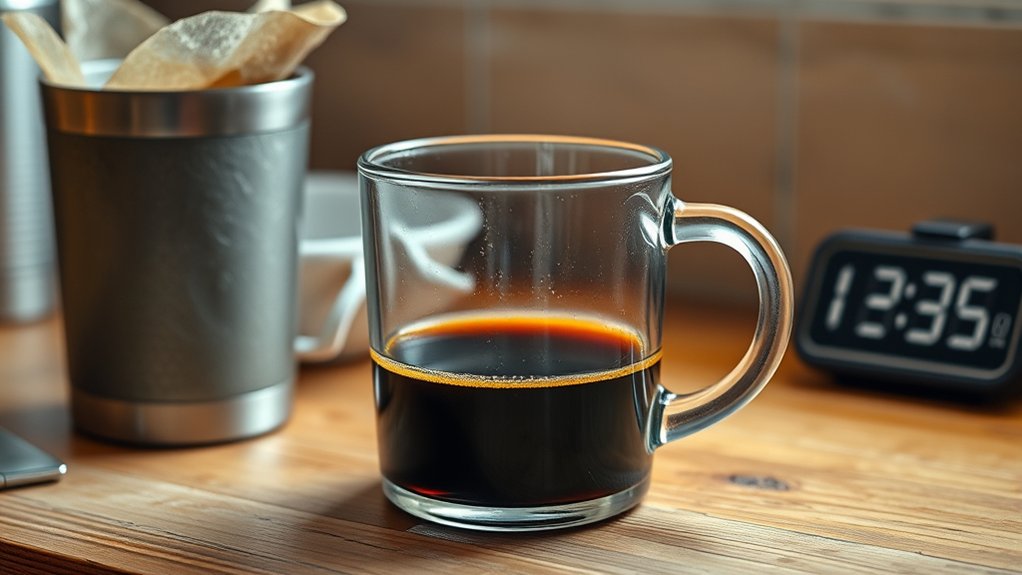
Although oxidation degrades the quality of coffee over time, sealed packages of coffee beans remain safe to brew even years past their roast date.
Oxidation affects coffee quality, but sealed beans stay safe to brew long after roasting.
When wondering, “is it safe to drink old coffee?” you should distinguish between stale coffee and unsafe coffee.
Proper storage prevents mold growth, so dry roasted beans rarely pose health risks.
Brewed coffee keeps safely at room temperature for up to 4 hours. Beyond that, discard coffee to avoid spoilage.
Refrigerated brewed coffee stays fresh for 3 to 4 days, with ideal flavor in the first 1 to 2 days.
Always inspect for signs of spoilage, such as sour smell, visible mold, or unusual appearance.
Discard coffee immediately if any are present.
Your safety depends on recognizing these indicators, not just age.
How Coffee Flavor Changes Over Time
When coffee is exposed to air, light, and moisture, oxidation begins to break down its complex flavors. This causes a noticeable decline in taste and aroma within just two weeks after roasting.
You’ll find that whole beans maintain their fresh flavor longer, typically 2 to 4 weeks. Ground coffee loses its ideal taste within 1 to 2 weeks because the increased surface area speeds up oxidation.
As coffee ages, it turns stale and often tastes flat or bitter. Even freshly brewed coffee starts to lose its flavor within 30 minutes and noticeably degrades after two hours at room temperature.
Understanding how oxidation impacts coffee helps you appreciate the importance of proper storage and timely consumption. That way, you can enjoy a flavorful brew instead of a stale one.
How Long Do Whole Coffee Beans Stay Fresh?
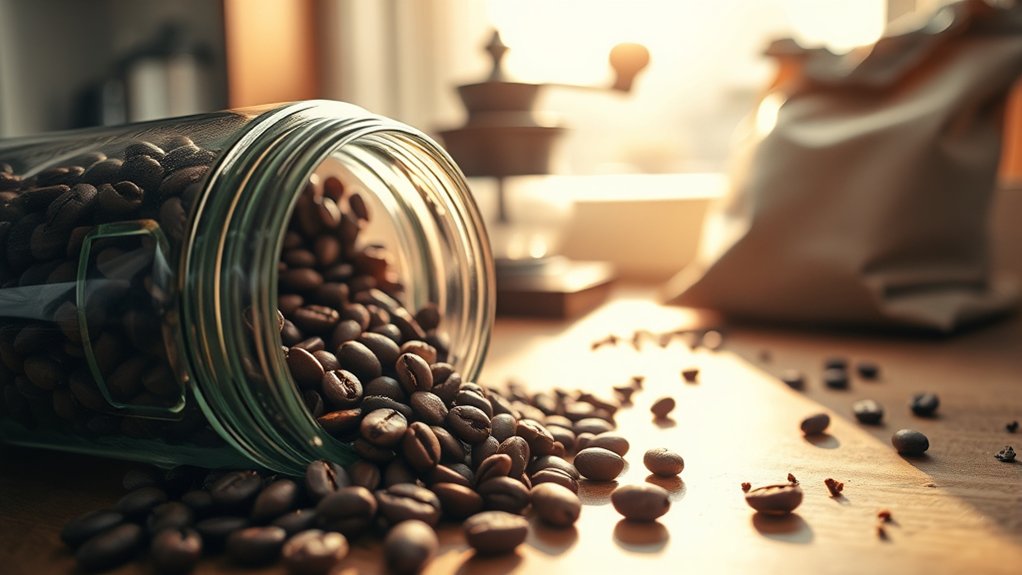
Understanding the timeline for whole coffee beans’ freshness helps you plan your purchases and storage methods effectively. Unopened whole beans can stay fresh for 6 to 12 months past the roast date if stored properly in a cool, dark place.
Once opened, coffee beans retain peak freshness for 2 to 4 weeks when kept in an airtight container. Vacuum-sealed or nitrogen-flushed packaging can extend shelf life close to a year.
Beyond these periods, expired coffee may lose aroma and flavor, resulting in dull coffee tastes.
| Condition | Freshness Duration |
|---|---|
| Unopened, stored properly | 6 to 12 months |
| Opened, airtight container | 2 to 4 weeks |
| Vacuum-sealed bags | Up to 12 months |
| Signs of expired coffee | Flat taste, no aroma |
How Long Does Ground Coffee Keep Its Flavor?
How long does ground coffee keep its flavor once opened? Ground coffee loses its peak freshness rapidly because the increased surface area exposure to oxygen speeds up staleness.
Typically, once opened, you’ll notice the best flavor within 1 to 2 weeks if the coffee is stored properly in an airtight container. Beyond this period, the coffee can stale much, greatly diminishing taste.
Unopened, store-bought ground coffee can last 3 to 5 months past its roast date, but the best flavor is usually experienced within the first 90 days. Freshly ground coffee, with even greater surface area, is best within 15 to 30 minutes.
While proper storage helps, ground coffee inevitably degrades faster than whole beans, so consuming it promptly guarantees ideal flavor.
How Long Can You Store Brewed Coffee Safely?
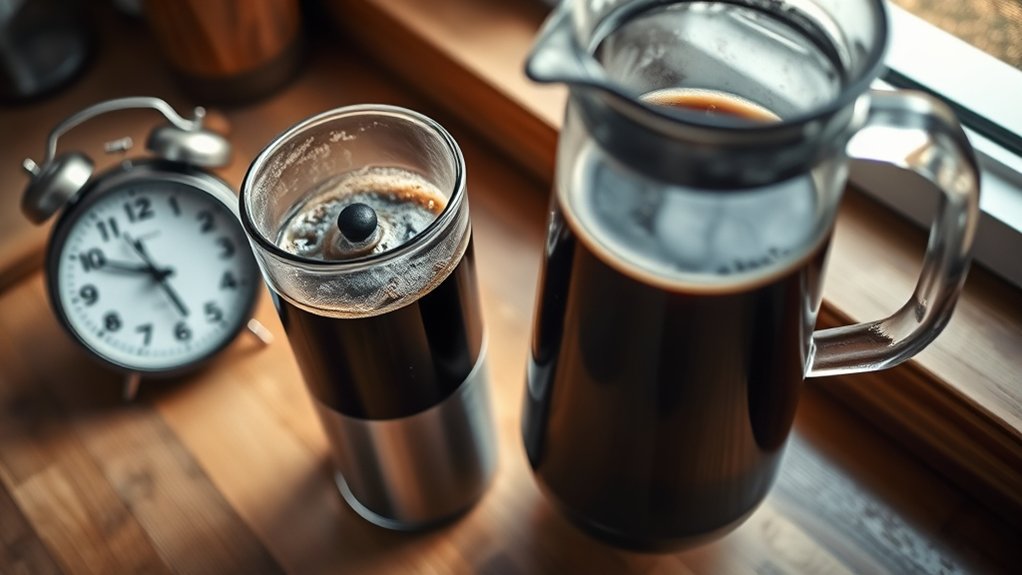
Exactly how long can you keep brewed coffee before it becomes unsafe or loses quality? Brewed coffee is best consumed within 30 minutes for peak flavor. At room temperature, you can safely store it up to 4 hours. Beyond that, safety and flavor quality decline sharply.
When refrigerated, brewed coffee lasts 3 to 4 days if stored properly, though the best flavor is within 1 to 2 days. Cooling coffee to room temperature before refrigerating prevents condensation, preserving taste.
| Storage Method | Safe Duration | Flavor Quality |
|---|---|---|
| Room Temperature | Up to 4 hours | Noticeable decline after 2 hours |
| Refrigerated | 3 to 4 days | Best within 1-2 days |
| Left Out All Day | Not safe | Poor quality |
Always prioritize safety over extended storage.
How Dairy and Additives Affect Coffee Safety
Since adding dairy or plant-based milk increases the risk of bacterial growth, you need to consume coffee with these additives within 12 days when refrigerated.
Dairy greatly reduces coffee’s shelf life compared to black coffee, which can remain safe for up to 42 days due to its acidity inhibiting bacteria.
Dairy shortens coffee’s shelf life, while black coffee stays safe up to 42 days thanks to its natural acidity.
Additives like cream or milk promote faster spoilage, so for safety and freshness, you must store coffee properly, sealed tightly to avoid odor absorption and contamination.
Consuming coffee with dairy within a week guarantees ideal flavor, but never exceed 12 days to avoid health risks.
Regularly check for sour smells or bitterness, signs that coffee with additives might’ve spoiled.
Following these guidelines helps you maintain coffee safety while enjoying its freshness.
How to Spot Spoiled or Stale Coffee
A reliable way to determine if your coffee has gone stale or spoiled is by evaluating its aroma, flavor, and appearance.
Start with an aroma check. Fresh coffee emits a strong, pleasant scent, while a flat or cardboard-like smell signals the coffee has gone stale.
Next, conduct coffee tasting. If the flavor profile is flat, bitter, or off, discard it.
Visually inspect coffee grounds or brewed coffee for visible mold or excessive oiliness, both clear signs of spoilage.
Keep in mind that storage conditions greatly affect freshness. Coffee stored improperly deteriorates faster.
Ground coffee typically loses peak flavor within 1-2 weeks after opening, so consume coffee within that timeframe for ideal taste.
Best Ways to Store Coffee for Maximum Freshness
Although coffee freshness naturally declines over time, you can markedly slow this process by storing your coffee properly. The best way to keep your coffee fresh is using an airtight container that minimizes oxygen exposure, which accelerates staleness.
Store whole beans and ground coffee in a cool, dark place away from sunlight and heat sources. Avoid the refrigerator for long-term storage. Whole beans last longer unopened, up to 6 to 12 months, and 2 to 4 weeks after opening if stored properly.
Ground coffee stales faster because of the increased surface area, so try to use it within 1 to 2 weeks.
Freezing coffee in small portions can extend freshness without exposing it to moisture. Always check the expiration date; if coffee is still stored properly and shows no spoilage, it remains safe and flavorful.
Creative Ways to Use Leftover or Stale Coffee
Proper storage can extend coffee’s freshness, but even when coffee starts to lose its ideal flavor, you don’t have to waste it. You can freeze leftover coffee in ice cube trays, creating coffee cubes that chill iced coffee without dilution.
Stale coffee works well in smoothies, providing a caffeine boost and adding subtle flavor. Furthermore, use leftover brewed coffee as a flavor enhancer in baking; it deepens the taste of chocolate cakes and brownies effectively.
Don’t overlook coffee grounds. They serve as natural fertilizer, enriching soil and supporting plant growth.
Stale coffee also functions as a deodorizer. Placing it in an open container absorbs unwanted kitchen or fridge odors.
These practical uses maximize value, reduce waste, and make the most of your coffee’s potential beyond drinking.
When to Toss Old Coffee to Avoid Bad Taste or Risk
You should toss coffee as soon as you notice any off-flavors, like sourness or a dull taste. These are clear signs that the flavor has really started to break down.
Also, if you see any mold or murkiness in your brewed coffee, that’s a definite sign it’s spoiled and could be unsafe to drink. So, it’s best to throw it out right away.
Paying attention to these signs not only helps you avoid bad taste but also keeps you safe.
Identifying Off-Flavors
How can you tell when coffee has gone bad? Identifying off-flavors is key to knowing when to discard old coffee. Spoiled coffee often smells sour or musty and tastes flat or overly bitter, which signals degradation.
Here’s what to watch for:
- Smell sour or unusual bitterness: This indicates the beans or brewed coffee are going bad.
- Tastes flat or cardboard-like: This means flavor loss due to staleness.
- Visual signs: Look for excessive oiliness or an unusual appearance on the surface.
- Trust your senses: If coffee smells or looks off, just discard it promptly.
Recognizing Mold And Spoilage
A critical indicator of spoiled coffee is the presence of mold, which can develop if brewed coffee sits out at room temperature for more than four hours.
When recognizing mold and spoilage, look for visible mold, a sour smell, or a murky appearance. These signs mean you should toss the coffee immediately.
Stale coffee beans also signal spoilage; they lack aroma, appear dull, and produce flat-tasting coffee, so avoid using them.
If your coffee has an oily texture or unusual color, discard it to prevent health risks.
To maintain fresh coffee, store beans properly in an airtight container and consume within two to four weeks of opening.
Proper storage is essential for preventing spoilage and preserving the coffee’s flavor and safety.
Frequently Asked Questions
Can Old Coffee Cause Headaches or Other Side Effects?
Yes, old coffee can cause headache triggers due to flavor degradation and aroma loss. This may increase your sensitivity to coffee.
If you have low caffeine tolerance, stale coffee might worsen withdrawal symptoms or cause health issues like stomach upset.
Brewing methods affect how these compounds develop over time.
Consuming improperly stored old coffee also risks mold growth, which can cause allergic reactions or gastrointestinal problems.
All of these factors can contribute to headaches and discomfort.
Does Caffeine Content Decrease in Old Coffee?
No, caffeine content doesn’t considerably decrease in old coffee due to caffeine stability.
While flavor degradation occurs with time, caffeine remains stable if proper storage conditions are met.
Brewing methods and roast levels affect initial caffeine extraction but don’t impact its decline during shelf life.
Sensory evaluation reveals taste loss, not caffeine loss.
Health implications tied to caffeine stay consistent, so you’ll still get the same caffeine boost despite stale flavor.
How Does Altitude Affect Coffee Freshness During Storage?
Altitude affects coffee freshness during storage by influencing storage conditions, humidity levels, and temperature fluctuations.
At higher altitudes, cooler temperatures and lower humidity reduce moisture-related spoilage and slow oxidation. This preserves bean quality and roast profiles longer.
However, altitude effects also cause volatile compounds to evaporate faster, so packaging types that limit air exposure become essential.
You must maintain airtight packaging regardless of altitude to guarantee peak freshness and flavor retention.
Can Freezing Coffee Extend Its Shelf Life Without Taste Loss?
Yes, freezing coffee can extend its shelf life while preserving flavor retention if you follow proper storage methods.
Use airtight containers to control moisture and avoid odor absorption. Freeze whole beans at ideal temperatures and only grind them after thawing, as grinding increases flavor loss.
Keep frozen coffee within time limits, preferably under six months, to minimize taste degradation.
Avoid refreezing once thawed, and use precise brewing techniques to optimize flavor from frozen beans or grounds.
Are There Differences in Aging Between Coffee Varieties or Origins?
You should know that Arabica beans can lose their ideal flavor profile up to 30% faster than Robusta because they’ve higher acidity.
This difference impacts how coffee ages.
The origin and roast variety also influence how long coffee stays fresh. Single-origin coffees often lose their aroma more quickly.
Storage conditions are important, but the type of bean mainly determines how the flavor breaks down.
Understanding these factors helps you keep your coffee tasting its best for longer.
Conclusion
You might think old coffee is harmless, but its safety and flavor tell two different stories. While brewed coffee can become a breeding ground for bacteria after a day or two, whole beans lose their aromatic oils more slowly, preserving taste longer. Ground coffee sits somewhere in between.
Knowing these timelines helps you avoid unpleasant flavors and health risks. So, trust science over habit. Drink fresh or find creative uses for the rest.