
What Does Coffee Ground Stool Look Like – Causes And Appearance
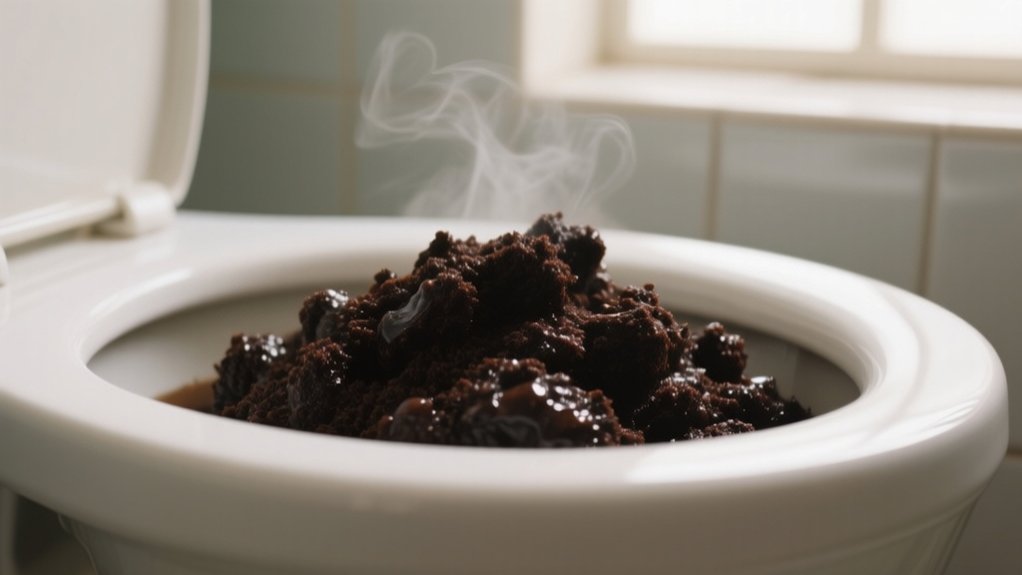
You’ll notice coffee ground stool as dark brown or black with a granular texture. This indicates digested blood from upper gastrointestinal bleeding.
Common causes include peptic ulcers, gastritis, or esophageal varices. These are often linked to medications like NSAIDs or blood thinners that increase bleeding risk.
Some medications and foods can mimic this color without actual bleeding. If you see this kind of stool, it’s important to seek medical evaluation promptly.
Understanding its causes and implications can help you manage your health effectively.
Identifying Coffee Ground Stool

How can you recognize coffee ground stool? It appears dark brown or black with a granular texture, resembling coffee grounds. This distinct appearance results from blood digestion in the upper gastrointestinal tract, signaling melena, a sign of upper gastrointestinal bleeding.
Unlike normal stool, coffee ground stool indicates potential damage within the digestive system, often linked to peptic ulcers or other serious conditions.
You might notice accompanying symptoms such as abdominal pain, dizziness, or weakness.
Given these signs, prompt medical evaluation is essential to identify the bleeding source and prevent complications.
Recognizing coffee ground stool early helps differentiate it from other stool types and guides appropriate treatment, ensuring better management of underlying gastrointestinal issues.
Differentiating Coffee Ground Stool From Other Stool Colors
Although various stool colors can signal different health issues, distinguishing coffee ground stool from others is critical because it specifically indicates the presence of digested blood from upper gastrointestinal bleeding.
Coffee ground stool appears dark brown to black with a granular, tarry texture. This reflects melena caused by digested blood from the upper GI tract.
Coffee ground stool is dark brown to black with a granular texture, signaling digested blood from the upper GI tract.
This contrasts with black tarry stool that may result from iron supplements or bismuth medications, which don’t involve bleeding.
Fresh red or maroon stool typically suggests lower GI bleeding.
Recognizing these differences in stool color and texture, along with associated symptoms like abdominal pain or dizziness, is essential.
If you notice coffee ground stool more than once, you should seek medical attention promptly for accurate diagnosis and medical evaluation of potential gastrointestinal bleeding.
Causes of Coffee Ground Stool
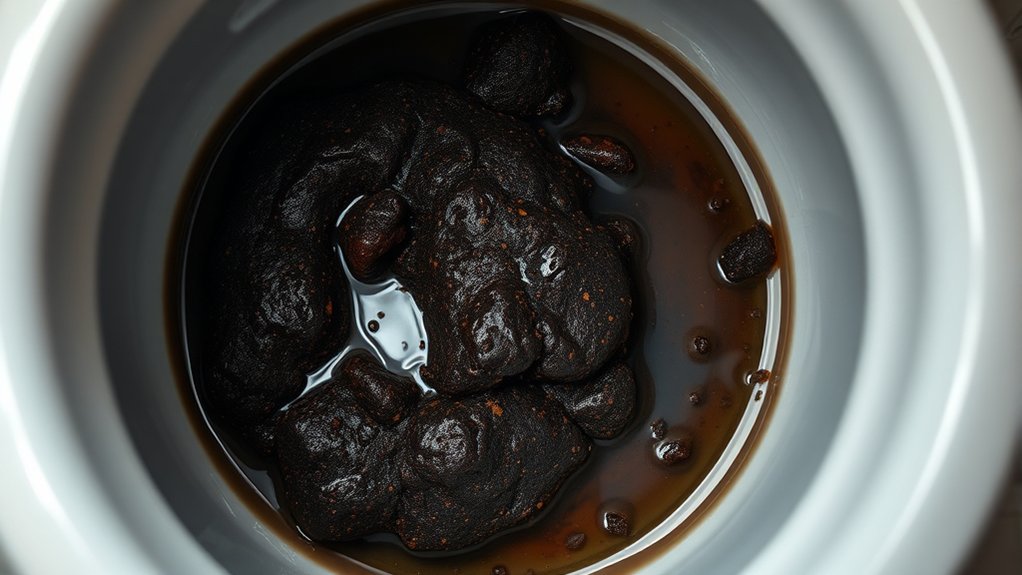
You should understand that coffee ground stool mainly happens because of bleeding in the upper part of the gastrointestinal tract.
This bleeding can be caused by conditions like peptic ulcers or esophageal varices.
Also, certain medications, like NSAIDs and blood thinners, can raise the risk of bleeding and lead to this kind of stool appearance.
On top of that, some dietary factors might mimic or even make these symptoms worse, so it’s important to evaluate things carefully.
Upper Gastrointestinal Bleeding
When you notice coffee ground stool, it signals upper gastrointestinal bleeding caused by the digestion of blood in the stomach. This melena indicates bleeding in the upper digestive tract, which requires immediate medical evaluation.
Common causes of gastrointestinal bleeding include peptic ulcers, which erode the stomach lining and cause bleeding. Serious conditions like stomach cancer or esophageal malignancies can also be responsible.
Inflammation or varices in the esophagus and stomach are other possible causes. Identifying these causes is essential, as coffee ground stool may reflect significant internal bleeding.
Prompt diagnosis and treatment can prevent complications. Always consider coffee ground stool a warning sign of potential upper gastrointestinal bleeding and seek medical care without delay.
Understanding the causes helps you recognize the seriousness of this symptom and the need for urgent intervention.
Medication And Dietary Causes
Since certain medications and dietary choices can influence stool appearance, it’s important to take these factors into account when evaluating coffee ground stool.
Medications like NSAIDs and blood thinners can cause gastrointestinal bleeding, resulting in coffee ground stool due to partially digested blood.
Iron supplements and bismuth-containing medications, such as Pepto-Bismol, often darken stool color, potentially mimicking the coffee ground appearance without bleeding.
Dietary factors also play a role; consuming black licorice, blueberries, beets, or diets high in red meat can darken stool temporarily.
While these dietary causes rarely indicate serious gastrointestinal issues, distinguishing them from bleeding is essential.
Monitoring your recent medication use and dietary intake helps accurately determine whether the coffee ground stool signals a benign cause or requires medical evaluation.
Medical Conditions That Cause Coffee Ground Stool
If you notice coffee ground stool, it often means there’s bleeding somewhere in your upper gastrointestinal tract. This can happen with conditions like peptic ulcers or esophageal varices.
Inflammatory bowel diseases, such as Crohn’s disease, might also cause this symptom because they can lead to intestinal bleeding.
On top of that, certain medications — like NSAIDs and blood thinners — can increase your risk of bleeding, which might show up as coffee ground stool too.
Upper GI Bleeding
Although coffee ground stool often signals upper gastrointestinal bleeding, you should recognize the specific medical conditions that commonly cause this symptom. The dark tarry appearance results from digested blood interacting with stomach acid, indicating internal bleeding in the upper gastrointestinal tract.
Prompt medical evaluation is essential to identify underlying causes and prevent severe complications.
Common causes of upper GI bleeding include:
- Peptic ulcers, which erode the stomach or duodenal lining
- Gastritis and esophageal varices, both disrupting mucosal integrity
- Upper digestive tract malignancies, leading to bleeding lesions
Recognizing these signs of bleeding in your stool requires immediate medical attention to diagnose and manage the source effectively.
Ignoring coffee ground stool could delay treatment of potentially life-threatening conditions.
Inflammatory Bowel Diseases
When inflammatory bowel diseases (IBD) like Crohn’s disease and ulcerative colitis cause gastrointestinal bleeding, the digested blood can result in coffee ground stool.
Crohn’s disease may affect any part of the gastrointestinal tract, producing ulcers and inflammation that often present as melena.
Ulcerative colitis, confined to the colon, similarly causes significant inflammation and bleeding, contributing to coffee ground stool.
You might also experience symptoms such as abdominal pain, diarrhea, and weight loss.
These signs warrant prompt medical evaluation to confirm diagnosis and initiate treatment.
Early intervention is essential to control inflammation, prevent complications like perforation, and reduce cancer risk.
Recognizing coffee ground stool in the context of IBD helps guide appropriate diagnostic and therapeutic strategies to manage gastrointestinal bleeding effectively.
Medication-Induced Bleeding
Since certain medications directly affect the gastrointestinal lining, they can cause bleeding that shows up as coffee ground stool. NSAIDs and blood thinners raise the risk of gastrointestinal bleeding by irritating the mucosa or impairing clotting. This can potentially lead to peptic ulcers.
Long-term corticosteroid use also contributes to ulceration and bleeding. While iron supplements darken stool, they don’t cause coffee ground stool, which specifically indicates digested blood.
If you take anticoagulants, be vigilant for signs of bleeding. It may signal a serious underlying condition that requires immediate medical advice.
Key points to remember include:
- NSAIDs increase ulcer risk, especially without food intake
- Blood thinners and anticoagulants demand close monitoring
- Coffee ground stool signals active gastrointestinal bleeding
Prompt recognition and consultation can prevent complications.
Medications That Can Cause Coffee Ground Stool
Medications can greatly influence the appearance of your stool. Some increase the risk of gastrointestinal bleeding that leads to coffee ground stool. NSAIDs like ibuprofen and aspirin often damage the gastrointestinal lining, causing bleeding that results in this characteristic stool appearance.
Blood thinners, including warfarin and direct oral anticoagulants, also elevate bleeding risk. This may show up as coffee ground stool. Corticosteroids contribute to gastrointestinal irritation and ulcers, which further increase bleeding potential.
On the other hand, iron supplements and bismuth-containing medications, such as Pepto-Bismol, can darken stool. This can mimic the coffee ground stool appearance without actual bleeding.
Understanding these medications’ effects helps differentiate true bleeding from benign discoloration. It also aids accurate assessment of your stool’s appearance and guides appropriate medical evaluation.
Non-Bleeding Causes That Mimic Coffee Ground Stool
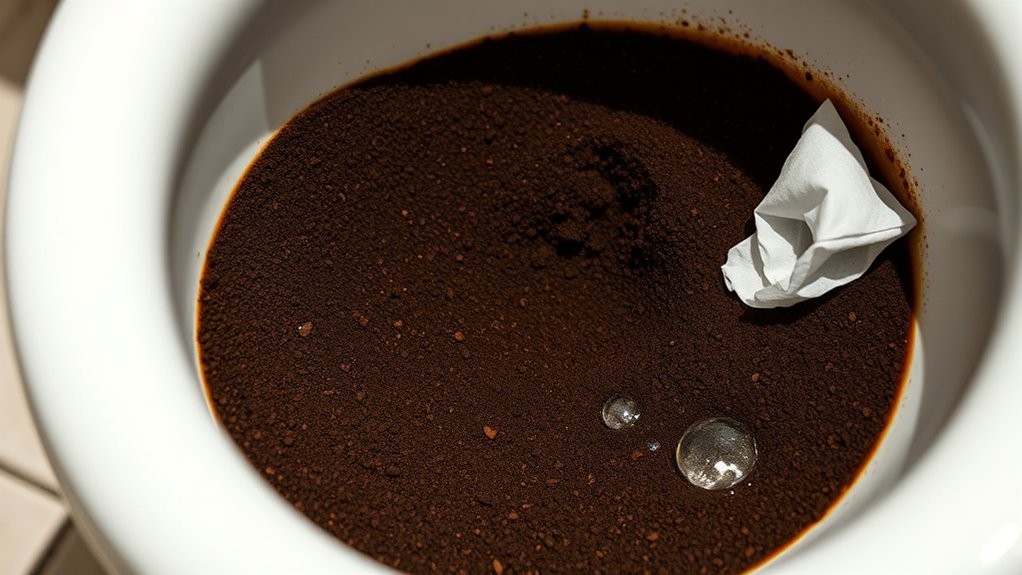
Although coffee ground stool often signals gastrointestinal bleeding, several non-bleeding factors can produce a similar appearance. You should consider benign causes that alter stool color without involving the gastrointestinal (GI) tract bleeding.
Coffee ground stool often indicates bleeding, but benign factors can also change stool color without GI bleeding.
Common non-bleeding causes include iron supplements, which darken stool due to iron compounds. Bismuth-containing medications like Pepto-Bismol can cause black, tarry stool. Certain foods such as black licorice and blueberries also temporarily darken stool.
Additionally, activated charcoal can mimic coffee ground stool by darkening and granulating stool.
While these non-bleeding causes are typically harmless, persistent or recurrent changes in stool color warrant prompt medical evaluation to exclude GI tract bleeding or other serious pathology.
Understanding these distinctions helps you avoid unnecessary alarm but still seek care when needed.
Signs to Watch For With Coffee Ground Stool
Recognizing five key signs linked to coffee ground stool can help you determine when to seek medical attention promptly. Coffee ground stool often signals upper gastrointestinal bleeding, commonly caused by peptic ulcers or gastritis.
If you notice severe abdominal pain, fainting, or symptoms like dizziness and vomiting blood, these signs indicate a medical emergency requiring urgent evaluation. Recurrent coffee ground stool with a strong odor also warrants consultation with a healthcare provider to rule out serious conditions.
| Sign to Watch For | Description | Urgency Level |
|---|---|---|
| Coffee ground stool | Black, tarry stool from digested blood | Immediate evaluation |
| Severe abdominal pain | Intense stomach discomfort | Medical emergency |
| Fainting | Loss of consciousness or weakness | Urgent evaluation |
| Vomiting blood | Hematemesis | Medical emergency |
| Recurrent episodes | Multiple occurrences | Consult healthcare provider |
Diagnosing Coffee Ground Stool Causes
How do healthcare providers determine the cause of coffee ground stool? Diagnosis starts with a thorough medical evaluation to distinguish black stool caused by upper gastrointestinal bleeding from other types.
Determining the cause of coffee ground stool begins with a thorough evaluation to identify upper gastrointestinal bleeding.
Providers focus on identifying underlying causes like peptic ulcers or gastritis. Key diagnostic steps include a physical examination and detailed history of symptoms such as dizziness or vomiting blood, which require urgent medical attention.
Blood tests are done to assess anemia and overall health status. Endoscopy and imaging studies help directly visualize bleeding sources and confirm diagnosis.
Recognizing these causes and symptoms quickly guides appropriate treatment options. Since coffee ground stool signals potential serious upper GI bleeding, timely diagnosis is critical to prevent complications and guarantee effective management.
Treatment Options for Coffee Ground Stool
Because coffee ground stool often indicates underlying gastrointestinal bleeding, treatment focuses on addressing the root cause, such as ulcers, gastritis, or malignancies. Your healthcare providers will first identify the underlying cause through diagnostic tests.
Treatment may involve medications like proton pump inhibitors to reduce stomach acid and promote healing, or antibiotics if infection is present. In some cases, endoscopic procedures are necessary to control bleeding or remove obstructions.
Dietary adjustments, including avoiding alcohol and NSAIDs, help prevent further gastrointestinal bleeding.
It’s essential to actively monitor recovery through regular follow-up visits to assess treatment effectiveness and prevent recurrence.
Frequently Asked Questions
Can Diet Changes Prevent Coffee Ground Stool?
Yes, dietary changes can help prevent coffee ground stool by improving gut health.
You should increase dietary fiber to promote digestion, monitor hydration levels to avoid constipation, and limit iron supplements that darken stool.
Reducing alcohol consumption, spicy foods, and caffeine intake lowers gastrointestinal irritation.
Being mindful of food allergies, meal timing, and gentle cooking methods also supports your digestive system, reducing bleeding risks that cause this stool appearance.
Is Coffee Ground Stool Contagious?
Don’t beat around the bush. Coffee ground stool isn’t contagious. Its appearance signals underlying medical conditions like gastrointestinal bleeding, not an infection you can catch.
You should focus on symptom recognition and digestive health, noting changes in stool consistency. Dietary influences matter but won’t spread it.
If you notice emergency signs or have pediatric concerns, seek treatment options promptly.
Understanding this helps you act wisely for your health and safety.
How Quickly Should I Seek Emergency Care?
You should seek emergency care immediately if you notice coffee ground stool along with emergency symptoms like severe abdominal pain, dizziness, or fainting.
Changes in stool color that indicate gastrointestinal bleeding need prompt medical evaluation.
If you have risk factors or a history of digestive health issues, don’t delay.
Persistent or recurrent stool color changes suggest underlying conditions that need urgent care to explore treatment options and prevent complications.
Can Children Develop Coffee Ground Stool?
Yes, children can develop coffee ground stool, often signaling gastrointestinal issues requiring prompt medical evaluation.
Parental concerns should focus on children’s symptoms like abdominal pain or weakness, which aid stool analysis and diagnosis.
Dietary factors may influence presentation, but age-related differences necessitate tailored pediatric care.
Avoid common misconceptions; early treatment options for underlying causes like ulcers are essential.
Always seek professional guidance to guarantee accurate diagnosis and effective management.
Are Home Remedies Effective for Coffee Ground Stool?
Home remedies, natural treatments, and herbal remedies aren’t effective solutions for coffee ground stool since it often signals serious internal bleeding.
While dietary supplements, lifestyle changes, and holistic approaches support general digestive health and symptom management, they don’t replace medical evaluation.
Prevention strategies might help avoid minor digestive issues, but you must seek professional care for accurate diagnosis and treatment.
Don’t rely solely on home remedies when coffee ground stool occurs.
Conclusion
If you notice coffee ground stool, don’t ignore it. It could signal a serious issue like a bleeding ulcer.
For example, a 52-year-old man with a history of NSAID use experienced this symptom and was promptly diagnosed with a gastric ulcer, preventing further complications.
Always seek medical evaluation to identify the cause accurately. Early diagnosis and treatment are essential to managing underlying conditions and avoiding potentially life-threatening outcomes.