
How Does French Press Coffee Work? Simple Brewing Science Explained
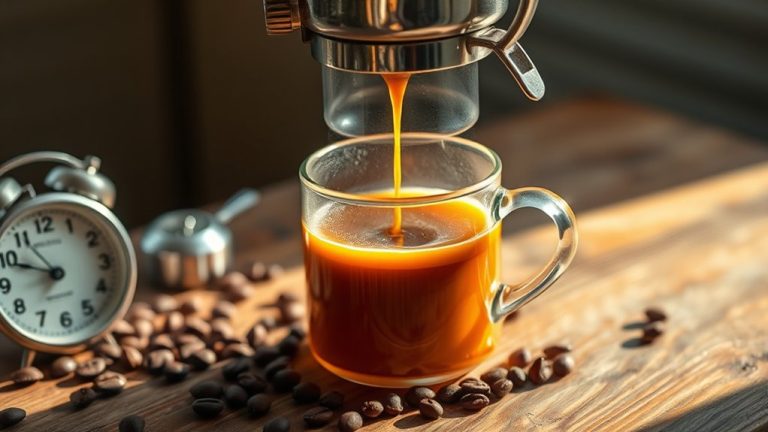
French press coffee has a way of slowing things down. The process feels hands-on and intentional, turning a simple cup into a small daily ritual. From the sound of hot water pouring to the gentle press at the end, every step adds to the experience.
Many people enjoy the bold, full-bodied taste but still wonder what actually happens inside the carafe. Understanding How Does French Press Coffee Work? helps explain why the flavor feels richer and the texture heavier than other brewing methods.
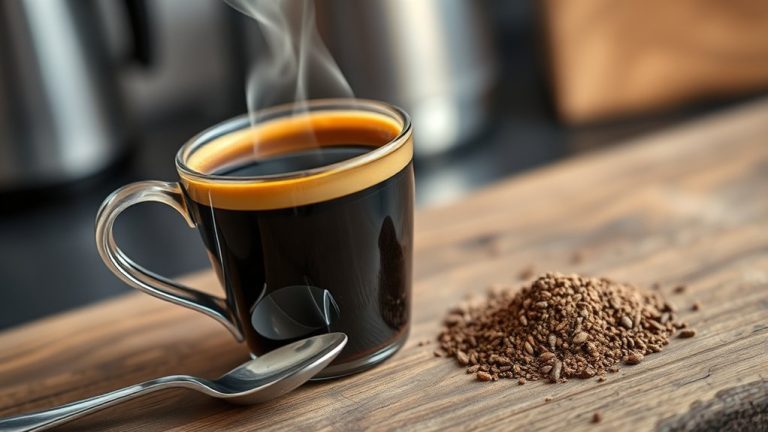
Unlike paper-filtered coffee, this method allows natural oils and fine particles to stay in the cup. The coffee grounds steep directly in hot water, creating a deep extraction that highlights body and aroma rather than sharp acidity.
Once the process becomes clear, brewing feels more controlled and rewarding. Each cup reflects simple mechanics, careful timing, and a brewing style that puts flavor first.
Core Brewing Mechanism
The French press relies on a simple yet effective brewing system that emphasizes contact between coffee and water. This method focuses on immersion rather than flow-through extraction, allowing flavors to develop gradually. By understanding how each part works together, the brewing process feels more intentional and controlled, leading to a cup that highlights body, aroma, and natural coffee oils.
Immersion Brewing and Flavor Extraction
At the heart of the French press is immersion brewing, where coffee grounds remain fully submerged in hot water for a set period of time. This direct contact allows soluble compounds to dissolve evenly, creating a bold and rounded flavor profile. Unlike drip methods that move water quickly through the grounds, immersion encourages steady extraction.
The process begins once hot water is poured over coarse coffee grounds. As the grounds absorb water, they release gases and expand, forming a crust on the surface. This stage plays a major role in aroma development, as trapped gases escape and carry fragrant compounds upward.
During the steeping phase, water continues to pull oils, acids, and sugars from the grounds. Because there is no paper filter involved, these natural oils remain suspended in the liquid. This contributes to the heavier mouthfeel that French press coffee is known for.
Time becomes a critical factor in immersion brewing. A longer steep increases extraction and strength, while a shorter one produces a lighter cup. Controlling this balance allows the brewer to fine-tune flavor without changing equipment.
The even exposure of all grounds to water also reduces uneven extraction. Every particle participates equally, creating consistency in taste and preventing the hollow or thin notes often found in faster brewing methods.
Plunger System and Metal Filtration
The plunger system defines how French press coffee separates brewed liquid from used grounds. After steeping, the mesh filter attached to the plunger is pressed downward, pushing the grounds to the bottom of the carafe. This step halts extraction and prepares the coffee for pouring.
Unlike paper filters, the metal mesh filter allows fine oils and micro-particles to pass through. These elements enhance texture and flavor depth, giving the coffee a richer and more substantial body. The result feels closer to the natural character of the beans.
The mesh itself is designed to trap larger grounds while letting liquid flow freely. Its structure balances filtration and freedom, preventing excessive sediment while preserving desirable compounds. This design choice is central to the French press experience.
Pressing the plunger requires steady, gentle pressure. A slow press avoids agitation that could disturb settled grounds and cloud the coffee. This controlled motion helps maintain clarity while keeping the brew smooth.
Once the plunger reaches the bottom, the separation is complete. The brewed coffee above remains stable, allowing for immediate serving. This mechanical simplicity highlights how physical movement, rather than complex technology, defines the final cup.
French Press Components and Their Functions
A French press may look simple, but each part plays a clear role in the brewing process. Every component works together to control extraction, filtration, and heat retention. Understanding how these pieces function makes the method feel less mechanical and more intentional, helping coffee lovers brew with better control, consistency, and confidence.
The Carafe and Heat Retention Role
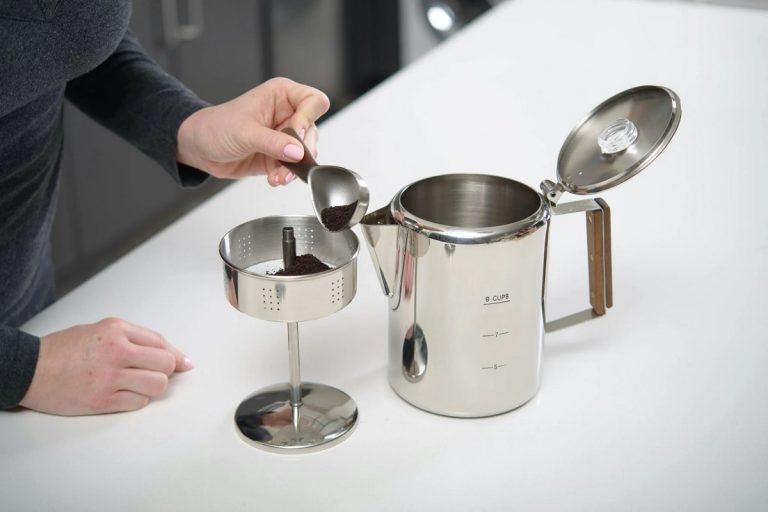
The carafe is the main body of the French press and holds both the coffee grounds and hot water during brewing. It is commonly made from glass, stainless steel, or ceramic, and each material influences heat retention differently. Glass carafes allow visibility, making it easy to observe blooming and extraction, while stainless steel options excel at maintaining temperature.
Heat stability inside the carafe is essential for balanced extraction. When water temperature drops too quickly, flavors become underdeveloped and weak. A well-designed carafe slows this heat loss, keeping the brewing environment stable throughout the steeping period.
The shape of the carafe also affects circulation. A uniform cylindrical design encourages even contact between water and coffee grounds. This ensures all grounds extract at a similar rate, reducing inconsistencies in flavor.
Carafes often include a spout for controlled pouring. This small feature helps prevent agitation when serving, which keeps sediment settled at the bottom. By supporting both brewing and serving, the carafe becomes more than just a container.
Durability is another functional aspect. Strong materials protect against thermal shock and everyday handling, ensuring reliable performance over time without compromising brewing quality.
The Plunger Assembly and Filter System
The plunger assembly is responsible for separating brewed coffee from the grounds once steeping is complete. It consists of a metal rod connected to a handle and a layered mesh filter that fits snugly inside the carafe. This system defines the French press brewing style.
When pressed downward, the mesh filter creates a physical barrier that pushes grounds to the bottom. This action stops extraction at the chosen moment, giving the brewer control over strength and flavor. Timing the plunge properly prevents bitterness and over-extraction.
The filter itself is typically made of fine stainless steel mesh. Unlike paper filters, it allows essential oils and micro-particles to pass through. These elements contribute to the fuller body and richer mouthfeel associated with French press coffee.
Multiple filter layers improve performance. They help trap larger particles while still permitting smooth flow. This layered design reduces excessive sediment without stripping away flavor.
A well-fitted plunger ensures even pressure across the surface. This stability keeps grounds compressed at the bottom and preserves clarity in the cup, making the plunger assembly a core functional element rather than a simple accessory.
Coffee Grind Size and Its Importance
Grind size plays a central role in how coffee extracts and tastes, especially in immersion methods like the French press. It influences how water interacts with the coffee grounds, affecting strength, clarity, and balance. Understanding grind size helps control extraction speed, texture, and flavor consistency without changing beans or brewing equipment.
How Coarse Grinds Affect Extraction
A coarse grind is widely recommended for French press brewing because it slows down extraction. Larger coffee particles expose less surface area to water, allowing flavors to release gradually during the steeping process. This controlled extraction helps prevent bitterness and keeps the taste smooth and rounded.
Coarse grounds also support proper filtration. The metal mesh filter in a French press is designed to trap larger particles effectively. When grind size matches the filter system, fewer fines pass into the cup, resulting in a cleaner texture with minimal sediment.
Another advantage of coarse grinds is even extraction. Because particles are similar in size, water flows and circulates more uniformly around them. This reduces the risk of some grounds over-extracting while others remain under-extracted, which can cause sour or hollow flavors.
Coarse grinds are also forgiving in timing. Slight variations in steeping time have less dramatic effects on flavor compared to finer grinds. This makes the brewing process more consistent and beginner-friendly.
Overall, coarse grinding supports balance and stability in French press coffee. It aligns with the immersion method, preserves clarity, and enhances the natural characteristics of the beans without overwhelming bitterness.
Problems Caused by Fine or Inconsistent Grinds
Using a fine grind in a French press often leads to over-extraction. Smaller particles release compounds too quickly, resulting in bitterness and harsh aftertastes. The longer steeping time of immersion brewing amplifies this issue, making fine grinds difficult to control.
Fine grounds also create filtration challenges. The metal mesh filter cannot block very small particles effectively, allowing them to pass into the brewed coffee. This increases sediment and creates a muddy texture that many drinkers find unpleasant.
Inconsistent grind size introduces another layer of complexity. When coffee contains a mix of fine dust and larger chunks, extraction becomes uneven. Smaller particles over-extract while larger ones under-extract, producing a cup that tastes both bitter and weak at the same time.
Grind inconsistency often comes from low-quality grinders or blade grinders. These tools chop coffee unevenly rather than crushing it uniformly. As a result, controlling flavor becomes difficult even with proper timing and water temperature.
Water Temperature and Brewing Control
Water temperature is a key variable that quietly controls how flavors develop during French press brewing. It determines how quickly compounds dissolve from the coffee grounds and how balanced the final cup feels. Managing temperature properly helps maintain consistency, prevents harsh flavors, and supports full extraction without overpowering the natural character of the coffee.
Ideal Temperature Range for French Press
The ideal water temperature for French press coffee typically falls just below boiling. Water that is too hot extracts compounds too aggressively, pulling out bitter and astringent notes that dominate the cup. Slightly cooler water allows sugars and aromatic oils to dissolve at a steadier pace.
When water sits in the proper temperature range, it interacts evenly with coarse coffee grounds. This balance encourages a full-bodied flavor without sharp edges. The immersion method benefits from this stability, as grounds remain in contact with water for several minutes.
Maintaining temperature consistency throughout the steeping period is just as important as the starting heat. Preheating the carafe with hot water helps reduce heat loss once brewing begins. This step keeps extraction steady from start to finish.
Temperature control also influences mouthfeel. Proper heat preserves natural oils without breaking them down too quickly. This results in a smooth texture that feels rich rather than rough.
By paying attention to temperature rather than relying on guesswork, brewers gain better control over strength and flavor clarity in every cup.
Effects of Temperature on Flavor Balance
Water temperature directly affects which flavor compounds dominate the brew. Higher temperatures extract bitter compounds more rapidly, while lower temperatures emphasize acidity and sweetness. Finding the right balance ensures that no single flavor overwhelms the others.
In French press brewing, where contact time is longer, temperature mistakes become more noticeable. Hotter water can quickly push the coffee beyond optimal extraction, making the cup taste dry or harsh. Slight adjustments in heat can dramatically improve balance.
Cooler water slows extraction and may leave desirable flavors locked inside the grounds. This leads to a thin or flat taste that lacks depth. Understanding this relationship helps brewers make intentional choices.
Temperature also interacts with grind size and steep time. A coarse grind paired with proper heat supports even extraction, while mismatched variables create inconsistency. Adjusting one element often requires awareness of the others.
Pressing Technique and Filtration
The pressing stage in French press brewing is where extraction officially stops and filtration begins. This step may seem simple, but the way the plunger is used has a direct impact on clarity, texture, and overall balance. Proper pressing technique helps separate coffee from grounds smoothly while preserving flavor and reducing unwanted sediment.
Correct Plunging Speed and Pressure
Plunging should be done slowly and with steady pressure. A rushed or forceful press agitates the coffee bed, disturbing settled grounds and pushing fine particles through the filter. This agitation increases sediment in the cup and can introduce bitter flavors caused by continued extraction.
A controlled plunge allows the mesh filter to work gradually. As the filter moves downward, it compresses the grounds evenly, forming a stable layer at the bottom of the carafe. This uniform compression helps prevent particles from escaping into the brewed coffee.
Pressure should feel firm but gentle. Excessive force can damage the filter assembly over time and may cause hot liquid to splash upward. Smooth, even pressure maintains safety and consistency while supporting clean filtration.
Plunging speed also affects clarity. A slow descent gives liquid time to pass through the mesh without turbulence. This results in a clearer cup with a smoother mouthfeel, even though natural oils remain present.
Mastering plunging technique adds control to the brewing process. It transforms a mechanical action into a deliberate step that protects flavor balance and texture.
Filtration Layers and Sediment Control
Filtration in a French press relies on a metal mesh system rather than paper. This design allows flavorful oils and micro-particles to pass through while holding back larger grounds. The result is a rich, full-bodied cup that reflects the natural character of the coffee.
Most French press filters consist of multiple layers. These layers work together to improve separation, trapping coarse grounds while allowing brewed coffee to flow freely. Proper alignment of these layers is essential for effective filtration.
Sediment control depends heavily on grind size and pressing technique. Coarse, consistent grinds settle more easily at the bottom, making filtration smoother. Fine or uneven grinds increase the likelihood of particles slipping through the mesh.
Allowing the coffee to rest briefly before plunging helps grounds settle naturally. This short pause improves filtration efficiency and reduces cloudiness in the final cup.
Flavor Profile and Mouthfeel
French press coffee is known for its bold character and rich texture. The immersion brewing method preserves natural oils and soluble compounds that shape both flavor and mouthfeel. This combination creates a cup that feels heavier and more expressive compared to filtered methods, making texture just as important as taste.
How Immersion Brewing Enhances Flavor Depth
Immersion brewing allows coffee grounds to remain in constant contact with water throughout the entire extraction process. This sustained interaction pulls a wide range of compounds, including oils, sugars, and aromatic elements, into the brew. As a result, the flavor develops gradually and evenly.
Because water does not flow away from the grounds, flavors have time to fully dissolve. This leads to deeper notes and a more layered taste profile. Subtle chocolate, nutty, or earthy tones become more noticeable, especially in medium to dark roasts.
The absence of a paper filter plays a major role in flavor preservation. Natural oils pass directly into the cup, carrying aromatic compounds that enhance complexity. These oils contribute to a rounder and more satisfying taste.
Immersion brewing also reduces sharp acidity. The longer extraction softens bright notes and creates a smoother balance. This makes the coffee feel less aggressive and more approachable.
By allowing flavors to unfold slowly, immersion brewing produces a cup that feels complete and full, with no single element overpowering the others.
Mouthfeel and Texture Characteristics
Mouthfeel refers to how coffee feels on the palate, and French press coffee is recognized for its weight and presence. The metal mesh filter allows oils and fine particles to remain suspended in the liquid, giving the coffee a thicker, more tactile texture.
This heavier body creates a sense of richness that lingers after each sip. Unlike paper-filtered coffee, which feels clean and light, French press coffee coats the mouth gently, enhancing flavor perception.
Micro-particles contribute to this texture by adding density without overwhelming grit. When grind size and filtration are properly controlled, these particles enhance structure rather than causing muddiness.
Temperature also influences mouthfeel. Proper heat maintains viscosity and keeps oils evenly distributed. As the coffee cools, texture becomes more pronounced, revealing layers of flavor and weight.
FAQs
What Is The Basic Principle Behind French Press Coffee?
The French press works on the principle of immersion brewing. You combine coarsely ground coffee with hot water and allow it to steep for several minutes. During this time, the water extracts flavors, oils, and aromatic compounds from the coffee grounds.
Once the steeping time is complete, you press down the plunger, which separates the brewed coffee from the grounds. This method ensures full contact between water and coffee, creating a rich, full-bodied cup. Unlike drip brewing, the French press preserves natural oils, giving your coffee deeper flavor and texture.
How Long Should Coffee Steep In A French Press?
Steeping time is essential for balanced French press coffee. Typically, you should allow coffee to steep for four to five minutes. This duration allows water to extract flavors evenly from the coarse grounds.
Shorter steeping can result in weak, under-extracted coffee that tastes flat, while longer steeping may over-extract, making the cup bitter or harsh. You can adjust steeping slightly depending on the roast or grind, but maintaining a consistent range ensures smoother, richer flavor and better control over body and mouthfeel.
What Grind Size Works Best For French Press Coffee?
A coarse, uniform grind works best for French press brewing. Large coffee particles allow water to extract flavor gradually without over-extracting bitter compounds.
Fine grinds can pass through the mesh filter and create sediment or a muddy texture in your cup. Coarse grounds also settle better during steeping, making pressing easier and reducing the risk of turbulence when plunging. Using the right grind ensures clarity, even extraction, and a rich, balanced taste in every brew.
How Does Water Temperature Affect French Press Brewing?
Water temperature plays a critical role in extraction. The ideal range is between 195°F to 205°F (90°C to 96°C). Hotter water can over-extract compounds, producing bitterness, while cooler water may under-extract, leaving your coffee weak or sour.
Proper temperature ensures that sugars, acids, and oils dissolve at a steady rate, creating a balanced cup. Preheating the carafe can help maintain consistent heat during steeping, improving flavor depth and body. Paying attention to temperature control gives you more predictable and satisfying results every time.
How Do You Properly Press The Plunger?
Pressing the plunger requires slow, steady pressure. You should gently push the mesh filter down to separate the grounds from the brewed coffee. A rapid or forceful press can disturb the settled coffee bed, forcing fine particles into your cup and increasing sediment.
Controlled plunging also prevents over-extraction, which can happen if water continues to interact with grounds. Maintaining even pressure protects the mesh filter, preserves flavor clarity, and contributes to the smooth mouthfeel that French press coffee is known for.
Why Does French Press Coffee Have More Body Than Drip Coffee?
French press coffee has more body because the metal mesh filter allows natural oils and fine particles to remain in the brew. Unlike paper filters used in drip coffee, which absorb oils and trap sediment, the French press keeps these compounds in the cup.
These oils enhance texture and create a fuller, richer mouthfeel. Combined with immersion brewing, where grounds are fully saturated, the coffee feels heavier and more substantial on the palate. This fuller body is a signature feature that makes French press coffee bold and satisfying.
Can You Control Strength And Flavor With A French Press?
Yes, you can control both strength and flavor through variables like coffee-to-water ratio, grind size, steeping time, and water temperature. Adjusting any of these elements changes extraction and taste balance.
For a stronger cup, increase coffee dose or steep slightly longer. For a milder flavor, reduce the amount of coffee or steep for less time. Paying attention to each factor lets you customize every brew, giving you the ability to highlight different flavors and aromas depending on the coffee beans you choose.
Final Thoughts
Mastering the art of French press brewing allows you to unlock the full flavor and richness of your coffee. By understanding the interplay of grind size, water temperature, and steeping time, you can extract a cup that is robust, aromatic, and full-bodied. Each step, from saturating the coffee grounds to pressing the plunger, contributes to a unique coffee experience that highlights the natural oils and textures often lost in other brewing methods.
When exploring [How Does French Press Coffee Work?], it becomes clear that the immersion process is central to its appeal. Unlike drip or pour-over methods, the French press allows coffee to steep fully in water, creating a stronger, more flavorful cup. Proper technique, such as using coarse grounds and controlling steep time, ensures a balanced extraction while minimizing bitterness and sediment.
Ultimately, understanding [How Does French Press Coffee Work?] empowers coffee lovers to experiment and refine their brewing. Adjusting variables like water temperature, grind size, or steeping time lets you craft a cup that perfectly suits your taste. With practice, every French press experience can become a ritual of precision, flavor, and enjoyment.