Can You Make Espresso with Regular Coffee – Tips for a Strong, Rich Brew
Espresso is a beloved coffee style known for its rich flavor, bold aroma, and creamy crema. It’s traditionally made with finely ground coffee and high-pressure extraction, which produces a concentrated and intense cup. Many coffee enthusiasts wonder about alternatives when they don’t have espresso-specific beans or equipment at home.
Understanding the differences between espresso and regular coffee helps clarify how flavor, body, and strength are affected. Espresso requires a particular grind, roast, and brewing method to achieve the signature taste and crema, whereas regular coffee is usually brewed with a coarser grind and standard drip or pour-over methods.
Exploring the question of Can You Make Espresso with Regular Coffee? allows home brewers to experiment and find practical solutions. While using standard coffee beans or grounds won’t perfectly replicate espresso, certain techniques and adjustments can produce a strong, flavorful, espresso-like beverage.
Learning these methods empowers you to enjoy a richer cup of coffee at home without needing specialized beans or expensive machines. It opens possibilities for creative brewing while understanding the nuances of traditional espresso preparation.
The Difference Between Espresso and Regular Coffee
Espresso and regular coffee are two popular coffee styles, but they differ significantly in brewing method, flavor, body, and caffeine content. Understanding these differences helps you appreciate the unique qualities of each beverage. Comparing espresso and regular coffee also explains why certain techniques, beans, and equipment are necessary for creating the perfect cup.
Brewing Method Differences
Espresso is brewed under high pressure using an espresso machine, forcing hot water through finely ground coffee in 25–30 seconds. This method extracts concentrated flavors, natural oils, and compounds quickly, creating a bold, full-bodied beverage with a thick crema on top. The short, pressurized extraction is what gives espresso its signature intensity.
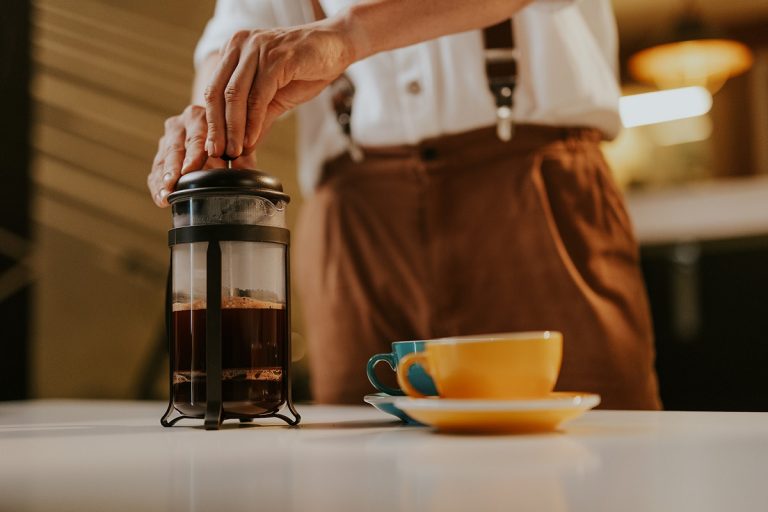
Regular coffee, on the other hand, is brewed with methods like drip, pour-over, or French press. Water passes through coarser coffee grounds over a longer period, typically several minutes, resulting in a larger, less concentrated cup. The slower extraction produces milder flavors, lighter body, and less crema, making it suitable for extended sipping.
The difference in brewing pressure and time directly affects taste, aroma, and strength. Espresso’s high-pressure, short extraction produces concentrated flavors, whereas regular coffee’s lower-pressure, longer extraction yields a smoother, lighter beverage. Understanding brewing techniques is essential for achieving each drink’s distinct characteristics.
Grind Size and Roast Requirements
Grind size plays a crucial role in differentiating espresso and regular coffee. Espresso requires a fine grind, almost like powdered sugar, to allow high-pressure water to extract flavors efficiently. Using a coarser grind would result in weak extraction and watery espresso.
Regular coffee uses medium to coarse grounds depending on the brewing method. Drip coffee requires medium grind, while French press needs coarse grind to allow slow water flow and even extraction. Roast selection also differs: espresso often uses darker roasts for richer, bolder flavors, whereas regular coffee can use light, medium, or dark roasts depending on taste preference.
Choosing the correct grind and roast ensures proper extraction, flavor, and aroma. Fine espresso grounds provide concentrated intensity, while coarser regular coffee grounds allow balanced flavors and gentle body. Adjusting these parameters is essential when attempting to mimic espresso using regular coffee.
Flavor and Body Differences
Espresso is known for its bold, concentrated flavor, full body, and intense aroma. The short, pressurized extraction captures oils and soluble compounds, producing a rich, velvety texture and crema that adds depth and complexity. Espresso often has a slight bitterness, balanced with natural sweetness and acidity from the coffee beans.
Regular coffee offers a lighter, more diluted flavor profile. Longer brewing times extract different compounds, resulting in smoother taste, milder aroma, and a thinner body. This makes regular coffee more suitable for casual, extended drinking and allows flavor notes like fruitiness, nuttiness, or floral hints to stand out.
The differences in body and flavor are why espresso feels heavier and more intense in a small serving, while regular coffee provides a subtler experience over a larger cup. Understanding these distinctions helps you adjust brewing techniques to achieve a desired flavor when experimenting with espresso alternatives.
Caffeine Content and Serving Size
Espresso has a higher concentration of caffeine per ounce than regular coffee, but servings are smaller, typically 1–2 ounces. This means a single shot delivers a strong, quick caffeine boost. The concentrated nature of espresso allows you to enjoy intense flavor and energy in a small volume.
Regular coffee is served in larger volumes, usually 8–12 ounces per cup, with moderate caffeine concentration. While the caffeine content per cup may be higher due to volume, the intensity per ounce is lower. This difference explains why espresso feels stronger despite smaller servings.
Caffeine absorption can also vary depending on brewing method and roast level. Darker espresso roasts often have slightly less caffeine than lighter regular coffee roasts, but the concentrated nature of espresso enhances perceived strength. Understanding serving size and caffeine content is essential when choosing which beverage fits your routine.
Crema and Visual Differences
Crema is a hallmark of espresso, a thick, golden layer of foam on top produced by high-pressure extraction. It contains emulsified oils, carbon dioxide, and soluble compounds, contributing to aroma, flavor, and visual appeal. Crema is unique to espresso and is rarely found in regular coffee.
Regular coffee, brewed with slower methods and lower pressure, lacks this concentrated layer. Its surface is typically flat or lightly frothy, and its aroma and oils are less pronounced. The absence of crema gives regular coffee a smoother, simpler appearance, highlighting its milder extraction profile.
Crema not only enhances taste but also signals a well-pulled espresso shot. Its presence indicates proper pressure, grind, and freshness. Understanding this visual and sensory distinction further highlights the differences between espresso and regular coffee and why certain methods cannot replicate each other perfectly.
Equipment Differences
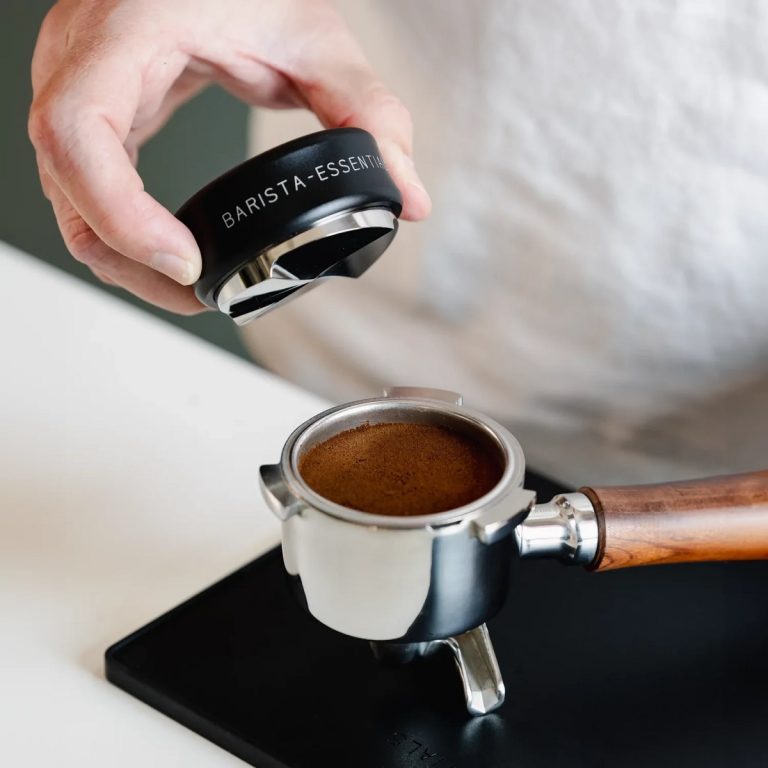
Espresso requires specialized machines capable of generating 9 bars of pressure to force water through finely ground coffee. These machines are designed to control temperature, pressure, and extraction time precisely, ensuring consistent flavor, aroma, and crema. Accessories like tampers, portafilters, and grinders are essential for high-quality espresso preparation.
Regular coffee can be brewed with simpler equipment like drip machines, pour-over setups, French presses, or single-serve pods. These methods rely on gravity or immersion rather than high pressure, making them more accessible and easier to use at home.
Equipment differences explain why replicating espresso with regular coffee is challenging. While you can approximate strong, concentrated coffee using coarse grounds or Moka pots, traditional espresso’s flavor, crema, and texture remain unique due to the specialized machinery involved.
Adjusting Regular Coffee for Espresso-Like Flavor
While traditional espresso requires specific beans and machines, you can approximate its intensity using regular coffee. Using a finer grind, higher coffee-to-water ratio, and brewing methods like Moka pot or Aeropress can produce a strong, concentrated cup.
Adjusting water temperature and extraction time helps enhance flavor and body, creating an espresso-like experience. While it won’t replicate crema perfectly, these techniques allow you to enjoy bold, concentrated coffee at home without expensive espresso equipment.
Using Regular Coffee to Imitate Espresso
Imitating espresso with regular coffee is a practical solution for home brewers who lack specialized espresso machines or beans. While traditional espresso requires high pressure, finely ground coffee, and precise extraction, certain techniques can help you create a strong, concentrated coffee that mimics its bold flavor and intensity. Understanding these methods allows you to enjoy espresso-style coffee at home with minimal equipment.
Choosing the Right Coffee Beans
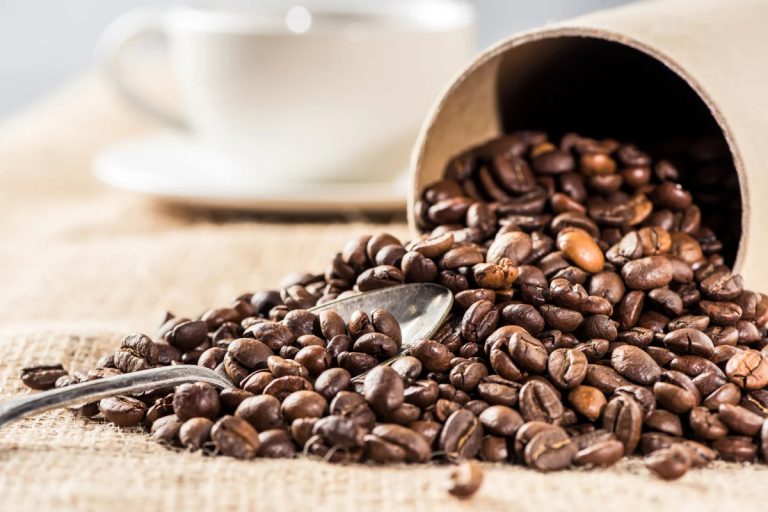
The first step to imitating espresso is selecting suitable coffee beans. Dark or medium-dark roasts are ideal, as they provide the rich, bold flavor typically associated with espresso. Blends with a mix of Arabica and Robusta beans also work well, adding body and a slight crema-like quality when brewed.
Using freshly roasted beans is critical, as older or pre-ground coffee loses oils and aroma, reducing the intensity of the cup. Grinding your beans just before brewing ensures maximum flavor extraction. While regular coffee beans cannot perfectly replicate espresso, the right choice in roast and quality brings you closer to the full-bodied, robust taste that defines espresso.
Adjusting the Grind and Coffee-to-Water Ratio
Grind size and coffee-to-water ratio are essential for mimicking espresso. Espresso requires a fine grind to ensure rapid, pressurized extraction, but when using regular coffee, a slightly finer grind than standard drip coffee works best. Avoid extremely fine grounds, which can clog brewing devices and create bitterness.
Increasing the coffee-to-water ratio also enhances strength. Using more coffee per ounce of water creates a concentrated brew, delivering a bold flavor similar to espresso. For example, using a 1:2 ratio by weight (coffee to water) produces a robust cup suitable for milk-based drinks like lattes or cappuccinos. Proper measurement ensures consistency and helps maintain the desired intensity without over-extraction.
Brewing Techniques for Espresso-Like Coffee
Several brewing methods can produce a concentrated coffee using regular grounds. The Moka pot is a popular choice, utilizing steam pressure to extract strong coffee quickly. Medium-fine grounds work best, and careful attention to water level and heat ensures optimal flavor without burning the coffee.
The Aeropress is another effective tool. Using a fine grind and pressing slowly allows you to extract a concentrated, espresso-style shot. Adjusting water temperature to around 195°F to 205°F enhances extraction and maintains aroma. French press or pour-over methods can also be adapted by using more coffee relative to water, though the result will be slightly less intense.
Consistency in technique is key. Stirring grounds during brewing or pre-wetting them ensures even extraction, preventing weak spots and enhancing flavor. These adjustments allow home brewers to create coffee that approximates espresso’s bold taste and aroma.
Enhancing Espresso-Like Qualities
After brewing, small tweaks can enhance espresso-like characteristics. Frothing milk for lattes or cappuccinos adds texture and richness, while adding a small amount of finely ground coffee or crema enhancer can mimic traditional espresso crema. Using hot water to slightly dilute concentrated coffee allows you to adjust strength without compromising flavor.
Experimenting with ratios, grind size, and brewing time helps refine taste. Tasting and adjusting each batch teaches you which combination produces the most authentic espresso-like experience. Even without specialized beans or machines, these techniques enable you to enjoy strong, full-bodied coffee that closely resembles traditional espresso.
Balancing Flavor and Strength
While regular coffee cannot fully replicate espresso’s pressure-extracted crema, careful adjustments ensure a satisfying, bold cup. Balancing grind size, coffee-to-water ratio, and brewing method is key to creating richness, body, and aroma.
This approach allows home brewers to enjoy espresso-style drinks with accessible ingredients and equipment. Over time, refining technique and experimenting with beans and ratios helps achieve consistent, strong coffee that works in lattes, cappuccinos, or straight shots. Using regular coffee creatively can bring you close to the espresso experience without expensive machines.
Brewing Techniques Without an Espresso Machine
Not everyone has access to an espresso machine, but you can still create strong, espresso-style coffee at home. Using alternative brewing techniques allows you to mimic the bold flavor, aroma, and concentration of espresso without specialized equipment. Understanding different methods and adjustments ensures a satisfying, full-bodied cup that works for lattes, cappuccinos, or straight coffee shots.
Using a Moka Pot
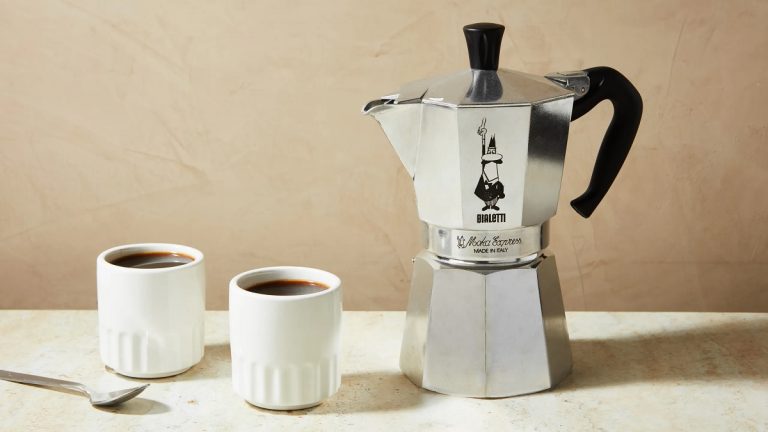
The Moka pot is one of the most popular alternatives for espresso-style coffee at home. It uses steam pressure to push hot water through finely ground coffee, producing a rich, concentrated brew. Medium-fine grind coffee works best to prevent clogging and ensure proper extraction.
Water level and heat are important factors. Filling the lower chamber just below the safety valve and heating slowly allows coffee to extract evenly without burning. Stirring the grounds or slightly tamping them can enhance flavor consistency. While Moka pot coffee doesn’t produce the same crema as traditional espresso, it delivers robust flavor, full body, and aromatic intensity.
Moka pots are versatile and affordable, making them a practical choice for those seeking espresso-like coffee. Adjusting grind, water amount, and brewing time helps fine-tune strength and flavor to match personal taste.
Using an Aeropress
The Aeropress is another effective method for brewing concentrated coffee without an espresso machine. It uses air pressure from manual pressing to extract flavor, producing a strong, smooth shot. Fine grind coffee is recommended for optimal extraction, and brewing time can be adjusted for taste intensity.
Water temperature should be around 195°F to 205°F. Combining short steeping with slow pressing ensures maximum flavor extraction without bitterness. You can experiment with inverted or standard Aeropress methods to control body and strength, mimicking espresso-like characteristics.
Aeropress coffee is highly versatile. It can be consumed straight for a concentrated shot or diluted with water or milk for lattes and cappuccinos. Regular practice helps refine pressing speed, grind size, and water ratio, ensuring consistent results.
Adapting French Press and Pour-Over
French press and pour-over methods can also be adapted to make strong coffee that approximates espresso. For French press, using a finer grind than usual and increasing the coffee-to-water ratio produces a more concentrated cup. Shortening the steep time slightly prevents over-extraction and bitterness.
Pour-over brewing can achieve similar results by increasing coffee grounds relative to water. Pouring water slowly and evenly ensures proper extraction and full flavor development. Both methods won’t replicate crema but can deliver bold, aromatic coffee suitable for milk-based drinks or straight shots.
Experimenting with grind size, water temperature, and ratio in these methods allows home brewers to approximate espresso-like intensity. Adjustments to brewing technique help balance body, aroma, and strength.
Enhancing Flavor Without Equipment
Even without an espresso machine, you can enhance flavor and richness. Frothing milk with a whisk, French press, or handheld frother adds creaminess to lattes or cappuccinos. Pre-wetting coffee grounds and using filtered water improves extraction and aroma.
Small adjustments, like slightly tamping grounds in a Moka pot or adjusting pressing speed in an Aeropress, contribute to flavor consistency. Combining these techniques with careful grind and ratio selection produces a bold, concentrated coffee experience at home without needing expensive machines.
Experimentation and Consistency
Consistency is key when imitating espresso without an espresso machine. Measuring coffee and water by weight, controlling grind size, and monitoring brewing time ensures each cup meets your desired strength and flavor.
Experimenting with different methods, ratios, and techniques helps home brewers identify the optimal process for their taste. With patience and practice, you can enjoy espresso-style coffee at home that is rich, aromatic, and satisfying, all without relying on specialized equipment.
Flavor and Strength Considerations
When making espresso-style coffee with regular beans or alternative brewing methods, understanding flavor and strength is essential. These factors determine how bold, balanced, and enjoyable your cup will be. Paying attention to coffee selection, grind size, brewing technique, and water quality ensures a flavorful, robust beverage that approximates traditional espresso while remaining versatile for various drinks.
Adjusting Coffee Strength
Strength refers to the concentration of dissolved coffee solids in your brew. To imitate espresso, you’ll want a stronger, more concentrated coffee than typical drip or pour-over coffee. Increasing the coffee-to-water ratio is the most effective way to achieve this. Using more coffee per ounce of water produces a bold, full-bodied cup without diluting flavor when adding milk or water.
Grind size also affects strength. Finer grounds extract more flavor quickly, while coarser grounds may produce a weak, under-extracted coffee. By balancing grind size and coffee amount, you can control strength and create a robust, concentrated beverage. Adjusting these variables allows you to tailor the coffee to your taste preferences, ensuring every cup is satisfying.
Enhancing Flavor Complexity
Flavor is influenced by coffee origin, roast, and brewing method. Medium to dark roasts are typically preferred for espresso-like coffee due to their rich, bold notes and reduced acidity. Single-origin beans highlight specific tasting notes, while blends offer consistency and balance.
Brewing technique further shapes flavor. The Moka pot emphasizes body and depth, while Aeropress produces smooth, concentrated coffee with subtle aromatic notes. Adjusting water temperature, extraction time, and grind size fine-tunes the flavor, highlighting sweetness, acidity, or bitterness as desired. Paying attention to these factors ensures your coffee is flavorful and complex.
Balancing Acidity and Bitterness
Acidity and bitterness are key considerations in creating a balanced, espresso-like cup. Over-extraction can increase bitterness, while under-extraction may result in sour or weak flavors. Using proper grind size, brewing time, and water temperature prevents these issues.
Choosing the right roast also affects taste balance. Darker roasts reduce acidity and enhance body, while lighter roasts emphasize bright, fruity notes. By experimenting with these variables, you can achieve a smooth, well-rounded coffee that maintains intensity without overwhelming bitterness or harsh acidity.
Flavor Adjustments for Milk-Based Drinks
When using your concentrated coffee for lattes, cappuccinos, or other milk-based drinks, flavor and strength adjustments are important. Stronger coffee ensures that the flavor remains prominent after dilution with milk. Frothing milk adds sweetness and texture, balancing the coffee’s intensity.
Using slightly finer grounds or increasing the coffee-to-water ratio helps maintain boldness, ensuring that your espresso-style drinks have depth and richness. Consistent preparation allows you to replicate flavors across multiple beverages, creating a satisfying experience for milk-based or straight coffee drinks alike.
Personal Preference and Experimentation
Flavor and strength are subjective, so experimentation is key. Small adjustments to grind size, coffee dose, water temperature, and brewing time allow you to fine-tune your cup. Taking notes on each trial helps refine technique and identify your ideal flavor profile.
By focusing on these considerations, you can create a concentrated, flavorful coffee that approximates espresso. Attention to strength, complexity, acidity, and balance ensures a satisfying cup every time, whether enjoyed straight or in a milk-based beverage.
FAQs
Can You Make Espresso with Regular Coffee?
Yes, you can create an espresso-style coffee using regular beans, but it won’t perfectly replicate traditional espresso. Espresso requires high-pressure extraction, fine grounds, and specific roast levels. By adjusting grind size, increasing the coffee-to-water ratio, and using brewing methods like a Moka pot or Aeropress, you can make a concentrated, bold coffee that mimics espresso flavor and intensity.
This approach allows you to enjoy espresso-like drinks at home without an espresso machine. While crema may be minimal, the resulting beverage still delivers a rich, full-bodied taste suitable for milk-based drinks or straight shots.
What Brewing Methods Work Best Without an Espresso Machine?
You can imitate espresso using brewing methods such as the Moka pot, Aeropress, French press, or pour-over with a higher coffee concentration. The Moka pot uses steam pressure to produce a strong, robust cup, while the Aeropress allows for manual pressure extraction, creating a smooth, concentrated shot.
French press and pour-over can also work with adjustments. Using a finer grind, less water, and stronger coffee-to-water ratios helps approximate espresso’s intensity. While these methods won’t produce perfect crema, they allow home brewers to create a bold, rich coffee suitable for lattes, cappuccinos, or concentrated servings.
Which Coffee Beans Are Best for Espresso Substitutes?
Medium-dark or dark roast beans are ideal for making espresso-style coffee with regular beans. These roasts provide a bold, full-bodied flavor that withstands concentration and dilution in milk-based drinks. Blends of Arabica and Robusta beans enhance body and richness, making the coffee taste closer to traditional espresso.
Freshly roasted beans are crucial because they preserve oils, aroma, and flavor compounds. Grinding just before brewing maximizes extraction and intensity. Choosing the right beans ensures that your espresso-style coffee is flavorful, aromatic, and robust, even when using alternative brewing methods.
How Should You Adjust Grind Size for Espresso-Like Coffee?
Grind size is critical when imitating espresso. Regular coffee beans typically have a medium grind for drip or pour-over brewing, but espresso requires a fine grind for proper extraction. Using a slightly finer grind than usual allows you to extract more flavor and body in a shorter brewing time.
Overly fine grounds can clog devices and produce bitterness, while coarse grounds result in weak coffee. By experimenting with grind size and observing flavor outcomes, you can achieve a concentrated, full-bodied coffee that closely resembles the taste and intensity of espresso.
Can You Achieve Crema with Regular Coffee?
Crema, the golden layer on top of espresso, is challenging to replicate with regular coffee. It forms from high-pressure extraction and freshly ground, high-oil beans. While you may achieve a small frothy layer using a Moka pot or Aeropress, it won’t be as thick or persistent as true espresso crema.
Even without crema, you can still enjoy a bold, concentrated cup. The focus should be on flavor, body, and aroma. Using fresh, oily beans, proper grind, and brewing technique enhances richness and provides an espresso-like experience without needing perfect crema.
How Can You Make Espresso-Style Coffee Stronger?
To increase strength, use a higher coffee-to-water ratio and slightly finer grounds. Brewing with less water relative to coffee ensures a concentrated, full-bodied cup. Slow, controlled brewing allows extraction of flavors and natural oils without producing bitterness.
Using stronger roasts or blends with Robusta beans adds body and perceived intensity. You can also experiment with brewing methods like Moka pot or Aeropress for additional pressure extraction. These adjustments help replicate espresso’s bold flavor and strength, making milk-based drinks or straight shots more satisfying.
Is Espresso Made from Regular Coffee as Good as the Real Thing?
While espresso from regular coffee won’t exactly match the traditional version, it can be surprisingly close with the right technique. Adjustments in grind, coffee-to-water ratio, roast selection, and brewing method create a concentrated, flavorful cup suitable for everyday enjoyment.
The main differences are crema quality and extraction precision. Traditional espresso machines produce consistent pressure and temperature, which is difficult to replicate perfectly. However, for home brewing, using regular coffee creatively allows you to enjoy strong, rich espresso-style drinks without specialized equipment.
Conclusion
While true espresso requires high pressure and a fine grind, it’s possible to create a strong, concentrated coffee that mimics its flavor using regular coffee. By adjusting grind size, brewing time, and method, you can achieve a rich, bold cup that works well for lattes, cappuccinos, or straight espresso-style drinks. He or she can enjoy the convenience of using regular coffee while still getting a satisfying, café-like experience at home.
When exploring [Can You Make Espresso with Regular Coffee?], techniques like using a moka pot or AeroPress become essential. These methods allow you to extract more flavor and create a thicker, more intense brew compared to standard drip coffee. Paying attention to coffee-to-water ratios and brewing pressure ensures that the final cup is strong without becoming bitter or over-extracted.
With practice and careful adjustments, you can enjoy espresso-style drinks anytime without a professional machine. Mastering these methods gives control over strength, flavor, and aroma, making regular coffee a versatile option for home brewing.