How Much Coffee for 10 Cups? Perfect Measurements for Every Brew
Brewing coffee for a group or a busy morning routine requires more than just pouring water over grounds. The right coffee-to-water ratio can completely change the taste, strength, and aroma of the final cup. Without proper measurement, coffee can end up too weak, overly bitter, or inconsistent, leaving you unsatisfied.
Many coffee enthusiasts struggle when scaling recipes from one cup to multiple servings. Knowing exactly how much coffee to use ensures each cup is balanced and flavorful, no matter the quantity being prepared. Understanding How Much Coffee for 10 Cups? gives clarity for larger batches and helps maintain consistency in taste.
Using precise measurements also saves coffee from being wasted and ensures that brewing equipment, whether a drip machine, French press, or pour-over, works optimally. Proper ratios bring out the full flavor of the beans and create a smooth, enjoyable experience.
With the right approach, preparing ten cups becomes simple and predictable. Each cup delivers the perfect balance of strength, aroma, and body, allowing you to enjoy coffee without guesswork.
Standard Coffee-to-Water Ratios
Understanding coffee-to-water ratios is essential for brewing consistent and flavorful coffee. The ratio determines how strong, balanced, and aromatic each cup will be. By following standard measurements, you can scale recipes for any number of servings, including ten cups, while maintaining taste quality and avoiding over- or under-extraction.
Recommended Ratios for Drip and Pour-Over Coffee
For drip coffee and pour-over methods, the standard coffee-to-water ratio is about 1:15 to 1:17. This means for every gram of coffee, you use 15 to 17 grams of water. Using this ratio produces a medium-strength cup that highlights the beans’ natural flavors without overwhelming bitterness or thinness.
Measuring both coffee and water precisely ensures repeatable results. Using too little coffee relative to water creates a weak brew, while using too much can make the coffee overly concentrated or harsh. Many home brewers find using a digital scale more reliable than estimating by scoops, especially for larger batches.
Adjustments can be made depending on personal taste or bean type. Darker roasts often pair well with slightly more water to avoid excessive bitterness, while lighter roasts benefit from ratios closer to 1:15 to emphasize acidity and aroma.
Consistent ratios also make scaling for ten cups straightforward. Once the base ratio is known, simply multiply coffee and water amounts proportionally. This method ensures that every cup, from the first to the tenth, has the same balance of strength, flavor, and body.
Ratios for French Press and Immersion Methods
French press or other immersion brewing methods typically use a slightly stronger ratio, around 1:12 to 1:14. Because the coffee grounds remain fully immersed for several minutes, this ratio ensures proper extraction without over-extracting bitter compounds.
Using too much water in immersion brewing can dilute flavor, while too little can result in an overly concentrated cup. Consistency is key for maintaining body and aroma. Adjusting the ratio based on bean origin, roast level, or personal preference helps highlight desired flavor notes, whether it’s nutty, chocolatey, or fruity.
The ratio also affects texture. A proper balance leaves natural oils and micro-particles in the cup, giving French press coffee its signature heavy mouthfeel. Following these standard ratios allows you to create a predictable, flavorful experience across multiple cups while keeping brewing controlled and repeatable.
Measuring Coffee Accurately
Accurate coffee measurement is the foundation of a consistently great cup. Using the right amount of coffee ensures balanced flavor, proper strength, and controlled extraction. Over-measuring leads to bitterness and overpowering taste, while under-measuring produces weak, underwhelming coffee. Understanding proper measurement techniques is especially important when brewing larger quantities, such as ten cups, to maintain uniform quality and flavor across all servings.
Using a Digital Scale for Precision
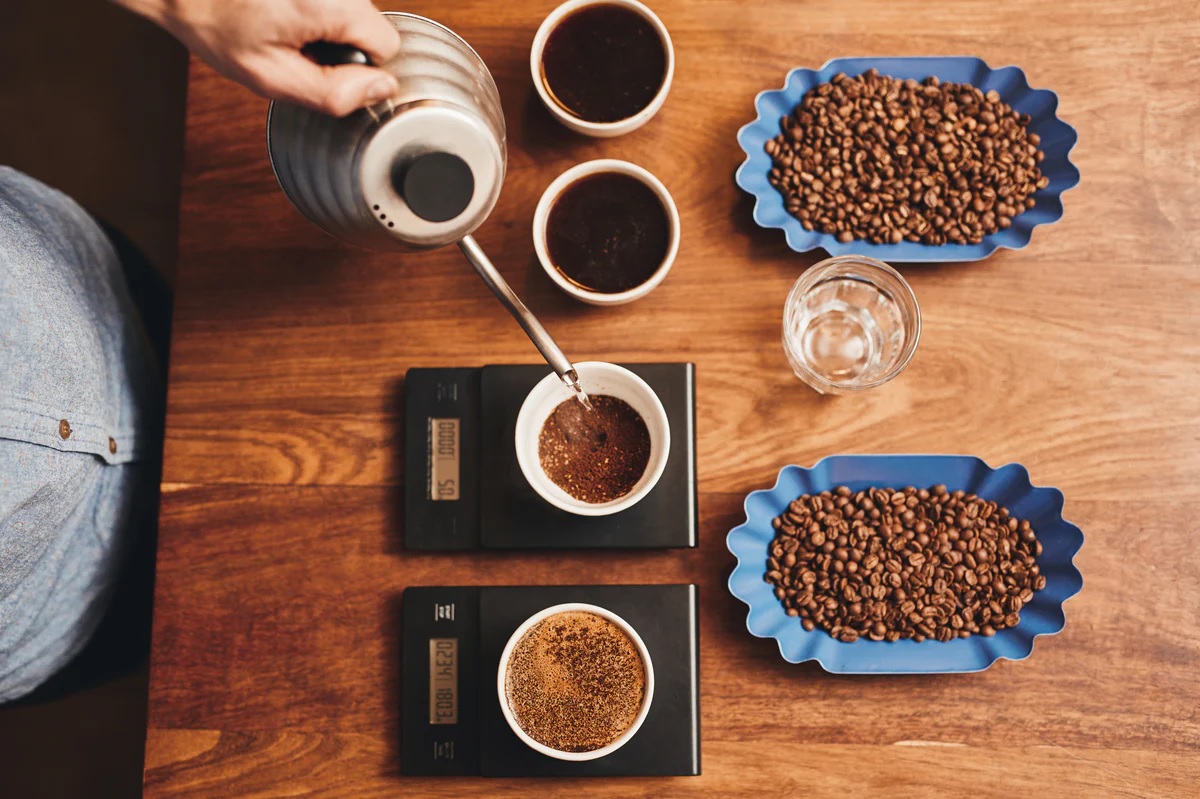
A digital scale is the most reliable tool for measuring coffee accurately. By weighing coffee in grams, you can achieve precise ratios with water, ensuring every batch tastes consistent. For ten cups, this method eliminates guesswork and allows easy scaling from standard recipes.
Weighing coffee also accounts for bean density differences. Not all beans are the same weight per volume, and scoops can vary significantly depending on grind size and roast. A scale removes this variability, providing a repeatable measurement for every brew.
Using a scale also helps adjust strength easily. You can experiment with slightly more or less coffee per batch and record results for future reference. This practice allows you to refine flavor based on personal taste or specific beans without risking over- or under-extraction.
A digital scale also simplifies immersion or drip brewing for larger quantities. Once you know the exact amount needed for ten cups, you can measure water proportionally and ensure uniform extraction. This leads to predictable flavor and body, making each cup just as enjoyable as the first.
Measuring Coffee Without a Scale
While a scale is ideal, measuring coffee by volume using standard scoops or tablespoons can still work. The general guideline is about 1 to 2 tablespoons of coffee per six-ounce cup. For ten cups, you can multiply this amount, keeping in mind that slight variations may occur due to grind size or bean type.
Consistency is key when measuring by volume. Using the same scoop and level technique ensures closer results to a weighed method. Avoid packing grounds tightly, as this increases density and affects extraction. Instead, lightly fill and level each scoop for uniformity.
Measuring by volume also benefits quick brewing situations. For casual brewing or large gatherings, scoops provide a practical and fast method while still offering reasonably good flavor. Pairing volume measurement with standard coffee-to-water ratios ensures your brew remains balanced.
Even without a scale, you can adjust the coffee based on taste after the first batch. Start with recommended amounts, taste the coffee, and make minor modifications to match your desired strength. This approach gives you control over flavor while maintaining consistency across multiple cups.
Importance of Accurate Measurement for Consistency
Accurate measurement is crucial when brewing multiple cups, like ten at a time. It ensures that every cup delivers the same strength, aroma, and flavor profile, avoiding weak or overly strong batches. Accurate measurement also reduces waste, as you use just the right amount of coffee without over-pouring.
For methods like French press or drip machines, precise coffee measurement helps maintain balance between extraction time, grind size, and water volume. Skipping measurement leads to inconsistent results, as even minor deviations can create noticeable differences in taste.
By focusing on accuracy, you gain confidence in reproducing your favorite recipes. This allows experimentation with different beans or roast levels without compromising quality. Ultimately, mastering measurement transforms coffee brewing from guesswork into a controlled, repeatable process, ensuring a satisfying experience for every cup.
Coffee Types and Their Impact
Choosing the right coffee beans is just as important as mastering ratios or measurement. Different coffee types influence flavor, aroma, body, and strength, directly affecting the outcome of your brew. Understanding how bean origin, roast level, and processing methods impact taste ensures you make informed decisions, whether brewing a single cup or preparing ten cups for a group.
Arabica vs. Robusta: Flavor and Strength Differences
Arabica and Robusta are the two main coffee species, and each brings distinct characteristics to your cup. Arabica beans are known for their smooth, nuanced flavors with hints of fruit, chocolate, or floral notes. They tend to have a lower caffeine content and mild acidity, making them ideal for balanced, approachable coffee.
Robusta beans, on the other hand, offer a stronger, more bitter flavor and significantly higher caffeine content. Their robust body and earthy tones can provide boldness but may taste harsh if over-extracted. Many espresso blends include a portion of Robusta to enhance crema and strength while maintaining Arabica’s flavor complexity.
Choosing the right bean type impacts the coffee-to-water ratio and steeping time. Arabica’s delicate flavor benefits from careful measurement and moderate steeping, whereas Robusta can handle slightly stronger brews. Knowing these differences allows you to select beans suited to personal taste and brewing method.
Roast Levels and Their Influence on Taste
Roast level significantly affects flavor, aroma, and body. Light roasts retain more of the bean’s original characteristics, highlighting acidity, fruitiness, and subtle aromatic notes. Medium roasts balance natural flavors with slight caramelization, producing richer sweetness and fuller body. Dark roasts emphasize roast-derived flavors like chocolate, nuts, and smokiness, often masking origin notes.
Light roasts may require precise brewing techniques to avoid under-extraction. Coarse grinds, controlled steeping, and proper temperature help extract nuanced flavors without over-accentuating acidity. Medium and dark roasts are generally more forgiving, producing bold, full-bodied coffee even with minor brewing variations.
Roast levels also affect mouthfeel. Darker roasts tend to feel heavier and smoother, while lighter roasts feel more delicate and crisp. Understanding this influence allows you to tailor your brewing approach to each roast and achieve consistent results.
Single-Origin vs. Blends
Single-origin coffee comes from one specific region, farm, or estate, highlighting unique regional flavors and growing conditions. These coffees often have distinctive flavor profiles, like citrusy notes from Ethiopian beans or chocolatey undertones from Colombian beans. Single-origin beans allow you to explore the nuances of coffee terroir.
Blends combine beans from multiple origins to create a balanced and consistent flavor profile. Blending helps maintain uniform taste across batches, making it ideal for larger servings, such as ten cups. Blends often balance acidity, body, and aroma to appeal to a wide audience while providing a reliable and repeatable experience.
The choice between single-origin and blend also affects brewing adjustments. Single-origin coffees may need slight tweaks in grind size, water temperature, or steeping time to highlight specific flavors, whereas blends tend to be more forgiving and versatile in different brewing methods.
Processed Coffee: Washed, Natural, and Honey
Processing methods influence flavor by determining how the bean interacts with fruit and sugars before drying. Washed or wet-processed coffee is cleaned of pulp before drying, producing bright, clean, and vibrant flavors with pronounced acidity. Natural or dry-processed coffee dries inside the fruit, enhancing sweetness, fruitiness, and body. Honey-processed coffee falls in between, offering moderate acidity and sweet, balanced notes.
Understanding processing methods helps you predict flavor characteristics and adjust brewing variables. For example, naturally processed beans may benefit from slightly coarser grind and careful steeping to avoid over-extraction of fruity sugars, while washed beans often require stable temperatures to preserve delicate aromas.
Processing also influences mouthfeel. Natural and honey-processed coffees generally feel fuller and heavier, while washed coffees feel lighter and cleaner. Selecting the right processed coffee allows you to customize taste, body, and aroma according to preference and brewing method.
Impact on Brewing Ten Cups
When brewing multiple cups, such as ten, coffee type affects consistency and flavor balance. Arabica beans or lighter roasts may require careful attention to measurement and temperature to avoid under-extraction, while Robusta or darker roasts are more forgiving. Blends and medium roasts provide reliable results for larger batches without sacrificing flavor complexity.
By considering species, roast, origin, and processing, you can match your coffee to brewing method and volume. This ensures every cup maintains the intended flavor profile, strength, and body. Awareness of these factors gives you control over taste, allowing you to enjoy consistently satisfying coffee every time.
Brewing Methods for 10 Cups
Brewing ten cups of coffee requires planning, precise measurement, and the right brewing method to ensure each cup is consistent in flavor, strength, and aroma. Not all coffee makers handle large quantities the same way, so choosing an appropriate method helps maintain quality while saving time. Understanding different techniques allows you to select the best approach for group servings or busy mornings.
Drip Coffee Makers for Large Batches
Drip coffee makers are ideal for brewing ten cups efficiently. They use a standard coffee-to-water ratio, usually around 1:15 to 1:17, which ensures balanced flavor for multiple servings. You simply add the measured coffee grounds to the filter, pour water into the reservoir, and let the machine handle extraction.
Consistency is one of the main advantages of drip machines. Once calibrated with proper coffee amounts, the brew maintains a predictable flavor profile from the first cup to the last. Preheating the carafe can further preserve temperature and aroma, ensuring that each serving tastes fresh.
Drip brewing also allows flexibility with grind size and bean choice. Coarse to medium grinds work best, producing smooth, clear coffee without over-extraction. Using high-quality beans enhances the flavor across multiple cups, making group servings both convenient and enjoyable.
Maintenance and cleanliness play a role in large batch brewing. Regularly cleaning the carafe, filter basket, and water reservoir prevents residue buildup, which can affect taste and aroma. Proper care ensures each batch of ten cups remains flavorful and consistent over time.
French Press for Multi-Cup Brewing
French press brewing can also accommodate ten cups if using a larger-capacity carafe, usually around 50 ounces. This method emphasizes immersion, allowing all grounds to steep evenly in hot water, extracting bold flavor and full body for every cup.
To brew ten cups, measure coffee and water carefully using the standard ratio of 1:12 to 1:14 for immersion methods. Coarse, uniform grounds prevent excessive sediment, and maintaining water temperature around 195°F to 205°F ensures proper extraction. Steeping for four to five minutes gives a rich, smooth cup without bitterness.
The plunger and mesh filter separate grounds efficiently when pressed slowly and steadily. A controlled plunge ensures minimal sediment and preserves the heavy, full-bodied texture French press coffee is known for. Pouring immediately after pressing prevents over-extraction for larger batches.
French press brewing allows customization of flavor strength. By adjusting steeping time or coffee dosage, you can achieve a balanced cup suitable for ten servings. This method highlights natural oils and aromatic compounds, providing a satisfying, robust flavor experience for group servings.
Pour-Over and Alternative Methods
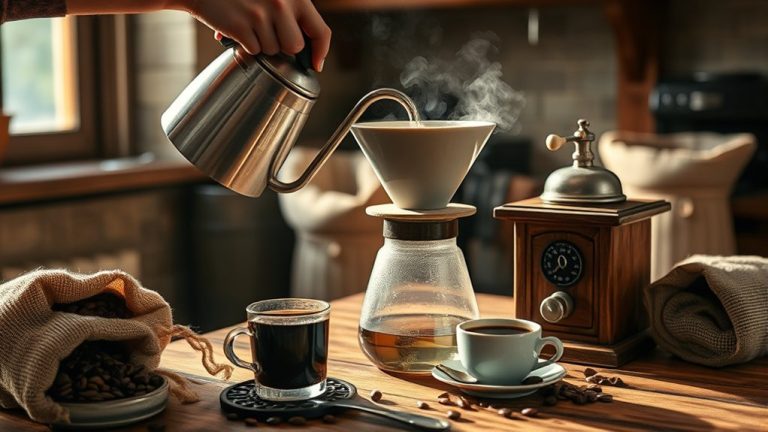
Pour-over methods, such as Chemex or large-scale cone brewers, can also produce ten cups, though they require more attention to technique. Controlled pouring ensures even saturation and balanced extraction for multiple servings.
When brewing ten cups via pour-over, you must carefully measure both coffee and water, maintaining consistent pour rates. Using a gooseneck kettle helps regulate flow, while dividing water into increments avoids channeling and uneven extraction. Coarse to medium grind sizes work best, allowing optimal extraction across the batch.
Pour-over methods highlight clarity and brightness in coffee. Each cup reflects the nuances of the bean, whether it’s fruity, chocolatey, or nutty. Scaling recipes accurately ensures all ten cups maintain consistent strength and flavor profile.
This approach is ideal for showcasing single-origin beans or lighter roasts. By controlling each variable carefully, you can brew multiple cups without compromising taste, delivering a clean, nuanced, and aromatic experience for every serving.
Final Words
How Much Coffee Do I Need For 10 Cups?
For ten cups of coffee, the amount of coffee depends on the brewing method and desired strength. A standard guideline is using one to two tablespoons of ground coffee per six-ounce cup. For ten cups, this typically translates to around 10 to 20 tablespoons, or roughly 60 to 120 grams of coffee.
Measuring coffee accurately ensures consistent flavor across all cups. Using a digital scale or standard measuring spoons helps maintain a balanced ratio between coffee and water, preventing under-extraction or overly strong coffee. Proper measurement is essential for taste and aroma.
What Coffee-To-Water Ratio Should I Use For 10 Cups?
The recommended coffee-to-water ratio for ten cups usually ranges between 1:15 and 1:17 for drip or pour-over methods. This means one part coffee for every 15 to 17 parts water. For French press, slightly stronger ratios around 1:12 to 1:14 work best due to immersion brewing.
Using the correct ratio ensures the coffee is neither too weak nor too bitter. By maintaining this balance, each cup of ten serves a consistent flavor and body. Adjusting slightly for roast level or personal taste allows you to tailor the strength without affecting quality.
Can I Use The Same Amount Of Coffee For Different Brewing Methods?
Not exactly. Brewing methods affect extraction, so you need to adjust coffee amounts slightly. Drip coffee and pour-over typically require less coffee per cup, while French press or cold brew needs more to achieve full flavor.
The difference comes from immersion versus flow-through brewing. Immersion methods keep grounds in contact with water longer, extracting more compounds, which allows a slightly higher coffee dose. Adapting amounts to your brewing method ensures all ten cups maintain consistent strength and taste.
Does Grind Size Affect How Much Coffee I Should Use?
Yes, grind size influences how much coffee you need. Coarse grinds, ideal for French press, extract more slowly and may require slightly more coffee for optimal strength. Finer grinds, used in drip or espresso, extract faster and need less volume.
Adjusting for grind ensures consistent flavor and avoids over- or under-extraction. Using too much fine coffee can create bitterness, while too little coarse coffee produces weak coffee. Matching grind size to brewing method helps you measure coffee accurately for ten cups with balanced taste.
How Can I Make Sure All 10 Cups Taste Consistent?
Consistency starts with accurate measurement of coffee and water. Using a scale or precise scoops ensures each cup receives the same ratio. Maintaining proper water temperature and brewing time also prevents variation in taste.
Stirring grounds evenly during immersion or controlling pour rate in pour-over methods helps uniform extraction. Following these steps guarantees that all ten cups maintain consistent strength, aroma, and body, so no cup tastes stronger or weaker than the others.
What If I Don’t Have A Scale To Measure Coffee?
You can use tablespoons or scoops to measure coffee by volume. A standard guideline is one to two tablespoons per six-ounce cup. For ten cups, use 10 to 20 tablespoons of coffee, leveling each scoop for uniformity.
While less precise than weighing, consistent scooping ensures the coffee-to-water ratio remains close to the standard. Adjust slightly based on taste preferences. Even without a scale, careful measurement and attention to water ratios will allow you to brew ten cups with balanced flavor and strength.
Conclusion
Brewing a perfect pot of coffee requires understanding the balance between coffee and water. Using the right amount ensures your coffee is flavorful, smooth, and not overly bitter or weak. By measuring accurately and considering the type of coffee and grind, you can consistently achieve a satisfying cup every time.
When calculating [How Much Coffee for 10 Cups?], it’s important to consider your preferred strength and the brewing method. Drip coffee makers, French press, and pour-over methods all have slightly different requirements, so adjusting the coffee-to-water ratio for each method makes a noticeable difference. Precision in measurement, whether using tablespoons or a kitchen scale, is key to maintaining consistency across multiple brews.
Understanding [How Much Coffee for 10 Cups?] also allows for experimentation. You can fine-tune your ratios to suit personal taste, try different roast levels, or adjust for larger or smaller batches. With careful measurement and attention to detail, every 10-cup pot can deliver a perfectly balanced and enjoyable coffee experience.