How Much Coffee Grounds Per Cup: Perfect Measurements for Every Brew
Brewing the perfect cup of coffee begins with understanding the right amount of coffee to use. The quantity of coffee grounds directly affects strength, flavor, and aroma, making it essential for a consistent and enjoyable brew. Getting the ratio correct ensures that your coffee is neither too weak nor overly bitter, allowing the natural flavors of the beans to shine.
Many coffee lovers often wonder [how much coffee grounds per cup] they should use for different brewing methods. The answer depends on factors such as cup size, personal taste preference, and the type of coffee maker. Using too little coffee can result in a bland, watery drink, while using too much may overpower the subtle notes of the beans.
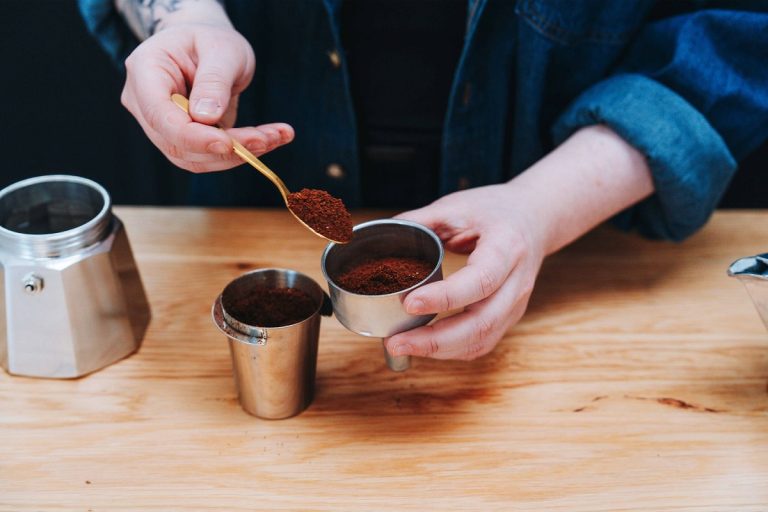
Measuring coffee grounds accurately is just as important as selecting quality beans. Whether using a scoop, scale, or tablespoon, precise measurement helps maintain consistency in every cup.
Understanding the ideal coffee-to-water ratio allows you to adjust strength, aroma, and flavor according to your preference. Learning [how much coffee grounds per cup] ensures that each brew delivers a rich, balanced, and satisfying coffee experience.
Finding the Right Coffee-to-Water Ratio
Achieving the perfect cup of coffee begins with understanding the coffee-to-water ratio. This ratio determines the strength, flavor, and overall balance of your brew. Using the correct proportions ensures that your coffee is neither too weak nor overly strong. By mastering this simple yet crucial concept, you can elevate every cup and enjoy consistent results regardless of brewing method or coffee type.
Standard Ratios for Different Brewing Methods
Different brewing methods require different coffee-to-water ratios to achieve optimal flavor. For drip coffee makers, a common recommendation is one to two tablespoons of coffee per six ounces of water. Pour-over techniques may need slightly finer adjustments, often around 15–18 grams of coffee per 250 milliliters of water. French press brewing typically uses a stronger ratio of about 1:15, providing fuller body and flavor.
Understanding these standard ratios provides a starting point for experimentation. It ensures that the coffee is neither under-extracted, resulting in weak or sour flavors, nor over-extracted, producing bitterness. Each method’s unique characteristics, such as contact time, water flow, and grind size, influence how the coffee interacts with water, making ratio adjustments essential for consistency and taste.
Adhering to recommended ratios also helps preserve the subtle flavors of high-quality beans. By measuring coffee and water carefully, you create a predictable foundation for your brew, allowing more control over strength, aroma, and flavor balance.
Adjusting Ratios Based on Strength Preference
Once you understand the standard ratios, personal taste comes into play. Coffee strength varies by preference, and adjusting the ratio allows you to make a milder or bolder cup. For a stronger cup, increase the amount of coffee grounds slightly while keeping the water volume consistent. For a lighter brew, reduce the coffee slightly.
It’s important to make incremental adjustments rather than large changes. A minor tweak in grams or tablespoons can significantly affect taste and body. Recording measurements for future reference ensures consistency in your preferred strength.
Different coffee beans also respond differently to ratio adjustments. Darker roasts may taste more intense at standard ratios, while lighter roasts can handle slightly higher doses without becoming overpowering. By experimenting with ratio adjustments, you can tailor each cup to your desired flavor and intensity.
Measuring Coffee and Water Accurately
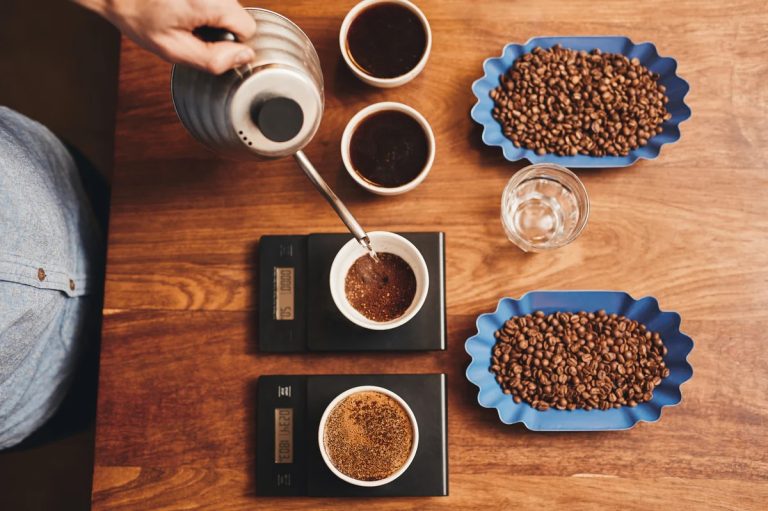
Precision in measuring coffee and water is key to achieving the right ratio. Using a digital scale is ideal for accuracy, allowing you to measure grams instead of relying on approximate scoops or tablespoons. Measuring water volume accurately ensures proper extraction and consistent flavor.
Consistency in measurement helps maintain balance in every cup. Over time, using the same ratios builds familiarity with your preferred coffee strength, grind size, and brewing time. This consistency also makes it easier to replicate your ideal brew with different coffee beans or brewing methods.
Measuring accurately prevents over-extraction, which can create bitterness, and under-extraction, which can result in weak, sour flavors. A precise ratio allows you to maximize the aroma, body, and flavor potential of your coffee, enhancing the overall drinking experience.
Experimentation for the Perfect Cup
Finding the perfect coffee-to-water ratio involves experimentation. Start with standard recommendations, taste the brew, and adjust gradually based on your preferences. Take note of changes in coffee strength, flavor intensity, and mouthfeel to refine your measurements.
Different brewing techniques, bean types, and roast levels can influence how the ratio affects the final cup. Maintaining a log of your trials helps you develop a consistent and personalized approach, ensuring every cup matches your taste.
Experimenting with ratios also opens opportunities to explore creative coffee variations, from concentrated espresso-style brews to lighter, aromatic pour-overs. Understanding and adjusting the coffee-to-water ratio is the foundation for crafting a cup that is balanced, flavorful, and uniquely suited to your palate.
Brewing Methods and Coffee Grounds
The type and grind of coffee grounds play a crucial role in determining the flavor, strength, and overall quality of your brew. Different brewing methods require specific grind sizes and preparation techniques to achieve optimal extraction. Understanding how coffee grounds interact with water and equipment allows you to consistently brew a cup that highlights the beans’ natural characteristics.
Drip Coffee Makers and Medium Grind
Drip coffee makers, one of the most common brewing methods, work best with a medium grind. The water passes through the grounds slowly, allowing proper extraction of flavor without over-extracting bitterness. A medium grind provides the right surface area for balanced brewing.
Using too fine a grind in a drip coffee maker can lead to over-extraction, producing a bitter and harsh taste. Conversely, a coarse grind may under-extract, resulting in a weak and watery cup. Measuring coffee accurately based on cup size ensures consistency in strength and flavor.
Freshly ground coffee enhances aroma and flavor in drip brewing. Pre-ground coffee may lose essential oils, making the brew less vibrant. A burr grinder is ideal for producing uniform medium grounds, contributing to a smooth and well-balanced cup.
Understanding drip brewing also involves water temperature and ratio. Maintaining about 195–205°F water ensures optimal extraction, while following the correct coffee-to-water ratio helps achieve the desired strength and richness. Proper preparation ensures each cup delivers the ideal balance of flavor, aroma, and body.
French Press and Coarse Grind
French press brewing requires a coarse grind to prevent grounds from passing through the metal mesh filter. A coarse grind provides a longer extraction time without producing excessive bitterness, creating a full-bodied and flavorful cup.
Using a finer grind in a French press may result in over-extraction and gritty texture, while too coarse a grind can under-extract, leaving the coffee weak. The standard coffee-to-water ratio for a French press is typically 1:15, but this can be adjusted for taste preferences.
Steeping time also affects extraction. Coarse grounds in a French press need about 4 minutes to extract flavors evenly. Stirring gently before pressing helps distribute the grounds, enhancing flavor consistency.
Freshly ground beans improve texture and aroma, making the French press experience richer and more aromatic. Paying attention to grind size, steeping time, and water temperature ensures a smooth, balanced, and satisfying cup.
Espresso and Fine Grind
Espresso requires a fine grind for rapid extraction under high pressure. The fine grind increases surface area, allowing water to extract intense flavors and produce a rich, concentrated shot with velvety crema.
Using a grind that is too coarse in an espresso machine results in under-extraction, weak flavor, and thin crema. Too fine a grind can over-extract, causing bitterness and clogged machine components. Precise tamping and uniform grind size are essential for consistency.
Espresso brewing demands accurate coffee measurement, usually 7–9 grams per single shot. Extraction time, pressure, and temperature must be carefully controlled to produce balanced, smooth espresso. Freshly ground beans are crucial for capturing aroma and achieving a vibrant crema.
Understanding the interaction between fine espresso grounds and high-pressure water ensures each shot has the ideal balance of flavor, body, and crema. Mastery of this technique is key for both straight espresso and espresso-based drinks.
Pour-Over and Custom Grind Sizes
Pour-over brewing allows flexibility with grind size, typically ranging from medium-fine to medium. The grind affects extraction time, flow rate, and flavor clarity. Adjusting grind size helps control brew strength, acidity, and body.
A slightly finer grind slows water flow, increasing extraction and producing a more robust flavor. A coarser grind speeds up flow, yielding a lighter, cleaner cup. Proper measurement of coffee grounds and water ensures consistent results.
Pour-over brewing emphasizes even saturation and steady pouring. Stirring and controlling pour speed improve extraction, highlighting delicate flavors in the coffee. The ability to fine-tune grind size makes pour-over ideal for experimenting with different beans and roast profiles.
Maintaining consistency in grind, water temperature, and pour technique ensures each cup showcases the coffee’s unique characteristics. Understanding how grind size interacts with pour-over methods allows you to craft a balanced, flavorful, and aromatic brew every time.
Tips for Consistency and Accuracy
Consistency and accuracy are key to brewing high-quality coffee every time. Paying attention to measurement, grind size, water temperature, and brewing technique ensures each cup tastes as intended. By developing reliable routines and using proper tools, you can maintain flavor balance and strength across multiple brews, whether using a drip coffee maker, French press, or espresso machine.
Measuring Coffee and Water Precisely
Accurate measurement is the foundation of consistency. Using a digital scale to weigh coffee grounds and water ensures that each cup adheres to your preferred coffee-to-water ratio. Scoops or tablespoons may vary, causing subtle differences in strength and flavor.
For example, a standard ratio of 1:15 (coffee to water) can be maintained precisely with a scale, allowing predictable results. Adjusting ratios based on cup size, brewing method, or bean type becomes easier when you rely on grams instead of approximations.
Consistent measurement helps avoid under-extraction or over-extraction, which can result in sour or bitter flavors. Measuring both coffee and water ensures that each brew maintains body, aroma, and richness, making every cup enjoyable and reliable.
Maintaining Uniform Grind Size
The grind size of your coffee significantly affects extraction and flavor consistency. A burr grinder is recommended over a blade grinder because it produces uniform particles, preventing over-extraction of fine grounds or under-extraction of coarse particles.
Different brewing methods require specific grind sizes: coarse for French press, medium for drip coffee, and fine for espresso. Maintaining uniformity ensures that water interacts evenly with coffee, producing balanced flavor and aroma.
Regularly checking and adjusting your grinder settings keeps grind size consistent, especially when switching beans. Using freshly ground coffee also preserves essential oils, contributing to predictable and high-quality extraction.
Consistent Brewing Technique
Consistency in your brewing technique is just as important as measurement and grind size. Pay attention to water temperature, brewing time, and agitation, depending on the method. For pour-over or French press, even saturation and controlled pouring are critical.
Espresso requires consistent tamping pressure, extraction time, and machine temperature. Variations in these elements can drastically affect taste, texture, and crema. Developing a routine helps reduce inconsistencies and improves the reliability of each brew.
Recording your techniques, such as brewing time, grind size, and water volume, can serve as a reference for future cups. This allows you to replicate your favorite coffee profile and refine methods over time.
Equipment Maintenance for Reliability
Regular equipment maintenance ensures consistent performance. Cleaning grinders, espresso machines, and coffee makers prevents residue buildup, which can alter flavor or clog components. Descaling machines keeps water flow and temperature stable, preventing under-extraction or bitter notes.
Using clean, well-maintained equipment also enhances coffee aroma and prevents contamination from old coffee oils. Regular checks on water quality, filter condition, and machine calibration contribute to predictable results.
A routine of maintenance and calibration guarantees that your brewing environment remains stable, allowing accurate and consistent coffee preparation. Attention to these details ensures that each cup meets your expectations, regardless of brewing method.
FAQs
How Much Coffee Grounds Per Cup Should I Use For Drip Coffee?
For a standard drip coffee, you should use about 1 to 2 tablespoons of coffee grounds per six ounces of water. Measuring with a scale is more accurate, roughly 10–12 grams per 6-ounce cup.
Using the right amount ensures a balanced flavor without bitterness or weakness. Too little coffee results in a watery cup, while too much can overwhelm your taste buds. Adjust based on personal strength preference, but starting with the standard measurement provides a reliable baseline.
Does The Coffee Grind Size Affect How Much I Should Use Per Cup?
Yes, grind size directly impacts how much coffee you need. Coarse grinds, like those for French press, require slightly more coffee per cup because water extracts flavor more slowly. Fine grinds, used for espresso or Aeropress, need less coffee since extraction happens quickly and efficiently.
Understanding your grind size ensures that the correct coffee-to-water ratio is maintained. Adjusting the amount according to the grind type allows you to achieve consistent flavor, aroma, and strength, no matter which brewing method you use.
How Can I Adjust Coffee Grounds Per Cup For Stronger Coffee?
If you prefer a stronger brew, slightly increase the coffee grounds while keeping the same water volume. For example, instead of 10 grams per six-ounce cup, use 12–13 grams. This enhances flavor intensity and body without over-extraction if done gradually.
It’s important to make small adjustments to avoid bitterness. Recording your preferred measurements helps maintain consistency in future cups. Fine-tuning the amount of coffee grounds per cup allows you to enjoy a personalized brew that matches your taste.
What Happens If I Use Too Little Coffee Grounds Per Cup?
Using too little coffee results in a weak, watery cup with underdeveloped flavors. The brew may taste sour, flat, or lacking aroma, making it less satisfying. Under-extraction occurs because there isn’t enough coffee to balance the water, leaving essential oils and compounds unextracted.
Adjusting your coffee-to-water ratio ensures that you get full flavor. Measuring grounds accurately for each cup prevents weak coffee and maintains consistent strength and body, giving you a more enjoyable drinking experience every time.
Can I Use A Standard Spoon Instead Of A Scale For Measuring Coffee Grounds?
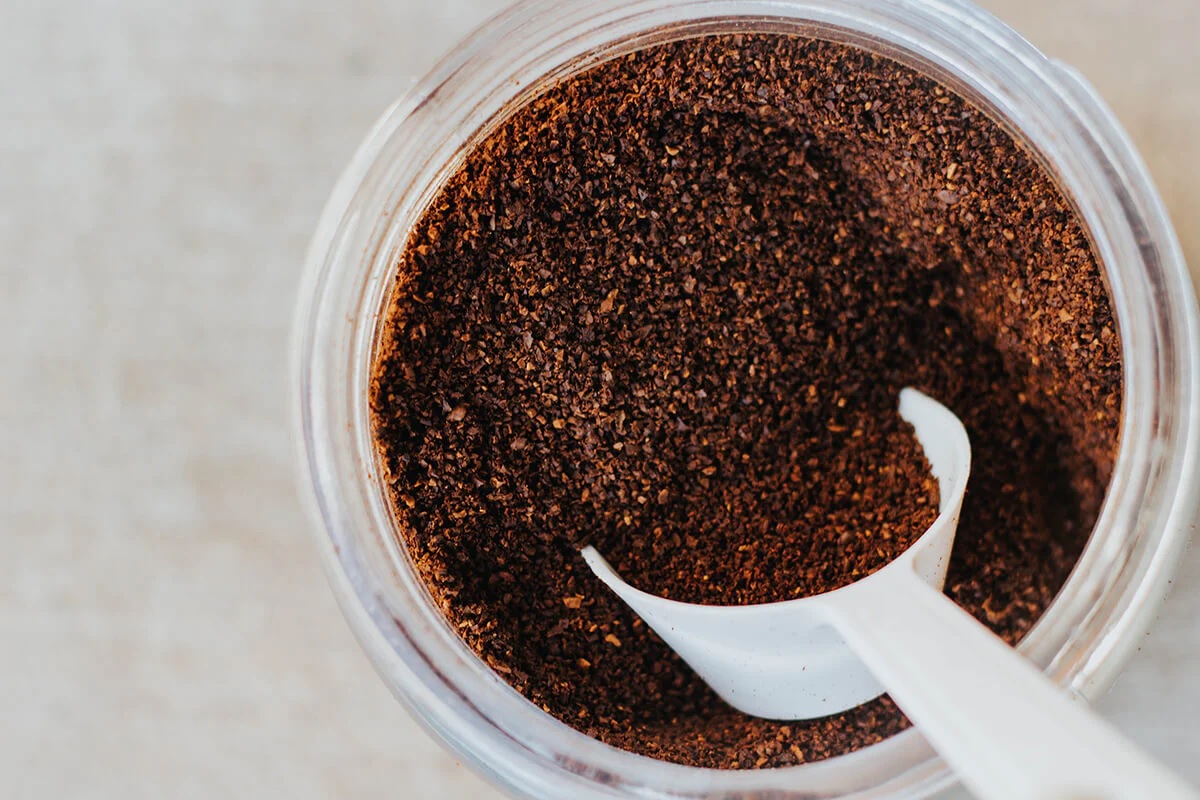
While a standard tablespoon can work, it’s less precise than a digital scale. Spoon sizes and how densely coffee is packed vary, leading to inconsistent strength and flavor. A scale allows you to measure coffee grounds in grams, providing accuracy for every cup.
Using a scale ensures consistency across different brewing methods and cup sizes. It also allows you to fine-tune strength based on personal preference. Investing in a small scale improves your brewing accuracy and guarantees a reliable coffee experience.
How Much Coffee Grounds Per Cup For French Press Brewing?
For a French press, use a coarse grind at a ratio of about 1:15. This generally translates to 15–18 grams of coffee per 250 milliliters (about 8 ounces) of water. The coarser grind allows longer steeping without producing excessive bitterness or sediment.
Steeping for around 4 minutes ensures balanced extraction. Measuring both coffee and water precisely helps maintain consistency in flavor and body. Proper coffee grounds per cup ensure that your French press brew is smooth, aromatic, and full-bodied.
Does Cup Size Affect How Much Coffee Grounds I Should Use?
Yes, cup size directly influences the amount of coffee grounds. Larger cups require more coffee to maintain strength, while smaller cups need less to avoid over-concentration. Using a consistent coffee-to-water ratio helps preserve balanced flavor and body.
For example, a 12-ounce cup should have roughly double the coffee of a six-ounce cup, maintaining proportional strength. Adjusting coffee grounds based on cup size ensures every brew tastes as intended, providing a satisfying, consistent experience regardless of how large or small your cup is.
Conclusion
Getting the perfect cup of coffee isn’t just about using your favorite beans—it’s also about precision and understanding the right proportions. Knowing how much coffee grounds per cup can significantly impact the flavor, strength, and overall satisfaction of your brew. Whether you prefer a mild, smooth cup or a bold, intense espresso, measuring accurately ensures every cup meets your expectations.
By paying attention to brewing methods, grind size, and your preferred coffee-to-water ratio, you can consistently achieve a balanced taste. For drip coffee, French press, pour-over, or espresso, small adjustments in how much coffee grounds per cup can transform your daily routine into a café-quality experience. Precision allows you to enjoy a flavorful cup without it being too weak or overly bitter.
Experimenting with measurements also helps you find your personal ideal. Understanding how much coffee grounds per cup empowers you to customize every brew according to your taste preferences, making each cup uniquely satisfying and consistent every time.