Do You Keep Coffee in the Fridge? Tips for Freshness, Storage, and Flavor
Many coffee lovers wonder about the best way to store their beans or grounds to maintain freshness and flavor. Temperature, moisture, and exposure to air all affect coffee quality, and improper storage can lead to stale or flat-tasting coffee. Proper storage ensures that every cup remains aromatic, flavorful, and satisfying, whether you brew daily or occasionally.
A common question arises regarding refrigeration, as many people assume that cooler temperatures preserve freshness. However, coffee is highly sensitive to moisture and odors, which can affect taste even in a sealed container. Understanding how storage environments impact coffee helps you make the right choice for maintaining quality.
Do You Keep Coffee in the Fridge? explores the advantages and disadvantages of refrigerating coffee, helping you determine the best approach for both beans and grounds. By examining storage methods, container types, and temperature considerations, you can ensure your coffee stays flavorful for longer.
Making informed decisions about coffee storage allows you to enjoy a consistently fresh cup, whether you’re preparing a quick morning espresso or a slow pour-over. Knowing the right techniques ensures your coffee’s aroma, body, and flavor remain intact from the first sip to the last.
Impact Of Refrigeration On Coffee Freshness
The freshness of coffee is directly linked to how it’s stored, and refrigeration is often debated among coffee enthusiasts. While cold temperatures may seem ideal for preserving beans or grounds, coffee’s sensitivity to moisture, odors, and air can make refrigeration tricky. Understanding how refrigeration affects freshness helps ensure every cup retains its flavor, aroma, and body.
Moisture And Condensation Risks
Refrigerators are humid environments, which can introduce moisture to coffee beans or grounds. Even sealed containers are vulnerable to condensation when moved in and out of cold storage. Moisture accelerates the breakdown of flavor compounds and can lead to stale, flat-tasting coffee.
When condensation occurs, the delicate oils in coffee beans may degrade, resulting in a loss of aroma and smoothness. Ground coffee is particularly susceptible, as its larger surface area exposes more particles to humidity. While refrigeration slows down some chemical processes, the added moisture risk can negate these benefits, making careful handling and airtight containers essential for those who store coffee in the fridge.
Absorption Of Odors
Coffee naturally absorbs surrounding odors, which can significantly alter its flavor. Refrigerators often contain strong-smelling foods, from cheeses to onions, and even well-sealed containers may not fully protect against odor transfer.
This absorption can compromise the nuanced flavor profile of coffee, masking its natural aromas and earthy or chocolatey notes. Beans or grounds stored near pungent foods may develop off-flavors that are difficult to remove, diminishing the quality of each cup. Proper isolation using vacuum-sealed or odor-proof containers is necessary to minimize these effects and retain the intended flavor of the coffee.
Temperature Fluctuations And Staleness
Frequent opening and closing of the refrigerator introduces temperature fluctuations, which can negatively impact coffee freshness. Sudden changes in temperature may cause condensation or accelerate the oxidation of aromatic compounds, resulting in diminished flavor and aroma.
Coffee freshness is maintained best in a stable, dark, and cool environment rather than a refrigerator with fluctuating temperatures. While cold slows the chemical breakdown of compounds that lead to staleness, repeated temperature shifts can counteract this benefit, especially for lightly roasted beans that are more delicate and sensitive to environmental changes.
Best Practices For Refrigerated Coffee
If you choose to refrigerate coffee, using airtight, opaque containers is essential to reduce moisture exposure and prevent odor absorption. Only store small amounts that will be used within a short period, as prolonged storage can still degrade quality. Avoid frequent removal from the fridge to minimize condensation.
For long-term storage, freezing coffee in tightly sealed containers is often a better option than refrigeration. Freezing slows chemical breakdown and can preserve flavor for weeks or months without the same moisture risks. Thaw small portions as needed to maintain consistent freshness, ensuring that each cup reflects the intended aroma, body, and flavor profile.
Evaluating Refrigeration Benefits And Drawbacks
Refrigeration can temporarily slow the degradation of coffee, but moisture, odors, and temperature fluctuations often outweigh the benefits. Coffee enthusiasts seeking optimal flavor usually prefer storing beans in a cool, dark pantry in airtight containers.
By understanding the potential effects of refrigeration on coffee freshness, you can make informed storage choices. Managing moisture, odor exposure, and temperature stability is key to maintaining the smooth, aromatic, and full-bodied qualities of your favorite coffee, ensuring every brew is as satisfying as the first.
Best Practices For Storing Coffee
Proper storage is essential for maintaining the freshness, aroma, and flavor of your coffee. Coffee beans and grounds are highly sensitive to air, light, moisture, and heat, all of which can accelerate staleness. Understanding best practices ensures that each cup delivers the full-bodied, rich taste that coffee enthusiasts expect, whether brewing a morning espresso or an afternoon pour-over.
Use Airtight Containers
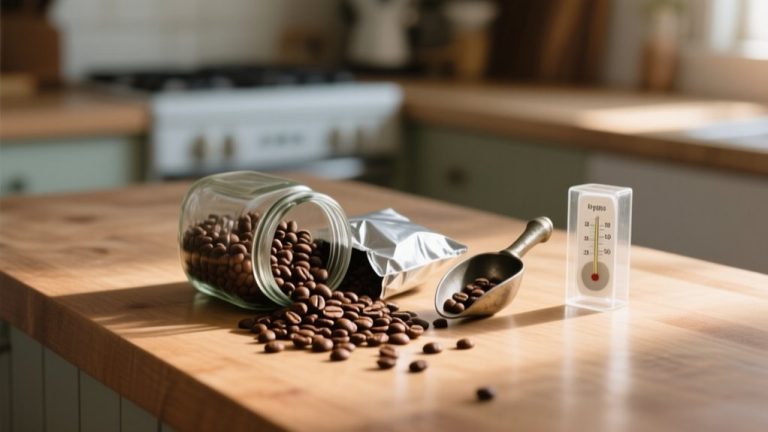
One of the most effective ways to preserve coffee freshness is by using airtight containers. Exposure to oxygen accelerates oxidation, which breaks down flavor compounds and diminishes aroma. Containers made of ceramic, glass, or stainless steel with tight-sealing lids are ideal for minimizing contact with air.
For ground coffee, airtight storage is even more crucial, as its larger surface area makes it more prone to oxidation. Whole beans retain freshness longer, but grinding just before brewing is recommended for maximum flavor. Keeping beans in airtight containers prevents staleness, maintains aromatic oils, and ensures a smooth, balanced cup with every brew.
Keep Coffee Away From Light And Heat
Light and heat can rapidly degrade coffee quality by breaking down delicate compounds that contribute to flavor and aroma. Direct sunlight or storage near ovens and heat sources can accelerate the staling process and cause bitterness.
The best practice is to store coffee in a cool, dark place such as a pantry or cupboard. This stable environment preserves the natural oils and compounds responsible for Java coffee’s earthy, chocolatey, and nutty notes. Consistent temperature and darkness help maintain both flavor and body, allowing each cup to reflect the beans’ original quality.
Avoid Moisture And Humidity
Coffee is highly sensitive to moisture, which can lead to flavor deterioration and even mold growth. Even small amounts of humidity can affect beans and grounds, reducing their aromatic complexity and smoothness.
To prevent this, store coffee away from areas prone to moisture, such as near sinks, dishwashers, or the refrigerator’s interior. Using airtight containers further protects against humidity, ensuring beans remain dry and flavorful. For long-term storage, consider portioning coffee into smaller containers to avoid repeated exposure to air and moisture. This approach helps preserve both taste and aroma over time.
Freeze For Long-Term Storage
For extended storage, freezing coffee is a practical option. Freezing slows chemical breakdown and preserves flavor for several weeks or months. Use airtight, freezer-safe containers to prevent moisture and odor absorption. Portioning beans into smaller amounts allows you to thaw only what you need, maintaining freshness for the remainder.
When removing coffee from the freezer, allow it to reach room temperature before opening the container to avoid condensation. Avoid repeated freezing and thawing, as this can accelerate staleness. Freezing is particularly useful for bulk purchases or specialty beans that you want to maintain in peak condition for longer periods.
Portioning And Grinding Practices
Grinding coffee just before brewing preserves maximum flavor and aroma. Pre-ground coffee loses freshness faster due to increased exposure to air. Portioning beans into small amounts for daily use ensures you are only exposing a limited quantity to oxygen at a time.
By combining careful storage, airtight containers, darkness, low humidity, and appropriate portioning, you can maintain the rich flavor, aroma, and body of your coffee. These best practices allow you to enjoy a consistently satisfying cup that highlights the quality of your beans in every brew.
Freezing Coffee: Pros And Cons
Freezing coffee is a storage method often debated among coffee enthusiasts. Many believe it preserves freshness for extended periods, while others worry about flavor degradation and moisture issues. Understanding the pros and cons of freezing coffee allows you to make informed decisions about maintaining the quality, aroma, and taste of your beans or grounds.
Benefits Of Freezing Coffee
Freezing coffee slows down the chemical processes that cause staleness. Beans naturally oxidize over time, which breaks down essential oils and compounds responsible for flavor and aroma. By storing coffee in a freezer, oxidation is significantly reduced, helping to maintain its freshness for weeks or even months.
This is particularly beneficial for bulk purchases or specialty beans that you want to preserve. Freezing also prevents the coffee from losing aroma and smoothness, allowing you to enjoy a flavorful cup long after the beans were roasted. For people who don’t brew coffee daily, freezing small portions in airtight containers ensures that only the coffee being used is exposed to air, maintaining optimal taste for each brew.
Risks Of Moisture And Condensation
One major drawback of freezing coffee is the risk of moisture exposure. When coffee is frozen and then removed from the freezer, condensation can form on the beans or grounds. This moisture can degrade the delicate oils in the coffee, causing a flat, dull flavor.
Ground coffee is particularly vulnerable, as its larger surface area absorbs moisture more quickly than whole beans. Even small amounts of condensation can lead to staleness, reduce aroma, and negatively impact mouthfeel. Proper airtight packaging and minimizing temperature fluctuations are critical to prevent moisture issues when using the freezer as a storage method.
Flavor Absorption And Odor Contamination
Coffee has a natural tendency to absorb surrounding odors, and freezing is not immune to this. Even in a freezer, strong-smelling foods such as frozen meats, spices, or vegetables can transfer their scent into improperly sealed coffee containers.
This can alter the flavor profile, masking the coffee’s natural earthy, chocolatey, and nutty notes. Using vacuum-sealed or freezer-safe, odor-proof containers helps prevent this problem. Additionally, portioning coffee into small, sealed containers ensures that each batch is protected, reducing the risk of contamination and preserving the intended flavor for every cup.
Thawing And Handling Concerns
Freezing coffee requires careful handling to maintain quality. Removing beans from the freezer and immediately opening the container exposes them to rapid temperature changes, leading to condensation. This can degrade both flavor and aroma over time.
To avoid this, allow coffee to reach room temperature before opening the container. Avoid repeated freezing and thawing, as each cycle increases exposure to moisture and oxidation. Portioning beans or grounds into smaller quantities ensures that only what you need is thawed, maintaining long-term freshness and flavor integrity for the remaining coffee.
Best Practices For Freezing Coffee
Freezing coffee can be highly effective when done correctly. Use airtight, opaque, freezer-safe containers to minimize moisture, odor absorption, and light exposure. Divide coffee into daily or weekly portions to reduce repeated exposure and temperature changes. Whole beans freeze better than pre-ground coffee, as grinding immediately before brewing preserves maximum flavor and aroma.
Maintaining consistency in freezing practices is essential. Keep the freezer at a stable, low temperature, avoid storing coffee near strong-smelling foods, and handle the beans carefully during thawing. Following these best practices allows you to enjoy the benefits of extended freshness without compromising the flavor, body, or aroma of your coffee.
Evaluating Pros And Cons
Freezing coffee offers clear advantages in slowing staleness, preserving aroma, and maintaining flavor over long periods. It is especially useful for specialty beans, bulk purchases, or occasional brewers. However, moisture, condensation, and odor absorption pose real risks that can compromise quality if not managed properly.
Besides, both the benefits and drawbacks, you can decide whether freezing aligns with your brewing habits and storage needs. Proper preparation, airtight packaging, portioning, and careful handling ensure that freezing becomes an effective tool to extend freshness while still delivering a rich, aromatic, and satisfying coffee experience in every cup.
Frequently Asked Questions
Do You Keep Coffee in the Fridge To Preserve Freshness?
Storing coffee in the fridge may seem like a good idea, but it can actually harm freshness. Coffee beans and grounds are highly absorbent and can pick up moisture and odors from other foods, which affects flavor.
If you still choose to refrigerate, make sure the coffee is in an airtight, odor-proof container. However, most experts recommend storing coffee in a cool, dark pantry or cabinet instead. This keeps the beans dry and preserves aroma without exposing them to fluctuating fridge temperatures.
Can Refrigeration Affect The Flavor Of Coffee?
Yes, keeping coffee in the fridge can significantly alter its taste. Exposure to humidity and temperature changes can cause the beans to lose aroma and develop a stale or flat flavor over time.
Additionally, coffee can absorb smells from nearby foods like onions or cheese. Even airtight containers may not completely prevent flavor contamination. If you value a rich, smooth cup, it’s best to store coffee in a dark, dry area at room temperature.
Is It Safe To Keep Brewed Coffee In The Fridge?
Yes, you can refrigerate leftover brewed coffee, but it’s best to consume it within 2–3 days. Beyond that, flavor degradation occurs, and the coffee may develop a sour or stale taste.
Store brewed coffee in a sealed container to prevent odor absorption and reduce exposure to air. Reheating gently can restore warmth, but the taste may still differ from freshly brewed coffee. For iced coffee, refrigeration works well and can even enhance its convenience.
Can Freezing Coffee Be A Better Option Than Refrigeration?
Freezing coffee can be a safer alternative for long-term storage. When properly sealed in an airtight container, frozen coffee preserves flavor much longer than fridge storage.
It’s important to avoid frequent freeze-thaw cycles, which can introduce moisture and affect taste. You can portion beans or grounds into smaller containers and thaw only what you need. Freezing works best for whole beans, as pre-ground coffee loses flavor more quickly after freezing.
Does Coffee Type Matter For Fridge Storage?
Yes, the type of coffee affects how it reacts to refrigeration. Whole beans retain freshness longer than pre-ground coffee, which loses aroma faster when exposed to moisture and odors.
Light and medium roasts are more sensitive to flavor changes than dark roasts, which are slightly more forgiving. If you must store in the fridge, whole beans in airtight containers are the safest choice to maintain flavor integrity.
What Is The Best Way To Store Coffee Instead Of Using The Fridge?
The ideal storage for coffee is a cool, dry, and dark place. Use an airtight container to prevent exposure to oxygen, moisture, and odors, which are the main culprits for flavor loss.
Keep your coffee away from direct sunlight, heat sources, and strong-smelling foods. Whole beans retain flavor longer than pre-ground coffee, so grind just before brewing. By following these practices, you can maintain aroma, freshness, and taste without risking the downsides of refrigeration.
Conclusion
Storing coffee properly is essential for maintaining its freshness, aroma, and flavor. Refrigeration can slow down some chemical processes, but it also introduces risks such as moisture, condensation, and odor absorption. These factors can negatively affect the delicate oils and compounds that give coffee its rich, full-bodied taste, making careful consideration of storage methods crucial.
When deciding on storage, factors like bean type, roast level, and intended consumption timeframe matter. Whole beans stored in airtight, opaque containers in a cool, dark pantry often retain flavor longer than refrigerated coffee. Freezing small portions can be an alternative for long-term storage, but consistent handling is necessary to avoid condensation and maintain quality.
Do You Keep Coffee in the Fridge? ultimately depends on your habits and priorities. For most coffee drinkers, avoiding the fridge and focusing on airtight, cool, and dry storage preserves the aroma and richness of each cup, ensuring every brew is satisfying and flavorful.