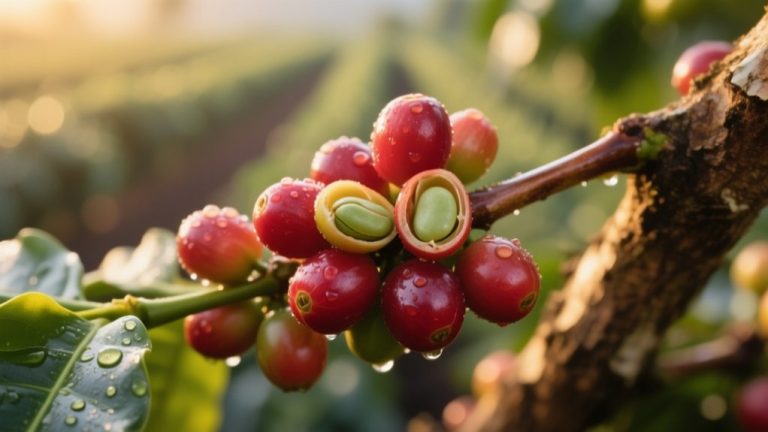

What Is Java Coffee: Flavor, Brewing Tips, and Bean Selection Guide
Java coffee is a name that has intrigued coffee enthusiasts for centuries, evoking images of rich, aromatic beans grown in Indonesia. Known for its smooth, full-bodied flavor and earthy undertones, Java coffee has a reputation as one of the world’s classic coffee varieties. Its unique characteristics make it a favorite for both casual drinkers and seasoned coffee connoisseurs seeking depth and balance in every cup.
The origin of Java coffee traces back to the Indonesian island of Java, where the fertile volcanic soil, tropical climate, and high humidity create ideal conditions for growing Arabica beans. These factors contribute to the coffee’s distinct flavor profile, which often includes hints of chocolate, nuts, and spice. The island’s long history of coffee cultivation also plays a role in the consistency and quality of the beans produced.
What Is Java Coffee? explores the characteristics, flavor profile, and historical significance of this iconic coffee. By understanding its origin, growing conditions, and taste, you can appreciate why Java coffee has remained a staple in the global coffee culture.
This knowledge helps you make informed choices when selecting beans for brewing, whether you prefer espresso, drip, or French press. With Java coffee, every cup offers a rich, aromatic experience that showcases the heritage and craftsmanship of Indonesian coffee production.
Flavor Profile And Taste Characteristics
The flavor profile and taste of Java coffee set it apart from other coffee varieties, making it a favorite for those who enjoy bold yet balanced cups. Its unique combination of body, acidity, and aromatic notes creates a distinctive coffee experience that reflects both its origin and the traditional cultivation practices of the Indonesian island of Java.
Body And Mouthfeel
Java coffee is renowned for its full-bodied, rich mouthfeel. The beans produce a smooth, heavy cup that feels substantial on the palate, providing a satisfying experience with each sip. This full body is a result of both the Arabica beans grown on the island and the traditional wet-hulling process used during post-harvest.
The mouthfeel contributes to the perception of richness and depth, making Java coffee particularly enjoyable for those who prefer a robust cup over lighter, more acidic options. Its viscosity allows flavors to linger, enhancing the overall tasting experience. Coffee drinkers often describe it as velvety or creamy, even without the addition of milk or cream, highlighting its natural smoothness and appeal.
Acidity And Sweetness
One of the defining characteristics of Java coffee is its low to moderate acidity. Unlike bright, citrusy coffees from East Africa, Java coffee has a softer, more subdued acidic profile, which contributes to its smooth taste and makes it gentle on the palate. This lower acidity also reduces bitterness, making it approachable for a wide range of coffee drinkers.
Alongside its mild acidity, Java coffee often exhibits subtle sweetness, with hints of chocolate, caramel, or nuts. This natural sweetness balances the earthy undertones, creating a harmonious and rounded cup. The combination of soft acidity and gentle sweetness makes Java coffee versatile, allowing it to be enjoyed as a standalone brew or in espresso-based drinks without overwhelming the senses.
Aromatic Notes And Flavor Nuances
Java coffee’s aroma is another highlight, offering earthy, woody, and sometimes spicy notes. These aromas enhance the perception of flavor, making the coffee feel complex and layered even before tasting. Roasting can further develop these aromas, bringing out chocolate, tobacco, or even light herbal hints, depending on roast level and bean quality.
The subtle flavors of Java coffee are well-suited to a variety of brewing methods. French press or pour-over techniques preserve the earthy and chocolatey notes, while espresso can concentrate the flavors, highlighting the full body and depth. Its aromatic complexity makes Java coffee an ideal choice for those who appreciate sensory richness in every cup.
Comparison With Other Coffee Varieties
Compared to other Arabica beans, Java coffee stands out for its smooth, low-acid, full-bodied profile. Coffees from Africa, for instance, often emphasize bright acidity and fruity notes, while Java focuses on balance, depth, and richness. This makes it a reliable choice for those who prefer a consistent, approachable flavor without sharp or overpowering elements.
Its taste characteristics also make Java coffee highly versatile. It pairs well with milk, cream, or alternative milk options, enhancing its natural sweetness and maintaining a balanced profile. Whether enjoyed as a morning ritual or an afternoon indulgence, Java coffee delivers a flavorful, satisfying experience that highlights the heritage and quality of Indonesian coffee cultivation.
Bean Types And Quality
The type and quality of coffee beans play a crucial role in defining the flavor, aroma, and overall experience of Java coffee. From the varietal of the bean to the growing conditions and post-harvest processing, every factor influences the cup’s profile. Understanding these aspects helps coffee enthusiasts choose beans that deliver both consistency and richness in every brew.
Arabica Beans: The Backbone of Java Coffee
Java coffee is predominantly made from Arabica beans, prized for their smooth, complex flavor and lower caffeine content compared to Robusta. Arabica beans thrive at higher altitudes, where cooler temperatures and slower maturation allow for the development of nuanced flavors. The volcanic soil of Java provides the perfect mineral-rich environment for these beans, contributing to their earthy and chocolatey notes.
The quality of Arabica beans from Java is influenced by meticulous cultivation practices. Hand-picking ripe cherries ensures uniformity and reduces defects, while careful fermentation and drying enhance clarity and flavor. These beans are typically classified according to size, density, and defect count, which are indicators of quality. High-quality Arabica from Java delivers a full-bodied cup with balanced acidity, gentle sweetness, and a satisfying, lingering finish that makes it distinct among other Arabica varieties.
Robusta Beans And Blends
While Arabica dominates, some Java coffee blends may include small amounts of Robusta beans. Robusta has higher caffeine content and a stronger, more bitter flavor, providing body and crema in espresso blends. However, excessive Robusta can overpower the delicate notes of Arabica, so blends are carefully balanced to enhance flavor without increasing acidity.
Robusta beans from Java are less common but valued for their resilience and bold characteristics. In combination with Arabica, they add richness and depth, creating a cup that is robust yet smooth. The careful selection and proportion of beans ensure that the final blend maintains the signature qualities of Java coffee—earthy undertones, moderate acidity, and a satisfying body—while providing enhanced crema and strength in espresso preparations.
Bean Quality Indicators
The quality of coffee beans is assessed through multiple factors, including size, density, color, and defect count. Larger, denser beans generally indicate slower growth at higher altitudes, resulting in more complex flavors. Uniform color and minimal defects suggest careful harvesting and processing, which directly influence the cup’s taste and consistency.
Post-harvest processing also plays a significant role. Java coffee often uses the wet-hulling method, which contributes to its characteristic body and earthy flavor. Proper drying, storage, and transportation prevent spoilage and preserve aromatic compounds. Selecting beans with high-quality indicators ensures that each cup of Java coffee delivers the expected depth, smoothness, and balanced taste, making it a reliable choice for enthusiasts and baristas alike.
Specialty Java Varieties
Java coffee also includes specialty varietals that highlight unique flavor profiles. Single-origin beans from regions like Ijen, Preanger, or Pangalengan showcase subtle differences in sweetness, earthiness, and aroma, reflecting microclimate and soil conditions. These varietals often appeal to connoisseurs seeking a nuanced and authentic coffee experience.
Specialty-grade Java beans undergo rigorous quality control, from hand-picking to careful roasting, to maintain their distinctive characteristics. These beans allow drinkers to explore the depth and diversity of Java coffee, offering consistent quality while highlighting the island’s rich coffee heritage. Understanding bean types and quality empowers coffee lovers to select beans that match their taste preferences and brewing style, ensuring a flavorful and satisfying cup every time.
Brewing Methods For Java Coffee
Brewing methods have a significant impact on how Java coffee expresses its unique flavors, body, and aroma. The right technique can highlight its earthy undertones, chocolate notes, and smooth, full-bodied profile, while poor preparation may mask its complexity. Understanding the best brewing methods allows coffee enthusiasts to enjoy a consistent, flavorful cup that reflects the quality of Java beans.
French Press Brewing
The French press is an excellent method for brewing Java coffee due to its immersion-style extraction. In this technique, coffee grounds steep in hot water for several minutes, allowing oils and soluble compounds to develop fully. This method produces a rich, full-bodied cup that accentuates the smooth, earthy flavors typical of Java coffee.
French press brewing also preserves the aromatic complexity of Java beans. The natural oils remain in the cup, enhancing both flavor and mouthfeel. By adjusting steeping time and grind size, you can control the strength and intensity, making it a versatile method for those who prefer a bold yet smooth cup. Medium to coarse grind is recommended to avoid over-extraction and maintain balance. This approach allows drinkers to experience the full depth and richness of Java coffee in a traditional, hands-on way.
Pour-Over And Drip Methods
Pour-over and drip coffee methods are ideal for highlighting the nuanced flavors of Java coffee. By controlling the water flow, temperature, and extraction time, these techniques emphasize clarity, mild acidity, and subtle sweetness. Using medium to dark roasted beans enhances chocolate and nutty notes while minimizing sharpness.
Paper filters can also reduce bitterness and remove fine particles, producing a clean, smooth cup. Pour-over methods allow precise control over water-to-coffee ratio, resulting in a balanced, flavorful brew that preserves the coffee’s signature aroma. For drip coffee makers, using filtered water and medium grind ensures consistent extraction, making this method suitable for daily brewing while maintaining the unique characteristics of Java coffee.
Espresso And Concentrated Brewing
Java coffee can also perform well in espresso or other concentrated brewing methods. The full-bodied nature of Java beans creates a rich, creamy shot with pronounced earthy and chocolate undertones. Espresso highlights the smoothness and aroma of the beans while producing a satisfying crema.
Blending medium to dark roasted Java beans for espresso enhances sweetness and reduces perceived acidity, creating a balanced, intense cup. Adjusting tamping pressure, grind size, and extraction time allows you to achieve optimal flavor. Java coffee espresso is versatile for both straight shots and milk-based drinks like lattes and cappuccinos, delivering boldness without harshness.
Cold Brew And Iced Coffee
Cold brew is another method that works well with Java coffee, especially for those seeking a mellow, low-acid cup. The slow extraction with cold water over 12–24 hours produces a smooth, slightly sweet coffee with reduced bitterness. This method softens earthy and roasted flavors, making them more approachable while retaining depth.
Cold brew Java coffee can be diluted or combined with milk or cream for a refreshing beverage that highlights its smooth body. The low acidity makes it suitable for sensitive stomachs, while the robust flavor ensures it remains satisfying. This method allows drinkers to enjoy Java coffee in a versatile, convenient format without compromising taste.
Optimizing Brewing For Best Flavor
Choosing the appropriate brewing method enhances the unique qualities of Java coffee. French press brings out body and richness, pour-over highlights clarity and subtlety, espresso concentrates flavor, and cold brew reduces acidity while preserving depth. Experimenting with grind size, water temperature, and steeping time allows you to tailor each cup.
By understanding how different brewing methods affect extraction and flavor, you can ensure that Java coffee delivers its characteristic smooth, full-bodied, and aromatic profile in every cup, providing a satisfying experience for both casual drinkers and coffee aficionados.
Caffeine Content And Strength
Caffeine content and overall strength are key factors when evaluating Java coffee, as they influence both the stimulating effects and the perceived body of the cup. Java coffee is known for its smooth, full-bodied profile, but its caffeine levels and intensity vary depending on bean type, roast, and brewing method. Understanding these aspects allows coffee drinkers to balance flavor with desired alertness.
Caffeine Levels In Java Coffee
Java coffee is predominantly made from Arabica beans, which naturally contain lower caffeine levels than Robusta beans. On average, Arabica beans have around 1.2% to 1.5% caffeine by weight, making Java coffee a moderate choice in terms of stimulation. This moderate caffeine content contributes to the smooth taste, allowing the complex earthy, chocolatey, and nutty flavors to shine without being masked by bitterness.
Although caffeine is present, the effect is gentle, providing a steady energy boost rather than a sharp jolt. This makes Java coffee suitable for multiple servings throughout the day without overwhelming the nervous system. For individuals sensitive to caffeine, the combination of moderate levels and smooth body ensures that the cup remains enjoyable and manageable.
Roast Level And Strength
Roast level significantly affects perceived strength and flavor in Java coffee. Lighter roasts preserve more of the bean’s natural acids, producing brighter flavors but slightly less body. Medium roasts balance acidity, aroma, and caffeine perception, creating a smooth cup with moderate intensity. Dark roasts, commonly associated with Java coffee, reduce acidity while enhancing body, richness, and bitterness, which increases the perception of strength.
Dark-roasted Java coffee emphasizes its earthy and chocolate notes while maintaining moderate caffeine content. The robust flavor can make the coffee feel stronger on the palate, even without high caffeine levels. This allows drinkers to enjoy a bold, full-bodied experience while avoiding excessive stimulation or digestive discomfort.
Brewing Methods And Extraction
Brewing methods also impact caffeine content and perceived strength. Espresso concentrates flavor and caffeine in a small volume, providing a more intense cup, while drip, pour-over, or French press distributes caffeine over a larger serving, creating a smoother, milder experience. Cold brew, with its long steeping process, extracts caffeine gently, producing a mellow but still energizing cup.
Grind size, water temperature, and coffee-to-water ratio further influence extraction and strength. Finer grinds or longer steep times increase caffeine content and intensity, while coarser grinds or shorter brewing times produce a lighter cup. Adjusting these variables allows you to control both flavor and stimulation according to your preference.
Balancing Flavor And Stimulation
Java coffee offers the advantage of combining smooth, full-bodied flavor with moderate caffeine levels, making it a versatile choice for a wide range of drinkers. Those seeking alertness without harsh bitterness or jitters will find Java coffee appealing, especially when paired with brewing methods that enhance its natural richness.
Caffeine content, roast level, and brewing techniques, you can tailor each cup to match your energy needs while preserving the characteristic flavors of Java coffee. This balance ensures that every serving delivers satisfying taste and gentle stimulation, creating a coffee experience that is both enjoyable and energizing.
FAQs
What Is Java Coffee And Where Does It Come From?
Java coffee is a type of Arabica coffee grown on the Indonesian island of Java. Its origin in volcanic soil and tropical climate provides ideal conditions for cultivating beans with rich flavor and aroma. The island’s coffee culture has a long history, dating back to the 17th century, making it one of the earliest recognized coffee-producing regions in the world.
The unique environment of Java results in beans with earthy, chocolatey, and nutty notes, along with a smooth, full-bodied profile. This combination of origin, climate, and cultivation practices gives Java coffee its distinctive character and global reputation.
What Are The Flavor Characteristics Of Java Coffee?
Java coffee is known for its smooth, full-bodied taste with earthy, chocolate, and nutty undertones. The low to moderate acidity allows for a gentle cup that is less sharp than some other Arabica varieties. Subtle hints of spice, tobacco, or cocoa can appear depending on roast level and preparation, contributing to its complex flavor profile.
This flavor balance makes Java coffee versatile for various brewing methods, from French press and pour-over to espresso. Its smooth mouthfeel and moderate acidity create a satisfying experience for both casual coffee drinkers and enthusiasts seeking rich, nuanced flavor.
How Does Roast Level Affect Java Coffee?
Roast level significantly influences the taste and aroma of Java coffee. Light roasts preserve more of the bean’s natural flavors and acidity, producing a brighter cup with subtle complexity. Medium roasts balance acidity and body, enhancing sweetness and chocolatey notes. Dark roasts reduce acidity while emphasizing earthiness and full-bodied richness.
The choice of roast allows you to tailor the cup to your preference. Darker roasts are ideal for espresso or French press, while medium roasts work well for drip or pour-over. Understanding roast impact helps you enjoy Java coffee at its full potential.
Can Java Coffee Be Used For Espresso And Specialty Drinks?
Yes, Java coffee is well-suited for espresso and specialty beverages. Its full-bodied nature and rich flavor allow for a strong, smooth shot with excellent crema. Medium to dark roasted Java beans are especially popular in espresso blends, as they maintain balanced flavor without excessive bitterness.
Java coffee also performs well in lattes, cappuccinos, or iced coffee, where its earthy and chocolatey notes complement milk or alternative milk options. Its versatility makes it a preferred choice for both home brewing and professional baristas seeking a consistent, flavorful base for drinks.
How Should Java Coffee Be Brewed For Best Results?
Brewing method affects the flavor and strength of Java coffee. French press and cold brew highlight its full-bodied, smooth profile, preserving natural oils and reducing sharp acidity. Pour-over or drip methods emphasize clarity and subtle sweetness, while espresso concentrates flavor and aroma for a rich, bold cup.
Adjusting grind size, water temperature, and steeping time ensures optimal extraction and balance. Choosing the right method for your preferred roast and bean quality allows you to fully enjoy Java coffee’s distinctive earthy, chocolatey, and nutty characteristics in every cup.
Conclusion
Java coffee offers a distinctive and enjoyable coffee experience, known for its smooth body, balanced acidity, and subtle earthy or chocolatey notes. Its unique flavor makes it a versatile choice for various brewing methods, whether you prefer a pour-over, drip, or espresso. Paying attention to roast level and bean quality can help you fully appreciate the richness and aroma Java coffee provides.
For the best experience, brewing technique and freshness are key. Grinding beans just before brewing, using the right water temperature, and adjusting steeping time can bring out the coffee’s natural nuances. You can also experiment with additives like milk, cream, or spices to enhance flavor without overwhelming its delicate characteristics.
Understanding [What Is Java Coffee?] helps you make informed choices, from selecting high-quality beans to perfecting your brewing routine. With this knowledge, you can enjoy a flavorful, aromatic cup that highlights the uniqueness of Java coffee in every sip.