What Is In A Matcha Latte: Ingredients, Flavors, And Variations Explained
A matcha latte has become a favorite for many who enjoy a creamy, energizing beverage with a delicate green tea flavor. Understanding what goes into this drink helps you appreciate its balance of taste, texture, and aroma. Each component contributes to the smooth, slightly sweet, and earthy experience that makes matcha lattes so unique.
The foundation of the drink is high-quality matcha powder, finely ground from green tea leaves. Its vibrant color and natural umami flavor give the latte its signature earthy taste. The second essential ingredient is milk or a milk alternative, which creates creaminess and balances matcha’s natural bitterness.
Sweeteners are often added to round out the flavor. Options like honey, maple syrup, or flavored syrups provide a gentle sweetness that complements the tea’s subtle grassy notes. Many variations also include frothed milk, spices, or plant-based alternatives for added texture and aroma.
Knowing what is in a matcha latte allows you to recreate it at home or make informed choices when ordering at a café. It’s a simple combination of ingredients, but the quality and balance of each element determine the overall experience.
Core Ingredients Of A Matcha Latte
A matcha latte relies on a few key ingredients to create its signature taste and creamy texture. Each component plays a critical role in balancing flavor, color, and mouthfeel. By understanding the core ingredients, you can customize your latte at home to suit your preferences. High-quality matcha, milk or milk alternatives, sweeteners, and optional flavor enhancers work together to deliver a drink that is both visually appealing and delicious.
Matcha Powder
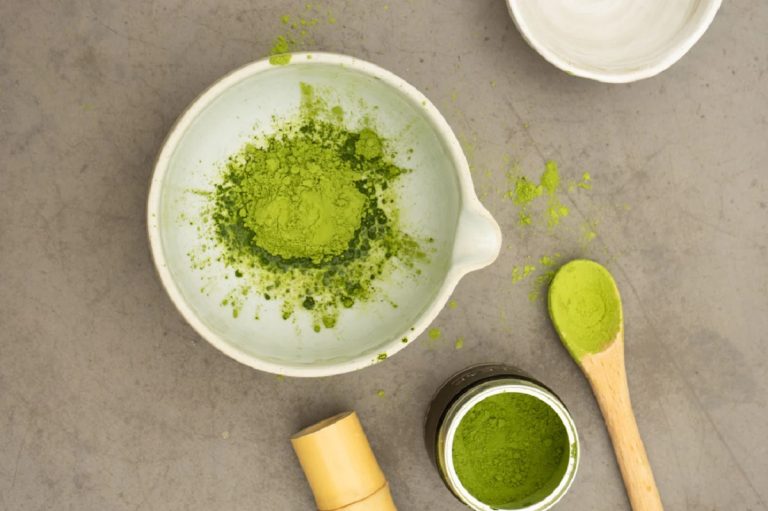
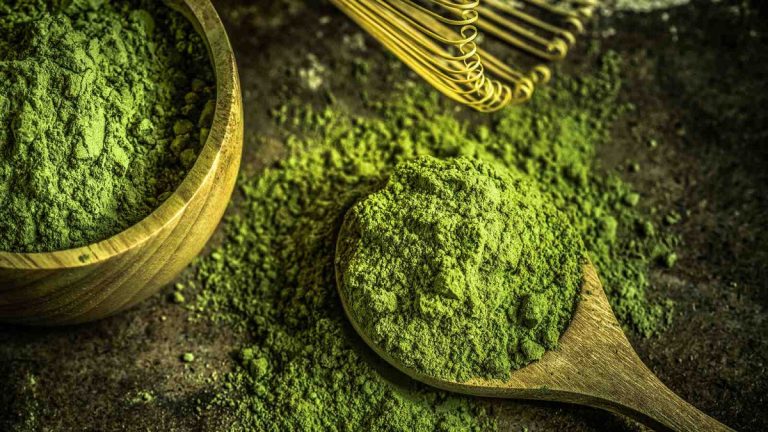
The star of any matcha latte is the matcha powder itself. This finely ground green tea powder provides the vibrant green color, earthy flavor, and natural umami that define the drink. Ceremonial-grade matcha is preferred for lattes because of its smooth texture, bright color, and subtle sweetness, while culinary-grade matcha can be used for recipes but may require additional sweeteners to balance its slightly bitter taste.
Freshness and quality are essential. Storing matcha in an airtight container away from heat and light preserves its flavor and prevents it from becoming dull or bitter. Sifting the powder before use ensures a smooth, lump-free latte, while proper whisking or mixing techniques enhance its frothiness. The matcha forms the base of the latte, providing both flavor and health benefits like antioxidants and a moderate caffeine boost.
Milk Or Milk Alternatives
Milk is the second essential ingredient that gives the matcha latte its creamy texture. Whole milk creates a rich, velvety mouthfeel, while plant-based alternatives like oat, almond, or soy milk provide lighter textures and unique flavors. The choice of milk affects not only creaminess but also sweetness and how well the matcha integrates into the drink.
Oat milk is particularly popular because it adds a subtle natural sweetness without overpowering the matcha, and it froths well for layered or iced lattes. Almond milk gives a nutty undertone, while soy milk provides a neutral base for flavor experimentation. The milk should be cold for iced lattes to maintain a refreshing consistency or slightly warmed for a cozy, hot beverage. Proper milk selection balances the earthy matcha flavor and creates a harmonious drinking experience.
Sweeteners And Flavor Enhancers
Many matcha latte recipes include sweeteners to balance the natural bitterness of the tea. Honey, agave syrup, maple syrup, or flavored syrups like vanilla or caramel are commonly used. Sweeteners should be incorporated into the matcha base before combining with milk to ensure even distribution and consistent taste.
Optional flavor enhancers can elevate the latte’s profile. Vanilla, cinnamon, or nutmeg can add warmth and aroma, while plant-based flavor syrups allow for creative variations. The amount of sweetener should be adjusted based on personal preference and matcha quality, as high-grade matcha may already have subtle natural sweetness. Sweeteners and flavor enhancers transform a simple matcha latte into a nuanced and enjoyable drink.
Ice Or Froth For Texture
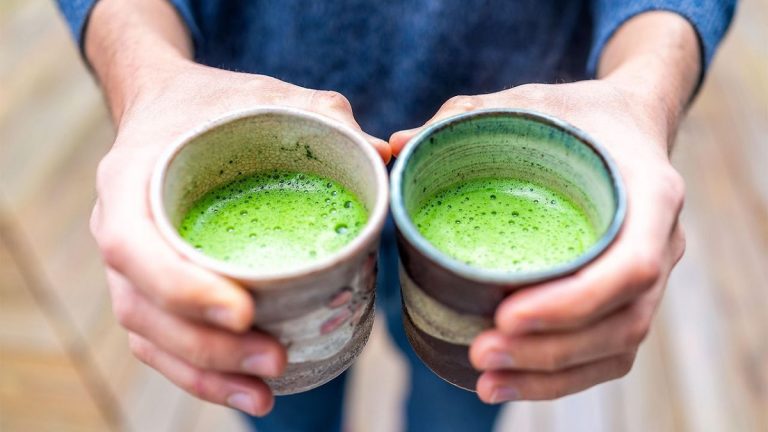
For iced matcha lattes, ice is an essential ingredient that chills the drink while maintaining the creamy texture. The ice should be added after the matcha base is fully dissolved and mixed with milk to prevent dilution and clumping. For hot lattes, frothing the milk creates a smooth, velvety texture that complements the matcha’s earthy notes.
Frothing can be achieved with a bamboo whisk, handheld frother, or milk steamer. Proper frothing introduces air, producing light foam that enhances mouthfeel and presentation. Whether iced or hot, the combination of ice or froth ensures the latte has a balanced texture, allowing the drinker to enjoy both the flavor and the creamy consistency that make matcha lattes so popular.
Optional Add-Ins And Flavor Enhancers
A matcha latte can be customized in countless ways beyond the core ingredients. Optional add-ins and flavor enhancers allow you to create a drink that perfectly suits your taste. From natural spices to flavored syrups and even plant-based alternatives, these additions elevate both aroma and taste, making each latte a unique experience. Understanding how to incorporate these elements ensures your drink remains balanced while highlighting matcha’s earthy sweetness.
Sweet Syrups And Flavorings
Sweet syrups are a popular way to enhance the flavor of a matcha latte. Vanilla, caramel, or hazelnut syrups add a rich sweetness that complements the natural umami of matcha. These syrups dissolve easily into the milk or matcha base, providing a uniform flavor throughout the latte.
Flavored extracts such as vanilla, almond, or coconut can also elevate the drink subtly without overwhelming the green tea taste. They are especially effective when paired with lightly sweetened lattes, allowing the earthy notes of matcha to shine. Adjusting the amount of syrup or extract gives control over sweetness and aroma, ensuring your beverage matches your personal preference.
Spices And Aromatic Enhancers
Spices are another way to add depth and warmth to your matcha latte. Ground cinnamon, nutmeg, cardamom, or even ginger can be stirred directly into the milk or sprinkled on top as a garnish. These aromatic spices bring a seasonal and comforting touch, enhancing both flavor and sensory appeal.
For iced lattes, a dash of spice can be mixed into the matcha base before combining with cold milk, creating a layered flavor profile that is both refreshing and intriguing. Spices also complement sweeteners, balancing the earthy taste of matcha with warmth and subtle complexity. Experimenting with different spice combinations allows you to craft signature versions of your latte.
Plant-Based Creamers And Milk Alternatives
Using plant-based creamers or milk alternatives introduces unique flavors and textures. Oat milk adds natural sweetness and a creamy mouthfeel, while almond or cashew milk provides a subtle nutty undertone. Coconut milk can give a tropical twist, enhancing the latte’s richness and aroma.
Some plant-based creamers are infused with flavors like vanilla, chocolate, or hazelnut, allowing you to combine multiple enhancements at once. When using these alternatives, frothing slightly improves texture and presentation. The key is selecting complementary flavors that harmonize with matcha’s earthy profile, creating a balanced, enjoyable beverage.
Toppings And Garnishes
Toppings and garnishes are optional but can elevate the visual appeal and flavor of a matcha latte. Whipped cream, frothed milk, or a sprinkle of matcha powder adds a professional touch. Cocoa powder, cinnamon, or crushed nuts provide contrast in both taste and texture.
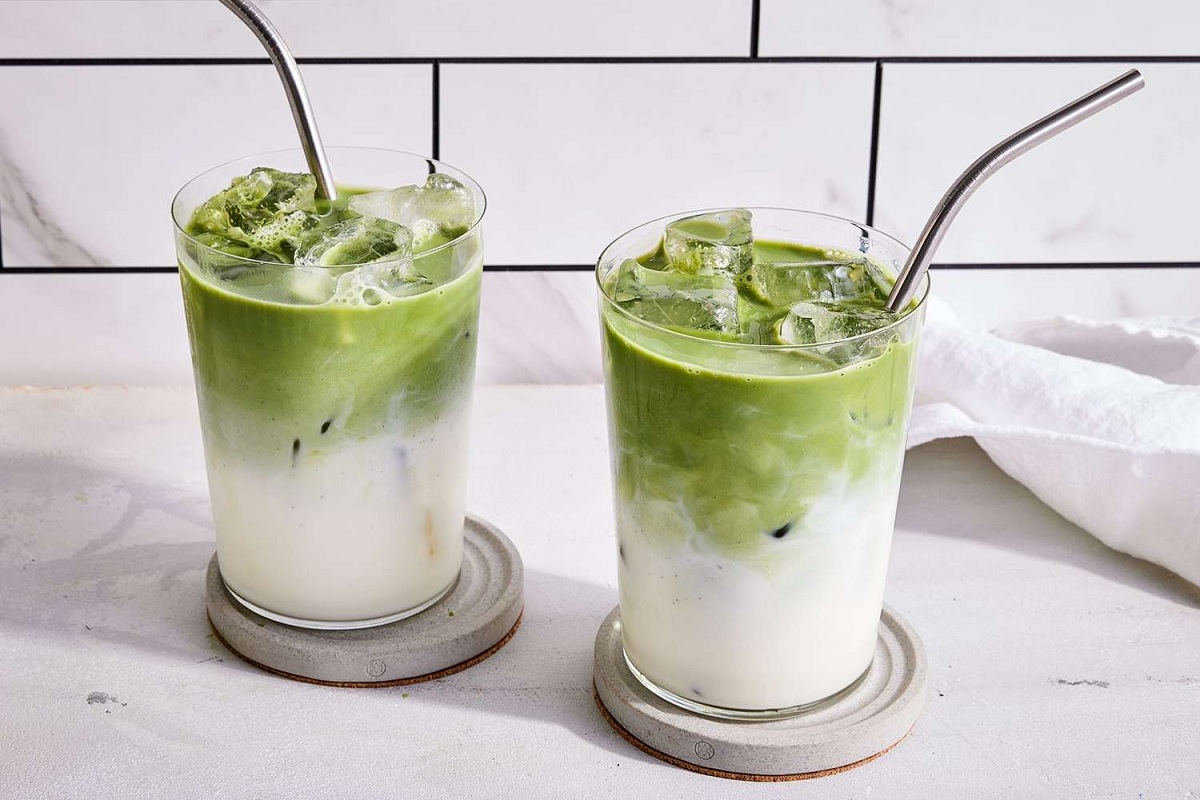
For iced lattes, layering milk and matcha or adding ice cubes with embedded flavorings like coffee or fruit can create visually stunning drinks. These finishing touches enhance aroma, presentation, and flavor complexity, allowing the latte to feel indulgent and personalized while still highlighting the rich taste of matcha.
Step by Step Preparation for Matcha Latte
Preparing a matcha latte is a simple process, but following each step carefully ensures a smooth texture, vibrant color, and balanced flavor. From measuring the matcha powder to frothing milk and combining ingredients, attention to detail makes a noticeable difference. By breaking down the process into clear, manageable steps, you can replicate a café-quality matcha latte at home, whether hot or iced. Each step contributes to the creamy texture, earthy taste, and visually appealing presentation that make this beverage so popular.
Measuring and Sifting the Matcha
The first step in creating a perfect matcha latte is measuring the right amount of matcha powder. Typically, one to two teaspoons are ideal per serving, depending on your preferred strength. High-quality, finely ground matcha is essential for smooth blending and vibrant color.
Sifting the matcha powder through a fine mesh sieve removes any clumps and ensures it mixes evenly with water or milk. This step prevents a gritty texture and enhances the overall creaminess of the latte. Use a small spoon or scoop to measure precisely, and gently tap the sieve to push the powder through. By starting with properly measured and sifted matcha, you create a smooth, lump-free base that blends effortlessly with milk.
Fresh matcha also produces a brighter green color, which adds visual appeal. Consistent measurement ensures that every latte has the same flavor and potency, making this step crucial for repeatable results. Proper preparation of the matcha powder sets the foundation for a balanced and flavorful latte.
Creating the Matcha Paste
Once the matcha is sifted, it’s time to create a paste. Add a small amount of warm water—roughly two tablespoons—to the powder. Using a bamboo whisk or handheld frother, whisk in a zigzag or “M” motion until the mixture becomes smooth and slightly frothy.
This concentrated matcha paste forms the base of the latte. Whisking properly incorporates air, producing a light foam and preventing lumps. The goal is a silky, uniform texture with no dry clumps of powder. This step also enhances the matcha’s natural sweetness and umami, giving the latte a well-rounded flavor.
For iced lattes, use slightly cooler water to avoid bitterness while ensuring the powder dissolves completely. Preparing a matcha paste rather than mixing the powder directly with milk guarantees better blending and a creamy, consistent latte. Attention to whisking technique directly impacts both taste and mouthfeel.
Frothing or Preparing Milk
The next step is preparing the milk or milk alternative. For hot lattes, heat milk gently without boiling, then froth using a whisk, milk frother, or steam wand. Cold or iced lattes require chilled milk, which can be shaken or lightly frothed to improve texture.
Choosing the right milk affects creaminess and flavor. Whole milk provides a rich, velvety texture, while oat or almond milk offers subtle sweetness and lighter mouthfeel. Frothing introduces air, creating a smooth foam that balances the earthy notes of matcha. Proper milk preparation ensures the latte feels creamy and indulgent without overpowering the tea’s natural taste.
Pour the milk slowly into the matcha paste, stirring gently to combine. For iced lattes, pour over ice carefully to maintain a layered appearance while preserving froth and texture. The milk integration step is key to achieving the desired balance of flavor and creaminess.
Sweetening and Flavor Adjustments
Many matcha latte drinkers enjoy adding sweeteners to balance the tea’s natural bitterness. Options include honey, maple syrup, agave, or flavored syrups like vanilla or caramel. Sweeteners should be incorporated into the matcha paste before adding milk for even distribution.
Optional flavor enhancements, such as a dash of cinnamon, nutmeg, or vanilla extract, add aroma and depth. Adjust sweetness gradually to maintain balance and allow matcha’s natural earthy notes to shine. For iced lattes, dissolving sweeteners in the matcha paste ensures consistency even when the drink is chilled.
Personalizing the latte at this stage allows you to control flavor intensity and sweetness. Experimenting with different sweeteners or spices lets you craft your preferred version while keeping the core matcha flavor prominent. Proper incorporation of these elements ensures a smooth, harmonious beverage.
Combining Matcha Base and Milk
The final step is combining the prepared matcha paste with the milk. For hot lattes, pour warm milk into the matcha mixture while stirring gently. This creates a uniform, creamy texture with a smooth foam on top. For iced lattes, add milk over the matcha paste first, then ice to maintain layered aesthetics.
Pouring slowly and stirring carefully ensures even blending without disrupting froth. Light froth or foam on top improves mouthfeel and presentation. Ice cubes should be added after mixing to avoid diluting flavor. Layering or gently swirling milk with matcha enhances both visual appeal and texture.
Paying attention to technique in this step guarantees a café-quality latte at home. Proper combination produces a balanced drink with creamy texture, earthy matcha flavor, and smooth sweetness, ready to enjoy immediately.
Tips For The Best Flavor Combination
A matcha latte offers a delicate balance of earthy, creamy, and sweet notes. Achieving the perfect flavor combination requires attention to ingredient quality, proportions, and preparation techniques. By focusing on how matcha interacts with milk, sweeteners, and optional flavor enhancers, you can create a latte that is smooth, vibrant, and enjoyable. Understanding these interactions helps both beginners and experienced latte makers craft a beverage with harmonious taste and aroma.
Balancing Matcha and Milk
One of the key factors in flavor balance is the proportion of matcha to milk. Too much matcha can create a bitter, overpowering taste, while too little can make the latte weak and dull. Using one to two teaspoons of high-quality matcha per cup is a good starting point, and adjusting based on personal preference ensures consistency.
Milk choice also affects flavor. Whole milk provides richness, while oat or almond milk adds natural sweetness and a lighter texture. Cold milk works well for iced lattes, while gently warmed milk enhances the latte’s smoothness. Pouring milk slowly into the matcha base and stirring gently helps integrate flavors without overwhelming the natural taste of the tea.
Choosing The Right Sweeteners
Sweeteners are essential for balancing matcha’s earthy bitterness. Honey, maple syrup, agave, and flavored syrups all work well, but the amount must be carefully controlled to avoid over-sweetening. Gradual addition allows you to taste and adjust until the latte achieves harmony.
Adding sweeteners to the matcha paste before combining with milk ensures even distribution and prevents clumps. Some plant-based milk alternatives already have subtle sweetness, so additional sweeteners may not be necessary. Choosing complementary flavors, such as vanilla or caramel, can enhance the latte without masking the matcha. Properly balanced sweetness accentuates matcha’s natural umami.
Enhancing With Spices And Extracts
Optional flavor enhancers like cinnamon, nutmeg, vanilla extract, or almond extract can elevate the latte experience. Spices bring warmth and depth, while extracts add subtle aromatic notes that pair beautifully with the creamy milk.
For iced lattes, blending spices directly into the matcha paste ensures consistent flavor, while garnishing the top adds visual appeal and extra aroma. Experimenting with different combinations allows you to discover your preferred profile, whether lightly spiced or richly aromatic. The key is to complement matcha without overpowering its earthy undertones.
Serving And Presentation Tips
Presentation also plays a role in flavor perception. Layering the milk and matcha or frothing the milk creates a creamy texture that enhances mouthfeel. Toppings like a sprinkle of matcha powder, cocoa, or cinnamon add subtle flavor boosts while making the drink visually appealing.
Serving immediately ensures optimal taste and texture, especially for iced lattes where ice can dilute the flavor over time. Paying attention to proportions, milk choice, sweeteners, and optional enhancers allows each sip to highlight matcha’s unique taste while achieving a smooth, harmonious latte.
FAQs
Can You Use Any Type Of Milk In A Matcha Latte?
Yes, you can use various types of milk in a matcha latte depending on your preference. Whole milk gives a rich, creamy texture, while plant-based alternatives such as oat, almond, or soy milk provide lighter or slightly sweeter options.
Choosing the right milk affects both flavor and texture. Oat milk froths well and adds natural sweetness, while almond milk contributes a subtle nutty taste. Selecting milk carefully ensures the latte maintains smoothness while enhancing the matcha’s natural earthy and umami notes.
Do Matcha Lattes Contain Sweeteners?
Sweeteners are optional in matcha lattes, but many recipes include them to balance the earthy flavor of matcha. Common options are honey, maple syrup, agave, or flavored syrups like vanilla and caramel.
Sweeteners should be mixed into the matcha paste before combining with milk for even distribution. They enhance the flavor while preserving the natural taste of the tea. Properly adjusted sweetness helps the latte remain smooth and enjoyable without overpowering the matcha’s subtle nuances.
What Is The Role Of Froth Or Foam In A Matcha Latte?
Froth or foam enhances both the texture and presentation of a matcha latte. When milk is steamed or frothed, it introduces air, creating a light, creamy layer that sits atop the beverage.
This froth adds a silky mouthfeel that complements matcha’s earthy flavor. For iced lattes, lightly frothing or shaking milk improves creaminess without affecting temperature. The combination of froth and liquid creates a balanced latte that feels rich, smooth, and indulgent with every sip.
Are There Optional Flavor Enhancers In A Matcha Latte?
Yes, optional flavor enhancers can elevate a matcha latte. Ingredients such as vanilla, cinnamon, nutmeg, or almond extract add aromatic depth and warmth. These additions complement the natural umami of matcha while personalizing the latte experience.
For iced lattes, these enhancers can be mixed into the matcha paste for even flavor, or sprinkled on top as garnish. They allow you to create unique variations, enhancing aroma, taste, and presentation without overpowering the delicate balance of matcha and milk.
Can Matcha Lattes Be Made Iced Or Hot?
Yes, matcha lattes can be enjoyed both hot or iced. Hot lattes are made by combining matcha paste with warmed milk, often topped with froth, creating a comforting and creamy beverage.
Iced matcha lattes are prepared with chilled milk and ice, preserving the refreshing quality of the drink while maintaining creaminess. Both versions use the same core ingredients, but temperature and presentation affect texture and taste. Choosing the serving style depends on preference and occasion while keeping the flavor balanced and smooth.
Conclusion
A matcha latte is a versatile beverage that combines smooth, earthy green tea with creamy milk and a touch of sweetness. The combination of finely powdered matcha, your choice of milk—dairy or plant-based—and optional sweeteners creates a rich, balanced drink that can be enjoyed hot or iced. Each ingredient plays a role in enhancing the flavor, texture, and overall experience of the latte.
For those curious about what is in a matcha latte, the core components are simple: matcha powder for the distinctive green tea flavor, milk for creaminess, and sweeteners to balance the natural bitterness of matcha. Many variations also include flavor enhancers like vanilla, caramel, or spices, allowing you to tailor the drink to your taste preferences. Iced versions require careful attention to ice and milk ratios to maintain flavor without dilution.
Understanding the ingredients and their roles helps you create a consistently delicious matcha latte at home. By experimenting with milk types, sweeteners, and optional add-ins, you can enjoy a personalized beverage that suits your taste, lifestyle, and dietary preferences, making each cup a satisfying treat.