Is Whole Bean Coffee Cheaper Than Ground? Find Out Before You Buy
Coffee lovers often face the dilemma of choosing between whole bean and pre-ground coffee. Beyond convenience and flavor, price is an important factor to consider when making this decision. Understanding cost differences can help you make smarter purchases and get the most value from your coffee habit.
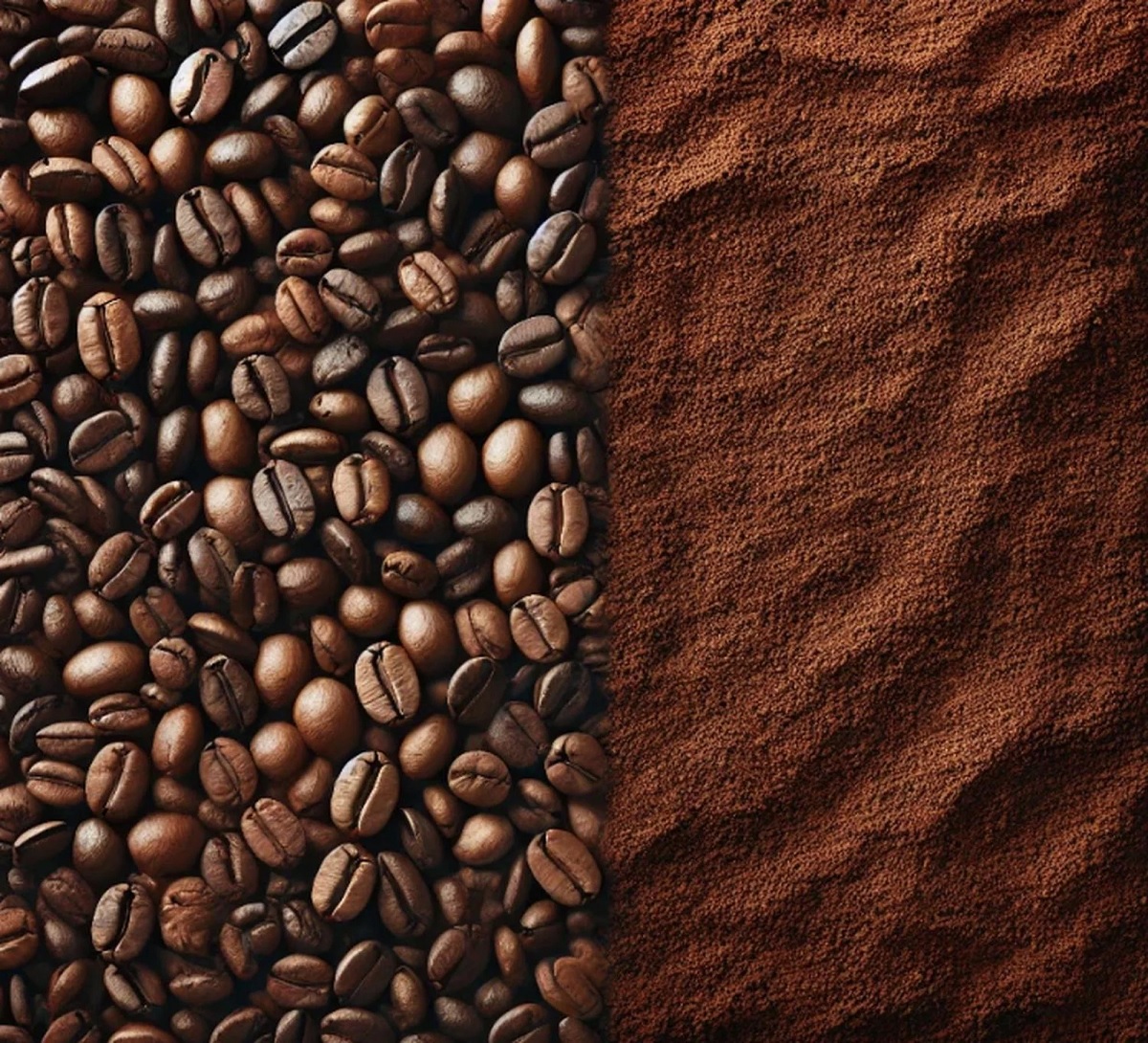
Whole bean coffee is praised for freshness and flavor, as grinding just before brewing preserves aromatic oils and subtle notes. Ground coffee, while more convenient, may lose some of its freshness faster due to greater exposure to air. These differences in processing, packaging, and shelf life can influence the price per ounce and overall value.
For many consumers, cost-effectiveness is as important as taste and aroma. Comparing pricing trends between whole bean and ground coffee provides clarity on which option is more economical over time.
Exploring Is Whole Bean Coffee Cheaper Than Ground? sheds light on factors affecting pricing, storage, and value. This helps coffee enthusiasts make informed choices that balance cost, convenience, and quality.
Factors That Influence Coffee Pricing
The price of coffee is determined by a variety of factors that extend beyond the simple distinction between whole bean and ground varieties. Understanding what drives cost helps consumers evaluate value, make informed purchasing decisions, and determine whether the higher price of certain coffees is justified. Factors such as production, origin, processing, and packaging all play a significant role in shaping the final price on store shelves.
Bean Quality and Origin
The quality and origin of coffee beans are among the most significant factors affecting pricing. Specialty coffees sourced from regions with optimal climate, soil, and altitude often command higher prices. Single-origin beans, which come from a specific farm or region, are typically more expensive than blended coffees because they offer unique flavor profiles and limited availability.
The cultivation process also influences cost. High-quality beans often require meticulous hand-picking, careful sorting, and precise processing to ensure consistency. Beans grown in countries with higher labor costs or limited production yield naturally have higher market prices. Consumers pay a premium for the distinct taste and consistency associated with specialty beans, making origin a major factor in both whole bean and ground coffee pricing.
Flavor, aroma, and bean characteristics such as size and uniformity also play a role. Higher-grade beans with fewer defects are more expensive to produce and are priced accordingly. The choice of bean directly impacts whether coffee is considered everyday brew or premium, specialty-grade, which is reflected in retail prices.
Processing Methods
The way coffee beans are processed significantly influences cost. Different methods—washed, natural, honey-processed—affect labor, time, and equipment requirements, all of which are factored into the final price. Washed or wet-processed coffees often require more labor-intensive handling and careful fermentation, adding to production costs.
Roasting is another consideration. Whole bean coffee may involve small-batch roasting that emphasizes flavor control, which can be more expensive than mass-produced roasted ground coffee. Packaging after roasting, including vacuum-sealed or nitrogen-flushed bags, also contributes to cost by extending freshness and protecting flavor.
Instant coffee, while convenient, undergoes additional processing such as freeze-drying or spray-drying, which may increase production costs, although the end product is often cheaper than high-quality whole bean coffee. Processing choices thus directly influence the price and quality of the coffee you buy.
Supply, Demand, and Market Conditions
Coffee prices are also affected by global supply and demand. Fluctuations in weather, political instability, or crop yields in major coffee-producing regions like Brazil, Colombia, or Ethiopia can impact availability and cost. Scarcity drives up prices, while abundant harvests may lower them.
Demand trends play a role as well. Specialty coffee, sustainable or fair-trade-certified coffee, and organic beans often carry higher prices due to consumer preferences for ethically sourced and environmentally friendly products. Market conditions, including import tariffs, transportation costs, and currency exchange rates, further influence pricing, making it variable across regions and retailers.
Retailers factor in these market dynamics when setting prices for both whole bean and ground coffee. Awareness of supply and demand trends helps consumers understand why coffee prices may fluctuate seasonally or differ between stores.
Packaging, Brand, and Convenience
Packaging and branding also affect coffee pricing. Whole beans and ground coffee sold in premium packaging, such as resealable bags or branded tins, may cost more due to materials and presentation. Brands with established reputations for quality or specialty coffee often charge higher prices based on perceived value and brand loyalty.
Convenience also influences cost. Pre-ground coffee is generally more convenient but may be priced higher due to processing, packaging, and ease of use. Single-serve pods, flavored blends, and ready-to-drink coffee products are examples of convenience-driven pricing, where ease and accessibility justify a premium.
Understanding the interplay between production, processing, supply, and branding helps consumers evaluate whether coffee is reasonably priced or overpriced for its quality. By considering these factors, coffee drinkers can make informed choices when comparing whole bean and ground options.
Freshness, Shelf Life, and Value
Freshness, shelf life, and overall value are key considerations when choosing between whole bean and ground coffee. While cost is important, the quality and longevity of the coffee you purchase can have a significant impact on flavor, aroma, and enjoyment. Understanding how these factors interact helps coffee drinkers make informed choices that balance taste, convenience, and economic value.
Freshness and Flavor Preservation
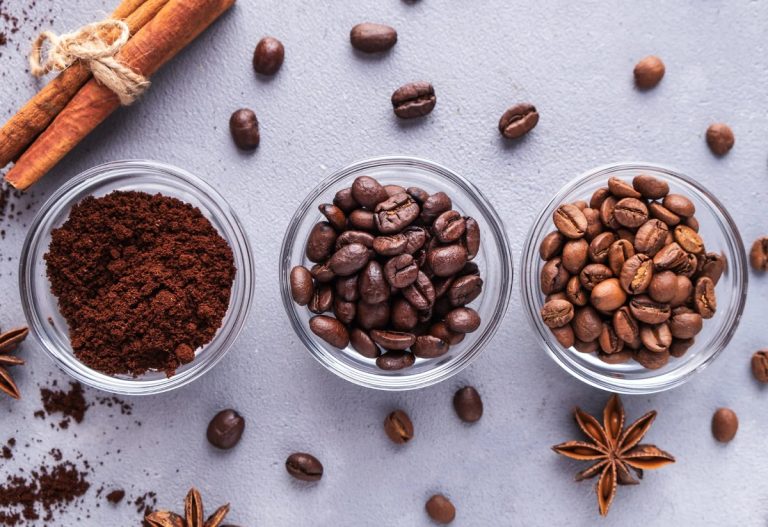
Whole bean coffee is widely recognized for maintaining freshness longer than pre-ground coffee. The intact bean preserves aromatic oils and volatile compounds that contribute to flavor and aroma. Grinding coffee immediately before brewing releases these compounds at their peak, ensuring a rich, vibrant cup.
Ground coffee, by contrast, exposes more surface area to air, which accelerates oxidation. This process reduces flavor complexity and intensifies bitterness over time. Even when stored in airtight containers, ground coffee may lose its optimal taste within a few weeks, making it less desirable for those who value a full-bodied sensory experience.
Controlling grind size in whole beans also allows for consistency across different brewing methods, ensuring optimal extraction and flavor. For coffee enthusiasts, the ability to preserve freshness while tailoring the grind provides a distinct advantage over pre-ground coffee.
Shelf Life and Storage
Shelf life is another factor affecting both quality and value. Whole bean coffee typically has a longer shelf life than ground coffee because the unbroken beans are less susceptible to oxidation and flavor loss. Proper storage in airtight, opaque containers away from heat and light can extend shelf life, sometimes for several weeks to months depending on roast level.
Ground coffee, with its larger exposed surface area, deteriorates faster even under ideal storage conditions. While refrigeration can slow the process, ground coffee may begin to lose aroma and flavor within days of opening. This shorter shelf life can lead to wasted coffee if not consumed promptly, impacting overall value.
For bulk purchasers, whole beans are often the more economical choice, as they maintain quality for longer periods and reduce waste compared to pre-ground coffee that may stale before being fully consumed.
Value Considerations
When evaluating value, it is important to consider both price per ounce and the longevity of quality. Whole bean coffee may appear more expensive upfront, but its extended freshness, superior flavor, and reduced waste often provide better long-term value. Investing in whole beans ensures that each cup retains the desired aroma and taste, making it more cost-effective over time.
Ground coffee offers convenience and may seem cheaper initially, but its faster flavor degradation can offset any savings. Coffee that loses quality before it is fully consumed represents a less efficient use of money. For those who drink coffee regularly, the ability to grind beans as needed often justifies the slightly higher initial cost of whole bean coffee.
Understanding freshness, shelf life, and value allows coffee drinkers to weigh convenience against long-term quality. Choosing the right coffee type based on these factors helps ensure that each cup is enjoyable, economical, and satisfying.
FAQs
Is Whole Bean Coffee More Expensive Than Ground Coffee?
You may notice that whole bean coffee often has a higher price per ounce than pre-ground coffee. This is largely due to packaging, freshness preservation, and the perceived premium of whole beans. Whole beans are roasted and sold with the goal of maintaining flavor, which requires airtight packaging and careful handling.
Although the upfront cost is higher, whole bean coffee generally provides better value over time. Its longer shelf life and preserved aroma allow you to enjoy each cup at peak freshness, making the initial investment worthwhile for regular coffee drinkers.
Does Grinding Your Own Coffee Save Money?
Grinding your own coffee from whole beans can save money in the long run. Whole beans tend to retain freshness longer, meaning you waste less coffee compared to pre-ground options that stale faster. By grinding only what you need, you maximize flavor and reduce spoilage.
You also have control over grind size for different brewing methods, which can improve extraction and reduce the amount of coffee needed per cup. Over time, these factors contribute to cost-effectiveness, making whole beans a practical choice despite a higher upfront price.
How Does Shelf Life Affect Coffee Value?
Shelf life plays a key role in determining whether whole bean coffee is cheaper than ground coffee. Whole beans oxidize more slowly than pre-ground coffee, preserving flavor and aroma for several weeks. Ground coffee, with more exposed surface area, loses freshness faster, which may lead to wasted coffee if not consumed promptly.
Longer shelf life reduces the need for frequent purchases. By maintaining quality over time, whole beans can offer better value per cup, making them an economical choice for those who prioritize both taste and longevity.
Is Convenience a Factor in Coffee Pricing?
Convenience affects perceived value and price. Ground coffee is ready to brew immediately, which appeals to people seeking speed and ease. This convenience can justify a slightly higher cost for some consumers, especially if they lack a grinder or prefer minimal preparation.
Whole bean coffee requires grinding, which may seem less convenient but preserves flavor and freshness. Investing in a grinder can offset the convenience gap while allowing you to enjoy higher-quality coffee at a comparable or lower long-term cost.
Does Buying in Bulk Make Whole Beans Cheaper?
Purchasing whole bean coffee in bulk can make it more cost-effective. Because whole beans maintain freshness longer, buying larger quantities reduces the frequency of purchases without sacrificing flavor. This approach spreads the cost over time and minimizes waste.
Ground coffee bought in bulk may stale before it can be consumed, limiting potential savings. By storing whole beans properly in airtight containers, you can enjoy fresh coffee for weeks while achieving better overall value per ounce.
Do Specialty or Single-Origin Beans Affect Price Comparisons?
Specialty and single-origin beans tend to be more expensive than standard blends, whether whole or ground. These coffees are sourced from specific regions, often requiring meticulous harvesting and processing methods, which increase cost.
Whole bean specialty coffees, however, retain flavor longer than pre-ground options, making them a more worthwhile investment. By grinding only what you need, you preserve the unique aroma and taste, ensuring that the higher price delivers consistent quality and value in every cup.
Final Thoughts
When deciding between whole bean and ground coffee, cost is only one part of the equation. Whole bean coffee often comes with a slightly higher upfront price due to the need for grinders and packaging that preserves freshness. However, grinding beans at home allows you to control portion size and brew strength, which can reduce waste and maximize value over time.
If you are asking [Is Whole Bean Coffee Cheaper Than Ground?], the answer depends on your brewing habits and how you measure cost. While ground coffee may appear cheaper per bag, whole beans can offer better long-term savings because they stay fresh longer, and you can adjust grind size to suit different brewing methods. This often results in a superior flavor experience, which can make the slight price difference worthwhile.
Ultimately, your choice should balance convenience, freshness, and cost. For coffee enthusiasts who enjoy full flavor and control over brewing, whole bean coffee can provide better value, while ground coffee remains a practical option for quick and easy preparation.