Can You Use Distilled Water for Coffee? What Happens to Taste, Aroma, and Extraction
Great coffee starts long before the beans hit the grinder, and water plays a bigger role than many people expect. Taste, aroma, and mouthfeel are all shaped by what flows through those grounds. That is why coffee lovers often experiment with filtered, mineral, or bottled options.
Distilled water, known for its purity, removes nearly all minerals during processing. This raises curiosity among home brewers who want clarity and consistency in every cup. The idea sounds simple, yet coffee chemistry depends heavily on balance rather than extremes.
This leads many to ask, Can You Use Distilled Water for Coffee? The question matters because minerals influence extraction, flavor depth, and how vibrant or flat a brew feels. Water that seems clean may still change how coffee expresses itself.
Understanding this topic helps you make smarter brewing choices at home. Whether you chase brighter notes, smoother texture, or better equipment care, knowing how distilled water behaves with coffee can improve daily results without complicated techniques or expensive tools.
How Distilled Water Affects Coffee Flavor
Water chemistry quietly controls how coffee tastes in the cup. Distilled water, stripped of minerals like calcium and magnesium, behaves very differently during brewing. Understanding its effect on extraction, aroma, and texture helps you see why some cups taste flat while others feel unbalanced, even when the same beans and brew method are used every time.
Impact on Coffee Extraction and Strength
Distilled water changes coffee extraction because it lacks dissolved minerals that normally help pull flavorful compounds from coffee grounds. During brewing, minerals act as binding agents, allowing acids, sugars, and aromatic oils to dissolve more efficiently. Without them, distilled water struggles to extract these elements evenly, often leading to underdeveloped flavor.
This can result in a cup that tastes weak or hollow, even when you use the correct coffee-to-water ratio. You may notice muted acidity, limited sweetness, and a general lack of complexity. The coffee does not necessarily taste bitter or sour; instead, it feels unfinished, as though something important is missing.
Another noticeable effect is inconsistency. Small changes in grind size or brew time have a bigger impact when using distilled water because there is no mineral buffer to stabilize extraction. This makes it harder to dial in a reliable recipe, especially for pour-over or drip methods.
For people who prefer bold or layered flavors, this extraction behavior can be disappointing. Even high-quality beans may fail to express their origin characteristics, making the coffee seem less vibrant than expected.
Changes in Aroma and Flavor Clarity
Aroma plays a major role in how you perceive coffee flavor, and distilled water can significantly reduce aromatic intensity. Minerals help carry volatile compounds upward as coffee brews, contributing to the rich smell that defines a fresh cup. When these minerals are absent, fewer aromatic compounds are released.
This often leads to a flatter sensory experience. You may still recognize basic notes like roastiness or mild acidity, but delicate floral, fruity, or nutty aromas become harder to detect. For lighter roasts especially, the loss of aroma can make the coffee feel dull and less expressive.
Flavor clarity can also shift in unexpected ways. While some people assume pure water produces cleaner taste, distilled water can actually blur flavor separation. Instead of clearly defined notes, everything blends into a single, vague profile. This happens because minerals help highlight contrast between acids and sugars.
As a result, coffee brewed with distilled water may taste smooth but unexciting. The cup feels soft on the palate, yet lacks the distinct character that makes specialty coffee enjoyable.
Mouthfeel, Balance, and Overall Drinking Experience
Mouthfeel is another area where distilled water has a noticeable influence. Minerals contribute to body and texture, giving coffee weight and presence. Without them, the brew often feels thin, watery, or overly light, even when strength appears normal.
This thin mouthfeel affects balance. Acidity may seem sharper because there are no minerals to soften it, while sweetness feels less pronounced. The coffee may taste clean at first sip but quickly fade, leaving little lingering finish on the palate.
Temperature perception can also change. Coffee brewed with distilled water may cool faster and feel less satisfying as it loses warmth. This subtle shift impacts enjoyment, especially for people who like to savor their cup slowly.
Role of Minerals in Coffee Extraction
Minerals in water play a silent but powerful role in shaping how coffee brews and tastes. Calcium, magnesium, and bicarbonates interact with coffee compounds during extraction, influencing strength, balance, and clarity. Without the right mineral content, even premium beans can lose their complexity, making mineral balance a key factor in achieving consistent and flavorful coffee at home.
How Calcium and Magnesium Influence Flavor Development
Calcium and magnesium are the primary minerals responsible for effective coffee extraction. These minerals bond with flavorful compounds in coffee grounds, helping dissolve acids, sugars, and aromatic oils into the water. Magnesium is especially effective at binding with fruity and acidic compounds, which is why coffees brewed with magnesium-rich water often taste brighter and more expressive.
Calcium, on the other hand, supports extraction of heavier compounds that contribute to body and mouthfeel. When balanced correctly, these minerals work together to create a full, rounded cup. Too little mineral content can result in weak extraction, while too much may overpower subtle notes and create a chalky or dry sensation.
The presence of these minerals also improves consistency. They act as stabilizers, making extraction more predictable across different grind sizes and brew times. This is particularly important for pour-over and espresso methods, where small adjustments can dramatically change flavor.
By understanding how calcium and magnesium behave, you gain better control over taste outcomes. Instead of blaming beans or equipment, adjusting mineral content often solves flat or unbalanced brews.
The Role of Bicarbonates in Acidity Control
Bicarbonates influence coffee extraction by managing acidity rather than pulling flavor directly from the grounds. Their main role is buffering acids released during brewing, which helps prevent coffee from tasting overly sharp or sour. In the right amount, bicarbonates smooth out brightness without muting desirable flavors.
When bicarbonate levels are too low, acidity can feel aggressive, especially in light-roast coffees with citrus or floral notes. This can make the cup taste thin and uncomfortable on the palate. Conversely, excessive bicarbonates can neutralize too much acidity, leaving coffee tasting dull and lifeless.
This balance is crucial because acidity contributes to freshness and clarity. Bicarbonates do not remove acidity but soften its edges, allowing sweetness and body to emerge more clearly. This creates a more harmonious flavor profile that feels complete rather than harsh or flat.
Water with balanced bicarbonates also protects brewing equipment by reducing corrosion and scale buildup. This practical benefit further explains why mineral composition matters, not only for taste but also for long-term brewing performance.
Mineral Balance and Extraction Efficiency
Extraction efficiency refers to how effectively water pulls soluble compounds from coffee grounds, and mineral balance directly affects this process. Water with balanced minerals improves contact between water and coffee particles, allowing extraction to happen evenly throughout the brew.
When mineral content is too low, water becomes overly aggressive, stripping certain compounds while leaving others behind. This can lead to uneven extraction, where some flavors dominate and others remain hidden. On the opposite end, overly mineralized water can saturate too quickly, limiting how much flavor dissolves.
Balanced water promotes controlled extraction, helping coffee release sugars, acids, and oils in proportion. This results in better flavor separation and improved clarity. Each note becomes more distinct, allowing origin characteristics to shine through.
Consistency is another benefit. With properly mineralized water, recipes become more repeatable, making it easier to achieve the same taste day after day. This reliability is especially valuable for anyone serious about improving their brewing skills and understanding how water chemistry influences coffee quality.
Brewing Performance With Distilled Water
Brewing coffee with distilled water affects more than just flavor. It influences how efficiently your brewer works, how predictable results feel, and how much control you have over the process. Because distilled water contains no dissolved minerals, it behaves differently during heating, extraction, and flow, which can subtly change performance across various brewing methods.
Extraction Control and Recipe Consistency
Distilled water creates challenges when trying to maintain consistent extraction. Minerals normally help regulate how quickly coffee compounds dissolve, acting as a stabilizing force during brewing. Without them, extraction becomes more sensitive to variables like grind size, brew time, and temperature.
Small adjustments can cause noticeable shifts in strength and taste. A grind that works one day may taste weak the next, even when measurements remain the same. This unpredictability makes it harder to repeat successful recipes, especially for manual brewing methods such as pour-over or French press.
Distilled water also tends to extract fewer flavorful compounds overall. You may compensate by using more coffee or extending brew time, but this often leads to imbalance rather than improvement. The lack of mineral support limits how much flavor the water can carry, reducing control over the final cup.
For people who enjoy dialing in precise recipes, this instability can be frustrating. Brewing becomes more about trial and error than refinement, which impacts overall brewing confidence.
Impact on Different Brewing Methods
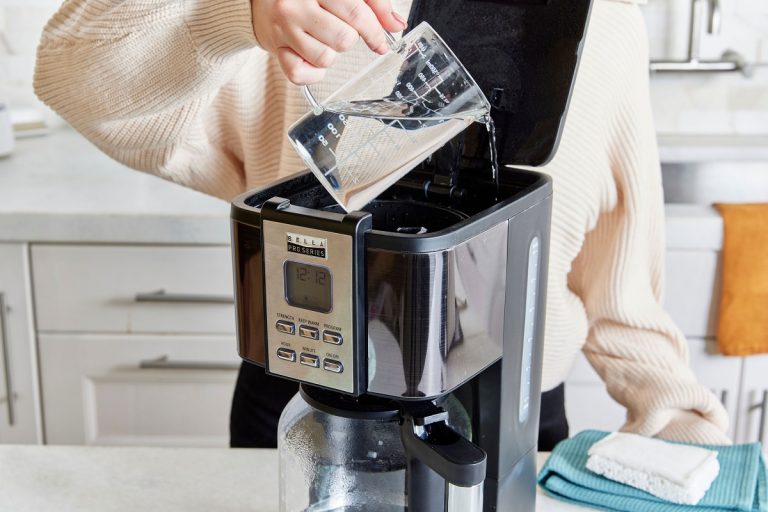
The effect of distilled water varies depending on the brewing method used. Drip coffee machines may produce lighter cups with less aroma, as the water passes through grounds quickly without strong extraction support. This can make automatic brewers feel underpowered, even when functioning correctly.
Espresso machines are particularly sensitive. Espresso relies on precise extraction under pressure, and mineral-free water struggles to pull concentrated flavors in a short time. Shots may run faster, taste thin, and lack crema, reducing the tactile experience espresso drinkers expect.
Immersion methods like French press or cold brew show slightly better results, as longer contact time allows more compounds to dissolve. Even so, the coffee often lacks body and depth compared to brews made with mineralized water.
Pour-over methods highlight distilled water’s weaknesses most clearly. Because these techniques rely on controlled flow and extraction balance, the absence of minerals makes it difficult to achieve clarity and sweetness at the same time.
Equipment Interaction and Long-Term Use
Distilled water can benefit brewing equipment in certain ways. Without minerals, it reduces scale buildup inside kettles, coffee makers, and espresso machines. This can extend the lifespan of heating elements and internal components, lowering maintenance needs.
However, long-term use of distilled water may introduce other issues. Mineral-free water can be slightly corrosive over time, potentially affecting metal parts and seals. Some manufacturers advise against exclusive use of distilled water for this reason, recommending balanced water instead.
Temperature behavior is another consideration. Distilled water heats and cools slightly differently, which may affect brew stability. While the difference is subtle, it can influence extraction timing in precision-based methods like espresso.
Distilled Water vs Filtered vs Tap Water
Choosing the right water for coffee can change everything from flavor clarity to brewing consistency. Distilled, filtered, and tap water each interact differently with coffee grounds because of their mineral content and treatment process. Understanding how these water types compare helps you decide which option best supports your taste preferences, brewing method, and daily coffee routine.
Distilled Water and Its Brewing Characteristics
Distilled water goes through a process where water is boiled and condensed, removing nearly all minerals and impurities. This extreme purity makes it very predictable in composition, but not always ideal for coffee brewing. Without calcium, magnesium, or bicarbonates, distilled water struggles to extract the full range of flavors from coffee grounds.
The resulting cup often tastes flat, light, or underdeveloped. Acidity may feel sharp, while sweetness and body remain subdued. Even when you increase the coffee dose or adjust grind size, the lack of minerals limits how much flavor can dissolve into the water.
From a performance standpoint, distilled water reduces scale buildup in machines, which can extend equipment lifespan. However, it may also create inconsistencies in extraction, especially with pour-over and espresso methods. Small changes in brewing variables can cause noticeable flavor shifts.
Distilled water works best as a base rather than a final solution. Many experienced brewers add minerals back in controlled amounts to achieve balance, combining purity with better extraction potential.
Filtered Water and Balanced Flavor Extraction
Filtered water is often considered the most practical option for everyday coffee brewing. Filtration removes chlorine, odors, and some impurities while retaining beneficial minerals that support extraction. This balance allows coffee to express both aroma and flavor more clearly.
With minerals still present, filtered water extracts acids, sugars, and oils more efficiently than distilled water. This results in a cup with improved sweetness, smoother acidity, and fuller body. Flavor notes feel more defined, making it easier to taste origin characteristics.
Consistency is another advantage. Filtered water tends to be more stable than tap water, especially when using carbon filters or dedicated coffee filters. This predictability helps maintain repeatable results across different brewing methods.
Filtered water also protects equipment by reducing scale without stripping minerals completely. For most home brewers, it offers a reliable middle ground that improves taste while keeping maintenance manageable, making it a popular choice for both beginners and experienced coffee drinkers.
Tap Water and Its Variable Impact on Coffee
Tap water varies widely depending on location, treatment methods, and mineral composition. In some areas, tap water produces excellent coffee with rich flavor and good extraction. In others, high chlorine levels or excessive hardness can negatively affect taste.
Hard tap water contains high amounts of calcium and magnesium, which can enhance extraction but also lead to over-extraction if levels are too high. This may result in bitter flavors or chalky mouthfeel. Soft tap water, on the other hand, may lack enough minerals, leading to weak or unbalanced brews.
Chlorine and other treatment chemicals can mask delicate coffee aromas, creating unpleasant flavors. Even small amounts can interfere with the natural profile of coffee, making it taste medicinal or dull.
Despite its variability, tap water is the most accessible option. Simple filtration often improves its quality significantly, turning it into a more coffee-friendly choice without the need for specialized water.
How to Improve Distilled Water for Coffee Brewing
Distilled water offers purity and consistency, but on its own it lacks the minerals needed for balanced coffee extraction. Improving distilled water means reintroducing the right elements in controlled amounts. With a few simple adjustments, you can transform distilled water into a brewing-friendly base that enhances flavor, supports extraction, and delivers more reliable results across different coffee methods.
Adding Essential Minerals for Better Extraction
The most effective way to improve distilled water is by adding essential minerals that support coffee extraction. Calcium and magnesium are the two most important, as they help dissolve flavorful compounds from coffee grounds. Magnesium enhances brightness and acidity, while calcium contributes to body and mouthfeel.
You can add minerals using premade coffee water packets or by creating your own mineral solution. Small, measured amounts are enough to make a noticeable difference. Over-mineralizing can cause bitterness or dull flavors, so precision matters. The goal is balance, not strength.
When minerals are reintroduced correctly, coffee brewed with improved distilled water tastes fuller and more expressive. Sweetness becomes clearer, acidity feels smoother, and aromas are more pronounced. This adjustment also stabilizes extraction, making recipes easier to repeat.
Using mineral-enhanced distilled water gives you control over water composition. Instead of relying on unpredictable sources, you can fine-tune water to match your preferred roast level or brewing method.
Using Coffee Water Recipes and Ratios
Coffee water recipes provide a structured way to improve distilled water without guesswork. These recipes outline specific mineral ratios designed to mimic ideal brewing water. Many are inspired by professional standards used in specialty coffee.
A common approach involves adding a magnesium-based solution for extraction power and a bicarbonate-based solution for acidity control. By adjusting these ratios, you can tailor water to highlight sweetness, brightness, or balance depending on your taste preferences.
Following a recipe ensures consistency. Once you find a ratio that works for your beans and method, you can reproduce it every time. This is especially useful for pour-over and espresso brewing, where water chemistry has a strong influence on results.
These recipes also make experimentation easier. You can test small batches, adjust mineral levels slightly, and observe how flavor changes. Over time, this builds a deeper understanding of how water affects coffee without requiring advanced equipment.
Practical Tips for Everyday Brewing
Improving distilled water does not need to be complicated. Start with small batches to avoid wasting minerals and coffee. Label your water clearly so it is not confused with plain distilled water, especially if others share your kitchen.
Storage matters as well. Keep mineralized water in clean, sealed containers to prevent contamination or flavor absorption. Use glass or food-safe plastic to maintain water quality.
Pay attention to your brewing method. Espresso often benefits from slightly higher mineral content for proper extraction and crema formation. Pour-over methods may require gentler mineral levels to preserve clarity and brightness.
FAQs
Can You Use Distilled Water For Coffee?
You can use distilled water for coffee, but the taste may feel disappointing. Distilled water has no minerals, which are important for extracting flavor from coffee grounds. When you brew with it, you may notice the coffee tastes thin, flat, or lacking aroma.
If your main concern is preventing scale buildup in your coffee maker, distilled water can help. However, for everyday brewing, you may want to add minerals or mix it with filtered water to achieve a more balanced and enjoyable cup.
Why Does Distilled Water Make Coffee Taste Flat?
Distilled water removes all natural minerals during processing. These minerals help pull out acids, sugars, and oils from coffee during brewing. Without them, extraction becomes weak and incomplete.
You may find that even freshly roasted beans taste dull or watery. The absence of minerals prevents the coffee from developing depth and complexity, which is why most coffee experts avoid using pure distilled water for brewing.
Is Distilled Water Bad For Espresso Machines?
Distilled water can be risky for espresso machines when used long term. While it prevents mineral scale, it can cause corrosion because it tries to absorb minerals from metal components inside the machine.
You should always check the manufacturer’s guidelines before using distilled water. Many brands recommend water with some mineral content to protect internal parts while still minimizing scale and maintenance issues.
Can You Improve Distilled Water For Coffee Brewing?
You can improve distilled water by adding minerals back into it. This helps create proper extraction and enhances coffee flavor. Many home brewers use mineral drops or simple recipes designed specifically for coffee water.
This approach gives you consistent results, especially if your tap water quality is poor. Properly balanced water can bring out sweetness, clarity, and body without damaging your coffee equipment.
Is Distilled Water Better Than Tap Water For Coffee?
Distilled water is not automatically better than tap water. Tap water often contains minerals that help coffee taste better, even if it includes some impurities. Distilled water removes everything, including helpful elements.
If your tap water tastes clean and is not overly hard, it may produce better coffee than distilled water. Using a simple filter often provides a good balance between flavor and safety.
Which Brewing Methods Work Best With Distilled Water?
Some brewing methods tolerate distilled water more than others. Cold brew is less affected because it extracts slowly over time. Pour-over methods may highlight the lack of minerals and taste flat.
Espresso is the most sensitive method and usually performs poorly with distilled water alone. Adding minerals is strongly recommended to support pressure, crema, and proper extraction.
Who Should Consider Using Distilled Water For Coffee?
You may consider distilled water if your local water is extremely hard or has strong odors. It can also be useful for short-term machine protection or controlled flavor testing.
For daily coffee drinking, distilled water alone is rarely ideal. Most people get better results from filtered or mineral-adjusted water that supports both flavor and equipment longevity.
Conclusion
Water choice plays a quiet but important role in how coffee tastes, feels, and performs during brewing. While distilled water offers purity and consistency, it also removes the minerals that help coffee express its full flavor. This absence can lead to cups that feel thin, muted, or less balanced, even when high-quality beans are used.
So, Can You Use Distilled Water for Coffee? Yes, it is possible, but the results are rarely ideal without adjustment. Distilled water may protect equipment from scale, yet it often struggles with proper extraction and flavor development. Many brewers notice reduced aroma, lighter body, and unpredictable results across different brewing methods.
For better outcomes, improving distilled water by adding minerals creates a healthier balance between purity and performance. With the right mineral support, coffee becomes richer, more consistent, and more enjoyable, turning distilled water from a limitation into a customizable brewing base.