
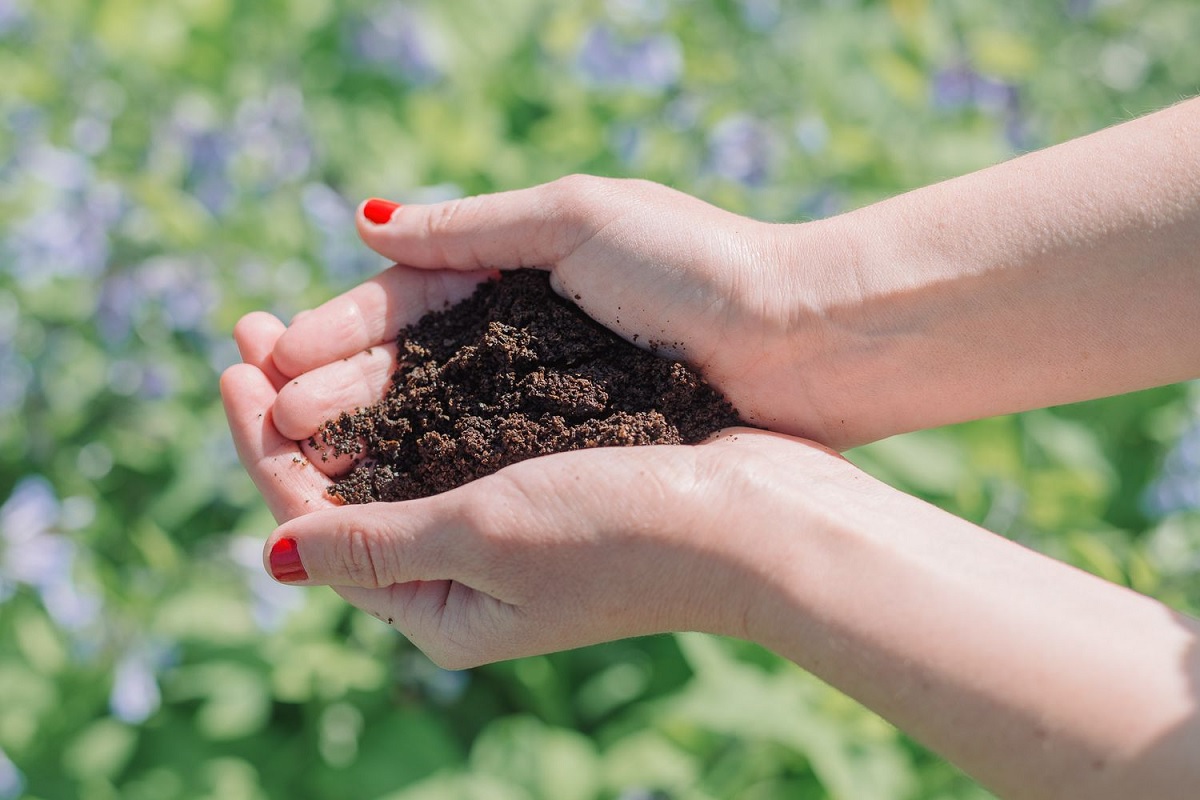
Using Coffee Grounds as Fertilizer: Boost Your Garden Naturally and Sustainably
Gardening often involves finding ways to enrich soil and promote healthy plant growth. Many gardeners are turning to natural, sustainable methods to support their plants without relying heavily on chemical fertilizers. One everyday household item that can make a difference in the garden is used coffee grounds.
Rich in nitrogen, potassium, and other essential nutrients, coffee grounds provide the building blocks plants need to thrive. When incorporated into soil, they help improve texture, retain moisture, and encourage microbial activity, all of which contribute to stronger roots and healthier foliage.
Using Coffee Grounds as Fertilizer has become increasingly popular among both casual gardeners and professional horticulturists. Beyond boosting plant growth, this practice also offers an eco-friendly way to reduce waste from daily coffee consumption, giving new purpose to what would otherwise be discarded.
By exploring how coffee grounds can benefit soil and plants, gardeners can adopt a natural, cost-effective method that supports sustainable gardening. Simple techniques and consistent use can transform grounds into a reliable, nutrient-rich addition for a flourishing garden.
Benefits Of Coffee Grounds For Soil Health
Used coffee grounds are a valuable resource for improving soil health. Their nutrient-rich composition, organic matter, and ability to support microbial activity make them an excellent natural amendment for gardens and potted plants. Incorporating coffee grounds into soil not only enhances fertility but also contributes to sustainable gardening practices, reducing household waste while promoting plant vitality.
Nutrient Enrichment And Fertility
One of the primary benefits of coffee grounds is their nutrient content. They are rich in nitrogen, a key element for vegetative growth, and also contain potassium and phosphorus, which support root development and flowering. When added to soil, coffee grounds provide a slow-release source of nutrients that gradually feed plants over time.
The gradual decomposition of coffee grounds ensures that nutrients are delivered steadily, reducing the risk of over-fertilization that can occur with synthetic fertilizers. This slow-release process is particularly beneficial for vegetable gardens, flower beds, and potted plants, where balanced nutrition supports consistent growth.
Beyond major nutrients, coffee grounds also add trace elements that contribute to overall soil fertility. These include magnesium, calcium, and small amounts of other minerals that help maintain soil health and support diverse plant needs. Regular use builds nutrient-rich soil capable of sustaining healthy, resilient plants.
Improving Soil Structure And Moisture Retention
Coffee grounds improve soil structure, making dense soils looser and sandy soils better at retaining moisture. Their fine texture enhances aeration, allowing roots to access oxygen more easily, while also helping soil retain water for longer periods. This balance of drainage and moisture retention creates an ideal environment for root growth.
Incorporating coffee grounds increases organic matter in the soil, which feeds beneficial microorganisms. These microbes break down organic compounds, enriching the soil further and promoting natural fertility. Over time, the presence of coffee grounds transforms soil into a more loamy, nutrient-dense medium, capable of supporting healthy plant ecosystems.
Regular application also reduces soil compaction, especially in garden beds or container plants. When grounds are mixed into the top layers, they improve porosity and allow water, air, and nutrients to move freely, creating an environment that encourages strong root systems and sustained plant growth.
Supporting Microbial Activity And Plant Health
Coffee grounds serve as a food source for beneficial soil microbes. These microorganisms play a crucial role in breaking down organic matter, converting nutrients into forms plants can absorb, and suppressing harmful pathogens. The presence of coffee grounds stimulates microbial diversity, which contributes to healthier, more resilient soil ecosystems.
Enhanced microbial activity also helps improve nutrient cycling, ensuring that plants have access to the elements they need for growth and development. This symbiotic relationship between coffee grounds and soil microbes strengthens plant health naturally, reducing the need for chemical fertilizers or soil conditioners.
Additionally, the mild acidity of coffee grounds can support acid-loving plants while promoting a balanced pH for most garden soils. This slight pH adjustment, combined with nutrient enrichment and microbial stimulation, creates an environment where plants can flourish and withstand environmental stressors more effectively.
Reducing Waste And Promoting Sustainability
Using coffee grounds in the garden reduces household waste while enhancing soil quality. Instead of discarding grounds into the trash, gardeners can repurpose them to create a sustainable nutrient cycle. This practice supports environmentally conscious gardening and reduces reliance on chemical fertilizers, aligning with eco-friendly gardening goals.
By leveraging the natural properties of coffee grounds, gardeners can improve soil fertility, structure, and microbial health simultaneously. This holistic approach provides long-term benefits for plants while promoting sustainability and responsible resource use, making coffee grounds a versatile and practical addition to any gardening routine.
Best Plants That Thrive With Coffee Grounds
Coffee grounds are a nutrient-rich, natural amendment that can benefit a variety of plants in the garden. They provide essential nutrients like nitrogen, potassium, and phosphorus, improve soil structure, and slightly acidify the soil, making them ideal for certain species. Knowing which plants respond best to coffee grounds allows gardeners to maximize growth, bloom, and overall plant health.
Acid-Loving Plants
Plants that prefer slightly acidic soil are among the best candidates for coffee grounds. Azaleas, rhododendrons, camellias, and blueberries thrive when coffee grounds are incorporated into their soil. The mild acidity helps maintain optimal pH levels, improving nutrient absorption and supporting strong root systems. Adding coffee grounds as a thin layer of mulch or mixing them into the soil around the plant can create ideal conditions for growth.
In addition to acidity, coffee grounds provide a slow-release supply of nitrogen, essential for leafy growth and flowering. The organic matter improves soil texture and moisture retention, ensuring roots remain healthy and hydrated. Beneficial microbes break down the grounds, further enriching the soil and protecting the plants from certain pathogens. Regular use encourages lush foliage and abundant blooms without over-fertilization.
Vegetables And Leafy Greens
Vegetables, especially nitrogen-loving leafy greens such as spinach, lettuce, kale, and chard, respond exceptionally well to coffee grounds. Nitrogen supports leafy growth, making the plants more vibrant and productive. Incorporating coffee grounds directly into garden beds or composting them with other organic matter enhances soil fertility naturally.
The grounds also improve water retention in sandy soils and drainage in clay-heavy soils, creating a balanced environment for vegetable roots. Beneficial microbes stimulated by the grounds convert nutrients into plant-accessible forms, promoting steady, healthy growth. Over time, coffee grounds help maintain long-term soil health, reducing the need for chemical fertilizers and supporting sustainable gardening practices.
Flowering And Ornamental Plants
Many flowering and ornamental plants, including roses, gardenias, hydrangeas, and marigolds, benefit from the nutrient profile and organic matter in coffee grounds. Nitrogen supports leaf and stem growth, while potassium and phosphorus enhance flower production. Mixing coffee grounds into the soil or using them as mulch encourages healthy foliage and vibrant blooms.
The organic matter improves soil structure, helping roots expand and retain moisture efficiently. Coffee grounds can also deter pests such as slugs and snails, protecting delicate blooms. Regular application ensures that ornamental plants receive a consistent nutrient supply, supporting long-term health and maximizing flower quality and quantity.
Fruit-Bearing Plants
Fruit-bearing plants, including tomatoes, strawberries, blueberries, and citrus trees, gain significant benefits from coffee grounds. The nitrogen content supports healthy leaves and stems, while potassium and phosphorus improve flowering and fruiting. Applying coffee grounds around these plants encourages stronger root systems and promotes consistent growth and higher yields.
Coffee grounds also improve soil aeration and moisture retention, which reduces plant stress during hot or dry periods. Beneficial soil microbes thrive when grounds are added, breaking down organic matter into nutrients that fruiting plants can absorb easily. Regular use of coffee grounds creates a fertile, balanced environment, helping plants grow healthier and produce abundant, high-quality fruits.
How To Apply Coffee Grounds To Your Garden
Coffee grounds are an inexpensive and eco-friendly way to improve soil health, add nutrients, and support plant growth. Knowing how to apply them correctly ensures that plants receive the maximum benefits without over-acidifying the soil or causing compaction. Proper application techniques make it easy to integrate coffee grounds into your garden routine effectively.
Direct Soil Application
One of the simplest ways to use coffee grounds is by mixing them directly into the soil. Lightly sprinkle a thin layer around the base of plants or across garden beds and gently work the grounds into the top few inches of soil. This helps distribute nutrients evenly and improves soil structure without suffocating roots.
When incorporating coffee grounds directly, moderation is key. A thick layer can compact and prevent water from penetrating, so a thin, even application is ideal. Over time, soil microorganisms break down the grounds, releasing nitrogen and other essential nutrients slowly. This gradual process promotes steady plant growth and reduces the risk of over-fertilization.
Direct application works particularly well for vegetable gardens, flower beds, and potted plants. Combining coffee grounds with existing soil or compost improves moisture retention, aeration, and microbial activity, creating an optimal growing environment for healthy roots and lush foliage.
Using Coffee Grounds as Mulch
Coffee grounds can also be used as mulch around plants, providing both nutrient enrichment and moisture retention. Spread a thin layer of grounds around the base of plants, leaving a small gap near the stem to prevent mold or root irritation. This method helps regulate soil temperature and keeps moisture in during hot or dry periods.
Mulching with coffee grounds adds organic matter gradually, improving soil texture and supporting microbial activity. It also discourages weeds from taking hold, reducing competition for nutrients. For best results, mix the grounds with other mulch materials, such as shredded leaves or bark, to prevent compaction and maintain airflow.
Mulching is particularly beneficial for acid-loving plants like azaleas, blueberries, and camellias, as the grounds help maintain slightly acidic soil conditions. Over time, the mulch breaks down and integrates into the soil, providing ongoing nutrient support and enhancing overall garden health.
Incorporating Grounds Into Compost
Composting coffee grounds is an excellent way to maximize their benefits. Coffee grounds are considered “green” compost material, rich in nitrogen, which balances carbon-rich “brown” materials like dried leaves, cardboard, or straw. Adding them to compost piles accelerates decomposition and produces nutrient-rich humus for garden use.
For effective composting, mix coffee grounds evenly throughout the pile to maintain airflow and prevent clumping. Layering with other organic materials ensures balanced nitrogen-to-carbon ratios, promoting microbial activity and faster compost breakdown. The resulting compost is dark, rich, and full of nutrients, ideal for enriching flower beds, vegetable gardens, and potted plants.
Composting also reduces household waste, keeping coffee grounds out of landfills where they produce methane during decomposition. Using composted coffee grounds improves soil fertility naturally while supporting sustainable gardening practices.
Liquid Fertilizer From Coffee Grounds
Another way to use coffee grounds is to make a liquid fertilizer or “coffee ground tea.” Steep grounds in water for 24–48 hours, strain the mixture, and use the liquid to water plants. This method releases nutrients in a more readily available form, providing an immediate boost to soil and plants.
Liquid fertilizer works well for potted plants, indoor gardens, or seedlings that benefit from gentle, nutrient-rich watering. It also reduces the risk of soil compaction, as the nutrients are delivered directly through water rather than bulk material. Coffee ground tea can be applied every few weeks to supplement plant growth and enhance soil fertility over time.
Coffee Grounds For Indoor Plants
Indoor plants benefit greatly from nutrient-rich soil and proper care, and coffee grounds can be a simple, eco-friendly addition to their routine. Packed with nitrogen, potassium, and other essential nutrients, coffee grounds enhance soil quality, improve water retention, and stimulate microbial activity. Using coffee grounds for indoor plants is an effective way to boost growth, maintain plant health, and recycle household waste.
Enhancing Soil Nutrition
One of the primary benefits of using coffee grounds for indoor plants is their nutrient content. Nitrogen promotes healthy leaf growth, while potassium and phosphorus support root development and overall plant vitality. Incorporating coffee grounds into potting soil or sprinkling a thin layer on top of existing soil provides a slow-release source of these nutrients.
Coffee grounds can be mixed with soil to improve aeration and structure. For potted plants, this helps roots access oxygen more easily while retaining moisture for longer periods. The gradual decomposition of grounds also supports the natural nutrient cycle, feeding plants steadily without the risk of over-fertilization.
Regular use of coffee grounds in indoor plant soil encourages strong, lush foliage and more vibrant growth. They are particularly beneficial for plants with moderate to high nitrogen requirements, such as ferns, spider plants, and peace lilies, helping them thrive in indoor environments.
Moisture Retention And Soil Structure
Coffee grounds improve soil texture, which is especially important for indoor plants in pots or containers. When mixed with potting soil, they help retain moisture without becoming waterlogged, preventing stress on plant roots and reducing the frequency of watering.
The fine, organic texture of coffee grounds also enhances aeration, creating pockets in the soil for roots to expand freely. This encourages deeper root growth and improves nutrient absorption, resulting in healthier and more resilient plants. Adding grounds gradually prevents compaction and ensures a balanced soil structure.
By improving both water retention and aeration, coffee grounds create a well-rounded growing medium for indoor plants. This helps maintain consistent soil conditions, reducing stress and promoting steady growth in low-light or variable indoor environments.
Composting And Coffee Ground Tea
Coffee grounds can also be used to make compost or “coffee ground tea” for indoor plants. Mixing grounds into indoor compost systems or vermicompost provides a nutrient-rich medium for repotting or top-dressing soil. Alternatively, steeping coffee grounds in water and using the liquid to water plants delivers nutrients in a quick-absorbing form.
This liquid fertilizer is ideal for potted plants with limited soil volume. It supplies a gentle nutrient boost without overwhelming roots, supporting healthy foliage and root development. Additionally, composted coffee grounds help improve microbial activity in the soil, enhancing nutrient availability and promoting long-term soil fertility.
Best Practices For Indoor Use
When using coffee grounds indoors, moderation is key. A thin layer or a small amount mixed with potting soil is sufficient; excessive application can create mold or overly acidic conditions. Always mix grounds thoroughly to ensure even distribution and avoid compaction around roots.
Coffee grounds work well when combined with other organic materials, such as compost, perlite, or coconut coir, to create a balanced soil mix. Regular use provides steady nutrient supply, improves soil structure, and promotes healthy, thriving indoor plants.
Frequently Asked Questions
How Do Coffee Grounds Improve Soil Health?
You can enrich your garden soil by adding coffee grounds because they are rich in nitrogen, which is essential for plant growth. They also contribute small amounts of other nutrients like potassium and phosphorus.
When mixed into the soil or compost, coffee grounds improve soil structure, increasing its ability to retain moisture while enhancing drainage. This creates a balanced environment for roots to grow healthy and strong. By regularly using coffee grounds, you provide your plants with a natural nutrient boost that supports sustainable gardening practices.
Which Plants Benefit Most From Coffee Grounds?
You should use coffee grounds with plants that thrive on nitrogen-rich soil. Vegetables such as tomatoes, carrots, and radishes respond well, showing healthier leaves and faster growth.
Flowers like roses and azaleas also benefit, as coffee grounds can enhance bloom size and color. Even indoor potted plants, like herbs and houseplants, can enjoy a gentle nutrient boost when mixed in small amounts with their soil. Choosing the right plants ensures coffee grounds have the maximum positive effect on growth.
How Should You Apply Coffee Grounds To Your Garden?
You can sprinkle used coffee grounds directly onto garden soil or mix them into your compost pile for better nutrient distribution. Lightly layering the grounds prevents them from compacting and blocking water flow.
Another option is to combine coffee grounds with mulch, which gradually releases nutrients while helping retain soil moisture. Regular, moderate application is key to avoiding over-acidifying your soil. By applying grounds carefully, you create a sustainable and effective way to feed your plants naturally.
Can Coffee Grounds Be Used For Indoor Plants?
Yes, you can use coffee grounds for indoor potted plants, but moderation is important. A thin layer mixed into the topsoil works best without overwhelming the plant roots.
Too many grounds can create mold or increase soil acidity excessively. You can also mix grounds with regular potting soil to provide a mild, balanced nutrient boost. Monitoring plant response and adjusting the amount ensures your indoor garden thrives while benefiting from the natural fertilizer.
Do Coffee Grounds Help With Pest Control In The Garden?
You can use coffee grounds to deter pests naturally. They are effective against slugs, snails, and some ants by creating a barrier that pests avoid.
Sprinkling grounds around the base of plants or along garden paths can reduce pest damage without chemicals. Coffee grounds can be combined with other natural deterrents, like crushed eggshells, to improve effectiveness. This method keeps your garden healthy while promoting eco-friendly and sustainable pest control.
What Are The Precautions When Using Coffee Grounds As Fertilizer?
You should avoid overusing coffee grounds, as excessive amounts can increase soil acidity, potentially harming some plants. Always mix grounds into the soil or compost rather than applying thick layers directly.
Monitor your plants’ growth and adjust the quantity as needed. Storing leftover grounds in a dry container prevents mold and spoilage. By following these precautions, you can maximize the benefits of coffee grounds safely and sustainably, creating a healthier garden ecosystem.
Final Words
Incorporating coffee grounds into your garden routine provides a natural and sustainable way to enrich soil and support healthy plant growth. Their high nutrient content, ability to improve soil structure, and stimulation of beneficial microbial activity make them a valuable addition to both flower beds and vegetable gardens. By using coffee grounds wisely, gardeners can create a more fertile and vibrant environment for their plants.
Using Coffee Grounds as Fertilizer allows you to repurpose household waste in an eco-friendly way, reducing landfill contributions while boosting garden productivity. The slow-release nature of the nutrients ensures that plants receive consistent nourishment, promoting strong roots, lush foliage, and abundant blooms. Coffee grounds can be applied directly to soil, mixed with compost, or used as mulch, offering flexibility in how gardeners integrate them into their care routines.
Ultimately, adopting Using Coffee Grounds as Fertilizer practices benefits both plants and the environment. This simple, cost-effective solution enhances soil health, supports sustainable gardening, and encourages mindful resource use, making it a practical choice for gardeners seeking natural ways to nurture thriving plants.