Does Matcha Help With Period Cramps? Natural Relief and Benefits
Many people look for natural ways to ease menstrual discomfort, and beverages like tea often come into consideration. Matcha, a finely ground green tea powder, has gained attention not just for its antioxidants and gentle caffeine boost but also for its potential role in supporting overall wellness during menstruation. Understanding how certain compounds in matcha interact with the body can provide insight into its effects on menstrual symptoms.
A common question that arises is [does matcha help with period cramps]. Period cramps, caused by uterine contractions and inflammation, can be uncomfortable and disruptive. Nutrients and plant compounds that reduce inflammation or support muscle relaxation may contribute to relief.
Matcha contains antioxidants called catechins, as well as L-theanine and small amounts of magnesium, which may play a role in calming the body and easing discomfort. While it is not a medical treatment, exploring its effects can help you decide whether matcha is a supportive addition during your cycle.
How Matcha’s Nutrients Affect Menstrual Discomfort
Matcha is more than a flavorful beverage; it contains a variety of nutrients and plant compounds that may influence how the body responds to menstrual discomfort. While it is not a cure, understanding the effects of matcha’s antioxidants, caffeine, and minerals can shed light on how it might provide subtle relief during periods.
Anti-Inflammatory Properties of Catechins
One of matcha’s most notable components is a group of antioxidants called catechins. These compounds are known for their anti-inflammatory effects, which may help reduce the severity of menstrual cramps. Cramps are often caused by prostaglandins, hormone-like substances that trigger uterine contractions and inflammation. By moderating inflammation, catechins could potentially help the muscles relax and ease pain.
Regular consumption of matcha provides a concentrated source of catechins compared to standard green tea. These antioxidants may support overall hormonal balance and reduce oxidative stress, which can exacerbate discomfort. While matcha’s effects are subtle, drinking it consistently may contribute to a smoother menstrual experience.
Catechins also support circulation, which can help deliver oxygen and nutrients to muscles, potentially reducing cramp intensity. Although more clinical research is needed, these anti-inflammatory properties make matcha an appealing choice for those seeking natural support during menstruation.
L-Theanine and Relaxation
Matcha contains L-theanine, an amino acid known for promoting relaxation without causing drowsiness. L-theanine influences neurotransmitters in the brain, increasing calming chemicals like GABA while moderating stress-related hormones. This can help reduce tension in the body, including the abdominal and lower back muscles often affected by menstrual cramps.
Drinking matcha during your cycle may create a subtle calming effect that complements its anti-inflammatory properties. L-theanine also helps smooth the stimulating effects of caffeine, preventing jitters while still providing gentle alertness. This balance makes matcha a functional beverage that supports both mental and physical comfort during menstruation.
In addition, L-theanine may improve mood and reduce irritability, which can be heightened during periods. By addressing both physical discomfort and emotional fluctuations, matcha provides a holistic approach to managing menstrual symptoms naturally.
Magnesium and Muscle Support
Another nutrient in matcha that may help with menstrual discomfort is magnesium. Magnesium plays a critical role in muscle relaxation and nerve function. Adequate magnesium levels can help reduce the intensity of uterine contractions, easing cramp severity.
Although matcha contains only small amounts of magnesium compared to supplements or magnesium-rich foods, it can contribute to daily intake when consumed consistently. Combining matcha with a balanced diet rich in magnesium enhances its potential benefits. Magnesium also supports energy metabolism, which may help counteract fatigue commonly experienced during menstruation.
By incorporating matcha into your routine, you gain the combined effects of catechins, L-theanine, and magnesium. Together, these nutrients may help manage both the muscular and emotional aspects of menstrual discomfort, making your cycle more manageable.
Caffeine and Energy Considerations
Matcha contains moderate caffeine, which differs from coffee because it is combined with L-theanine. This combination provides gentle stimulation without the rapid spike and crash associated with other caffeinated drinks. During menstruation, this can be beneficial for combating fatigue while avoiding increased tension or jitteriness.
Moderate caffeine intake may also promote circulation, potentially reducing cramp intensity for some individuals. However, excessive caffeine can worsen anxiety, dehydration, or muscle tension, so portion control is important. Drinking one to two cups of matcha a day is generally sufficient to enjoy its energizing effects while supporting menstrual comfort.
By balancing caffeine, L-theanine, magnesium, and catechins, matcha offers a multi-faceted approach to managing period symptoms. Its combination of nutrients may help address discomfort in a gentle and natural way.
Synergistic Effects of Matcha Nutrients
The unique combination of catechins, L-theanine, magnesium, and caffeine in matcha works synergistically to support overall well-being during menstruation. While no single nutrient provides complete relief, together they can promote relaxation, reduce inflammation, support muscle function, and maintain energy.
Incorporating matcha into your menstrual routine, alongside hydration and a balanced diet, enhances the potential benefits of these nutrients. Over time, consistent consumption may help reduce the frequency or intensity of period cramps and provide a natural complement to other self-care strategies.
Matcha and Hormonal Balance
Hormonal fluctuations are a key factor in menstrual discomfort, mood swings, and energy changes. Matcha contains several bioactive compounds that may support hormonal balance naturally. By understanding how antioxidants, amino acids, and minerals in matcha interact with the endocrine system, you can see how this green tea powder might play a subtle role in regulating hormones and reducing cycle-related symptoms.
Catechins and Endocrine Support
Matcha is rich in catechins, potent antioxidants that influence the body’s metabolic and hormonal pathways. These compounds help reduce oxidative stress, which can disrupt hormonal function and exacerbate menstrual discomfort. Oxidative stress affects the balance of estrogen and progesterone, two hormones closely tied to the menstrual cycle. By supporting cellular health, catechins may help maintain steadier hormone levels.
Regular consumption of matcha provides a concentrated source of these antioxidants, more so than standard green tea. Catechins also support liver function, which is essential for metabolizing hormones efficiently. A healthy liver contributes to balanced estrogen levels, potentially reducing PMS symptoms like bloating, irritability, and fatigue.
Additionally, catechins may indirectly affect insulin sensitivity, which is linked to reproductive hormone balance. Stabilizing insulin can support smoother fluctuations in estrogen and progesterone, helping mitigate some of the cycle-related discomforts that women experience monthly.
L-Theanine and Stress Hormones
Matcha’s L-theanine content contributes to hormonal balance by influencing stress-related hormones like cortisol. High cortisol levels can disrupt menstrual cycles, affect mood, and intensify period cramps. L-theanine promotes relaxation by increasing GABA and serotonin while moderating cortisol release, helping the body maintain a calmer physiological state.
This calming effect may help regulate hormone-related responses to stress. Since stress can trigger more severe menstrual symptoms, incorporating matcha as a gentle daily ritual may help maintain hormonal stability. The amino acid’s synergy with caffeine in matcha also provides alertness without overstimulation, which prevents further hormonal disruption linked to stress or sleep disturbances.
In addition, L-theanine supports mood and cognitive function. By reducing anxiety and tension, it helps maintain a more balanced response to natural hormonal fluctuations, creating a smoother experience throughout the menstrual cycle.
Magnesium and Hormonal Function
Magnesium, present in matcha, is another nutrient linked to hormonal regulation. Magnesium influences progesterone and estrogen activity, helping maintain equilibrium during the menstrual cycle. Adequate magnesium supports muscle relaxation, reducing cramp severity, and may alleviate tension headaches associated with hormonal shifts.
Even small amounts of magnesium in matcha contribute to daily intake and work synergistically with catechins and L-theanine to support overall endocrine function. Magnesium also plays a role in serotonin production, which affects mood stability and can reduce irritability and fatigue during menstruation.
Pairing matcha with magnesium-rich foods like leafy greens, nuts, or seeds enhances this effect. Together, the nutrient profile of matcha provides multiple pathways for supporting hormonal balance and easing cycle-related discomfort.
Caffeine and Hormonal Considerations
While matcha contains moderate caffeine, it affects hormones differently than coffee due to the presence of L-theanine. The combination provides steady energy without triggering the cortisol spikes that can occur with high doses of caffeine from other sources. Cortisol imbalances can exacerbate hormonal fluctuations and increase menstrual discomfort.
Moderate caffeine from matcha may even support metabolic processes tied to hormonal regulation. However, overconsumption can lead to overstimulation, increasing stress hormone levels and potentially disrupting hormonal balance. One to two cups per day is typically sufficient to benefit from caffeine while maintaining hormonal stability.
By balancing caffeine with catechins, L-theanine, and magnesium, matcha offers a nutrient combination that gently supports endocrine function and helps manage symptoms associated with hormonal fluctuations.
Synergistic Effects on Menstrual Hormones
The unique combination of catechins, L-theanine, magnesium, and moderate caffeine in matcha creates a synergistic effect on the body’s hormonal systems. Each component supports stress regulation, metabolic function, and menstrual cycle health in complementary ways.
Integrating matcha into your daily routine alongside hydration, nutrient-rich meals, and lifestyle practices like exercise may help reduce the intensity of hormone-related symptoms. While matcha is not a substitute for medical treatment, its bioactive compounds make it a supportive addition for maintaining hormonal balance and overall menstrual wellness.
Matcha and Hormonal Balance
Hormonal balance is essential for overall health, particularly for managing menstrual cycles, mood, and energy levels. Certain nutrients and compounds in matcha may help support this balance naturally. By exploring how matcha’s antioxidants, amino acids, minerals, and caffeine interact with the body, you can understand its potential role in easing hormonal fluctuations and supporting overall reproductive and metabolic wellness.
Catechins and Hormone Regulation
Matcha is rich in catechins, powerful antioxidants that influence oxidative stress and metabolic function. High oxidative stress can disrupt hormone balance, particularly estrogen and progesterone, which play key roles in menstrual health. Catechins help neutralize free radicals, supporting the body’s endocrine system and promoting a steadier hormonal environment.
Regular matcha consumption provides a concentrated source of these antioxidants compared to standard green tea. Catechins also support liver health, which is essential for metabolizing hormones efficiently. A well-functioning liver helps maintain balanced estrogen levels, potentially reducing PMS symptoms such as bloating, irritability, and fatigue.
Additionally, catechins may indirectly improve insulin sensitivity, which is linked to reproductive hormone regulation. Stabilizing insulin helps moderate estrogen and progesterone fluctuations, making matcha a supportive option for managing hormonal changes throughout the menstrual cycle.
L-Theanine and Stress Hormones
L-theanine, an amino acid found in matcha, promotes relaxation by influencing neurotransmitters like GABA and serotonin while reducing cortisol, the body’s primary stress hormone. Elevated cortisol can disrupt menstrual cycles and worsen hormone-related symptoms, including cramps, mood swings, and fatigue. By moderating cortisol levels, L-theanine helps maintain a calmer hormonal environment.
The calming effect of L-theanine also balances the stimulating effects of matcha’s caffeine, providing alertness without triggering stress-related hormonal spikes. This makes matcha a functional beverage that supports both energy and hormonal stability during the menstrual cycle.
Furthermore, L-theanine may improve mood and reduce irritability linked to natural hormonal fluctuations. Combined with catechins, it supports both mental and physical well-being, creating a more balanced experience during menstruation or hormonal transitions.
Magnesium and Menstrual Hormones
Matcha contains magnesium, a mineral crucial for regulating progesterone and estrogen activity. Magnesium promotes muscle relaxation, reducing uterine cramp severity, and may alleviate tension headaches associated with hormonal changes. Adequate magnesium also supports serotonin production, which influences mood stability and emotional well-being.
Although matcha provides moderate magnesium levels, pairing it with magnesium-rich foods like leafy greens, nuts, or seeds can enhance its benefits. The synergy of magnesium, catechins, and L-theanine helps support endocrine function and minimize symptoms caused by hormonal fluctuations.
By including matcha in your routine, you gain small but meaningful contributions of magnesium that complement its other bioactive compounds, supporting a holistic approach to menstrual and hormonal health.
Caffeine and Hormonal Considerations
Matcha contains moderate caffeine, which provides gentle stimulation without the sharp spikes often associated with coffee. Excessive caffeine can elevate cortisol, potentially disrupting hormonal balance. However, in matcha, caffeine works with L-theanine to provide steady energy while preventing overstimulation, which supports metabolic and reproductive hormone stability.
Moderate caffeine may also enhance circulation, improving nutrient delivery and reducing muscle tension during menstruation. Maintaining portion control—one to two cups per day—ensures you receive energy benefits while minimizing potential hormonal disruptions.
Matcha vs Traditional Pain Relief Options
When managing menstrual discomfort, many people turn to traditional pain relief options like over-the-counter (OTC) medications. Matcha offers a natural alternative or complementary approach, combining antioxidants, amino acids, and minerals that may help ease cramps and improve overall well-being. Comparing matcha with conventional methods highlights how each option works and the potential benefits of incorporating matcha into your routine.
How Traditional Pain Relief Works
Traditional pain relief options, such as ibuprofen, acetaminophen, or naproxen, work primarily by targeting the prostaglandins that cause uterine contractions and inflammation. These medications provide fast, temporary relief and are widely used due to their effectiveness in reducing cramp severity and associated discomfort like headaches or back pain.
While OTC medications act quickly, they do not address the root causes of hormonal fluctuations or oxidative stress that contribute to menstrual discomfort. Overuse or long-term reliance on these drugs can sometimes lead to side effects such as stomach irritation, liver strain, or kidney stress. They are most effective for acute pain management but do not provide additional nutritional support.
In contrast, natural approaches like matcha aim to complement these medications or offer preventive benefits by supporting the body’s systems through nutrients rather than pharmacological intervention. Understanding these differences allows you to make informed decisions about managing menstrual pain safely.
Matcha’s Mechanism for Comfort
Matcha supports menstrual comfort through its bioactive compounds rather than chemically targeting pain pathways. Catechins in matcha possess anti-inflammatory properties, which may help reduce uterine contraction intensity and inflammation associated with cramps. L-theanine promotes relaxation and calms stress hormones like cortisol, which can exacerbate pain perception. Magnesium in matcha further contributes by relaxing muscle tension and supporting nerve function.
While matcha does not provide immediate relief like OTC medications, its effects are gradual and cumulative. Regular consumption may help moderate the severity of menstrual symptoms over time while also providing additional benefits, including antioxidants, fiber, and gentle energy from caffeine. This makes matcha a functional beverage that addresses both physical and emotional aspects of discomfort naturally.
Furthermore, matcha’s nutrients support overall hormonal balance, which can indirectly reduce the frequency and intensity of cramps. By combining anti-inflammatory compounds with relaxation-promoting amino acids and minerals, matcha offers a holistic approach to menstrual wellness, complementing traditional pain relief methods rather than replacing them entirely.
Benefits of Integrating Both Approaches
Using matcha alongside traditional pain relief can be a balanced approach to managing menstrual discomfort. For acute cramps, OTC medications may provide rapid relief, while matcha consumption supports longer-term wellness by addressing inflammation, hormonal balance, and energy stabilization.
This integrated approach allows you to reduce dependency on medications and incorporate a natural, nutrient-rich component into your cycle care. By drinking matcha consistently, you may notice milder cramps, improved mood, and better digestion, all of which contribute to overall comfort during menstruation.
Additionally, matcha is easy to incorporate into daily routines. Whether enjoyed as a latte, smoothie, or simply mixed with water, it provides gentle benefits that support overall health and complement traditional pain relief strategies. This combination approach ensures both immediate comfort and long-term support.
Safety and Practical Considerations
When comparing matcha and traditional pain relief options, safety is a key consideration. OTC medications can have side effects, especially with frequent use, whereas matcha is generally safe for most people when consumed in moderation. However, excessive caffeine intake or sensitivity to caffeine may cause jitteriness or digestive discomfort.
Matcha can be especially beneficial for individuals seeking a natural approach or wanting to reduce reliance on medications. By balancing caffeine intake, hydration, and portion sizes, you can safely incorporate matcha alongside or as a complement to traditional pain relief methods. This combination strategy provides flexibility, effectiveness, and a holistic approach to managing menstrual discomfort.
How To Prepare Matcha For Menstrual Relief
Preparing matcha specifically for menstrual relief involves more than simply whisking powder into hot water. The combination of preparation methods, additional ingredients, and serving style can influence the effectiveness of its nutrients in supporting relaxation, reducing inflammation, and easing cramps. Understanding how to prepare matcha for these purposes ensures you maximize its potential benefits during your cycle.
Traditional Hot Matcha for Relaxation
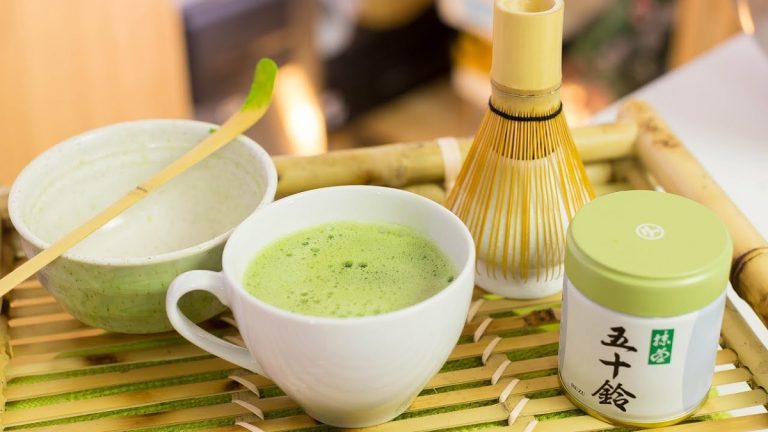
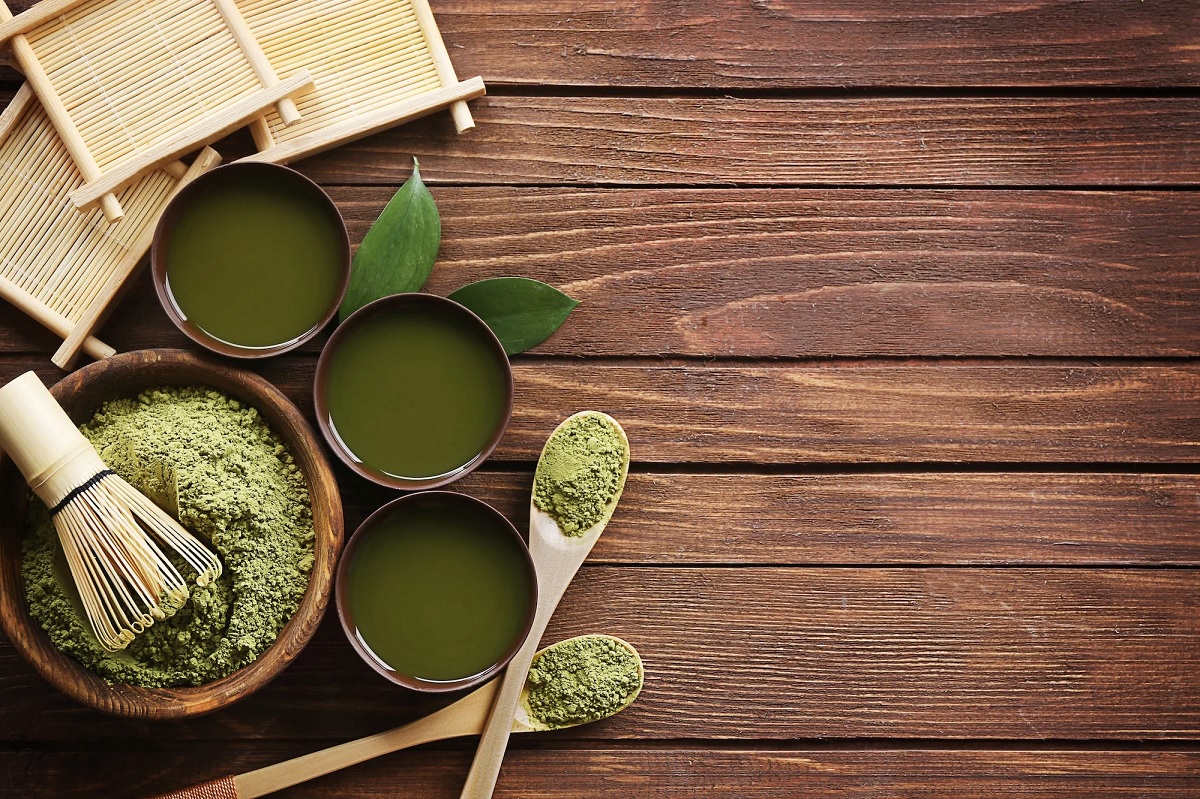
A classic hot matcha preparation can be particularly soothing during menstruation. To prepare, sift one to two teaspoons of matcha powder into a bowl to prevent clumping. Add a small amount of hot water—ideally around 175°F (80°C)—and whisk briskly in a zig-zag motion until frothy. The warmth of the beverage helps relax muscles, while the catechins and magnesium in matcha contribute to easing cramps.
For added benefits, use milk or plant-based alternatives like oat or almond milk. These can enhance magnesium intake and provide a creamy texture that promotes satiety and comfort. Optional natural sweeteners, such as honey or maple syrup, can improve taste without spiking blood sugar levels, which may help maintain stable energy during menstruation.
Hot matcha is especially effective in the evening or when you want a calming ritual, as L-theanine promotes relaxation and reduces stress hormone levels. This preparation not only delivers nutrients but also encourages mindful moments of self-care during your period.
Iced Matcha for Energy and Comfort
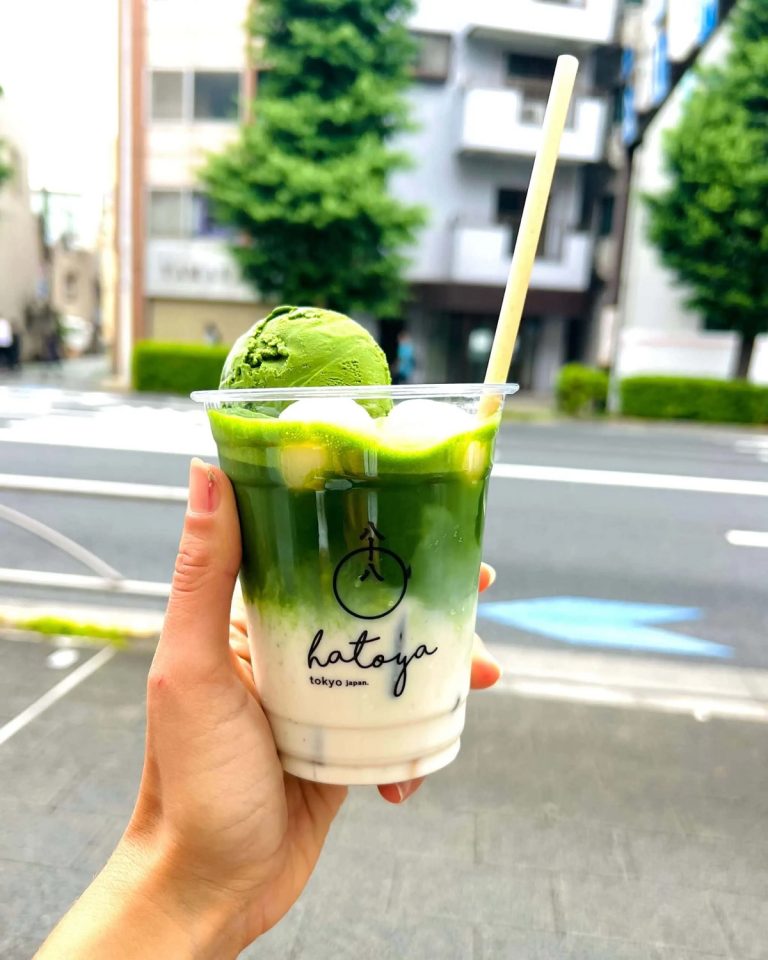
Iced matcha is an excellent option for those experiencing fatigue or low energy during their cycle. To prepare, dissolve one to two teaspoons of matcha powder in a small amount of warm water, whisking until smooth. Pour the mixture over ice and add milk or a milk alternative for creaminess. The result is a refreshing beverage that provides antioxidants, moderate caffeine, and L-theanine for sustained energy without jitters.
Iced matcha can also be combined with fiber-rich ingredients, such as chia seeds or oats, to create a nutrient-dense smoothie that supports digestion and fullness. These additions enhance the beverage’s ability to regulate blood sugar and reduce bloating, which are common menstrual concerns.
Drinking iced matcha in the morning or early afternoon can combat fatigue while keeping stress levels low, thanks to the calming effects of L-theanine. This preparation is particularly useful for those who want both energy and hormonal support during their menstrual cycle.
Matcha Blends With Anti-Inflammatory Ingredients
To further enhance menstrual relief, matcha can be blended with anti-inflammatory ingredients. For instance, adding a pinch of turmeric, ginger, or cinnamon can complement matcha’s natural anti-inflammatory catechins, supporting muscle relaxation and reducing uterine inflammation.
Start by dissolving matcha powder in warm water or milk, then blend with fresh ginger or a small amount of turmeric. A dash of black pepper can increase turmeric’s absorption. These combinations not only add flavor but also create a beverage that targets inflammation from multiple angles.
Anti-inflammatory blends are versatile and can be enjoyed hot or iced. They provide additional nutrients that may help ease menstrual cramps, promote circulation, and stabilize hormonal fluctuations. Incorporating these blends into your daily cycle routine supports both comfort and wellness naturally.
Timing and Consistency for Best Results
The timing of matcha consumption can influence its effectiveness for menstrual relief. Drinking one to two cups daily during menstruation provides consistent intake of catechins, magnesium, and L-theanine, which may help reduce cramp severity and improve mood.
It’s beneficial to space consumption throughout the day—one cup in the morning for energy and one in the evening for relaxation. Combining matcha with meals or snacks that contain fiber and protein can enhance satiety, regulate blood sugar, and reduce bloating, all of which contribute to overall menstrual comfort.
Consistency is key. While matcha doesn’t provide immediate pain relief like medications, regular consumption ensures steady support from its bioactive compounds. Over time, preparing matcha thoughtfully during your cycle may lead to smoother, more manageable periods.
Creative Recipes for Menstrual Support
Incorporating matcha into smoothies, lattes, or even overnight oats can maximize its benefits for menstrual relief. For example, a smoothie with matcha, spinach, chia seeds, and almond milk delivers fiber, magnesium, and antioxidants in one nutrient-dense beverage.
Matcha lattes with warm milk and a touch of honey provide comfort, hydration, and gentle muscle relaxation. Even baked goods, like matcha energy bites, can be a convenient option for those on the go.
These creative recipes allow you to integrate matcha into daily routines without effort while ensuring that its nutrients are optimally absorbed. Thoughtful preparation enhances both taste and functionality, supporting relaxation, inflammation reduction, and overall menstrual wellness.
FAQs
Can Matcha Reduce Menstrual Cramp Intensity?
Yes, matcha may help reduce menstrual cramp intensity due to its anti-inflammatory and muscle-relaxing compounds. The catechins in matcha possess antioxidant properties that can help lower inflammation in the uterus, which is a major cause of cramps.
Additionally, the magnesium in matcha supports muscle relaxation, potentially easing uterine contractions. While matcha does not act as fast as painkillers, regular consumption during your cycle may gradually help decrease the severity of cramps. Pairing matcha with warm milk or other soothing ingredients can enhance its comfort effects.
How Does L-Theanine in Matcha Affect Period Pain?
L-theanine, an amino acid found in matcha, promotes relaxation and reduces stress hormones like cortisol. Elevated cortisol can worsen menstrual pain and tension, so consuming matcha with L-theanine may help your body stay calmer during your period.
By supporting mental relaxation, L-theanine indirectly reduces how your body perceives pain. It also balances matcha’s caffeine content, giving you gentle alertness without contributing to muscle tension or jitteriness. This combination makes matcha a natural way to support both emotional and physical comfort during menstruation.
Is Matcha a Natural Alternative to Painkillers?
Matcha can act as a complementary natural option, but it is not a direct replacement for traditional painkillers. Its anti-inflammatory catechins, magnesium, and L-theanine help ease cramps and stress, providing subtle relief rather than immediate pain reduction.
You can integrate matcha into your routine alongside other methods like heat therapy, gentle exercise, or OTC pain relievers. Over time, consistent matcha consumption may help reduce the frequency or intensity of cramps and provide overall hormonal and digestive support, making it a holistic addition to menstrual wellness strategies.
How Should I Consume Matcha for Menstrual Relief?
For menstrual relief, you can enjoy matcha as a hot latte, iced drink, or smoothie. Sifting 1–2 teaspoons of matcha powder and whisking it into warm water or milk helps preserve its nutrients and fiber. Adding magnesium-rich plant-based milk, chia seeds, or anti-inflammatory spices like ginger can enhance its effectiveness.
Timing also matters. Drinking one cup in the morning supports energy and alertness, while a cup in the evening promotes relaxation. Consistency is key; consuming matcha daily during your cycle allows its compounds to support hormonal balance and reduce cramp severity gradually.
Can Matcha Help With Mood Swings During Menstruation?
Yes, matcha can support mood stabilization during menstruation. The combination of L-theanine and moderate caffeine promotes calm alertness, reducing irritability and tension that often accompany hormonal fluctuations. Catechins and magnesium also contribute to overall well-being by supporting neurotransmitter function and reducing inflammation.
Drinking matcha during your cycle may improve focus, energy, and emotional balance without the crash associated with coffee. While it is not a substitute for professional treatment for severe mood disorders, matcha offers a natural and enjoyable way to enhance mental comfort and emotional resilience during menstruation.
Are There Any Risks in Using Matcha for Period Pain?
Matcha is generally safe, but excessive consumption may cause mild side effects such as jitteriness, digestive discomfort, or sleep disturbances due to caffeine content. Sensitivity to caffeine varies, so it’s best to start with 1 cup per day and adjust according to your tolerance.
Pregnant or breastfeeding individuals should monitor caffeine intake and consult a healthcare provider before using matcha for period relief. Overall, moderate daily consumption of matcha can provide anti-inflammatory, muscle-relaxing, and mood-supporting benefits without significant risk, making it a safe natural addition to menstrual care routines.
Conclusion
Many people look for natural ways to ease menstrual discomfort, and incorporating matcha into your routine can be a helpful option. Its combination of antioxidants, magnesium, and anti-inflammatory compounds may support muscle relaxation and reduce the intensity of cramps. Drinking matcha as a warm tea or in a latte can also provide comfort and hydration, which are important during your period.
It’s important to remember that the effects of matcha can vary from person to person. While some women notice a reduction in cramp severity and improved mood, others may experience minimal relief. Adjusting the serving size, pairing it with other soothing ingredients like ginger or cinnamon, and maintaining a balanced diet can enhance its potential benefits.
For those wondering does matcha help with period cramps, the answer is that it can be a supportive part of your menstrual self-care routine. Combined with hydration, gentle exercise, and stress management, matcha offers a natural, mild approach to easing discomfort and promoting overall well-being during your cycle.