How Much Matcha For A Latte? Perfect Ratios for Flavor and Creaminess
Many people enjoy matcha lattes for their creamy texture, vibrant color, and the gentle boost of energy they provide. However, achieving the perfect balance between flavor, sweetness, and the health benefits of matcha can be tricky. One of the most common questions that arises is [how much matcha for a latte] is ideal for both taste and effectiveness.
The amount of matcha you use directly impacts the strength, bitterness, and caffeine content of your latte. Using too little may result in a weak, flavorless drink, while too much can create an overly earthy or bitter taste that may be difficult to enjoy. Finding the right balance ensures a smooth, enjoyable beverage that still delivers antioxidants and natural energy.
Additionally, the type of matcha powder matters. Ceremonial-grade matcha has a more delicate flavor and can be used in smaller amounts, while culinary-grade matcha may require slightly more to achieve the desired taste.
Understanding the proper quantity also helps maintain a healthy calorie balance, especially when combined with milk or milk alternatives. By measuring thoughtfully, you can create a latte that is both satisfying and beneficial.
Standard Matcha Measurement for a Latte
Preparing a matcha latte requires more than simply mixing green tea powder with milk; it’s about achieving the perfect balance of flavor, texture, and health benefits. Using the correct amount of matcha ensures a latte that is smooth, vibrant, and enjoyable. Understanding the standard measurement provides a reliable starting point for crafting the ideal latte at home or in a café setting.
Typical Serving Size for One Latte
The standard measurement for a matcha latte generally falls between one to two teaspoons of matcha powder per serving. One teaspoon, or approximately 2 grams, is ideal for those who prefer a lighter, subtler flavor with moderate caffeine content. Two teaspoons, roughly 4 grams, creates a stronger, more robust taste and maximizes the intake of antioxidants, catechins, and L-theanine.
Using the correct amount ensures that the latte maintains the balance between earthy matcha flavor and the creamy texture of milk. Too little powder results in a weak, almost watery beverage, while too much can lead to bitterness and an overly concentrated flavor. This standard measurement also helps regulate caffeine intake, making it safe and enjoyable for most individuals.
Adjusting for Taste Preferences
While the standard measurement is a helpful guideline, personal taste preferences play a key role in matcha latte preparation. Some people enjoy a stronger, more pronounced matcha flavor, which may require slightly exceeding the standard two teaspoons. Others may prefer a lighter taste, especially when using high-quality ceremonial-grade matcha, which has a naturally delicate and sweet profile.
Adjusting the measurement also depends on the type of milk used. Creamy, full-fat milk can mellow the bitterness of matcha, allowing you to use a slightly higher amount without overwhelming the palate. Plant-based milks like oat or almond may have subtle sweetness, which can also influence the optimal matcha quantity. Experimentation within the standard range ensures a personalized latte that maintains both flavor and functional benefits.
Considering Health and Caffeine Content
Matcha contains caffeine, and using the standard measurement helps control intake. One teaspoon provides roughly 30–35 milligrams of caffeine, while two teaspoons offer closer to 60–70 milligrams. This amount delivers a gentle energy boost without the jitters often associated with coffee, thanks to the calming effects of L-theanine.
Consuming matcha within the standard range also maximizes antioxidant benefits while minimizing the risk of digestive discomfort or overstimulation. For individuals sensitive to caffeine, starting with one teaspoon is recommended. Regular consumption of matcha using standard measurements allows you to enjoy consistent flavor, energy support, and health benefits without overdoing it.
Practical Tips for Accurate Measurement
To achieve accurate measurements, using a kitchen scale or a standardized measuring spoon is highly recommended. Matcha powder can easily clump, so sifting before measuring ensures even distribution and smooth texture in the latte. Proper measurement also guarantees that each latte delivers the expected taste, color, and functional benefits consistently.
Preparing a latte with the standard matcha measurement creates a base that can be customized with milk types, sweeteners, or additional flavorings. By starting with the correct quantity, you set the stage for a balanced beverage that is both delicious and healthful. Consistency in measurement ensures a repeatable process for everyday enjoyment, whether making a single cup at home or serving multiple drinks to guests.
Milk-to-Matcha Ratio
Creating the perfect matcha latte isn’t just about how much matcha powder you use; the ratio of milk to matcha plays a critical role in flavor, texture, and overall enjoyment. Balancing milk with matcha ensures a creamy, smooth drink that highlights the earthy notes of the tea without overwhelming or diluting its natural flavor. Understanding this ratio is key to crafting a consistent and satisfying latte.
Standard Milk-to-Matcha Ratio
A commonly recommended milk-to-matcha ratio is 2:1, meaning two parts milk for every one part matcha powder. For example, using one teaspoon (about 2 grams) of matcha typically pairs well with ½ cup (120 ml) of milk or milk alternative. This ratio produces a balanced latte that is creamy and smooth while allowing the matcha’s flavor and health benefits to shine through.
Adjusting the milk amount influences the latte’s intensity and texture. Using more milk can mellow the earthy taste of matcha, creating a lighter, more approachable drink. Conversely, using less milk results in a stronger, more concentrated flavor, highlighting the tea’s natural bitterness and vegetal notes. Starting with the standard ratio allows you to fine-tune based on personal preference while maintaining a harmonious flavor profile.
Adjusting for Personal Taste
While the standard ratio works for most, individual preferences often dictate adjustments. If you prefer a sweeter, creamier latte, slightly increasing the milk-to-matcha ratio can create a milder flavor and richer texture. For those who enjoy a bold, robust matcha taste, decreasing milk while keeping the same matcha amount intensifies the flavor and caffeine content.
The type of milk also impacts the perceived ratio. Full-fat dairy or oat milk enhances creaminess and smooths out bitterness, while lighter options like almond or soy milk may require minor adjustments to maintain flavor balance. Experimenting within the standard range allows you to discover the ideal milk-to-matcha ratio for your palate.
Hot vs Iced Matcha Lattes
The milk-to-matcha ratio can vary depending on whether the latte is served hot or iced. Hot lattes tend to work well with the standard 2:1 ratio, as the warmth enhances the natural sweetness and umami notes of matcha. Iced lattes, however, often require slightly more milk to balance the dilution caused by ice, ensuring the flavor remains smooth and satisfying.
Additionally, frothing or steaming milk changes its volume and texture, slightly altering the effective ratio. Using a frother can make a latte feel creamier even with less milk, while cold milk in iced drinks provides a refreshing, lighter mouthfeel. Adjusting the milk-to-matcha ratio according to preparation style ensures optimal flavor and consistency.
Practical Tips for Consistency
To maintain consistency, using a measuring spoon for matcha and a measuring cup for milk is recommended. Sifting the matcha powder before whisking prevents clumps and ensures even mixing with the milk. Stirring or frothing milk thoroughly integrates it with matcha, producing a uniform, creamy texture.
By mastering the milk-to-matcha ratio, you can create a latte that balances creaminess, flavor, and health benefits every time. Starting with the standard ratio and adjusting for milk type, temperature, and personal preference allows you to craft a beverage that perfectly suits your taste and lifestyle.
Sweeteners and Flavor Additions
Enhancing a matcha latte with sweeteners and flavor additions allows you to create a personalized beverage that suits your taste while still enjoying the natural benefits of matcha. Carefully selecting the right sweeteners and complementary flavors can balance the earthy, slightly bitter taste of matcha, making it more enjoyable and versatile for daily consumption.
Popular Sweeteners for Matcha Lattes
Sweeteners play a key role in balancing matcha’s natural earthiness. Traditional options include cane sugar, honey, and maple syrup, which provide both sweetness and subtle flavor enhancements. Honey adds floral undertones, while maple syrup contributes a rich, caramel-like note. Using these sweeteners in moderation can maintain the drink’s health benefits without adding excessive calories.
For those monitoring sugar intake or following a low-calorie diet, alternatives like stevia, monk fruit, or erythritol are effective options. These provide sweetness without the added sugars or calories, making them ideal for weight-conscious individuals. Adjusting the amount and type of sweetener allows you to tailor the drink to your preferences, whether you prefer a lightly sweetened, balanced latte or a richer, dessert-style beverage.
Flavor Enhancements Beyond Sweeteners
Beyond sweetness, flavor additions can elevate the matcha latte experience. Vanilla extract, cinnamon, nutmeg, or even a hint of cocoa powder can complement the green tea’s earthy taste and add depth. Spices like cardamom or ginger introduce subtle warmth, while extracts such as almond or coconut can provide a unique aromatic profile.
These additions allow you to experiment with seasonal or specialty flavors, transforming a standard latte into a creative and enjoyable beverage. They also provide variety for daily consumption, keeping the drink exciting without the need for excessive sugar or heavy cream. Flavor additions should be used sparingly to enhance, not overpower, matcha’s natural characteristics.
Combining Sweeteners and Flavors
The combination of sweeteners and additional flavors provides endless customization opportunities. For example, pairing vanilla syrup with a touch of honey creates a creamy, aromatic latte, while cinnamon and maple syrup add a warm, comforting taste perfect for colder months. Understanding how flavors interact ensures a harmonious blend that enhances both taste and enjoyment.
Experimenting with combinations allows you to discover your ideal matcha latte profile while maintaining balance. Sweeteners and flavors can also be adjusted based on the type of milk used, as plant-based milks like oat or almond naturally contribute subtle sweetness that may reduce the need for added sugars.
Practical Tips for Consistency
To achieve a consistent taste, it’s recommended to measure sweeteners and flavor additions accurately, especially when experimenting with new combinations. Dissolving syrups or powders in warm milk or water before adding matcha ensures even distribution and smooth texture. Gradual adjustments allow you to find the perfect balance without overpowering the matcha flavor.
By thoughtfully combining sweeteners and flavor enhancements, you can create a matcha latte that is both delicious and functional. This approach allows you to enjoy a satisfying beverage tailored to your taste preferences while retaining the health benefits and energy-boosting properties of matcha.
Customizing Matcha Strength
One of the most appealing aspects of preparing a matcha latte is the ability to control its strength. The intensity of flavor, caffeine content, and antioxidant concentration can all be adjusted by varying the amount of matcha powder and the preparation method. Customizing matcha strength ensures a beverage that suits your taste preferences, energy needs, and daily routine while preserving its health benefits.
Adjusting Matcha Powder Amount
The primary way to control matcha strength is by adjusting the amount of powder used. A standard serving typically ranges from one to two teaspoons per latte, but increasing or decreasing this amount can create a milder or more robust drink. Using one teaspoon produces a lighter, subtler flavor with moderate caffeine and antioxidant content, making it ideal for beginners or those who prefer a gentle boost.
Conversely, using two teaspoons or slightly more results in a stronger, more concentrated flavor and higher caffeine content. This option is suitable for those who enjoy bold, earthy notes and want maximum antioxidant intake. Adjusting the powder allows you to find a balance between taste, energy levels, and functional benefits, making each latte uniquely suited to your needs.
Balancing With Milk and Liquid Volume
The ratio of milk or liquid to matcha powder also influences strength. Using more milk dilutes the matcha, creating a creamier and lighter flavor, while less milk or water intensifies the tea’s taste. Full-fat dairy or creamy plant-based milk can mellow bitterness even when using higher matcha quantities, allowing for a stronger drink that remains smooth and enjoyable.
Iced matcha lattes may require slightly more matcha to maintain flavor intensity due to dilution from ice. Similarly, blending matcha into smoothies or protein drinks may require adjustments to matcha quantity to ensure the taste remains prominent. Understanding how liquid volume interacts with matcha powder helps maintain a consistent and satisfying beverage.
Preparation Techniques That Affect Strength
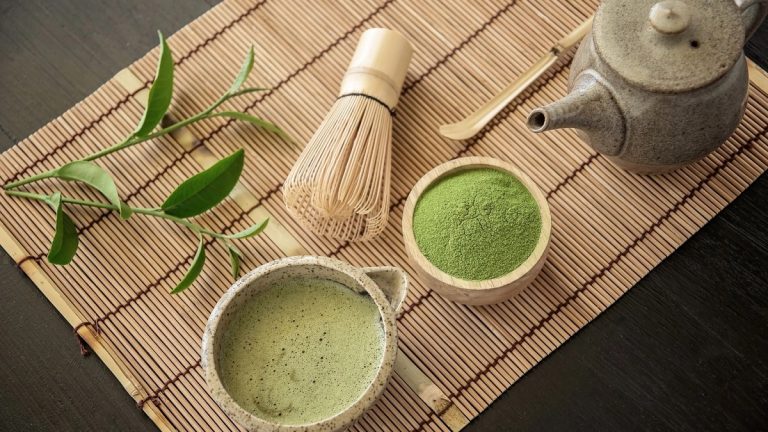
How you prepare matcha can also affect its perceived strength. Sifting the powder before whisking ensures it dissolves evenly, reducing clumps and preventing overly concentrated pockets of flavor. Whisking or frothing the matcha thoroughly with a bamboo whisk or frother helps create a uniform, smooth latte that highlights the tea’s natural taste without bitterness.
Temperature also impacts strength perception. Hot water releases matcha’s flavor and caffeine more quickly, making the latte taste more robust, while cold preparation yields a subtler, milder profile. Adjusting preparation techniques alongside powder quantity and liquid ratio allows precise control over flavor intensity and caffeine effect.
Personalizing for Taste and Function
Customizing matcha strength is ultimately about balancing flavor, energy, and antioxidant intake. Lighter lattes are ideal for those sensitive to caffeine or seeking a gentle, relaxing beverage. Stronger lattes provide a more pronounced flavor and higher functional benefits, including increased antioxidants and a greater energy boost.
Experimenting within these parameters allows you to create a matcha latte tailored to your taste and lifestyle. By adjusting powder quantity, liquid ratio, and preparation methods, you can enjoy a beverage that is consistently flavorful, balanced, and suited to your daily needs. Each cup becomes a personalized experience that maximizes the enjoyment and benefits of matcha.
People Also Asked
How Much Matcha Should I Use For A Single Latte?
For a standard single latte, you should use about 1 to 2 teaspoons of matcha powder, which is roughly 2 grams. This amount balances flavor and caffeine without being too bitter or overpowering.
If you prefer a milder taste, stick to 1 teaspoon, especially when using creamy or sweetened milk. For a more robust, earthy flavor, 2 teaspoons works best. Adjusting to personal preference is key, and combining it with proper milk ratios ensures a smooth, enjoyable latte every time.
Can I Use More Matcha For A Stronger Latte?
Yes, you can increase matcha powder to 2–3 teaspoons for a stronger latte. Keep in mind that adding too much can make the drink bitter and affect texture.
It’s important to adjust milk volume slightly when using more powder to maintain creaminess. You can also add a small amount of sweetener to balance the flavor. Experimenting gradually helps you find the perfect intensity without overpowering the latte.
How Much Matcha Is Needed For A Double Latte?
For a double latte, typically 3 to 4 teaspoons of matcha powder is recommended. This ensures the flavor is noticeable even with a larger milk volume.
Using a double serving increases both caffeine content and antioxidants, providing a more energizing drink. Be cautious with sweetness and milk type to avoid overpowering the natural taste of matcha. Measuring carefully ensures a consistent flavor every time.
Does The Type of Milk Affect How Much Matcha I Should Use?
Yes, milk type affects matcha taste and the amount you use. Creamy or sweetened milk may require slightly less matcha because the flavor can be masked.
Plant-based milks like almond or oat have lighter flavors, which may allow you to use the full recommended 1–2 teaspoons without losing intensity. Adjusting matcha amounts based on milk choice helps you maintain the desired balance of flavor, texture, and vibrancy in your latte.
How Do I Measure Matcha For A Latte Accurately?
The most accurate method is using a digital scale to measure matcha by grams, typically 2 grams for a single latte. Teaspoons work too, but results may vary depending on powder density.
Level your teaspoon and sift the matcha if needed to avoid clumps. Accurate measurement ensures consistent taste, color, and caffeine content. Over- or under-measuring can lead to a latte that is too bitter or too weak, so taking a precise approach improves every cup.
Can I Adjust Matcha Amount Based On Cup Size?
Absolutely. Larger cups require more matcha powder to maintain flavor intensity. For a 12-ounce latte, stick to 2 teaspoons; for 16–20 ounces, increase to 3 teaspoons.
Adjusting matcha based on cup size prevents weak or overly strong lattes. Remember to also adjust milk volume to maintain creaminess and avoid bitterness. This ensures every size latte delivers a balanced taste and smooth texture.
Does Adding Sweetener Affect How Much Matcha I Should Use?
Yes, adding sweeteners can mask matcha’s natural flavor, which may lead you to reduce the powder slightly to avoid bitterness. Start with 1–1.5 teaspoons for a sweetened latte instead of 2 teaspoons.
If you prefer a stronger taste alongside sweeteners, keep the full amount and adjust gradually. Balancing sweetener and matcha ensures the latte remains smooth, vibrant, and enjoyable without overpowering the natural earthy flavor of matcha.
Final Thoughts
Finding the right balance when preparing a matcha latte is key to enjoying both its flavor and health benefits. The amount of matcha used directly affects taste, caffeine content, and antioxidant levels, making it important to start with a guideline that works for most people. Using the correct portion ensures a latte that is smooth, vibrant, and satisfying without being overly bitter or weak.
For those curious about [how much matcha for a latte], a standard range of one to two teaspoons per serving provides an ideal balance between flavor and functionality. One teaspoon delivers a lighter, milder drink with moderate caffeine, while two teaspoons create a stronger, more robust latte packed with antioxidants. Adjusting within this range allows you to tailor your beverage to personal preference and dietary needs.
Additionally, factors like milk type, preparation method, and desired flavor intensity can influence the ideal amount of matcha. By experimenting carefully and measuring accurately, you can consistently create a latte that is enjoyable, nourishing, and perfectly suited to your taste. Consistency and thoughtful adjustments make each cup a rewarding experience.