Do You Need A Matcha Whisk: Tools, Alternatives, And Tips For Perfect Froth
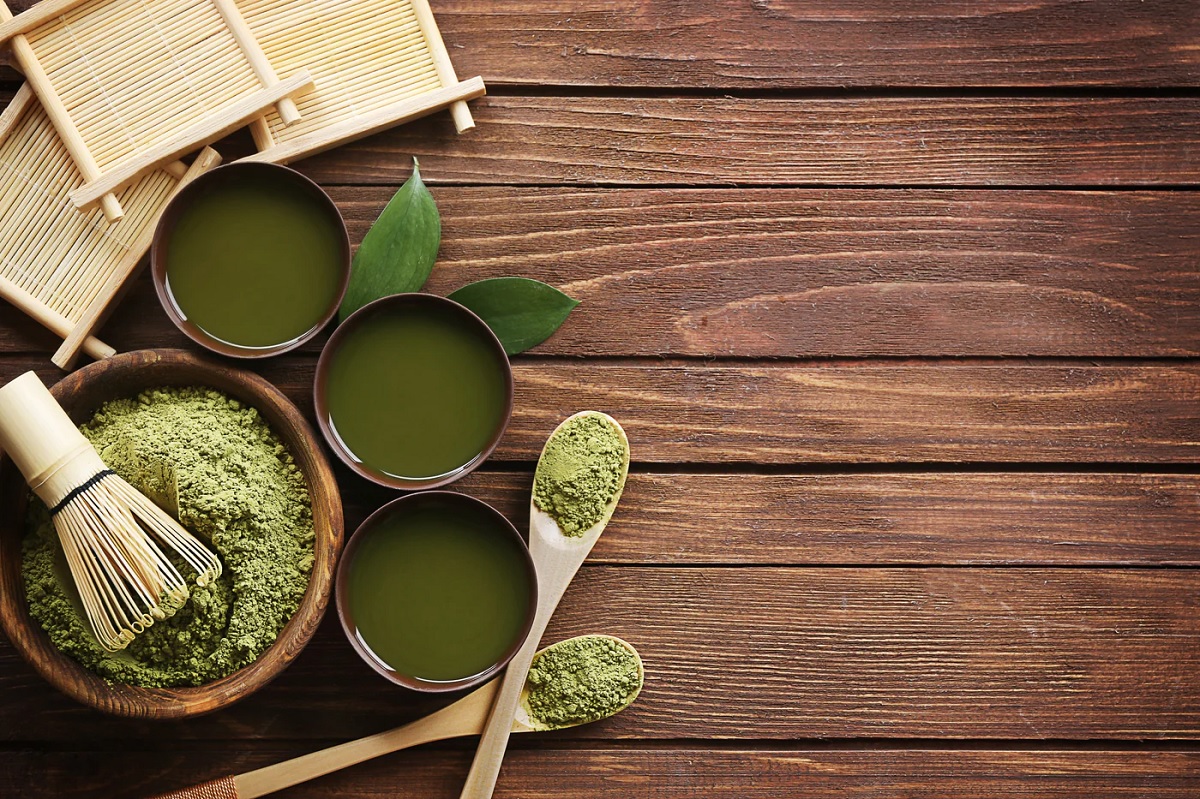
Preparing a perfect cup of matcha is about more than just the tea itself; the tools you use play a vital role in the process. The bamboo whisk, or chasen, is a traditional instrument designed to blend matcha powder with water smoothly, creating that signature frothy layer on top. Its unique structure allows for efficient aeration and even mixing, which can be difficult to replicate with alternative utensils.
Understanding whether a whisk is necessary helps both beginners and seasoned tea enthusiasts make the most of their matcha experience. A well-prepared whisk can elevate the texture and flavor of your tea, making it creamy, smooth, and visually appealing.
Exploring do you need a matcha whisk involves considering the different methods of preparation, the type of matcha used, and personal preferences for texture. Using the right tools ensures that each cup is consistent, enjoyable, and authentic.
The choice to incorporate a whisk into your routine can transform the tea-making process from a simple drink preparation into a mindful, ceremonial experience.
Purpose Of A Matcha Whisk
A matcha whisk, or chasen, is more than just a traditional tool—it plays a crucial role in preparing high-quality matcha. Its design allows for thorough mixing of powder and water, creating a smooth, frothy tea with a consistent texture. Understanding the purpose of a matcha whisk helps both beginners and seasoned tea enthusiasts appreciate the value of using the proper tools. The whisk’s structure and technique directly impact flavor, froth, and overall tea experience.
Creating Smooth And Frothy Matcha
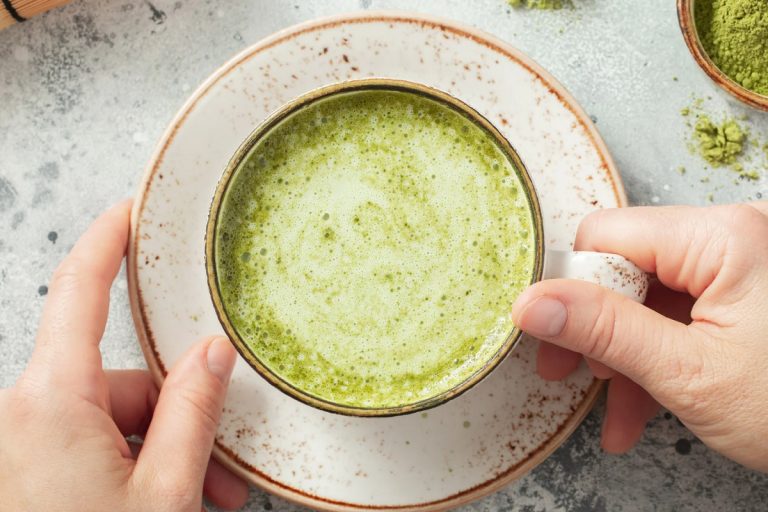
One of the primary purposes of a matcha whisk is to aerate the tea properly, producing a smooth and creamy froth. The finely split tines of the bamboo whisk allow air to mix with the matcha powder and water efficiently. This frothing process is difficult to replicate with a spoon, fork, or regular whisk.
A consistent froth improves both taste and texture. When the matcha is evenly mixed and aerated, it eliminates clumps and bitterness, allowing the natural sweetness of the tea to shine. Proper whisking also distributes the matcha uniformly throughout the water, ensuring that each sip is balanced. For tea lovers seeking authentic flavor and presentation, the froth created by a chasen is essential.
Enhancing Flavor And Aroma
Beyond texture, the whisk impacts the flavor and aroma of matcha. The rapid, gentle motions of the tines release subtle notes and create a richer taste profile. Using a matcha whisk ensures that the powder is fully dissolved, avoiding pockets of dry tea that can taste chalky or uneven.
A properly whisked matcha also intensifies the aroma, filling the air with its earthy and slightly sweet scent. This sensory aspect enhances the overall experience, making tea preparation more than just a routine—it becomes a ritual. The purpose of a matcha whisk extends to preserving the integrity of flavor and aroma, which is why traditional tea ceremonies rely heavily on this tool.
Maintaining Tradition And Technique
The matcha whisk holds cultural and ceremonial significance as well. In Japanese tea ceremonies, it symbolizes mindfulness, care, and attention to detail. Using the whisk encourages a deliberate and thoughtful approach to tea preparation, connecting modern drinkers to centuries-old traditions.
The technique required for proper whisking also improves hand control and consistency, ensuring each cup maintains the ideal froth and flavor. This careful method reinforces the purpose of a matcha whisk as a tool that combines functionality with tradition, creating both a visual and sensory experience that elevates matcha preparation beyond simple drinking.
Versatility In Different Preparations
While traditionally used for hot matcha, a whisk also aids in cold or blended preparations. It can evenly disperse powder in water, milk, or alternative liquids without clumping. This versatility highlights the practical importance of the whisk beyond ceremonial use.
The evenly spread tines allow for smooth integration of ingredients, maintaining texture and flavor regardless of temperature or liquid choice. By understanding the purpose of a matcha whisk, you recognize its role in enhancing every type of matcha preparation, from everyday bowls to elaborate ceremonial presentations. Its design, technique, and cultural significance combine to make it an indispensable tool for tea enthusiasts.
Situations Where A Whisk Is Essential
A matcha whisk is not always mandatory for every preparation, but there are key situations where its use significantly improves the result. Understanding these scenarios helps tea enthusiasts decide when investing time and care into proper whisking is worthwhile. The whisk’s design ensures even mixing, froth creation, and smooth texture, making it indispensable for certain types of matcha preparation. Knowing when a whisk is essential allows you to enjoy the full flavor and aesthetic benefits of this traditional tool.
Preparing Traditional Matcha Bowls
When preparing matcha in a traditional bowl, a whisk is essential for creating the iconic frothy layer on top. The finely split bamboo tines aerate the tea evenly, mixing powder and water smoothly. Without a whisk, clumps can form, and the matcha may taste uneven or bitter.
Holding the whisk correctly and using rapid, zigzag motions incorporates air into the liquid, producing a creamy foam. This step enhances the texture, making each sip smooth and velvety. The whisk also ensures that the flavor is evenly distributed throughout the bowl, preventing pockets of concentrated powder. For anyone aiming to honor traditional tea preparation, using a whisk is not optional—it’s critical for both presentation and taste.
Creating Latte-Style Matcha Drinks
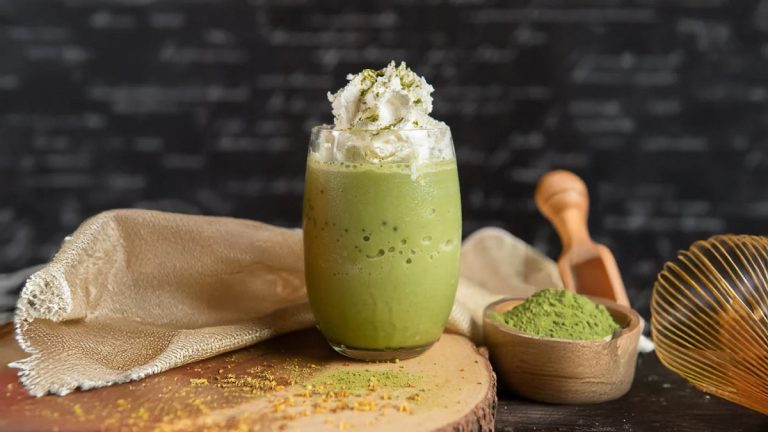
In modern preparations, such as matcha lattes, a whisk is equally important. Combining matcha powder with milk or milk alternatives can be tricky without proper tools, as the powder tends to clump easily. A bamboo whisk allows for even dispersion of the matcha while simultaneously frothing the liquid to create a creamy texture.
By holding the whisk at a slight angle and using brisk motions, air is incorporated efficiently, producing a smooth and frothy drink. This technique also preserves the flavor balance, ensuring the natural sweetness and umami of the matcha shine through. In situations where a visually appealing, creamy latte is desired, a whisk becomes indispensable.
Preparing Ceremonial Matcha
During traditional Japanese tea ceremonies, the whisk is a central tool and its presence is essential. The ceremony emphasizes precision, mindfulness, and attention to detail. Properly whisked matcha not only achieves the correct froth but also maintains the aesthetic integrity of the tea bowl.
The technique of using the whisk ensures that the powder is fully dissolved, creating a visually appealing layer of foam while releasing the aroma and flavor. Without a whisk, the ceremonial experience loses both authenticity and quality. The bamboo whisk is therefore critical for maintaining the standards and rituals associated with ceremonial matcha preparation.
Mixing Cold or Iced Matcha
Even in casual settings, such as preparing iced matcha or cold brew, a whisk can be highly beneficial. Cold liquids are more prone to clumping, and the tines of a whisk break up powder efficiently, producing a uniform, smooth drink.
Whisking also helps incorporate air into the beverage, which can enhance mouthfeel and texture even in chilled preparations. While a spoon or shaker may work to some extent, the whisk ensures consistency and prevents sediment at the bottom of the cup. For cold or iced matcha, using a whisk provides the best combination of texture, flavor, and presentation.
How To Choose The Right Whisk
Selecting the right matcha whisk is essential for achieving a smooth, frothy, and flavorful cup of tea. With various sizes, shapes, and materials available, the choice can be overwhelming for beginners and even experienced tea enthusiasts. Understanding the key factors to consider ensures you pick a whisk that complements your matcha style, preparation frequency, and personal preferences. Choosing wisely not only enhances the tea experience but also extends the lifespan of your bamboo whisk.
Consider The Size Of The Whisk
The size of the whisk directly impacts how effectively you can froth and mix your matcha. Smaller whisks, typically around 80mm, are ideal for single servings or small bowls, allowing precise control and quick frothing. Larger whisks, around 100mm or more, are better suited for larger bowls or multiple servings, as they can reach all areas of the bowl and incorporate more air efficiently.
Consider the type of bowl you commonly use when choosing the whisk size. A mismatch between bowl and whisk can lead to uneven froth, clumping, or difficulty mixing the powder. Additionally, personal comfort matters; a whisk that feels balanced in your hand allows for smoother, faster whisking. Selecting the right size ensures optimal performance, consistent froth, and maximum control during preparation.
Examine The Number Of Tines
The number of tines, or prongs, on a whisk affects both froth quality and flexibility. Whisks with more tines, typically 80–100, are ideal for fine, creamy froth, as they increase surface contact with the tea. Fewer tines can be easier to clean and slightly more durable but may produce less dense foam.
The choice depends on your matcha preferences. If you enjoy rich, thick froth, a higher tine count is recommended. For everyday use with casual consistency, fewer tines can be sufficient. The flexibility of the tines is equally important; bamboo should bend slightly without breaking. By considering tine number and flexibility together, you can select a whisk that produces consistent froth while remaining durable and easy to handle.
Assess The Quality Of Bamboo
High-quality bamboo is essential for a long-lasting whisk. Look for whisks crafted from aged bamboo, as they are less likely to splinter and maintain their shape over time. The bamboo should be uniform in texture and free of cracks, ensuring both flexibility and strength.
Consider the craftsmanship: hand-carved whisks often provide better consistency in tine spacing and curve, enhancing froth quality. Mass-produced whisks may be less precise, with uneven tines that affect performance. A high-quality bamboo whisk may cost more initially but provides superior durability, better froth, and a more enjoyable tea ritual. Investing in quality ensures both performance and longevity.
Match Whisk To Your Preparation Style
Your preferred method of preparing matcha also influences which whisk is best. If you enjoy traditional bowls and ceremonial preparation, a whisk designed for larger servings with finer tines is ideal. For casual or latte-style matcha, smaller or more flexible whisks can be sufficient for daily use.
Consider the liquid used as well. Milk-based lattes may require a sturdier whisk to handle viscosity, while water-based traditional matcha benefits from a more delicate bamboo structure. Matching your whisk to preparation style ensures consistent results, smooth froth, and an enjoyable experience every time. Understanding these factors makes choosing the right whisk simpler and more effective.
People Also Asked
Do You Need A Matcha Whisk For Every Preparation?
Not every matcha preparation requires a whisk, but using one significantly improves texture and froth. If you are preparing traditional matcha in a bowl, a bamboo whisk is essential to achieve smooth, clump-free tea with creamy froth.
For casual or blended drinks like lattes or smoothies, alternatives such as a spoon, shaker, or milk frother can work, but the whisk provides superior control and consistency. Using a whisk ensures your tea is evenly mixed, enhances flavor, and preserves the authentic matcha experience.
Can You Make Matcha Without A Whisk?
Yes, you can make matcha without a whisk, but the results differ. Using a spoon, shaker, or electric frother can mix the powder into water, but the texture may be uneven and clumpy.
Without a whisk, creating a dense, frothy layer is difficult, and the tea may taste more bitter due to undissolved powder. For casual drinking, skipping the whisk is acceptable, but for authentic, smooth, and visually appealing matcha, a bamboo whisk is the most effective tool.
What Are The Benefits Of Using A Matcha Whisk?
A matcha whisk allows you to aerate the tea fully, creating smooth, creamy froth that enhances flavor and texture. The finely split tines mix powder and water evenly, preventing clumps and bitterness.
It also improves aroma, releasing subtle notes during whisking. A proper whisk helps maintain consistency in both preparation and presentation, making each cup visually appealing. Beyond function, using a whisk connects you to the traditional tea-making ritual, adding mindfulness and precision to every cup.
Does The Whisk Affect The Taste Of Matcha?
Yes, the whisk affects both flavor and texture. Proper whisking evenly dissolves matcha powder in water, ensuring a balanced taste without bitter clumps. The aeration also enhances creaminess, creating a pleasant mouthfeel.
Without a whisk, the tea may remain gritty, uneven, or flat in flavor. The whisk helps release aromas and umami flavors naturally present in matcha, making the tea smoother and more enjoyable. Using the correct whisk preserves the integrity of the matcha and improves the overall drinking experience.
Are There Situations Where A Whisk Isn’t Necessary?
A whisk is not strictly necessary for instant matcha or powdered blends mixed into smoothies or lattes. In these cases, a spoon, shaker, or electric frother can mix the powder adequately.
However, for traditional matcha bowls, ceremonial preparation, or any situation where froth and smooth texture are desired, a whisk is essential. Skipping it may result in clumps, uneven mixing, and a less authentic experience. Choosing when to use a whisk depends on the preparation style and desired quality of your matcha.
How Do You Choose The Right Whisk For Your Needs?
Choosing the right whisk depends on bowl size, frequency of use, and preparation style. Smaller whisks are ideal for single servings, while larger whisks are better for big bowls or multiple cups.
Consider the number of tines, bamboo quality, and flexibility. A whisk with more tines creates denser froth, while a sturdier design works better for milk-based drinks. Selecting the right whisk ensures smooth, consistent mixing, optimal froth, and a more enjoyable matcha experience, whether for everyday use or traditional preparation.
Conclusion
Achieving the perfect cup of matcha often depends on the tools you use and the technique you apply. A matcha whisk is designed to evenly mix the fine green tea powder with water, creating a smooth, frothy, and clump-free drink. Using a proper whisk enhances both texture and flavor, especially for traditional hot matcha or creamy lattes.
For those wondering do you need a matcha whisk, the answer depends on your goals and preferences. While a whisk provides the best froth and consistency, there are alternatives like a spoon, fork, milk frother, or jar shaking method that can work for quick or iced matcha drinks. These methods may not produce the same frothy results, but they still allow you to enjoy matcha conveniently at home.
Ultimately, whether you invest in a traditional matcha whisk or rely on alternatives, understanding your intended use is key. With proper technique, you can enjoy flavorful matcha every time, making each cup a satisfying experience regardless of the tools you choose.