What Milk Goes Best With Matcha? Top Choices and Flavor Tips
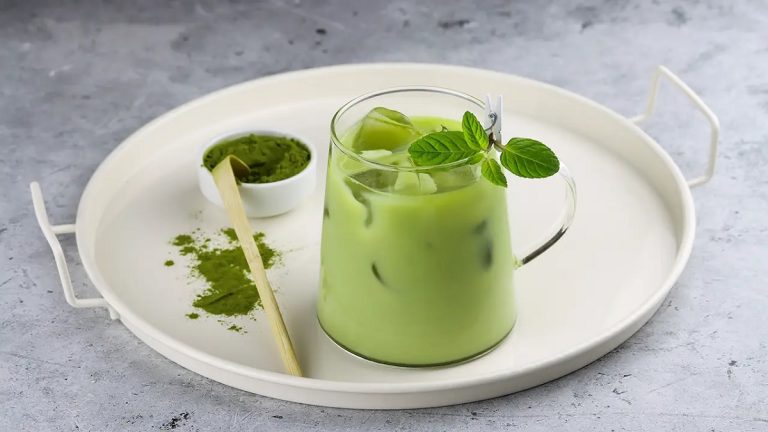
Matcha lattes and beverages have grown immensely popular, offering a unique balance of earthy flavors, natural sweetness, and vibrant green color. Choosing the right milk can dramatically influence the taste, texture, and overall enjoyment of your matcha drink. Understanding the characteristics of different milks allows you to complement the natural umami and richness of matcha while creating a smooth, creamy experience.
Dairy and plant-based milks interact differently with matcha. Whole milk adds creaminess and a subtle sweetness that enhances the natural flavor, while skim milk keeps the drink lighter and more refreshing. Plant-based alternatives like oat, almond, or soy milk provide unique textures and flavors, offering versatility for those with dietary preferences or restrictions.
Exploring [what milk goes best with matcha] helps you discover combinations that highlight the vibrant color, delicate aroma, and nuanced taste of the tea. The right choice elevates your drink from ordinary to indulgent.
Experimenting with milk options also affects frothiness, thickness, and mouthfeel, which are essential for a satisfying matcha latte. Selecting milk thoughtfully ensures every sip captures the essence of high-quality matcha while matching your personal flavor preferences.
Popular Milk Options for Matcha
The type of milk you choose can transform your matcha experience, affecting its flavor, texture, and overall enjoyment. From creamy dairy options to plant-based alternatives, each milk interacts differently with the tea’s natural umami and earthy notes. Understanding the characteristics of popular milk options helps you select the perfect combination for lattes, smoothies, or other matcha beverages. Exploring these options allows you to craft drinks that are smooth, flavorful, and tailored to your taste preferences.
Whole Milk – Creamy and Rich
Whole milk is a classic choice for matcha lattes because of its creamy texture and natural sweetness. The higher fat content helps balance matcha’s earthy and slightly bitter flavor, creating a smooth and indulgent drink. When frothed, whole milk adds a velvety mouthfeel that complements the vibrant green color and delicate aroma of high-quality matcha.
The fat and protein in whole milk also help disperse matcha evenly, producing a uniform taste in every sip. This milk enhances the natural umami of matcha without overpowering its flavor, making it ideal for ceremonial or premium matcha blends. Whole milk works well in both hot and iced lattes, providing richness that elevates the overall drinking experience.
For those who enjoy a classic matcha latte with balanced sweetness and creaminess, whole milk is a reliable choice. It highlights the tea’s flavor complexity while offering a comforting texture that makes the beverage feel luxurious and satisfying.
Oat Milk – Smooth and Slightly Sweet
Oat milk has become a favorite plant-based option for matcha lovers due to its creamy texture and mild sweetness. Unlike some plant-based milks, oat milk froths beautifully, making it perfect for lattes and cappuccinos. Its slightly sweet flavor enhances matcha’s natural umami, creating a harmonious balance without adding overpowering notes.
The texture of oat milk is smooth and thick, giving a satisfying mouthfeel that mirrors the creaminess of dairy milk. It pairs well with both ceremonial and culinary-grade matcha, making it versatile for drinking or blending into recipes. Oat milk’s subtle flavor allows the earthy, grassy notes of matcha to shine while softening any bitterness.
Oat milk is also popular among those seeking a dairy-free alternative that doesn’t compromise taste or consistency. Its natural sugars and rich texture make matcha lattes creamy and indulgent, appealing to a wide range of palates. It is especially effective in hot lattes where froth and aroma play a key role in the experience.
Almond Milk – Light and Nutty
Almond milk provides a lighter, nutty option for matcha beverages. Its delicate flavor subtly complements matcha without overpowering it, making it suitable for those who prefer a less creamy but flavorful drink. Almond milk’s lower fat content compared to whole milk results in a lighter texture, which can be refreshing in iced matcha lattes.
The mild nutty undertones enhance matcha’s earthy flavor while providing a slightly sweet backdrop. Almond milk blends well with both ceremonial and culinary-grade matcha, making it versatile for lattes, smoothies, and dessert recipes. While it doesn’t froth as thickly as whole or oat milk, almond milk still offers a pleasant mouthfeel when warmed or blended.
For anyone seeking a lighter, subtly flavored alternative, almond milk is a great option. It allows the vibrant green color and natural taste of matcha to remain prominent while providing a refreshing, nutty twist. It also works well for those with dietary restrictions or lactose intolerance, offering a balance of flavor and convenience.
Soy Milk – Rich and Versatile
Soy milk is a traditional plant-based milk option with a rich, creamy texture and neutral flavor. Its protein content helps create a smooth, frothy consistency when steamed, making it ideal for lattes and cappuccinos. Soy milk’s flavor is slightly nutty but mild enough to let matcha’s natural umami and earthy notes remain the star.
Soy milk pairs particularly well with both ceremonial and culinary-grade matcha. It enhances the creaminess without adding too much sweetness, creating a balanced, satisfying drink. Its neutral profile allows customization with sweeteners, syrups, or spices, giving matcha beverages flexibility for flavor experimentation.
For those who prefer plant-based options with a familiar, creamy texture, soy milk is reliable. It produces smooth lattes, maintains matcha’s vibrant color, and works well in hot or cold preparations. Its versatility makes it a popular choice for cafes and home baristas seeking a consistent, rich matcha experience.
How Milk Type Affects Matcha Flavor
The type of milk you choose has a profound effect on matcha’s taste, texture, and overall drinking experience. Different milks interact uniquely with the natural umami, bitterness, and sweetness of matcha. Understanding these interactions allows you to create beverages that highlight the tea’s flavor, complement its aroma, and provide the ideal creaminess and mouthfeel. Knowing how milk type affects matcha flavor helps you craft lattes, smoothies, or iced drinks that match your taste preferences perfectly.
Whole Milk – Enhancing Creaminess and Sweetness
Whole milk is a popular choice for matcha because it balances the earthy, slightly bitter flavor of the tea with its natural creaminess and mild sweetness. The higher fat content coats the palate, creating a smooth, velvety mouthfeel that complements matcha’s umami notes. When whisked or frothed, whole milk produces a dense foam that enhances both the texture and the visual appeal of a matcha latte.
The sweetness in whole milk enhances matcha’s natural flavors without overpowering its delicate grassy or vegetal notes. This combination results in a harmonious taste that is rich yet balanced, making it ideal for ceremonial-grade matcha. Whole milk also preserves the vibrant green color of high-quality matcha while creating a comforting, indulgent experience.
Drinking matcha with whole milk highlights subtle flavor layers that may be lost with lower-fat or plant-based milks. The texture, creaminess, and mild sweetness combine to create a satisfying and luxurious beverage suitable for hot or iced preparations.
Oat Milk – Smooth and Naturally Sweet
Oat milk is a favorite plant-based option because it adds smoothness and a mild, natural sweetness that complements matcha without overwhelming it. Its slightly thicker texture mimics the creaminess of dairy milk, allowing it to produce frothy lattes with a satisfying mouthfeel. Oat milk’s sweetness enhances matcha’s umami while softening any potential bitterness, creating a well-rounded, smooth flavor profile.
The neutral flavor of oat milk allows matcha’s delicate grassy and vegetal notes to remain prominent. It pairs well with both ceremonial-grade matcha and culinary-grade varieties used in lattes, smoothies, or desserts. Oat milk also blends easily, creating consistent texture and flavor throughout the beverage.
Oat milk is especially beneficial for those who prefer plant-based options without compromising the creaminess and sweetness that balance matcha’s natural taste. Its subtle flavor amplifies matcha’s best qualities while producing a smooth, indulgent drinking experience.
Almond Milk – Light and Nutty
Almond milk provides a lighter, slightly nutty option for matcha beverages. Its subtle flavor introduces a hint of nuttiness that complements the earthy taste of matcha without overshadowing it. Almond milk has a thinner consistency compared to whole or oat milk, resulting in a lighter, more refreshing texture, especially suited for iced lattes or low-calorie drinks.
The mild nutty undertones pair well with both ceremonial and culinary-grade matcha, enhancing its natural aroma and providing a gentle contrast to the tea’s grassy and umami notes. While it doesn’t froth as thickly as oat or whole milk, almond milk still adds a pleasant creaminess and allows the vibrant green color of matcha to shine.
Almond milk is ideal for those seeking a lighter beverage or a subtle twist in flavor. Its delicate nutty notes enhance matcha’s natural taste, providing a refreshing and balanced experience suitable for daily consumption.
Soy Milk – Rich and Versatile
Soy milk is a versatile plant-based milk that has a rich, creamy texture and a neutral flavor profile. Its higher protein content allows it to froth effectively, producing a smooth and consistent texture in matcha lattes. Soy milk enhances matcha’s creaminess while allowing its umami and earthy notes to remain prominent, making it a great choice for both ceremonial and culinary-grade matcha.
The neutral taste of soy milk does not compete with matcha’s natural flavors, which means the subtle sweetness and grassy notes are preserved. Soy milk is adaptable for hot and iced drinks, providing a stable base for froth and flavor layering. It also works well with sweeteners, syrups, and spices, offering flexibility for customized beverages.
Using soy milk allows matcha enthusiasts to enjoy a creamy, satisfying drink while maintaining the tea’s signature color, aroma, and complex flavor profile. Its versatility makes it a reliable option for home and café preparations.
Coconut Milk – Exotic and Rich
Coconut milk introduces a distinctive, slightly sweet, and tropical flavor to matcha drinks. Its creamy texture enhances mouthfeel, and the natural sweetness can soften matcha’s grassy or bitter undertones. Coconut milk pairs particularly well with matcha lattes, smoothies, and dessert beverages, adding a rich and exotic twist that contrasts with the earthy taste of the tea.
The subtle coconut aroma enhances the beverage’s overall sensory experience without overpowering matcha’s natural flavor. Its higher fat content creates a thick, velvety consistency, perfect for those who enjoy indulgent and flavorful drinks. Coconut milk is also suitable for plant-based and vegan diets, making it an accessible alternative for a variety of consumers.
The combination of coconut milk’s natural sweetness, creaminess, and tropical aroma transforms matcha into a unique experience, highlighting different flavor dimensions while maintaining the tea’s signature umami and vibrancy.
Best Milk for Hot Matcha
The type of milk you choose for hot matcha greatly impacts the flavor, texture, and overall drinking experience. Creaminess, sweetness, and frothability all influence how the earthy, umami-rich taste of matcha comes through. Selecting the best milk for hot preparations ensures that every sip is smooth, balanced, and comforting, highlighting the tea’s vibrant color and delicate aroma. Understanding your options allows you to tailor hot matcha to your personal taste preferences.
Whole Milk – Classic Creaminess and Rich Flavor
Whole milk is often considered the top choice for hot matcha because of its rich, creamy texture and natural sweetness. The higher fat content helps mellow matcha’s slightly bitter or grassy notes, creating a smooth, velvety drink that feels indulgent. When heated and frothed, whole milk develops a thick, silky foam that enhances both the aroma and mouthfeel of a hot matcha latte.
The natural sweetness in whole milk complements matcha’s umami flavor without overpowering it. This balance ensures the tea’s bright green color and earthy aroma remain prominent while providing a satisfying richness in every sip. Hot matcha made with whole milk is perfect for those who enjoy a comforting, luxurious beverage that highlights the subtle complexity of high-quality matcha leaves.
Careful heating preserves the milk’s creaminess and enhances the drink’s texture. For ceremonial-grade matcha, pairing with whole milk allows the natural flavors to shine while creating a beverage that feels decadent and smooth, ideal for morning or afternoon enjoyment.
Oat Milk – Smooth, Frothy, and Plant-Based
Oat milk is a favorite plant-based option for hot matcha because it produces a creamy, smooth texture similar to whole milk. Its slight natural sweetness balances matcha’s earthy notes, while its frothing ability allows for a rich, velvety foam on top. The thicker consistency of oat milk enhances the mouthfeel of a hot latte, giving it a satisfying body without being overly heavy.
Oat milk complements both ceremonial and culinary-grade matcha, allowing the grassy and umami flavors to remain distinct while softening any potential bitterness. Heating oat milk gently ensures a smooth, frothy texture that creates a luxurious and indulgent experience. Its subtle sweetness is ideal for those who prefer plant-based options without added syrups or sweeteners.
Using oat milk for hot matcha provides a well-rounded, balanced drink with a creamy finish. Its smoothness enhances the tea’s natural aroma, making it a popular choice for cafés and home baristas who want a high-quality, plant-based alternative that doesn’t compromise taste or texture.
Almond Milk – Light and Nutty
Almond milk offers a lighter option for hot matcha with a subtle nutty flavor that pairs well with the earthy notes of the tea. Its thinner consistency creates a refreshing, easy-to-drink latte, while the nutty undertones add a delicate twist to the flavor profile. Almond milk does not froth as thickly as whole or oat milk but can still provide a pleasant texture when gently heated and whisked.
The lightness of almond milk allows the natural umami of matcha to shine, making it a good choice for those who prefer a less creamy or lower-calorie drink. It blends smoothly with matcha powder and maintains the vibrant green color of high-quality leaves, ensuring both visual appeal and taste.
Almond milk is especially suitable for daily hot matcha lattes and for those seeking a plant-based option with a mild, nutty character. Its subtle flavor complements the grassy notes of matcha while providing a lighter, refreshing mouthfeel that is ideal for hot beverages.
Soy Milk – Rich, Frothy, and Neutral
Soy milk is another excellent choice for hot matcha due to its rich, creamy texture and neutral flavor profile. Its higher protein content allows for consistent frothing, creating a smooth and thick foam that enhances both texture and aroma. Soy milk’s mild taste ensures matcha’s umami and earthy flavors remain the focus, producing a well-balanced hot drink.
Soy milk works with both ceremonial and culinary-grade matcha. Its versatility allows customization with sweeteners, syrups, or spices while maintaining a rich, satisfying body. When gently heated, soy milk creates a creamy and indulgent latte that preserves matcha’s vibrant green color and delicate aroma.
For those seeking a plant-based milk that delivers richness and a smooth, frothy texture comparable to dairy, soy milk is ideal. It produces a well-rounded, flavorful hot matcha latte suitable for daily enjoyment or café-style preparation.
Best Milk for Iced Matcha
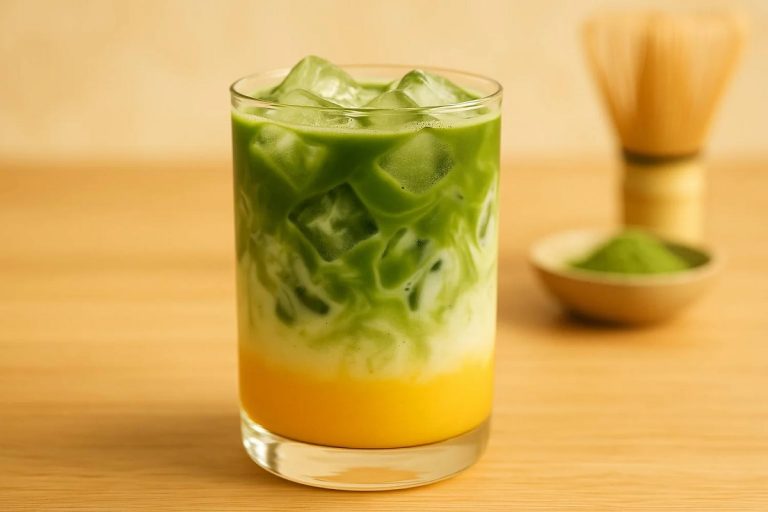
The type of milk you choose for iced matcha significantly influences flavor, texture, and overall enjoyment. Cold temperatures can mute certain flavors, so selecting milk that complements matcha’s earthy, grassy, and umami notes is essential. Different milk options provide varying levels of creaminess, sweetness, and mouthfeel, transforming your iced beverage into either a refreshing light drink or a rich, indulgent treat. Understanding your options helps you craft iced matcha perfectly suited to your taste preferences.
Whole Milk – Creamy and Balanced
Whole milk is a classic choice for iced matcha because it provides rich creaminess and natural sweetness, balancing the slightly bitter or grassy flavor of matcha. The fat content ensures a smooth texture even when served over ice, preventing the drink from tasting watered down. Cold whole milk blends seamlessly with matcha, maintaining the tea’s vibrant green color and delivering a satisfying mouthfeel.
When poured over ice, whole milk creates a creamy iced latte that highlights matcha’s natural umami without overpowering it. It is ideal for those who enjoy a luxurious, indulgent beverage that stays smooth and rich even at colder temperatures. Whole milk works well with both ceremonial and culinary-grade matcha, providing a balanced, refreshing iced drink suitable for daily enjoyment.
The combination of creaminess and natural sweetness in whole milk ensures that iced matcha remains flavorful and satisfying, offering a consistent taste experience from the first sip to the last.
Oat Milk – Smooth and Naturally Sweet
Oat milk is a popular plant-based option for iced matcha due to its creamy texture and slight natural sweetness. Its consistency holds up well over ice, providing a smooth mouthfeel without diluting matcha’s flavor. Oat milk enhances the natural umami of the tea while softening any bitterness, creating a well-balanced iced latte with subtle sweetness.
The thick, creamy texture of oat milk produces a satisfying beverage, while its neutral flavor allows matcha’s grassy and earthy notes to remain prominent. Oat milk is versatile, pairing well with both ceremonial-grade matcha for a refined iced latte and culinary-grade matcha for a more robust, flavorful drink.
Using oat milk in iced matcha delivers a plant-based alternative with rich texture and balanced taste. Its slight sweetness, combined with creamy consistency, makes it perfect for those seeking a vegan option without sacrificing indulgence or mouthfeel in a cold beverage.
Almond Milk – Light and Refreshing
Almond milk offers a lighter option for iced matcha with a subtle nutty flavor that complements the tea’s earthy notes. Its thinner consistency creates a refreshing and easy-to-drink iced latte, making it ideal for warm weather or low-calorie beverages. Almond milk doesn’t overpower matcha, allowing its bright green color and umami flavors to remain distinct.
While almond milk doesn’t froth as thickly as oat or whole milk, it still produces a pleasant, smooth texture when shaken or blended over ice. The nutty undertones add a gentle twist to the flavor profile, enhancing matcha’s natural aroma without competing with it.
Almond milk is especially suitable for those who prefer a lighter iced drink or a subtle flavor variation. Its refreshing and low-fat qualities make it a versatile option for daily iced matcha lattes and casual enjoyment.
Soy Milk – Rich and Consistent
Soy milk is a versatile plant-based choice for iced matcha because of its creamy texture and neutral flavor. Its protein content ensures a smooth consistency when mixed with matcha, even when served cold over ice. Soy milk allows matcha’s natural umami and grassy notes to shine while providing a satisfying richness that prevents the drink from feeling watery.
Soy milk pairs well with both ceremonial and culinary-grade matcha. It blends easily and maintains consistency in cold beverages, making it a reliable choice for homemade iced matcha lattes. Its subtle taste ensures matcha remains the primary flavor, while its creamy texture creates a smooth, indulgent cold drink.
Using soy milk in iced matcha delivers a balanced, plant-based option with creaminess and consistency, making it ideal for those seeking a neutral but satisfying alternative to dairy.
Nutritional Considerations of Milk Choices
The type of milk you pair with matcha not only affects flavor and texture but also significantly influences the nutritional profile of your beverage. Different milk options vary in calories, fat content, protein, vitamins, and minerals, impacting your energy intake and overall health. Understanding these nutritional differences helps you make informed choices when preparing matcha lattes, smoothies, or other drinks, whether you aim for indulgence, health benefits, or dietary preferences.
Whole Milk – Rich in Protein and Fat
Whole milk is a nutrient-dense option that adds both flavor and calories to matcha beverages. It contains around 3–4% fat, providing creaminess and a satisfying texture. Whole milk is also a good source of protein, which supports muscle repair and satiety, making it a filling choice for morning or afternoon drinks.
Additionally, whole milk is rich in vitamins and minerals such as calcium, vitamin D, and vitamin B12, contributing to bone health and overall nutrition. The natural fat content enhances the absorption of fat-soluble vitamins, complementing matcha’s antioxidants and providing a well-rounded beverage.
However, the higher calorie and fat content may not be suitable for those aiming for lower-calorie drinks. Whole milk is ideal for individuals seeking a balance of flavor, creaminess, and nutritional value, making hot or iced matcha lattes indulgent while still offering health benefits.
Oat Milk – Fiber and Plant-Based Nutrients
Oat milk is a popular plant-based alternative that is naturally rich in soluble fiber, particularly beta-glucan, which can support heart health and aid digestion. Its moderate calorie content and slightly sweet flavor make it a versatile choice for matcha lattes and smoothies without the heaviness of dairy.
Many commercial oat milks are fortified with calcium, vitamin D, and B vitamins to match the nutritional profile of cow’s milk. While lower in protein than whole milk, oat milk provides a smooth texture and natural creaminess that complements matcha’s earthy flavor.
Oat milk is particularly suitable for those following vegan or lactose-free diets. Its combination of fiber, moderate calories, and micronutrients creates a satisfying and nutritious option for daily matcha consumption. Oat milk allows you to enjoy a creamy beverage while maintaining a lighter nutritional profile compared to full-fat dairy.
Almond Milk – Low-Calorie and Light
Almond milk is a low-calorie milk option that is often favored for its light texture and subtle nutty flavor. Unsweetened varieties can contain as few as 30–40 calories per cup, making almond milk ideal for those aiming to reduce calorie intake while still enjoying a smooth matcha latte.
Almond milk is naturally low in protein and fat, but many commercial brands are fortified with calcium, vitamin D, and vitamin E, providing essential nutrients for bone and immune health. Its lightness pairs well with matcha, allowing the tea’s flavor to remain prominent without adding heaviness.
While almond milk does not provide as much protein as whole milk or soy milk, its low-calorie profile and micronutrient fortification make it a healthy choice for everyday matcha drinks. It is particularly appealing to those seeking a lighter, vegan-friendly option.
Soy Milk – High Protein and Balanced Nutrition
Soy milk is a nutrient-rich plant-based option with protein content comparable to cow’s milk, typically around 7 grams per cup. This makes it a filling and satisfying choice for matcha beverages, particularly if you want to add nutritional value without dairy.
Soy milk is often fortified with calcium, vitamin D, and B vitamins, supporting bone health and overall wellness. Its fat content is moderate, providing creaminess while allowing matcha’s natural flavors to shine. Soy milk also contains isoflavones, plant compounds associated with potential heart and hormonal health benefits.
Soy milk is ideal for those looking for a high-protein, plant-based milk that maintains a rich, creamy texture in hot or iced matcha lattes. Its balanced nutrition and versatility make it a reliable choice for both flavor and health considerations.
Flavor Pairings and Add-Ons
Enhancing matcha with complementary flavors and add-ons can elevate your tea experience, bringing out the natural umami, sweetness, and earthy notes of the green powder. From natural sweeteners to spices, dairy alternatives, and creative toppings, there are countless ways to customize matcha to suit your taste. Understanding which flavors harmonize with matcha allows you to craft beverages and desserts that are balanced, flavorful, and visually appealing.
Sweeteners
Sweeteners are among the most common ways to enhance matcha, particularly to balance its natural bitterness. Options range from traditional sugar and honey to alternative sweeteners like maple syrup, agave, and coconut sugar. Each sweetener interacts differently with matcha’s flavor profile.
Honey, for instance, adds a floral sweetness that complements matcha’s earthy notes, while maple syrup introduces a subtle caramel-like depth. Coconut sugar offers a richer, slightly nutty taste that enhances the tea’s umami flavor. Liquid sweeteners dissolve easily, making them ideal for hot matcha, whereas granulated sweeteners can be blended or whisked in for both hot and iced drinks.
Choosing the right sweetener depends on your flavor preference and the type of matcha you’re using. Lighter ceremonial-grade matcha pairs well with milder sweeteners like honey or agave to avoid overpowering the delicate grassy notes, while culinary-grade matcha can handle bolder, richer sweeteners that complement its robust flavor. Sweeteners also add body to matcha lattes and iced beverages, creating a smoother and more indulgent drinking experience.
Dairy and Plant-Based Creamers
Adding milk or creamers to matcha is another popular way to enhance flavor and texture. Whole milk provides richness and natural sweetness, creating a smooth and indulgent beverage. Oat milk offers a plant-based alternative with creamy texture and slight sweetness, while almond milk adds a light, nutty note that enhances matcha’s earthy flavor.
Creamers, whether dairy or non-dairy, also contribute to frothiness and mouthfeel, particularly in lattes. They soften the natural bitterness of matcha while highlighting its umami and vibrant green color. Coconut milk is an interesting option for those seeking a tropical twist, providing both creaminess and subtle sweetness that complements matcha’s natural flavors.
Selecting the right milk or creamer depends on the type of matcha and the intended beverage style. Ceremonial-grade matcha benefits from lighter or subtly sweet creamers to preserve delicate flavor, while culinary-grade matcha pairs well with richer or more textured milk options for lattes, smoothies, or dessert drinks.
Spices and Flavor Extracts
Spices and flavor extracts can transform matcha into a creative and aromatic beverage. Cinnamon, cardamom, ginger, and nutmeg are popular spices that complement matcha’s natural earthy notes. Each adds warmth and depth, making hot matcha lattes more comforting and complex.
Vanilla extract is another versatile addition, lending a subtle sweetness and enhancing the overall aroma without masking matcha’s flavor. Almond or hazelnut extracts provide a nutty richness, especially when paired with almond or oat milk. Spices and extracts can be adjusted according to taste, allowing for seasonal variations such as chai-inspired matcha lattes in winter or spiced iced matcha in summer.
These add-ons also provide visual and aromatic appeal. Sprinkling cinnamon or cocoa powder on top of frothed matcha adds color contrast and enhances the sensory experience. Flavor extracts can be mixed directly into matcha or combined with sweeteners and milk for layered, complex beverages.
Toppings and Mix-Ins
Toppings and mix-ins add another layer of enjoyment to matcha beverages. Whipped cream, cocoa nibs, chocolate shavings, or matcha-flavored pearls create texture contrasts that make drinks more indulgent. For iced matcha, boba pearls or granola clusters provide a fun and interactive experience.
Nuts and seeds, like almonds, pistachios, or chia seeds, can also complement matcha’s earthy flavor while adding crunch and nutritional benefits. Fruit purees, such as mango or strawberry, pair well with matcha’s natural sweetness, creating visually appealing color contrasts and refreshing flavor combinations.
Toppings and mix-ins are especially effective in specialty matcha lattes, frappes, or dessert beverages. They enhance mouthfeel and provide visual appeal for social media-worthy presentations. Experimenting with textures, colors, and complementary flavors allows matcha enthusiasts to personalize their drinks while highlighting the tea’s natural vibrancy and rich taste profile.
People Also Asked
What Milk Goes Best With Matcha For A Creamy Latte?
Whole milk is often considered the best option for creating a creamy matcha latte. Its higher fat content gives a velvety texture that balances matcha’s earthy and slightly bitter notes. The natural sweetness of whole milk enhances the umami flavor of high-quality matcha while preserving its vibrant green color and aroma.
You can also froth whole milk to create a dense, smooth foam that elevates the overall experience. Whether you prefer hot or iced matcha, whole milk provides a comforting and indulgent drink, making it ideal for those who enjoy a rich, classic latte.
Can Plant-Based Milks Be Used With Matcha?
Yes, plant-based milks like oat, almond, and soy are excellent alternatives for matcha drinks. Oat milk is naturally sweet and creamy, creating a smooth texture similar to dairy milk. Almond milk provides a light, nutty flavor, while soy milk is rich in protein and maintains a smooth consistency.
These milks pair well with both ceremonial-grade and culinary-grade matcha. They allow you to enjoy matcha lattes, smoothies, and iced drinks while following a vegan or lactose-free diet. Plant-based options also highlight matcha’s earthy flavor without overpowering it.
Is Oat Milk Good For Matcha Lattes?
Oat milk is one of the best plant-based choices for matcha lattes due to its creamy texture and natural sweetness. It complements matcha’s grassy and umami notes while softening any potential bitterness. Oat milk froths well, making it suitable for both hot and iced beverages.
Its smooth consistency allows the vibrant green color of matcha to stand out, creating visually appealing drinks. Oat milk is also versatile, pairing well with both premium ceremonial matcha and more robust culinary-grade matcha for lattes, smoothies, or dessert drinks.
How Does Almond Milk Affect Matcha Flavor?
Almond milk adds a light, nutty flavor to matcha beverages that pairs well with the tea’s earthy notes. Its thinner consistency creates a refreshing texture, especially suitable for iced matcha lattes. Almond milk does not overpower matcha, allowing the natural sweetness and umami of the tea to remain prominent.
While it doesn’t froth as thickly as oat or whole milk, almond milk still provides a smooth and enjoyable mouthfeel. It is ideal for those seeking a lower-calorie, vegan-friendly option while enjoying a subtly flavored matcha drink that feels light and refreshing.
Is Soy Milk A Good Option For Matcha?
Soy milk is a rich, versatile choice for matcha drinks, offering a creamy texture and neutral flavor that allows matcha’s natural umami to shine. Its higher protein content ensures a smooth consistency and makes it ideal for frothing in lattes.
Soy milk pairs well with both ceremonial and culinary-grade matcha. It maintains the vibrant green color and aroma of matcha while providing a satisfying mouthfeel. Soy milk is suitable for those following a plant-based diet who want a rich, creamy matcha experience similar to traditional dairy lattes.
Can You Use Coconut Milk With Matcha?
Yes, coconut milk adds a unique, tropical flavor to matcha beverages. Its natural sweetness and creamy texture balance matcha’s earthy and slightly bitter notes. Coconut milk works especially well in hot lattes, smoothies, or dessert-style matcha drinks, offering a rich, indulgent mouthfeel.
The subtle coconut aroma enhances the overall sensory experience without overpowering matcha’s flavor. Coconut milk is also suitable for vegan or lactose-free diets, making it a creative option for those who enjoy experimenting with different milk pairings to complement the tea’s natural taste.
Which Milk Makes Matcha Iced Drinks Taste Best?
For iced matcha drinks, oat milk and whole milk are excellent choices. Oat milk maintains creaminess and subtle sweetness even when served cold, preventing the tea from tasting watered down. Whole milk provides richness and a smooth texture that balances the matcha’s grassy and umami flavors over ice.
Almond and soy milk are also good options for iced matcha. Almond milk keeps drinks light and refreshing, while soy milk provides a rich, smooth consistency. Choosing the right milk ensures that iced matcha remains flavorful, visually appealing, and satisfying from the first sip to the last.
Final Thoughts
Choosing the right milk can completely transform your matcha experience, enhancing its natural umami flavor while creating a creamy, enjoyable texture. Different types of milk—from whole dairy to plant-based options like oat, almond, or soy—bring unique characteristics that complement matcha’s earthy notes. The choice ultimately depends on your taste preference, dietary needs, and whether you are preparing a hot latte, iced matcha, or blended drink.
For hot matcha, milk that froths well, like whole dairy or oat milk, provides a smooth, rich consistency that balances the tea’s slight bitterness. Iced matcha benefits from lighter milks that mix easily and maintain a refreshing flavor without curdling. Sweeteners or flavored syrups can further enhance the taste, but the milk itself remains the primary factor in creating a perfectly balanced drink.
Understanding what milk goes best with matcha allows you to customize your beverage to suit your palate. By experimenting with different milk types and ratios, you can enjoy a creamy, flavorful matcha every time, whether at home or in a café setting.