Does Matcha Have L Theanine? Benefits, Effects, and How It Works
Matcha green tea has become increasingly popular for its unique flavor, vibrant color, and potential health benefits. Among its many bioactive compounds, one component that often sparks curiosity is L-theanine. Known for its calming and focus-enhancing properties, L-theanine plays a significant role in how matcha affects both the mind and body. Many tea enthusiasts and health-conscious individuals wonder [does matcha have l theanine] and how this compound contributes to the tea’s effects.
L-theanine is an amino acid found naturally in tea leaves, and it works in synergy with caffeine to promote alertness while maintaining a sense of calm. This combination helps create the characteristic smooth energy that matcha is known for, distinguishing it from other caffeinated beverages like coffee.
Understanding whether matcha contains L-theanine and in what amounts can help you make informed decisions about incorporating this tea into your daily routine. Knowing its presence also explains why matcha is often associated with relaxation, focus, and mental clarity.
For those exploring natural ways to improve concentration or manage stress, identifying L-theanine in matcha highlights one of the tea’s unique functional benefits. Its calming effect paired with gentle stimulation makes matcha a versatile beverage for both work and relaxation.
Incorporating matcha into your lifestyle offers more than taste—it provides a functional experience that blends energy, focus, and calm. Recognizing the role of L-theanine helps appreciate why matcha stands out among other teas and beverages.
L-Theanine Content in Matcha
Matcha green tea is unique among teas due to its high concentration of bioactive compounds, including L-theanine. This amino acid is responsible for many of the calming and focus-enhancing effects associated with matcha. Understanding the L-theanine content in matcha helps explain why this beverage provides sustained energy without the jitteriness often linked to coffee or other caffeinated drinks.
What L-Theanine Is and Its Role
L-theanine is an amino acid primarily found in tea leaves and certain mushrooms. In matcha, it is present in higher concentrations compared to regular green tea because the powdered leaves are fully consumed rather than just steeped. L-theanine works in synergy with caffeine to promote a state of relaxed alertness.
When consumed, L-theanine increases alpha brain wave activity, which is associated with mental clarity, focus, and a sense of calm. This effect allows matcha drinkers to experience enhanced concentration without overstimulation. The amino acid also influences neurotransmitters such as GABA, dopamine, and serotonin, supporting mood regulation and stress reduction. Regular consumption of matcha can provide a subtle but meaningful mental boost throughout the day.
L-Theanine Levels in Different Grades of Matcha
The L-theanine content in matcha can vary depending on its grade and cultivation methods. Ceremonial-grade matcha, made from young, shade-grown leaves, generally contains the highest levels of L-theanine, giving it a naturally sweet, umami flavor with minimal bitterness. Culinary-grade matcha, often used in cooking or blended drinks, contains slightly lower concentrations but still provides noticeable benefits.
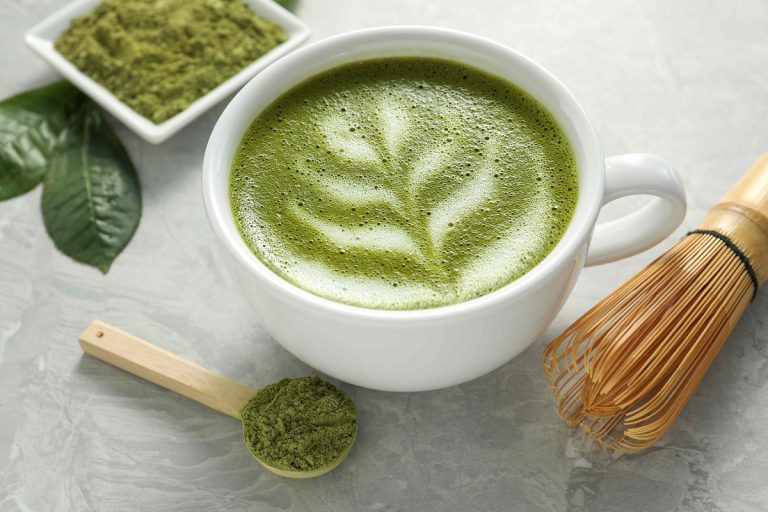
Factors such as leaf age, growing conditions, and processing techniques influence L-theanine levels. Shade-grown tea leaves, in particular, produce more L-theanine as a natural adaptation, resulting in matcha with a smooth, rich flavor and enhanced calming properties. Choosing the right grade ensures both flavor and functional benefits are maximized, whether consumed as a traditional latte, smoothie, or plain tea.
Comparing L-Theanine Content to Other Teas
Matcha stands out compared to other teas due to its elevated L-theanine content. While standard green teas contain L-theanine, the concentration is lower because only the brewed liquid is consumed, leaving behind much of the amino acids in the leaves. Matcha, as a powdered tea, delivers the entire leaf’s nutrients, providing significantly higher L-theanine per serving.
This higher concentration is one reason matcha is often associated with prolonged focus and calm energy. While black tea, oolong, or white tea contain L-theanine, their effects are generally milder. For individuals seeking mental clarity, stress reduction, or smoother caffeine stimulation, matcha’s L-theanine content makes it a superior choice.
Maximizing L-Theanine Benefits
To get the most L-theanine from matcha, preparation and serving size matter. Using one to two teaspoons of high-quality matcha per serving ensures a meaningful intake of the amino acid. Water temperature is also important: using water that is too hot can degrade some compounds, so slightly cooler water, around 175°F (80°C), is ideal.
Pairing L-theanine-rich matcha with minimal sweeteners and low-fat milk preserves its calming effects. Drinking it in the morning or early afternoon allows you to benefit from enhanced focus without interfering with sleep. Incorporating matcha consistently into your daily routine maximizes its functional benefits, creating a beverage that supports both mental clarity and a relaxed, energized state.
How L-Theanine Affects the Body
L-theanine, a unique amino acid found abundantly in matcha, has a profound impact on both the mind and body. Its calming yet focus-enhancing effects make it a key reason why matcha provides smooth, sustained energy without the jitters associated with other caffeinated beverages. Understanding how L-theanine affects the body helps explain why this compound is valued for mental clarity, relaxation, and overall well-being.
Promoting Relaxation Without Drowsiness
One of the most notable effects of L-theanine is its ability to induce relaxation without causing drowsiness. L-theanine increases the production of alpha brain waves, which are associated with a calm but alert mental state. This promotes a sense of focused relaxation that can enhance productivity and reduce stress levels throughout the day.
Unlike other calming agents or sleep-inducing supplements, L-theanine does not impair cognitive function. Instead, it creates a mental state that allows for sustained attention and calm awareness. This property makes matcha an ideal beverage for those seeking relaxation while maintaining mental clarity, whether during work, study, or creative activities.
Supporting Neurotransmitter Balance
L-theanine also affects the body by influencing key neurotransmitters, including GABA, dopamine, and serotonin. These chemicals play critical roles in regulating mood, stress, and emotional stability. By supporting balanced neurotransmitter levels, L-theanine helps reduce stress-related responses and promotes a more positive and focused mental state.
GABA, for instance, is an inhibitory neurotransmitter that calms nervous system activity, while dopamine contributes to motivation and reward. Serotonin regulates mood and overall emotional well-being. L-theanine’s modulation of these neurotransmitters enhances mental resilience, reduces anxiety, and fosters a sense of calm alertness without sedation.
Synergy With Caffeine
Another important way L-theanine affects the body is through its synergistic interaction with caffeine. The combination of these compounds, naturally present in matcha, produces a state of “calm alertness.” Caffeine stimulates energy and alertness, while L-theanine smooths out potential jitters and sudden spikes in heart rate.
This balance allows matcha drinkers to experience heightened focus and productivity without the crash commonly associated with coffee. The dual effect is especially valuable during tasks that require sustained attention, mental clarity, or creativity. By modulating caffeine’s stimulating effects, L-theanine provides a smoother, longer-lasting source of energy and mental acuity.
Physiological Effects on Stress and Cardiovascular Function
Beyond mental benefits, L-theanine can also influence physiological responses to stress. Research suggests it may reduce cortisol levels, helping the body manage stress more effectively. Lower cortisol levels can contribute to better cardiovascular health, improved immune function, and reduced inflammation over time.
Additionally, L-theanine may promote vasodilation, supporting healthy blood flow and relaxation of the cardiovascular system. This dual impact—both mental and physiological—makes L-theanine a unique compound that enhances overall well-being. Consuming matcha regularly allows individuals to experience these benefits naturally, supporting calm energy, focus, and a balanced response to daily stressors.
Optimizing L-Theanine Intake
To maximize the effects of L-theanine, consuming high-quality matcha prepared correctly is essential. Using one to two teaspoons per serving, whisked thoroughly in slightly cooler water, preserves the amino acid’s integrity. Combining matcha with minimal added sugars or milk allows the calming, focus-enhancing effects of L-theanine to remain prominent.
Incorporating matcha consistently into your routine ensures a steady supply of L-theanine, promoting mental clarity, relaxation, and resilience. Its multifaceted influence on brain function, neurotransmitter balance, and physiological stress responses makes L-theanine a powerful ally for both focus and well-being.
Benefits of L-Theanine in Matcha
L-theanine, an amino acid abundant in matcha, is one of the key compounds that set this tea apart from other caffeinated beverages. Its unique combination of calming and focus-enhancing properties contributes to the distinct experience of drinking matcha. Understanding the benefits of L-theanine in matcha highlights why it has become a favorite among health enthusiasts, students, and professionals seeking sustained energy and mental clarity.
Promotes Calmness and Reduces Stress
One of the primary benefits of L-theanine in matcha is its ability to promote calmness and reduce stress. L-theanine stimulates the production of alpha brain waves, which are associated with a relaxed yet alert mental state. This helps the mind stay focused without feeling overstimulated or anxious.
Additionally, L-theanine influences key neurotransmitters like GABA, dopamine, and serotonin, which regulate mood and stress responses. By supporting balanced neurotransmitter activity, matcha drinkers experience a natural reduction in tension and mental fatigue. This calming effect is especially useful during busy or stressful periods, making matcha a beverage that enhances both mental resilience and overall well-being.
Enhances Focus and Cognitive Function
L-theanine is also known for improving focus and cognitive performance. Unlike caffeine alone, which can sometimes cause jitteriness or sudden energy crashes, L-theanine creates a smooth, sustained state of alertness. When combined with the caffeine naturally present in matcha, it produces a synergistic effect often described as “calm energy” or “relaxed focus.”
This benefit makes matcha an ideal choice for studying, creative work, or tasks requiring extended concentration. Regular consumption of L-theanine through matcha can help improve attention span, memory recall, and overall mental performance. By supporting brain function while maintaining calm, matcha provides a functional alternative to traditional stimulants like coffee or energy drinks.
Supports Healthy Sleep Patterns
Another often-overlooked benefit of L-theanine in matcha is its role in supporting healthy sleep patterns. While matcha contains caffeine, the presence of L-theanine counterbalances its stimulating effects, reducing the risk of insomnia or disrupted sleep when consumed earlier in the day. L-theanine promotes relaxation without drowsiness, helping the body wind down naturally in the evening.
By lowering stress hormones like cortisol and encouraging a calm mental state, L-theanine indirectly improves sleep quality. This effect allows individuals to enjoy the energy-boosting benefits of matcha during the day while still maintaining restorative sleep at night, making it a versatile and health-conscious beverage choice.
Boosts Mood and Emotional Well-Being
L-theanine contributes to mood enhancement and emotional stability. Through its interaction with neurotransmitters such as dopamine and serotonin, it helps regulate feelings of anxiety and mild depression. Drinking matcha regularly can support a more balanced emotional state, creating a sense of calm positivity that persists throughout the day.
This mood-regulating effect, combined with improved focus and reduced stress, makes matcha a holistic beverage that supports both mental and emotional well-being. Individuals who incorporate matcha into their routines often report feeling more centered, alert, and resilient when facing daily challenges.
Antioxidant Support and Overall Wellness
Beyond its mental and emotional benefits, L-theanine in matcha works alongside catechins and other antioxidants to support overall wellness. These compounds combat oxidative stress, reduce inflammation, and enhance immune function. L-theanine may also contribute to cardiovascular health by promoting relaxation and healthy blood flow.
By combining these antioxidant properties with the calming and focus-enhancing effects of L-theanine, matcha becomes a multifunctional beverage. It not only supports mental clarity and stress management but also contributes to long-term health, making it an excellent addition to a balanced lifestyle.
How To Maximize L-Theanine Intake From Matcha
Matcha is one of the richest natural sources of L-theanine, making it an ideal beverage for those seeking calm energy, focus, and stress relief. Maximizing L-theanine intake requires more than just drinking matcha; it involves selecting high-quality powder, preparing it properly, and consuming it in a way that preserves the amino acid’s benefits. Understanding these factors ensures you get the most from every cup.
Choose High-Quality, Shade-Grown Matcha
The first step to maximizing L-theanine intake is choosing high-quality, shade-grown matcha. Shade-grown leaves produce higher levels of L-theanine compared to sun-exposed tea leaves because the plant increases amino acid production to adapt to lower light conditions. Ceremonial-grade matcha, made from young, tender leaves, typically contains the highest L-theanine content and has a naturally sweet, umami flavor.
Culinary-grade matcha also contains L-theanine but in slightly lower concentrations. When selecting matcha, look for vibrant green powder without yellow or brown undertones, as this indicates freshness and higher nutrient content. Investing in quality matcha ensures that each serving delivers a meaningful amount of L-theanine, enhancing both the calming and focus-promoting properties of your beverage.
Optimal Preparation Techniques
Proper preparation is crucial for preserving L-theanine in matcha. Using water that is too hot can degrade the amino acid, reducing its effectiveness. The ideal water temperature is around 175°F (80°C), which allows the powder to dissolve smoothly while maintaining nutrient integrity. Sifting matcha before whisking helps prevent clumps and ensures even mixing, creating a consistent flavor and texture.
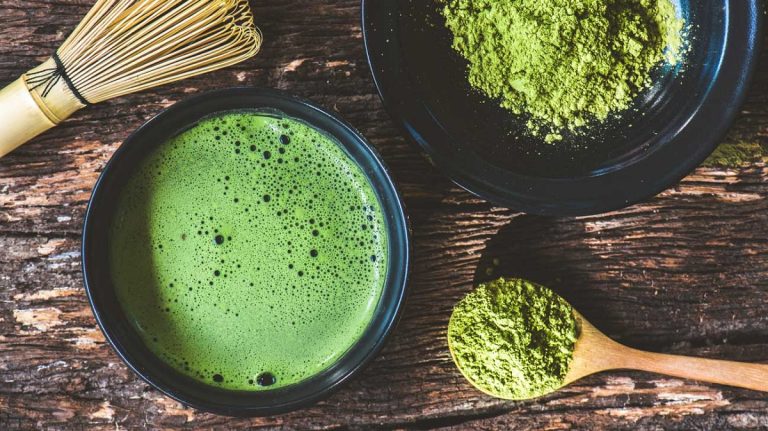
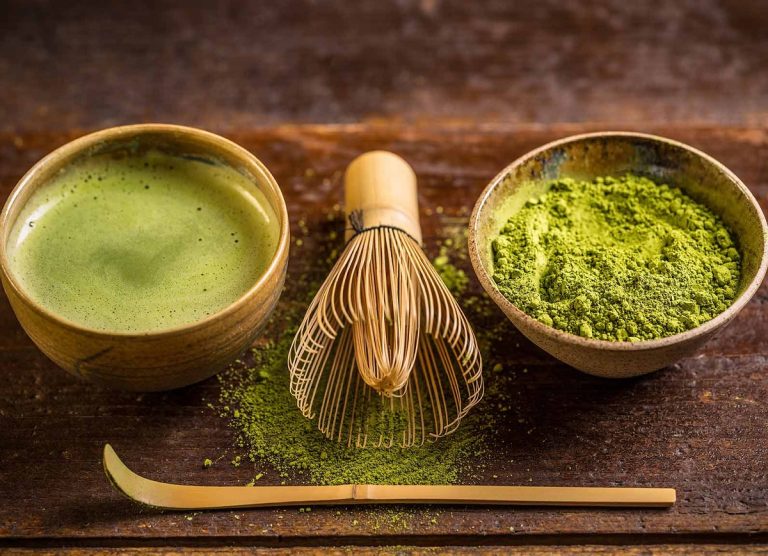
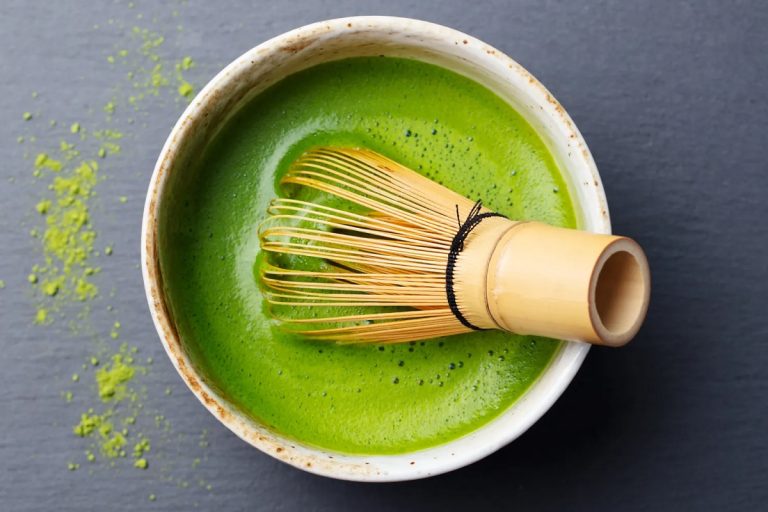
Whisking with a bamboo whisk or a frother helps fully incorporate the powder into the liquid, improving absorption and ensuring that you consume the entire leaf. Avoid using boiling water or over-mixing, as this can alter the taste and potentially affect L-theanine stability. Paying attention to preparation techniques allows you to enjoy the full benefits of matcha.
Adjust Serving Size for Desired Effects
The amount of matcha used directly impacts L-theanine intake. Standard servings of one to two teaspoons (approximately 2–4 grams) per cup provide a substantial dose of the amino acid. One teaspoon offers mild calming and focus-enhancing effects, while two teaspoons provide a stronger concentration for more pronounced benefits.
For those new to matcha, starting with a smaller amount helps your body adjust to both the caffeine and L-theanine. Gradually increasing the serving size within the standard range can help you optimize the effects on alertness, stress reduction, and mental clarity. Monitoring your response allows you to tailor matcha consumption for maximum benefit.
Timing and Frequency of Consumption
Timing also affects how effectively L-theanine works in the body. Consuming matcha in the morning or early afternoon allows you to benefit from calm, focused energy without interfering with sleep. Spacing servings throughout the day, rather than consuming multiple cups at once, can maintain steady levels of L-theanine and sustained cognitive support.
Pairing matcha with minimal sweeteners or low-fat milk preserves the amino acid’s effectiveness. Overloading with sugar or high-fat ingredients may diminish its calming effects. Regular, consistent consumption ensures a steady intake of L-theanine, supporting mental clarity, focus, and stress management over time.
Complementing Matcha With Lifestyle Practices
To further enhance L-theanine’s benefits, consider pairing matcha consumption with mindfulness or relaxation practices. Activities like meditation, light exercise, or focused breathing can synergize with L-theanine’s calming effects, promoting a more centered, alert state.
By combining high-quality matcha, proper preparation, appropriate serving sizes, and thoughtful timing, you can maximize L-theanine intake and fully enjoy the mental, emotional, and physiological benefits this unique compound offers.
FAQs
What Is L-Theanine And Does Matcha Contain It?
L-theanine is a naturally occurring amino acid primarily found in tea leaves, especially green tea, and it is abundant in matcha. This compound is responsible for many of matcha’s calming and focus-enhancing effects. By consuming matcha, you ingest the entire powdered leaf, which delivers a higher concentration of L-theanine compared to regular brewed green tea.
L-theanine works by promoting alpha brain wave activity, which supports mental relaxation while maintaining alertness. This combination makes matcha a unique beverage that provides both energy and calm, unlike coffee or other caffeinated drinks.
How Much L-Theanine Is Typically Found In Matcha?
The L-theanine content in matcha varies depending on the grade and quality of the tea. Ceremonial-grade matcha, made from young shade-grown leaves, generally contains the highest levels, providing an effective dose in a single serving of one to two teaspoons. Culinary-grade matcha has slightly lower levels but still offers notable benefits.
On average, a standard serving of matcha contains approximately 20–45 mg of L-theanine. This concentration is sufficient to promote relaxation, improve focus, and complement the caffeine naturally present in the tea.
How Does L-Theanine Affect The Body When Consumed From Matcha?
L-theanine in matcha has several effects on the body, particularly on the brain and nervous system. It promotes relaxation without drowsiness by increasing alpha brain wave activity. This results in a calm, focused state of mind, making it easier to concentrate on tasks or maintain mental clarity throughout the day.
Additionally, L-theanine influences key neurotransmitters like GABA, dopamine, and serotonin, helping regulate mood, stress, and emotional stability. This combination of effects contributes to the balanced energy and calm alertness that matcha drinkers experience.
Does L-Theanine Counteract The Effects Of Caffeine In Matcha?
Yes, L-theanine works synergistically with caffeine to create a smooth, balanced energy boost. While caffeine stimulates alertness, L-theanine reduces potential jitteriness and rapid spikes in heart rate. This combination produces a state often described as “calm energy” or “relaxed focus.”
Drinking matcha allows you to enjoy mental clarity and increased productivity without the crash or overstimulation that can occur with coffee. L-theanine essentially moderates caffeine’s effects, making matcha ideal for extended focus, study sessions, or creative work.
Can L-Theanine Improve Focus And Mental Performance?
Absolutely. L-theanine in matcha enhances cognitive function by promoting relaxation and focus simultaneously. By increasing alpha brain wave activity and regulating neurotransmitters, it helps improve attention, memory retention, and mental clarity.
This makes matcha a popular choice for students, professionals, or anyone seeking sustained mental performance. Unlike stimulants that can cause anxiety or restlessness, the calming effects of L-theanine ensure you remain alert without feeling overwhelmed, providing an optimal state for concentration and productivity.
Is L-Theanine In Matcha Beneficial For Stress Reduction?
Yes, L-theanine helps reduce stress and promote relaxation. By influencing neurotransmitters such as GABA and serotonin, it supports a calmer mental state and helps the body manage stress more effectively. Consuming matcha can lower stress hormone levels, reduce anxiety, and create a sense of mental balance.
This makes matcha a functional beverage for those with busy or stressful lifestyles. Regular consumption of L-theanine-rich matcha supports emotional stability while still providing the mild energy boost from its natural caffeine content.
How Can I Maximize L-Theanine Intake From Matcha?
To get the most L-theanine from matcha, choose high-quality, ceremonial-grade powder made from young, shade-grown leaves. Use one to two teaspoons per serving and prepare it with water around 175°F (80°C) to preserve the amino acid. Whisk thoroughly to ensure even distribution and complete consumption of the powder.
Avoid overloading matcha with sugar or high-fat ingredients, as this can reduce the effectiveness of L-theanine. Drinking matcha consistently, spaced throughout the day, helps maintain steady levels of L-theanine for optimal mental clarity, focus, and relaxation.
Final Words
Matcha is a unique green tea that offers more than just its vibrant color and earthy flavor. One of its key components, L-Theanine, is known for promoting relaxation and mental clarity without causing drowsiness. This amino acid works synergistically with the natural caffeine in matcha to provide a calm, focused energy, making it ideal for work, study, or mindfulness practices.
The concentration of L-Theanine in matcha can vary depending on the grade and preparation method. Ceremonial-grade matcha typically contains higher levels, while culinary-grade matcha still provides a noticeable calming effect. Consuming matcha as a tea, latte, or smoothie allows you to enjoy its flavor while benefiting from its natural compounds.
For anyone curious about does matcha have l theanine, the answer is a definitive yes. Regular consumption of matcha can support relaxation, improve focus, and enhance overall well-being, making it a practical and enjoyable addition to your daily routine.