What to Do with Matcha Powder – Recipes, Drinks, Desserts, And Creative Uses
Matcha powder has gained popularity far beyond traditional Japanese tea ceremonies, becoming a versatile ingredient in kitchens around the world. Its vibrant green color, unique flavor, and rich antioxidant content make it a favorite for both beverages and culinary creations. Many people are curious about the creative ways to incorporate this fine powder into everyday recipes and drinks.
Understanding what to do with matcha powder opens up countless possibilities for enhancing flavor, adding nutritional value, and experimenting with textures in cooking and baking. From traditional whisked tea to modern smoothies, lattes, and desserts, matcha can transform simple recipes into visually striking and flavorful creations.
Matcha’s versatility also extends to savory dishes, ice creams, and even energy bars, allowing you to enjoy its benefits in innovative ways. Learning how to use matcha effectively ensures that you get the best taste, color, and nutritional benefits from every serving.
Classic Matcha Drinks
Matcha powder is best known for its role in traditional and modern beverages. Its vibrant green color, smooth texture, and rich umami flavor make it the star of several classic drinks. Understanding how to prepare and enjoy these beverages highlights matcha’s versatility while preserving its traditional essence. Classic matcha drinks are easy to adapt for home preparation or café menus.
Traditional Whisked Matcha
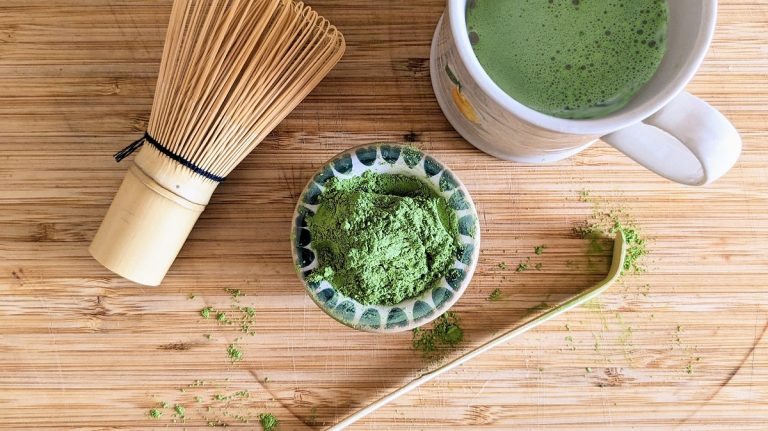
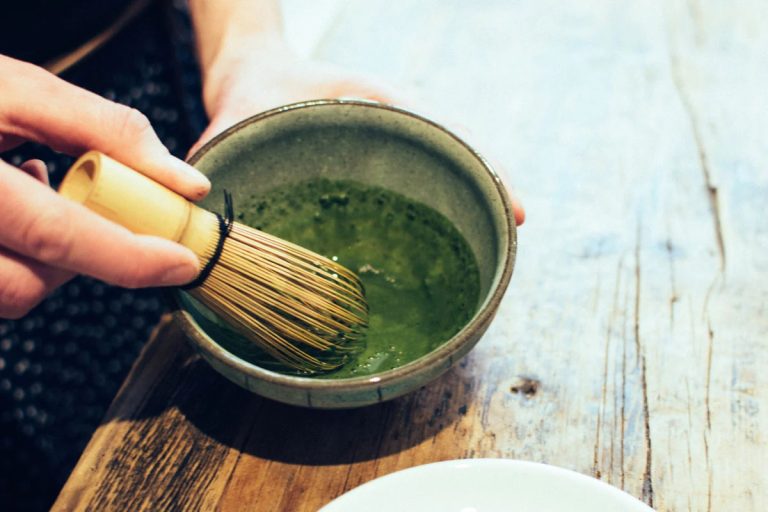
The most iconic matcha drink is the traditional whisked preparation, also known as usucha for thin tea and koicha for thick tea. This method involves sifting high-quality ceremonial-grade matcha into a bowl, adding hot water at around 160–175°F (70–80°C), and whisking with a bamboo whisk until frothy. The result is a smooth, slightly sweet, and earthy drink that emphasizes matcha’s natural umami and vibrant green color.
Traditional whisked matcha is often consumed slowly, allowing you to appreciate the aroma, flavor, and texture. Serving it in a bowl rather than a cup enhances the sensory experience, connecting drinkers with Japanese tea culture. Adjusting the water-to-powder ratio can create either a light, frothy drink or a richer, more concentrated version for a bold flavor profile.
Matcha Lattes
Matcha lattes are a modern twist on the classic preparation, combining matcha powder with steamed milk or plant-based alternatives. The milk softens the slight bitterness of matcha, while the frothy texture creates a comforting and visually appealing drink. Both hot and iced versions are popular in cafés and homes worldwide.
To make a matcha latte, whisk matcha powder with a small amount of hot water first, then add steamed milk and sweeteners if desired. Using high-quality matcha ensures a vibrant color and smooth flavor. Latte variations allow for creativity with milk types, including oat, almond, or soy, catering to dietary preferences while maintaining matcha’s characteristic taste.
Matcha Tea With Water
Some enthusiasts prefer a minimalist approach: mixing matcha powder directly with hot water without frothing milk. This style highlights matcha’s pure taste, color, and aroma while keeping the beverage low in calories and focused on health benefits. This preparation works well for morning rituals or a mid-day energy boost.
The simplicity of matcha with water allows the flavor to shine, emphasizing natural sweetness, subtle vegetal notes, and umami. Adjusting the amount of powder and water creates a drink tailored to individual taste preferences, making it either light and refreshing or bold and concentrated. Adding a touch of sweetener or lemon can also balance intensity without masking the natural flavor.
Iced Matcha Beverages
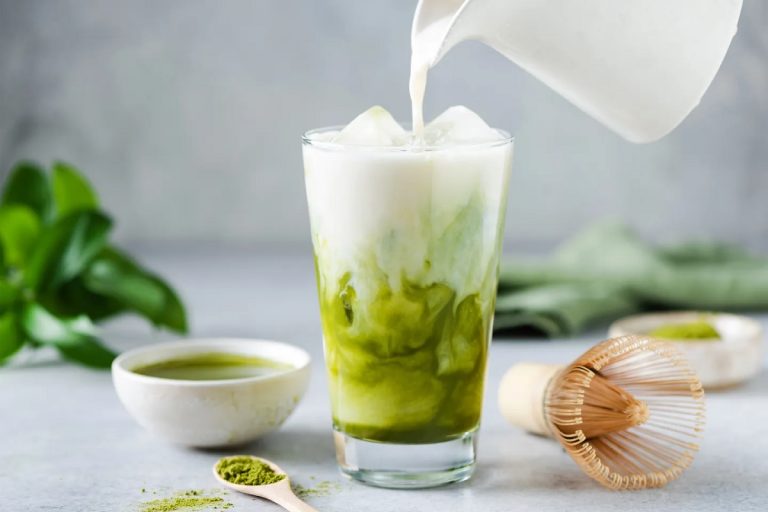
Iced matcha drinks have grown in popularity, offering a refreshing alternative to hot preparations. Iced matcha lattes or straight iced matcha blends are ideal for warm weather, providing both energy and hydration. They maintain the flavor and nutritional benefits of matcha while offering a visually striking layered effect when milk is added over ice.
To prepare iced matcha, whisk the powder with a small amount of hot water to dissolve it fully, then pour over ice and combine with milk or plant-based alternatives. Cold preparations reduce bitterness slightly, making the drink smooth and approachable. Iced matcha is also perfect for adding flavor variations, such as vanilla, cinnamon, or natural sweeteners, creating a customizable and health-conscious beverage.
Health Benefits Of Classic Matcha Drinks
Classic matcha drinks offer more than flavor—they provide antioxidants, natural energy, and nutrients. Ceremonial-grade matcha contains high levels of catechins, which support metabolism and overall wellness, while caffeine and L-theanine promote alertness and calm focus simultaneously. Regularly incorporating matcha into drinks allows you to enjoy both traditional flavor and modern health benefits.
Whether served as a traditional whisked tea, latte, or iced beverage, classic matcha drinks remain a staple for enthusiasts seeking flavor, culture, and wellness in one cup. Proper preparation and quality ingredients ensure that each drink is vibrant, smooth, and enjoyable.
Desserts And Sweets With Matcha
Matcha powder is a popular ingredient for desserts and sweets, adding a vibrant green color, earthy flavor, and health benefits to treats. From traditional Japanese confections to modern fusion desserts, matcha can transform ordinary sweets into visually stunning and flavorful creations. Understanding how to incorporate matcha effectively ensures balanced taste and appealing presentation.
Matcha Ice Cream And Frozen Treats
Matcha ice cream is one of the most beloved desserts using this powder. Its creamy texture combined with the slightly bitter, earthy flavor of matcha creates a harmonious balance with sweetness. Making matcha ice cream at home involves dissolving the powder into milk or cream before churning, which ensures smooth consistency and vibrant color.
Using high-quality matcha enhances flavor intensity, while culinary-grade matcha works well for larger batches. Pairing matcha with complementary flavors like vanilla, white chocolate, or black sesame can create layers of taste. Frozen desserts like matcha popsicles or matcha sorbet offer refreshing options, maintaining matcha’s visual appeal and natural flavor while providing a lighter alternative to creamy ice creams.
Matcha Puddings And Custards
Matcha can elevate puddings, custards, and mousse desserts by adding color, flavor, and a mild vegetal sweetness. Blending matcha with milk, cream, sugar, and eggs allows for silky, smooth textures that complement its distinctive taste. Whisking matcha powder thoroughly before combining with other ingredients prevents clumping and ensures even distribution.
Variations include matcha panna cotta, green tea flan, and layered mousse cups, where matcha pairs well with chocolate, coconut, or citrus. Properly balanced sweetness is key, as matcha’s natural bitterness can dominate if overused. Incorporating matcha into creamy desserts provides both visual appeal and a unique flavor profile that is memorable and satisfying.
Matcha Chocolate And Confections
Matcha pairs beautifully with chocolate, nuts, and sweet confections. Matcha truffles, chocolate bars, and matcha-dusted candies combine the earthy, slightly bitter notes of green tea with the richness of chocolate, creating a complex flavor experience. Using matcha in confections enhances both taste and presentation.
For homemade confections, blending matcha into ganache, white chocolate, or caramel provides smooth flavor integration. Garnishing desserts with a light dusting of matcha or pairing it with ingredients like almond, sesame, or dried fruits enhances texture and taste. These confections make excellent gifts, café treats, or elegant additions to dessert tables.
Pastries And Cakes With Matcha
Matcha can transform cakes, tarts, and pastries into show-stopping desserts. Layered cakes with matcha-infused sponge, matcha frosting, or fillings highlight both flavor and visual appeal. Matcha pairs well with sweet creams, custards, and light sponge textures.
Incorporating matcha powder evenly prevents uneven coloring or flavor, while complementary ingredients like white chocolate, berries, or nuts balance its natural bitterness. Techniques such as folding matcha into batter, creating layered mousses, or dusting powdered matcha over finished pastries maximize aesthetic appeal. Matcha desserts offer elegance and sophistication, making them ideal for celebrations and café menus.
Traditional Japanese Sweets With Matcha
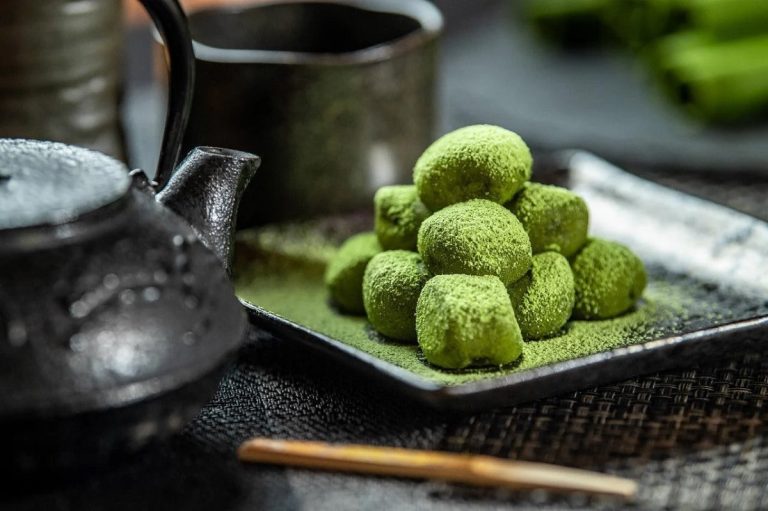
Matcha is central to many traditional Japanese desserts, including mochi, dorayaki, and wagashi. These sweets often balance matcha’s bitterness with sweet bean pastes, rice flour, or sugar, creating harmony in taste and texture. The powder can be used in dough, fillings, or as a decorative dusting to enhance color.
Wagashi, for example, showcases matcha’s flavor subtly, pairing it with red bean paste for a delicate, balanced taste. Incorporating matcha into these desserts emphasizes its cultural significance while providing a sensory experience of color, flavor, and texture. Traditional matcha sweets are celebrated for their artistry, flavor balance, and connection to Japanese tea culture.
Benefits Of Using Matcha In Sweets
Using matcha in desserts adds more than flavor and color—it provides antioxidants, catechins, and amino acids, contributing to overall wellness. Even in sweet treats, matcha enhances nutritional value, offering a small health boost alongside indulgence.
From ice cream and puddings to chocolates and pastries, desserts with matcha allow you to enjoy its vibrant flavor while being creative in the kitchen. Proper technique, quality powder, and balanced sweetness ensure that matcha-infused sweets are both visually stunning and delicious, appealing to both casual bakers and professional chefs.
Savory Dishes With Matcha
While matcha is traditionally associated with teas and desserts, its earthy, slightly bitter flavor makes it an exciting ingredient for savory dishes as well. From noodles and soups to seasonings and marinades, matcha can enhance umami, add vibrant color, and provide nutritional benefits. Understanding how to incorporate matcha into savory recipes allows you to experiment with unique flavors and elevate everyday meals.
Matcha-Infused Noodles And Rice
Matcha can be used to flavor noodles and rice, creating visually striking and subtly earthy dishes. Adding matcha powder to pasta dough, udon, or soba noodles infuses them with green color and a mild vegetal flavor. Similarly, incorporating matcha into rice or risotto provides a delicate, aromatic twist.
Balancing matcha’s bitterness with complementary ingredients is essential. Pairing it with soy sauce, sesame oil, mushrooms, or light proteins enhances the overall umami profile. These matcha-infused dishes not only look appealing but also provide a unique flavor experience, making ordinary noodles or rice a standout main course. Small amounts of matcha ensure that the flavor is noticeable without overpowering other components.
Matcha Seasonings And Spice Blends
Matcha can be incorporated into spice blends, rubs, or coatings for meats, seafood, and vegetables. Its subtle bitterness and vegetal aroma complement roasted or grilled foods while providing antioxidants and a natural green hue. Combining matcha with salt, pepper, sesame seeds, or citrus zest creates a versatile seasoning suitable for a variety of dishes.
Using matcha as a finishing powder for roasted vegetables, tofu, or proteins adds both color and a hint of complexity. This method enhances visual appeal while subtly altering flavor. Seasoning with matcha requires careful measurement to prevent overpowering bitterness, but when used strategically, it creates a sophisticated depth that elevates simple ingredients.
Soups, Sauces, And Dressings
Matcha can also be used in soups, sauces, and dressings to create earthy, umami-rich layers of flavor. Incorporating matcha into miso soup, creamy sauces, or vinaigrettes adds both color and complexity. Its mild bitterness balances rich or fatty ingredients, enhancing the overall taste profile.
For smooth integration, whisk matcha into a small amount of liquid before adding it to the main dish, preventing clumps and uneven flavor. Matcha-based sauces can pair with grains, vegetables, or proteins, offering a creative twist to traditional recipes. Using matcha in savory liquids elevates the dish while subtly enhancing its nutritional value.
Snacks And Appetizers
Matcha can be added to savory snacks and appetizers such as crackers, popcorn, or nut mixes. A light dusting of matcha powder combined with salt or spices provides a flavorful and visually appealing snack. Matcha’s natural antioxidants make it an innovative addition to everyday bites.
These applications are simple yet effective ways to introduce matcha into your diet beyond sweet recipes. Matcha snacks appeal to health-conscious eaters and culinary enthusiasts alike, offering a balance of flavor, color, and nutrition. By experimenting with small amounts, you can create memorable and unique appetizers that showcase matcha’s versatility in savory dishes.
People Also Asked
How Can I Make Traditional Matcha Tea With Matcha Powder?
You can make traditional matcha tea by sifting 1–2 teaspoons of matcha powder into a bowl and adding hot water at around 160–175°F (70–80°C). Whisk the mixture with a bamboo whisk in a zigzag motion until frothy. This preparation highlights matcha’s natural umami flavor and vibrant color.
Drinking matcha this way allows you to appreciate its smooth texture and aroma. You can adjust the powder-to-water ratio to create a stronger or lighter tea depending on your taste preferences. Pairing it with small sweets or enjoying it slowly enhances the traditional experience.
What Are Some Popular Matcha Latte Recipes?
Matcha lattes are a modern way to enjoy matcha powder by combining it with steamed milk or plant-based alternatives. Whisk 1–2 teaspoons of matcha with a small amount of hot water, then add milk and sweetener if desired. Hot or iced, it creates a creamy, slightly sweet drink.
You can experiment with flavors by adding vanilla, cinnamon, or natural sweeteners. Plant-based milk like oat, almond, or soy works well for vegan lattes. Matcha lattes provide a gentle energy boost and a visually appealing green drink suitable for daily consumption.
Can Matcha Powder Be Used In Baking?
Yes, matcha powder is perfect for baking, adding vibrant green color and unique flavor to cakes, cookies, muffins, and pastries. Sift it into dry ingredients to prevent clumps and ensure even distribution. Both ceremonial-grade and culinary-grade matcha can be used, depending on your desired flavor intensity and batch size.
Matcha pairs well with white chocolate, nuts, and citrus flavors. You can incorporate it into batter, frosting, or fillings. Baking with matcha not only enhances flavor and appearance but also introduces antioxidants and nutrients into your desserts and treats.
How Can I Use Matcha Powder In Smoothies?
Adding matcha powder to smoothies gives a vibrant color, earthy flavor, and energy-boosting benefits. Blend 1 teaspoon of matcha with fruits, vegetables, yogurt, or plant-based milk. It mixes well with bananas, berries, spinach, or protein powders for a nutritious, balanced drink.
Matcha smoothies are easy to customize to your taste and dietary needs. Adjust sweetness with honey, maple syrup, or dates. Drinking matcha in a smoothie allows you to enjoy its antioxidant benefits alongside fiber and vitamins from other ingredients, creating a healthy, energizing beverage.
Is It Possible To Incorporate Matcha Into Desserts Other Than Baking?
Absolutely, matcha can enhance various desserts beyond baking. You can make puddings, custards, ice creams, mousses, and even parfaits using matcha powder. Dissolve the powder thoroughly in liquids to prevent clumping and maintain smooth texture.
Matcha adds a subtle earthy flavor and natural green color to these desserts. Pairing it with ingredients like white chocolate, red bean paste, or coconut creates complex flavors. These treats are visually striking and allow you to enjoy matcha’s flavor and antioxidants in creative, indulgent ways.
Can I Use Matcha Powder In Savory Recipes?
Yes, matcha powder works in savory dishes, adding a mild bitterness and earthy depth to noodles, rice, soups, sauces, and seasonings. A small amount of matcha enhances umami flavors and provides a striking green color. Whisk it into broths, blend with spices, or sprinkle on roasted vegetables for unique taste.
Using matcha in savory dishes requires careful measurement to avoid overpowering other ingredients. Combining it with soy sauce, sesame oil, citrus, or mild proteins creates balanced dishes. Matcha’s versatility extends beyond sweets and drinks, allowing you to experiment with innovative culinary applications.
How Should I Store Matcha Powder To Keep It Fresh?
Proper storage is crucial to maintain matcha powder’s vibrant color, flavor, and nutrients. Store it in an airtight container away from light, heat, and moisture. Refrigeration is recommended for longer shelf life, especially after opening.
Avoid exposing matcha to air or humidity, which can cause clumping, bitterness, or loss of antioxidants. Using a small scoop each time helps reduce exposure. Proper storage ensures that every cup, baked good, or dish made with matcha retains its intended flavor, aroma, and health benefits over time.
Final Thoughts
Matcha powder is incredibly versatile, offering countless ways to enjoy its vibrant flavor and health benefits. From traditional teas and lattes to smoothies, baked goods, and even savory dishes, the possibilities are nearly endless. By experimenting with different recipes and combinations, he or she can discover new favorite ways to incorporate matcha into daily routines.
Understanding what to do with matcha powder also means exploring creative and unconventional uses. It can elevate desserts, enhance breakfast bowls, or even be added to DIY beauty treatments for its antioxidant properties. Small adjustments in preparation, like mixing with milk, sweeteners, or other ingredients, can help balance its earthy flavor while maximizing enjoyment.
With proper storage and handling, matcha powder remains fresh and vibrant, ready for any culinary or wellness experiment. By embracing its versatility, he or she can fully unlock the potential of matcha and enjoy both its taste and benefits in numerous ways.