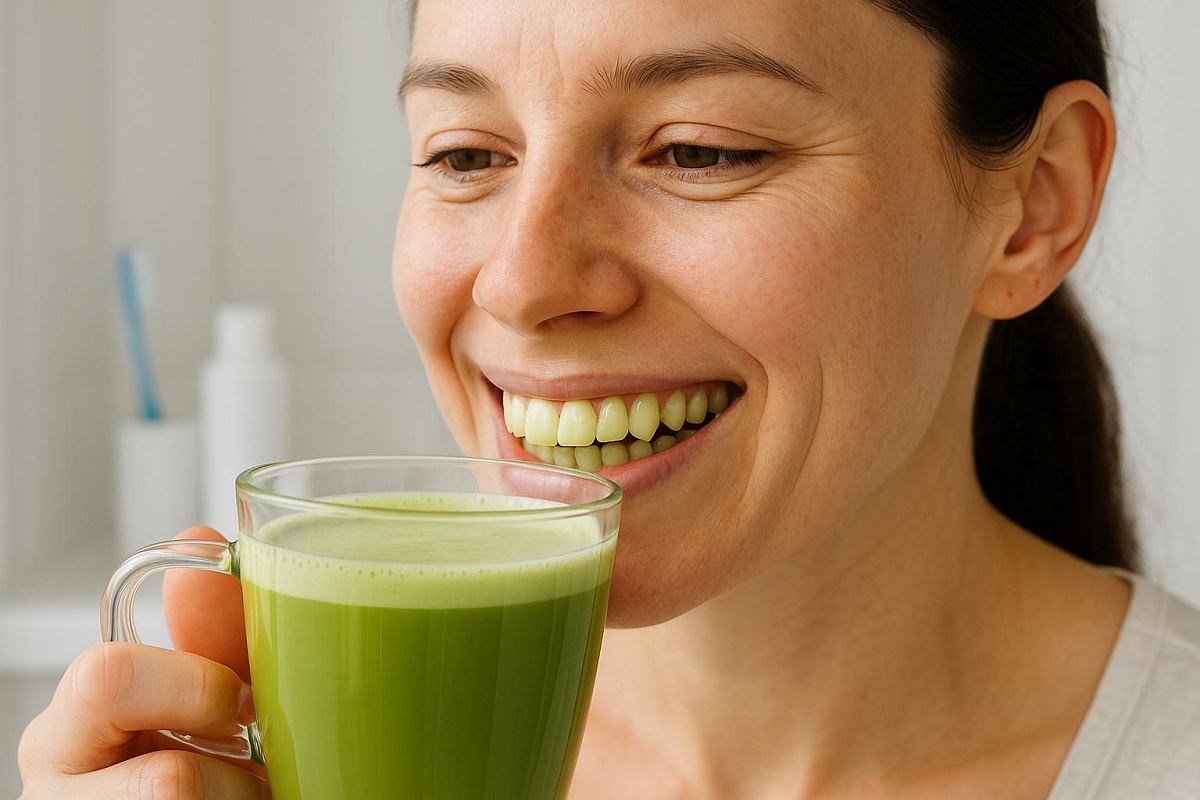
How Matcha Affects Your Teeth: Benefits and Risks You Should Know
Matcha has become a popular beverage around the world, prized for its antioxidants, natural caffeine, and vibrant green color. Many people enjoy it daily as a tea, latte, or smoothie ingredient, appreciating both its energy-boosting and wellness-supporting properties. While matcha offers several health benefits, it’s important to consider its effects on dental health.
A common question among tea drinkers is How Matcha Affects Your Teeth. Like other teas, matcha contains natural pigments and compounds that can interact with the enamel, potentially influencing tooth color and surface integrity over time. Understanding these effects helps you enjoy matcha while maintaining healthy teeth and gums.
Beyond potential staining, matcha also contains compounds that may benefit oral health, such as catechins, which have antibacterial properties. Balancing these benefits with proper dental care practices can ensure a positive impact on overall oral health.
Exploring how matcha interacts with teeth provides insight into safe consumption habits and effective oral hygiene strategies for daily matcha drinkers.
Impact of Matcha on Tooth Staining
Matcha is a vibrant green tea known for its antioxidants and energy-boosting properties, but its deep green pigments can also affect the appearance of your teeth over time. While it is less likely to stain than coffee or black tea, regular consumption may still contribute to discoloration. Understanding how matcha interacts with enamel helps you enjoy its benefits while maintaining a bright smile.
Pigments and Staining Potential
The natural pigments in matcha, called chlorophyll and polyphenols, give the powder its vivid green color. These compounds can adhere to the surface of teeth, especially with frequent consumption, gradually leading to mild discoloration or a dulling of the enamel. Unlike darker beverages like coffee or black tea, the green pigments are lighter but still capable of leaving subtle stains over time.
The degree of staining often depends on how often and in what form matcha is consumed. Straight whisked tea, concentrated lattes, or powdered matcha in smoothies can increase exposure to pigments. Using a straw, drinking matcha with meals, or rinsing afterward can help reduce pigment contact with teeth. Awareness of these factors helps minimize the potential for staining while still enjoying matcha regularly.
Frequency of Consumption
Regular daily intake of matcha increases the likelihood of tooth staining. People who drink multiple cups a day or incorporate matcha into several recipes may notice gradual color changes on the enamel. However, infrequent or moderate consumption usually poses minimal risk.
Staining is cumulative, meaning the more often your teeth are exposed to the pigments, the greater the potential for discoloration. For habitual matcha drinkers, spacing servings, rinsing with water afterward, and practicing good oral hygiene can significantly reduce the staining effect. Consistent brushing and flossing are key in maintaining tooth brightness alongside regular matcha consumption.
Interaction With Tooth Enamel
Matcha is slightly acidic, although less so than coffee or citrus beverages, and this acidity can make enamel more susceptible to pigment adherence over time. Weakened enamel allows pigments to settle more easily, potentially increasing visible discoloration. Maintaining strong enamel through proper dental care helps minimize this effect.
Using a soft-bristled toothbrush, fluoride toothpaste, and regular dental checkups can protect enamel integrity. Additionally, drinking water after consuming matcha helps neutralize acidity and wash away pigment particles before they settle on teeth. These simple practices reduce the risk of discoloration without limiting matcha enjoyment.
Mitigation Strategies
Several strategies help reduce the staining potential of matcha. Rinsing your mouth with water immediately after drinking, using a straw for lattes or smoothies, and brushing teeth after a short waiting period are effective techniques. Regular professional cleanings also help remove any minor surface stains before they accumulate.
Choosing lower-concentration matcha preparations, such as lightly whisked teas or diluted lattes, can reduce pigment exposure. Combining these strategies with diligent oral hygiene ensures that you can enjoy the health benefits, antioxidants, and flavor of matcha while maintaining a bright and healthy smile.
Matcha and Cavity Prevention
Matcha is not only praised for its antioxidants and energy-boosting properties but also for its potential role in supporting oral health. Certain compounds in matcha can help reduce harmful bacteria in the mouth, which are primary contributors to cavities. Understanding how matcha interacts with oral bacteria and enamel provides insight into its role in maintaining a healthier smile.
Antibacterial Properties of Matcha
Matcha contains catechins, a type of antioxidant known for antibacterial effects. These compounds can inhibit the growth of Streptococcus mutans, the bacteria primarily responsible for plaque formation and tooth decay. By reducing bacterial activity, matcha may help prevent the buildup of harmful plaque, which is a leading cause of cavities.
The polyphenols in matcha also create an environment that discourages bacteria from producing acids that erode tooth enamel. While matcha should not replace regular brushing and flossing, incorporating it into your diet may complement oral hygiene practices. Drinking matcha as tea or incorporating it into recipes can help maintain a cleaner oral environment and reduce cavity risk over time.
pH Balance and Enamel Protection
Maintaining a healthy oral pH is essential for preventing cavities, as acidic environments promote enamel erosion. Matcha is mildly alkaline compared to many other beverages, which helps neutralize acids in the mouth. This property can support enamel integrity, making teeth less vulnerable to decay.
Consuming matcha alongside meals or after acidic foods may further help balance oral pH. While it is slightly acidic on its own, the combination of catechins and mild alkalinity supports a healthier mouth overall. This makes matcha a potentially beneficial addition to your routine for cavity prevention.
Saliva Production and Oral Health
Matcha’s natural compounds may also stimulate saliva production, which is critical for oral health. Saliva helps wash away food particles, neutralize acids, and remineralize enamel. Increased saliva flow reduces the time bacteria have to interact with teeth, lowering the risk of cavities.
People who consume matcha regularly often notice less buildup of plaque and debris when combined with proper oral care. The stimulating effect of matcha encourages a cleaner oral environment, supporting natural defense mechanisms that prevent decay and maintain healthy teeth.
Complementary Oral Hygiene Practices
While matcha offers antibacterial properties and mild alkalinity, it is most effective when combined with standard oral hygiene practices. Brushing twice daily with fluoride toothpaste, flossing, and regular dental checkups are essential for comprehensive cavity prevention.
Using matcha as part of a holistic approach to oral health ensures that its benefits—antibacterial action, pH support, and saliva stimulation—are fully realized. Incorporating matcha into your daily routine alongside proper hygiene can support stronger enamel, reduce cavity risk, and contribute to a brighter, healthier smile.
Effect of Matcha on Enamel Health
Matcha is widely recognized for its health benefits, but its impact on dental enamel is an area of growing interest. Enamel, the protective outer layer of teeth, is vulnerable to erosion from acids and staining from pigments. Understanding how matcha interacts with enamel helps you enjoy this green tea safely while maintaining strong, healthy teeth.
Antioxidants and Enamel Protection
Matcha is rich in catechins, a type of antioxidant that may help protect enamel indirectly by reducing the growth of harmful oral bacteria. These bacteria produce acids that can wear down enamel, leading to increased sensitivity and cavities. Catechins inhibit bacterial activity, limiting acid production and reducing enamel erosion over time.
Regular matcha consumption, especially in moderate amounts, can contribute to a cleaner oral environment. By suppressing the activity of decay-causing bacteria, catechins provide an additional layer of defense for enamel. This benefit is particularly valuable when combined with consistent brushing, flossing, and regular dental checkups, reinforcing enamel protection.
pH Balance and Mineral Support
Maintaining proper oral pH is crucial for enamel health. Highly acidic foods and beverages can weaken enamel, making it more prone to damage and staining. Matcha is mildly alkaline compared to other beverages like coffee or citrus drinks, which helps neutralize acidity in the mouth and protect enamel from demineralization.
In addition to pH support, matcha contains trace minerals such as calcium and fluoride in small amounts, which play a role in strengthening enamel. While not a substitute for fluoride toothpaste or professional dental care, incorporating matcha can complement efforts to maintain strong, resilient enamel over time.
Potential Risks From Pigments and Acidity
Despite its benefits, matcha contains natural pigments and mild acidity that can interact with enamel. The green chlorophyll pigments may adhere to tooth surfaces, potentially causing slight discoloration with frequent consumption. Although less staining than coffee or black tea, matcha can contribute to gradual changes in enamel appearance.
To mitigate these risks, consuming matcha in moderation, rinsing the mouth with water after drinking, and using proper oral hygiene techniques are effective strategies. Drinking matcha through a straw in lattes or smoothies can also minimize contact with enamel, reducing both staining and potential enamel wear.
Supporting Enamel Health Through Routine Care
Matcha’s potential to benefit enamel is maximized when combined with standard oral hygiene practices. Brushing twice daily with fluoride toothpaste, flossing, and regular dental visits are essential to maintain enamel integrity. Additionally, monitoring matcha intake, preparation, and timing helps protect teeth from both pigmentation and acidity.
Incorporating matcha thoughtfully into your daily routine allows you to enjoy its antioxidants, catechins, and mild alkalinity while safeguarding enamel. By pairing matcha consumption with proper oral care, you can support strong, healthy teeth and maintain a bright, vibrant smile.
Fresh Breath Benefits
Maintaining fresh breath is an important aspect of oral health and social confidence. While traditional dental hygiene practices like brushing and flossing are essential, certain beverages, including matcha, can provide additional support. The natural compounds in matcha may help reduce bacteria and neutralize odors, making it a unique ally in promoting a cleaner, fresher mouth throughout the day.
Antibacterial Properties of Matcha
Matcha is rich in catechins, a type of antioxidant with natural antibacterial properties. These compounds target harmful oral bacteria that produce volatile sulfur compounds, the primary cause of bad breath. By inhibiting bacterial growth, matcha can reduce the buildup of plaque and odor-causing agents, supporting a fresher mouth.
Regular consumption of matcha, whether as a tea, latte, or smoothie ingredient, can complement traditional oral hygiene routines. While it does not replace brushing or flossing, catechins help create an environment less hospitable to bacteria, reducing persistent odors and maintaining cleaner oral surfaces over time.
Neutralizing Odors and Supporting Saliva Production
Matcha’s mildly alkaline nature helps neutralize acids in the mouth, which can contribute to odor formation. A more balanced oral pH reduces the proliferation of bacteria that thrive in acidic environments and are responsible for foul smells.
Additionally, matcha may stimulate saliva production, a natural defense mechanism against bad breath. Saliva washes away food particles and bacterial byproducts while promoting remineralization of enamel. Increased saliva flow supports both oral cleanliness and fresh breath, enhancing matcha’s role as a supportive beverage for oral health.
Practical Consumption Tips
To maximize fresh breath benefits, matcha can be consumed strategically throughout the day. Drinking it after meals or as part of a morning routine helps reduce bacterial growth and maintain a pleasant oral environment. Preparing matcha as a latte or blending it into smoothies allows for longer contact with the mouth, giving catechins and other beneficial compounds time to work.
Using matcha in combination with proper brushing, flossing, and occasional mouth rinses enhances its effectiveness. Swishing water after drinking matcha also helps rinse away residual pigments and compounds that could otherwise contribute to staining or minor odors.
Complementing Oral Hygiene
Matcha’s contribution to fresh breath is most effective when integrated into a holistic oral care routine. Alongside brushing, flossing, and professional dental care, its antibacterial properties, saliva stimulation, and pH-balancing effects help maintain a cleaner, fresher mouth.
By incorporating matcha thoughtfully into daily habits, you can enjoy its unique flavor, antioxidants, and breath-supporting benefits simultaneously. Regular consumption combined with good oral hygiene practices promotes long-lasting freshness, healthier teeth, and improved confidence in social interactions.
Ways to Consume Matcha Safely for Teeth
Matcha is a nutrient-rich beverage with antioxidants, catechins, and other compounds that offer multiple health benefits. However, like many pigmented or mildly acidic foods, it can affect teeth over time if consumed without care. Understanding safe consumption practices allows you to enjoy matcha while minimizing potential risks to enamel, reducing staining, and supporting overall oral health.
Rinse or Drink Water After Matcha
One of the simplest ways to protect your teeth after consuming matcha is to rinse your mouth with water. This helps wash away pigments and residual compounds that may cling to enamel, reducing the risk of staining. Swishing water around the mouth for 30 to 60 seconds after drinking matcha effectively minimizes prolonged contact with teeth.
This practice is particularly helpful for matcha lattes, smoothies, or concentrated teas, where pigments are more likely to adhere. Rinsing with water also helps neutralize mild acidity, reducing enamel erosion over time. By making this a regular habit, you can enjoy matcha’s flavor and antioxidant benefits without compromising dental aesthetics or health.
Use a Straw for Lattes and Smoothies
Using a straw when drinking matcha lattes or smoothies is another effective strategy for minimizing contact between the powder and your teeth. By directing the liquid past the front surfaces of your teeth, straws help prevent pigment adhesion and reduce the likelihood of staining.
This method also reduces exposure to mild acidity in matcha, protecting enamel from gradual erosion. While it may not completely eliminate risk, combining straw use with other oral hygiene practices can significantly lower the chances of discoloration or enamel wear. Many matcha enthusiasts find this approach convenient and easy to incorporate into daily routines.
Moderate Serving Sizes
Controlling portion size is essential for both digestive comfort and dental safety. Consuming large amounts of matcha in a single sitting increases exposure to pigments and compounds that can affect teeth. Smaller, measured servings reduce this risk while still providing antioxidants and caffeine for energy and focus.
For traditional tea, half a teaspoon to one teaspoon is often sufficient. Lattes or smoothies may use one teaspoon to one tablespoon, depending on personal taste and recipe. Being mindful of serving size allows you to enjoy the health benefits of matcha while minimizing potential dental effects.
Maintain Regular Oral Hygiene
Regardless of how matcha is consumed, consistent oral hygiene is key to protecting teeth. Brushing twice daily with fluoride toothpaste, flossing, and using mouthwash help remove pigment residues, neutralize acids, and prevent plaque buildup. Regular dental checkups and cleanings further ensure enamel integrity and maintain a bright smile.
Integrating matcha into a balanced oral care routine supports both overall and dental health. By combining moderation, rinsing, straws, and proper hygiene, matcha can remain a safe and enjoyable part of daily habits.
Timing and Frequency Considerations
Spacing out matcha consumption throughout the day reduces prolonged exposure to pigments and acids, giving your enamel time to recover. Drinking matcha with meals, rather than on an empty stomach, also helps dilute acidity and minimize potential enamel wear.
Limiting consumption to moderate daily servings prevents overexposure while still allowing you to reap its antioxidant and energy-boosting benefits. Being mindful of timing ensures that matcha contributes positively to your health without compromising teeth, color, or overall oral comfort.
People Also Asked
Can Matcha Cause Tooth Staining?
Yes, matcha can contribute to mild tooth staining over time. The green pigments, mainly chlorophyll and polyphenols, can adhere to the enamel, especially with frequent consumption. While it is less likely to stain than coffee or black tea, repeated exposure may result in subtle discoloration.
Drinking matcha in moderation, using a straw for lattes or smoothies, and rinsing your mouth with water afterward can help reduce pigment contact with teeth. Consistent brushing and regular dental cleanings also prevent staining from becoming noticeable.
Does Matcha Help Prevent Cavities?
Matcha contains catechins, antioxidants that have antibacterial properties. These compounds inhibit harmful oral bacteria like Streptococcus mutans, which are responsible for plaque formation and cavities. By reducing bacterial activity, matcha may support cavity prevention over time.
Regular consumption in moderate amounts, combined with good oral hygiene, can complement brushing and flossing. While matcha is not a substitute for toothpaste or professional dental care, it may contribute to a cleaner mouth and stronger enamel, reducing cavity risk gradually.
Can Matcha Weaken Tooth Enamel?
Matcha is mildly acidic, but its acidity is lower than that of coffee or citrus beverages. While excessive consumption of acidic foods can weaken enamel over time, moderate matcha intake is unlikely to cause significant damage.
Drinking matcha with food or rinsing your mouth afterward helps neutralize acidity. Using proper oral hygiene, such as fluoride toothpaste and regular dental visits, ensures enamel remains strong. By following these practices, you can enjoy matcha without compromising the protective layer of your teeth.
Does Matcha Improve Fresh Breath?
Yes, matcha may support fresher breath. Its catechins have antibacterial properties that reduce odor-causing bacteria in the mouth. Additionally, matcha can stimulate saliva production, which naturally washes away food particles and neutralizes odors.
Consuming matcha regularly, especially after meals, can help maintain a cleaner oral environment. While it is not a replacement for brushing or flossing, incorporating matcha into your routine can complement oral hygiene practices and support long-lasting fresh breath.
How Often Should I Drink Matcha for Oral Health?
Moderate consumption is key for dental benefits. One to two servings per day are sufficient to enjoy antioxidants and antibacterial effects without overexposing your teeth to pigments or mild acidity.
Spacing out servings between meals helps reduce prolonged contact with enamel and limits staining. Combining moderate intake with proper oral hygiene practices maximizes matcha’s benefits for teeth while maintaining enamel integrity and minimizing potential discoloration.
Are Matcha Lattes Safer for Teeth Than Straight Matcha?
Matcha lattes can be gentler on teeth than concentrated straight matcha, especially when diluted with milk or plant-based alternatives. The liquid dilutes pigments and reduces acidity, lowering the risk of staining and enamel erosion.
Using a straw for lattes further minimizes contact with enamel. However, adding sweeteners should be done cautiously, as sugar can contribute to cavities. Proper oral hygiene after consuming matcha lattes ensures your teeth remain healthy and stain-free.
Can Using a Straw Reduce Matcha’s Impact on Teeth?
Yes, using a straw is an effective way to reduce matcha’s contact with teeth. By directing the liquid past your front teeth, it minimizes exposure to pigments and mild acidity that can lead to staining or enamel weakening.
This method is particularly helpful for lattes, smoothies, or larger servings of matcha. Combining straw use with rinsing afterward and regular brushing ensures that you can enjoy the benefits of matcha while protecting your teeth and maintaining a bright, healthy smile.
Final Thoughts
Regularly enjoying matcha can have both positive and negative effects on your oral health. While its natural antioxidants and polyphenols may help reduce harmful bacteria and support fresh breath, the pigments and acidity in matcha can contribute to staining or enamel wear if consumed excessively. Being mindful of how you drink it and maintaining good oral hygiene can help you maximize the benefits while minimizing potential drawbacks.
Understanding [How Matcha Affects Your Teeth] allows you to make informed choices about consumption. Simple habits like using a straw, rinsing with water after drinking, and moderating daily intake can significantly reduce the risk of discoloration or enamel damage. Pairing matcha with proper brushing and flossing routines enhances its protective effects on oral health.
Ultimately, matcha can be a healthy addition to your diet when consumed responsibly. By balancing enjoyment with preventive care, you can reap the benefits of matcha without compromising your smile, ensuring that [How Matcha Affects Your Teeth] works in your favor rather than against it.