Is Matcha Green Tea? – Differences, Health Benefits, And Taste Comparison
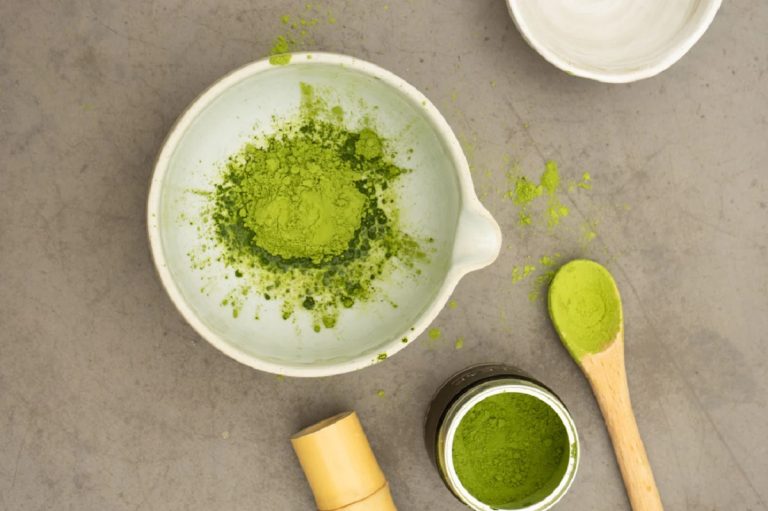
Matcha is a vibrant green powder that has gained worldwide popularity for its unique flavor, health benefits, and versatility in drinks and recipes. Many people wonder about its origins and whether it is truly a type of green tea. Understanding the relationship between matcha and traditional green tea helps clarify its preparation methods, flavor profile, and nutritional benefits.
Is Matcha Green Tea? is a common question because, unlike typical green tea leaves, matcha is stone-ground into a fine powder. While both come from the same plant, Camellia sinensis, matcha differs in cultivation, processing, and consumption. Unlike steeped green tea, where leaves are discarded, matcha is consumed entirely, giving it a more concentrated flavor and higher antioxidant content.
This powdered form allows matcha to offer a rich, earthy taste and vibrant green color that distinguishes it from regular green tea. Learning about matcha’s relationship to traditional green tea helps enthusiasts appreciate its cultural significance, health benefits, and culinary versatility.
Exploring matcha as a green tea variant also highlights why it is cherished in traditional Japanese tea ceremonies and modern culinary applications. Its unique preparation method and concentrated nature set it apart while still connecting it to the broader green tea family.
Composition Of Matcha
Matcha is more than just powdered green tea—it is a carefully cultivated, processed, and nutrient-dense product. Its unique composition sets it apart from regular green tea, offering a concentrated source of flavor, antioxidants, and beneficial compounds. Understanding the components of matcha helps explain its taste, health benefits, and versatile use in beverages, desserts, and even savory dishes.
Catechins And Antioxidants
One of the primary components of matcha is catechins, a type of antioxidant that contributes to its health benefits. Catechins help neutralize free radicals in the body, supporting cellular health and reducing oxidative stress. Matcha contains higher levels of catechins than regular green tea because the entire leaf is consumed in powdered form rather than being steeped and discarded.
The concentration of antioxidants in matcha provides a boost to metabolism and supports cardiovascular health. Regular consumption of matcha allows you to benefit from these compounds more efficiently than drinking traditional green tea. The antioxidant profile also contributes subtly to the tea’s astringent and earthy flavor, giving matcha its distinctive taste while enhancing overall wellness.
Caffeine And L-Theanine
Matcha contains caffeine, which provides a natural energy boost. However, it also contains L-theanine, an amino acid that promotes calm focus and mental clarity. This combination produces a unique effect: alertness without the jitteriness commonly associated with coffee. The balance between caffeine and L-theanine is a defining feature of matcha’s composition.
L-theanine helps reduce stress and anxiety, supporting sustained mental performance. This synergistic effect is one reason matcha is valued in traditional Japanese tea ceremonies, where mindfulness and focus are central. Consuming matcha allows you to experience both physical and mental benefits in a single cup, distinguishing it from other caffeinated beverages.
Vitamins, Minerals, And Chlorophyll
Matcha is also rich in essential vitamins and minerals, including vitamin C, vitamin A, potassium, iron, and magnesium. The high chlorophyll content, which gives matcha its bright green color, also contributes to detoxifying effects and supports overall health. These nutrients make matcha a nutrient-dense beverage, enhancing its functional benefits beyond flavor.
The concentrated nature of powdered matcha ensures that these vitamins and minerals are retained and absorbed more efficiently than in steeped green tea. Regular matcha consumption can support immune function, skin health, and energy levels, while the vibrant color enhances visual appeal in beverages and culinary applications.
Fiber And Whole Leaf Benefits
Unlike traditional green tea, where leaves are steeped and discarded, matcha powder is made from finely ground whole tea leaves. This means you consume the entire leaf, gaining fiber and all the natural compounds it contains. The fiber content supports digestion and contributes to a feeling of fullness when incorporated into foods or beverages.
Consuming the whole leaf also ensures that antioxidants, amino acids, and micronutrients are fully ingested. This holistic approach to consumption is a key reason matcha is considered superior to regular green tea in terms of nutritional density and functional benefits. The powder form makes it versatile for mixing into drinks, desserts, and even savory recipes.
Flavor Compounds And Umami
Matcha’s composition includes flavor compounds such as amino acids, catechins, and volatile oils that contribute to its unique umami taste. The umami profile gives matcha a slightly sweet, earthy, and savory flavor that distinguishes it from other teas. High-quality ceremonial-grade matcha tends to have more pronounced umami due to shading practices during cultivation, which increase amino acid content.
These flavor compounds not only enhance taste but also influence aroma and texture in culinary applications. Matcha’s umami profile pairs well with both sweet and savory ingredients, making it a versatile component in cooking and baking. Understanding the chemical and nutritional composition of matcha explains why it is prized for flavor, color, and health benefits alike.
Matcha vs Regular Green Tea
Matcha and regular green tea both come from the Camellia sinensis plant, yet they differ significantly in cultivation, processing, and consumption. These differences affect flavor, nutritional content, and preparation methods. Understanding the contrast between matcha and traditional green tea helps you make informed choices about taste, health benefits, and culinary uses.
Cultivation And Processing Differences
The cultivation of matcha and regular green tea starts similarly but diverges in critical ways. Matcha plants are shaded for several weeks before harvest, increasing chlorophyll and amino acid content. Leaves are then carefully steamed, dried, and stone-ground into a fine powder. This process enhances umami flavor and creates a vibrant green color.
Regular green tea, on the other hand, is typically grown under full sunlight. After harvesting, leaves are steamed or pan-fired and rolled before drying. The leaves are then steeped in hot water for drinking. Unlike matcha, the leaves are not powdered, and only the infusion is consumed. These differences in cultivation and processing directly influence taste, texture, and nutrient concentration.
Nutritional And Antioxidant Content
Matcha provides a higher concentration of nutrients and antioxidants compared to regular green tea because the entire leaf is consumed. It is rich in catechins, L-theanine, caffeine, vitamins, minerals, and fiber. These compounds support metabolism, mental clarity, and overall health, making matcha a more potent option.
Regular green tea contains antioxidants and nutrients, but the levels are lower since the leaves are steeped and discarded. Drinking traditional green tea still offers health benefits such as improved heart health, antioxidant support, and hydration, but it is less concentrated. Matcha’s powder form makes it ideal for those seeking maximum nutritional impact in every cup.
Flavor And Taste Differences
Flavor is another key difference between matcha and regular green tea. Matcha has a rich, creamy texture with a strong umami flavor, subtle sweetness, and slight bitterness. The shading process increases amino acids, giving matcha its distinctive taste, while the powdered form allows the flavor to be fully absorbed.
Regular green tea has a lighter, more delicate flavor. Depending on the variety and steeping time, it can range from mildly grassy to slightly bitter. The infusion process results in a thinner, less concentrated taste. Matcha’s bold flavor makes it ideal for lattes, baking, and culinary applications, while regular green tea is often enjoyed as a simple, refreshing beverage.
Caffeine And Energy Effects
Matcha generally contains more caffeine than regular green tea due to the whole leaf being consumed. Its caffeine is balanced by L-theanine, which promotes calm alertness, sustained focus, and minimal jitters. This combination makes matcha a preferred choice for those seeking energy without overstimulation.
Regular green tea contains lower caffeine levels and is suitable for people who prefer milder stimulation. While it still provides a gentle energy boost, the effect is less pronounced. Choosing between matcha and green tea depends on your caffeine tolerance, desired alertness level, and flavor preference.
Versatility In Consumption
Matcha is versatile and used in a wide range of applications, from traditional whisked tea to lattes, smoothies, desserts, and even savory dishes. Its powder form allows for creative culinary uses and precise control over flavor intensity.
Regular green tea is primarily consumed as a brewed beverage. While it can be incorporated into recipes, it is less convenient than matcha for baking or cooking due to its leaf form. Both teas offer health benefits and enjoyable flavors, but matcha’s concentrated, powdered nature gives it a broader range of applications and a stronger nutritional profile.
Health Benefits Comparison
Matcha and regular green tea both offer impressive health benefits, but their differences in processing and consumption make their effects distinct. Understanding how each tea supports wellness helps you choose the right option for your needs. From antioxidants to mental focus, comparing these teas highlights why matcha is often considered the more nutrient-dense choice.
Antioxidant Levels And Detox Benefits
Matcha provides a significantly higher concentration of antioxidants than regular green tea because you consume the entire powdered leaf. Catechins, particularly epigallocatechin gallate (EGCG), are abundant in matcha, helping neutralize free radicals, support cellular health, and reduce oxidative stress. The high chlorophyll content also contributes to natural detoxification and supports liver function.
Regular green tea contains antioxidants as well, but the steeping method extracts only a portion of the beneficial compounds, leaving most behind in the discarded leaves. While still supportive of overall wellness and disease prevention, its antioxidant impact is less potent than matcha. Those looking for maximum antioxidant intake often choose matcha for its concentrated nutritional profile.
Mental Clarity And Focus
Both matcha and green tea contain caffeine, but matcha’s combination of caffeine and L-theanine provides unique benefits. L-theanine promotes relaxation and calm alertness, balancing caffeine’s stimulating effects. This combination results in enhanced mental focus, reduced stress, and sustained energy without jitters. Matcha’s powdered form ensures you consume the full spectrum of amino acids responsible for this effect.
Regular green tea contains caffeine and some L-theanine, providing milder stimulation and alertness. While it supports focus and cognitive function, the effect is less pronounced due to lower compound concentration. For individuals seeking mental clarity alongside energy, matcha is often the preferred choice.
Metabolism And Weight Management
Matcha supports metabolism and fat oxidation more effectively than regular green tea. Its concentrated catechins and caffeine can enhance energy expenditure and support weight management when combined with a healthy diet and exercise. The powdered form ensures these compounds are fully consumed, amplifying their potential effects.
Regular green tea also supports metabolism but in a milder way. Steeping leaves extracts some catechins and caffeine, providing benefits, but the overall impact is less significant. Choosing matcha for its concentrated nutrients can be a strategic addition to wellness routines focused on metabolism and fat burning.
Heart Health And Immunity
Both teas promote cardiovascular and immune health. Matcha’s concentrated antioxidants help reduce LDL cholesterol, support blood vessel function, and improve circulation. Its vitamins and minerals, such as vitamin C, potassium, and magnesium, also strengthen immunity and overall wellness.
Regular green tea offers similar benefits but in a lower concentration. While it still supports heart health and immune function, matcha’s whole-leaf consumption gives it a more potent and comprehensive effect. For those seeking maximum health impact in a single cup, matcha is the superior option.
Matcha Taste Profile
Matcha is celebrated not only for its vibrant green color and health benefits but also for its unique taste profile. Its flavor is a harmonious balance of umami, slight bitterness, natural sweetness, and earthy undertones. Understanding the taste profile of matcha helps you appreciate its complexity and pair it effectively with beverages, desserts, and savory dishes.
Umami And Vegetal Notes
The most distinct feature of matcha’s taste is its umami flavor, derived from high levels of amino acids, particularly L-theanine. This gives matcha a savory, slightly sweet, and full-bodied taste that sets it apart from other green teas. The shading process during cultivation increases amino acid content, enhancing this umami richness.
Vegetal notes, reminiscent of fresh spinach or seaweed, complement the umami, adding depth and complexity to the flavor. These characteristics make matcha both refreshing and satisfying. High-quality ceremonial-grade matcha often emphasizes umami, while lower-grade culinary matcha may lean more toward bitterness. Understanding these nuances allows you to select matcha suited for drinking or cooking.
Bitterness And Astringency
Matcha also carries mild bitterness and astringency, which vary depending on quality and preparation. Ceremonial-grade matcha typically has balanced bitterness, enhancing flavor without overwhelming the palate. Culinary-grade matcha may exhibit stronger bitter notes, especially when used in large quantities for baking or cooking.
The astringent quality comes from catechins, a type of antioxidant in matcha. Proper preparation—sifting powder, using the correct water temperature, and whisking thoroughly—can reduce harsh bitterness and enhance smoothness. Bitterness adds depth and balances the natural sweetness, creating a complex and enjoyable taste experience.
Sweetness And Natural Subtlety
Despite its slight bitterness, matcha has a natural, subtle sweetness that distinguishes it from other teas. This inherent sweetness comes from amino acids and contributes to its creamy, smooth mouthfeel, especially when whisked with hot water or milk.
This subtle sweetness allows matcha to pair well with complementary ingredients like white chocolate, honey, or plant-based milk. It also enhances its use in desserts and beverages, where the balance of sweet and earthy flavors creates an enjoyable and layered taste. Properly prepared matcha emphasizes these naturally sweet undertones without needing additional sugar.
Texture And Mouthfeel
Matcha’s texture plays an essential role in its overall taste experience. When whisked properly, matcha forms a smooth, frothy layer with a creamy mouthfeel that enhances flavor perception. Powdered matcha dissolves completely in water or milk, allowing a consistent, velvety texture in every sip.
The texture contributes to the perception of richness and depth, making matcha feel satisfying despite its light calorie content. Culinary-grade matcha used in baking or smoothies may create a slightly grainier texture, which can be balanced with blending or sifting. Understanding texture helps you prepare matcha for maximum enjoyment.
Flavor Pairing And Versatility
Matcha’s complex taste profile allows it to pair seamlessly with a variety of ingredients. Its earthy, umami-rich flavor complements sweet, creamy, and nutty elements, as well as subtle citrus or chocolate notes. In savory dishes, it enhances umami and adds depth to sauces, noodles, and rice.
This versatility makes matcha ideal for traditional tea ceremonies, modern beverages like lattes and smoothies, desserts, and even culinary experimentation. Recognizing its flavor profile enables you to match quality, preparation method, and pairing ingredients to fully enjoy matcha’s unique and multifaceted taste.
FAQs
What Is The Difference Between Matcha And Regular Green Tea?
Matcha and regular green tea both come from the Camellia sinensis plant, but the main difference lies in cultivation and preparation. Matcha leaves are shaded before harvest, which increases amino acids and chlorophyll, then finely ground into powder. Regular green tea is grown in sunlight, harvested, and steeped as whole or rolled leaves.
Because matcha is powdered and consumed entirely, it contains higher concentrations of antioxidants, caffeine, and nutrients. Drinking green tea involves steeping leaves, so you only ingest extracted compounds, making matcha more potent in flavor and nutritional benefits.
Is Matcha Considered A Type Of Green Tea?
Yes, matcha is a type of green tea. It is produced from the same plant species, Camellia sinensis, but processed differently. The unique shading, steaming, and stone-grinding methods distinguish matcha from traditional green tea leaves.
Unlike regular green tea, where leaves are steeped and discarded, matcha is consumed in its entirety as a fine powder. This method concentrates nutrients, antioxidants, and flavor, making matcha a potent variant of green tea with both culinary and health applications.
How Does The Taste Of Matcha Compare To Green Tea?
Matcha has a richer, more complex taste than regular green tea due to its whole-leaf consumption. It is characterized by umami, slight bitterness, subtle sweetness, and earthy vegetal notes. The shading process increases amino acids, enhancing flavor intensity.
Regular green tea is lighter, often more astringent or grassy, and generally less complex in taste. Drinking matcha allows you to experience the full spectrum of flavors, while green tea provides a milder, more delicate infusion. Matcha is ideal for those who enjoy bold and creamy green tea experiences.
Does Matcha Contain More Nutrients Than Regular Green Tea?
Yes, matcha contains higher concentrations of nutrients because you consume the entire powdered leaf. It is rich in antioxidants like catechins, amino acids such as L-theanine, vitamins, minerals, and even dietary fiber.
Regular green tea contains similar compounds but in lower amounts, as steeping extracts only a portion of the nutrients. If your goal is maximum health benefits, including antioxidants, mental focus, and metabolism support, matcha provides a more nutrient-dense option compared to traditional green tea.
Can You Replace Green Tea With Matcha In Daily Consumption?
You can replace green tea with matcha, but the experience differs in taste, caffeine content, and preparation. Matcha is more concentrated and provides higher levels of antioxidants and L-theanine, giving sustained energy and focus.
Regular green tea is milder and easier to steep quickly. Replacing green tea with matcha allows you to enjoy stronger flavor, vibrant color, and nutritional benefits. However, dosage and preparation should be considered, especially for those sensitive to caffeine, because matcha contains more caffeine per serving.
How Is Matcha Prepared Differently From Green Tea?
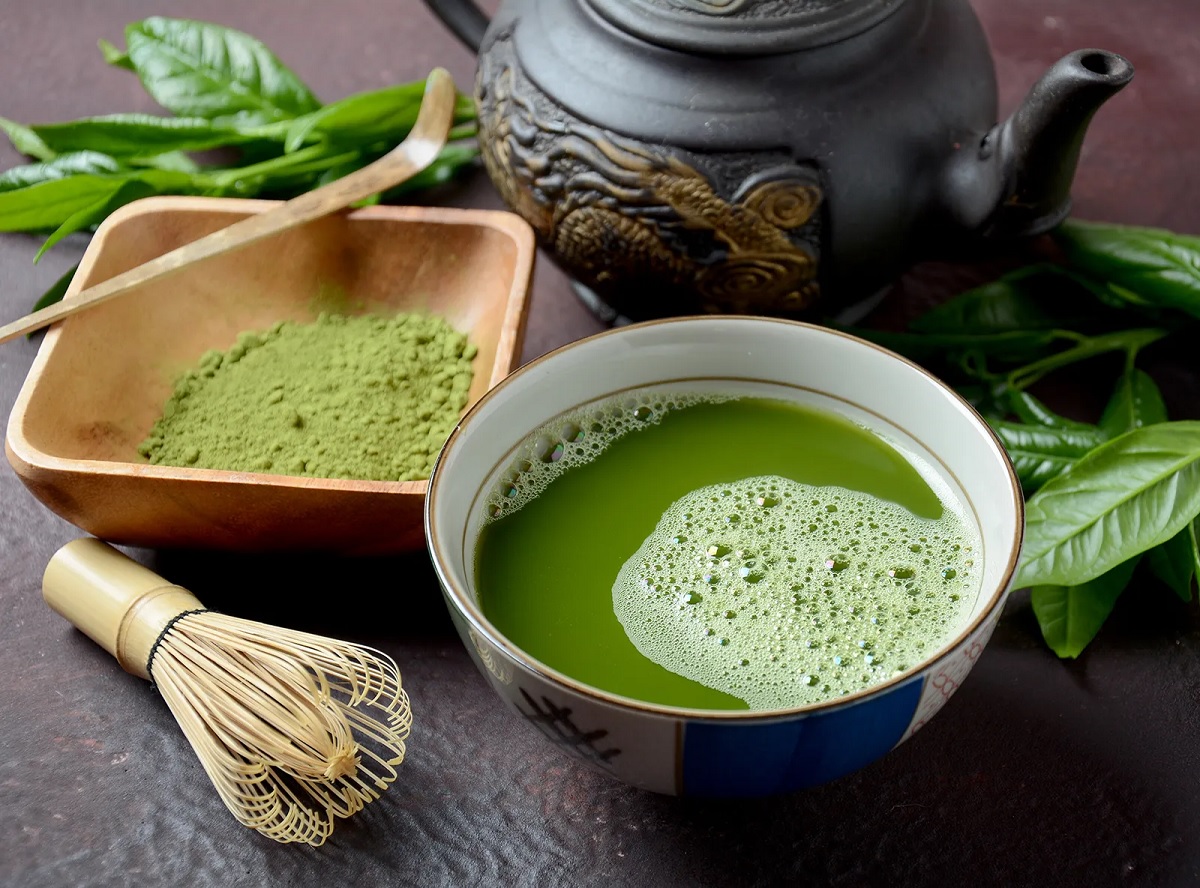
Matcha is prepared by whisking the powdered tea with hot water using a bamboo whisk until frothy. This method ensures the entire leaf is consumed and highlights its umami and vegetal notes. You can also combine it with milk or use it in recipes.
Regular green tea is steeped in hot water, and the leaves are then removed. This traditional preparation extracts flavor and nutrients but leaves most compounds in the discarded leaves. Matcha’s preparation is more involved but provides richer taste, color, and nutritional value.
Final Thoughts
Matcha offers a unique experience that sets it apart from regular green tea, even though it shares the same base leaves. Its powdered form and concentrated preparation result in a richer flavor, vibrant color, and higher antioxidant content compared to traditional brewed green tea. He or she can enjoy matcha in a variety of ways, from simple whisked tea to lattes, smoothies, and baked goods.
When asking, is matcha green tea?, it’s important to understand that matcha is indeed a type of green tea, but with distinct characteristics. The entire leaf is consumed in powdered form, which intensifies both the flavor and the health benefits. This makes it an excellent choice for those seeking a stronger caffeine boost or more antioxidants in their diet.
Whether consumed hot, iced, or incorporated into recipes, matcha provides a versatile and healthful option. By exploring different grades and preparation methods, he or she can fully enjoy the unique qualities that make matcha such a special type of green tea.