Is Coffee Better Than Energy Drinks – Key Differences Compared
You’ll get a cleaner, more natural energy boost with coffee, thanks to its antioxidants and steady caffeine release. This helps support focus without jitters or crashes.
Energy drinks often pack high caffeine and sugar, which can cause quick spikes but might risk heart strain and blood sugar issues. While energy drinks work for fast, intense stimulation, coffee offers long-term health benefits and a richer experience.
It’s pretty interesting to see how caffeine, sugar, and health impacts set these two apart. Each has its place depending on what you need.
Coffee vs. Energy Drinks: Which Is Better for You?
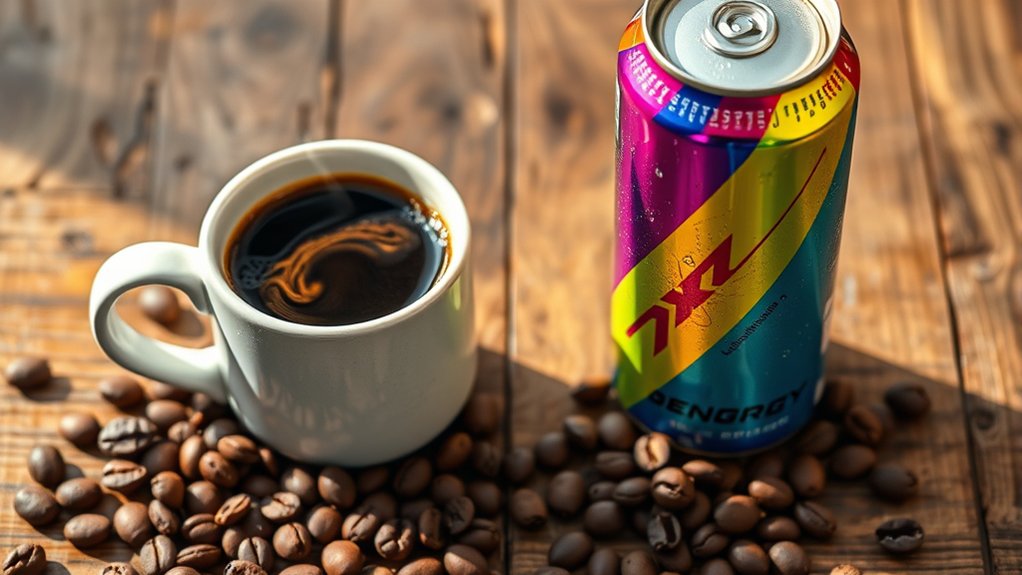
Although both coffee and energy drinks are popular choices for boosting alertness, coffee generally offers a healthier profile due to its natural antioxidants and lower sugar content.
Coffee stands out as a healthier option with natural antioxidants and less sugar than energy drinks.
When you consider flavor profiles, coffee provides a rich, complex taste that varies by bean and roast, making it a more enjoyable daily ritual.
Energy drinks often rely on sweet, artificial flavors that mask their high sugar levels.
Regarding caffeine timing, coffee delivers a steadier, more controlled release of caffeine, helping you maintain alertness without sudden spikes.
Energy drinks, however, tend to cause rapid caffeine absorption, which can lead to jitters followed by crashes.
How Much Caffeine Is in Coffee and Energy Drinks?
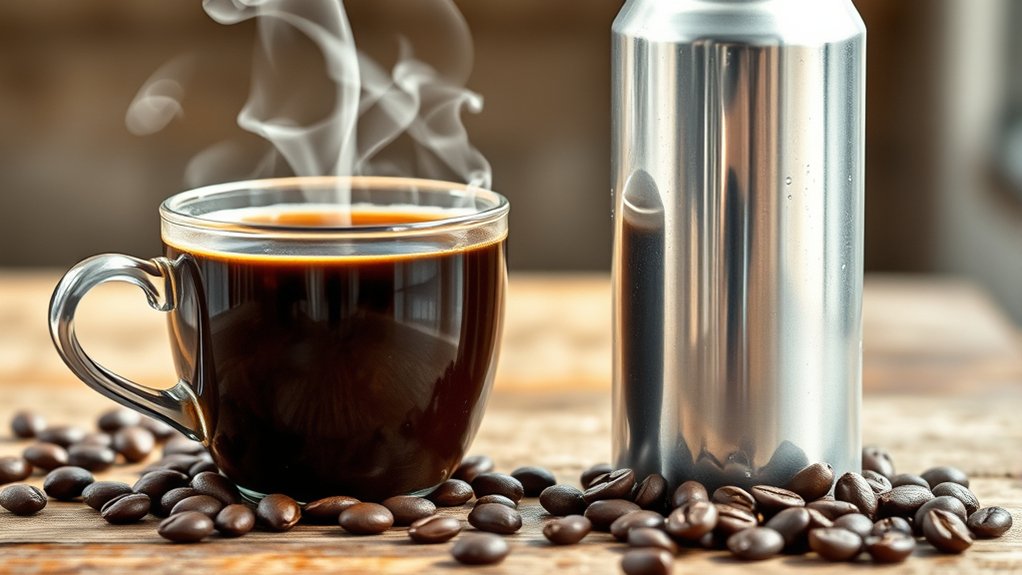
Understanding the caffeine content in coffee and energy drinks helps you make informed choices about your intake and its effects on your body.
An 8-ounce cup of brewed coffee typically contains 80-100 mg of caffeine, offering a moderate dose that complements its rich flavor profiles.
Energy drinks, however, vary widely, with caffeine content ranging from 70 mg to over 300 mg per serving.
Most energy drinks pack higher caffeine levels than a standard cup of coffee, which can impact caffeine absorption rates and your overall alertness.
The FDA recommends no more than 400 mg daily for healthy adults, so it’s vital to monitor your intake.
This is especially important since some energy drinks exceed 200 mg per serving, which is equivalent to multiple cups of coffee.
What’s Really in Coffee vs. Energy Drinks?
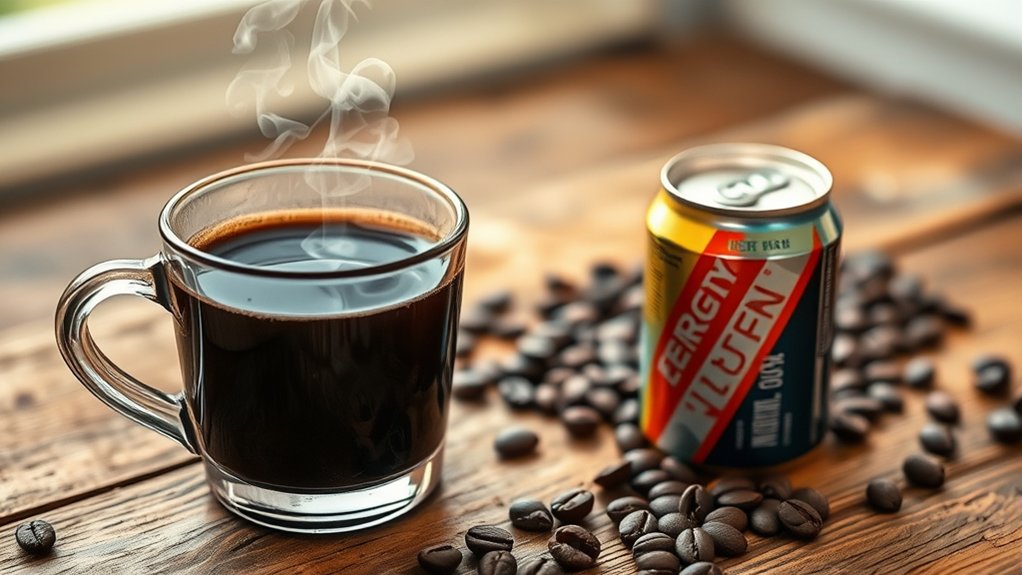
When you compare coffee and energy drinks, you’ll see that coffee is made from just natural beans and water. It’s packed with antioxidants and doesn’t have any added sugars.
On the other hand, energy drinks often contain synthetic caffeine along with high sugar levels. They also include various additives like taurine and artificial sweeteners.
Knowing these differences can help you understand how the caffeine and sugar in each might affect your health.
Natural Ingredients vs. Additives
Because you consume them daily, it’s important to know what’s really inside coffee and energy drinks. Coffee’s natural ingredients are roasted coffee beans and water. These offer rich flavor profiles shaped by diverse brewing methods without added preservatives or artificial chemicals.
Its antioxidants come straight from the beans, which enhances its natural appeal. In contrast, energy drinks often contain synthetic caffeine, artificial flavors, preservatives, and additives like taurine, ginseng, and B vitamins. These ingredients mimic energy-boosting effects.
Many energy drinks include artificial sweeteners such as aspartame or sucralose, plus dyes and colorings to enhance appearance. That’s quite different from plain brewed coffee.
While energy drinks rely on these additives for their taste and effects, coffee’s quality depends on bean origin and brewing. So, coffee is a more natural choice with fewer artificial components.
Caffeine and Sugar Content
Beyond their ingredient lists, the caffeine and sugar content in coffee and energy drinks vary considerably and influence their effects on your body.
An 8 oz cup of coffee typically provides about 95 mg of caffeine with no added sugars, allowing its flavor profiles to shine through various brewing methods.
In contrast, energy drinks can contain anywhere from 70 to over 200 mg of caffeine per serving. They often come with 20 to 30 grams of added sugar, which can cause rapid blood sugar spikes.
Sugar-free versions use artificial sweeteners, and those affect health differently than coffee’s naturally sugar-free profile.
The higher caffeine and sugar content in many energy drinks may increase health risks and side effects.
Coffee offers a more moderate, natural caffeine boost that complements its diverse flavors without added sugars or artificial ingredients.
How Does Sugar Affect Coffee and Energy Drinks?
Although both coffee and energy drinks deliver caffeine, their sugar content considerably influences their health impact. Coffee typically has little to no added sugar unless you customize it with sweetening techniques like syrups or sugar. This means it generally supports stable sugar metabolism.
In contrast, energy drinks often contain high sugar levels, sometimes over 30 grams per serving. These spikes can disrupt sugar metabolism and increase risks for obesity and type 2 diabetes. If you prefer energy drinks, opting for sugar-free or low-sugar versions helps minimize these effects.
Meanwhile, plain coffee’s low-sugar profile promotes steadier blood sugar levels and reduces energy crashes. This makes it a more balanced choice when considering sugar’s role in your beverage’s health impact.
Health Risks of Energy Drinks You Should Know
When you consume energy drinks, you should be aware that their high caffeine content, often exceeding 300 mg per serving, can markedly increase your heart rate and blood pressure. Many products also contain excessive sugars and artificial ingredients. This raises concerns about obesity, diabetes, and long-term health effects.
Flavor variations and ingredient sourcing impact these risks. Synthetic additives and preservatives may intensify negative outcomes. Also, combining energy drinks with alcohol can mask intoxication, which can lead to dangerous behaviors.
| Risk Factor | Potential Impact |
|---|---|
| High Caffeine | Increased heart rate, arrhythmias |
| Excessive Sugars | Obesity, type 2 diabetes |
| Artificial Ingredients | Long-term health risks |
| Alcohol Combination | Masked intoxication, risky behavior |
Knowing these risks helps you make informed choices about energy drink consumption.
Key Health Benefits of Drinking Coffee
While energy drinks pose several health risks due to their high caffeine and sugar content, coffee offers a different profile that many find beneficial. Through careful coffee brewing, you can enjoy diverse flavor profiles that enhance your experience while supporting health.
Coffee contains essential nutrients like niacin, riboflavin, potassium, and magnesium, which contribute to overall well-being. Research shows regular coffee consumption links to a 25% lower risk of type 2 diabetes and reduced risks of heart disease, stroke, and some neurodegenerative conditions.
Its natural compounds promote brain health and mood enhancement. Coffee isn’t a cure-all, but its balanced nutrient and antioxidant content, combined with enjoyable flavor profiles from various brewing methods, make it a healthier daily choice compared to energy drinks.
How Do Antioxidants in Coffee Improve Your Health?
You get a lot of benefits from the antioxidants in coffee because they work by neutralizing free radicals and reducing oxidative stress, which can otherwise harm your cells. This process is pretty important since it helps lower your risk of chronic diseases like heart disease and some types of cancer.
Antioxidants Combat Oxidative Stress
Because coffee ranks among the richest dietary sources of antioxidants, especially chlorogenic acids, it plays a crucial role in neutralizing harmful free radicals in your body. These antioxidants work through antioxidant synergy, enhancing each other’s effectiveness to maintain oxidative balance.
By reducing oxidative stress, coffee helps protect your cells from damage caused by environmental toxins and metabolic processes. This defense mechanism not only lowers inflammation but also supports your body’s natural ability to combat cellular damage.
Studies show that regular coffee drinkers often have higher antioxidant levels in their bloodstream, which boosts overall resilience against oxidative challenges.
Compared to many fruits and vegetables, coffee provides a concentrated source of antioxidants, making it a significant component in your diet to help manage oxidative stress efficiently.
Chronic Disease Risk Reduction
How exactly do the antioxidants in coffee contribute to reducing your risk of chronic diseases? Coffee’s antioxidants, especially chlorogenic acids, neutralize free radicals and reduce oxidative stress. This process protects your cells from damage.
By doing this, coffee can lower the risk of diseases that are influenced by genetic factors as well as cultural influences on diet and lifestyle. So, it’s not just about what you eat but also how your body handles stress at the cellular level.
Here’s how coffee helps:
- It reduces oxidative damage to DNA and cell membranes, promoting better cellular health.
- It enhances insulin sensitivity, which lowers the risk of type 2 diabetes.
- It decreases inflammation that’s linked to cardiovascular disease.
- Coffee provides antioxidant levels that are higher than many fruits and vegetables, giving you robust protection.
Coffee vs. Energy Drinks: Effects on Heart Health
Although both coffee and energy drinks contain caffeine, their effects on heart health differ markedly. Coffee’s flavor profiles and brewing methods contribute to its natural antioxidant content and anti-inflammatory properties, which are linked to a reduced risk of heart disease.
The caffeine in coffee is absorbed gradually, allowing your cardiovascular system to adjust without undue stress.
On the other hand, energy drinks often contain synthetic stimulants and high sugar levels, causing rapid caffeine spikes that can increase heart rate and blood pressure. These factors heighten the risk of irregular heartbeat and cardiovascular events, especially if you consume energy drinks excessively or have pre-existing heart conditions.
Why Coffee Gives You a More Stable Energy Boost
You’ll notice that coffee delivers caffeine gradually, which helps you avoid those sudden spikes and crashes you often get with energy drinks.
This steady release means you stay alert for longer without feeling jittery or experiencing sharp energy drops.
Plus, since coffee doesn’t have added sugars or artificial stimulants, it gives you a smoother, more balanced boost throughout the day.
Gradual Caffeine Release
Because coffee contains a lower and more consistent amount of caffeine per serving, it delivers a steadier energy release compared to many energy drinks. This gradual caffeine absorption supports better energy stability, helping you avoid sudden spikes. Here’s why:
Coffee’s natural compounds slow caffeine absorption, creating a gradual alertness increase. Its antioxidants modulate how caffeine enters your bloodstream, promoting sustained effects.
Energy drinks often include sugar and artificial stimulants that cause rapid energy spikes. These added ingredients in energy drinks can lead to quick declines, disrupting energy stability.
Avoiding Energy Crashes
How long your energy lasts after a caffeine boost depends largely on what you drink. Coffee offers a more stable energy boost because its caffeine absorption occurs gradually, releasing moderate amounts over 3-5 hours. This steady release helps you avoid the sharp energy fluctuations often triggered by energy drinks.
Energy drinks usually contain high caffeine levels and added sugars, which cause rapid blood sugar spikes followed by crashes within 2-3 hours. These sudden dips can leave you feeling drained and unfocused.
In contrast, coffee’s natural caffeine, especially when consumed without added sugars, supports sustained alertness without abrupt energy slumps.
How Coffee Helps You Stay Focused and Alert
What makes coffee an effective choice for staying focused and alert? Coffee’s natural caffeine stimulates your central nervous system, leading to enhanced focus without sudden spikes. Its caffeine absorption is gradual, providing sustained alertness while minimizing jitters or energy crashes.
Plus, coffee contains antioxidants like chlorogenic acids that support brain health and may boost cognitive function over time. Here’s how coffee helps you stay sharp:
- Gradual caffeine absorption delivers steady energy and sustained focus.
- Antioxidants promote long-term brain health and cognitive support.
- Avoids rapid blood sugar spikes common in energy drinks, stabilizing attention.
- The calming ritual of sipping coffee fosters a focused, attentive mindset.
When Are Energy Drinks a Safer Alternative to Coffee?
While coffee offers steady energy and cognitive benefits through its natural caffeine and antioxidants, it isn’t the best choice for everyone. If you’re sensitive to caffeine or want to avoid natural caffeine sources, energy drinks can provide a safer, standardized dose. Their flavor preferences and branding differences often appeal to those seeking variety without the brewing ritual.
For quick energy boosts, sugar-free, lower-caffeine energy drinks may be safer options when consumed moderately. People with heart issues or hypertension might find these drinks less risky than high-caffeine coffee, especially if they choose options with reduced sugar and fewer artificial additives.
When used occasionally and within recommended caffeine limits, energy drinks present a balanced alternative for short-term alertness, particularly when coffee isn’t preferred or available.
How to Choose Between Coffee and Energy Drinks for Your Lifestyle
Choosing between coffee and energy drinks depends largely on your lifestyle demands and health considerations. To decide effectively, consider these points:
Selecting coffee or energy drinks hinges on your lifestyle needs and health priorities.
- Flavor profiles and brewing methods: If you enjoy rich, complex flavors and cultural rituals, coffee’s natural brewing methods offer a more satisfying experience.
- Energy needs: Choose coffee for sustained, steady alertness; energy drinks work better for quick, portable boosts.
- Health impact: Moderate coffee intake is generally safer and provides antioxidants. Energy drinks often contain high sugar and artificial ingredients, posing health risks if consumed excessively.
- Daily routine: Match your choice to your pace. Coffee suits leisurely or long workdays, while energy drinks fit hectic, on-the-go moments.
Balancing these factors helps you select the option that complements your lifestyle best. It’s all about what feels right for you and your day.
Frequently Asked Questions
Can Coffee and Energy Drinks Be Mixed Safely?
You can mix coffee and energy drinks, but be careful because caffeine absorption speeds up, which can lead to jitters.
The flavor combinations might actually be pretty appealing. Just make sure you keep an eye on how much you’re consuming.
Too much caffeine can cause harmful stimulant overload and even heart-related issues, so it’s best to monitor your intake closely.
How Do Coffee and Energy Drinks Affect Sleep Quality?
Sleep disruption sneaks up like a shadow when you consume coffee or energy drinks late. Both can foster caffeine dependency, but energy drinks often hit harder. They cause more fragmented sleep and reduce your overall rest quality.
Are There Environmental Impacts of Coffee Versus Energy Drink Production?
You’ll find coffee’s environmental impacts stem from land use and water depletion, but sustainable farming helps.
Energy drinks create more packaging waste and carbon emissions due to complex production, making their footprint generally larger.
What Are the Best Times to Consume Coffee or Energy Drinks?
You’ll absorb caffeine best by drinking coffee in the morning. Try to avoid late intake to protect your sleep.
Energy drinks, consumed 30-60 minutes before activity, boost focus. But they can impact hydration, so balance timing and fluids carefully for peak effects.
Do Coffee and Energy Drinks Interact Differently With Medications?
Yes, caffeine absorption from coffee usually affects medication efficacy less than energy drinks. Energy drinks contain added chemicals and herbs that can amplify side effects or interfere with drugs.
Conclusion
When it comes to choosing between coffee and energy drinks, think of coffee as a steady river and energy drinks as a sudden wave. Coffee offers a more stable, sustained boost with fewer health risks, thanks to its natural ingredients and lower sugar content.
Energy drinks may provide quick energy but often come with added sugars and potential health concerns. Ultimately, your choice should align with your lifestyle, caffeine tolerance, and health goals for the best results.