
Arabica Coffee vs Robusta: Taste, Caffeine, Cost, and Brewing Differences Explained
Coffee choices often feel personal, shaped by taste, routine, and the way each cup fits into daily life. Among the many options available, two varieties dominate conversations in cafés, kitchens, and coffee farms around the world. Their differences go far beyond flavor and extend into aroma, strength, and overall experience.
Many coffee drinkers eventually find themselves comparing Arabica Coffee vs Robusta to understand why one cup feels smoother while another feels bolder. This comparison matters because each bean delivers a distinct character that influences how coffee tastes, smells, and even how it energizes the body.
From morning brews to specialty drinks, these beans shape popular coffee styles in unique ways. Their growing conditions, caffeine levels, and natural flavor notes all play a role in why people gravitate toward one over the other.
Understanding these differences helps create better coffee choices, whether the goal is a gentle, flavorful sip or a strong, intense cup. Knowing what sets them apart adds clarity and confidence to every pour.
Flavor Profile And Taste Experience
Flavor plays a defining role in how coffee is perceived, remembered, and enjoyed. Every sip carries layers of taste shaped by bean variety, growing conditions, and roasting style. When comparing different coffee beans, the contrast in sweetness, bitterness, aroma, and mouthfeel becomes especially noticeable. Understanding these elements helps explain why certain coffees feel smooth and comforting while others taste bold and intense.
Smoothness And Sweetness In Arabica Coffee
Arabica coffee is widely appreciated for its smooth and refined flavor, making it a favorite among casual drinkers and specialty coffee enthusiasts alike. The taste often leans toward natural sweetness, with notes that can resemble fruits, berries, chocolate, or even floral hints. This sweetness is balanced rather than overpowering, allowing the coffee to feel gentle on the palate. Many people describe Arabica as having a clean and pleasant finish that does not linger with harsh bitterness.
The acidity in Arabica coffee plays a major role in shaping its taste experience. Instead of sharp sourness, the acidity feels bright and lively, adding clarity to the flavor. This quality enhances complex notes and gives the coffee a layered taste that evolves as it cools. Because of this balance, Arabica is commonly used in pour-over methods, drip coffee, and specialty espresso blends.
Mouthfeel is another important factor. Arabica coffee typically feels lighter and smoother, making it easy to drink without overwhelming the senses. This softness allows subtle flavors to shine through, which is why many premium cafés focus heavily on Arabica beans for tasting-focused brews.
Bold And Intense Characteristics Of Robusta Coffee
Robusta coffee delivers a very different taste experience, known for its strength and intensity. The flavor is often described as bold, earthy, and sometimes woody, with a noticeable bitterness that dominates the cup. Unlike Arabica’s sweetness, Robusta leans toward raw power, offering a punchy taste that stands out even when mixed with milk or sugar.
One of the defining aspects of Robusta is its heavier body. The coffee feels thicker in the mouth, creating a dense and weighty sensation that many people associate with strong coffee. This quality makes Robusta popular in instant coffee, strong espresso blends, and traditional brewing styles where intensity is preferred over complexity.
Bitterness is more pronounced in Robusta due to its higher caffeine and chlorogenic acid content. For some drinkers, this bitterness adds depth and seriousness to the cup. For others, it can feel overpowering if not balanced properly. Robusta often lacks the bright acidity found in Arabica, resulting in a flatter flavor profile but a more aggressive finish that lingers longer on the tongue.
Aroma And Aftertaste Differences Between The Two
Aroma plays a powerful role in shaping how coffee tastes, even before the first sip. Arabica coffee is known for its fragrant and inviting aroma, often carrying sweet, fruity, or floral scents. These aromas prepare the palate for a softer and more nuanced taste experience. As the coffee cools, the aroma can continue to evolve, revealing subtle layers that add depth to the overall experience.
Robusta coffee, on the other hand, has a stronger and more direct aroma. The scent is often described as nutty, grainy, or earthy, sometimes with smoky undertones. While it may not feel as complex as Arabica, it creates an impression of strength and intensity that matches its flavor profile. This aroma tends to remain consistent from start to finish.
Aftertaste further highlights the contrast between the two. Arabica usually leaves a clean, slightly sweet finish that fades smoothly. Robusta tends to leave a lingering bitterness that stays on the palate longer. This lasting aftertaste can be appealing to those who enjoy a bold coffee presence, especially in shorter drinks like espresso.
How Brewing Methods Affect Taste Experience
The brewing method can significantly influence how the flavor profile of coffee is perceived. Arabica beans respond well to methods that highlight clarity and balance, such as pour-over, drip brewing, and French press. These techniques allow the natural sweetness and acidity to shine without masking delicate flavors. Slow extraction often enhances complexity, making each sip feel layered and expressive.
Robusta coffee performs differently depending on the brewing style. It thrives in methods that emphasize strength, such as espresso machines, moka pots, and instant coffee preparation. High pressure and shorter extraction times help control bitterness while delivering a concentrated and powerful cup. When brewed carefully, Robusta can produce a thick crema and an intense taste that cuts through milk-based drinks.
Roast level also plays a role in both beans. Lighter roasts enhance Arabica’s natural flavors, while darker roasts often suit Robusta by smoothing harsh edges. The right brewing approach can transform the overall taste experience, highlighting the unique strengths of each bean.
Caffeine Content And Stimulant Strength
Caffeine plays a major role in how coffee affects energy levels, focus, and alertness. While flavor often takes center stage, stimulant strength is equally important for many coffee drinkers. Different coffee beans deliver noticeably different caffeine impacts, influencing how strong a cup feels and how long its effects last throughout the day.
Natural Caffeine Levels In Arabica Coffee
Arabica coffee is known for having lower natural caffeine content compared to other major coffee varieties. On average, Arabica beans contain significantly less caffeine, which contributes to their smoother taste and reduced bitterness. This lower caffeine level allows the bean’s natural sweetness and acidity to stand out without being overshadowed by harsh stimulant effects. For many drinkers, this creates a more balanced and enjoyable cup.
Because of its moderate caffeine strength, Arabica coffee often provides a gentle energy boost rather than a sudden surge. The stimulation tends to feel steady, making it suitable for longer drinking sessions or multiple cups throughout the day. This makes Arabica a popular choice for people who enjoy coffee primarily for flavor but still want mild alertness.
The reduced caffeine also makes Arabica easier on sensitive stomachs and nerves. Some people find they can enjoy Arabica without experiencing jitters, restlessness, or a racing heartbeat. This characteristic aligns well with slow-brew methods and specialty coffee culture, where the focus remains on taste, aroma, and a comfortable drinking experience.
High Caffeine And Power In Robusta Coffee
Robusta coffee is widely recognized for its high caffeine content and strong stimulant effect. Robusta beans naturally contain almost double the caffeine found in Arabica, giving the coffee a noticeably more powerful kick. This high caffeine level directly contributes to Robusta’s bold bitterness and intense flavor, making it feel stronger from the first sip.
The stimulant effect of Robusta is fast and pronounced. Many drinkers experience a quick boost in alertness and energy, which is why Robusta is commonly used in instant coffee and strong espresso blends. This rapid stimulation can be especially appealing during early mornings or long working hours when immediate focus is needed.
However, the strength of Robusta can be overwhelming for some people. The higher caffeine content may increase the risk of jitters, anxiety, or digestive discomfort, particularly when consumed in large amounts. Despite this, Robusta remains popular among those who prioritize energy and intensity over subtle flavor, especially in environments where productivity and stamina matter most.
How Caffeine Strength Affects Daily Coffee Choices
Caffeine strength strongly influences how people choose and consume coffee throughout the day. Arabica coffee often fits well into relaxed routines, social settings, or extended sipping sessions. Its lower stimulant impact allows drinkers to enjoy multiple cups without feeling overstimulated. This makes it a preferred option for afternoons, casual meetings, or coffee enjoyed primarily for taste.
Robusta coffee, with its high caffeine content, often serves a more functional purpose. Many people turn to Robusta-based blends when they need sharp focus or physical energy. Its strong stimulant effect makes it ideal for short, concentrated drinks like espresso shots or quick cups before demanding tasks.
Individual tolerance also plays a role in this decision. Some people thrive on the powerful stimulation Robusta provides, while others prefer the calmer effect of Arabica. Understanding how caffeine strength aligns with personal needs helps create better coffee habits. The choice between these beans often reflects lifestyle, workload, and how the body responds to caffeine rather than flavor alone.
Growing Conditions And Bean Characteristics
The environment in which coffee is grown has a direct impact on how the beans develop and perform in the cup. Climate, altitude, soil quality, and farming methods all shape the physical structure and internal chemistry of coffee beans. These growing conditions explain why certain beans feel delicate and complex while others appear sturdy and intense.
Ideal Climate And Altitude For Arabica Beans
Arabica coffee thrives in specific growing conditions that demand careful cultivation. These beans grow best at higher altitudes, typically between 800 and 2,000 meters above sea level. Cooler temperatures slow the growth of the coffee cherries, allowing sugars and acids to develop gradually. This slower maturation contributes to Arabica’s complex flavor profile and balanced acidity.
The climate for Arabica needs to be stable, with moderate rainfall and consistent temperatures. Sudden weather changes can damage the plants, making Arabica more sensitive to environmental stress. Fertile, well-drained soil further supports healthy growth, helping the beans develop uniform size and smooth texture.
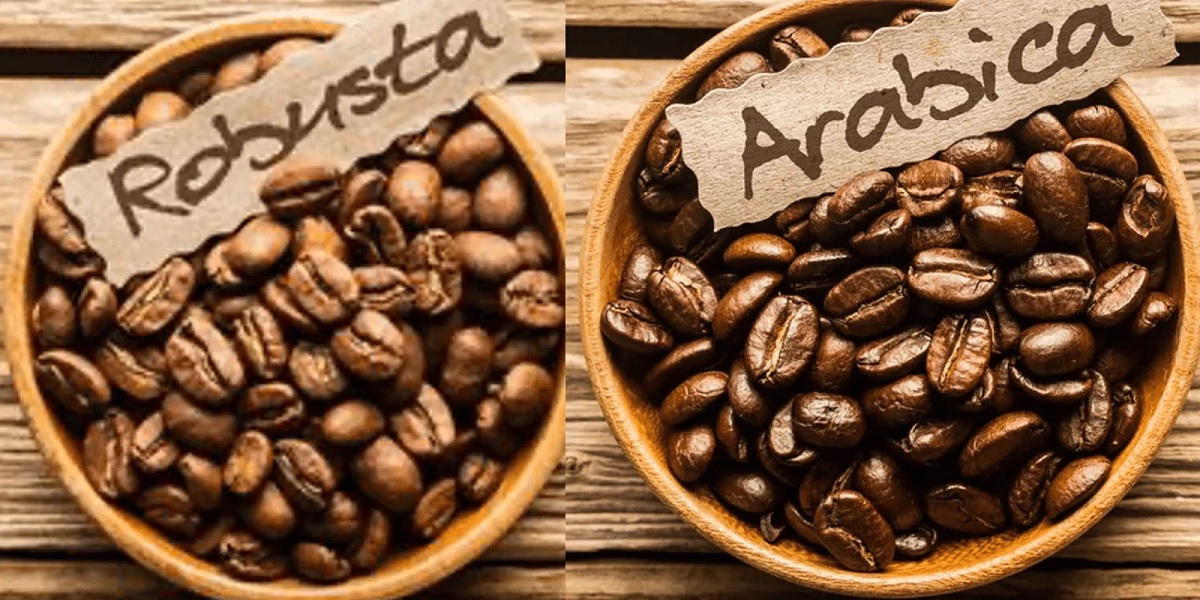
Because of these strict requirements, Arabica farming often takes place in mountainous regions. The beans produced are usually oval-shaped with a curved center cut. Their density tends to be lower compared to Robusta, which influences how they roast and extract. These characteristics explain why Arabica beans are often associated with premium quality and nuanced taste.
Harsh Environment Adaptability Of Robusta Beans
Robusta coffee is known for its resilience and ability to grow in tougher conditions. Unlike Arabica, Robusta thrives at lower altitudes, generally between 200 and 800 meters above sea level. Warmer temperatures and higher humidity suit this plant well, allowing it to grow faster and produce higher yields.
Robusta plants are naturally resistant to pests and diseases, largely due to their higher caffeine content. This natural defense makes them easier to cultivate with less risk of crop failure. Farmers often prefer Robusta in regions where climate conditions are unpredictable or soil quality is less ideal.
The beans themselves are smaller, rounder, and denser than Arabica beans. They have a straighter center cut and a thicker outer layer. This density affects roasting behavior, often requiring darker roasts to manage bitterness. These physical traits reflect Robusta’s tough growing conditions and contribute to its strong, bold coffee identity.
How Soil And Farming Methods Shape Bean Quality
Soil composition plays a crucial role in shaping coffee bean characteristics. Arabica benefits greatly from nutrient-rich volcanic soil, which enhances mineral absorption and supports steady plant growth. Careful farming practices such as shade-grown cultivation further protect the plants from extreme sunlight and temperature swings. These methods help preserve delicate flavors and improve bean consistency.
Robusta, while less demanding, still responds to soil quality and farming techniques. It can grow in a wider range of soils, including less fertile land, but better soil management can improve yield and bean quality. Sun-grown Robusta is common, allowing faster growth and increased production.
Harvesting methods also differ. Arabica is often hand-picked to ensure only ripe cherries are collected, improving overall quality. Robusta is more frequently machine-harvested due to its durability and uniform ripening. These differences in soil use and farming approach directly influence bean appearance, density, and final coffee performance.
Physical Bean Structure And Processing Differences
The physical structure of coffee beans reflects both genetics and growing conditions. Arabica beans tend to be smoother, lighter, and more elongated. Their lower density makes them more sensitive to heat during roasting, requiring careful temperature control to avoid scorching or uneven development.
Robusta beans are harder and denser, giving them greater resistance during processing and roasting. This sturdiness allows them to withstand higher temperatures, which can help reduce sharp bitterness when roasted correctly. The thicker cell walls also affect extraction, often producing stronger, heavier-bodied coffee.
Processing methods further influence these characteristics. Arabica is commonly washed to highlight clarity and brightness. Robusta may be natural or washed, depending on regional practices. Each step, from growth to processing, reinforces the distinct identities of these beans, shaping how they perform from farm to cup.
Brewing Performance And Extraction Behavior
Brewing performance plays a key role in determining how coffee tastes, feels, and balances in the cup. Different coffee beans react uniquely to water temperature, grind size, and extraction time. These reactions influence strength, bitterness, body, and aroma. Understanding extraction behavior helps explain why some beans are forgiving during brewing while others require more precision and control.
Extraction Characteristics Of Arabica Coffee Beans
Arabica coffee beans are known for their sensitive and nuanced extraction behavior. Their lower density and softer structure allow water to pass through more easily during brewing. This means flavors are released quickly, making grind size and brewing time especially important. Over-extraction can lead to sour or dull flavors, while under-extraction may result in thin or flat taste.
Arabica performs best when brewed with balanced water temperature and controlled extraction time. Methods such as pour-over, drip coffee, and French press highlight its clarity and complexity. These techniques allow the natural sweetness and acidity to develop gradually without overpowering bitterness. Consistency in grind size helps maintain even extraction and a clean cup profile.
Because Arabica extracts efficiently, it responds well to lighter roasts and slower brewing styles. Small adjustments can noticeably change the flavor outcome, making it a favorite among baristas and specialty coffee enthusiasts. This sensitivity rewards precision and allows for greater expression of origin-specific characteristics.
Brewing Strength And Stability Of Robusta Coffee
Robusta coffee behaves differently during extraction due to its higher density and tougher cell structure. Water moves through the grounds more slowly, requiring higher temperatures or longer contact time to fully extract flavor. This makes Robusta more tolerant of aggressive brewing methods without losing its core character.
Robusta shines in high-pressure and fast extraction environments such as espresso machines and moka pots. Its structure supports strong extraction, producing a thick body and intense flavor even with short brew times. The higher caffeine and solid content contribute to a heavier mouthfeel and pronounced crema in espresso-based drinks.
This stability makes Robusta forgiving in less controlled brewing situations. It performs consistently in instant coffee production and traditional methods where precision is limited. While it may lack the delicate complexity of Arabica, Robusta offers reliability and strength, delivering a powerful cup with minimal variation.
Impact Of Grind Size And Water Temperature
Grind size and water temperature significantly influence how both Arabica and Robusta extract during brewing. Arabica typically benefits from medium to fine grinds, depending on the method. Too fine a grind can cause over-extraction, while coarse grinds may lead to weak flavor. Moderate water temperatures help preserve acidity and sweetness without introducing bitterness.
Robusta responds well to slightly coarser grinds when brewed under pressure. Higher water temperatures are often needed to extract its dense structure fully. These conditions help balance bitterness while enhancing body and strength. Robusta’s resilience allows it to handle temperature fluctuations without drastic flavor loss.
Matching grind size and water temperature to the bean type improves overall brewing performance. Understanding these variables reduces inconsistencies and helps achieve predictable results. This knowledge is especially valuable when switching between beans, ensuring each cup reflects the intended flavor and strength.
Consistency And Error Tolerance In Brewing
Brewing consistency depends heavily on how forgiving a coffee bean is during extraction. Arabica tends to be less tolerant of mistakes, with flavor shifting quickly when parameters change. Small errors in timing or grind size can noticeably affect taste. This sensitivity requires attention and practice but rewards accuracy with refined results.
Robusta offers greater tolerance for brewing errors. Its strong flavor profile remains stable even when extraction conditions vary. This makes it suitable for high-volume settings where consistency matters more than precision. The bean’s durability ensures a dependable cup under diverse conditions.
These differences influence brewing choices at home and in commercial environments. Arabica suits careful, hands-on brewing, while Robusta supports efficiency and reliability. Understanding this behavior helps match brewing style with the desired coffee experience.
Popular Uses In Coffee Blends And Products
Coffee blends are designed to balance flavor, strength, cost, and consistency. Different beans are chosen for specific roles within these blends and finished products. Their unique characteristics influence how coffee performs in everything from espresso to instant mixes. Understanding how each type is used explains why certain beans dominate specific segments of the coffee market.
Role Of Arabica In Specialty Coffee Blends
Arabica coffee is widely used in specialty blends because of its smooth flavor and aromatic complexity. Roasters often rely on Arabica to create refined taste profiles that appeal to consumers who value nuance and balance. These blends highlight sweetness, acidity, and layered notes, making them suitable for black coffee and manual brewing methods.
In premium products, Arabica is commonly featured as a single-origin option. This allows the unique characteristics of a region to stand out. Even in blends, Arabica usually forms the base, providing a clean and approachable flavor that can be adjusted with roast level rather than bean substitution.
Arabica is also preferred in ready-to-drink beverages and café-style offerings. Its lower bitterness blends smoothly with milk, syrups, and flavorings without overpowering them. This versatility explains why Arabica dominates high-end coffee shops and packaged products aimed at taste-focused consumers.
Robusta In Espresso And Commercial Coffee Products
Robusta coffee plays a crucial role in commercial blends and espresso-focused products. Its strong flavor, high caffeine content, and thick body make it ideal for creating bold coffee experiences. Many espresso blends include a portion of Robusta to enhance crema, intensity, and strength.
In commercial coffee production, Robusta is valued for consistency and cost efficiency. Its resilience and high yield allow manufacturers to produce large quantities without sacrificing reliability. This makes it a common choice in instant coffee, vending machine products, and mass-market blends.
Robusta also performs well in milk-based drinks. Its powerful taste cuts through milk and foam, ensuring the coffee flavor remains noticeable. This quality makes it popular in traditional espresso cultures and fast-paced environments where strength and speed matter more than subtle flavor variation.
How Blends Balance Flavor And Function
Blending coffee is a strategic process that combines the strengths of different beans. Arabica often contributes smoothness and aroma, while Robusta adds body, caffeine, and intensity. Together, they create a balanced product that meets diverse consumer expectations.
In many blends, Arabica forms the majority, ensuring a pleasant flavor base. Robusta is added in smaller proportions to enhance strength and crema without overwhelming the cup. This approach allows roasters to fine-tune taste, mouthfeel, and performance across brewing methods.
This balance is especially important in packaged coffee products designed for broad audiences. Blends must perform consistently regardless of preparation style. By combining Arabica and Robusta, producers achieve stability, affordability, and a flavor profile that appeals to both casual drinkers and those seeking a stronger kick.
FAQs
What Is The Main Difference Between Arabica Coffee Vs Robusta?
You notice the main difference between Arabica Coffee vs Robusta in flavor, caffeine level, and overall drinking experience. Arabica delivers a smoother and slightly sweet taste with noticeable acidity, making it enjoyable for relaxed drinking moments.
You also feel a contrast in strength. Robusta tastes bolder and more bitter, with a heavier body and stronger caffeine impact. This difference explains why Arabica is often chosen for flavor-focused coffee, while Robusta is preferred for power and intensity.
Which Coffee Has More Caffeine Arabica Or Robusta?
You get much more caffeine from Robusta than from Arabica. Robusta beans naturally contain nearly double the caffeine, which directly affects how energized you feel after drinking it.
You may find Arabica gentler on your system, offering steady alertness without harsh stimulation. Robusta provides a faster and stronger boost, making it suitable when focus and stamina are needed. Your caffeine tolerance plays a big role in choosing between the two.
How Does Flavor Differ Between Arabica And Robusta Coffee?
You experience Arabica as smooth, aromatic, and naturally sweet, often carrying fruity, nutty, or chocolate-like notes. The flavor feels balanced and pleasant, even without milk or sugar.
You taste Robusta as strong, earthy, and bitter, with a thicker mouthfeel. Its bold flavor lingers longer on the palate. This intensity makes Robusta popular in espresso blends and coffee products where strength matters more than subtle flavor layers.
Which Is Better For Espresso Arabica Or Robusta?
You often see both beans used together in espresso blends. Arabica contributes aroma, sweetness, and brightness, giving espresso a refined and complex taste.
You depend on Robusta for crema and strength. Its dense structure creates thicker foam and a more intense shot. If you enjoy smooth espresso, Arabica-heavy blends work well. If you prefer bold and powerful espresso, Robusta blends feel more satisfying.
Is Arabica Coffee Healthier Than Robusta?
You may find Arabica easier to tolerate because of its lower caffeine and reduced bitterness. This can help avoid jitters, restlessness, or stomach discomfort if you are sensitive to caffeine.
You still gain benefits from Robusta when consumed responsibly. Its higher caffeine and antioxidants support alertness and performance. Health impact depends more on how much you drink and how your body reacts rather than the bean type alone.
Which Coffee Should You Choose For Daily Drinking?
You may prefer Arabica for everyday coffee because it feels smooth and less intense. It fits well into long mornings, social settings, and multiple cups throughout the day.
You might choose Robusta when energy is the priority. It suits early mornings or demanding workdays. Understanding Arabica Coffee vs Robusta helps you select coffee that matches your taste, routine, and energy needs.
Final Thoughts
Choosing between these two coffee beans often comes down to what you value most in your daily cup. Some drinkers prioritize smooth flavor, gentle acidity, and layered aromas, while others prefer bold intensity and a stronger caffeine kick. Understanding these preferences makes it easier to match your coffee choice with your taste expectations and energy needs.
From flavor complexity to brewing performance, the comparison highlights clear contrasts in strength, cost, and versatility. Arabica tends to shine in specialty brews and slow sipping, while Robusta stands out in espresso blends and high-energy drinks. These differences explain why both beans continue to play important roles across global coffee markets.
Ultimately, Arabica Coffee vs Robusta is not about which is superior, but which suits your lifestyle better. When you consider taste preference, caffeine tolerance, and brewing method, the right choice becomes clear and more enjoyable with every cup.