Why Is My Coffee Bitter – Causes And Fixes Explained
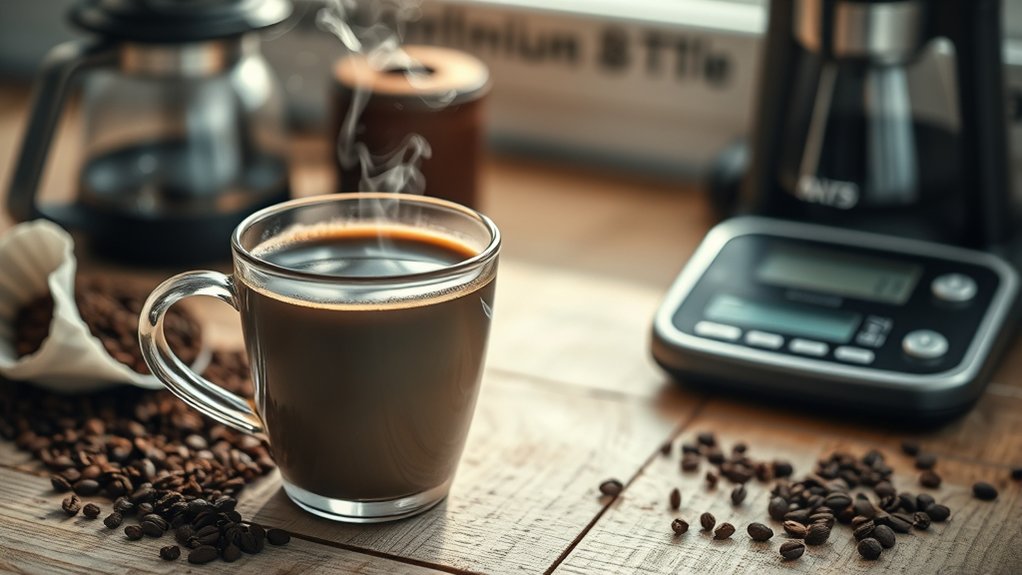
Your coffee tastes bitter mainly because of over-extraction caused by water that’s too hot, too fine a grind, or brewing for too long. Using dark or low-quality beans with high caffeine and chlorogenic acids also adds harshness.
To fix this, try cooler water (195-205°F), coarser grounds, shorter brew times, and fresh, well-sourced beans. Adding a pinch of salt or milk smooths bitterness without dulling flavor.
Keep these in mind, and you’ll discover a balanced, delicious cup.
Common Causes of Bitter Coffee Flavor
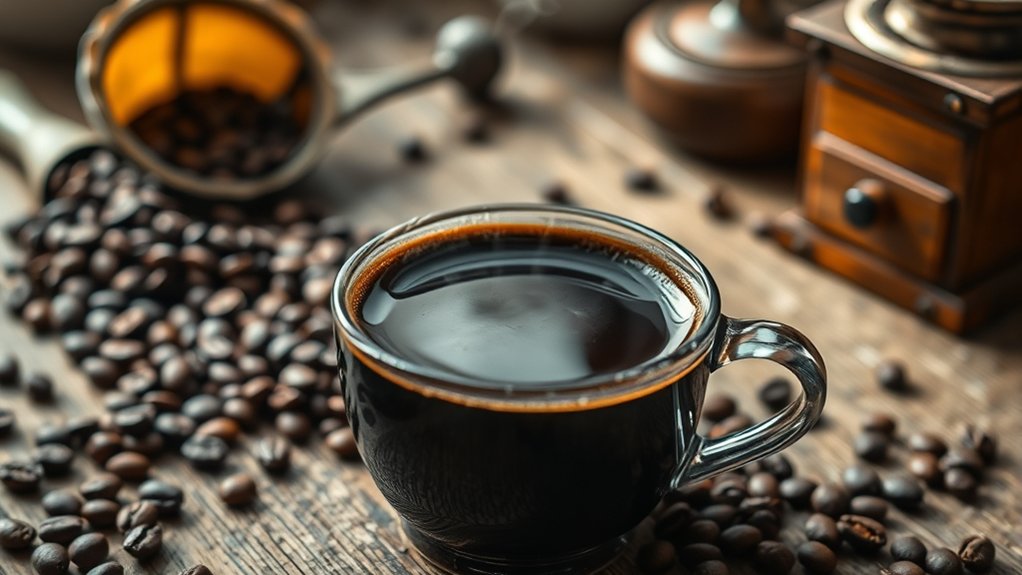
Although you might love the richness of a dark roast, using these beans or low-quality ones can often lead to a bitter coffee flavor. Dark roasts naturally contain more bitter compounds, and low-grade beans lack the subtlety needed for flavor enhancement and aroma preservation.
You should also consider how water temperature and coffee-to-water ratios impact bitterness. Water hotter than 205°F extracts harsh phenolic compounds, while too much water relative to grounds pulls out excessive bitter elements.
Bean origin and processing also play a role. Different beans respond uniquely, even if brewed the same way.
How Over-Extraction Leads to Bitterness
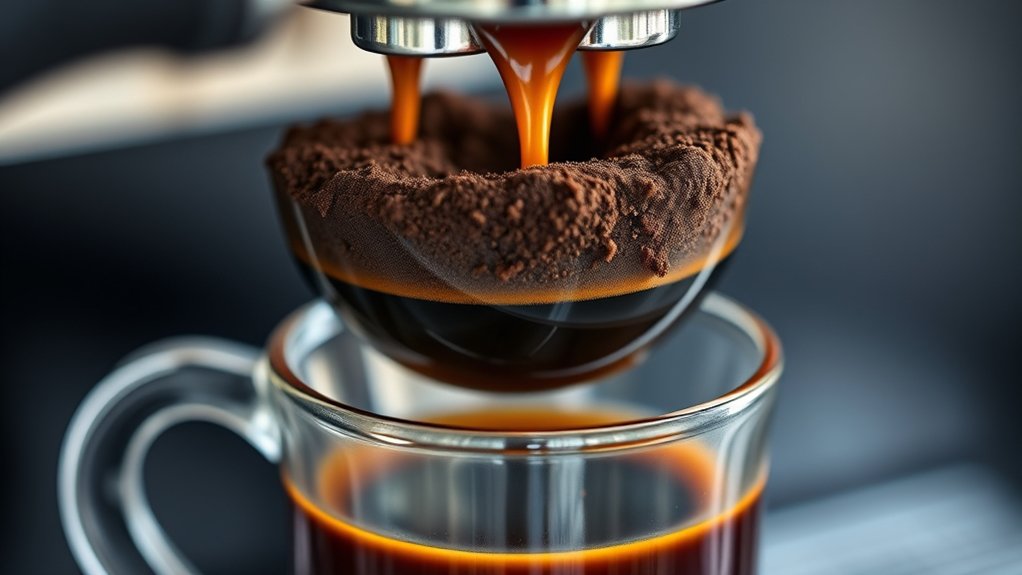
If your coffee tastes bitter, over-extraction is usually to blame. Basically, when you brew for too long, use a grind that’s too fine, or let the water get hotter than 205°F, those bitter compounds start getting pulled out from the coffee grounds.
It’s all about how extraction time, grind size, and water temperature work together.
Get a handle on these factors, and you can avoid that harsh, unpleasant flavor that ruins your cup.
Extraction Time Impact
When you let coffee grounds steep too long, they release an excess of bitter compounds that overpower the cup’s natural flavors. The extraction duration directly impacts flavor stability.
Stretching it beyond the ideal window, like brewing a French press past four minutes, increases the chance of bitterness.
During prolonged extraction, compounds such as phenylindanes dominate, creating a harsh, unpleasant taste. To maintain flavor stability, it’s essential to monitor and limit your brew time carefully.
If you extend extraction too much, those bitter, harsh notes take over, masking the coffee’s nuanced characteristics.
By controlling extraction duration, you preserve the balance between sweetness, acidity, and bitterness, ensuring a smoother cup.
Grind Size Role
Because grind size directly influences extraction speed, using grounds that are too fine can quickly lead to over-extraction and bitterness. When grind consistency is off or bean freshness declines, the risk of extracting harsh, bitter compounds increases. Fine grounds increase surface area, slowing water flow and causing prolonged contact, which extracts unwanted flavors.
Adjusting grind size to your brewing method ensures ideal extraction and balanced taste. It’s all about finding that sweet spot where the flavors come through just right.
| Grind Size | Extraction Speed | Resulting Flavor |
|---|---|---|
| Too Coarse | Fast | Under-extracted, sour |
| Medium | Balanced | Balanced, smooth |
| Too Fine | Slow | Over-extracted, bitter |
| Consistent | Perfect | Clean, rich |
| Inconsistent | Variable | Unpredictable |
Keep an eye on grind consistency and bean freshness to avoid bitterness caused by over-extraction. A little attention here makes a big difference in your cup!
Water Temperature Effects
Although water temperature might seem like a minor detail, it plays a crucial role in how your coffee extracts flavor compounds. If your brewing equipment uses water above 205°F, it accelerates extraction, pulling bitter phenylindanes and burnt flavors from the grounds, especially in dark roasts. This over-extraction causes a harsh, lingering bitterness that ruins your cup.
To avoid this, aim for water between 195-205°F, letting boiling water cool for 30-40 seconds before brewing. Proper coffee storage also preserves bean freshness, complementing ideal temperature control for balanced flavors.
Remember:
- Too hot water extracts unwanted bitter compounds rapidly
- Cooling water slightly prevents smoky, burnt tastes
- Consistent brewing equipment temperature ensures maximum extraction
Mastering these factors helps you brew smoother, less bitter coffee every time.
Water Temperature’s Effect on Coffee Bitterness
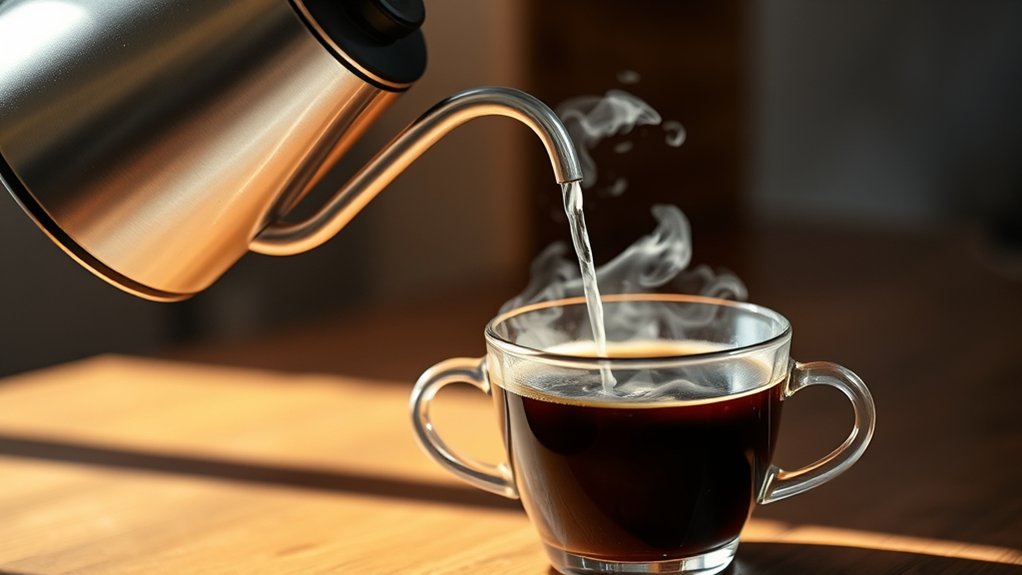
If you want to avoid a bitter cup of coffee, controlling your water temperature is essential. Water hotter than 205°F (96°C) extracts bitter compounds too quickly, leading to harsh, burnt flavors. This is especially noticeable in dark roasts.
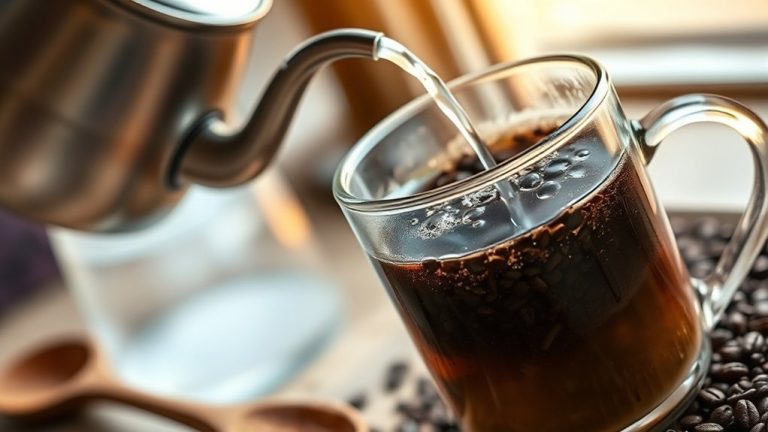
To balance flavor and bitterness, aim for a brewing temperature between 195°F and 205°F (90°C to 96°C). Let boiling water cool for 30-40 seconds before pouring it into your brewing vessel to prevent over-extraction.
Using a temperature-controlled kettle can help you maintain this ideal range consistently.
Remember, coffee freshness also plays a role. Fresher beans respond better within this temperature window, producing a smoother cup.
Grind Size and Its Impact on Bitterness
Controlling water temperature sets the stage, but grind size plays a major role in how those flavors develop during brewing. If your grind is too fine, water extracts compounds too quickly and slows down, causing over-extraction and bitterness. Coarser grinds let water flow faster, preventing harsh flavors.
Grind size shapes flavor—too fine means bitterness, too coarse keeps it smooth and balanced.
Matching grind size to your brewing method, like medium for drip or coarse for French press, is essential to avoid bitterness.
To get the best results, remember:
- Maintain consistent grind size with a quality grinder for even extraction
- Store your grind properly to preserve freshness and flavor
- Adjust grind size precisely to your brewing method for balance
Focusing on grind consistency and proper grind storage helps you control bitterness and enjoy a smooth cup every time. Keep these tips in mind, and your coffee will taste just right!
How Brew Time Affects Coffee Bitterness
You’ll want to keep an eye on your brew time because if you let it go too long, it can draw out some bitter compounds.
Whether you’re using a French press or a pour-over, brewing for more than four minutes usually results in harsher flavors.
Optimal Brewing Duration
Although brew time might seem like a minor detail, it plays a crucial role in determining your coffee’s bitterness. Getting your brewing duration just right helps avoid over-extraction, which pulls out harsh, bitter compounds from the grounds.
For example, French press coffee that steeps longer than 4 minutes often tastes bitter, while espresso brews best within 25-30 seconds to maintain balance.
To optimize your brew time, consider using precise brewing equipment that allows consistent timing. Also, adjust your brewing duration based on the coffee type and grind size.
And don’t forget to store coffee properly to preserve freshness and reduce bitterness caused by stale beans. It all adds up to a better cup!
Effects Of Over-Steeping
When you steep your coffee for too long, it extracts excessive bitter compounds that overpower the delicate flavors you want to enjoy. Over-steeping releases phenylindanes, causing a harsh, lingering bitterness. Brewing temperature and grind consistency also influence extraction rates.
Hotter water and finer grounds speed extraction, raising bitterness risks if steeped too long. For example, French press beyond 4 minutes or pour-over past 4 minutes often results in bitterness. Aeropress brews ideally around 2 minutes to avoid over-extraction.
| Brew Method | Recommended Steep Time | Bitterness Risk if Over-Steeped |
|---|---|---|
| French Press | 3-4 minutes | High |
| Pour-Over | 2.5-4 minutes | Moderate |
| Aeropress | ~2 minutes | Low |
Stick to proper brew times to balance flavor and minimize bitterness. It really makes a difference!
Timing And Flavor Balance
Because brew time directly influences extraction, controlling it’s essential to balancing your coffee’s flavor and bitterness. If you let your coffee steep too long, like over 4 minutes in a French press, you’ll extract bitter compounds that disrupt flavor harmony.
On the other hand, shortening brew time can help preserve pleasant aromas and reduce bitterness.
To achieve flavor harmony and aroma enhancement, focus on:
- Adjusting brew duration to your method’s ideal window
- Consistently timing your brews to avoid under- or over-extraction
- Tasting and tweaking brew time based on flavor feedback
Why Coffee Bean Type and Roast Level Matter
Since the type of coffee bean and its roast level play a crucial role in flavor, understanding their impact can help you manage bitterness. Robusta beans naturally contain higher chlorogenic acids and caffeine, making their coffee flavor more bitter than Arabica beans.
Dark roasts, like French or Italian, develop phenylindanes, which intensify harsh bitterness. If you prefer smoother, less bitter coffee, go for light or medium roasts that preserve more of the bean’s original flavor.
Bean freshness also matters. Unripe or poorly processed beans tend to taste more astringent and bitter.
By choosing fresh, high-quality beans from trusted sources and paying attention to roast level, you can greatly reduce unwanted bitterness.
This way, you get to enjoy a balanced, flavorful cup every time.
How Coffee-to-Water Ratio Influences Bitterness
You’ll find that the coffee-to-water ratio plays a vital role in controlling bitterness. If you use too much coffee or too little water, it can lead to over-extraction, which makes your brew taste harsh.
On the other hand, adding too much water can weaken the flavor and throw off the balance. So, finding the right ratio for your brewing method really helps you strike that perfect balance between strength and smoothness.
Optimal Brew Ratios
When you adjust the coffee-to-water ratio, you directly influence how bitter your brew will taste. Striking the right balance is key to revealing optimal flavor profiles and enhancing brewing aesthetics.
Too much coffee relative to water leads to over-extraction, pulling harsh, bitter compounds into your cup.
On the other hand, too little coffee can make your brew sour or weak. So, it’s all about finding that sweet spot where your coffee tastes just right.
To master optimal brew ratios:
- Aim for a 1:2 ratio (coffee to water) for espresso to avoid bitterness or sourness.
- Measure your ingredients consistently to guarantee balanced extraction.
- Adjust by reducing coffee grounds or increasing water to refine flavor and reduce bitterness.
Simple tweaks like these can make a big difference in your cup. Give it a try and see how your coffee improves!
Effects Of Excess Water
Although adding more water might seem like a simple way to mellow your coffee, using too much compared to the grounds actually triggers over-extraction. This pulls bitter compounds into your cup. When the coffee-to-water ratio is off, the extra water dilutes the brew but still extracts that unpleasant bitterness.
To avoid this, measure your coffee carefully. About 1 to 1.5 tablespoons per 6 ounces of water works well. Also, think about your water filtration system because impurities can affect extraction and flavor balance.
Brewing temperature plays a critical role too. Water that’s too hot speeds up extraction, making bitterness worse if you use too much water.
Gradually adjusting water volume while keeping an eye on these factors helps you get a balanced, smooth cup without the harsh, bitter notes caused by excess water.
Balancing Coffee Strength
How much coffee you use compared to water directly shapes the flavor and bitterness of your brew. If you use too many coffee grounds, over-extraction happens, making your coffee bitter.
On the other hand, using too little coffee causes under-extraction, which leads to sourness.
Aim for about 1 to 2 tablespoons of coffee per 6 ounces of water to strike a good balance. Measuring precisely helps you get consistent extraction and avoids brews that are too strong or too weak.
Adjust ratios based on your brewing method and the type of bean you’re using for the best strength.
Getting the balance right not only enhances the aroma but also makes pairing with milk more enjoyable.
Keeping your ratios consistent prevents bitterness and improves the overall flavor.
Mastering this balance helps you brew coffee with a rich aroma and a smooth taste, making your milk pairing way more satisfying.
Why Clean Equipment Prevents Bitter Coffee
Because coffee oils, residue, and mineral deposits build up inside your equipment over time, they can drastically alter the flavor of your brew, often making it bitter. When you neglect cleaning your brewing equipment, old coffee grounds and oils oxidize, causing rancid tastes.
Blocked components disrupt water flow, resulting in over-extraction and bitterness. Maintaining clean equipment prevents these issues and preserves the true coffee flavor.
| Issue | Impact on Coffee |
|---|---|
| Residual Coffee Oils | Rancid, bitter taste |
| Mineral Deposits | Harsh flavor, clogging |
| Blocked Group Heads | Uneven extraction |
| Unclean Equipment | Bacterial contamination |
Proper cleaning complements good coffee storage, keeping your brew balanced and enjoyable every time. It’s a simple step that makes a big difference.
How Better Water and Temperature Make Coffee Taste Better
Keeping your equipment clean sets the stage, but the water you use and its temperature play equally important roles in shaping your coffee’s flavor.
Water quality directly impacts taste. Using filtered or spring water free of harsh minerals and chemicals brings out your coffee’s true character while minimizing bitterness.
Temperature control is vital, too. Brewing between 195-205°F ensures ideal extraction without unleashing excessive bitter compounds. Cooler water near 195°F slows extraction, preventing over-extraction bitterness.
Precise temperature regulation during brewing consistently delivers balanced flavors and avoids burnt notes.
To enhance flavor and reduce bitterness, focus on:
- Choosing clean, mineral-balanced water
- Maintaining water temperature between 195-205°F
- Using equipment with accurate temperature control for consistency
Mastering these elements elevates your coffee’s taste remarkably.
How to Adjust Your Brewing Technique to Reduce Bitterness
When you want to cut down on bitterness, adjusting your brewing technique can make all the difference. Start by coarsening your grind size to slow extraction and prevent over-extraction, which is the main cause of bitterness.
Shorten your brewing time. Press your French press earlier to avoid drawing out harsh compounds.
Let your water cool slightly to between 195-205°F before brewing. This helps minimize bitter flavors.
Using less water relative to coffee grounds can also reduce overall extraction and balance your coffee’s flavor profile.
Make small, incremental tweaks rather than big changes to find your perfect brew.
Finally, consider milk pairing to soften bitterness and enhance the flavor profile. This creates a smoother, more enjoyable cup that highlights your adjustments without losing complexity.
Simple Tweaks to Reduce Bitterness Without Losing Flavor
Although bitterness can be a common issue in coffee, you can easily reduce it without sacrificing the rich flavors you love. Simple tweaks can achieve flavor enhancement while preserving your coffee’s delightful aroma. Try these adjustments to enjoy a smoother cup:
Coarsen your grind size slightly to slow extraction and reduce bitter compounds. Shorten brewing time by a few seconds to prevent over-extraction and maintain balanced flavor. Let your water cool to around 195°F before brewing to extract fewer bitter elements.
These small changes help you control bitterness effectively, keeping your coffee’s complexity intact. For an extra touch, consider adding a pinch of salt or a splash of milk. Both neutralize bitterness chemically without dulling the rich aroma or flavor enhancement you seek.
Choosing Coffee Beans That Minimize Bitter Notes
Since the foundation of your coffee’s flavor lies in the beans themselves, choosing the right ones can considerably minimize bitterness. Opt for light or medium roast beans from Central or South America and East Africa. These are known for sweeter, nuanced flavors.
Avoid dark roasts like French or Italian, as their prolonged roasting boosts bitterness. Select specialty Arabica beans, which have lower chlorogenic acids and caffeine. This helps reduce natural bitterness in your cup.
Be wary of beans from Sumatra or Vietnam, often earthier and more bitter, especially if over-roasted. Look for flavor notes like chocolate, caramel, nuts, or fruit. These signal balanced profiles you’ll enjoy.
Frequently Asked Questions
Can Adding Milk or Sugar Reduce Coffee Bitterness?
Yes, adding milk softens bitterness by binding bitter compounds and coating your palate. It makes the coffee feel smoother and less harsh.
Sugar works differently. It activates sweet receptors, which helps mask the bitterness. Together, milk and sugar balance out the flavors nicely.
Just a heads up: don’t overdo the sugar, or you might lose the unique taste nuances of your coffee. It’s all about finding the right balance for your cup!
Does Coffee Bitterness Affect Caffeine Content?
Oh sure, bitterness is caffeine’s evil twin. Except, it’s not. Your coffee’s bitterness won’t boost caffeine. It’s more about flavor enhancement gone rogue.
Master your brewing techniques to balance bitterness without changing caffeine’s steady punch.
How Does Storage Affect Coffee Bean Bitterness?
Storage affects coffee bean bitterness by impacting coffee freshness. If you don’t use airtight, opaque storage containers, exposure to air and light accelerates oxidation, causing bitterness.
Proper containers preserve flavor, keeping your brew smooth and balanced. So, it’s really worth investing in good storage to enjoy better-tasting coffee every time.
Can Bitterness in Cold Brew Coffee Be Different?
Yes, bitterness in cold brew differs because of the temperature’s influence. It extracts fewer harsh compounds, which makes a big difference.
You’ll notice a flavor contrast compared to hot coffee. Cold brewing highlights smoother, less bitter notes. This is especially true when you get the steeping time and grind size just right.
Are There Health Benefits to Bitter Coffee Compounds?
Yes, bitter compound health benefits in coffee stem from its antioxidant properties. These antioxidants help regulate blood sugar, reduce inflammation, and support brain health.
Conclusion
If your coffee tastes bitter, don’t despair. It’s a puzzle you can solve. Like a skilled artist adjusting their palette, you can tweak grind size, water temperature, and brew time to paint a smoother, richer cup.
Remember, bitterness isn’t a flaw but a note you can balance. With the right beans and a few smart adjustments, you’ll transform every sip into a harmonious experience. Perfect coffee is always within your grasp.