What Grind for Percolator Coffee: Perfect Texture for Rich Flavor
Getting the perfect cup of coffee from a percolator requires more than just good beans and fresh water. The grind size plays a crucial role in determining both flavor and extraction. Using the wrong grind can result in a bitter, weak, or overly strong cup that doesn’t live up to your expectations. Many coffee enthusiasts often wonder about the ideal balance to get a smooth and flavorful brew.
Understanding [What Grind for Percolator Coffee] helps ensure your brewing process produces consistent results every time. Percolators work by cycling hot water through the coffee grounds repeatedly, so the texture of the grind affects how well flavors are extracted. Coarser grounds allow water to flow evenly, preventing over-extraction, while finer grinds can lead to bitterness and sediment in the cup.
Choosing the right grind is about balancing flavor, aroma, and texture. Once you know the proper grind, you can enjoy a rich, smooth cup of percolator coffee without any guesswork. Experimenting within recommended ranges lets you adjust for personal taste preferences, creating a satisfying daily coffee ritual.
With the right approach to grind size, your percolator becomes a reliable tool for crafting flavorful, aromatic coffee every morning. Knowing [What Grind for Percolator Coffee] makes all the difference in achieving the perfect brew consistently.
Why Grind Size Matters for Percolator Coffee
The grind size of coffee is one of the most important factors in brewing a perfect cup with a percolator. Because percolators work by continuously cycling hot water through coffee grounds, the texture of those grounds directly affects extraction, flavor, and clarity. Choosing the right grind ensures a smooth, rich cup without bitterness or sediment. Understanding how grind size impacts percolator brewing helps you control taste, aroma, and overall quality of your coffee.
Impact on Extraction and Flavor
Grind size plays a critical role in the extraction process. Coarser grounds allow water to flow through more evenly, extracting flavors gradually and preventing over-extraction, which can make coffee taste bitter. Finer grounds, on the other hand, increase surface area and extract flavors faster, but in a percolator, this often leads to harsh, overly strong, and bitter coffee.
Extraction is about balance. If the grounds are too coarse, your coffee may taste weak and watery because water passes too quickly without absorbing enough flavor. Conversely, overly fine grounds can produce a thick, muddy brew with sediment settling at the bottom. Finding the ideal grind ensures that all the aromatic oils and compounds dissolve properly, creating a rich, smooth taste.
The type of beans also interacts with grind size. Dark roasts may require slightly coarser grounds to avoid bitterness, while medium roasts might perform well with moderately coarse grinds. Adjusting grind size lets you fine-tune extraction to match your preferred flavor profile, ensuring every cup of percolator coffee is consistent and enjoyable.
Sediment and Texture Considerations
One major reason grind size matters in a percolator is the texture of the final coffee. Finer grinds often pass through the percolator basket or settle at the bottom, creating a gritty or sludgy texture. Coarser grinds stay contained and produce a cleaner, more enjoyable cup.
Sediment impacts both flavor and mouthfeel. Coffee with too much fine grit can taste harsh and feel unpleasant on the tongue, while properly coarse grounds provide a smooth and consistent texture. Percolator coffee is known for its bold, robust taste, and controlling grind size ensures you get a crisp, well-rounded brew without any gritty interference.
Blending grind and brewing time is essential for texture. Adjusting the coarseness of your beans allows the water to extract flavor fully while minimizing grounds in the cup. With a bit of experimentation, you can achieve a clean, aromatic coffee that is pleasing in both taste and mouthfeel.
Consistency in Brewing
Consistency is another reason grind size is so important. Using the same grind each time guarantees predictable results. When you switch between coarse and fine grounds, the percolator extracts differently, leading to inconsistent flavor and strength. Coarse, uniform grounds ensure that each cycle of water pulls the right amount of flavor without over- or under-extracting.
A consistent grind also simplifies adjustments for personal taste. Once you find a grind that produces the flavor and texture you enjoy, you can replicate it daily without guesswork. This consistency is particularly useful for households or cafes using percolators regularly. Measuring and maintaining the same grind reduces trial and error, making your morning routine faster and more reliable.
Moreover, consistency helps maintain the longevity of your equipment. Finer grounds can clog the percolator basket or filter over time, while a uniform coarse grind minimizes buildup and keeps your device working efficiently. A consistent grind ensures both excellent coffee and proper machine maintenance.
Balancing Strength and Aroma
The grind size directly influences not only flavor but also strength and aroma. Coarser grinds produce a balanced, medium-bodied coffee with well-rounded aroma, while finer grinds yield a more intense, sometimes overpowering cup. Controlling grind size allows you to adjust the strength without changing brewing time or water volume.
Aroma extraction is also affected. Coarser grounds release essential oils gradually, allowing the fragrance to develop fully throughout brewing. Finer grounds may extract aroma too quickly, leaving the coffee smelling overly sharp or harsh. By adjusting grind size, you can craft a cup that is both aromatic and flavorful, matching your personal preference.
Balancing grind size with coffee-to-water ratio ensures your percolator produces a bold, satisfying brew every time. Attention to these details elevates your morning routine and transforms percolator coffee from ordinary to exceptional.
Recommended Grind Size for Percolators
Choosing the right grind size for percolator coffee is essential for extracting maximum flavor and achieving a smooth, balanced cup. Percolators function differently from drip or espresso machines because water cycles repeatedly through the coffee grounds. Using an appropriate grind ensures even extraction, reduces bitterness, and minimizes sediment in your cup. Understanding the recommended grind sizes can help you brew consistently delicious coffee every time.
Standard Coarse Grind for Classic Percolators
For most classic stovetop or electric percolators, a standard coarse grind is ideal. Coarse grounds allow water to flow evenly and extract flavor gradually during each percolation cycle. This prevents over-extraction, which can result in a bitter or harsh taste. Coarse grounds also help reduce the amount of coffee sediment settling in your cup, giving you a cleaner, smoother texture.
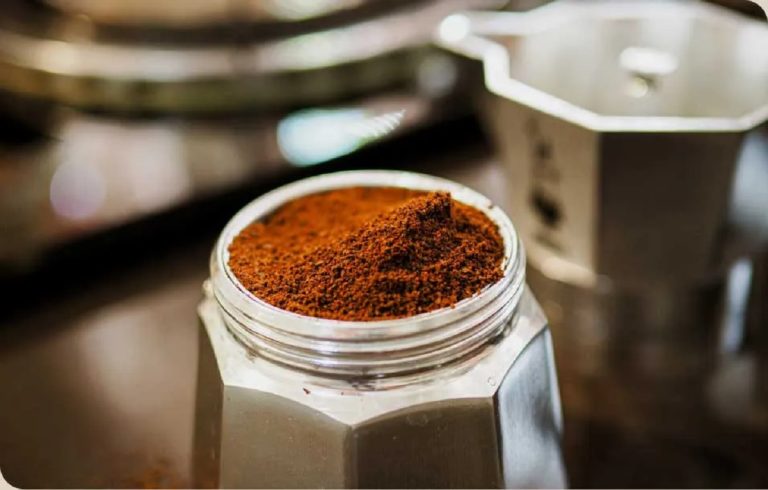
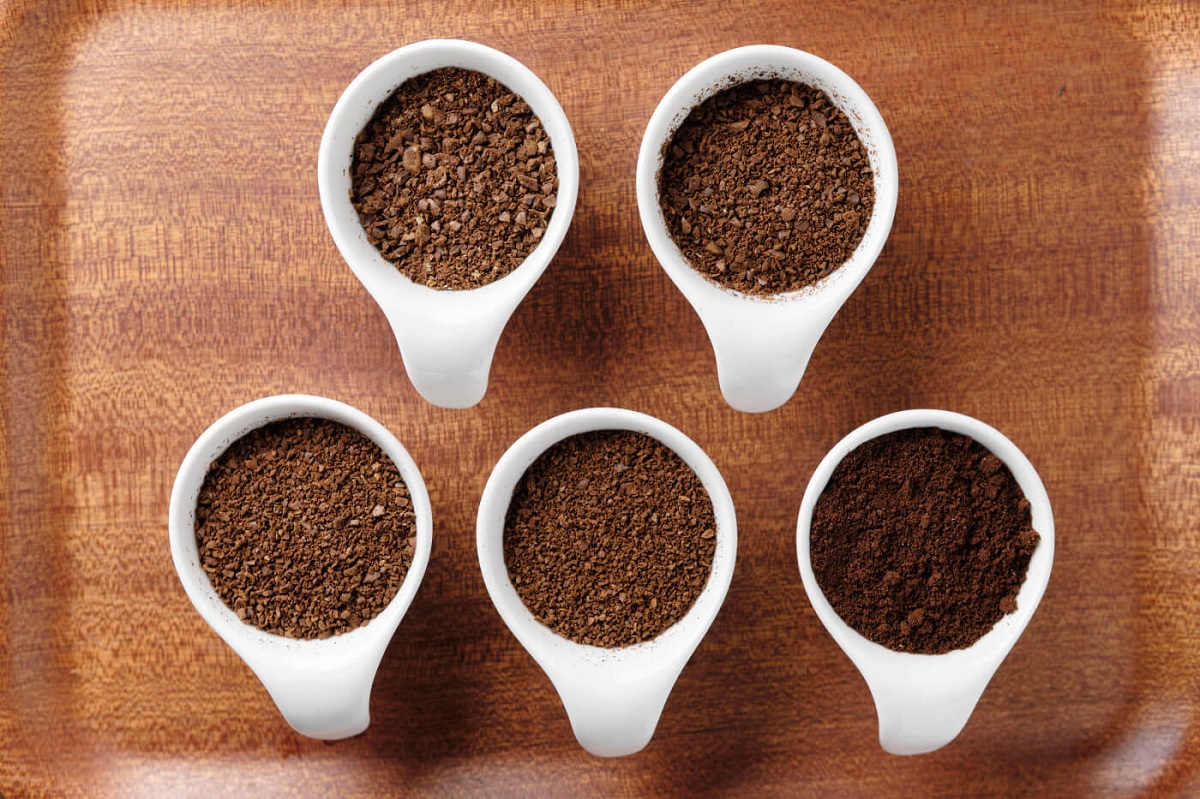
A typical coarse grind should feel similar to sea salt or breadcrumbs. It’s coarse enough to stay in the percolator basket while still allowing water to extract flavors efficiently. Using this grind ensures that your coffee retains its bold aroma without becoming overly bitter, making it suitable for daily consumption.
Consistency is key with this grind size. Using the same coarseness each time guarantees predictable flavor and extraction. Experimenting with slightly coarser or finer adjustments allows you to personalize strength and aroma without compromising the texture or clarity of your coffee.
Coarse grounds are particularly effective for medium to dark roasted beans, as they help balance the natural bitterness of dark roasts while preserving the smoothness of medium roasts. Mastering the standard coarse grind is the foundation for great percolator coffee.
Slightly Finer Grind for Stronger Coffee
Some coffee lovers prefer a more robust and stronger cup. In this case, slightly finer grounds—closer to kosher salt in texture—can be used. A finer grind increases the surface area of the coffee, allowing more flavor compounds to dissolve quickly during the percolation process.
However, caution is needed. Finer grounds can extract faster than coarse ones, which increases the risk of bitterness and may leave more sediment in the cup. To prevent this, adjust brewing time and avoid prolonged cycles. Balancing the grind size with careful monitoring ensures that the coffee remains bold but not overly harsh.
Finer grinds work well with lighter roasts that may otherwise taste weak with a coarse grind. It allows you to draw out subtle flavors and aromatic notes that are often lost in traditional coarse preparations. Experimenting gradually helps you find the optimal texture without compromising clarity.
Using a slightly finer grind can also enhance body and richness. When blended with proper percolator timing, it produces a cup with depth and complexity, ideal for those who enjoy a strong, aromatic morning coffee experience.
Specialty Grinds for Modern Percolators
Modern percolators, especially electric models with precise temperature controls, can handle specialty grinds more effectively. Some percolators benefit from a medium-coarse grind, which allows for a faster extraction while minimizing bitterness and sediment. This grind size is slightly finer than the standard coarse grind but still avoids clogging the basket.
Medium-coarse grinds are ideal for experimenting with different beans and roast levels. Light to medium roasts respond well to this grind because it extracts more nuanced flavors without producing harsh bitterness. Dark roasts still require careful monitoring, but medium-coarse grounds help maintain smoothness while enhancing aroma.
Adjusting grind size in modern percolators allows flexibility in flavor and strength. You can increase extraction for bold flavors or decrease it for a more delicate cup, depending on preference. This versatility makes modern percolators a convenient tool for coffee enthusiasts who like experimenting with different styles.
The key is uniformity. Whether coarse, slightly finer, or medium-coarse, consistent grind size ensures even water flow, controlled extraction, and a pleasant drinking experience. Using a high-quality burr grinder guarantees uniform particle size, making specialty percolator brewing easier and more reliable.
Grinding Coffee Beans at Home
Grinding coffee beans at home is a game-changer for brewing fresh and flavorful coffee. The grind size directly impacts extraction, aroma, and taste, especially when using methods like percolators, French presses, or espresso machines. By grinding at home, you control freshness, texture, and consistency, ensuring a superior cup compared to pre-ground coffee. Understanding the right tools and techniques helps you master your morning brew and elevate your coffee experience.
Choosing the Right Grinder
The type of grinder you use significantly affects the consistency and quality of your grind. Burr grinders are widely recommended for home use because they crush beans uniformly, providing a consistent grind size for any brewing method. Blade grinders, while more affordable, often produce uneven particle sizes, leading to uneven extraction and potential bitterness in your coffee.
Burr grinders come in manual and electric varieties. Manual grinders are great for precision and portability, allowing you to control coarseness with a simple twist. Electric burr grinders save time and effort, especially when grinding larger quantities. Whichever grinder you choose, it’s important to select one with adjustable settings to control particle size for different brewing methods.
Investing in a quality grinder ensures better extraction, smoother flavor, and minimal sediment in the cup. Consistent particle size prevents over- or under-extraction, giving your coffee a balanced taste. With the right grinder, you can easily adjust coarseness to match percolators, drip machines, or espresso setups.
Choosing the proper grinder also preserves aroma. Freshly ground beans release aromatic oils that pre-ground coffee loses over time. Grinding at home maximizes freshness, resulting in a more flavorful and enjoyable cup every morning.
Determining the Right Grind Size
Determining the correct grind size depends on your brewing method and personal taste preferences. For percolators, a coarse grind is generally recommended, similar to sea salt. French presses also require coarse grounds to prevent over-extraction, while drip machines perform well with medium grinds. Espresso machines need a fine grind for maximum flavor extraction.
Grind size influences brewing time, flavor balance, and texture. Finer grounds extract faster and produce a stronger, bolder cup but can lead to bitterness if over-extracted. Coarser grounds extract more slowly, yielding a milder, smoother cup with less sediment. Finding the right balance ensures that each cup achieves the desired aroma, strength, and body.
Experimentation is key. You can start with recommended grind sizes and adjust according to taste. Noting results after each brew allows you to fine-tune the coarseness until your coffee tastes perfectly balanced. This trial-and-error approach helps you discover the ideal grind for your preferred brewing style.
Understanding how grind size affects extraction also allows you to adapt to different beans and roast levels. Dark roasts often benefit from slightly coarser grinds, while lighter roasts may need finer grounds to highlight subtle flavor notes.
Grinding Fresh for Maximum Flavor
Grinding coffee beans just before brewing preserves freshness, aroma, and flavor. Coffee begins to lose its essential oils and volatile compounds soon after grinding, which is why pre-ground coffee often tastes flat or stale. By grinding at home, you control freshness and enjoy the full depth of flavors that each bean offers.
Fresh grinding ensures that oils, aromas, and compounds remain intact until brewing, creating a richer, more aromatic cup. It also allows you to adjust grind size precisely, depending on your percolator, French press, or espresso machine. Small adjustments in coarseness can dramatically affect the taste, so grinding fresh allows for better experimentation and consistency.
Regularly grinding beans at home also helps you become more familiar with your coffee’s characteristics. You learn how different beans respond to grind size, brewing time, and temperature. This knowledge allows you to craft coffee tailored to your personal preference every time.
Effects of Different Grinds on Percolator Coffee
The grind size of your coffee beans has a profound effect on the taste, texture, and overall quality of percolator coffee. Percolators cycle hot water repeatedly through the coffee grounds, meaning that the particle size directly influences extraction, strength, and clarity. Understanding how coarse, medium, and fine grinds affect your brew allows you to optimize flavor, reduce bitterness, and achieve the perfect balance for your personal taste.
Coarse Grind and Its Impact
Using a coarse grind in a percolator produces a smooth, mild cup with minimal bitterness. Coarse grounds allow water to flow evenly during each cycle, extracting flavors gradually without over-extracting compounds that cause harshness. This makes coarse grinds ideal for daily brewing or for those who prefer a mellow coffee experience.
Coarse grounds also reduce sediment in the cup, resulting in a cleaner texture. Sediment can make coffee gritty and affect mouthfeel, so maintaining a uniform coarse size ensures smoothness. Percolators work well with coarse grounds because the repeated water cycles do not over-extract the coffee.
However, using excessively coarse grounds may result in a weaker, under-extracted cup. The flavors might not fully develop, leaving coffee that tastes flat or watery. To achieve the best balance, measure coffee carefully and adjust water quantity to maintain richness.
Coarse grinds are particularly effective for medium and dark roast beans, highlighting natural aromas without introducing harshness. They create a reliable, consistent cup that showcases coffee’s smooth flavors while keeping bitterness in check.
Medium Grind and Its Effects
A medium grind produces a bolder cup than coarse grounds, offering more pronounced flavor and aroma. Water interacts with medium grounds at a faster rate, allowing the coffee to extract more oils and compounds, which enhances body and depth. This grind is suitable for those who enjoy stronger, fuller-bodied percolator coffee.
With medium grounds, you may notice slightly more sediment in the cup compared to coarse grinds, but proper brewing time can minimize this. Medium grind coffee balances strength and smoothness, providing a richer taste while avoiding the sharp bitterness often associated with fine grinds.
This grind size is versatile and works well with most roast levels, especially light and medium roasts. It allows nuanced flavor notes to emerge while still maintaining clarity and texture in your cup. You can also slightly adjust brewing time to control strength without altering grind size.
Medium grounds require careful monitoring of brewing time and water temperature. Over-extraction can lead to bitterness, while under-extraction may produce a weak cup. Mastering medium grind percolator coffee allows you to enjoy a flavorful, aromatic beverage with balanced strength.
Fine Grind and Its Consequences
Fine grinds in a percolator are typically not recommended but are sometimes used to achieve a very strong, espresso-like flavor. Fine particles increase surface area, which accelerates extraction. This can intensify flavor, creating a bold and highly aromatic cup.
The downside of fine grounds is the higher risk of over-extraction and bitterness. Hot water passes through the grounds repeatedly, extracting compounds too quickly. Fine grinds also tend to pass through the percolator basket, creating significant sediment at the bottom and a gritty mouthfeel, which can be unpleasant.
Fine grinds may be used cautiously for short brewing cycles or specialty percolators designed to handle small particles. However, beginners often struggle to control taste and texture using fine grounds. Small adjustments in brewing time, water temperature, and coffee quantity are essential to prevent overly harsh coffee.
Using fine grinds highlights subtle flavors in light roast beans but can overpower medium and dark roasts. While the cup is strong and aromatic, it requires careful preparation and constant attention to avoid bitterness and sediment. Fine grind brewing is best for experienced coffee enthusiasts seeking intense flavor.
Adjusting Percolator Brewing for Your Grind
Brewing percolator coffee successfully requires more than choosing the right grind; it also involves adjusting your brewing method to match the grind size. Different grinds extract at different rates, and mismatched brewing can lead to overly bitter, weak, or gritty coffee. By understanding how to adjust water volume, brewing time, and percolator settings for your specific grind, you can consistently achieve a flavorful, smooth cup every time.
Adapting Brewing Time for Grind Size
Brewing time is one of the most important factors to adjust according to your grind. Coarse grounds require slightly longer brewing to extract sufficient flavor because water passes through slowly. Conversely, fine grounds extract faster, so a shorter brewing cycle prevents over-extraction and bitterness.
Careful timing ensures that the coffee is neither under-extracted nor overly strong. With coarse grounds, aim for a full percolation cycle, allowing hot water to saturate each particle and pull out oils and aromatic compounds. With fine grounds, monitor the percolator closely and remove it from heat sooner to maintain a smooth, balanced flavor.
Adjusting brewing time also impacts aroma and body. Longer cycles with coarse grounds intensify flavor without harshness, while fine grounds need precise timing to avoid a bitter, muddy cup. Mastering this adjustment allows you to customize strength while preserving clarity and texture.
Regular experimentation is key. Tracking brewing time alongside grind size and coffee-to-water ratio helps you achieve consistent results. Over time, you’ll be able to adjust quickly based on the grind and roast type, producing reliable percolator coffee every morning.
Modifying Water Volume and Temperature
Water volume and temperature also play critical roles when adjusting brewing for your grind. Using too much water with coarse grounds can produce weak coffee, while insufficient water with fine grounds may result in an overly concentrated and bitter cup. Adjusting the ratio ensures balanced extraction.
Temperature affects how quickly compounds dissolve. Hotter water extracts faster, which is ideal for coarse grounds, while slightly cooler water prevents fine grounds from releasing too many bitter compounds. Maintaining consistent temperature throughout the percolation cycle ensures an even, full-bodied flavor.
Proper water adjustment also impacts sediment and mouthfeel. Coarse grounds combined with the right water volume produce a clean, smooth cup, while fine grounds need careful water control to minimize grit and harshness. Experimenting with small tweaks allows you to find the perfect balance between strength, taste, and clarity.
Monitoring and adjusting water volume and temperature according to grind size ensures that your percolator coffee remains flavorful, smooth, and enjoyable, while preventing bitterness or weak extraction.
Fine-Tuning for Strength and Flavor
Once you have the basics of timing and water adjusted, fine-tuning helps achieve the precise strength and flavor you desire. For a bolder cup, slightly increasing coffee quantity or using a slightly finer grind can intensify taste. For a milder brew, decrease coffee amounts or use a coarser grind.
Strength is also influenced by the number of percolation cycles. Fewer cycles result in lighter coffee, while more cycles extract additional oils and compounds, enhancing aroma and body. Fine adjustments in percolator heat settings allow you to control extraction speed, balancing flavor and preventing bitterness.
Experimenting with these adjustments ensures your coffee is tailored to your taste preferences. Observing how each change affects aroma, strength, and mouthfeel helps you develop a personalized brewing routine. Fine-tuning is especially important when switching between different roast types or beans.
FAQs
What Grind Should I Use For Percolator Coffee?
For percolator coffee, a coarse grind is generally recommended. Coarse grounds allow water to flow evenly during each cycle, producing a smooth, rich cup.
Using finer grounds may result in over-extraction, making the coffee taste bitter or gritty. Coarse grounds also help prevent sediment from accumulating at the bottom of your cup, ensuring a cleaner texture. By selecting a consistent coarse grind, you can enjoy balanced flavor and aroma while optimizing the percolator’s cycling process.
Can I Use Medium Grind In A Percolator?
You can use a medium grind in a percolator, but it requires careful attention. Medium grounds extract faster than coarse ones, which can intensify flavor but also increase bitterness.
If you prefer a stronger cup, a medium grind might work well, but watch your brewing time. Longer percolation with medium grounds may over-extract flavors, resulting in a harsh taste. For best results, slightly reduce brewing time or adjust the coffee-to-water ratio to maintain a smooth, balanced cup.
Why Is Coarse Grind Recommended For Percolators?
Coarse grind is recommended because it balances extraction and prevents sediment. Water cycles repeatedly through the grounds in a percolator, and coarse particles ensure slow, even extraction.
This prevents over-extraction, which can make coffee bitter, and keeps grounds contained in the basket. Coarse grind also produces a cleaner texture with less grit at the bottom of your cup. Overall, it helps deliver a rich, flavorful coffee that highlights the natural aroma and oils of the beans.
What Happens If I Use Fine Grind In A Percolator?
Using fine grind in a percolator often leads to over-extracted coffee and excessive sediment. Fine particles release flavors quickly, which can make the brew taste bitter or harsh.
Additionally, fine grounds may pass through the basket, resulting in gritty texture and a sludgy cup. While some experienced users may experiment with fine grind for a stronger flavor, controlling brewing time and water temperature is crucial. Fine grind is generally less forgiving and requires more attention to avoid unpleasant taste and excessive sediment.
Can I Adjust Brewing Time For Different Grinds?
Yes, you can adjust brewing time based on grind size. Coarse grounds require longer percolation for full extraction, while finer or medium grounds need shorter brewing cycles to prevent bitterness.
Monitoring brewing time allows you to balance strength, flavor, and texture. Small adjustments can ensure the coffee is smooth, aromatic, and clean. Paying attention to grind size and timing helps you tailor your percolator coffee to your preferred taste without compromising consistency or quality.
How Does Grind Size Affect Flavor And Strength?
Grind size directly influences both flavor and strength in percolator coffee. Coarse grinds produce mild, smooth coffee, while medium or finer grinds result in bolder, stronger flavors.
Finer grinds extract more quickly, releasing intense aroma and oils, but can also increase bitterness. Coarse grinds extract slowly, yielding a balanced, mellow cup with minimal sediment. Understanding how grind size impacts taste helps you adjust brewing parameters, coffee-to-water ratios, and brewing time to achieve a cup that matches your personal preference and desired strength every time.
Conclusion
Brewing the perfect cup of percolator coffee relies heavily on choosing the right grind. Using a coarse grind helps ensure even extraction, reducing bitterness while enhancing the natural flavors of your beans. Too fine a grind can lead to over-extraction and a harsh taste, while too coarse may result in weak and watery coffee. Paying attention to grind size is the simplest way to improve every cup.
Consistency is key when grinding beans for a percolator. A burr grinder is ideal for achieving uniform coarseness, which allows the water to flow evenly through the coffee grounds. Adjusting the grind slightly based on your taste preference or percolator model can help you fine-tune strength and flavor, giving you control over every aspect of your brewing process.
For anyone looking to master their morning brew, What Grind for Percolator Coffee is essential knowledge. By selecting the correct grind and paying attention to brewing technique, you can enjoy a rich, smooth, and aromatic cup of coffee every time, elevating the simple percolator into a reliable source of delicious coffee.