How To Grind Coffee For Moka Pot – Achieve Rich Flavor Every Brew
Brewing coffee with a Moka pot is a favorite method for many coffee lovers who enjoy a rich, strong, and flavorful cup at home. Unlike drip machines or espresso makers, the Moka pot uses steam pressure to extract coffee, which means the grind size plays a critical role in the final taste. Choosing the right grind ensures balanced extraction, smooth flavor, and avoids bitterness or underwhelming strength.
Understanding the ideal grind allows you to maximize the potential of your Moka pot. Too coarse, and the water passes through too quickly, producing weak coffee. Too fine, and it can create over-extraction, leaving a bitter taste. Properly ground coffee ensures a consistent brew with rich aroma and satisfying body.
For beginners and experienced brewers alike, knowing How To Grind Coffee For Moka Pot helps achieve café-quality results at home. It guides you in selecting the right texture, adjusting your grinder, and optimizing brewing time. Mastering this step makes your coffee routine more enjoyable and allows you to explore different beans, roasts, and flavor profiles while getting the most out of your Moka pot.
Ideal Grind Size for Moka Pot
The grind size for a Moka pot is one of the most important factors in achieving a balanced, flavorful brew. Unlike espresso machines or drip coffee makers, the Moka pot relies on steam pressure rather than high pressure. This makes grind size critical for proper extraction. Using the ideal grind ensures smooth, aromatic coffee without bitterness or weak flavors, giving you the best results every time.
Understanding the Moka Pot Brewing Method
A Moka pot works by forcing hot water from the bottom chamber through coffee grounds into the upper chamber. The brewing process relies on moderate pressure from steam rather than the high pressure used in espresso machines. This means the water interacts differently with coffee grounds, making grind size essential for proper extraction.
Using the right grind ensures that water flows evenly through the coffee. Too coarse a grind lets water pass too quickly, producing under-extracted coffee that tastes weak and lacks body. Too fine a grind slows water flow, which can lead to over-extraction and a bitter, harsh taste. Understanding how the Moka pot works helps you select a grind that maximizes flavor while minimizing extraction errors.
The ideal grind also affects aroma and crema-like qualities. A properly ground coffee allows oils and compounds to be extracted evenly, producing a rich, full-bodied cup that highlights the coffee’s unique notes. For home brewers, this balance is key to enjoying a consistent and satisfying brew.
Learning the brewing method and its relation to grind size empowers you to experiment with different beans and roasts while keeping extraction balanced. This foundational knowledge ensures that your Moka pot coffee remains flavorful, aromatic, and enjoyable every time.
Medium-Fine Grind for Optimal Extraction
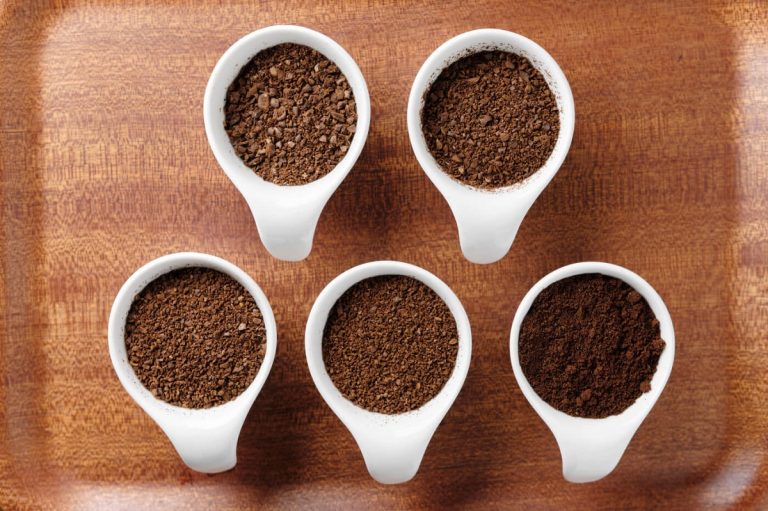
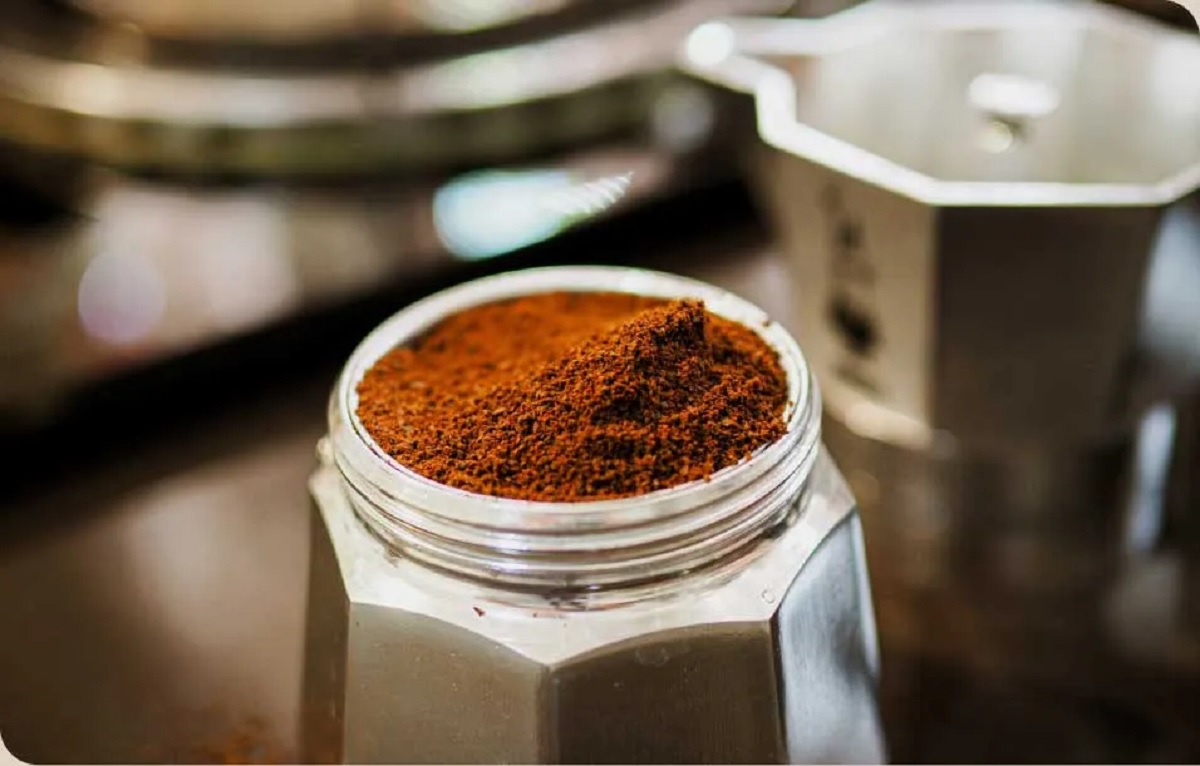
For Moka pot brewing, a medium-fine grind is generally considered ideal. It’s finer than drip coffee but coarser than espresso grind. This texture allows the water to pass through the coffee at the right pace, extracting flavor fully without causing bitterness.
Medium-fine grounds create resistance for the water as it travels upward, producing a strong, concentrated cup without over-extraction. This grind size also preserves the natural oils and aroma of the coffee beans, enhancing both taste and fragrance. When tamped lightly into the Moka pot filter, the grounds maintain uniformity, which improves consistency in each brew.
Using a medium-fine grind also reduces the risk of clogging. Too fine a grind can compact tightly in the filter, causing slow or uneven extraction. Too coarse, and water passes too quickly, leaving coffee underdeveloped. Medium-fine strikes the perfect balance for home brewing.
Mastering this grind allows you to experiment with bean type, roast, and quantity while maintaining a reliable extraction. It ensures a full-bodied cup with a smooth finish that showcases the coffee’s best characteristics.
Adjusting Grind Based on Taste Preference
You can slightly adjust the grind size to match personal taste preferences or different beans. For darker roasts, a slightly coarser grind can reduce bitterness, while a finer grind for lighter roasts can enhance acidity and aromatic notes. Monitoring extraction time helps guide these adjustments.
A good rule of thumb is that water should take about four to six minutes to pass through the coffee in the Moka pot. Faster extraction indicates the grind is too coarse, and slower extraction signals that it’s too fine. By tweaking grind size, you control strength, flavor intensity, and overall balance.
Adjustments also depend on your Moka pot size and water temperature. Smaller pots may need slightly finer grinds to achieve proper extraction, while larger pots may benefit from a coarser texture. Experimenting within these parameters allows you to tailor your coffee to taste.
Fine-tuning the grind ensures that your coffee is neither too weak nor overly bitter. By paying attention to bean type, roast, and extraction time, you can enjoy a rich, aromatic cup that suits your preferences perfectly.
Grinding Tools and Techniques
Using the right grinder is critical for achieving a consistent medium-fine grind. Burr grinders are preferred over blade grinders because they produce uniform particle size, which ensures even extraction in the Moka pot. Consistency in grind size prevents over- or under-extraction, giving you a smoother cup every time.
Manual grinders allow precise control, while electric burr grinders save time and maintain uniformity. Grinding just before brewing preserves freshness and aroma, enhancing flavor. Avoid pre-ground coffee for Moka pots, as it may be too fine or uneven, which affects extraction and taste.
Tamping lightly and leveling the coffee in the filter ensures uniform water flow through the grounds. Too much pressure can slow extraction, and uneven coffee distribution may create pockets of weak or bitter coffee. Combining proper grind, consistent measurement, and careful tamping maximizes flavor.
Using the right tools and techniques allows home brewers to consistently create high-quality coffee in a Moka pot. It ensures smooth, flavorful coffee that highlights the beans’ best characteristics.
Common Grind Mistakes to Avoid
A common mistake is using espresso-fine coffee for a Moka pot, which often leads to over-extraction and a bitter taste. Another error is using too coarse a grind, resulting in weak, watery coffee. Uneven grind or inconsistent particle size also produces unbalanced flavors.
Paying attention to grind size consistency prevents these issues. Adjusting grind according to extraction speed, coffee strength, and flavor helps create a smooth, aromatic cup. Monitoring these variables is key to mastering Moka pot brewing at home.
Avoiding grind mistakes ensures each brew is enjoyable and highlights the coffee’s natural aroma, flavor, and body. Proper grind management is essential for turning the Moka pot into a reliable tool for café-quality coffee.
Choosing the Right Coffee Beans
Selecting the right coffee beans is one of the most important steps in achieving a flavorful and satisfying cup. The type of bean, roast, and origin all influence aroma, body, and taste. Choosing beans that suit your brewing method ensures consistency and enhances the overall coffee experience. Understanding the differences in coffee beans allows you to tailor your selection for a richer, more enjoyable cup.
Arabica vs. Robusta Beans
Coffee beans generally fall into two main categories: Arabica and Robusta. Arabica beans are known for their smooth flavor, mild acidity, and aromatic qualities. They often have fruity, floral, or chocolatey notes, making them ideal for brewing methods that highlight subtle flavors, like pour-over or Moka pot.
Robusta beans are stronger, more bitter, and have higher caffeine content. They produce a heavier body and are often used in espresso blends to provide crema and intensity. Choosing between Arabica and Robusta depends on your taste preference. Arabica offers a refined, delicate cup, while Robusta delivers boldness and punch. Blends often combine both to balance flavor, body, and crema.
Understanding these differences helps you match beans to your brewing method. You can experiment with single-origin Arabica for complex flavors or use Robusta in espresso for a more robust, concentrated shot. Knowing your beans is the foundation for a great coffee experience.
Light, Medium, or Dark Roast
Roast level dramatically impacts flavor and aroma. Light roasts preserve the original characteristics of the bean, offering bright acidity, subtle sweetness, and complex notes. Medium roasts provide a balanced flavor, combining acidity with richer, caramel-like tones. Dark roasts create bold, smoky, and sometimes bitter profiles, with a heavier body and reduced acidity.
Choosing the right roast depends on your preferred taste and brewing method. Light and medium roasts work well for drip coffee or Moka pots, highlighting nuanced flavors. Dark roasts are ideal for espresso, delivering a strong, full-bodied shot with crema and intensity. Understanding roast profiles allows you to select beans that complement your preferred coffee style.
Roast freshness is equally important. Beans should be consumed within a few weeks of roasting for optimal aroma and flavor. Grinding beans just before brewing preserves oils and enhances the taste of every cup.
By selecting the right roast, you can create a coffee experience that matches your personal preference and brewing setup. Matching beans with roast profiles ensures a satisfying, flavorful cup every time.
Single-Origin vs. Blended Beans
Single-origin beans come from a specific region, farm, or lot and offer distinctive flavor profiles tied to their origin. These beans highlight unique tasting notes such as floral, fruity, nutty, or chocolatey characteristics, allowing you to explore the diversity of coffee around the world.
Blended beans combine beans from multiple regions to create balanced flavors, consistent body, and reliable taste. Espresso blends often use both Arabica and Robusta beans to deliver bold flavor and rich crema. Choosing blends ensures consistency and is ideal for brewing methods where balance and predictability are key.
Single-origin beans allow you to explore distinct flavors and experiment with brewing techniques to highlight their characteristics. Blends provide reliability and smoothness, particularly in espresso or milk-based drinks. Understanding the purpose of each type helps you select beans that enhance your preferred brewing method.
Experimenting with both single-origin and blended beans can expand your coffee palate, providing variety while helping you determine the flavors and aromas you most enjoy in a cup.
Freshness and Storage
Freshness is critical for flavor, aroma, and body. Coffee beans begin to lose their quality soon after roasting, so buying freshly roasted beans ensures optimal taste. Always check the roast date and choose beans roasted within the last few weeks.
Proper storage maintains freshness. Keep beans in an airtight container, away from heat, moisture, and light. Avoid storing beans in the fridge or freezer, as this can create condensation and degrade flavor. Grinding beans just before brewing preserves oils and aromas, enhancing the coffee experience.
Fresh beans also allow for better extraction and crema when using espresso or Moka pot brewing. By focusing on freshness and proper storage, you ensure each cup is aromatic, flavorful, and full-bodied, showcasing the bean’s natural characteristics.
Freshness and Storage
Maintaining the freshness of coffee beans is essential for brewing flavorful, aromatic coffee. Fresh beans preserve the natural oils, aroma, and taste that make each cup enjoyable. Proper storage ensures beans retain their quality over time, preventing stale or flat coffee. Understanding how to store coffee and monitor freshness allows you to consistently brew rich, satisfying coffee at home.
Why Freshness Matters
Freshness is key because coffee begins to lose flavor soon after roasting. Beans contain volatile oils and compounds that contribute to aroma and taste, and these degrade over time. Using beans that are too old results in a dull, flat cup lacking complexity and body.
Grinding beans immediately before brewing helps preserve these oils and enhances extraction. Fresh coffee grounds release aroma and flavor more effectively, whether you are using a Moka pot, drip coffee maker, or espresso machine. Paying attention to freshness ensures your coffee maintains intensity and richness, allowing every cup to taste as intended.
By prioritizing freshness, you also have more control over extraction. Fresh beans interact better with water, producing crema in espresso and a full-bodied cup in other brewing methods. This makes a noticeable difference in flavor and overall enjoyment.
Proper Storage Techniques
Proper storage is crucial for keeping coffee fresh. Beans should be stored in an airtight container, away from light, heat, and moisture. Exposure to air causes oxidation, which quickly degrades aroma and flavor. Direct sunlight or heat can accelerate this process, making coffee taste stale.
Avoid storing coffee in the refrigerator or freezer, as condensation can form and affect flavor. Instead, keep beans in a cool, dark place such as a pantry or cupboard. Using opaque containers with tight seals helps maintain optimal freshness.
Maintaining a consistent storage environment preserves the oils and aromatic compounds in coffee. This ensures that every brew retains its intended body, flavor, and complexity, even if beans are used over several weeks.
Monitoring Roast Dates
Checking the roast date is an important step in selecting coffee. Freshly roasted beans typically maintain peak flavor for 2 to 4 weeks after roasting. Beans that have been sitting too long may taste stale, even if properly stored.
Buying smaller quantities more frequently ensures beans remain fresh and flavorful. This approach allows you to explore different roasts and origins while maintaining optimal taste. Monitoring roast dates also helps you plan consumption, ensuring that beans are used at their peak rather than after losing quality.
Being mindful of roast dates allows you to make informed choices when purchasing coffee, maximizing freshness and flavor in every cup.
Grinding and Usage Tips
Grinding just before brewing significantly enhances freshness. Coffee loses aroma and oils rapidly once ground, so pre-ground coffee may not deliver the same richness. For Moka pots and espresso machines, freshly ground coffee produces better extraction and crema.
Measuring the correct amount of coffee and grinding immediately before brewing ensures that the natural oils, aroma, and flavor compounds remain intact. This practice guarantees a consistently enjoyable cup of coffee at home.
Grinding Methods for Moka Pot
The grind you use for a Moka pot plays a major role in the flavor, aroma, and strength of your coffee. Unlike espresso machines, the Moka pot uses moderate steam pressure, which means grind consistency and texture are critical. Choosing the right grinding method ensures optimal extraction and a rich, balanced cup every time.
Burr Grinder vs. Blade Grinder
Using a burr grinder is the preferred method for Moka pot coffee. Burr grinders crush coffee beans evenly, producing consistent medium-fine particles that allow water to flow through uniformly. This consistency is essential for balanced extraction, preventing under- or over-extracted coffee.
Blade grinders, on the other hand, chop beans unevenly, producing a mix of fine dust and larger chunks. This inconsistency can lead to weak or bitter coffee. Fine particles may over-extract and create bitterness, while coarse chunks under-extract, producing a watery taste. Using a burr grinder minimizes these problems, ensuring your Moka pot coffee maintains smoothness, aroma, and body.
Burr grinders also allow you to adjust grind size precisely. You can fine-tune the medium-fine texture required for Moka pots, matching your beans and taste preferences. This makes burr grinders ideal for home brewing and helps achieve café-quality coffee consistently.
Manual vs. Electric Grinding
Manual grinders provide excellent control over grind size, allowing you to adjust pressure and time to achieve the desired consistency. While they require more effort, manual grinders are perfect for experimenting with small batches and single-origin beans, giving you flexibility over your Moka pot brewing.
Electric grinders are faster and convenient for daily use, especially when brewing multiple cups. They provide consistent results quickly, making them suitable for busy mornings. Many electric burr grinders offer adjustable settings that allow you to achieve medium-fine grind sizes ideal for Moka pots.
Both methods have advantages. Manual grinders emphasize precision and control, while electric grinders prioritize speed and convenience. Choosing between them depends on your routine, volume of coffee, and personal preference.
Tips for Optimal Grinding
Always grind coffee just before brewing to preserve aroma and oils. Pre-ground coffee loses flavor quickly and can produce flat or weak coffee in a Moka pot. Consistency is key—aim for uniform medium-fine particles to ensure even extraction.
Avoid over-grinding, which can create very fine dust, slowing water flow and producing bitterness. Likewise, don’t under-grind, as coarse particles let water pass too quickly, resulting in weak coffee. Experiment with small adjustments to find the perfect texture for your beans and taste preference.
FAQs
What Grind Size Is Best For A Moka Pot?
For a Moka pot, a medium-fine grind is ideal. It’s finer than drip coffee but coarser than espresso. This texture allows hot water to flow evenly through the coffee, producing a rich, full-bodied cup without over-extraction or bitterness.
Using the correct grind ensures that your coffee extracts properly, maintaining aroma, oils, and flavor. Too coarse a grind results in weak, watery coffee, while too fine a grind can slow water flow and create bitterness. Finding the right medium-fine consistency guarantees balanced, aromatic coffee every time you brew with a Moka pot.
Can I Use Pre-Ground Coffee For A Moka Pot?
Using pre-ground coffee for a Moka pot is possible but not ideal. Pre-ground coffee can vary in particle size and may not match the medium-fine texture required for proper extraction. This can lead to under-extracted or over-extracted coffee.
Grinding beans just before brewing preserves natural oils and aroma, ensuring a richer, fuller flavor. Freshly ground coffee allows water to pass evenly through the grounds, producing balanced extraction and smooth taste. For consistent results, you should invest in grinding beans at home for each Moka pot brewing session.
What Type Of Grinder Should I Use For A Moka Pot?
A burr grinder is the preferred choice for Moka pot coffee. Burr grinders produce uniform particles, which ensures even extraction and prevents weak or bitter coffee. Blade grinders create uneven sizes, which can negatively affect taste.
Manual burr grinders allow precise control over particle size, while electric burr grinders offer speed and consistency. Both options work well, but burr grinders provide the medium-fine consistency required for optimal Moka pot brewing. Using the right grinder ensures your coffee has a full body, balanced flavor, and rich aroma every time.
How Much Coffee Should I Grind For A Moka Pot?
The amount of coffee depends on your Moka pot size, but typically, you’ll use enough coffee to fill the filter basket just below the rim. Avoid pressing the coffee too tightly; a light, even tamping is enough.
Using the correct amount ensures proper extraction and avoids overflows or weak coffee. Too little coffee produces a thin cup, while too much can slow water flow and increase bitterness. Measuring coffee carefully and grinding just before brewing guarantees a flavorful, aromatic cup with the right strength and body.
Does Grind Size Affect The Taste Of Moka Pot Coffee?
Yes, grind size directly impacts the flavor of your Moka pot coffee. Medium-fine grounds produce balanced extraction, smooth body, and rich aroma. Too coarse results in weak, under-extracted coffee, while too fine creates over-extraction and bitterness.
Adjusting grind size allows you to control intensity and taste. For lighter roasts, a slightly finer grind can enhance flavor, while darker roasts may benefit from a coarser grind to reduce harshness. Paying attention to grind ensures consistent, high-quality coffee every time you brew with your Moka pot.
Can I Adjust Grind Size For Different Bean Types?
Absolutely. Different beans and roasts respond differently to water extraction. Lighter roasts often benefit from a slightly finer grind to enhance aroma and flavor, while darker roasts can tolerate a coarser grind to balance intensity and reduce bitterness.
Experimenting with grind size for each bean type allows you to highlight specific tasting notes and achieve the perfect cup. Adjusting grind size based on roast, origin, or blend ensures that your Moka pot coffee delivers smooth flavor, rich body, and aromatic complexity tailored to your preference.
How Often Should I Grind Coffee For A Moka Pot?
Grinding coffee immediately before brewing is ideal for Moka pot coffee. Freshly ground coffee preserves natural oils, aroma, and flavor, which can degrade quickly if left exposed to air.
Grinding in advance reduces freshness, resulting in flat or weak coffee. For the best results, grind only the amount you plan to brew. This ensures full-bodied coffee, balanced extraction, and vibrant aroma in every cup, allowing you to enjoy the true flavor potential of your beans with each Moka pot brew.
Final Words
Getting the grind right is one of the most important steps in making a flavorful Moka pot coffee. The correct grind ensures proper extraction, balanced strength, and rich aroma in every cup. He or she can achieve consistently smooth coffee by paying attention to grind size, bean freshness, and grind uniformity.
When considering [How To Grind Coffee For Moka Pot], aim for a texture slightly finer than drip coffee but coarser than espresso. This balance allows the water to pass through evenly, extracting flavor without causing bitterness or under-extraction. Adjusting grind size based on personal taste and bean type helps you perfect each brew.
By mastering this process, you can enjoy café-quality coffee at home every time. Proper grinding enhances the overall Moka pot experience, making every cup aromatic, flavorful, and satisfying while giving full control over strength and taste.