
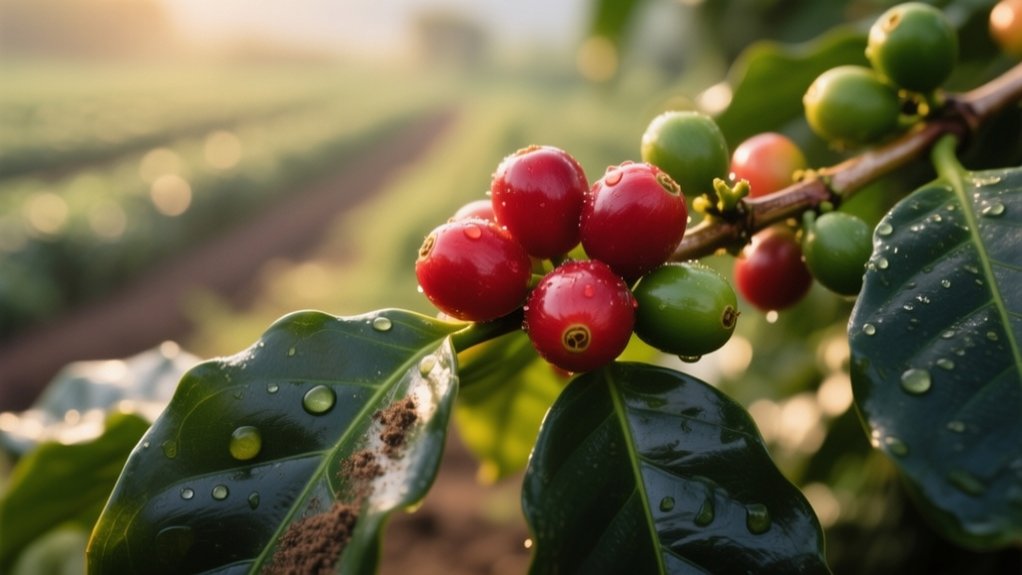
Are Coffee Cherries Edible – Everything You Need To Know
You can eat coffee cherries fresh or dried, as they’re edible fruits packed with antioxidants, fiber, and mild caffeine. Fresh cherries taste sweet and fruity, similar to watermelon, while dried cherries (cascara) brew into a tea with caffeine levels like black tea.
Besides being a nutritious snack, they support immune health and offer eco-friendly uses. Exploring their flavor, caffeine content, health benefits, and sustainable applications reveals their versatile value beyond just coffee beans.
What Are Coffee Cherries and Where Do They Grow?
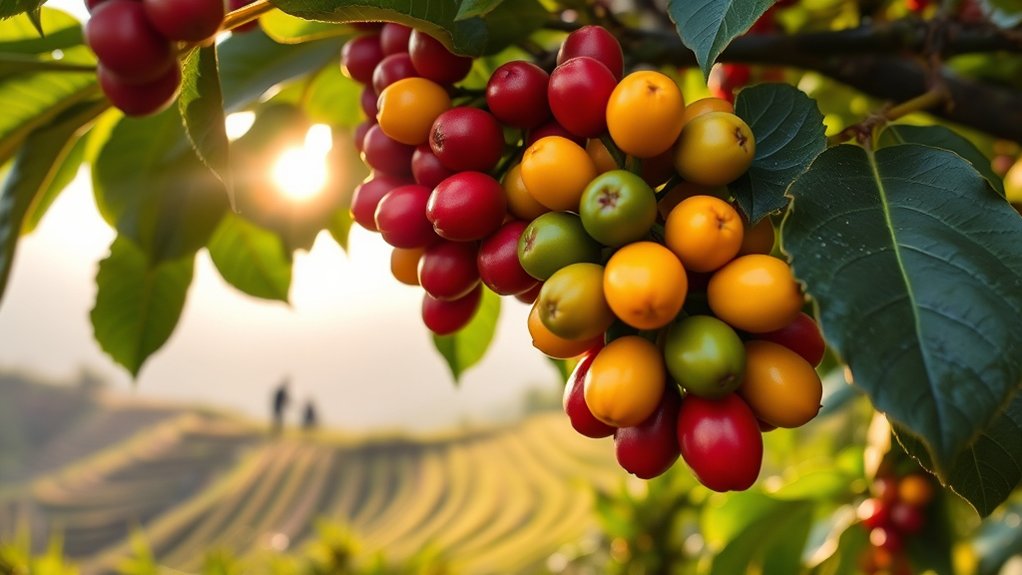
Coffee cherries are the fruit of the coffee plant, typically small and rounded, ripening to vibrant hues like red, yellow, pink, or purple depending on the variety.
You’ll find these cherries growing primarily in tropical regions such as Africa, Asia, and Latin America, where the coffee plant thrives in suitable climates.
Coffee cherries flourish in tropical regions like Africa, Asia, and Latin America, where ideal climates support their growth.
Each cherry contains two coffee beans encased in a pulp and thin skin, which contribute to their unique nutritional profile.
While you might focus on the beans, it’s important to note that coffee cherries are edible, rich in antioxidants, fiber, and vitamins.
The coffee plant itself can grow as a shrub or small tree up to 30 feet tall, showing adaptability to both cooler and warmer environments, which influences cherry development and quality.
Can You Eat Coffee Cherries Fresh or Dried?
You can enjoy coffee cherries both fresh and dried, each form offering distinct flavors and uses. Fresh coffee cherries provide a sweet, fibrous pulp with subtle caffeine content, making the coffee fruit a unique and invigorating snack. Their taste often resembles watermelon or red currant, which adds to their appeal.
Dried coffee cherries, commonly called cascara, retain antioxidant properties and serve as a popular ingredient for teas and health supplements in coffee-growing regions. While fresh cherries offer a natural, juicy experience, dried ones provide a concentrated nutritional profile suitable for health bars.
However, consuming coffee cherries excessively isn’t advisable due to limited nutritional benefits compared to other fruits.
Understanding these differences helps you choose how to best enjoy this versatile coffee fruit.
What Does a Coffee Cherry Taste Like?
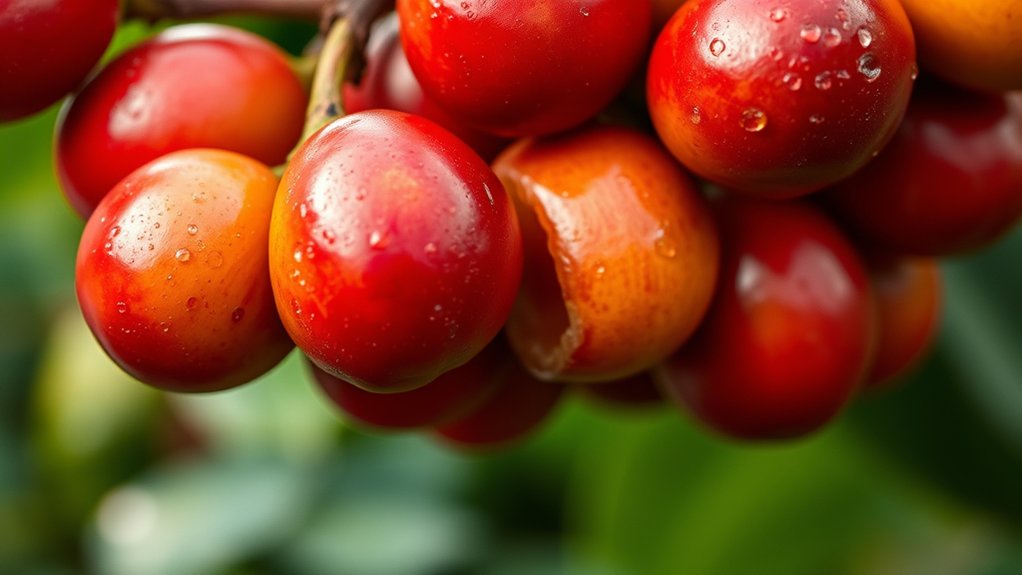
You’ll notice that coffee cherries have a sweet, fresh flavor with hints of watermelon and red currant. It’s quite different from the roasted notes you get in brewed coffee.
The texture is interesting too — there’s a slightly tough outer skin, but inside, the pulp is fibrous and juicy. It feels pretty unique in your mouth.
If you were to compare it to other fruits, you might say it tastes like a blend of watermelon and apricot.
Flavor Profile Description
A coffee cherry offers a distinctive flavor that blends sweetness with a new, fruity quality, often likened to a combination of watermelon and red currant.
When you taste a ripe coffee cherry, you’ll notice a subtle brightness that sets it apart from the flavor of the coffee brewed from its beans.
This difference arises because the cherry’s pulp contains small amounts of caffeine and natural sugars, contributing to its unique profile.
As the cherry ripens from green to red, its sweetness intensifies, signaling ideal harvest time.
Whether fresh or dried into cascara, the coffee cherry maintains a revitalizing, mildly sweet character.
It highlights the fruit’s essential role in defining coffee’s broader sensory experience beyond just the roasted beans.
Texture And Mouthfeel
The texture of a coffee cherry combines a fibrous pulp with a slightly tough outer skin, creating a distinctive mouthfeel that differs markedly from typical fruits. When you bite into coffee cherries, you’ll notice the slimy interior pulp contrasts with the firmer skin, which can feel somewhat resistant.
This interplay defines the unique texture and mouthfeel but may reduce appeal for fresh consumption. Furthermore, coffee cherries have minimal fruit flesh, mostly skin and seeds, which influences the overall tactile experience.
While the pulp offers a mildly sweet, invigorating sensation, it lacks the robust coffee flavor you might expect. Understanding this texture and mouthfeel helps set realistic expectations when eating coffee cherries raw or appreciating their transformation into cascara tea.
Comparison To Other Fruits
Though coffee cherries offer a unique texture that might surprise you, their flavor sets them apart even more distinctly from other fruits. When you taste coffee cherries, you’ll find a sweet and fresh profile reminiscent of watermelon and red currant.
Unlike traditional cherries, which belong to the Rosaceae family and have fleshy interiors, coffee cherries have a fibrous pulp with limited fruit flesh. This difference affects their appeal for fresh consumption.
You might also notice the slightly tough exterior and slimy interior, which contrasts with the crispness you expect from common fruits.
While edible, coffee cherries are more often processed into cascara tea rather than eaten fresh, mainly because their texture and flavor don’t satisfy everyone’s palate despite their sweet and fresh taste.
How Much Caffeine Is in Coffee Cherries Compared to Coffee Beans?
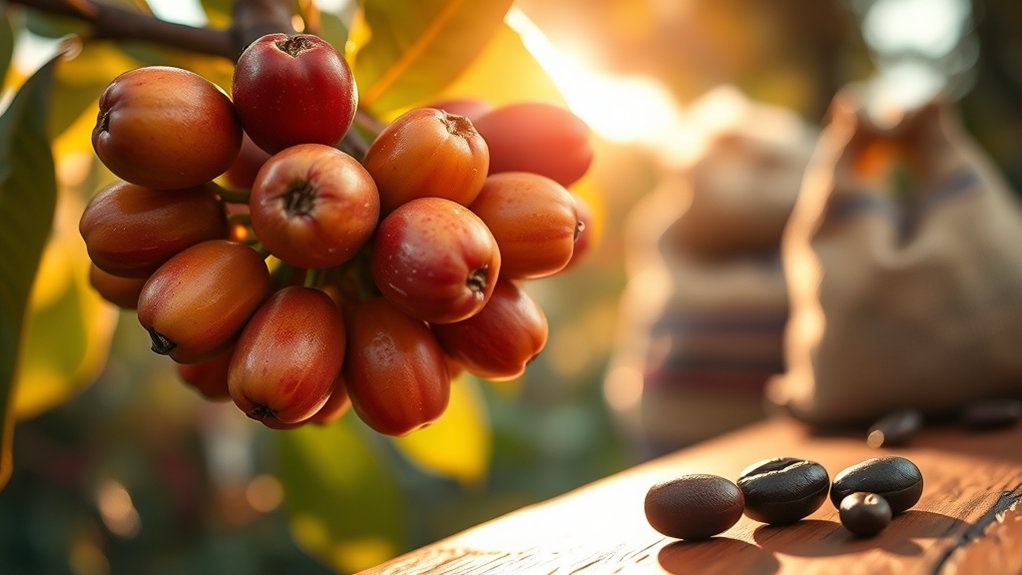
How much caffeine can you expect from coffee cherries compared to traditional coffee beans?
Coffee cherries contain considerably less caffeine, with their pulp holding about 0.5% caffeine content, while roasted coffee beans range between 1-2%.
Arabica beans average 12 mg of caffeine per gram, and robusta beans can reach up to 22 mg per gram, far exceeding the caffeine in cherries.
The caffeine content in coffee cherries varies depending on fruit ripeness and coffee variety, but it remains noticeably lower.
If you consume cascara, made from dried coffee cherry skins, expect caffeine levels similar to black tea, around 25-30 mg per cup.
What Are the Health Benefits of Eating Coffee Cherries?
You’ll find that coffee cherries pack a powerful antioxidant punch, which helps reduce oxidative stress in your body.
On top of that, they supply key minerals like calcium, magnesium, and iron, supporting your overall nutritional health.
Plus, their polyphenols might give your immune system a nice little boost, making coffee cherries a promising addition to your diet.
Antioxidant Content Benefits
Because coffee cherries pack around 22 mmol of antioxidants per 100 grams, they play a significant role in combating oxidative stress in your body.
Their impressive antioxidant content mainly comes from polyphenols, which contribute to several health benefits.
When you include coffee cherries in your diet, you support your body’s defense against cellular damage and inflammation.
Here’s what antioxidant-rich coffee cherries can do for you:
- Reduce inflammation linked to chronic diseases
- Improve heart health through vascular support
- Enhance immune system function
- Promote healthier skin by neutralizing free radicals
Nutritional Mineral Support
Beyond their antioxidant properties, coffee cherries offer a wealth of minerals that support your body’s essential functions. They’re rich in calcium (425 mg/100 g), magnesium (333 mg/100 g), and iron (49.6 mg/100 g).
These minerals are crucial for bone strength, muscle function, and oxygen transport in your blood. Their high fiber content (51 g/100 g) also promotes digestive health by aiding gut function.
Plus, the mild caffeine in the pulp gives you a subtle energy boost without the jittery side effects typical of coffee.
By incorporating coffee cherries into your diet, you get a potent combination of minerals and nutrients that help maintain your body’s structural integrity and metabolic efficiency.
It’s clear they offer much more than just antioxidant benefits.
Potential Immune Boost
Three key components in coffee cherries, antioxidants, polyphenols, and essential minerals, work together to support your immune system.
Coffee cherries provide about 22 mmol of antioxidants per 100 grams, which help neutralize harmful free radicals.
Polyphenols contribute by reducing inflammation and enhancing immune response. Moreover, essential minerals like calcium and magnesium further strengthen your body’s defenses.
When you include coffee cherries in your diet, you benefit from:
- High antioxidant content combating oxidative stress
- Polyphenols that improve immune function
- Essential minerals supporting overall health
- Mild caffeine boost enhancing alertness
These combined effects make coffee cherries a promising natural aid for immune support.
Ongoing research continues to explore their full potential in dietary supplements.
How Is Coffee Cherry Tea (Cascara) Made and Enjoyed?
To make coffee cherry tea, or cascara, producers first dry the outer pulp of the coffee cherry after removing the beans. This drying, done either by sun or mechanical dryers, concentrates the sweet, fruity flavors while preserving antioxidants and polyphenols.
When preparing cascara, you steep 1–2 tablespoons of the dried coffee cherries in hot water for 5–10 minutes, adjusting steeping time to get your preferred strength.
Cascara contains caffeine comparable to black tea, offering a revitalizing alternative to traditional coffee.
You can enjoy it hot or iced, often enhanced with spices or citrus to add complexity.
This precise process transforms coffee cherries into a versatile beverage celebrated in coffee-growing regions for its unique flavor and healthful properties.
What Are Non-Food Uses of Coffee Cherries?
Discover how coffee cherries extend their value well beyond the cup by serving diverse non-food purposes. Their rich polyphenol content and natural caffeine make them ideal for various applications, emphasizing their health benefits beyond traditional consumption.
You’ll find coffee cherries used in nutritional supplements and health bars to harness antioxidant and weight management properties. They’re also popular in skincare products aimed at improving skin elasticity and providing environmental protection.
Coffee cherries enhance supplements and skincare with antioxidants, weight management benefits, and skin elasticity support.
Plus, coffee cherries support sustainable agriculture as compost or animal feed, promoting eco-friendly practices.
Researchers are exploring their potential in immune support and other emerging health benefits too.
How Do Farmers Use Coffee Cherries to Reduce Waste?
Building on the diverse uses of coffee cherries beyond consumption, farmers actively implement strategies to minimize waste generated during processing.
Coffee farmers turn the pulp and skins of coffee cherries into compost, enriching soil fertility and closing nutrient loops. They also repurpose these by-products as nutritious animal feed, reducing agricultural waste.
In addition, drying coffee cherries to produce cascara tea maximizes fruit utilization. Some farmers convert coffee cherry waste into bioenergy, lowering environmental footprints through sustainable energy production.
Moreover, incorporating coffee cherries into nutritional supplements and health bars taps into their antioxidant benefits while cutting waste.
By employing these multifaceted approaches, coffee farmers effectively reduce environmental impact and foster circular resource use within coffee production systems.
This illustrates how coffee cherries serve not only as a crop but also as a valuable resource in waste reduction.
Frequently Asked Questions
Can Coffee Cherries Cause Allergic Reactions in Some People?
Yes, coffee cherries can cause allergic reactions in some people.
If you have coffee cherry sensitivity, you might experience allergic symptoms like skin rashes, itching, or gastrointestinal issues.
Those with allergies to coffee or related plants should be especially cautious.
Since research on coffee cherry allergies is limited, you should start with a small amount and monitor your body’s response.
Always consult a healthcare professional if you suspect sensitivity.
How Should Coffee Cherries Be Stored to Maintain Freshness?
To maintain coffee cherries’ freshness, you should store them in a cool, dry place between 15-20°C (59-68°F).
Freshness tips include consuming them within a few days of harvest since they degrade quickly.
For longer storage, dry the cherries thoroughly to 10-12% moisture and keep them in airtight containers to prevent mold and light damage.
Freezing fresh or dried cherries is also an effective storage method to extend shelf life while preserving flavor.
Are Coffee Cherries Safe for Children and Pets to Consume?
About 90% of coffee cherry pulp contains antioxidants, which offer nutritional benefits to children in moderation.
You should follow consumption guidelines carefully since the fibrous texture might be hard for kids to digest, and the natural caffeine could affect them more strongly.
For pets, especially dogs, avoid giving coffee cherries altogether due to caffeine’s harmful effects.
Always consult a veterinarian before introducing any new food to your pet’s diet to guarantee safety.
Can Coffee Cherries Be Used in Cooking or Baking Recipes?
Yes, you can definitely use coffee cherries in cooking and baking recipes. Their fibrous pulp, known as cascara, adds a unique sweetness and fruity flavor reminiscent of watermelon or red currant.
You’ll find various coffee cherry recipes that utilize dried pulp as a natural sweetener or seasoning flour, enhancing both taste and nutrition.
These culinary uses not only diversify your dishes but also boost antioxidant and fiber content efficiently.
What Is the Environmental Impact of Harvesting Coffee Cherries?
You know what they say: “A stitch in time saves nine.” By adopting sustainable practices, you can guarantee harvesting methods minimize environmental damage.
Proper coffee cherry harvesting preserves biodiversity, promotes soil health, and reduces deforestation risks.
Using organic techniques cuts down chemical pollution, while recycling coffee byproducts supports a circular economy.
When you prioritize these methods, you contribute to ecological balance and empower local communities, making your coffee habit a force for good.
Conclusion
Now that you know coffee cherries contain up to 30% of the caffeine found in coffee beans, you can see why they’re gaining popularity as a mild, energizing snack or tea ingredient.
Beyond their unique taste and health benefits, coffee cherries also offer farmers a sustainable way to reduce waste. By exploring their edible and non-food uses, you’re tapping into a versatile resource that’s shaping the future of coffee production and consumption.