

Are Coffee Grounds Good For Blueberries – Gardening Benefits Explained
Yes, coffee grounds are great for your blueberries because they naturally acidify the soil, maintaining the ideal pH between 4.0 and 5.3 that blueberries need for maximum nutrient absorption. They supply essential nitrogen, potassium, and phosphorus, improving growth, fruit size, and root health.
Applying 1-2 cups weekly, away from stems, boosts soil structure and moisture retention without over-acidifying. Keep an eye on soil tests to avoid risks like excessive foliage or root damage. Discover the best ways to combine coffee grounds with other organic materials for even better results.
Understanding Blueberry Soil Needs for Healthy Growth
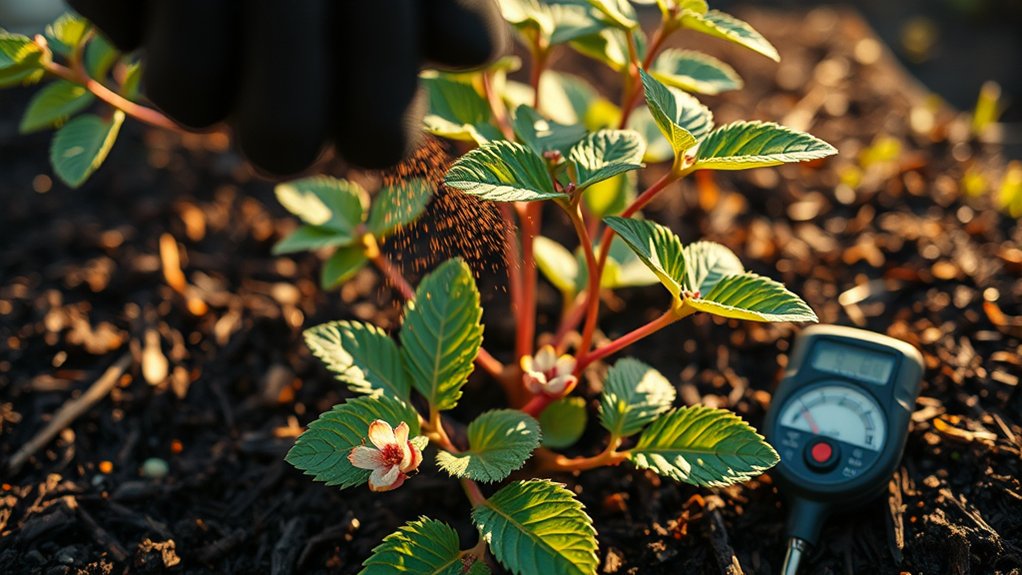
Although blueberries can be resilient, they demand acidic soil with a pH between 4.0 and 5.3 to absorb nutrients effectively and support vigorous growth. Maintaining the correct soil pH is critical, as it influences nutrient availability and root function.
You should regularly test soil pH to monitor and adjust conditions, guaranteeing ideal nutrient uptake. The soil must be rich in organic matter for moisture retention and aeration, promoting healthy root systems without waterlogging.
While coffee grounds can alter soil pH, you need to manage their application carefully to avoid over-acidification. Balanced organic amendments improve soil structure and drainage, preventing root rot caused by excessive moisture.
Understanding and managing these soil parameters guarantees your blueberry plants thrive with robust growth and fruit production.
How Coffee Grounds Benefit Blueberry Plants
Since blueberries require acidic soil and ample nutrients for peak growth, incorporating coffee grounds into your soil management can be highly advantageous.
Coffee grounds improve soil conditions, enhancing the health and productivity of blueberry plants. They contribute to maintaining the ideal pH range (4.0 to 5.3) blueberries need and boost soil moisture retention for consistent hydration.
Here’s how coffee grounds benefit blueberry plants:
- Create and sustain acidic soil conditions favorable to blueberry roots
- Enhance soil water retention, reducing evaporation stress
- Supply decomposed grounds with a safe, neutral pH to avoid over-acidification
- Encourage vigorous growth and increased berry yields when applied properly
Essential Nutrients Coffee Grounds Provide for Blueberries

You’ll find that coffee grounds provide blueberries with important nutrients like nitrogen, potassium, and phosphorus.
These nutrients play a big role in helping the plants grow strong and develop fruit. They help regulate things like photosynthesis, root growth, and overall plant metabolism, which all work together to improve the blueberry yield.
When you add coffee grounds carefully, you make these nutrients more available to the plants.
This, in turn, helps boost the overall health of your blueberries in a natural and effective way.
Key Nutrients Provided
When you incorporate coffee grounds into your blueberry soil, you introduce a rich source of essential nutrients like nitrogen, potassium, and phosphorus that directly support plant growth. These nutrients are crucial for the development and productivity of your blueberry plants.
Specifically, coffee grounds provide nitrogen to stimulate vigorous foliage growth and overall plant health. They also supply potassium, which enhances fruit size, flavor, and development.
Plus, phosphorus supports root establishment and energy transfer.
Coffee grounds add organic matter that improves soil structure and water retention, which is ideal for moisture-loving blueberries.
Additionally, the organic compounds in coffee grounds foster beneficial microbial activity. This increases nutrient availability and promotes a balanced soil ecosystem.
Using coffee grounds as a nutrient source can efficiently enhance your blueberry plants’ health and yield through natural soil enrichment.
Nutrient Impact On Growth
Although blueberry plants thrive in acidic soils, incorporating coffee grounds can greatly enhance their nutrient uptake and overall growth. Coffee grounds add nutrients like nitrogen, potassium, and magnesium, essential for vigorous growth and fruit quality.
Nitrogen promotes leaf development, while potassium supports plant health and berry production. Furthermore, coffee grounds lower soil pH, optimizing nutrient absorption in the ideal acidic range (4.0 to 5.3).
Applying a thin layer also improves water retention, maintaining moisture important for growth. Using coffee grounds regularly boosts blueberry yields by enriching the soil environment.
| Nutrient | Impact on Blueberries |
|---|---|
| Nitrogen | Stimulates healthy leaf growth |
| Potassium | Enhances fruit quality and vigor |
| Magnesium | Supports photosynthesis and metabolism |
| Soil pH | Improves nutrient availability |
| Water Retention | Reduces evaporation, maintains moisture |
How Coffee Grounds Acidify Blueberry Soil Naturally
You’ll find that coffee grounds naturally lower soil pH, which creates the acidic conditions blueberries need to absorb nutrients more efficiently.
Plus, the organic matter in the grounds improves soil structure, making it easier for the roots to access and hold onto those nutrients.
If you apply one to two cups of dried coffee grounds per bush regularly, you’ll keep this ideal acidity going and help your blueberry plants grow healthy and strong.
It’s a simple, natural way to give your soil a boost!
Soil pH Adjustment
Because blueberries require acidic soil with a pH between 4.0 and 5.3, incorporating coffee grounds, which have a slightly acidic pH of about 6.0 to 6.8, can effectively lower soil alkalinity to meet these needs.
When you add coffee grounds to your blueberry soil, they decompose slowly, sustaining an acidic environment ideal for root growth. This natural acidification helps maintain proper soil conditions essential for nutrient uptake.
Key benefits of using coffee grounds for soil pH adjustment include:
- Gradual acidification aligning with blueberries’ pH requirements
- Prevention of soil alkalinity spikes
- Enhanced water retention supporting root health
- Balanced application (1–2 cups per bush) to avoid excessive acidity
Nutrient Availability Boost
When you incorporate coffee grounds into your blueberry soil, you enhance nutrient availability by naturally acidifying the environment and supplying key elements like nitrogen, potassium, and magnesium. These nutrients are critical for blueberry plant development, supporting vigorous growth and improved fruit yield.
The grounds’ natural acidity adjusts the soil pH within the ideal range of 4.0 to 5.3, optimizing nutrient solubility and uptake. Used coffee grounds have a near-neutral pH, so you can apply them safely without risking excessive acidity.
Furthermore, regular incorporation of grounds improves soil structure and water retention. This indirectly supports nutrient absorption by maintaining consistent moisture levels.
Natural Acidification Process
Enhancing nutrient availability in blueberry soil goes hand in hand with the natural acidification process driven by coffee grounds. Since coffee grounds are acidic, adding coffee to your soil gradually lowers its pH, creating an ideal environment for blueberries. They prefer a pH between 4.0 and 5.3.
As these grounds decompose, they release organic acids and nutrients like potassium and magnesium, improving soil health.
Plus, the nitrogen in coffee grounds stimulates beneficial microbes that further acidify the soil. Remember to apply coffee grounds moderately, about one to two cups per bush, to avoid excessive acidity.
- Coffee grounds are acidic, naturally reducing soil pH
- Decomposition releases essential nutrients and organic acids
- Nitrogen boosts microbial activity aiding acidification
- Enhances soil structure for better drainage and moisture retention
Proper Application of Coffee Grounds Around Blueberries
Although coffee grounds can greatly improve soil acidity and nutrient availability for blueberries, you need to apply them correctly to avoid harming your plants.
When using coffee grounds around your blueberry bushes, sprinkle one to two cups of dried grounds per bush, ensuring they’re dry to prevent root rot.
Dry them in an oven or air-dry before application, and avoid clumping or moisture. Apply a thin layer as a top dressing weekly to maintain steady nutrient release.
Mix coffee grounds with organic materials like bark or grass clippings to balance soil nutrients and prevent excess acidity.
Keep the grounds 1-2 inches away from the stem to protect roots.
Proper application is essential for growing blueberries successfully, enhancing soil health without risking plant damage.
Recommended Amount of Coffee Grounds Per Blueberry Bush

To maximize the benefits of coffee grounds for your blueberry bushes, it’s important to use the right amount per plant. The recommended amount is one to two cups of coffee grounds per bush, providing essential nutrients without raising soil acidity excessively.
Apply coffee grounds once a week, sprinkling them evenly around the base while maintaining a 1-2 inch distance from the stem to prevent root rot. Tilling the grounds lightly into the soil enhances nutrient absorption and soil structure.
Key points to follow:
- Use 1-2 cups of coffee grounds per blueberry bush
- Apply weekly for ideal nutrient uptake
- Keep coffee grounds 1-2 inches away from the stem
- Regularly test soil pH and nutrient levels to guarantee balance
This approach guarantees healthy growth and maximizes fruit yield.
Combining Coffee Grounds With Other Organic Materials
When you combine coffee grounds with other organic materials like bark, pine needles, or acid compost, you create a nutrient-rich environment that supports blueberry bushes without raising soil alkalinity. This blend maintains the acidic pH blueberries need while improving soil structure and nutrient availability.
Coffee grounds provide nitrogen, balancing carbon-rich materials like sawdust and dried leaves for effective composting. Layering these organic materials enhances water retention and aeration, promoting healthy roots and maximizing fruit yield.
| Organic Material | Role in Soil | Benefit with Coffee Grounds |
|---|---|---|
| Bark | Carbon source, aeration | Balances nitrogen, improves texture |
| Pine Needles | Acidifies soil | Maintains low pH with grounds |
| Acid Compost | Nutrient-rich, acidic | Boosts nutrient availability |
| Sawdust | Carbon source | Complements nitrogen in grounds |
Risks to Watch For When Using Coffee Grounds on Blueberries
Blending coffee grounds with other organic materials can enhance soil conditions for blueberries, but you need to carefully manage their use to avoid potential problems.
Excessive coffee grounds can increase acidic soil levels, impairing nutrient uptake and stunting growth. Caffeine residues may also harm sensitive plants and pose toxicity risks to pets.
Furthermore, coffee grounds can attract grubs, which in turn increase mole activity, threatening blueberry roots.
Watch for these risks when using coffee grounds:
- Over-acidification of soil, disrupting blueberry nutrient absorption
- Elevated nitrogen levels, causing excessive foliage over berry production
- Attraction of grubs and subsequent mole damage to root systems
- Toxicity concerns for pets due to caffeine content
Regular soil testing helps you maintain ideal pH and nutrient balance, preventing these issues.
What to Expect When Feeding Blueberries Coffee Grounds
Although coffee grounds are often overlooked as a soil amendment, their nutrient profile, rich in nitrogen, potassium, and carbon, can greatly enhance blueberry growth and fruit yield when applied correctly. You’ll notice improved soil acidity, water retention, and healthier blueberry bushes with regular, measured use.
Apply 1–2 cups per bush to avoid excess nitrogen or acidity.
| Benefit | Expected Effect | Application Rate |
|---|---|---|
| Nitrogen | Stimulates vigorous growth | 1-2 cups per bush |
| Potassium | Enhances fruit development | 1-2 cups per bush |
| Soil pH Adjustment | Maintains 4.0 to 5.3 acidity | Moderate, regular topping |
| Water Retention | Reduces evaporation | Consistent mulching |
| Carbon Content | Improves soil structure | Ongoing supplementation |
Feeding blueberries coffee grounds boosts growth and yield efficiently when you follow these guidelines.
Frequently Asked Questions
Can Used Coffee Grounds Attract Pests to Blueberry Plants?
Yes, used coffee grounds can attract pests to blueberry plants if not managed properly.
While they help adjust soil acidity beneficially, the grounds may lure grubs and other insects, complicating pest management.
You should apply coffee grounds in moderation and monitor pest activity closely.
Balancing soil acidity benefits with pest control strategies guarantees your blueberry plants thrive without inviting unwanted pests that could damage roots or increase mole presence around your garden.
Is It Safe to Use Coffee Grounds From Flavored Coffee on Blueberries?
You can use coffee grounds from flavored coffee on blueberries, but you should be cautious. The coffee acidity generally supports blueberries’ preferred soil pH, which helps with nutrient uptake.
However, flavor compounds and additives in flavored grounds might disrupt soil microbes or introduce harmful chemicals. To keep your soil healthy, apply these grounds sparingly and regularly test soil pH and nutrient levels.
Sticking with plain grounds is often safer for ideal blueberry growth.
How Long Do Coffee Grounds Take to Decompose in Blueberry Soil?
You might expect coffee grounds to vanish overnight, but they actually take about 3 to 6 months to decompose in blueberry soil.
This timeframe depends on factors like soil acidity and moisture levels, which affect microbial activity.
Their fine texture speeds nutrient release, gradually improving soil structure and acidity balance.
Can Coffee Grounds Be Used as Mulch for Blueberry Bushes?
Yes, you can use coffee grounds as mulch for blueberry bushes. They help maintain ideal soil acidity, essential for blueberries, by keeping pH levels between 4.0 and 5.3.
When applied correctly, coffee grounds provide nutrient enhancement, supplying nitrogen, potassium, and phosphorus.
Just spread a thin, dried layer around the base, avoiding direct contact with stems to prevent root issues.
This practice improves soil moisture retention and supports beneficial soil organisms.
Do Coffee Grounds Affect the Taste of Blueberries?
Yes, coffee grounds can improve the taste of blueberries by promoting acidity balance in the soil.
When you apply them correctly, the nitrogen and potassium boost plant health, helping berries develop sweeter flavors.
Maintaining an ideal soil pH between 4.0 and 5.3 with coffee grounds allows your blueberry plants to absorb nutrients efficiently, which directly enhances taste improvement.
Be sure to avoid overuse, as too much nitrogen can reduce berry flavor quality.
Conclusion
Using coffee grounds for your blueberries is like giving them a nutrient-packed superfood boost. They naturally acidify the soil and supply essential nutrients, enhancing growth and fruit quality.
Just be sure to apply the right amount and mix them with other organic materials to avoid nutrient imbalances or mold issues. With careful use, coffee grounds can transform your blueberry bushes into thriving, productive plants, making your garden the envy of the neighborhood.