Do Coffee Filters Have Microplastics? What You Need to Know
Coffee is a daily ritual for millions of people, offering a comforting aroma, a boost of energy, and a moment of pause in a busy day. While most focus on flavor and caffeine, there’s growing concern about what may be lurking in your cup beyond the coffee itself. The materials used in coffee filters have become a topic of interest among health-conscious consumers.
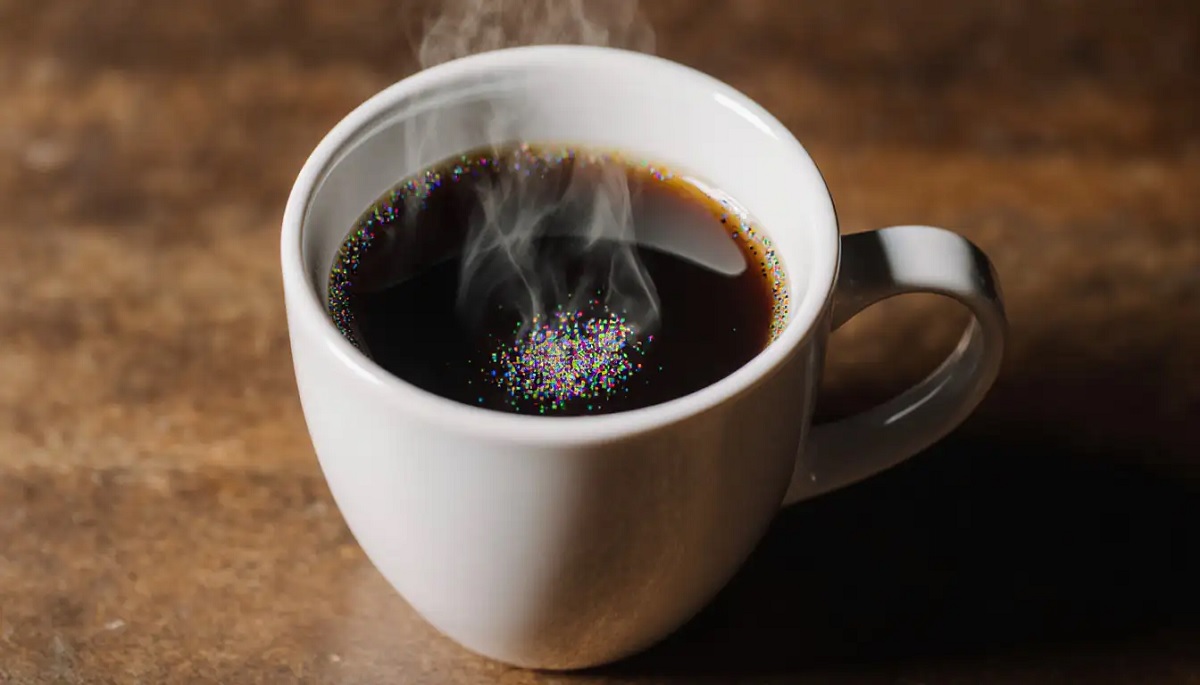
Paper, metal, and even plastic filters are common, and each type has advantages for taste and convenience. However, recent studies suggest that some filters, especially those containing plastic, might release tiny particles into the brewed coffee. These particles, known as microplastics, are small enough to be ingested unknowingly.
Exploring the presence of microplastics in coffee filters helps you make informed choices about the tools you use in daily brewing. Understanding the science behind filter materials and their potential impact is essential for maintaining both flavor and safety.
Do Coffee Filters Have Microplastics? This question highlights a growing concern about everyday exposure to tiny plastic particles. By examining the types of filters and how they interact with hot water, you can better understand potential risks in your morning cup.
Types of Coffee Filters and Their Materials
Coffee filters come in various shapes, sizes, and materials, each impacting both the taste of your coffee and the potential presence of microplastics. From paper to metal to plastic, the choice of filter affects extraction, texture, and safety. Understanding the materials used in filters can help you make informed decisions about brewing methods while balancing flavor, convenience, and health considerations.
Paper Coffee Filters
Paper filters are among the most common and widely used types of coffee filters. They are typically made from bleached or unbleached paper, with unbleached options preferred by those seeking a more natural product. Paper filters are disposable and designed to trap fine coffee grounds, oils, and impurities, producing a clean, smooth cup of coffee.
He or she should note that paper filters generally do not release microplastics, making them a safer choice compared to plastic-based alternatives. The brewing process is straightforward, with the filter placed in a drip cone or basket, and hot water poured over the grounds. While some may worry about environmental impact, many paper filters are biodegradable and compostable, making them eco-friendly options. The downside is occasional tearing if wet too long or using too much coffee, but for most daily use, paper filters offer convenience, safety, and a consistent taste profile.
Metal Coffee Filters
Metal filters, commonly made from stainless steel or gold-plated mesh, are reusable and provide a different coffee experience compared to paper. They allow more coffee oils and fine particles to pass through, giving the brew a richer flavor and fuller body. He or she who prefers a stronger, more robust cup often favors metal filters for this reason.
Reusable metal filters eliminate the risk of microplastic ingestion entirely since no plastic is involved in the brewing surface. They are durable, long-lasting, and reduce waste compared to single-use paper filters. Cleaning is simple with warm water and mild soap, and they can last for years if cared for properly. However, they do require slightly more maintenance than disposable filters, as trapped coffee grounds need regular rinsing to prevent buildup. For those seeking sustainability and flavor, metal filters provide a balance of safety, taste, and environmental responsibility.
Plastic Coffee Filters
Plastic filters, whether reusable or single-use, are often made from polypropylene or similar food-grade plastics. These filters are lightweight, affordable, and commonly found in drip machines or portable coffee makers. Plastic filters are convenient, but research indicates that they may release microplastic particles when exposed to hot water, which can be ingested with brewed coffee.
He or she who uses plastic filters regularly should be aware of the potential for microplastic exposure, especially with repeated use over time. Single-use plastic filters may reduce long-term risk but still introduce tiny particles. Many coffee enthusiasts seeking safety and health-conscious brewing may opt to replace plastic with paper or metal alternatives. Despite convenience and affordability, plastic filters carry a higher potential risk for microplastic contamination, making alternatives worth considering for daily coffee routines.
Cloth and Other Alternative Filters
Cloth filters, often made from cotton or hemp, provide another option for coffee brewing. They are reusable, biodegradable, and capable of trapping coffee grounds while allowing oils to pass through, producing a flavorful cup similar to metal filters. Cloth filters must be rinsed and dried carefully to prevent mold and odors, but they are generally free of plastic contamination.
Other less common alternatives include ceramic or silicone filters. Ceramic filters do not release microplastics and provide an even extraction but are fragile. Silicone filters are flexible and reusable, offering convenience, but some may contain trace amounts of plastics, so quality and safety certifications should be checked. He or she exploring alternative filters should weigh taste, durability, and health considerations when choosing the right material for their brewing needs.
Choosing the Right Filter
Selecting the right filter material depends on priorities like flavor, safety, convenience, and sustainability. Paper filters excel in safety and clarity, metal filters maximize flavor and sustainability, and plastic filters offer convenience but come with potential microplastic exposure. Cloth and ceramic options provide unique alternatives, balancing taste and environmental impact.
He or she should consider daily habits and personal preferences when choosing a filter. Understanding the materials used in coffee filters allows informed decisions, ensuring that coffee is enjoyed safely, consistently, and in a way that aligns with health and sustainability goals.
Research on Microplastics in Coffee
The presence of microplastics in everyday foods and beverages has become an increasing concern in recent years. Coffee, as one of the most widely consumed beverages worldwide, has been the subject of scientific research to determine whether its brewing process contributes to microplastic exposure. Understanding current research helps consumers make informed decisions about filter types and brewing methods.
Studies on Plastic Coffee Filters
Several studies have investigated whether plastic coffee filters release microplastics into brewed coffee. Researchers found that some single-use plastic filters and reusable plastic mesh filters can shed tiny plastic particles when exposed to hot water. These microplastics are microscopic, making them invisible to the naked eye, yet they are capable of being ingested with each cup.
The extent of microplastic release varies depending on the filter material, water temperature, and brewing duration. He or she drinking coffee with plastic filters regularly may unknowingly consume these particles over time. Scientists emphasize that while the long-term health effects of ingesting microplastics are still being studied, reducing exposure where possible is a prudent approach.
Comparison Between Filter Types
Research has compared different types of coffee filters, including paper, metal, and plastic options. Paper filters, particularly unbleached or biodegradable varieties, generally release negligible amounts of microplastics, making them a safer choice for minimizing plastic ingestion. Metal filters, like stainless steel, also avoid the issue entirely but may allow more coffee oils and fine grounds to pass through.
He or she choosing a brewing method can use these findings to select safer alternatives. For instance, French press or pour-over methods with metal or paper filters limit exposure to microplastics, while plastic mesh or reusable plastic filters may increase it. The study highlights the importance of understanding how filter material affects coffee safety beyond taste.
Implications for Daily Consumption
The research suggests that while occasional use of plastic filters might not pose immediate risks, regular consumption could lead to repeated microplastic exposure. Scientists are still investigating potential health consequences, including possible inflammatory or toxic effects over time. Being aware of this helps consumers make safer, more sustainable brewing choices.
He or she concerned about long-term exposure can consider alternatives like paper filters, metal filters, or even cold brew methods without plastic components. Awareness of microplastics in coffee encourages safer brewing habits while maintaining the enjoyment of daily coffee routines.
Future Directions in Research
Ongoing research is examining not only the presence of microplastics but also their size, chemical composition, and potential interactions with the human body. Future studies aim to determine safe exposure levels and whether certain brewing conditions exacerbate microplastic release.
He or she following these developments can stay informed about safer brewing options. As science progresses, consumers will gain clearer guidelines on how to enjoy coffee while minimizing microplastic ingestion, highlighting the evolving intersection of everyday habits and health awareness.
FAQs
Do Coffee Filters Release Microplastics Into Coffee?
Some coffee filters, especially reusable or single-use plastic types, can release microplastic particles when exposed to hot water. These tiny particles are invisible to the naked eye but may be ingested with your coffee.
He or she who drinks coffee regularly using plastic filters may consume these particles over time. Paper, metal, or cloth filters generally do not release microplastics, making them safer alternatives. Being aware of filter material and switching to safer options can reduce potential exposure while still enjoying your daily coffee.
Are Paper Coffee Filters Free From Microplastics?
Yes, most paper coffee filters are free from microplastics. Unbleached and biodegradable paper filters are particularly safe, as they do not contain synthetic polymers that can break down into particles.
He or she using paper filters can brew coffee without worrying about ingesting tiny plastic fragments. The filter also traps grounds and oils, producing a smooth, clean cup. For those prioritizing safety and minimal environmental impact, paper filters are a reliable and convenient option for daily coffee preparation.
How Do Metal Coffee Filters Compare in Terms of Safety?
Metal filters, such as stainless steel mesh, do not release microplastics since they are made entirely from metal. They allow coffee oils and fine particles to pass through, giving a fuller flavor, while avoiding the risk of plastic contamination.
He or she who prefers robust, flavorful coffee can safely use metal filters daily without worrying about microplastics. They are reusable, durable, and environmentally friendly. Proper cleaning and maintenance ensure long-lasting performance, making metal filters a safe and sustainable choice for coffee enthusiasts.
Are Reusable Plastic Coffee Filters Risky?
Reusable plastic filters can shed microplastic particles when exposed to hot water, especially with frequent use over time. The extent of particle release varies by plastic type and filter quality.
He or she using reusable plastic filters regularly may inadvertently consume microplastics with each cup. Switching to paper, metal, or cloth filters is recommended to minimize exposure. While plastic filters are convenient and durable, health-conscious coffee drinkers should weigh the risks against convenience when making their choice.
Does Brewing Method Affect Microplastic Exposure?
Yes, brewing methods can influence microplastic release. Hot water passing through plastic filters at higher temperatures may increase particle shedding, while slower brewing allows longer contact and potentially more microplastics in your cup.
He or she brewing coffee with plastic filters should be aware that French press, pour-over, or drip methods can affect the amount of microplastic ingested. Choosing non-plastic filters or reducing brewing temperature and time can help minimize exposure while still producing a satisfying cup of coffee.
Can Microplastics in Coffee Harm Health?
The long-term health effects of ingesting microplastics are still being studied, but research suggests potential risks such as inflammation, oxidative stress, and chemical exposure from additives absorbed by plastics.
He or she who consumes coffee brewed with plastic filters may be exposed to tiny particles and trace chemicals over time. Minimizing exposure by using paper, metal, or cloth filters reduces potential risks. Staying informed and making safer choices can help protect overall health while enjoying coffee daily.
Are Cloth or Alternative Filters Safer Options?
Yes, cloth filters made from cotton or hemp and other alternatives like ceramic filters generally do not release microplastics. They allow coffee oils to pass through while trapping grounds, offering a flavorful and safe cup.
He or she exploring non-plastic filters can enjoy coffee without worrying about microplastic ingestion. Cloth filters are reusable and biodegradable, making them eco-friendly. Ceramic or stainless steel options provide durability and minimal health risk. Choosing these alternatives supports both health and sustainability in daily coffee routines.
Final Words
Choosing the right coffee filter can make a noticeable difference in both taste and safety. Different materials, such as paper, metal, or nylon, vary in their potential to release microplastics during brewing. Being aware of these differences helps you enjoy your coffee while minimizing unintended exposure.
When asking Do Coffee Filters Have Microplastics?, research suggests that synthetic filters like nylon or plastic mesh are more likely to shed tiny particles, especially over time or with high-temperature brewing. Paper filters, particularly unbleached or compostable options, generally present a lower risk, while metal or stainless steel filters avoid microplastics entirely.
By understanding Do Coffee Filters Have Microplastics?, you can make informed choices about your brewing methods and filter types. Opting for safer, sustainable alternatives ensures your coffee remains both delicious and healthier, letting you enjoy every cup with peace of mind.