What Flavors Go Well With Matcha – Perfect Pairings To Try
Matcha is a versatile green tea powder known for its earthy, slightly grassy flavor and vibrant green color. Its unique taste pairs beautifully with a wide range of ingredients, creating beverages, desserts, and snacks that are both delicious and visually appealing. Exploring complementary flavors allows you to enhance matcha’s natural qualities while balancing its bold, sometimes bitter notes.
Pairing matcha with the right flavors can elevate your culinary creations. Sweet fruits, creamy dairy or plant-based milk, and subtle spices can soften its earthiness, while chocolate, nuts, or citrus can add depth and complexity. Knowing which flavors harmonize with matcha helps you create balanced and satisfying recipes.
Matcha’s adaptability makes it a favorite for smoothies, lattes, baked goods, and even savory dishes. Learning how to combine it with different flavors allows you to enjoy its health benefits while experimenting with taste.
Fruity Flavors That Complement Matcha
Matcha’s earthy and slightly grassy flavor pairs beautifully with a variety of fruits, creating drinks, desserts, and snacks that are both flavorful and visually appealing. Fruity flavors can balance matcha’s bold taste while adding natural sweetness, acidity, and antioxidants. Knowing which fruits complement matcha helps you experiment with lattes, smoothies, baked goods, and chilled beverages.
Berries and Matcha
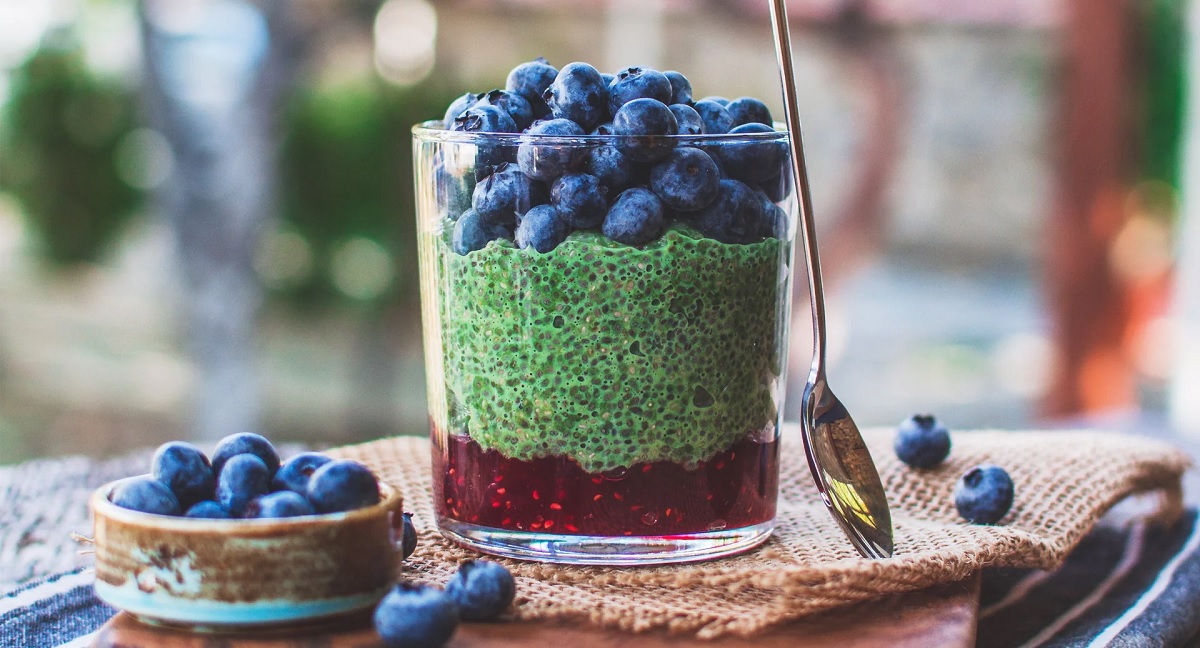
Berries such as blueberries, strawberries, raspberries, and blackberries are ideal companions for matcha. Their natural sweetness and subtle tartness balance matcha’s earthy flavor, creating a harmonious taste profile. Blueberries, in particular, pair well in smoothies or iced matcha drinks, offering antioxidants and a vibrant purple hue that contrasts beautifully with matcha’s green color.
Strawberries add a fresh, slightly sweet flavor that softens matcha’s intensity, making it more approachable for those new to green tea. Raspberries and blackberries provide a slightly tangy note, enhancing the complexity of matcha-based drinks and desserts. Using fresh or frozen berries allows you to adjust sweetness and texture, while berry purees or sauces can elevate matcha lattes or baked goods.
The combination of berries and matcha is also visually striking. The deep colors of berries against matcha’s vibrant green create an appealing contrast that enhances presentation. Beyond aesthetics, the antioxidant-rich profile of both matcha and berries supports overall wellness, making this pairing both delicious and nutritious.
Citrus Fruits and Matcha
Citrus fruits like oranges, lemons, and limes complement matcha by introducing bright acidity and refreshing aroma. The zesty, tangy notes of citrus balance matcha’s natural earthiness, enhancing flavor without overwhelming it. Citrus juice or zest can be added to matcha smoothies, iced teas, or desserts like tarts and cakes.
Lemon and lime provide a crisp, tangy flavor that awakens the palate and enhances the vibrancy of matcha in drinks. Orange adds natural sweetness while maintaining a light, refreshing quality. Pairing matcha with citrus also allows for creative recipes, such as iced matcha with orange slices or lemon-infused matcha lattes.
Citrus and matcha together deliver a refreshing combination that is perfect for warm weather beverages or energizing morning drinks. The bright colors of citrus fruits also complement matcha visually, making any preparation look more appealing while providing an extra boost of vitamin C.
Tropical Fruits and Matcha
Tropical fruits like mango, pineapple, and passion fruit bring bold, sweet flavors to matcha creations. Their vibrant, tropical taste enhances matcha lattes, smoothies, and smoothie bowls, providing a unique twist on traditional recipes. Mango and pineapple add natural sweetness, reducing the need for added sugars.
Passion fruit offers a tangy, aromatic note that highlights matcha’s earthy undertones. Using tropical fruit purees or chopped fresh fruit allows you to control texture and sweetness, making beverages thicker or smoother depending on preference. The combination of tropical fruits and matcha is ideal for energizing, refreshing drinks, particularly in summer or as post-workout beverages.
The bright colors of tropical fruits against matcha’s green create visually stunning drinks and desserts. Nutritionally, tropical fruits add vitamins, fiber, and antioxidants, complementing matcha’s catechins and L-theanine for a balanced, health-conscious treat.
Stone Fruits and Matcha
Stone fruits such as peaches, cherries, and plums offer sweet, juicy flavors that complement matcha’s earthy notes. Peaches bring a delicate sweetness and subtle floral aroma, ideal for lattes or iced beverages. Cherries provide slightly tart undertones that contrast beautifully with matcha, while plums add a deep, rich flavor that pairs well in smoothies and baked goods.
Using fresh, ripe stone fruits maximizes flavor and aroma, while cooked or roasted fruit can add complexity to matcha desserts like tarts, cakes, and crumbles. The juiciness of stone fruits also adds natural sweetness and moisture, reducing the need for additional sweeteners.
Combining matcha with stone fruits produces both refreshing and indulgent beverages or desserts. This pairing not only balances flavor but also provides antioxidants, vitamins, and minerals, enhancing both taste and nutritional benefits.
Sweet and Dessert Flavors That Pair With Matcha
Matcha’s earthy, slightly grassy flavor provides a unique base for sweet and dessert-inspired combinations. Pairing matcha with dessert flavors balances its natural intensity and creates indulgent yet well-rounded treats. Understanding which sweet ingredients complement matcha allows you to craft lattes, pastries, smoothies, and desserts that are both visually appealing and delicious.
Chocolate and Matcha
Chocolate is a classic flavor that pairs beautifully with matcha. The richness and slight bitterness of dark chocolate contrast with matcha’s earthy notes, creating a balanced and sophisticated flavor profile. Milk chocolate adds creaminess and subtle sweetness, softening matcha’s intensity for a more approachable taste.
This pairing works well in beverages like matcha hot chocolate or mochas, as well as in baked goods like brownies, cakes, and cookies. White chocolate offers a sweeter, creamy profile that enhances matcha’s natural flavor while adding visual contrast. Using chocolate in moderation ensures the matcha flavor remains prominent while benefiting from the dessert-like sweetness.
Chocolate and matcha also create visually appealing desserts, with deep browns and vibrant greens creating a striking contrast. This combination delivers indulgence without overwhelming matcha’s delicate taste.
Caramel and Matcha
Caramel provides a rich, buttery sweetness that complements matcha’s earthy flavor perfectly. Its smooth, slightly toasted notes enhance lattes, puddings, and dessert sauces, creating a comforting and indulgent taste experience. Drizzling caramel over a matcha latte or dessert elevates both flavor and presentation.
Caramel’s natural sweetness reduces the need for additional sugar, making it a practical addition to matcha-based recipes. Soft caramel sauces, caramel chips, or caramel-flavored syrups all work well with matcha. The flavor pairing is particularly enjoyable in desserts like matcha panna cotta, custards, or layered cakes.
The balance of caramel and matcha provides a dessert-like experience without being overly sweet. This combination creates depth and warmth, making matcha-based beverages or desserts more approachable for those who prefer a milder, richer flavor.
Vanilla and Matcha
Vanilla is a versatile flavor that pairs seamlessly with matcha. Its smooth, sweet aroma and subtle flavor highlight matcha’s earthy notes without overpowering them. Vanilla works well in lattes, smoothies, and desserts, providing a creamy and comforting touch.
Vanilla extract, bean paste, or flavored syrups can enhance matcha beverages and baked goods. In desserts like matcha ice cream, custards, or cakes, vanilla provides a subtle sweetness that balances bitterness and accentuates green tea’s unique flavor. The combination is aromatic, visually appealing, and naturally comforting.
Using vanilla with matcha also allows for layering flavors. Adding complementary ingredients such as milk or plant-based alternatives enhances creaminess, creating a smooth, balanced drink or dessert that appeals to a wide range of palates.
Honey and Maple Syrup With Matcha
Natural sweeteners like honey and maple syrup work beautifully with matcha. Their subtle sweetness enhances flavor without overpowering matcha’s earthy notes. Honey offers floral undertones, while maple syrup adds a rich, caramel-like depth. Both can be incorporated into lattes, smoothies, or dessert recipes.
These sweeteners are especially useful for creating beverages that highlight matcha while remaining naturally sweetened. They dissolve easily, making them ideal for hot or cold drinks. Honey and maple syrup also provide trace nutrients and antioxidants, enhancing matcha’s health benefits while creating a satisfying, sweet flavor profile.
Balancing sweetness with matcha ensures that the earthy flavor remains present, creating a harmonious combination. Adjusting the amount of honey or maple syrup allows you to customize the beverage or dessert to your taste preferences.
Nutty and Earthy Flavors That Pair With Matcha
Matcha’s rich, earthy flavor naturally complements nutty and earthy ingredients, creating drinks, desserts, and snacks with depth and complexity. These flavors enhance matcha’s natural taste while adding texture, aroma, and subtle sweetness. Understanding which nutty and earthy ingredients pair well with matcha allows you to create balanced and satisfying recipes that are both flavorful and wholesome.
Nuts and Matcha
Nuts such as almonds, cashews, pistachios, and hazelnuts are excellent companions for matcha. Their natural sweetness and crunch contrast matcha’s smooth, earthy flavor, adding richness and texture. Ground nuts, nut butters, or nut milks can be incorporated into lattes, smoothies, and baked goods to enhance both taste and nutrition.
Almonds add a subtle sweetness and slightly earthy undertone, making them perfect for matcha lattes or smoothie bowls. Cashews create creamy textures when blended, ideal for plant-based matcha desserts or sauces. Pistachios complement matcha with a mild, nutty flavor that intensifies the green tea’s earthiness, while hazelnuts add a toasty richness that works well in baked goods and confections.
Nuts not only enhance flavor but also provide protein, healthy fats, and minerals, creating a more satisfying and nutritious matcha experience. Incorporating them thoughtfully allows you to balance flavor, texture, and health benefits in each preparation.
Seeds and Matcha
Seeds like sesame, pumpkin, sunflower, and chia pair well with matcha, adding earthy flavors and a subtle crunch or gel-like texture. Toasted sesame seeds, for example, enhance matcha’s natural grassy notes with a nutty aroma and flavor, while chia seeds provide added texture and boost nutritional value.
Pumpkin and sunflower seeds contribute mild, earthy flavors that work well in matcha smoothies, oatmeal, and baked goods. Seeds can also be ground into powders or butters, which blend smoothly into matcha drinks and desserts, creating creamy, nutty layers of flavor. The combination of seeds and matcha adds antioxidants, protein, and fiber, complementing the health benefits of green tea while enhancing taste and texture.
Seeds offer versatility in recipes and create visually appealing textures and patterns when sprinkled on top of matcha drinks, smoothie bowls, or desserts. Their earthy flavors harmonize with matcha while adding complexity.
Grains and Matcha
Whole grains such as oats, quinoa, and rice flour provide earthy and subtly nutty flavors that pair beautifully with matcha. Oats are particularly popular in matcha smoothies, lattes, and baked goods, adding creaminess and mild sweetness. Quinoa can be incorporated into matcha bowls or desserts, offering protein and a slightly nutty undertone.
Rice flour and puffed rice work well in desserts and snacks, creating a light texture and earthy flavor that enhances matcha’s profile. Using whole grains not only adds flavor and texture but also boosts the nutritional value of your matcha recipes with fiber, protein, and essential vitamins. The combination of grains and matcha results in satisfying, wholesome, and flavorful preparations.
Blending matcha with grains creates smooth, creamy beverages and desserts while retaining the earthy taste that makes matcha unique. Experimenting with different grains allows you to customize texture and flavor according to personal preference.
Mushrooms and Earthy Additions
Certain edible mushrooms, like reishi or chaga, can complement matcha’s earthy flavor in functional drinks. These mushrooms add subtle bitterness and depth, pairing well with nutty and creamy ingredients. Mushroom powders are often blended into matcha lattes or smoothies to create nutrient-rich beverages with layered flavors.
Earthy herbs like turmeric or cinnamon also work with matcha, enhancing complexity while providing antioxidant and anti-inflammatory benefits. Using these additions carefully ensures that matcha’s natural flavor remains the centerpiece, while nutty, earthy notes add depth and a comforting, wholesome aroma.
Incorporating mushrooms and earthy herbs expands the possibilities for matcha beyond traditional beverages, creating sophisticated, layered flavor profiles that are both healthy and satisfying.
Herbs and Spices That Enhance Matcha
Adding herbs and spices to matcha can elevate its earthy flavor while introducing complexity, aroma, and warmth. These natural additions balance matcha’s slightly grassy notes, creating drinks, desserts, and smoothies that are more flavorful and layered. Understanding which herbs and spices pair well with matcha helps you craft beverages and dishes that are both delicious and unique.
Cinnamon and Matcha
Cinnamon is a warm, aromatic spice that pairs beautifully with matcha. Its sweet-spicy flavor enhances the natural earthiness of green tea while adding a comforting depth. Cinnamon works well in lattes, smoothies, and baked goods, providing subtle sweetness and complexity without overpowering matcha.
Adding a pinch of ground cinnamon to matcha enhances aroma and creates a layered taste experience. It also pairs well with sweeteners like honey or maple syrup, balancing flavors while keeping the drink or dessert comforting and well-rounded. Cinnamon’s antioxidant properties complement matcha’s health benefits, making this combination both flavorful and nutritious.
Cinnamon can be sprinkled on top of lattes or incorporated directly into the beverage during whisking, adding both visual appeal and flavor. This pairing is perfect for cozy mornings or as a post-workout pick-me-up.
Ginger and Matcha
Ginger provides a zesty, slightly spicy note that works harmoniously with matcha’s grassy undertones. Fresh or powdered ginger can be added to matcha lattes, smoothies, and teas, creating an energizing, aromatic drink. Its natural spiciness contrasts with matcha’s smoothness, creating balance and depth.
Ginger also adds a subtle warmth and digestive benefits, making it a great addition to morning or afternoon matcha beverages. Blending ginger with sweeteners like honey or fruit enhances its flavor while smoothing its spiciness. Fresh ginger slices steeped in hot matcha create a refreshing, slightly spicy drink, while powdered ginger blends easily into smoothies and lattes.
The combination of ginger and matcha produces a vibrant, invigorating flavor profile that complements both sweet and nutty pairings. Its warming qualities make it suitable for colder days or as a soothing evening beverage.
Mint and Matcha
Mint adds a refreshing, cool aroma that contrasts beautifully with matcha’s earthy flavor. Fresh mint leaves or mint extracts can be incorporated into iced matcha beverages, smoothies, and even desserts. The crisp flavor lightens matcha’s intensity and adds a refreshing touch, especially in summer drinks.
Mint pairs well with fruits like berries or citrus, enhancing both taste and aroma. Its cooling effect complements matcha’s natural smoothness, creating a balanced, refreshing beverage. Using fresh mint leaves as a garnish or blending them directly into the drink provides both visual appeal and a burst of flavor.
Mint also offers digestive benefits and antioxidants, enhancing matcha’s health profile. This pairing is versatile, making it ideal for smoothies, iced teas, or even layered dessert creations.
Turmeric and Matcha
Turmeric’s earthy, slightly bitter flavor complements matcha’s grassy undertones while introducing anti-inflammatory benefits. Its golden color creates a visually appealing contrast when combined with matcha in lattes, smoothies, or wellness shots.
A small amount of turmeric balances matcha’s flavor without overpowering it. Adding black pepper or a touch of honey enhances turmeric’s absorption and flavor, creating a harmonious and nutrient-dense beverage. Turmeric and matcha together provide antioxidants, support immunity, and contribute to overall wellness.
This combination works well in both hot and cold drinks, offering a unique twist on traditional matcha beverages. Its earthy aroma and warm flavor make it a perfect addition for health-conscious, flavor-forward creations.
Beverage Pairings
Matcha is a versatile ingredient that can be paired with a variety of beverages to create unique flavor experiences. From creamy lattes to refreshing iced drinks, combining matcha with complementary beverages enhances its earthy notes while adding texture, sweetness, and nutritional benefits. Exploring different pairings allows you to enjoy matcha in creative and flavorful ways.
Milk and Plant-Based Milks
Milk, whether dairy or plant-based, is a classic pairing with matcha. Dairy milk adds creaminess and a subtle sweetness that balances matcha’s natural earthiness, making lattes smooth and indulgent. Plant-based options like almond, oat, soy, or coconut milk provide unique flavor profiles while keeping beverages lighter or vegan-friendly.
Oat milk, for instance, adds a mild, naturally sweet flavor that complements matcha’s grassy notes, while almond milk contributes a nutty undertone. Coconut milk adds a tropical twist, pairing especially well with fruity matcha beverages. Warming the milk slightly before combining it with matcha ensures a smooth, frothy texture, while cold milk works well for iced matcha lattes.
Adjusting the ratio of matcha to milk allows you to control intensity, sweetness, and creaminess. Topping with a sprinkle of matcha powder or a dash of cinnamon enhances flavor and visual appeal, creating a beverage that’s both satisfying and nutritious.
Fruit Juices and Smoothies
Matcha pairs exceptionally well with fruit juices and smoothies, providing a natural, refreshing flavor combination. Citrus juices like orange, lemon, or lime brighten matcha’s earthy taste, creating a vibrant and energizing beverage. Berries, mango, and pineapple add natural sweetness, antioxidants, and vibrant color, making smoothies visually appealing and flavorful.
Blending matcha with fresh or frozen fruit creates a creamy, nutrient-dense drink perfect for breakfast or a midday pick-me-up. The natural sugars in fruit balance matcha’s bitterness, while the combination of antioxidants from both matcha and fruit supports wellness. Adjusting the liquid base with water, milk, or plant-based alternatives allows you to control thickness and consistency.
Smoothies with matcha can also be customized with add-ins like chia seeds, protein powder, or nut butters for added nutrition and texture. Pairing matcha with fruits enhances flavor complexity and creates refreshing, energizing drinks suitable for all occasions.
Tea and Herbal Infusions
Matcha can be combined with other teas or herbal infusions to create layered beverages. Jasmine, chamomile, or mint infusions complement matcha’s earthy flavor while adding floral or herbal notes. Combining matcha with green tea or white tea enhances catechin content and provides a subtle, nuanced taste.
Herbal infusions work especially well in iced matcha beverages, creating refreshing drinks with natural aroma and flavor. Blending matcha with floral or herbal teas allows you to experiment with fragrance, sweetness, and color, offering endless possibilities for customized beverages. This combination is both visually appealing and beneficial, providing antioxidants and relaxing, flavorful experiences.
Using hot or cold infusions with matcha allows you to enjoy a diverse range of beverages year-round. Adjusting steeping time, sweeteners, and ratios ensures each drink maintains balance and harmony between matcha and complementary flavors.
Tips For Mixing Flavors With Matcha
Mixing flavors with matcha requires attention to balance, texture, and intensity. Its earthy, slightly grassy taste can be enhanced or complemented by a variety of ingredients, from sweet and fruity to nutty and herbal. Understanding key strategies ensures your matcha creations are flavorful, visually appealing, and harmonious in every sip or bite.
Start With Small Amounts
When introducing new flavors to matcha, start with small quantities to avoid overpowering its delicate taste. Whether adding spices, fruit, or sweeteners, gradual incorporation allows you to control the balance between matcha and other ingredients.
For example, when adding cinnamon or ginger to a matcha latte, begin with a pinch and adjust to taste. Similarly, adding fruit purees or syrups in small increments ensures sweetness does not mask matcha’s natural flavor. Tasting after each addition helps you fine-tune flavor, consistency, and aroma.
Starting small also prevents clumping or uneven blending in beverages. This method is particularly useful in recipes where multiple complementary flavors are used, as it allows each ingredient to enhance rather than compete with matcha’s earthy notes.
Balance Sweetness and Earthiness
Achieving balance between matcha’s earthiness and other flavors is key. Sweet ingredients like honey, maple syrup, or fruit can soften the natural bitterness, while tart or acidic flavors from citrus or berries highlight its depth.
The goal is to enhance matcha without overwhelming it. For instance, pairing matcha with orange zest or a few berries brightens the beverage while maintaining earthy undertones. In desserts, natural sweeteners can complement matcha’s flavor, creating a harmonious and well-rounded taste.
Balancing flavors also means considering texture. Creamy bases like milk or plant-based milk can mellow intensity, while crunchy toppings or seeds add contrast. Combining balance in both taste and texture ensures a satisfying matcha experience.
Layer Flavors Gradually
Layering flavors gradually helps achieve complexity without compromising matcha’s integrity. Incorporate ingredients one at a time, allowing their taste and aroma to meld naturally. Start with the base liquid, then add matcha, followed by sweeteners, spices, or fruit.
Layering also applies to presentation. For beverages, adding fruit purees or syrups in stages can create visually appealing swirls. In desserts, alternating layers of matcha with complementary flavors such as chocolate, vanilla, or nuts enhances both flavor and aesthetics.
This technique ensures that each layer contributes to a balanced overall taste, preventing any single element from dominating. Gradual layering also encourages experimentation with flavors, textures, and combinations that suit your preferences.
Experiment With Complementary Ingredients
Experimentation is essential when mixing flavors with matcha. Herbs, spices, nuts, fruits, and dairy or plant-based milk all interact differently, offering unique flavor profiles. Trying new combinations allows you to discover pairings that suit your taste.
Keeping a flavor log or notes can help track successful combinations and ratios. For instance, pairing matcha with mint and berries creates a refreshing drink, while combining it with almond milk and cinnamon produces a cozy latte. Experimenting also allows you to adapt flavors seasonally or for special occasions, creating personalized, flavorful matcha creations.
Frequently Asked Questions
What Fruits Pair Best With Matcha?
Fruits like berries, citrus, and tropical fruits pair exceptionally well with matcha. Berries such as blueberries, raspberries, and strawberries add natural sweetness and a slight tartness that balance matcha’s earthy flavor. Citrus fruits like lemon, lime, and orange bring bright, zesty notes that enhance vibrancy.
Tropical fruits like mango, pineapple, and passion fruit add bold sweetness and aromatic complexity. These pairings are ideal for smoothies, iced beverages, and desserts. Combining matcha with fruit allows you to enjoy a refreshing, nutrient-rich drink that balances both taste and visual appeal.
Can Chocolate Be Mixed With Matcha?
Yes, chocolate pairs beautifully with matcha. Dark chocolate enhances matcha’s earthy flavor with rich, slightly bitter undertones, while milk or white chocolate adds creaminess and sweetness. This combination works well in lattes, mochas, baked goods, and confections.
Chocolate also adds visual contrast, highlighting matcha’s vibrant green color. Using moderate amounts ensures matcha remains the star flavor. This pairing is versatile, making it suitable for drinks, desserts, or even layered recipes that blend earthy and indulgent flavors seamlessly.
How Do Nuts Complement Matcha?
Nuts like almonds, cashews, pistachios, and hazelnuts enhance matcha with nutty richness and subtle sweetness. They can be incorporated as nut butters, ground powders, or milk alternatives. Almonds provide mild sweetness, cashews create creamy textures, and pistachios add unique earthy notes.
Nuts also provide texture and nutritional benefits, including protein, healthy fats, and minerals. Pairing nuts with matcha works well in beverages, smoothies, baked goods, and energy bars. This combination balances flavor while adding complexity and satiety, making matcha more versatile and enjoyable.
What Spices Work Well With Matcha?
Spices like cinnamon, ginger, turmeric, and cardamom complement matcha’s earthy flavor. Cinnamon adds warmth and subtle sweetness, ginger contributes zesty spice, and turmeric introduces earthy depth. These spices work in lattes, smoothies, and baked desserts, enhancing flavor complexity.
Using spices with matcha also enhances aroma and can provide health benefits, such as anti-inflammatory properties. Layering spices gradually ensures that matcha remains prominent while creating a balanced, flavorful, and comforting beverage or dish that appeals to a variety of palates.
Can Matcha Be Paired With Herbs?
Yes, herbs like mint, basil, and rosemary work wonderfully with matcha. Mint adds a refreshing, cooling element, especially in iced beverages or smoothies. Basil provides aromatic complexity that complements earthy flavors, while rosemary introduces subtle piney notes in desserts or infused drinks.
Herb pairings enhance matcha’s taste, aroma, and presentation, offering a fresh and unique flavor profile. Using fresh leaves or lightly steeped infusions allows you to experiment without overpowering matcha’s natural flavor, creating vibrant, aromatic, and visually appealing drinks and desserts.
Which Sweeteners Are Best With Matcha?
Natural sweeteners like honey, maple syrup, and agave balance matcha’s earthy bitterness. Honey adds floral undertones, maple syrup provides caramel-like depth, and agave offers mild sweetness without overpowering flavor. These sweeteners work in lattes, smoothies, and baked goods.
Adjusting the amount of sweetener ensures matcha’s natural taste remains noticeable. Combining sweeteners with complementary flavors such as fruit or spices creates a harmonious and satisfying beverage or dessert, allowing you to enjoy matcha in a balanced and flavorful way.
Can Matcha Be Combined With Dairy or Plant-Based Milks?
Yes, milk and plant-based alternatives pair well with matcha. Dairy milk adds creaminess and softens earthy notes, while oat, almond, coconut, or soy milk offers unique flavors and textures. Oat milk provides subtle sweetness, almond milk adds a nutty undertone, and coconut milk introduces a tropical twist.
Using milk enhances texture, richness, and drinkability in lattes, smoothies, and matcha-based beverages. Adjusting the ratio of liquid to matcha allows you to control intensity and creaminess, creating a balanced and flavorful drink tailored to personal preference.
Final Words
Pairing matcha with the right flavors can completely transform its earthy, vibrant taste into something delightful and memorable. Fruits like berries, citrus, and tropical options add a natural sweetness that balances matcha’s slight bitterness, while desserts like chocolate, vanilla, and caramel create indulgent combinations perfect for lattes, smoothies, or baked treats.
Nuts, seeds, and earthy ingredients such as almond, sesame, and oats bring a rich, toasty note that complements matcha beautifully. Herbs and spices like mint, ginger, and cinnamon can elevate both drinks and desserts, adding depth and a refreshing twist. Even savory pairings, such as avocado, tofu, or light cheeses, offer unique ways to enjoy matcha beyond traditional beverages.
Knowing what flavors go well with matcha allows you to experiment confidently in the kitchen, whether for drinks, desserts, or snacks. With thoughtful combinations, you can enjoy matcha in creative, delicious ways while highlighting its natural flavor and health benefits.