How To Make Blueberry Matcha – Easy Recipe For A Refreshing Drink
Blueberry and matcha are a vibrant and delicious combination that offers both flavor and nutrition. The natural sweetness of blueberries pairs beautifully with the earthy, slightly grassy notes of matcha, creating a beverage that is refreshing, energizing, and packed with antioxidants. This combination has become increasingly popular among health enthusiasts and tea lovers looking for creative ways to enjoy matcha.
Matcha provides a smooth, sustained energy boost thanks to its caffeine and L-theanine content, while blueberries add natural sweetness, vitamins, and fiber. Together, they form a balanced drink that can be enjoyed any time of the day. Crafting this drink at home allows you to control the sweetness, texture, and ingredients for a personalized experience.
Learning the process of creating this unique blend opens the door to experimenting with smoothies, lattes, and refreshing iced beverages. The vibrant color and delicious taste make it visually appealing and satisfying.
By understanding the right proportions and preparation techniques, you can master the art of making a perfectly balanced and flavorful drink that highlights both matcha and blueberries. Enjoying this drink regularly combines taste, energy, and wellness in a single cup.
Ingredients You’ll Need
Creating a delicious and visually appealing blueberry matcha drink starts with having the right ingredients. The combination of fresh or frozen blueberries and high-quality matcha powder forms the base, while other complementary ingredients enhance flavor, texture, and nutritional benefits. Understanding each component helps you craft a balanced, flavorful beverage that is both energizing and refreshing.
Matcha Powder
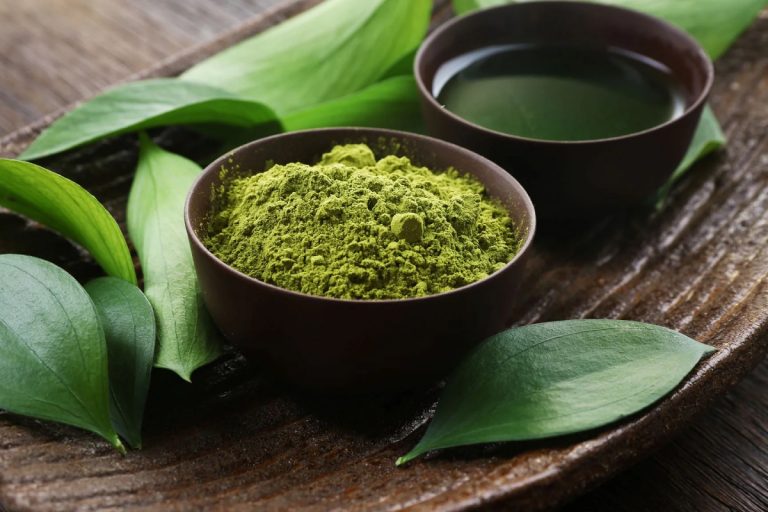
The most important ingredient in blueberry matcha is high-quality matcha powder. Ceremonial-grade matcha is ideal for beverages, as it has a smooth texture and vibrant green color. Lower grades can be used for smoothies or cooking, but they may taste slightly bitter and have a less refined texture.
Matcha provides natural caffeine and L-theanine, which promote alertness and focus without the jittery effects of coffee. Its antioxidants, particularly catechins, support overall wellness, making it a functional beverage. Using fresh, properly stored matcha ensures the best flavor, color, and nutritional benefits. Whisking the powder thoroughly helps avoid clumps and allows it to blend smoothly with blueberries and other ingredients.
Blueberries
Blueberries are the second key ingredient, contributing natural sweetness, fiber, and vibrant color. Both fresh and frozen blueberries work well. Frozen blueberries are convenient and create a thicker texture when blended, while fresh berries add a brighter, juicier flavor.
Blueberries are rich in antioxidants, particularly anthocyanins, which complement matcha’s catechins and provide additional health benefits. Their natural sugars reduce the need for added sweeteners, helping you create a balanced beverage. You can adjust the quantity based on desired sweetness and tartness, and combining them with other fruits like banana or mango adds layers of flavor.
Liquid Base
A liquid base is essential for blending matcha and blueberries into a smooth drink. Water is the simplest choice, allowing the flavors to shine, while milk or plant-based alternatives like almond, oat, or coconut milk add creaminess and a richer texture.
Choosing a liquid base can affect the flavor profile and mouthfeel. Dairy milk adds natural sweetness and richness, while plant-based milks often introduce subtle nutty or creamy notes. Using chilled or room-temperature liquid helps create the ideal consistency, whether you want a smooth latte or a thicker smoothie-style beverage. The liquid also helps dissolve matcha fully and makes blending blueberries easier.
Optional Additions
Additional ingredients can enhance flavor, texture, and nutritional value. Sweeteners like honey, maple syrup, or agave nectar can balance the natural tartness of blueberries. Vanilla extract or a pinch of cinnamon adds depth, while chia seeds or protein powder boost fiber and protein content.
Customizing your drink allows you to tailor it to your taste and dietary needs. Frozen fruit can also serve as natural ice, creating a chilled, refreshing beverage without watering down flavor. These optional additions make blueberry matcha versatile, suitable for breakfast, a midday pick-me-up, or a post-workout refreshment.
Step by Step Preparation of Blueberry Matcha
Making blueberry matcha at home is a simple yet rewarding process that combines flavor, nutrition, and vibrant color. By following a clear step-by-step approach, you can achieve a smooth, perfectly blended drink every time. Understanding the preparation stages—from measuring ingredients to whisking matcha and blending with blueberries—ensures a delicious, well-balanced beverage.
Measuring and Preparing Your Ingredients
The first step in preparing blueberry matcha is gathering and measuring all your ingredients. Start with one to two teaspoons of high-quality matcha powder, depending on your preference for flavor and caffeine content. Prepare about half a cup of fresh or frozen blueberries to create natural sweetness and color.
Next, measure your liquid base, whether it’s water, dairy milk, or plant-based alternatives. Typically, ¾ to 1 cup works well for a smooth consistency. Optional ingredients like honey, maple syrup, chia seeds, or vanilla extract can also be measured and set aside. Preparing all ingredients in advance prevents errors during blending and helps the process flow smoothly.
Ensuring that matcha is sifted before use avoids clumps, which helps achieve a smooth texture when combined with the liquid and blueberries. Frozen blueberries can be slightly thawed to make blending easier, while fresh blueberries may be rinsed and drained.
Whisking the Matcha
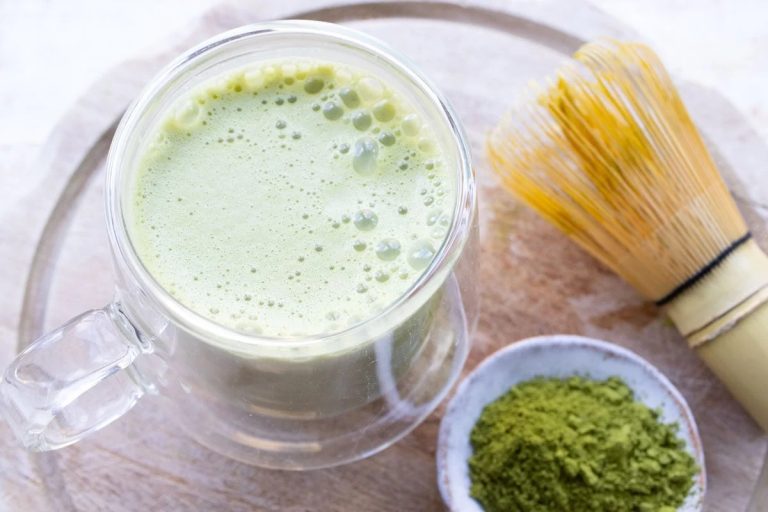
Whisking the matcha properly is crucial for a smooth and vibrant drink. Begin by adding matcha powder to a small bowl or cup, then pour a small amount of warm water, about 2–3 tablespoons, over it. Using a bamboo whisk or a small electric frother, whisk vigorously in a zig-zag motion until the powder is fully dissolved and a frothy layer forms on top.
This step ensures that matcha fully dissolves and avoids clumps that can affect texture. Proper whisking also releases matcha’s natural aroma, enhances flavor, and activates its nutrients, including catechins and L-theanine. A smooth, frothy matcha base forms the foundation for combining with blueberries, creating a visually appealing and well-balanced drink.
Avoid overusing water, as it may make the matcha too thin. Adjust the amount according to your desired intensity of flavor. Once whisked, the matcha is ready to be combined with other ingredients for a creamy, fruity beverage.
Blending Blueberries and Liquid Base
Next, add the blueberries and liquid base to a blender. Use the whisked matcha as the third ingredient. Blend on medium to high speed until smooth and fully combined. The blueberries give natural sweetness, antioxidants, and vibrant color, while the liquid base ensures a creamy consistency.
Frozen blueberries can create a thicker, smoothie-like texture, while fresh berries result in a slightly lighter drink. Adjust the amount of liquid to achieve your preferred thickness. At this stage, optional sweeteners, protein powders, or chia seeds can also be added to enhance flavor and nutritional value.
Blending evenly ensures that each sip has a balanced taste of matcha and blueberries. It also helps break down any remaining clumps of matcha or fruit, creating a uniform texture that is smooth, vibrant, and visually appealing.
Taste Adjustment and Serving
After blending, taste your blueberry matcha and adjust sweetness or flavor as needed. Adding small amounts of honey, maple syrup, or vanilla extract can balance tartness and highlight the natural sweetness of blueberries. For a creamier texture, more milk or a plant-based alternative can be incorporated.
Pour the mixture into a glass or mug. You can serve it immediately for a fresh, chilled beverage, or over ice for a refreshing, summer-style drink. Optional toppings like fresh blueberries, a sprinkle of matcha powder, or chia seeds add visual appeal and extra nutrients.
Taking the time to adjust taste ensures the drink suits your personal preferences, making it enjoyable for breakfast, a mid-day energy boost, or a healthy snack. The vibrant color and layered flavor make blueberry matcha a visually stunning and satisfying beverage.
Tips for Consistency and Enjoyment
To maintain consistency in every preparation, always measure ingredients carefully and use high-quality matcha. Sifting the matcha, properly whisking, and blending thoroughly guarantees smooth texture and full flavor. Experimenting with frozen or fresh blueberries allows you to vary texture and sweetness depending on preference.
Serving blueberry matcha immediately after preparation preserves its vibrant color, flavor, and nutrients. If storing for later, keep it refrigerated in an airtight container for up to 24 hours, but expect slight separation, which can be fixed by a quick shake or stir. Practicing these steps ensures you consistently enjoy a nutrient-rich, flavorful, and visually appealing drink.
Tips For The Perfect Blueberry Matcha
Making the perfect blueberry matcha goes beyond simply combining ingredients. Paying attention to preparation techniques, ingredient quality, and flavor balance ensures a smooth, vibrant, and delicious beverage every time. Small adjustments in whisking, blending, and serving can elevate both taste and texture, creating a beverage that’s visually appealing and nutritionally satisfying.
Choose High-Quality Matcha and Blueberries
The foundation of a great blueberry matcha is high-quality ingredients. Ceremonial-grade matcha offers smoothness, vibrant color, and rich antioxidants, making it ideal for beverages. Lower grades can work for cooking or smoothies but may taste bitter and lack refined texture. Choosing fresh or frozen blueberries impacts flavor and consistency; frozen berries create a thicker, chilled texture, while fresh berries provide natural juiciness and brightness.
Quality also affects nutritional value. Ceremonial-grade matcha and fresh blueberries retain the highest levels of catechins, anthocyanins, and other antioxidants. Sourcing ingredients from reputable brands ensures freshness and safety. For matcha, checking storage conditions and expiration dates helps maintain flavor. For blueberries, rinsing fresh berries or slightly thawing frozen ones before blending ensures a smooth texture.
Proper Whisking and Blending Techniques
Whisking matcha properly is essential for smoothness. Use a bamboo whisk or small electric frother to mix the powder with a small amount of warm water until frothy. This step dissolves clumps, releases matcha’s flavor, and activates its nutrients. Over-watering can dilute taste, so aim for just enough liquid to form a paste before combining with other ingredients.
When blending matcha with blueberries and a liquid base, use medium to high speed to create a smooth, consistent drink. Frozen blueberries can be blended longer for a creamy, smoothie-like texture, while fresh berries require shorter blending. Gradually adding optional ingredients such as honey, vanilla, or chia seeds allows better control over sweetness and consistency. Consistent blending ensures an even distribution of flavor and nutrients in every sip.
Adjust Sweetness and Flavor Balance
Blueberries provide natural sweetness, but some may prefer additional flavor adjustments. Honey, maple syrup, or agave nectar can balance tartness without overpowering matcha’s earthy taste. Vanilla extract or a pinch of cinnamon adds depth and enhances aroma, complementing both blueberries and matcha.
Taste adjustments should be gradual. Adding small amounts at a time prevents over-sweetening or masking the natural flavors. Experimenting with different liquid bases, like oat or almond milk, also affects flavor balance. Creamier bases mellow the matcha’s earthiness, while water or lighter milk maintains a fresher, fruit-forward taste. Tailoring sweetness and flavor creates a personalized beverage suited to your preferences.
Serving and Presentation Tips
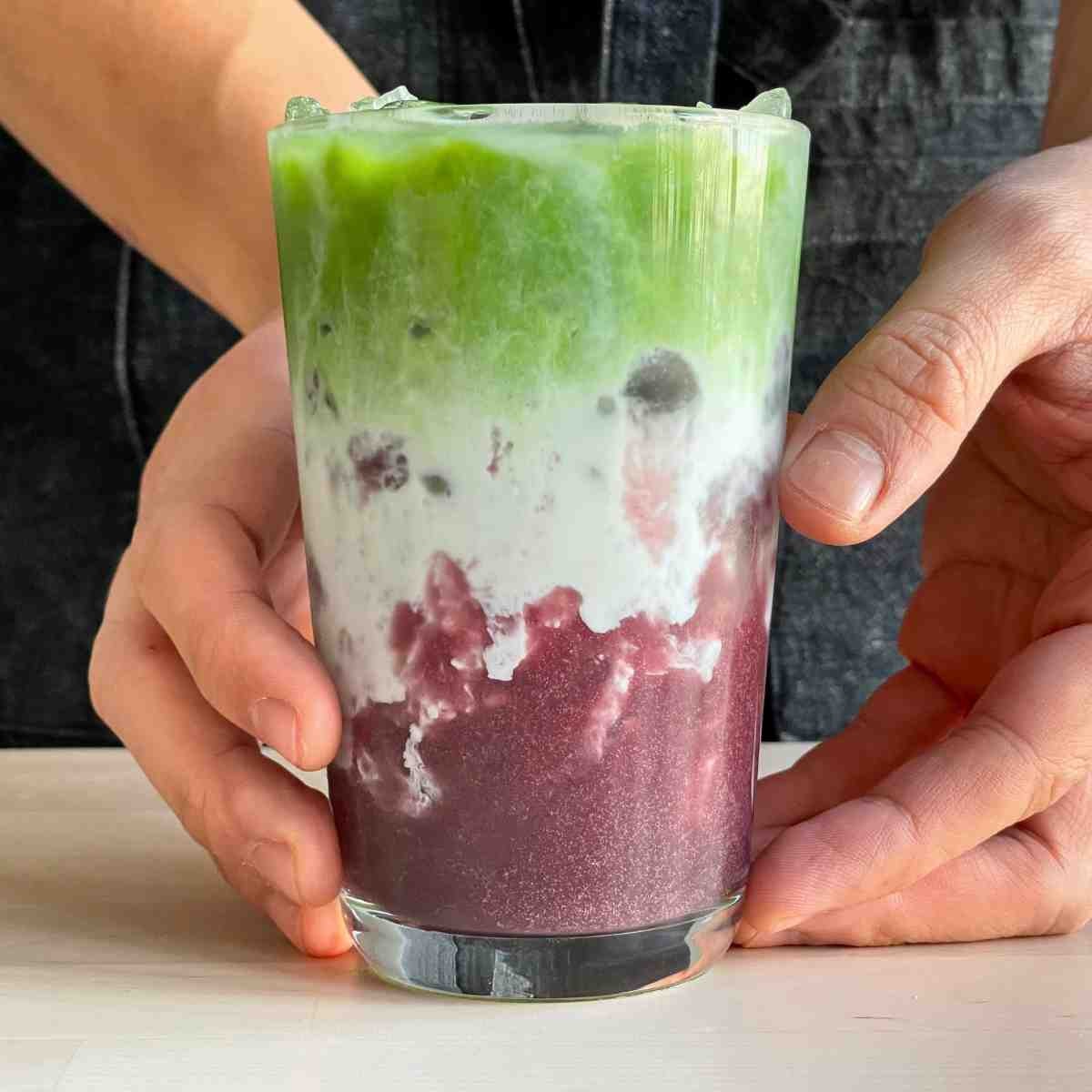
Serving blueberry matcha attractively enhances the drinking experience. Use clear glasses to showcase the vibrant green and purple hues. Topping with a few fresh blueberries, a light sprinkle of matcha powder, or chia seeds adds visual appeal and texture. For iced variations, use frozen berries or ice cubes to maintain a cold, refreshing drink without diluting flavor.
Presentation also affects enjoyment. Layering or swirling the matcha and blueberry mixture can create a visually stunning beverage, making it more enjoyable to consume. Serving immediately after preparation preserves color, flavor, and nutrient content. Small details in presentation elevate both the taste experience and the aesthetic appeal of blueberry matcha.
Experiment With Texture and Nutrients
Blueberry matcha is versatile, allowing experimentation with texture and added nutrients. For a smoothie-like consistency, add frozen banana or more frozen blueberries. For a lighter, drinkable texture, use more liquid and fewer fruits. Optional add-ins like protein powder, collagen, or flax seeds can enhance nutritional value while complementing taste.
Experimenting gradually allows you to find the ideal balance of flavor, texture, and health benefits. Combining proper whisking, blending, and ingredient quality ensures that each cup delivers consistent taste, vibrancy, and smoothness. Over time, these small adjustments create a perfected routine for making blueberry matcha tailored to your personal preference.
Frequently Asked Questions
What Type Of Matcha Is Best For Blueberry Matcha?
For blueberry matcha, ceremonial-grade matcha is the best choice due to its smooth texture, vibrant green color, and balanced flavor. It dissolves easily, blends well with fruit, and provides optimal antioxidants and L-theanine.
Lower-grade culinary matcha can be used for smoothies or recipes but may taste bitter or have a grainy texture. Choosing fresh, high-quality matcha ensures your drink is both visually appealing and flavorful, while also maximizing the health benefits that come from matcha’s naturally occurring nutrients.
Can I Use Frozen Blueberries Instead Of Fresh?
Yes, frozen blueberries work perfectly for blueberry matcha. They create a thicker, smoothie-like texture and can double as natural ice for a chilled beverage. Frozen berries also retain most of their antioxidants and nutrients.
Slightly thawing frozen blueberries before blending helps achieve a smoother consistency. Fresh blueberries provide a juicier, brighter flavor but may require adding ice to chill the drink. Either option works, allowing you to adjust texture and sweetness according to your preference while keeping preparation simple.
How Much Matcha Should I Use Per Serving?
Typically, 1–2 teaspoons of matcha powder per serving works well, depending on your taste and desired caffeine level. Using less gives a milder flavor, while more delivers stronger matcha taste and increased antioxidants.
Balancing matcha with the amount of blueberries and liquid base ensures a smooth, flavorful drink. Measuring properly also prevents bitterness or clumping, making it easier to achieve the perfect consistency. Adjusting matcha quantity gradually allows you to find the ideal balance for your personal preference.
What Liquid Base Works Best With Blueberry Matcha?
You can use water, dairy milk, or plant-based alternatives like almond, oat, or coconut milk as the liquid base. Water keeps the flavor fresh and fruit-forward, while milk or plant-based options add creaminess and a richer texture.
The choice of liquid can also influence sweetness and mouthfeel. Using chilled liquids enhances the drink’s refreshing quality, while warm liquids create a comforting latte. Adjust the amount of liquid to achieve either a smooth, drinkable consistency or a thicker, smoothie-like texture.
How Can I Sweeten Blueberry Matcha Naturally?
Blueberries provide natural sweetness, but you can enhance it using honey, maple syrup, agave nectar, or a small amount of stevia. Start with small amounts and taste as you go to avoid over-sweetening.
Other natural flavor enhancers like vanilla extract or a pinch of cinnamon complement matcha’s earthy notes and blueberry tartness. Combining natural sweeteners with fresh fruit creates a well-balanced, flavorful drink without relying on processed sugar.
Should I Blend Or Whisk Blueberry Matcha?
Both blending and whisking are important for the perfect blueberry matcha. Whisk matcha with a small amount of water first to dissolve clumps and create a frothy base. Then, blend the whisked matcha with blueberries and your liquid base to achieve smooth consistency.
Blending ensures the fruit breaks down fully, distributing flavor and nutrients evenly. Whisking first preserves matcha’s vibrant green color and enhances its aroma. Combining both techniques guarantees a smooth, visually appealing, and well-balanced beverage.
Can I Make Iced Blueberry Matcha?
Yes, blueberry matcha works beautifully as an iced beverage. Use chilled water, milk, or plant-based milk and add ice cubes or frozen blueberries to keep it cold without diluting flavor.
Blending frozen berries with the liquid base creates a thick, refreshing texture. Serving over additional ice makes it visually appealing and ideal for warm weather. Adjust sweetness and thickness according to your preference to create a refreshing and energizing drink that’s perfect for any time of day.
Final Thoughts
Creating a vibrant and flavorful blueberry matcha drink is easier than many think, and it’s a perfect way to combine the health benefits of matcha with the natural sweetness of blueberries. By using fresh or frozen blueberries, sifting your matcha properly, and balancing flavors with a natural sweetener, you can enjoy a drink that is both refreshing and energizing.
Mastering how to make blueberry matcha allows you to experiment with textures and temperatures. Whether you prefer it hot with a frothy finish or iced for a cool treat, the process is simple and adaptable. Small adjustments in sweetness, milk type, or blueberry puree concentration can make the drink uniquely yours.
With a little practice, how to make blueberry matcha becomes a fun and creative ritual. Not only do you get a delicious beverage, but you also benefit from antioxidants, vitamins, and a natural energy boost, making this recipe a staple in your matcha repertoire.