How Much Caffeine In One Coffee Bean – Facts And Caffeine Content
You’ll find about 6 mg of caffeine in a single coffee bean, but this varies by type and origin. Robusta beans contain nearly double the caffeine of Arabica. Growing conditions, bean size, and roasting also influence caffeine levels.
Grinding and brewing methods affect how much caffeine ends up in your cup. Understanding these factors helps you tailor your caffeine intake precisely. Keep exploring to discover how to optimize your coffee experience.
Average Caffeine in One Coffee Bean
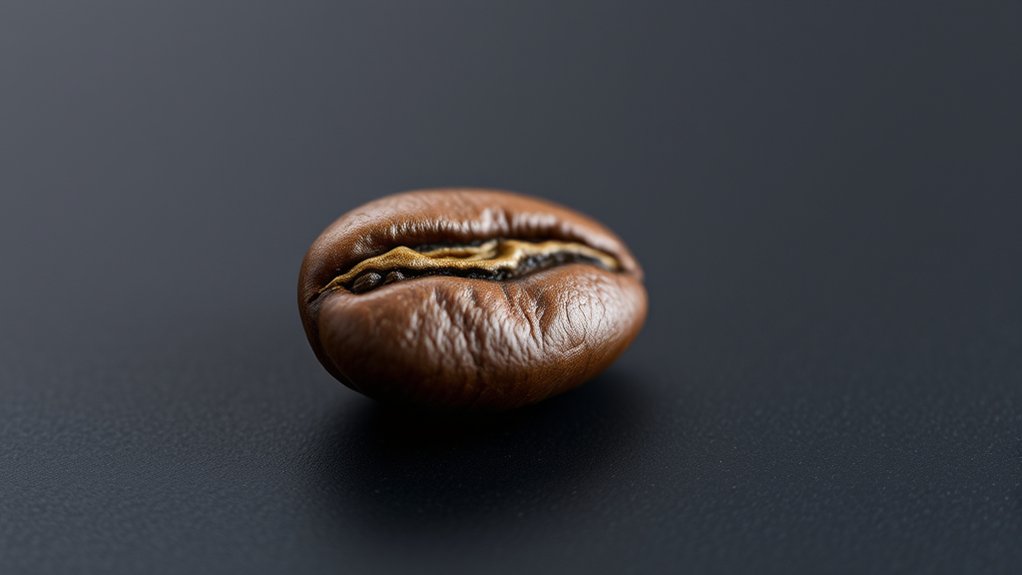
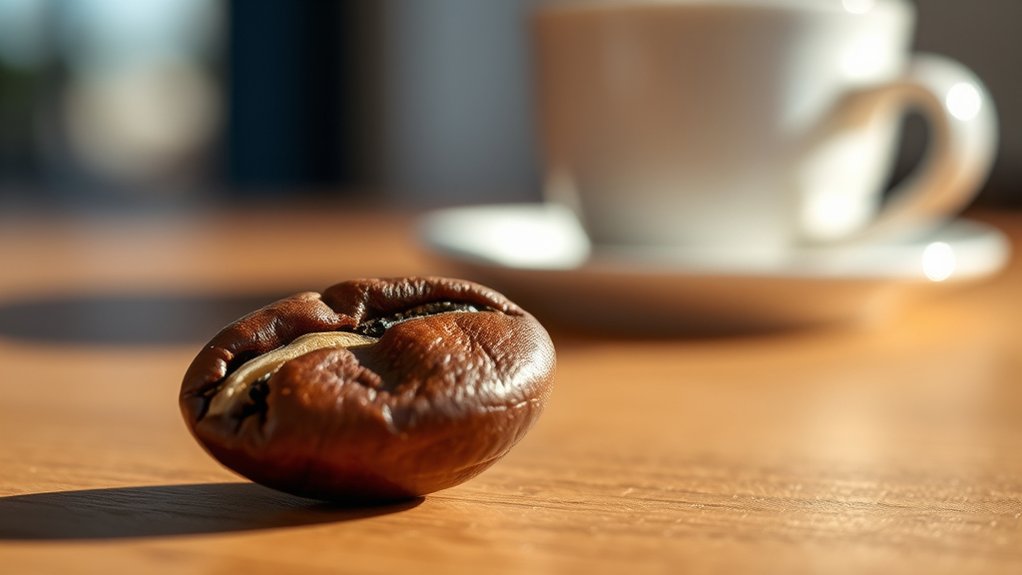
Although the caffeine content can vary depending on the coffee bean variety and roasting process, on average, a single coffee bean contains about 6 milligrams of caffeine.
When you consider coffee bean harvesting, timing plays an essential role in caffeine stability; beans picked at peak ripeness maintain more consistent caffeine levels.
During harvesting, environmental factors and handling methods influence caffeine degradation minimally, as caffeine remains relatively stable through initial processing stages.
You should know that caffeine’s molecular structure resists breakdown during drying and fermentation, preserving the stimulant’s potency until roasting.
Arabica vs. Robusta: Which Has More Caffeine?
You’ll find that Robusta beans pack nearly twice the caffeine compared to Arabica beans. This higher caffeine content doesn’t just give you a bigger buzz—it also changes the flavor and makes your coffee a bit more bitter.
These differences come down to where they grow. Robusta likes it at lower altitudes, while Arabica prefers the higher elevations.
Knowing this can help you pick the coffee that fits both your caffeine kick and your taste buds just right.
Caffeine Levels Comparison
Many coffee drinkers wonder which bean packs a stronger caffeine punch: Arabica or Robusta.
When comparing caffeine levels, Robusta beans contain nearly twice the caffeine of Arabica beans, averaging about 2.2–2.7% caffeine by weight, while Arabica beans have roughly 1.2–1.5%.
This difference stems largely from their distinct bean cultivation environments and genetic makeup.
Robusta thrives at lower altitudes and harsher conditions, leading to higher caffeine production as a natural pest deterrent.
Arabica, grown at higher elevations, has a smoother coffee flavor with less bitterness.
Understanding these caffeine disparities helps you choose beans based on your desired caffeine intake without confusing it with flavor preferences, which are influenced by other factors.
Flavor Impact Differences
While Robusta beans contain more caffeine, their flavor profile is quite different from Arabica, which changes how you experience the coffee’s strength. Robusta tends to have a harsher, more bitter taste. On the other hand, Arabica offers a smoother, sweeter profile with some nice acidity.
These differences also affect the way you might want to brew your coffee. Arabica’s delicate flavors do better with gentler methods like pour-over. Meanwhile, Robusta is better suited for stronger extraction styles, such as espresso.
Knowing the flavor profiles along with caffeine content can really help you customize your coffee experience to what you like best.
| Aspect | Arabica | Robusta |
|---|---|---|
| Caffeine Content | Lower (approx. 1.2%) | Higher (approx. 2.2%) |
| Flavor Profile | Sweet, acidic, complex | Bitter, earthy, robust |
| Best Brewing | Pour-over, drip | Espresso, French press |
Growing Conditions Effects
Because caffeine acts as a natural pesticide for coffee plants, the growing conditions directly influence its concentration in the beans. When comparing Arabica and Robusta, Robusta typically contains nearly twice the caffeine due to its adaptation to harsher environments.
Soil quality plays a vital role; nutrient-rich soil supports healthier plants but may slightly reduce caffeine levels as plants invest less in chemical defense.
Altitude effects are also significant. Arabica thrives at higher elevations, where cooler temperatures and slower maturation often result in lower caffeine content. In contrast, Robusta grows at lower altitudes with warmer climates, which encourages higher caffeine synthesis to protect against pests.
Understanding these factors helps you appreciate why Robusta beans pack a stronger caffeine punch compared to Arabica, shaped directly by their growing conditions. It’s pretty interesting how nature works, right?
How Coffee Bean Size and Weight Affect Caffeine Amount
Although coffee beans may look similar in size, their weight and dimensions considerably influence the caffeine content they contain. Heavier, denser beans generally hold more caffeine because caffeine concentration correlates with bean mass. When you measure caffeine by weight rather than volume, you get a more accurate estimate of caffeine intake.
Bean size also affects coffee flavor. Smaller beans often roast differently, impacting extraction and taste.
Plus, bean freshness plays a vital role. Fresh beans maintain their caffeine content better, while stale beans can lose potency.
Roasting’s Impact on Caffeine Levels
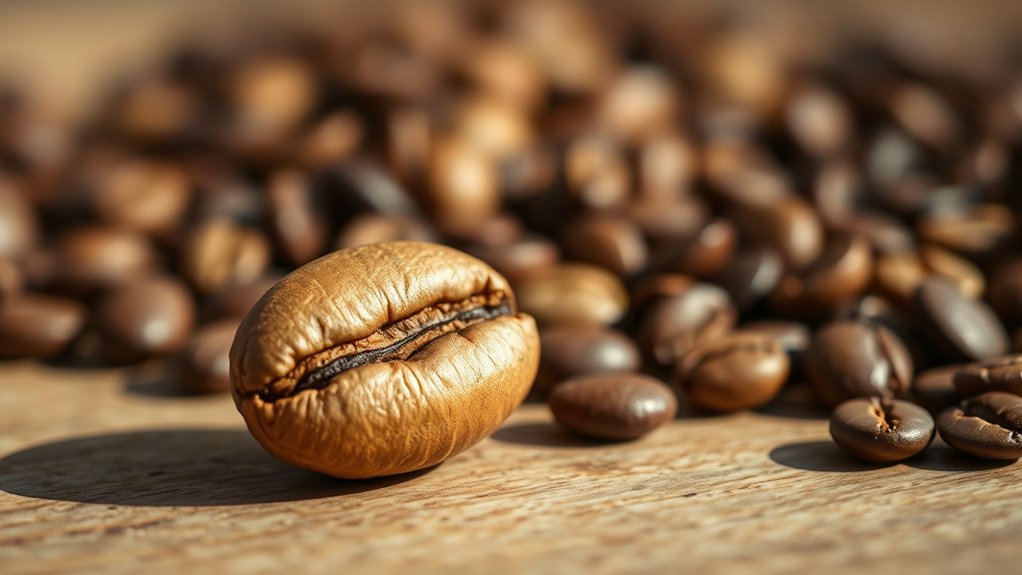
Understanding how roasting affects caffeine levels helps you make more informed choices about your coffee. Contrary to popular belief, roasting doesn’t substantially reduce caffeine content. Instead, it slightly alters the bean’s weight and volume, which can affect caffeine concentration per gram.
When beans are roasted darker, they lose more water, making them lighter but not less caffeinated. So, even though dark roasts might seem stronger, they often have about the same caffeine as lighter roasts.
Keep in mind:
- Proper bean harvesting ensures consistent caffeine levels before roasting.
- Coffee storage after roasting preserves caffeine integrity and flavor.
- Dark roasts may seem stronger but often have equal caffeine to lighter roasts.
Grinding and Brewing: Extracting Caffeine From Coffee Beans
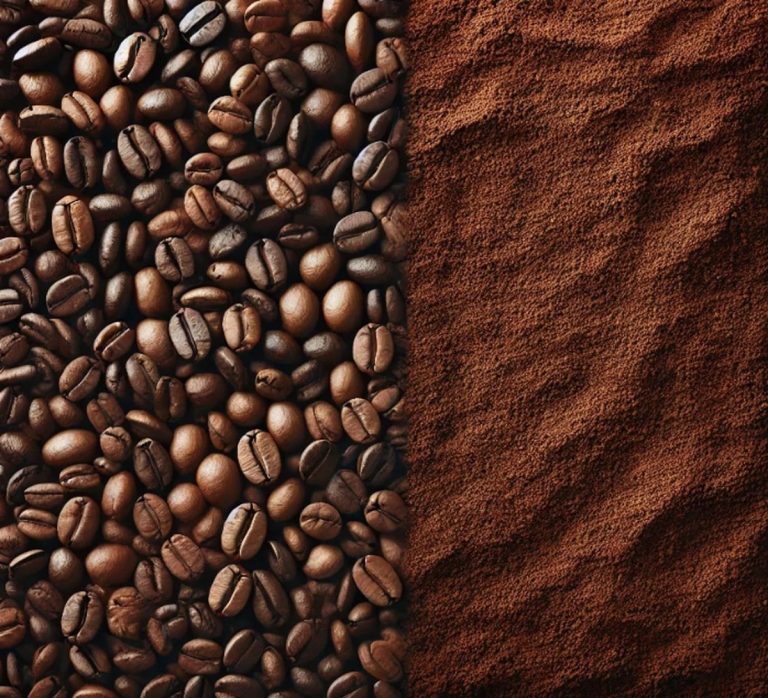
You’ll find that grind size directly influences how much caffeine you extract. When the grounds are finer, they’ve more surface area, which speeds up the extraction process.
Brewing time is important too. The longer the coffee and water stay in contact, the more caffeine gets dissolved into your cup.
Grinding Size Impact
When you adjust the grinding size of coffee beans, you directly influence how much caffeine gets extracted during brewing. Finer grinds increase surface area, allowing more caffeine and coffee aroma to be released quickly. Coarser grinds, on the other hand, slow down extraction and often yield a milder caffeine content.
Proper bean storage also matters. Fresh beans retain *ideal* oils and aromas that affect extraction efficiency. So, keeping your beans fresh really makes a difference.
Consider these impacts:
Finer grind maximizes caffeine but can risk bitterness.
Coarser grind preserves delicate coffee aroma but lowers caffeine extraction.
Improper bean storage diminishes both aroma and caffeine content over time.
Brewing Time Effects
Adjusting your brewing time considerably influences how much caffeine ends up in your cup. The longer you brew, the more caffeine and flavor compounds extract from the coffee grounds. Shorter brewing times yield lighter caffeine content and milder flavors, while extended times intensify both.
However, over-extraction can result in bitterness. Here’s a quick guide showing how brewing time affects caffeine and flavor extraction:
| Brewing Time | Caffeine & Flavor Extraction |
|---|---|
| Under 1 minute | Minimal caffeine, weak flavor |
| 1 – 2 minutes | Moderate caffeine, balanced flavor |
| 3 – 4 minutes | High caffeine, rich flavor |
| 5 – 6 minutes | Very high caffeine, strong flavor |
| Over 6 minutes | Maximum caffeine, potential bitterness |
Control your brewing time to optimize caffeine and flavor extraction for your ideal cup. It’s all about finding that sweet spot that suits your taste.
Extraction Efficiency Factors
Although brewing time plays a crucial role, the efficiency of caffeine extraction also depends heavily on grind size and brewing method. When you grind coffee beans finer, you increase the surface area, which lets more caffeine dissolve quickly. But be careful—not everything finer is better. Over-extraction can lead to bitterness and mess with the delicate flavor profiles unique to different growing regions.
Your choice of brewing method, whether espresso, drip, or French press, also impacts caffeine yield and taste balance. Each method has its own way of pulling out caffeine and flavor, so it’s worth experimenting to find what suits your taste best.
Consider these factors to optimize extraction: grind size tailored to your brewing method helps release caffeine without sacrificing flavor. Brewing techniques influence temperature and contact time, which affect both caffeine and aroma.
Plus, beans from different growing regions respond differently, changing both caffeine content and flavor nuances.
Getting these elements right will help you extract caffeine efficiently while preserving the distinct character of your coffee. It’s a bit of an art, but totally worth it for that perfect cup.
How Many Coffee Beans Does It Take to Make a Cup?
A typical cup of coffee requires about 70 to 80 coffee beans, depending on the bean size and roast level. The amount of beans you use directly influences the strength and caffeine content of your brew.
During coffee cultivation, factors like plant variety and growing conditions affect bean density and size. These things, in turn, impact how many beans are needed per cup.
Bean harvesting also plays a role; ripe, properly processed beans ensure consistent caffeine levels and flavor. When you grind these beans, you extract caffeine efficiently.
Caffeine’s Impact on Your Energy and Health
Because caffeine stimulates your central nervous system, it can boost alertness and reduce fatigue. That’s why it’s such a popular choice for enhancing energy throughout the day.
But you should also be aware of how it might affect your health. Too much caffeine can disrupt your sleep, making it harder to fall asleep and stay asleep. Over time, poor sleep can take a toll on your overall well-being and cognitive function.
Caffeine can also impact heart health by temporarily raising your heart rate and blood pressure. This could be risky if you have pre-existing conditions.
You might notice:
- Increased focus and mental clarity
- Trouble falling asleep or restless nights
- Elevated heart rate or palpitations
Balancing your caffeine intake helps you enjoy the energy boost while keeping health risks to a minimum.
Estimating Your Caffeine Intake From Coffee Beans
When you want to manage your caffeine intake effectively, knowing the caffeine content in the coffee beans you use is essential. On average, a single coffee bean contains about 6 milligrams of caffeine, but this varies by bean type and roast level.
To estimate your total caffeine intake, count the number of beans you grind or use per cup and multiply by the average caffeine per bean.
Keep in mind that coffee flavor can indicate roast degree, which slightly affects caffeine levels. Lighter roasts generally retain more caffeine.
Also, proper bean storage matters. Storing beans in airtight containers away from light and heat preserves both flavor and caffeine integrity.
Choosing Coffee Beans Based on Your Caffeine Needs
When you’re picking out coffee beans to suit your caffeine needs, it’s good to know that caffeine levels can vary quite a bit depending on the type of bean.
For example, robusta beans pack almost twice as much caffeine as arabica beans.
Then, there’s the roast to think about. Lighter roasts usually hold on to more caffeine compared to darker roasts, so that can make a difference too.
And don’t forget where the beans come from! The growing conditions in different regions can affect how much caffeine the beans develop.
Caffeine Levels By Bean
Although all coffee beans contain caffeine, the amount can vary considerably depending on the bean variety you choose. Arabica beans generally have lower caffeine levels but offer a complex flavor profile. Many people favor them for their smooth taste.
Robusta beans contain nearly twice the caffeine of Arabica and tend to have a stronger, more bitter flavor. Your choice also depends on cultivation methods. Beans grown at higher altitudes often develop denser structures, which can slightly affect caffeine concentration.
Consider these points when selecting beans for your caffeine needs:
- Arabica for a mellow, nuanced cup with moderate caffeine
- Robusta for a bold, high-caffeine boost
- Specialty beans grown via sustainable methods that balance flavor and caffeine
Understanding these differences helps you tailor your coffee experience precisely. So, think about what kind of kick and flavor you want before picking your beans.
Roast Impact On Caffeine
Selecting the right bean variety is only part of managing your caffeine intake. How you roast those beans also plays a big role.
Lighter roasts tend to keep a bit more caffeine by weight compared to darker roasts because longer roasting breaks down some caffeine molecules.
But here’s the twist: darker roasts lose more moisture, so the beans weigh less. That means if you measure by volume instead of weight, the caffeine levels can even out.
Roasting also changes the bean’s texture. They become less dense and more brittle, which affects how you grind them and how well the caffeine is extracted.
And while darker roasts bring out a stronger coffee aroma that changes the flavor, it doesn’t actually affect the caffeine content.
Bean Origin And Potency
Because caffeine content varies a lot depending on where the beans come from, choosing your coffee beans carefully can help you match your caffeine intake to what you need. Different regions produce beans with distinct caffeine levels due to factors like soil, altitude, and climate.
For example, beans from East Africa generally have higher caffeine than those from South America. Knowing where your beans come from lets you control how much caffeine ends up in your cup.
Here are some points to consider when picking beans:
- East African beans for a bold caffeine boost
- Central American beans for moderate potency
- Indonesian beans for a smoother, lower caffeine experience
Tips for Managing Your Daily Caffeine Consumption
When you want to maintain steady energy levels without the jitters or crashes, managing your daily caffeine intake becomes essential. Understanding caffeine metabolism helps you time your consumption to maximize its health benefits while minimizing side effects.
Your body processes caffeine at different rates based on genetics, age, and lifestyle. So, tracking how you feel after each cup guides better choices.
Limit intake to moderate amounts, about 200 to 400 mg daily, to support alertness without overloading your system. Avoid caffeine late in the day to prevent sleep disturbances because that can negate its positive effects.
Hydrate well, as caffeine is a mild diuretic. Consider alternating caffeinated drinks with water.
Frequently Asked Questions
How Is Caffeine Metabolized Differently in Various Age Groups?
You metabolize caffeine differently depending on your age due to age-related metabolism changes. As you get older, your liver enzymes slow down, making caffeine stay longer in your system.
Genetic influences also play a role, affecting how efficiently your body processes caffeine.
For example, some people have variations in the CYP1A2 gene that speed up or slow down caffeine metabolism, regardless of age.
Can Coffee Beans Be Decaffeinated Naturally Without Chemicals?
Coffee beans can be decaffeinated naturally without chemicals through specific decaffeination methods. Natural processes like the Swiss Water Method use water to wash away caffeine, preserving flavor without solvents.
Another approach is the CO2 method, which uses carbon dioxide to extract caffeine selectively.
These evidence-based, eco-friendly techniques guarantee you enjoy a less caffeinated cup without artificial additives. They align perfectly with your desire for chemical-free coffee experiences.
It’s a great way to keep things natural while still cutting down on caffeine.
Does Caffeine Content Vary Between Single-Origin and Blended Coffee Beans?
Yes, caffeine content can vary between single-origin and blended coffee beans due to differences in flavor profiles and harvesting methods.
Single-origin beans reflect specific growing conditions and often have consistent caffeine levels.
Blends combine beans from various regions, balancing flavors but causing caffeine variability.
Harvesting methods, such as selective picking versus strip harvesting, also influence caffeine concentration.
So, when you choose between single-origin and blends, expect differences in both taste and caffeine strength.
It’s all part of what makes coffee exploration interesting!
How Does Altitude Affect the Caffeine Content in Coffee Beans?
Altitude influence profoundly affects caffeine content in coffee beans. When you grow beans at higher altitudes, slower bean maturation occurs due to cooler temperatures.
This often leads to higher caffeine concentration as a natural pest deterrent.
Conversely, lower altitudes with faster maturation tend to produce beans with slightly less caffeine.
Are There Any Health Risks From Consuming Caffeine Directly From Coffee Beans?
You might feel a sudden jolt when consuming caffeine directly from coffee beans, but beware, coffee bean toxicity can sneak up if you overdo it. Your body absorbs caffeine quickly this way, which may lead to jitters, increased heart rate, or digestive discomfort.
While small amounts are generally safe, excessive intake risks caffeine overdose symptoms. So, enjoy beans in moderation and listen to your body’s signals to avoid unwanted side effects.
Conclusion
You might think one coffee bean is harmless, but don’t be fooled. It packs more caffeine than you’d expect. Whether you choose Arabica or Robusta, bean size, roasting, and brewing all play a role in your caffeine kick.
So, if you want to stay alert without turning into a jittery mess, managing your intake is key. Ironically, that tiny bean holds the power to energize or overwhelm your entire day. Choose wisely.