Is Coffee A Good Pre Workout – Benefits And Performance Effects
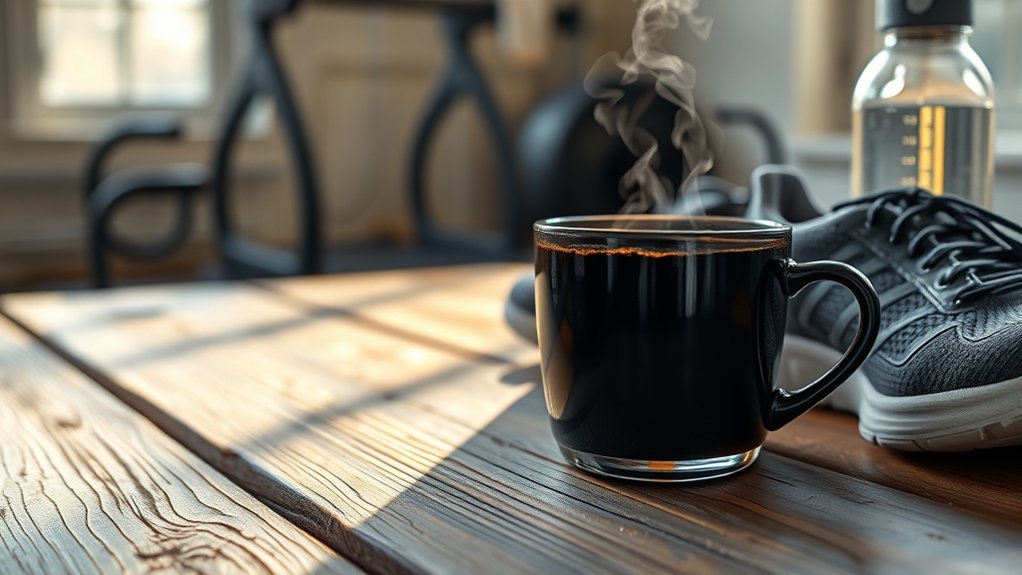
Yes, coffee makes a great pre-workout because it naturally boosts your focus, endurance, and fat burning by stimulating your central nervous system. Drinking it about 30 to 60 minutes before exercise can help reduce fatigue, sharpen mental engagement, and enhance stamina.
Plus, it’s affordable and customizable with different brewing methods. Just watch your caffeine dose and timing to avoid jitters or dehydration. There’s more to understand about optimizing coffee for workouts and potential precautions ahead.
Why Do People Choose Coffee Before Workouts?
Although many pre-workout supplements are available, people often choose coffee because it provides a natural and accessible source of caffeine. Caffeine has been shown to enhance alertness, reduce perceived effort, and improve overall exercise performance.
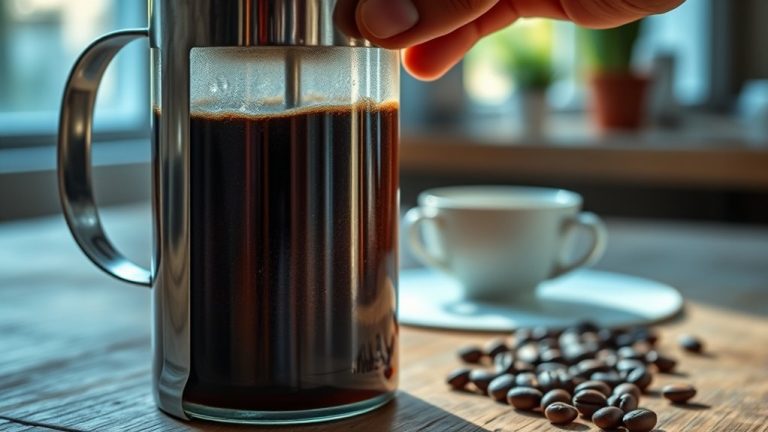
You can easily customize your coffee brewing method, whether drip, espresso, or French press, to control caffeine levels and taste.
Plus, selecting coffee with recognized certifications like Fair Trade or Organic ensures quality and ethical sourcing.
These certifications often mean the coffee beans have been carefully processed, preserving their beneficial compounds.
By choosing coffee, you get a convenient, cost-effective pre-workout option with proven benefits.
It’s backed by both tradition and scientific evidence, without the artificial additives found in some supplements.
How Coffee’s Caffeine Boosts Workout Performance
When you drink coffee before a workout, caffeine gives your energy levels a nice boost, helping you push harder. It’s like a little extra fuel for your body.
And it’s not just about energy—caffeine also sharpens your focus and alertness, so you stay mentally engaged the whole time.
On top of that, caffeine can help increase your endurance, meaning you can exercise longer without feeling as tired. Pretty great, right?
Enhanced Energy Levels
Because caffeine in coffee stimulates your central nervous system, it can considerably enhance your energy levels before a workout. Different coffee brewing methods and coffee bean varieties influence caffeine content, affecting how energized you feel.
For example, espresso from Arabica beans delivers a quicker, intense caffeine hit, while drip coffee from Robusta beans offers a steadier boost. This tailored energy surge helps you push harder, increasing endurance and power output.
| Coffee Brewing Method | Coffee Bean Variety | Energy Impact |
|---|---|---|
| Espresso | Arabica | Quick, intense boost |
| Drip Brew | Robusta | Steady, sustained |
| French Press | Blend | Balanced energy |
| Cold Brew | Single Origin | Smooth, prolonged |
Choose your coffee wisely to maximize workout energy efficiently.
Improved Focus And Alertness
Since caffeine blocks adenosine receptors in your brain, it sharpens your focus and heightens alertness during workouts. This action reduces feelings of fatigue, allowing you to stay mentally engaged and react quicker to exercises.
Studies show caffeine intake before exercise improves cognitive function, helping you maintain concentration on form and technique.
But remember, caffeine has mild diuretic properties, which can lead to fluid loss. That might impact your performance if you’re not properly hydrated.
Also, drinking coffee late in the day can mess with your sleep quality, and good sleep is essential for recovery and overall workout effectiveness.
Increased Endurance Capacity
Although it might not seem obvious, caffeine in coffee considerably enhances your endurance during workouts by increasing the body’s ability to sustain prolonged physical activity.
When you consume coffee brewed properly and stored correctly to maintain caffeine potency, you tap into its ergogenic effects. Caffeine reduces perceived effort and fatigue, allowing you to push harder and longer.
| Factor | Effect on Endurance | Note |
|---|---|---|
| Coffee Brewing | Influences caffeine levels | Optimal brewing maximizes caffeine extraction |
| Coffee Storage | Affects freshness & potency | Proper storage prevents caffeine loss |
| Caffeine Intake | Boosts endurance | Enhances fat oxidation, spares glycogen |
| Timing | Pre-workout timing matters | 30-60 mins before exercise is ideal |
Coffee’s Effects on Endurance and Stamina
When you drink coffee before a workout, the caffeine can boost your endurance and stamina by increasing adrenaline levels and mobilizing fatty acids for energy.
Studies show that caffeine enhances your body’s ability to sustain prolonged exercise, reducing perceived effort and fatigue.
Caffeine helps you exercise longer by lowering effort and fatigue perception.
The effects can vary depending on coffee brewing methods and coffee bean varieties, which influence caffeine content and antioxidant levels.
For example, espresso from Arabica beans typically offers a balanced caffeine dose, while robusta beans contain more caffeine, potentially increasing stamina more markedly.
Your choice of brewing, whether drip, French press, or espresso, also affects extraction and caffeine concentration.
Can Coffee Improve Focus During Exercise?
You’ll probably feel more mentally alert after having a cup of coffee, which can really help you stay focused while you’re working out.
Research shows that caffeine can make your exercise feel less tiring by reducing how hard it seems.
On top of that, it can boost your reaction time, so you’re quicker to respond to any changes around you or in your routine.
Enhanced Mental Alertness
Because caffeine stimulates the central nervous system, it can substantially boost your mental alertness during exercise. When you consume coffee before a workout, caffeine blocks adenosine receptors, reducing fatigue and sharpening your focus. This heightened alertness helps you maintain concentration on your movements and technique.
However, if you develop caffeine dependence, you might experience diminished effects over time, requiring higher amounts for the same mental boost.
Furthermore, caffeine increases your heart rate, which can enhance blood flow and oxygen delivery to muscles, indirectly supporting focus and performance.
Keep in mind that individual responses vary; some may feel jittery or anxious, which can impair concentration.
Reduced Perceived Effort
Although caffeine’s primary benefit is boosting alertness, it also reduces your perceived effort during exercise, making workouts feel less strenuous. When you drink coffee before training, caffeine blocks adenosine receptors, lowering your sense of fatigue and allowing you to push harder.
This effect can help you sustain focus and maintain motivation throughout your session.
Keep in mind that taste preferences and brewing methods influence how much caffeine you consume, affecting this benefit. For example, espresso packs more caffeine per ounce than drip coffee, so choose a method that suits your desired intensity and flavor.
Improved Reaction Time
Beyond reducing perceived effort, coffee can sharpen your reaction time during exercise, enhancing your overall focus. Studies show that caffeine, the active compound in coffee, stimulates your central nervous system, speeding up neural responses.
This means you’ll react faster to changing conditions, whether you’re lifting weights or doing high-intensity interval training.
The coffee flavor and brewing methods you choose don’t just affect taste; they influence caffeine concentration and absorption speed. For example, espresso delivers a quick caffeine hit, while cold brew offers a smoother, longer-lasting effect.
By selecting your preferred coffee flavor and brewing method, you can tailor your caffeine intake to maximize alertness and reaction speed.
Does Coffee Boost Fat Burning During Workouts?
How exactly does coffee influence fat burning during workouts? Coffee, mainly through caffeine, can boost fat oxidation by stimulating your central nervous system. Here’s how it works:
- Increased Lipolysis: Caffeine helps break down fat stores, making fatty acids available for energy.
- Enhanced Metabolism: Coffee speeds up your resting metabolic rate, which means you burn more calories.
- Improved Endurance: By delaying fatigue, you can work out longer and burn more fat overall.
- Caffeine Tolerance: Keep in mind, your fat-burning response might decrease if you use caffeine regularly, so effects can vary.
While coffee can help with fat burning, your results depend on how tolerant you’re to caffeine and how intense your workouts are. Use it wisely to get the most benefits without relying on it too much.
Recommended Coffee Intake Before Workouts
If you want to get the most out of your coffee before working out, try to drink it about 30 to 60 minutes beforehand. This gives the caffeine enough time to peak in your bloodstream.
Studies show that the best amount of caffeine for boosting performance is usually between 3 to 6 mg per kilogram of your body weight.
Optimal Coffee Timing
Although caffeine’s effects can vary between individuals, timing your coffee intake about 30 to 60 minutes before your workout allows its peak performance-enhancing benefits to kick in.
To maximize these benefits, consider the following:
Brew your coffee fresh to guarantee the best caffeine content and flavor. Avoid stale coffee from poor storage.
Drinking your coffee steadily rather than all at once helps maintain steady caffeine absorption.
Avoid consuming coffee immediately after brewing if it’s been sitting. Reheated coffee loses potency.
Plan your workout to start during caffeine’s peak, usually 45 minutes post-consumption, which enhances alertness and endurance.
Ideal Caffeine Dosage
Since caffeine affects everyone differently, finding the ideal dosage before your workout is essential for maximizing benefits without experiencing negative side effects.
Generally, consuming 3-6 mg of caffeine per kilogram of your body weight is effective for enhancing performance. For most people, this translates to about one to two cups of coffee, depending on coffee brewing methods, which influence caffeine concentration.
If you’re new to caffeine or have low caffeine tolerance, start with the lower end to avoid jitters or increased heart rate.
Conversely, regular coffee drinkers might require slightly higher doses for the same effect.
Remember, excessive intake can impair sleep and cause anxiety, undermining your workout gains.
So, tailor your coffee intake based on how your body reacts.
Also, consider precise coffee brewing techniques to control caffeine content.
This way, you get the most out of your caffeine without any unwanted side effects.
When to Drink Coffee for the Best Workout Boost
Choosing the right time to drink coffee can really boost your workout performance. To get the most out of your coffee brewing and flavor, timing is key. Here’s when to drink coffee for the best workout boost:
- Drink coffee 30 to 60 minutes before exercise. That’s when caffeine peaks in your bloodstream, helping you focus and last longer.
- Avoid drinking coffee right before high-intensity intervals. It might give you jitters and mess with your performance.
- Think about how long your workout lasts. If you’re exercising for more than an hour, sipping coffee during breaks can help keep your energy up.
- Match your coffee flavor preferences with your brewing methods. Enjoying a great-tasting coffee can boost your motivation and get you mentally ready.
Potential Downsides of Coffee Before Workouts
While drinking coffee at the right time can enhance your workout, it’s important to be aware of some potential downsides. Coffee is a mild diuretic, which can lead to hydration concerns if you don’t compensate with enough water.
Dehydration may impair your performance and recovery, so staying properly hydrated is vital when consuming coffee before exercise.
Also, caffeine’s stimulating effects can cause sleep disruption, especially if you work out later in the day. Poor sleep quality negatively affects muscle repair, energy levels, and overall fitness progress.
To avoid these issues, monitor your caffeine intake and timing carefully.
Balancing coffee consumption with hydration and mindful scheduling helps maximize benefits while minimizing negative effects on your workout and recovery. Just keep an eye on how much and when you’re drinking it, and you should be good to go!
Coffee vs. Other Pre-Workout Supplements
Although coffee is a popular and accessible pre-workout option, you might wonder how it stacks up against specialized supplements. Coffee brewing methods and the broader coffee culture make it an easy choice, but supplements often target specific performance goals.
Here’s how they compare:
- Ingredient specificity: Supplements contain ingredients like beta-alanine or creatine, designed for endurance and strength, whereas coffee mainly provides caffeine.
- Dosage control: Pre-workout supplements offer precise dosing; coffee’s caffeine content varies with brewing style.
- Additional benefits: Some supplements include amino acids and electrolytes, which coffee lacks.
- Accessibility and cost: Coffee is widely available and economical, fitting easily into daily routines influenced by coffee culture.
Who Should Avoid Drinking Coffee Before Exercising?
If you experience heart palpitations, anxiety, or digestive issues, you should avoid drinking coffee before exercising. Caffeine can make these symptoms worse, which might increase your discomfort and even affect your performance.
Also, if you tend to get dehydrated easily, coffee’s mild diuretic effect could be a concern. This is especially true during intense workouts or when it’s hot outside.
People who are sensitive to caffeine might have trouble sleeping, especially if they exercise later in the day. And poor sleep can really mess with your recovery and overall training quality.
On top of that, if you have certain medical conditions like hypertension or acid reflux, you should be careful because coffee can make those worse.
To get the most out of your workout and stay healthy, think about other pre-workout options if any of this sounds like you. Just listen to your body—it’s the best way to keep your exercise safe and effective.
Frequently Asked Questions
Can Coffee Cause Dehydration During Workouts?
Coffee can have a mild hydration impact because of its caffeine content, which acts as a diuretic. But when you’re working out, this effect is usually pretty minimal.
If you’re already well-hydrated before exercising, coffee won’t really dehydrate you much.
That said, it’s still important to keep your electrolyte balance in check by drinking water or sports drinks, especially during intense workouts.
Does Coffee Affect Muscle Recovery Post-Exercise?
It’s no coincidence that coffee’s caffeine may reduce muscle soreness and boost recovery speed after exercise. Studies show caffeine blocks adenosine, which helps lower pain perception, so you feel less soreness.
Plus, caffeine can enhance glycogen resynthesis, supporting quicker muscle repair.
However, don’t rely solely on coffee. Adequate nutrition and rest are key.
Drinking coffee post-workout can aid recovery, but make sure to balance it with hydration and proper recovery strategies.
Is Coffee Safe to Drink Before Morning or Evening Workouts?
Yes, you can safely drink coffee before morning or evening workouts, but it depends on your caffeine tolerance. If you handle caffeine well, a moderate amount can boost alertness and performance without disrupting sleep, especially if consumed earlier.
However, if you’re sensitive, coffee’s flavor and caffeine might cause jitters or interfere with rest after evening sessions.
Adjust timing and amount to suit your body’s response for best benefits.
How Does Coffee Interact With Other Medications or Supplements?
Coffee can boost energy, enhance focus, and increase metabolism.
But it also affects medication interactions and supplement compatibility. It may amplify stimulant effects when combined with certain medications or supplements, increasing heart rate or blood pressure.
Coffee can interfere with absorption of some drugs, like thyroid medications or certain antibiotics.
Always check with your healthcare provider to make sure coffee won’t reduce effectiveness or cause adverse effects when taken alongside other treatments or supplements.
It’s better to be safe and get personalized advice rather than guess how coffee might interact with your meds or supplements.
Can Decaffeinated Coffee Provide Any Workout Benefits?
Decaffeinated coffee offers limited workout benefits since its caffeine content is minimal, reducing its impact on energy and focus. However, you can enjoy flavor variations that make your pre-workout routine more enjoyable without jitters or crashes.
While decaf lacks caffeine’s performance boost, it still contains antioxidants, which may support overall health.
If you want a true energy lift, regular coffee remains the better option before exercise.
Conclusion
If you want a natural boost, coffee’s caffeine can enhance your endurance, focus, and fat burning during workouts. Drinking it about 30-60 minutes before exercise maximizes benefits. But don’t overdo it, you’re not a Victorian marathon runner!
Some people may face jitters or digestive issues, so listen to your body. Compared to other pre-workouts, coffee is a simple, cost-effective choice. It’s not for everyone though.
Choose wisely for your best performance.