Is There a Matcha Shortage – Causes, Market Impact, And Buying Tips
The popularity of matcha has skyrocketed in recent years, making it one of the most sought-after ingredients in beverages, desserts, and health foods. Its vibrant green color, unique flavor, and health benefits have turned it into a global trend, creating high demand among consumers and businesses alike. As interest grows, questions about supply and availability naturally arise.
Rising demand has put pressure on traditional matcha-growing regions, particularly in Japan, where climate conditions and labor-intensive cultivation methods limit production. Growers face challenges such as unpredictable weather, limited farmland, and the careful shading techniques required for high-quality leaves. These factors can affect how much matcha reaches the market each year.
Many matcha enthusiasts and businesses are now asking is there a matcha shortage, wondering whether supply can keep up with global demand. Understanding the factors that influence production, distribution, and availability helps provide insight into current market conditions.
Examining the matcha supply chain reveals how production challenges, transportation delays, and export restrictions impact accessibility. Awareness of these dynamics can help consumers and retailers make informed decisions regarding purchasing and pricing.
As popularity continues to rise, keeping track of availability and understanding the market is essential. Evaluating the question of is there a matcha shortage requires a look at both global trends and the specific challenges faced by matcha producers in meeting growing demand.
Current Matcha Supply Status
The global matcha market has grown rapidly over the past decade, fueled by increasing demand from consumers seeking its unique flavor, health benefits, and culinary versatility. Understanding the current supply status is essential for both enthusiasts and businesses looking to source high-quality matcha. Supply depends on production capacity, cultivation conditions, and international distribution, all of which impact availability and pricing worldwide.
Production Levels in Key Regions
Japan remains the primary source of high-quality matcha, particularly regions such as Uji, Nishio, and Shizuoka. These areas are known for their traditional cultivation methods, which involve shading tea plants to enhance chlorophyll content and umami flavor. Despite Japan’s reputation for premium matcha, production is limited due to labor-intensive processes, restricted farmland, and specific climatic requirements.
Annual harvests are carefully managed to maintain leaf quality, which means output cannot rapidly scale to meet surges in global demand. Climate-related challenges, including typhoons, irregular rainfall, and temperature fluctuations, also impact yield. Other countries, including China and Taiwan, contribute to matcha production, but these regions often produce culinary-grade matcha rather than ceremonial-grade, influencing availability and market dynamics.
Export and Distribution Challenges
Global distribution of matcha involves complex logistics, which can influence supply availability. Exporters must navigate regulations, transportation delays, and fluctuating shipping costs, all of which can impact delivery times and market pricing. During periods of high demand, such as holiday seasons or peak popularity in beverage trends, even minor logistical disruptions can create shortages in international markets.
Supply chains are further affected by trade restrictions and tariffs that vary by country. Retailers often face delays in restocking, and bulk buyers may experience price increases due to limited availability. These factors collectively influence the perception of scarcity, making it appear that matcha is harder to obtain even when production levels remain steady.
Impact of Increased Global Demand
Rising interest in matcha beyond Japan has placed additional pressure on supply. The surge in specialty cafés, online marketplaces, and health-focused products has expanded consumption worldwide. This growing demand has highlighted the limitations of current production capacities and prompted some regions to increase cultivation or import from alternative sources.
Despite these efforts, premium ceremonial-grade matcha remains relatively rare compared to culinary-grade products. The gap between demand and supply can lead to higher prices, longer shipping times, and sometimes the appearance of scarcity in retail channels. Understanding these trends helps consumers and businesses anticipate market fluctuations and make informed purchasing decisions.
Quality Versus Quantity Considerations
Maintaining the quality of matcha is a critical factor in supply management. High-grade matcha requires meticulous care in cultivation, harvesting, and processing, which naturally limits how much can be produced at a given time. Expanding production rapidly may compromise quality, which most suppliers avoid to protect reputation and customer satisfaction.
Producers must balance quantity and quality, particularly in ceremonial-grade matcha. This balance affects pricing and availability, contributing to perceptions of a shortage. Consumers seeking authentic, high-quality matcha may experience delays or higher costs, while culinary-grade matcha remains more readily available. Awareness of these distinctions helps buyers understand the nuances behind the current supply situation.
Market Outlook and Future Production
The matcha market continues to grow globally, encouraging investment in cultivation and processing innovations. Some producers are exploring new farming techniques, mechanization, and expansion into non-traditional regions to increase yield without compromising quality. These developments may alleviate supply pressures over time.
Despite potential improvements, the nature of matcha production—labor-intensive, delicate, and climate-dependent—means that supply will likely remain constrained compared to other teas. Being informed about the current matcha supply status allows consumers and businesses to navigate availability, anticipate price trends, and make strategic decisions about sourcing high-quality matcha in a competitive global market.
Main Causes Of Matcha Shortage
The rising global demand for matcha, combined with the delicate nature of its cultivation, has contributed to concerns about potential shortages. Several factors, from environmental challenges to supply chain limitations, influence how much matcha reaches the market. Understanding the main causes of matcha shortage helps consumers, retailers, and businesses navigate availability issues and anticipate price fluctuations.
Climate and Environmental Challenges
One of the primary causes of matcha shortage is environmental and climate-related challenges. Matcha is made from shade-grown green tea leaves, which require precise growing conditions, including moderate temperatures, consistent rainfall, and protection from strong winds. Extreme weather events such as typhoons, droughts, or unusually cold winters can damage crops, reducing yield and leaf quality.
Even slight variations in climate can impact the delicate balance of chlorophyll and amino acids in the leaves, which affects both taste and color. Poor harvests caused by unpredictable weather directly limit the amount of matcha available for processing and export. As climate change increases the frequency of extreme weather, these environmental factors become a more significant contributor to potential shortages in the market.
Limited Cultivation Areas
Another contributing factor is the limited farmland available for high-quality matcha cultivation. Japan, the main source of ceremonial-grade matcha, has finite arable land suitable for tea farming. Regions like Uji, Nishio, and Shizuoka are renowned for their traditional cultivation methods, but their geographic and environmental constraints restrict how much can be produced each year.
Expanding farmland for matcha is challenging due to competing agricultural needs, urbanization, and the labor-intensive nature of growing and shading tea plants. This scarcity of suitable land means production cannot easily scale to match rising global demand. Limited cultivation areas inherently restrict output, making high-quality matcha a premium product and contributing to market pressure.
Labor Shortages And Production Limitations
Labor shortages are a critical factor affecting matcha supply. Cultivating shade-grown tea is highly labor-intensive, requiring careful pruning, shading, harvesting, and processing. In recent years, the traditional workforce in Japan’s tea-growing regions has declined due to an aging population and a lack of young workers entering the field.
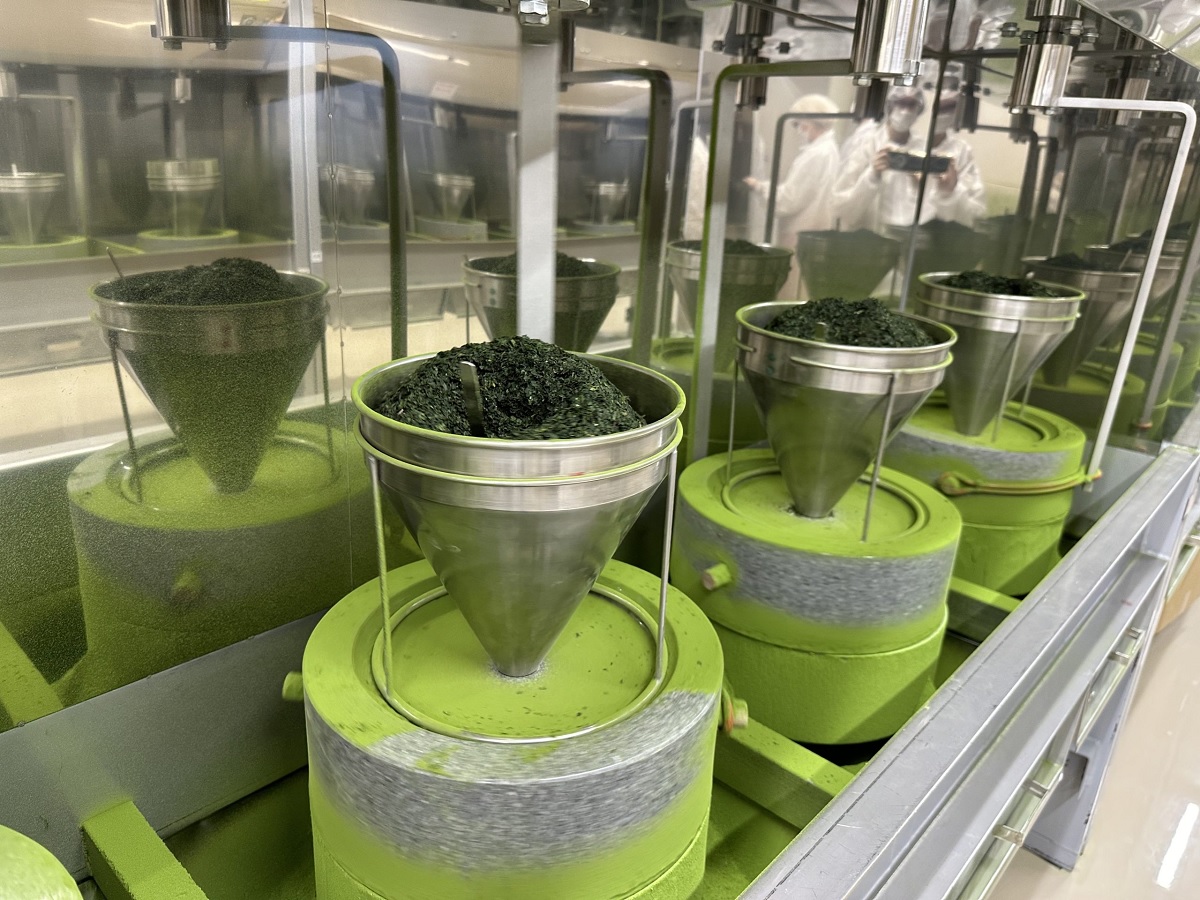
Manual harvesting is especially important for ceremonial-grade matcha, as precise timing ensures the leaves are tender and flavorful. Limited labor availability slows production, reduces efficiency, and restricts the volume of high-quality leaves available for market distribution. Mechanization can help, but it often cannot replicate the meticulous care required for premium matcha, maintaining the reliance on skilled labor and impacting overall supply.
Supply Chain And Export Constraints
Even when matcha is successfully harvested, supply chain challenges can exacerbate perceived shortages. International shipping delays, packaging limitations, and export regulations can slow delivery to global markets. Increased demand from retailers and consumers worldwide can strain distribution networks, creating temporary shortages in stores even when production levels are adequate.
Trade restrictions, tariffs, and logistical complications further influence how quickly matcha reaches consumers. Bulk buyers and specialty retailers may face higher prices or longer lead times, while smaller retailers or individual buyers might experience difficulty sourcing ceremonial-grade matcha. These factors show that supply issues are not solely due to production but also distribution limitations that affect availability.
Market Demand Pressures
Rising global demand for matcha contributes significantly to perceived shortages. Matcha’s popularity in beverages, desserts, and health products has grown rapidly, outpacing the ability of traditional cultivation regions to scale production. This demand surge increases competition for high-quality leaves and drives up prices, reinforcing the sense of scarcity.
Consumer interest in premium ceremonial-grade matcha, which has stricter cultivation and harvesting requirements, further intensifies supply pressures. Culinary-grade matcha is more abundant, but high-end matcha remains limited due to environmental, labor, and production constraints. Understanding that increased demand, combined with these structural limitations, is a major cause of matcha shortage helps consumers make informed choices about purchasing and sourcing.
Tips For Buying Matcha During Shortage
Buying matcha during a shortage can be challenging, especially when demand outpaces supply. Limited availability may lead to higher prices, longer shipping times, or reduced options for high-quality ceremonial-grade matcha. Understanding how to make informed purchasing decisions, compare products, and identify reliable sources helps ensure that you can still enjoy authentic, vibrant matcha even during periods of limited supply.
Prioritize Quality Over Quantity
During a matcha shortage, it’s essential to focus on quality rather than attempting to purchase large quantities of lower-grade powder. Ceremonial-grade matcha offers the best flavor, vibrant green color, and smooth texture, while culinary-grade matcha is often used for baking or mixed drinks. Choosing premium quality ensures that even smaller amounts of matcha provide the desired taste and health benefits.
When sourcing matcha, pay attention to indicators of freshness, such as bright green color, fine powder consistency, and pleasant vegetal aroma. Avoid older or poorly stored products, which may have faded color, a bitter taste, or reduced nutritional value. Prioritizing quality over quantity allows you to enjoy the authentic matcha experience despite limited availability, making each serving more satisfying.
Research Reliable Suppliers
Finding trustworthy suppliers is crucial during a shortage. Established brands, specialty tea shops, and reputable online retailers are more likely to provide authentic matcha and maintain consistent supply even when availability is limited. Researching customer reviews, product certifications, and origin information helps ensure you are purchasing genuine matcha rather than low-quality imitations.
Suppliers who specialize in Japanese ceremonial-grade matcha often have direct relationships with producers in regions like Uji, Nishio, or Shizuoka. These connections allow for better access to fresh matcha during shortages. Being selective about suppliers reduces the risk of paying inflated prices for subpar products and increases the likelihood of obtaining authentic, high-quality matcha that meets your taste and culinary expectations.
Compare Prices and Portions
Price comparison is important during a shortage, as costs may vary significantly between suppliers. Smaller packaging may offer better freshness, while bulk purchases could be more cost-effective if proper storage is possible. Carefully evaluating price per gram and storage requirements ensures you make a practical investment without compromising quality.
Consider subscription options or pre-ordering from trusted suppliers to secure a regular supply during periods of scarcity. Being flexible with purchase sizes and monitoring pricing trends helps you navigate the market strategically. Comparing portions and cost allows you to maintain access to high-quality matcha without overspending or accumulating product that may lose freshness over time.
Store Matcha Properly
Proper storage is essential to preserve matcha quality, particularly during a shortage when purchasing larger amounts might be necessary. Keep matcha in an airtight container, away from light, heat, and moisture. Refrigeration is recommended for extended storage to maintain color, flavor, and nutritional content.
Careful storage ensures that matcha remains fresh and potent, even if supply is inconsistent. By investing in proper storage solutions, you can maximize the shelf life of each purchase, allowing you to enjoy premium matcha without worry during periods of limited availability.
FAQs
Is There A Matcha Shortage Right Now?
Currently, matcha availability is tighter than usual in some regions due to rising global demand and limited production capacity. Stores and online retailers occasionally experience stock fluctuations, especially for premium ceremonial-grade matcha.
He or she may notice empty shelves or longer shipping times for popular brands. While there isn’t a complete worldwide shortage, limited supply can make certain grades or brands harder to find. Staying aware of stock updates and being flexible with grades can help ensure you continue to enjoy matcha without major interruptions.
What Are The Main Causes Of The Matcha Shortage?
The matcha shortage is driven by several factors including climate challenges, labor shortages, and growing global demand. Extreme weather in key growing regions can reduce leaf yield, while fewer workers affect harvesting and processing.
He or she should also consider that increased exports and high international demand strain supply chains. Together, these issues create temporary scarcity, raising prices and limiting availability in stores and online. Understanding these causes helps explain why finding high-quality matcha can sometimes be difficult.
How Does The Shortage Affect Matcha Prices?
During periods of limited supply, matcha prices often rise across all grades. Premium ceremonial matcha can see the highest price spikes, while culinary-grade matcha may also become more expensive.
He or she will notice that price differences between stores or online suppliers can be significant. Buying in bulk or opting for alternative grades can help reduce costs. Monitoring trends and comparing suppliers ensures you get the best value even during periods of scarcity.
Are Certain Matcha Grades More Affected Than Others?
Yes, ceremonial-grade matcha is usually the most affected due to its higher production standards and limited supply. Culinary-grade matcha is somewhat easier to find, though it can still fluctuate in availability.
He or she may need to adjust expectations depending on grade. Being flexible with grade selection or exploring high-quality blends can help maintain access to matcha while ensuring a satisfying taste and experience, even during shortage periods.
Can I Find Matcha Online During The Shortage?
Yes, many online retailers continue to sell matcha, but shipping times and stock levels may vary. Popular brands often sell out quickly, so checking multiple suppliers is recommended.
He or she should also pay attention to product authenticity and read reviews to ensure quality. Signing up for stock alerts and subscribing to newsletters can increase the chances of purchasing matcha before supplies run out. Online shopping remains one of the most reliable options during a shortage.
Will The Matcha Shortage Last Long?
The duration of the matcha shortage depends on production recovery, weather conditions, and supply chain improvements. Seasonal harvesting and increased cultivation efforts may gradually stabilize availability.
He or she should expect fluctuations over several months rather than a permanent scarcity. Monitoring market trends and adjusting buying habits accordingly can help navigate temporary shortages without missing out on this popular beverage. Patience and flexibility are key while supply gradually catches up with demand.
How Can Consumers Manage The Matcha Shortage?
Consumers can manage the shortage by being flexible with grades, buying from reputable sources, and purchasing in smaller quantities to maintain freshness. Storage in airtight containers away from light and heat also helps prolong shelf life.
He or she can explore alternatives like blended matcha, culinary-grade options, or domestic brands if international supply is limited. Staying informed about supply updates and planning purchases strategically ensures continued access to matcha without overpaying or compromising quality.
Final Thoughts
The global popularity of matcha has placed increasing pressure on production and supply chains, leading many consumers and businesses to wonder about availability. Limited cultivation areas, labor-intensive harvesting, and climate-related challenges all contribute to fluctuations in the market. These factors can create temporary scarcity, particularly for high-quality ceremonial-grade matcha.
Understanding is there a matcha shortage involves examining both production limitations and growing global demand. While culinary-grade matcha remains more accessible, premium matcha with vibrant color and rich umami flavor is often harder to find due to the meticulous care required in cultivation and processing. Export restrictions, shipping delays, and trade logistics further influence accessibility, sometimes creating the impression of scarcity even when production is relatively stable.
Consumers and retailers can navigate these challenges by focusing on quality, sourcing from reliable suppliers, and planning purchases strategically. Awareness of is there a matcha shortage helps buyers make informed decisions, ensuring continued access to authentic matcha while managing expectations regarding availability and pricing.