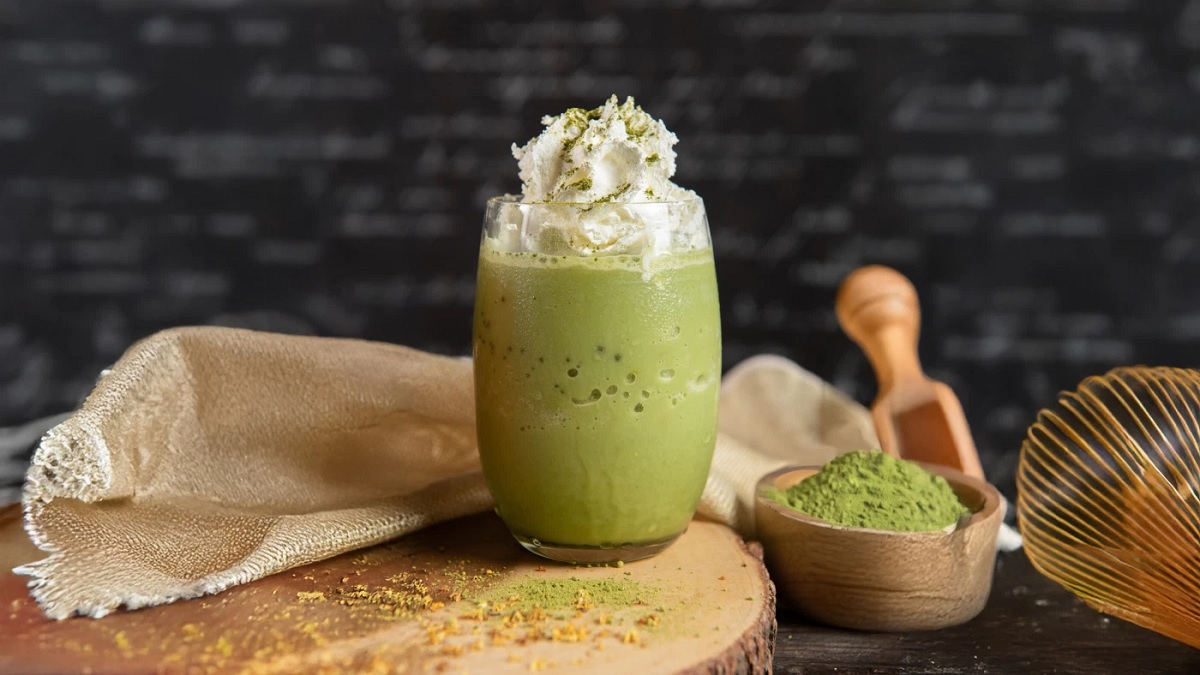
How To Make Matcha Sweet: Easy Tips And Recipes
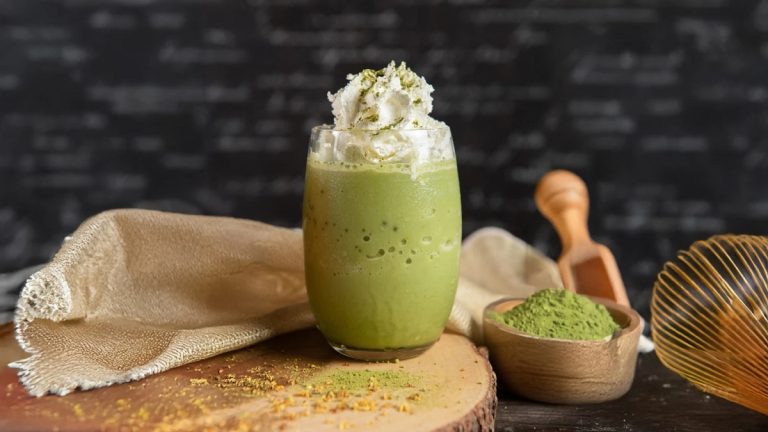
Matcha is celebrated for its vibrant green color, earthy flavor, and numerous health benefits, but its naturally bitter taste can be challenging for some people to enjoy. Finding ways to enhance the flavor without compromising its benefits has become a popular goal for tea enthusiasts. Many people are curious about methods to enjoy a sweeter, more balanced matcha experience.
There are several strategies to improve the natural sweetness of matcha, from adjusting preparation techniques to adding natural sweeteners or complementary ingredients. Learning how to make matcha sweet allows you to enjoy the drink more consistently, whether at home or in a café setting.
Sweetening matcha doesn’t mean overpowering its delicate flavor; it’s about achieving a harmonious balance between the tea’s umami notes and added sweetness. By experimenting with powders, liquids, and flavor enhancers, you can create a latte, smoothie, or hot tea that is both enjoyable and healthy.
Understanding these techniques ensures that each cup of matcha is smooth, flavorful, and customized to your taste preferences. Enhancing sweetness is a simple way to make this ancient beverage approachable and satisfying for anyone.
How To Make Matcha Sweet Using Natural Sweeteners
Matcha is naturally earthy and slightly bitter, which can be off-putting for some people. Using natural sweeteners is an excellent way to enhance its flavor without relying on processed sugars. These options maintain the beverage’s health benefits while providing a smooth, palatable taste. Understanding how different sweeteners interact with matcha allows you to create a delicious, balanced drink every time.
Honey As A Natural Sweetener
Honey is one of the most popular natural sweeteners for matcha due to its rich flavor and health benefits. Its natural sugars blend smoothly with the earthy notes of matcha, creating a mildly sweet and aromatic drink. Honey also contains antioxidants and antimicrobial properties, making it a wholesome addition.
To use honey, dissolve a teaspoon or more into warm water before whisking in matcha powder. The heat ensures it blends evenly without clumping. Honey’s viscosity adds a subtle thickness to the drink, enhancing its creamy texture when combined with milk. This method preserves matcha’s natural flavor while adding a pleasant layer of sweetness.
The type of honey used can also affect flavor intensity. Mild honeys like clover offer a gentle sweetness, while darker varieties, such as buckwheat or manuka, provide a more pronounced taste. Experimenting with different types allows you to tailor sweetness levels and flavor complexity.
Maple Syrup For Subtle Sweetness
Maple syrup is another excellent natural sweetener that pairs well with matcha. It has a distinctive flavor with hints of caramel that complement matcha’s umami notes. Maple syrup contains antioxidants and minerals, offering a healthier alternative to refined sugar.
To use maple syrup, add it to the matcha after whisking the powder with water. Start with one teaspoon and adjust according to taste. Its liquid form blends easily, creating a smooth consistency without affecting the froth of the matcha. Combining maple syrup with milk or milk alternatives results in a creamy, slightly sweet latte that highlights both flavors.
Maple syrup works especially well in iced matcha beverages, balancing cold temperatures and enhancing sweetness perception. Its rich, natural flavor allows for indulgent, yet health-conscious drinks, making it a popular choice among matcha enthusiasts.
Stevia And Other Plant-Based Sweeteners
Stevia, derived from the leaves of the Stevia rebaudiana plant, is a calorie-free natural sweetener suitable for matcha. It provides intense sweetness without adding sugar or impacting blood sugar levels, making it ideal for health-conscious individuals. Stevia comes in liquid drops or powdered form, offering versatile usage options.
To use stevia, start with a few drops or a small pinch of powder, whisking it into your matcha mixture. Because it is much sweeter than sugar, it requires careful measurement to avoid an overly sweet taste. Stevia preserves matcha’s natural flavor while adding a clean, sweet profile without affecting its texture or color.
Other plant-based sweeteners like monk fruit extract or erythritol can be used similarly. They offer natural sweetness with minimal calories, making them excellent choices for those seeking healthier alternatives without compromising taste.
Balancing Sweetness And Flavor
Using natural sweeteners in matcha isn’t just about adding sugar—it’s about achieving balance. Each sweetener interacts differently with matcha’s earthy, umami notes, so adjusting quantity and type is essential. Combining small amounts of sweeteners with milk, milk alternatives, or flavored syrups can enhance creaminess and overall taste.
Experimentation is key to finding the perfect combination. For example, a teaspoon of honey with oat milk creates a smooth, naturally sweet latte, while a few drops of stevia in hot water preserves matcha’s earthy flavor with minimal calories. The goal is to create a drink that is enjoyable, health-conscious, and perfectly tailored to your taste.
By understanding how natural sweeteners work with matcha, you can consistently prepare beverages that are smooth, flavorful, and satisfying without relying on processed sugar. This approach maintains the health benefits of matcha while offering a sweeter, more enjoyable experience.
Using Sugar And Other Traditional Sweeteners
Sweetening matcha with sugar or other traditional sweeteners is a common approach for those who enjoy a familiar taste profile. These options allow you to balance matcha’s natural bitterness while enhancing its flavor. Understanding the different types of sweeteners and how they interact with matcha ensures you can create a drink that suits your taste, whether hot, iced, or in a latte.
Granulated Sugar And Brown Sugar
Granulated sugar is the most straightforward way to sweeten matcha. Its neutral flavor allows the earthy, umami notes of matcha to remain the star while softening bitterness. To use, simply dissolve a teaspoon or more in hot water before whisking in the matcha powder. This ensures an even sweetness throughout the drink.
Brown sugar adds a richer, slightly molasses-like flavor that pairs well with matcha’s vegetal notes. It creates a deeper, more complex taste and adds subtle warmth to the beverage. Using brown sugar works especially well in lattes or hot matcha drinks, where the sugar dissolves smoothly with steamed milk, enhancing both sweetness and texture.
Both granulated and brown sugar allow flexibility in customizing sweetness levels. You can start with small amounts and adjust according to personal preference, creating a drink that balances flavor and sweetness without overpowering the delicate tea notes.
Raw Sugar And Demerara
Raw sugar and demerara sugar are less processed alternatives that retain some natural molasses, adding a mild caramel-like flavor to matcha. They dissolve well in hot water and provide a richer, more nuanced sweetness compared to plain granulated sugar.
These sugars are particularly suited for those who enjoy a slightly deeper flavor while still enhancing matcha’s natural taste. They are ideal for creating warm lattes or mixing into iced matcha beverages, where their subtle complexity complements milk and other flavorings.
Adjusting the amount of raw sugar or demerara sugar is simple—start with one teaspoon per serving and increase gradually to avoid overpowering matcha’s earthy notes. Their natural flavor profile enhances the drink without relying on artificial sweeteners.
Honey, Molasses, And Other Traditional Liquid Sweeteners
Liquid sweeteners such as honey or molasses are traditional options that blend smoothly with matcha. Honey provides a mild floral sweetness that enhances the tea’s earthy flavor while adding a hint of natural aroma. Molasses has a deeper, more robust flavor, which pairs well with matcha in lattes or dessert-style beverages.
To use liquid sweeteners, dissolve them in warm water or milk before combining with matcha powder. This ensures an even sweetness and smooth texture. The advantage of liquid sweeteners is their ability to mix thoroughly without clumping, making them convenient for both hot and cold drinks.
Different types of honey or molasses offer variations in flavor and sweetness intensity. Clover honey is mild, while buckwheat or dark molasses adds richness. Using these traditional sweeteners allows you to tailor both sweetness and flavor complexity to your personal taste preferences.
Balancing Sweetness With Matcha’s Natural Flavor
When using sugar or traditional sweeteners, it’s important to maintain a balance with matcha’s natural earthy and umami notes. Over-sweetening can overpower the tea, while too little may leave the drink bitter. Gradual addition and tasting as you go ensures the perfect harmony.
Pairing sweeteners with milk, milk alternatives, or complementary flavors like vanilla or cinnamon enhances both sweetness and texture. Customizing the level of sweetness according to your preference creates a smooth, flavorful, and satisfying matcha experience. Understanding how each sweetener interacts with matcha allows for consistent results and a drink that is enjoyable every time.
Sweetened Milk Options For Matcha Lattes
The type of milk used in a matcha latte greatly influences both sweetness and texture. Sweetened milk options can enhance matcha’s naturally earthy flavor, creating a creamy and balanced drink. From dairy to plant-based alternatives, each milk type interacts differently with matcha powder, allowing you to customize sweetness and creaminess to suit your taste. Choosing the right milk can transform your matcha latte into a smooth, indulgent beverage.
Flavored Dairy Milks
Flavored dairy milks, such as vanilla or chocolate milk, provide an easy way to sweeten matcha naturally. These milks contain added sugar and flavorings, which blend smoothly with matcha, softening its earthy taste while enhancing creaminess. Vanilla milk, for example, adds a gentle sweetness and aromatic flavor, while chocolate milk creates a dessert-like experience.
When making a matcha latte with flavored dairy milk, heat the milk gently before mixing it with whisked matcha powder. This ensures the flavors meld evenly and prevents clumping. The added sugar in these milks also balances matcha’s natural bitterness, making the drink approachable for those new to green tea.
Flavored dairy milks are versatile and convenient, requiring no additional sweeteners. They work well in both hot and iced matcha lattes, creating a consistent, creamy, and slightly sweet beverage that appeals to a wide audience.
Sweetened Plant-Based Milks
Plant-based milks, such as oat, almond, and soy milk, offer naturally sweet alternatives for matcha lattes. Oat milk is particularly popular due to its creamy texture and mild, naturally sweet flavor, which complements matcha’s earthy notes. Almond milk provides a subtle nutty sweetness, while soy milk gives a more neutral, slightly sweet base.
To enhance sweetness, many plant-based milks come pre-sweetened or flavored. Using these options allows you to avoid adding extra sugar while maintaining a creamy consistency. Heat or froth the milk before mixing with matcha to ensure smooth integration and a balanced flavor profile.
Sweetened plant-based milks are ideal for those who are lactose-intolerant, vegan, or simply prefer a lighter texture. They offer a variety of taste experiences, letting you customize your matcha latte according to preference, season, or dietary needs.
Combining Milk With Other Sweeteners
For a more customized sweetness, you can combine sweetened milk with additional natural sweeteners or syrups. For example, oat milk paired with a teaspoon of honey creates a rich, creamy latte with layered sweetness. Vanilla syrup can enhance almond milk, providing a subtle aromatic flavor while balancing matcha’s earthy taste.
This approach allows precise control over sweetness and flavor. Adjusting the amount of milk, type of milk, and added sweeteners ensures the drink meets your personal taste. It also enables experimentation with combinations for unique matcha latte recipes that are both enjoyable and satisfying.
Sweetened milk not only affects flavor but also texture and froth. A creamy, well-frothed milk enhances the mouthfeel of the latte, creating a more indulgent and balanced beverage experience. Combining milk with other sweeteners ensures a smooth, delicious drink that highlights the natural qualities of matcha while adding enjoyable sweetness.
Flavored Syrups And Add-Ins
Flavored syrups and add-ins are a popular way to customize matcha lattes and enhance their natural sweetness. These ingredients not only increase sugar content but also add layers of flavor that complement matcha’s earthy and umami notes. From classic vanilla to seasonal spices, syrups and add-ins allow you to tailor your drink to suit your taste preferences.
Popular Flavored Syrups
Vanilla, caramel, and hazelnut are among the most commonly used syrups in matcha lattes. Vanilla adds a gentle, aromatic sweetness that blends smoothly with the grassy, earthy taste of matcha. Caramel introduces a rich, buttery flavor, while hazelnut adds a subtle nutty note that enhances the drink’s complexity.
These syrups are easy to use—simply add the desired amount to your matcha latte after whisking the powder with water or milk. The liquid consistency ensures smooth integration, resulting in a creamy and well-balanced beverage. Adjusting syrup quantity allows for precise sweetness control, from lightly sweetened to dessert-like lattes.
Syrups also work well in both hot and iced matcha drinks. Cold beverages benefit from a slightly higher syrup quantity to balance dilution from ice. Customizing syrup types and amounts allows you to create signature matcha lattes tailored to your preferences.
Seasonal And Specialty Add-Ins
Beyond standard syrups, seasonal and specialty add-ins like pumpkin spice, cinnamon dolce, or chocolate drizzle can elevate a matcha latte. These ingredients add warmth, aroma, and subtle sweetness that pair well with matcha’s umami flavor.
Add-ins can be incorporated during preparation or used as toppings for presentation and flavor enhancement. A dash of cinnamon or a sprinkle of cocoa powder creates visual appeal while complementing the latte’s natural taste. They also allow experimentation with flavors for unique, limited-time beverages at home.
These options make matcha drinks more versatile and enjoyable, especially for those who enjoy creative or festive flavors. Layering syrups and add-ins carefully ensures sweetness is balanced and matcha’s delicate taste remains prominent.
Combining Syrups With Sweetened Milks
For maximum flavor and sweetness customization, syrups can be paired with sweetened milk options. For example, vanilla syrup in oat milk enhances natural sugars and creaminess, while caramel in almond milk adds a nutty, rich flavor. Combining syrups and milk creates a layered experience that balances matcha’s bitterness, sweetness, and texture.
Experimenting with combinations lets you achieve the perfect flavor profile. Gradually adding syrup ensures that sweetness does not overpower matcha’s earthy taste. This approach also allows you to create a drink that is visually appealing, flavorful, and perfectly suited to your personal preferences.
FAQs
How Can I Make Matcha Sweet Without Using Sugar?
You can make matcha sweet without sugar by using natural sweeteners like honey, maple syrup, or agave nectar. These options add sweetness while keeping your drink healthier and more flavorful.
Start by whisking your matcha powder with hot water, then gradually add a teaspoon of your chosen sweetener. Taste and adjust until it reaches your preferred sweetness. You can also pair these natural sweeteners with milk or plant-based milk to create a creamy, balanced flavor that enhances the matcha’s natural earthiness.
What Are The Best Natural Sweeteners For Matcha?
The best natural sweeteners for matcha include honey, maple syrup, agave nectar, and stevia. Each option brings its own flavor profile: honey adds floral notes, maple syrup adds a rich caramel-like sweetness, and agave keeps it light.
You can start with a small amount, like half a teaspoon, and mix thoroughly. Gradually increase the quantity until the matcha tastes sweet enough for you. Pairing these sweeteners with milk or milk alternatives can make a smooth, creamy drink without overpowering the matcha’s natural flavor.
Can I Use Milk To Make Matcha Sweet?
Yes, using milk or milk alternatives is one of the easiest ways to make matcha sweet. Dairy milk naturally has lactose, which adds a mild sweetness, while oat or almond milk can enhance flavor with subtle sweetness.
To make a latte, whisk matcha with hot water, then froth your milk and pour it over. You can adjust the sweetness by choosing flavored milk or adding a small amount of syrup. This method balances the earthy taste of matcha while making it creamy and enjoyable.
How Can I Make Iced Matcha Sweet Without It Getting Bitter?
To make iced matcha sweet without bitterness, start by dissolving your sweetener in a small amount of hot water before adding ice. This ensures the matcha mixes evenly and prevents clumps.
You can use natural sweeteners like honey, agave, or maple syrup, and combine them with cold milk or milk alternatives. Gradually taste as you mix, adjusting sweetness to your liking. Adding a little cold milk or cream helps smooth out the earthy notes, giving you a refreshing, sweet iced matcha latte.
What Syrups Work Best To Sweeten Matcha?
Flavored syrups like vanilla, caramel, or chocolate work great for sweetening matcha. They not only add sweetness but also create a unique flavor combination that pairs well with the earthy taste of matcha.
Add syrup gradually, starting with half a teaspoon, and whisk thoroughly to ensure it blends completely. You can also experiment by combining syrups or adding a pinch of cinnamon or cocoa powder to enhance sweetness. This gives you a personalized matcha latte experience that tastes indulgent without masking the green tea notes.
Can I Sweeten Matcha Without Losing Its Health Benefits?
Yes, you can sweeten matcha without significantly reducing its health benefits. Using small amounts of natural sweeteners like honey, maple syrup, or stevia preserves antioxidants and catechins in the tea.
The key is moderation. Sweetening lightly enhances flavor without overpowering matcha’s nutrients. Pairing it with plant-based milk can also add creaminess and natural sweetness while keeping it healthy. By balancing flavor and health, you can enjoy a delicious matcha drink that supports energy and wellness.
How Do I Make Matcha Sweet At Home Like A Café?
To make matcha sweet at home like a café, start with high-quality matcha powder and whisk it with hot water until smooth. Add your choice of sweetener, whether syrup, honey, or sugar, and mix well.
For a latte, froth milk or a milk alternative and pour it over the sweetened matcha. You can also experiment with iced versions by dissolving the sweetener first and adding ice. Adjust sweetness gradually until it tastes just like your favorite café matcha, but with the benefit of controlling sugar levels and flavor.
Final Words
Creating a matcha drink that is both flavorful and enjoyable comes down to understanding the balance between its natural earthy taste and added sweetness. By exploring different sweetening options, you can customize your beverage to suit your personal preferences. From natural sweeteners like honey and maple syrup to traditional sugars and flavored syrups, there are numerous ways to enhance the taste without overpowering matcha’s distinctive flavor.
Knowing how to make matcha sweet allows you to experiment with milk types, plant-based alternatives, and creative add-ins. Each ingredient interacts differently with matcha, affecting both sweetness and texture. Adjusting scoop amounts, using pre-sweetened powders, or incorporating flavored syrups provides control over the final flavor, enabling you to craft a latte, hot tea, or iced drink that is perfectly balanced.
Ultimately, learning how to make matcha sweet transforms this ancient beverage into a versatile and enjoyable drink for any occasion. It ensures that every cup is smooth, flavorful, and satisfying, giving you the freedom to enjoy matcha in a way that fits your taste and lifestyle.