Does Matcha Make You Poop – How It Affects Digestion Naturally
Many people enjoy matcha for its unique flavor and energy-boosting effects, but some also wonder about its influence on digestion. The combination of caffeine, fiber, and natural compounds in matcha can impact gut activity, sparking curiosity about its effects on bowel movements. Understanding these digestive interactions helps you use matcha in a way that supports comfort and overall wellness.
Matcha contains a moderate amount of caffeine, which can stimulate the digestive system and encourage bowel movement. This gentle stimulation may help people who experience occasional constipation, making matcha a natural way to support regularity. Additionally, the antioxidants and polyphenols in matcha may promote healthy gut flora, which plays a key role in smooth digestion and bowel function.
Beyond its digestive effects, matcha also supports hydration and provides essential nutrients, both of which contribute to gut health. Drinking matcha mindfully as part of a balanced routine allows you to enjoy its benefits while monitoring its impact on your digestion.
By exploring how matcha interacts with your digestive system, you can better understand its potential effects on bowel habits. Regular, moderate consumption can enhance wellness, energy, and gut function in a gentle and natural way.
Does Matcha Make You Poop?
Matcha is more than just a vibrant green beverage loved for its flavor and energy boost. Its unique combination of caffeine, fiber, and antioxidants may also influence digestive function. Many people wonder whether drinking matcha can promote bowel movements and support regularity. Exploring how matcha interacts with the gut helps you understand its potential effects on digestion and overall wellness.
How Caffeine in Matcha Stimulates Digestion
One of the primary reasons matcha may influence bowel movements is its caffeine content. Caffeine is a natural stimulant that can enhance intestinal motility, helping food move more efficiently through the digestive tract. This stimulation can lead to more frequent or quicker bowel movements for some individuals.
Unlike coffee, which often delivers a sudden jolt of caffeine, matcha’s caffeine is combined with L-theanine, promoting calm alertness rather than overstimulation. This combination provides a gentler digestive boost while supporting mental focus. Drinking matcha in the morning or early afternoon can help synchronize its effects with your natural digestive rhythms, supporting regular bowel habits without causing discomfort.
Regular consumption of moderate caffeine can also aid those with occasional constipation. By promoting intestinal activity, matcha helps maintain smooth digestion, contributing to overall gut health. Combining caffeine with hydration and a fiber-rich diet enhances this effect, creating a natural and balanced approach to bowel regularity.
Fiber and Polyphenols in Matcha
Matcha contains soluble fiber, which adds bulk to stool and supports smooth movement through the intestines. This fiber can be particularly beneficial for individuals experiencing irregularity or mild constipation. By increasing stool volume and softening its consistency, matcha encourages natural bowel movements.
Additionally, matcha is rich in polyphenols, which have prebiotic effects that promote the growth of beneficial gut bacteria. A healthy gut microbiome improves digestion, nutrient absorption, and regularity, helping prevent digestive discomfort. Drinking matcha consistently allows these compounds to work synergistically with fiber and caffeine, supporting sustained digestive health.
For best results, incorporating matcha into a balanced diet with fruits, vegetables, and adequate water enhances its stool-softening benefits. The combination of fiber, polyphenols, and caffeine makes matcha a gentle yet effective tool for maintaining healthy digestion and regular bowel movements.
Timing and Amount for Digestive Effects
The timing and amount of matcha you consume can influence its effect on bowel movements. Drinking matcha in the morning allows caffeine to stimulate the digestive tract naturally, aligning with your body’s circadian rhythm. Early consumption also reduces the risk of disrupting sleep patterns due to caffeine.
Moderation is key. One to two teaspoons of matcha per serving is usually sufficient to promote bowel regularity without causing discomfort. Consuming more than this may lead to overstimulation, especially for individuals sensitive to caffeine. Pairing matcha with a light meal or water can further enhance its digestive benefits while preventing potential stomach irritation.
Tracking your response over time helps determine the optimal amount and timing for your digestive system. Many people notice a gentle bowel movement effect within 30 to 60 minutes of consuming matcha, making it a predictable and natural addition to a morning or afternoon routine.
Additional Tips for Using Matcha to Support Digestion
Drinking matcha mindfully can enhance its digestive effects. Preparing it with water rather than milk or heavy additives ensures quicker absorption and a smoother effect on the gut. Pairing matcha with hydration and a fiber-rich diet amplifies its stool-supporting properties.
Combining matcha with gentle movement, such as a short walk after drinking it, can further encourage intestinal motility. Maintaining consistency in consumption allows the gut to adapt to its effects, creating a natural rhythm for bowel movements.
Beyond promoting regularity, matcha’s antioxidant and anti-inflammatory properties help support overall gut health. Reducing oxidative stress in the intestines may decrease bloating, discomfort, and inflammation, complementing its stool-promoting effects. By integrating matcha into a mindful wellness routine, you can enjoy both digestive benefits and sustained energy throughout the day.
The Role of Caffeine in Matcha and Digestion
Caffeine is one of matcha’s most well-known components, valued for its ability to boost energy, focus, and alertness. Beyond these benefits, caffeine also plays a significant role in digestion. Understanding how caffeine in matcha interacts with the gastrointestinal system provides insight into why matcha may help regulate bowel movements and support overall gut health.
How Caffeine Stimulates the Digestive Tract
Caffeine is a natural stimulant that increases muscle contractions in the gastrointestinal tract, a process known as peristalsis. These contractions help move food and waste more efficiently through the intestines, which can promote regular bowel movements. This effect is one reason why caffeinated beverages like coffee are commonly associated with morning bowel routines.
Matcha provides a moderate amount of caffeine, typically around 60–70 mg per teaspoon, which is less concentrated than coffee but sufficient to gently stimulate digestion. The presence of L-theanine in matcha also moderates the stimulating effect of caffeine, reducing the likelihood of jitters or discomfort. This combination allows matcha to support digestive function without overstimulation, making it a gentle option for promoting regularity.
Caffeine’s digestive stimulation is most effective when consumed consistently over time and in moderation. Drinking matcha in the morning or early afternoon aligns with your natural digestive rhythms, enhancing its effects on bowel movements while avoiding potential sleep disruption.
Timing and Portion Considerations for Digestive Benefits
The timing of matcha consumption is crucial for optimizing digestive benefits. Drinking matcha about 30 to 60 minutes before or with breakfast can help jumpstart your digestive system for the day. Early consumption allows caffeine to stimulate the intestines naturally, promoting smoother bowel movements and easing occasional constipation.
Moderation in serving size is equally important. One to two teaspoons of matcha per serving typically provides enough caffeine to enhance digestion without causing overstimulation. Overconsumption may lead to gastrointestinal discomfort, jitters, or even diarrhea in sensitive individuals. Pairing matcha with a small meal or plenty of water can improve comfort and absorption.
Monitoring your body’s response is key. Some people may find that a single cup is sufficient to promote bowel regularity, while others may need a slightly larger serving. Tracking timing, portion, and response ensures that matcha’s caffeine works effectively without negative side effects.
The Synergistic Role of L-Theanine
Unlike other caffeinated beverages, matcha contains L-theanine, an amino acid that promotes calmness and mental focus. L-theanine moderates caffeine’s stimulant effects, creating balanced energy and reducing the likelihood of digestive discomfort caused by overstimulation.
This synergy between caffeine and L-theanine allows matcha to support digestion gently. While caffeine stimulates intestinal contractions, L-theanine reduces stress and tension that may contribute to digestive issues. This combination helps maintain a relaxed yet alert state, which can be particularly beneficial for individuals prone to stress-related digestive irregularities.
By promoting calm alertness and intestinal activity simultaneously, matcha offers a more balanced digestive support compared to coffee or energy drinks. The gentle stimulation, combined with mental relaxation, provides a holistic approach to managing bowel regularity and overall gut comfort.
Additional Digestive Benefits of Caffeine in Matcha
Caffeine in matcha not only stimulates peristalsis but may also improve nutrient absorption and metabolism. By enhancing blood flow to the digestive tract, caffeine supports the efficient breakdown of food and the uptake of vitamins and minerals. This effect contributes to overall gut health and can reduce bloating or discomfort.
When combined with the antioxidants, fiber, and polyphenols naturally present in matcha, caffeine’s digestive benefits are amplified. Regular consumption can promote smoother bowel movements, improved gut microbiome health, and reduced inflammation in the digestive system. These properties make matcha a functional beverage for supporting both digestion and overall wellness.
Incorporating matcha mindfully into your daily routine maximizes these benefits. Drinking it in moderation, pairing it with meals or hydration, and observing your body’s response ensures that the caffeine content enhances digestion without causing overstimulation or discomfort. Over time, this balanced approach supports regularity and digestive comfort naturally.
Matcha’s Fiber Content and Its Impact
Matcha is a unique green tea because, unlike regular steeped tea, you consume the entire powdered leaf. This provides a higher concentration of nutrients, including dietary fiber, which plays a key role in digestive health. Understanding how matcha’s fiber content impacts the gut helps explain its potential effects on bowel regularity and overall digestion.
How Fiber in Matcha Supports Digestion
Dietary fiber in matcha adds bulk to stool and helps food pass smoothly through the digestive tract. Soluble fiber absorbs water and forms a gel-like substance, softening stool and promoting regular bowel movements. This can be particularly helpful for individuals who experience occasional constipation or irregularity.
In addition to improving stool consistency, fiber supports healthy gut motility by encouraging peristalsis, the natural contractions of the intestines. By maintaining smooth movement, matcha can help reduce bloating, discomfort, and the feeling of heaviness that often accompanies digestive slowdowns. Regular consumption of fiber-rich matcha contributes to predictable and healthy bowel habits.
Fiber also supports hydration in the intestines, as it absorbs water to form softer, more manageable stools. Pairing matcha with sufficient fluid intake amplifies these benefits, helping to maintain digestive comfort while supporting overall gut function.
Prebiotic Effects of Matcha Fiber
Beyond mechanical benefits, the fiber in matcha acts as a prebiotic, feeding beneficial gut bacteria. A healthy microbiome supports digestion, nutrient absorption, and immune function. By fostering the growth of good bacteria, matcha’s fiber helps maintain a balanced gut ecosystem, which plays a critical role in overall digestive health.
The prebiotic effect also contributes to reduced inflammation in the digestive tract. Beneficial bacteria produce short-chain fatty acids that nourish intestinal cells and reduce irritation, potentially preventing discomfort that can trigger constipation or digestive stress. Over time, regular matcha consumption supports a resilient, well-functioning digestive system.
Combining Fiber With Other Compounds for Optimal Effects
Matcha’s fiber works synergistically with other compounds, including caffeine, L-theanine, and polyphenols, to promote digestive health. Caffeine gently stimulates intestinal contractions, L-theanine reduces stress-related digestive tension, and polyphenols support gut microbiome balance. Together, these elements create a holistic approach to regularity and gut comfort.
Consuming matcha consistently in moderation allows fiber and these supportive compounds to work effectively without overstimulation. Pairing it with a balanced diet rich in fruits, vegetables, and hydration enhances the impact of matcha’s fiber on bowel movement and overall digestive wellness.
Practical Tips for Maximizing Fiber Benefits
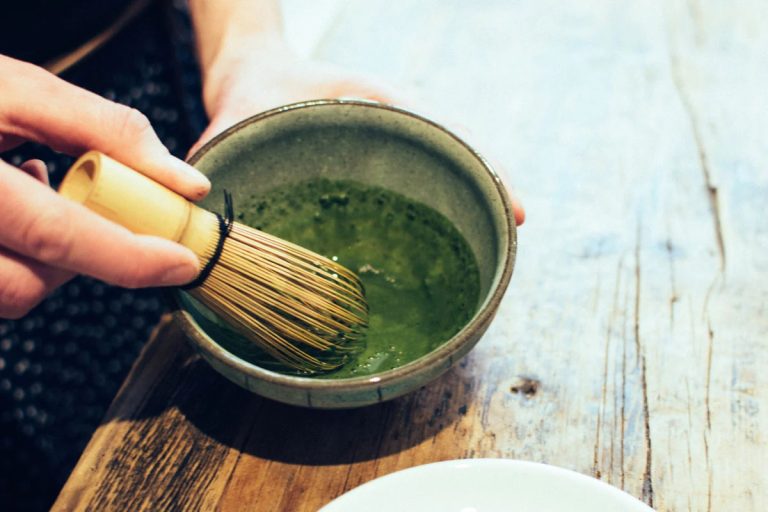
To get the most from matcha’s fiber, consume it as part of a mindful routine. Whisking it into water, milk alternatives, or smoothies ensures even distribution and easy digestion. Drinking matcha alongside meals or after light snacks supports natural digestive rhythms and prevents stomach discomfort.
Tracking your body’s response can help determine the optimal serving size. Most people benefit from 1–2 teaspoons per serving, which provides fiber and other nutrients without overwhelming the digestive system. Over time, this regular, moderate intake helps maintain bowel regularity, supports healthy gut bacteria, and contributes to overall digestive comfort and wellness.
Antioxidants and Gut Health
Matcha is packed with antioxidants, particularly catechins like epigallocatechin gallate (EGCG), which are known for their ability to combat oxidative stress. Beyond general health benefits, these antioxidants play a critical role in supporting gut health. By protecting intestinal cells from damage and supporting a balanced microbiome, matcha’s antioxidants contribute to smoother digestion and overall digestive wellness.
How Antioxidants Protect the Gut
Oxidative stress in the gut occurs when free radicals damage intestinal cells, leading to inflammation, discomfort, and disrupted digestion. Antioxidants in matcha neutralize these free radicals, helping to protect gut lining integrity and reduce irritation. This protective effect can prevent issues such as bloating, constipation, and general digestive discomfort.
Catechins like EGCG also have anti-inflammatory properties, which support a calm digestive environment. Reduced inflammation helps improve nutrient absorption and encourages regular bowel movements. Drinking matcha consistently allows these antioxidants to build up their protective effects, contributing to long-term gut health and overall digestive balance.
Additionally, antioxidants may enhance the resilience of the intestinal lining, helping it recover from minor stressors like dietary changes or occasional constipation. By maintaining a strong gut barrier, matcha’s antioxidants reduce susceptibility to digestive disturbances and support smooth, regular bowel function.
Supporting Beneficial Gut Bacteria
Matcha’s antioxidants also interact positively with gut microbiota. EGCG and other polyphenols act as prebiotic-like compounds, encouraging the growth of beneficial bacteria while inhibiting harmful bacteria. A balanced microbiome improves digestion, nutrient absorption, and stool regularity, which can reduce the likelihood of constipation or sluggish bowel movements.
A healthy microbiome also plays a role in regulating inflammation and supporting overall immune function. By promoting the growth of beneficial bacteria, matcha creates a synergistic effect: antioxidants reduce oxidative stress while microbiome balance improves digestive efficiency. This combination enhances both comfort and gut resilience.
Combining Antioxidants With Other Compounds in Matcha
The digestive benefits of matcha are amplified when antioxidants work alongside caffeine, fiber, and L-theanine. Caffeine stimulates intestinal motility, fiber adds bulk to stool, and L-theanine reduces stress-related digestive tension. Together with antioxidants, these compounds create a comprehensive approach to supporting gut health and promoting regularity.
Consuming matcha as part of a daily routine allows these compounds to work synergistically. Drinking it in moderation, paired with hydration and a fiber-rich diet, ensures maximum benefits for gut health. Over time, this balanced approach supports digestion, reduces discomfort, and encourages a healthy, regular bowel movement pattern.
People Also Asked
Does Matcha Make You Poop Naturally?
Yes, matcha can help promote bowel movements naturally. Its combination of caffeine, fiber, and antioxidants stimulates the digestive tract, supporting regularity. Caffeine encourages intestinal contractions, while the fiber adds bulk to stool, making it easier to pass.
Additionally, matcha’s polyphenols support beneficial gut bacteria, which improve digestion and stool consistency. Drinking matcha consistently in moderation may help you maintain predictable bowel habits while also supporting overall gut health. For many, it offers a gentle, natural alternative to laxatives or other interventions.
How Does Caffeine in Matcha Affect Digestion?
Caffeine in matcha acts as a natural stimulant for the digestive system. It enhances peristalsis, the wave-like contractions of the intestines, which helps move food and waste more efficiently. This can result in quicker or more regular bowel movements.
Unlike coffee, matcha contains L-theanine, which smooths out caffeine’s stimulating effects. This allows you to benefit from digestive stimulation without overstimulation, jitters, or discomfort. Timing your matcha consumption in the morning or early afternoon can maximize these digestive benefits.
Can The Fiber in Matcha Improve Bowel Regularity?
Yes, matcha contains soluble fiber that adds bulk to stool and helps it pass smoothly through the intestines. This fiber softens stool, reduces constipation, and promotes consistent bowel movements.
Additionally, fiber in matcha acts as a prebiotic, feeding beneficial gut bacteria. A healthy microbiome improves digestion, nutrient absorption, and overall gut function. Regularly drinking matcha with fiber-rich meals and proper hydration enhances these effects, creating a natural approach to digestive wellness.
How Do Polyphenols in Matcha Support Gut Health?
Polyphenols in matcha, particularly catechins, support gut health by promoting the growth of beneficial bacteria and reducing harmful bacteria. This balance improves digestion, nutrient absorption, and stool consistency.
Additionally, polyphenols act as antioxidants and have anti-inflammatory effects, reducing intestinal irritation. Together with fiber and caffeine, these compounds create a supportive environment for the digestive system, making bowel movements more regular and comfortable. Regular consumption strengthens gut resilience over time.
Is There a Best Time to Drink Matcha for Digestion?
The best time to drink matcha for digestive benefits is in the morning or early afternoon. Consuming it early allows caffeine to gently stimulate the intestines, supporting natural bowel movements without disrupting sleep.
Many people find that drinking matcha 30–60 minutes before or with breakfast helps jumpstart the digestive system. Pairing it with water or a light meal ensures smooth absorption and minimizes potential stomach discomfort, creating a predictable routine for bowel regularity.
How Much Matcha Should You Drink for Digestive Benefits?
Most people benefit from 1–2 teaspoons of matcha per serving to support digestion and bowel regularity. This amount provides sufficient caffeine, fiber, and polyphenols without causing overstimulation or digestive discomfort.
You can adjust based on personal tolerance, caffeine sensitivity, and digestive response. Drinking matcha consistently in moderation allows the compounds to work synergistically, promoting regularity, supporting gut bacteria, and maintaining overall digestive comfort.
Can Matcha Help With Occasional Constipation?
Yes, matcha can help alleviate occasional constipation due to its combination of caffeine, fiber, and antioxidants. Caffeine stimulates intestinal contractions, while fiber softens stool and improves consistency.
Additionally, polyphenols support healthy gut bacteria, which further enhance digestion. Drinking matcha along with proper hydration and a balanced diet provides gentle, natural relief from constipation without harsh stimulants. Regular moderate intake may help prevent future digestive slowdowns as well.
Final Thoughts
Matcha has a unique combination of natural compounds, caffeine, and fiber that can influence digestion in several ways. Many people notice that drinking matcha may help stimulate bowel movements, thanks to its gentle laxative effects and ability to support a healthy gut environment. While the effects vary from person to person, incorporating matcha into your daily routine can contribute to overall digestive wellness.
If you are curious about how it works, the caffeine in matcha can increase intestinal activity, while its fiber content adds bulk to stool, making it easier to pass. Additionally, antioxidants like catechins support gut health, promoting a balanced microbiome, which is essential for regular digestion.
For anyone wondering, Does Matcha Make You Poop? the answer is often yes, but in a gentle and manageable way. Drinking it in moderation and combining it with a balanced diet can maximize its benefits without causing discomfort. Regular consumption may help maintain smooth digestive function over time.