Did Starbucks Change Their Matcha? – Everything You Need To Know
Starbucks’ matcha beverages have long been a popular choice for tea lovers and latte enthusiasts alike. Their vibrant green color, creamy texture, and slightly sweet flavor have made them a staple for those seeking a refreshing, energizing drink. Over the years, fans have noticed subtle differences in taste and preparation, sparking curiosity and discussions online.
Many customers pay close attention to ingredient quality and flavor consistency, especially when it comes to matcha. Changes in sourcing, formulation, or preparation techniques can significantly impact the drink’s taste, texture, and even appearance. Observing these differences has become an important topic for long-time Starbucks patrons.
Matcha at Starbucks is not just a drink; it’s an experience that combines taste, aroma, and visual appeal. Any change in the product can affect how people enjoy it and whether it meets expectations.
Changes in Starbucks Matcha Formula
Starbucks has made noticeable updates to their matcha formula over the years, impacting flavor, sweetness, and texture. These adjustments have sparked discussion among regular customers and matcha enthusiasts, as changes can significantly influence taste and overall experience. Understanding what changed in Starbucks’ matcha helps fans compare past and current beverages and make informed choices about their favorite drinks.
Altered Sweetener Composition
One of the most noticeable changes in Starbucks matcha is the adjustment of sweeteners. Previously, their matcha powders contained higher levels of sugar, making the lattes sweeter and more dessert-like. The updated formula has reduced sugar content and focuses more on highlighting matcha’s natural earthy flavor.
This change aligns with customer preferences for less sugary beverages and reflects a growing trend in the food industry toward health-conscious offerings. Some fans appreciate the more authentic taste, while others find the new formula slightly less indulgent. Balancing sweetness with matcha’s grassy notes is critical, as it affects both flavor perception and drink satisfaction.
Reducing sugar also impacts how matcha blends with milk, syrups, or other add-ins. Baristas now focus on mixing carefully to ensure consistent taste and smooth texture across hot and iced drinks, preserving the beverage’s quality despite the formula change.
Modified Matcha Quality and Sourcing
Starbucks has also refined the matcha powder itself, sourcing higher-quality Japanese green tea leaves to improve flavor consistency and color vibrancy. This updated sourcing emphasizes a smoother, less bitter taste compared to earlier versions, creating a more balanced latte experience.
The upgraded matcha powder enhances the drink’s visual appeal, giving it a brighter green color, and provides a richer, more authentic flavor profile. These changes also improve the drink’s aroma, offering a slightly vegetal yet sweet scent that complements milk and other add-ins.
Sourcing adjustments allow Starbucks to maintain a consistent product across locations, which is especially important for a global brand. Customers can now enjoy a predictable taste experience whether ordering at a local store or traveling abroad, reflecting a focus on quality control and customer satisfaction.
Adjustments to Preparation Techniques
Along with ingredient changes, Starbucks has updated preparation techniques for matcha drinks. Baristas now whisk or blend the powder more thoroughly to prevent clumping and achieve a smoother, creamier texture. Adjusting temperature, mixing method, and milk ratios ensures the matcha flavor is evenly distributed throughout the drink.
These preparation improvements also help balance sweetness, color, and consistency across hot and iced beverages. Proper blending enhances the frothy texture of lattes and prevents sediment from settling at the bottom. Customers notice a more enjoyable mouthfeel and better integration of flavors, even with the reduced sugar content.
The combination of refined matcha powder and updated preparation methods ensures a more authentic experience, highlighting the natural taste of matcha without compromising the drink’s appeal to a wide range of customers.
Customer Response and Feedback
The changes in Starbucks’ matcha formula have received mixed reactions. Some long-time fans appreciate the reduced sugar and improved matcha quality, noting a more authentic, earthy flavor. Others miss the sweeter, more dessert-like taste of the previous formula.
Online discussions, reviews, and social media posts reflect how closely customers monitor matcha beverages. Feedback often guides further refinements, showing Starbucks’ responsiveness to customer preferences while balancing authenticity, health trends, and global consistency.
Overall, the updated matcha formula reflects Starbucks’ attempt to modernize and elevate their beverages while maintaining appeal to a wide audience. Customers now experience a drink that prioritizes matcha quality and flavor integrity, even as sweetness levels and preparation techniques evolve.
Ingredients Update
Starbucks has made several updates to the ingredients in their matcha drinks over the years, impacting flavor, sweetness, and texture. These changes reflect customer preferences, industry trends, and a desire for more authentic matcha experiences. Understanding the specific ingredient updates helps fans evaluate the difference between the old and new formulations and appreciate how the beverage has evolved.
Reduced Sugar Content
One of the most significant changes in Starbucks matcha is the reduction of sugar in the formula. Earlier versions of matcha powder included higher sugar levels, making drinks sweeter and dessert-like. The new formula has lowered sugar content, allowing the natural earthy flavor of matcha to come through more prominently.
This adjustment caters to health-conscious customers who prefer beverages with less added sugar. While some fans initially noticed the difference in sweetness, many appreciate the authentic taste of green tea being more pronounced. The reduction also provides a better canvas for other ingredients, such as milk, syrups, or fruit, to complement matcha without being overshadowed by sweetness.
Reducing sugar impacts preparation as well. Baristas must carefully mix the powder to maintain smooth texture and consistent flavor, ensuring that drinks are enjoyable across hot and iced options. This change emphasizes quality and balance rather than relying solely on sweetness to enhance taste.
Refined Matcha Powder Quality
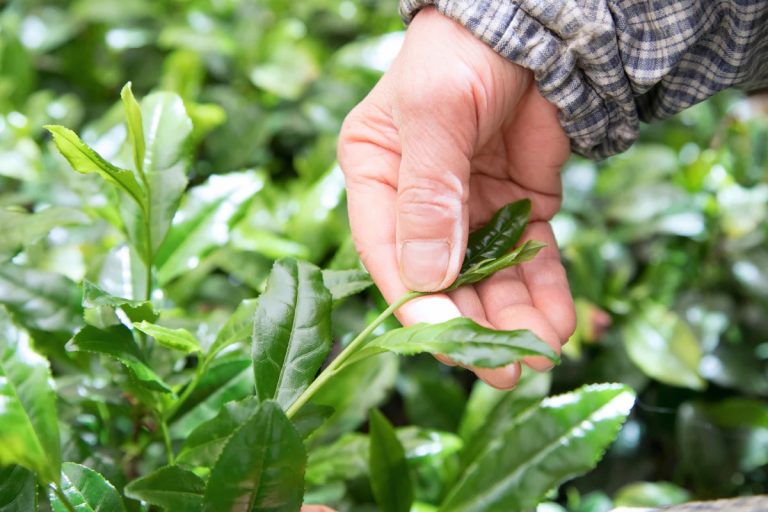
Starbucks has also updated the matcha powder itself, sourcing higher-grade Japanese green tea leaves to improve flavor and color. This new powder has a brighter green hue, smoother texture, and more balanced taste compared to older versions, which could sometimes be bitter or overly grassy.
Higher-quality matcha enhances aroma, providing a subtle vegetal fragrance that complements milk or other add-ins. It also creates a more visually appealing beverage, with the vibrant green color being noticeable in lattes and iced drinks alike. These improvements allow customers to experience a more authentic matcha flavor, closer to traditional Japanese tea preparations.
Consistent sourcing of premium matcha ensures that drinks taste the same across Starbucks locations, providing reliability for global customers. This update reflects a focus on flavor integrity, quality control, and customer satisfaction.
Natural Flavor Additions
The ingredients update includes adjustments to flavor enhancers and additives. For example, vanilla and other natural flavors are now more carefully balanced to complement matcha without overpowering it. This allows the earthy, grassy taste of matcha to remain the focal point of beverages.
The use of natural flavors also supports a smoother taste in both hot and cold drinks. Sweeteners, syrups, and spices are adjusted in proportion to matcha, ensuring that the beverage maintains harmony and appeal. These careful refinements demonstrate Starbucks’ intent to enhance taste while keeping the drink authentic and satisfying for diverse palates.
Plant-Based Milk Options
Alongside powder updates, Starbucks emphasizes using plant-based milk alternatives, such as oat, almond, and coconut milk, to pair with matcha. These options not only cater to dietary preferences but also complement the updated ingredients. Oat milk, for instance, adds natural sweetness and creaminess, while almond milk contributes a subtle nutty undertone.
Plant-based milk options interact differently with matcha than dairy milk, influencing texture and flavor. The combination of refined powder and milk alternatives creates a smooth, well-balanced drink, highlighting the natural taste of matcha while providing versatility for customer preferences.
Overall Impact on Taste and Experience
The ingredients update in Starbucks matcha enhances the balance, flavor, and visual appeal of beverages. Reduced sugar, higher-quality matcha, natural flavors, and plant-based milk options create a more authentic and enjoyable experience. Customers now enjoy drinks that emphasize the earthy, vibrant qualities of matcha while maintaining sweetness, creaminess, and aroma.
These changes reflect Starbucks’ responsiveness to customer feedback and industry trends, prioritizing health-conscious choices without compromising taste. The result is a matcha beverage that feels modern, refined, and consistent, offering a satisfying experience for both new and long-time fans.
Impact on Popular Drinks
Changes to Starbucks’ matcha formula and ingredients have had a noticeable impact on their popular beverages. From lattes to frappuccinos, updated sweetness levels, higher-quality powder, and refined preparation methods have altered taste, texture, and aroma. Understanding these changes helps customers evaluate how their favorite matcha drinks compare to previous versions.
Matcha Lattes
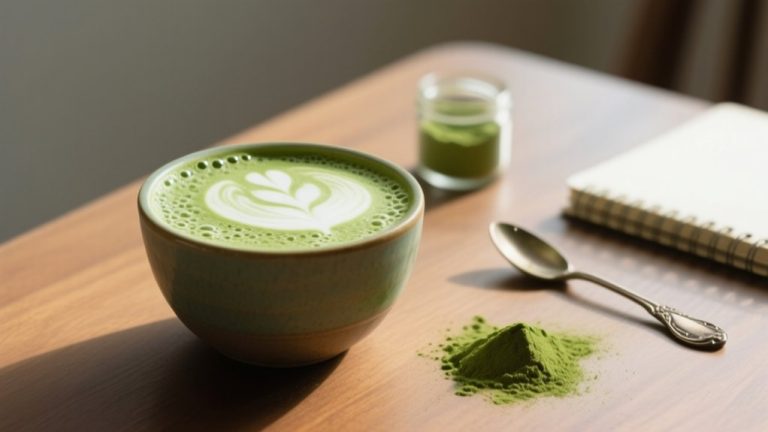
Matcha lattes remain one of the most popular Starbucks drinks, and the formula changes have subtly shifted their flavor profile. With reduced sugar and higher-quality matcha powder, lattes now taste more earthy and less dessert-like. Customers can detect a smoother, more authentic green tea flavor that is balanced with milk.
The updated powder and preparation techniques improve the latte’s consistency, creating a creamier texture and evenly blended flavor. Hot and iced matcha lattes benefit from thorough whisking or mixing, ensuring that the powder does not clump and that the natural vibrancy of matcha is preserved. While some fans miss the sweeter, more indulgent taste, others appreciate the more authentic experience and the ability to customize sweetness with syrups or sweeteners.
The visual appeal of matcha lattes has also improved with brighter green hues, making the beverage more attractive in both cafes and social media posts. Overall, the changes provide a fresher and more refined latte experience.
Matcha Frappuccinos
Starbucks’ matcha frappuccinos have also been affected by ingredient updates. Reduced sugar content and higher-quality matcha powder create a slightly less sweet but more vibrant and flavorful blended beverage. The earthy notes of matcha are more pronounced, while the frappuccino’s creaminess remains enjoyable due to milk and ice blending.
Preparation adjustments, including careful mixing and blending, ensure smooth texture and consistent flavor. Customers may notice a less sugary taste but a richer green tea flavor, highlighting the beverage’s natural characteristics. Some may need to add extra sweeteners, while others enjoy the refreshing balance between matcha and milk.
These changes also allow baristas to create customizable frappuccinos with added syrups, flavor shots, or alternative milk, tailoring the drink to personal preferences. The updated formula has modernized this popular beverage while keeping it visually appealing and flavorful.
Seasonal and Specialty Drinks
Seasonal matcha drinks, like holiday lattes or limited-time frappuccinos, are influenced by the ingredient and formula updates as well. Reduced sugar and premium matcha allow complementary flavors, such as vanilla, caramel, or spices, to shine more distinctly. This creates layered flavor experiences in seasonal beverages.
The improved matcha powder also enhances presentation, providing vibrant color and consistent texture that blends well with syrups, toppings, or whipped cream. Seasonal drinks now taste closer to traditional green tea while still incorporating festive flavors, which satisfies both long-time fans and those seeking new experiences.
The ingredient updates also enable experimentation with new flavor pairings, keeping Starbucks matcha offerings fresh, innovative, and appealing year-round. Customers notice the difference in aroma, taste, and overall quality, making these beverages more enjoyable and memorable.
Overall Customer Experience
The changes in matcha ingredients and preparation have influenced how customers perceive and enjoy Starbucks’ popular drinks. Fans now experience more authentic green tea flavor with balanced sweetness and improved texture. While some may prefer the older sweeter versions, many appreciate the modern, refined taste and flexibility for customization.
These updates reflect Starbucks’ efforts to respond to consumer preferences, health trends, and quality expectations. By focusing on matcha quality, flavor balance, and visual appeal, popular drinks now offer a satisfying experience that appeals to both casual and dedicated matcha enthusiasts.
Comparing Old vs New Starbucks Matcha
The Starbucks matcha formula has evolved over the years, leading to noticeable differences between the older version and the new one. These changes affect sweetness, flavor intensity, texture, and overall customer experience. Comparing the two versions helps matcha enthusiasts understand the impact of ingredient updates and preparation refinements on their favorite beverages.
Sweetness and Flavor Balance
One of the most obvious differences between old and new Starbucks matcha is sweetness. The previous formula contained higher sugar levels, making drinks noticeably sweeter and more dessert-like. While this version appealed to those seeking indulgent lattes and frappuccinos, it sometimes masked the natural earthy taste of matcha.
The updated formula reduces sugar content, allowing the natural vegetal and grassy notes of matcha to shine. This creates a more balanced flavor profile, highlighting matcha’s unique taste rather than relying on sweetness to carry the beverage. Customers now have the flexibility to adjust sweetness with syrups or alternative sweeteners, creating a more customizable experience.
For some fans, the older sweeter version remains nostalgic and comforting. Others appreciate the new balance, as it feels more authentic and health-conscious while enhancing the beverage’s overall depth and complexity.
Texture and Consistency
Texture has also improved with the new formula. Previously, matcha powders could clump, especially in iced drinks, leading to uneven flavor distribution and a grainy mouthfeel. Hot lattes sometimes lacked the smooth, creamy texture that many customers expected.
The updated formula, combined with refined preparation techniques, results in a smoother, creamier beverage. Baristas now whisk or blend matcha more thoroughly, ensuring even dispersion and consistent texture throughout the drink. Iced lattes benefit from the improved powder, as it integrates seamlessly with milk and ice, creating a satisfying, well-balanced mouthfeel.
This consistency enhances the visual appeal of matcha beverages as well. Drinks now feature a brighter, more vibrant green color, indicating higher-quality powder and careful preparation, which makes both hot and iced beverages more attractive and enjoyable.
Aroma and Taste Complexity
Another notable difference is aroma and flavor complexity. The old matcha formula often had a pronounced sweetness that could overshadow its natural grassy and vegetal scent. Some fans enjoyed this, but it masked the more authentic elements of green tea.
The new formula allows the earthy aroma of matcha to stand out while maintaining subtle sweetness. The higher-quality powder produces a smoother taste with less bitterness, enhancing flavor depth. Customers notice a more pronounced green tea character, which pairs well with milk, spices, or complementary flavorings.
This shift in aroma and flavor appeals to enthusiasts seeking an authentic matcha experience. It also allows Starbucks to experiment with layered beverages and seasonal drinks, as the new formula provides a more neutral base for additional flavors.
Customer Perception
Customer reactions vary widely between the old and new matcha. Some long-time fans miss the sweeter, dessert-like taste that the previous formula provided. They associate it with comfort, indulgence, and nostalgia.
Meanwhile, others embrace the new formula for its authenticity, reduced sugar, and improved texture. The vibrant color, smoother mouthfeel, and enhanced aroma create a modern, refined matcha experience. Overall, the comparison shows a shift toward quality, balance, and customer choice, while preserving the core appeal of Starbucks’ matcha beverages.
FAQs
Has Starbucks Recently Changed Their Matcha?
Yes, Starbucks has updated the flavor and composition of their matcha powder in recent years. You may notice a slightly sweeter taste and a smoother texture compared to the previous version. The changes were made to create a more consistent flavor across their beverages and improve the overall customer experience.
If you’re a long-time fan, the difference might be noticeable in the latte or frappuccino. The new formula aims to blend better with milk and syrups, giving a creamier, balanced taste. For many, it enhances the matcha experience, but some traditionalists may prefer the old flavor profile.
What Are The Main Differences Between The Old And New Matcha?
The main differences lie in taste, texture, and sweetness. You may find the updated matcha slightly sweeter and less bitter than before. Its vibrant green color remains, but the powder now mixes more smoothly, reducing clumps in drinks.
You’ll also notice the latte has a creamier consistency, likely due to improved blending with milk. For those used to customizing sweetness, this change may require adjusting your usual syrup or milk choices to match your preferred flavor. Overall, the update was intended to create a more enjoyable and consistent drink.
Did The Ingredients In Starbucks Matcha Change?
Yes, the ingredients in Starbucks matcha have seen some updates. The company adjusted the matcha powder formula, slightly altering its sweetness and composition to ensure better blending with milk and other drink additives. While the exact proprietary blend isn’t fully disclosed, you can expect minor adjustments in the flavor profile.
If you are sensitive to sweetness or caffeine, these changes might affect your taste experience. However, the overall quality of the tea remains high, and the update does not compromise the matcha’s nutritional benefits or natural energy boost.
How Do Customers Feel About The New Starbucks Matcha?
Customer reactions are mixed. Many appreciate the smoother texture and sweeter flavor, as it creates a creamier and more enjoyable drink. You may find it easier to mix with syrups, milk alternatives, or ice, which enhances your overall experience.
On the other hand, some long-time Starbucks fans miss the slightly bitter, traditional taste of the old matcha. If you prefer the original flavor, you might notice the difference immediately. Overall, the update aims to appeal to a broader audience while maintaining Starbucks’ signature matcha beverages.
Does The Change Affect All Starbucks Matcha Drinks?
Yes, the new matcha formula is used across all Starbucks matcha beverages. Whether you order a hot matcha latte, iced matcha latte, or a matcha frappuccino, you’ll notice the updated taste and smoother texture. You may also see slight differences in how the drink blends with milk or flavor syrups.
If you often customize your drinks, you might need to adjust sweetness or milk type to achieve your preferred flavor. The consistency and taste improvements are meant to create a more reliable experience across all Starbucks locations.
Can You Still Get The Old Matcha Flavor At Starbucks?
Unfortunately, you cannot officially get the old matcha flavor at Starbucks. The new formula has replaced the previous version at all locations. If you prefer the original taste, you might consider purchasing a ceremonial-grade matcha powder to make drinks at home, where you can control sweetness and consistency.
For custom drinks, you can experiment with less sweetener or different milk options to mimic the old flavor. Some baristas may suggest adjustments, but the proprietary Starbucks matcha powder is standardized and no longer available in its previous form.
Is There A Difference In Caffeine Or Health Benefits With The New Matcha?
The caffeine content and health benefits remain largely similar. You can still enjoy matcha’s natural antioxidants, vitamins, and energy-boosting properties. The slight increase in sweetness does not significantly change the nutritional profile or caffeine levels per serving.
You may notice that the new matcha blends more smoothly with milk and syrups, making it easier to drink without clumps. Overall, the update focuses on taste and consistency rather than reducing the health benefits or energy boost that matcha provides.
Conclusion
Starbucks’ matcha beverages have undergone noticeable changes over the years, from ingredient updates to refined preparation techniques. Customers have observed differences in sweetness, flavor balance, and texture, making the experience of their favorite drinks slightly different than before. These updates reflect Starbucks’ focus on quality, authenticity, and meeting modern taste preferences.
When considering the question, Did Starbucks Change Their Matcha?, the answer is yes. The formula now emphasizes higher-quality matcha powder, reduced sugar content, and smoother consistency. These adjustments allow the natural earthy and grassy notes of matcha to stand out more, creating a more authentic flavor experience for customers. Preparation methods have also evolved to ensure consistency across hot and iced drinks, enhancing both taste and visual appeal.
Overall, the changes demonstrate Starbucks’ effort to modernize its offerings while balancing customer expectations and health trends. Fans of matcha can now enjoy drinks that are more vibrant, flavorful, and versatile, offering opportunities for customization while maintaining the iconic Starbucks experience.