
Is Matcha Bitter? Understanding Taste, Causes, and How to Enjoy It
Matcha has become a favorite for many tea enthusiasts because of its vibrant green color, rich antioxidant profile, and unique earthy flavor. Its distinct taste can be a point of curiosity, especially for those trying it for the first time. Some people immediately notice a slightly sharp or astringent quality, while others find it pleasantly smooth. Understanding why matcha tastes the way it does can help you enjoy it more fully.
The flavor of matcha comes from the whole powdered tea leaf, which concentrates both natural bitterness and sweetness. The cultivation process, shading techniques, and the age of the leaves all influence how pronounced these flavors are. Younger leaves tend to be sweeter, while more mature leaves may carry a stronger, more complex taste.
Taste perception is also affected by preparation. Water temperature, whisking technique, and the amount of powder used can all enhance or soften the bitterness. Learning how to prepare matcha properly allows you to balance its natural earthiness with subtle sweetness, making each cup more enjoyable.
Exploring the question of whether matcha is bitter can help you identify personal preferences and discover ways to enjoy this traditional tea to its fullest. Small adjustments in preparation and pairing with complementary flavors can make the experience smoother and more satisfying.
Why Matcha Has a Bitter Taste
Matcha’s unique flavor is part of what makes it so distinctive, but many people notice a natural bitterness when they first try it. This taste comes from a combination of cultivation methods, leaf composition, and preparation techniques. Understanding the reasons behind matcha’s bitterness helps you appreciate its complexity and make adjustments to suit your palate.
The Role of Catechins in Matcha
One of the main contributors to matcha’s bitter taste is catechins, a type of antioxidant found in green tea leaves. Catechins provide health benefits, including supporting metabolism, reducing inflammation, and protecting cells from damage. However, they also have a naturally astringent flavor that can come across as slightly sharp or bitter in your cup.
The concentration of catechins is higher in matcha than in other green teas because you consume the entire powdered leaf. This makes the flavor more intense, emphasizing both the earthiness and the subtle astringency. While the bitterness might feel strong at first, it balances with natural sweetness when high-quality, younger leaves are used.
Additionally, catechins can interact with water temperature during preparation. Hotter water tends to release more catechins, intensifying bitterness, while cooler water preserves sweetness and mellows astringency. Understanding the influence of catechins allows you to manage bitterness through careful preparation while still enjoying the antioxidants that make matcha healthy.
Shading and Leaf Quality
The cultivation and shading process also affect matcha’s taste. Leaves grown under shade develop higher levels of chlorophyll and amino acids, which contribute to a sweeter, umami flavor. Leaves exposed to more sunlight produce more catechins, enhancing bitterness and astringency.
High-quality ceremonial-grade matcha uses young, carefully shaded leaves, resulting in a smoother, less bitter flavor. Culinary-grade matcha often includes older leaves or leaves grown with less shading, which increases bitterness and a stronger green tea taste. Choosing the right grade is key to controlling how bitter your matcha tastes.
Leaf quality also determines how fresh and vibrant the flavor is. Older or improperly stored matcha can taste stale or overly astringent, further emphasizing bitterness. Paying attention to leaf origin, grade, and storage conditions ensures a more balanced and enjoyable cup.
Preparation Techniques and Their Effect on Bitterness
How matcha is prepared plays a significant role in how bitter it tastes. Using too much powder, whisking too vigorously, or adding excessively hot water can all accentuate astringency. Measuring one teaspoon per serving and maintaining water at 70–80°C helps reduce harshness and preserves sweetness.
Whisking properly ensures the powder is fully dissolved, creating a smooth, frothy texture that balances the natural bitterness. Combining matcha with milk or plant-based alternatives, sweeteners, or flavor enhancers can further mellow the taste while keeping the drink authentic.
Even small adjustments, such as using a slightly smaller portion of matcha or stirring more gently, can make a noticeable difference. Understanding these preparation factors allows you to enjoy the characteristic earthy flavor without overwhelming bitterness.
The Balance Between Umami and Bitterness
Bitterness in matcha is balanced by natural sweetness and umami, which comes from amino acids like L-theanine. High-quality matcha emphasizes this balance, creating a complex flavor profile that is both satisfying and nuanced.
Learning to appreciate the bitter notes alongside sweet and savory undertones transforms your experience from simply drinking tea to savoring a traditional, carefully crafted beverage. The slight bitterness is part of matcha’s charm, signaling freshness, quality, and concentrated nutrients, making each sip both flavorful and beneficial.
Factors That Influence Matcha’s Bitterness
The bitterness of matcha is a key aspect of its flavor profile, and several factors contribute to how pronounced it tastes. From the type of leaves used to growing conditions and preparation methods, understanding these influences allows you to enjoy matcha more fully and control the balance between its natural earthiness and subtle sweetness.
Leaf Grade and Quality
One of the most important factors affecting bitterness is the grade and quality of the matcha leaves. Ceremonial-grade matcha is made from young, tender leaves that are carefully shaded before harvest, resulting in higher levels of amino acids like L-theanine. These amino acids contribute natural sweetness and umami, balancing the inherent bitterness of catechins.
In contrast, culinary-grade matcha often uses older leaves or leaves with less shading, which contain higher concentrations of catechins. This increases bitterness and astringency, making it more suitable for blending into recipes rather than drinking straight. Leaf quality also impacts color, aroma, and texture. Higher-quality leaves produce a bright green powder and smoother taste, while lower-quality leaves can taste dull or harsh. Choosing the right grade is crucial for controlling bitterness in your cup.
Additionally, freshness plays a role. Matcha that has been stored for too long or exposed to light and air can oxidize, intensifying bitterness and reducing sweetness. Using freshly opened, properly stored matcha ensures a balanced and pleasant flavor profile.
Growing Conditions and Shading
The environment where matcha is grown also influences its bitterness. Leaves grown under heavy shade develop higher levels of chlorophyll and amino acids, which create a sweeter, more umami-rich flavor. Sunlight-exposed leaves produce more catechins, which are responsible for bitterness and astringency.
Soil quality, rainfall, and regional climate also contribute to taste variations. Matcha from different regions may have subtle differences in bitterness, aroma, and texture based on how the plants absorb nutrients and respond to sunlight. These natural variations are part of what makes each type of matcha unique.
Shading techniques are particularly important. Tencha leaves, the type used for high-grade matcha, are typically shaded for several weeks before harvest. This process not only increases amino acid content but also softens the natural bitterness of catechins, giving ceremonial-grade matcha its smooth, rich flavor.
Preparation Methods
How matcha is prepared has a significant effect on bitterness. Using too much powder, excessively hot water, or improper whisking can make matcha taste overly strong and astringent. A standard teaspoon of matcha per cup, whisked with water around 70–80°C, helps balance flavor and reduce harshness.
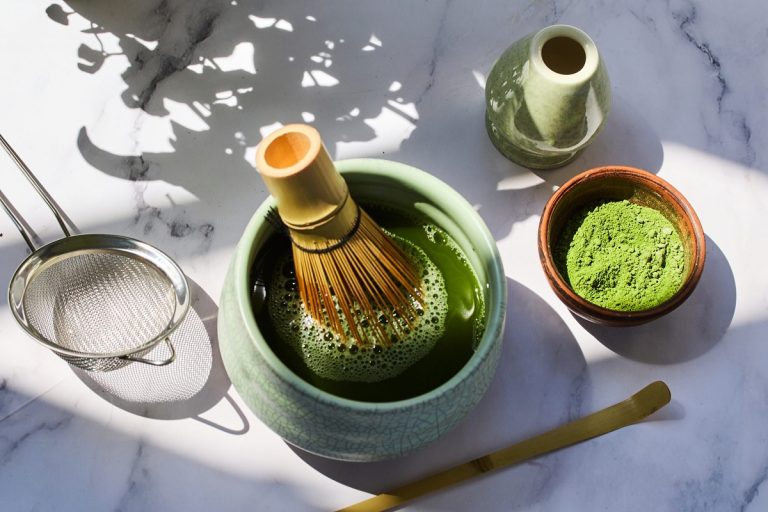
Whisking technique also matters. A bamboo whisk creates froth and distributes the powder evenly, preventing concentrated pockets that taste bitter. Using milk or plant-based alternatives can mellow bitterness, while adding sweeteners or flavor enhancers can further balance the taste. Even small adjustments in preparation can transform a sharp cup into a smooth, enjoyable experience.
The ratio of powder to liquid, water temperature, and blending method all interact to control how strong the bitter notes are. Understanding these factors allows you to tailor matcha to your taste preference while preserving its health benefits.
Storage and Freshness
The way matcha is stored greatly affects its flavor and bitterness. Exposure to air, light, or moisture accelerates oxidation, which can intensify bitterness and reduce the sweetness and umami of amino acids. Keeping matcha in a sealed, airtight container in a cool, dark place helps maintain a smooth, fresh taste.
Refrigeration can also help prolong shelf life, especially for high-quality ceremonial-grade matcha. Using older matcha powder can result in a harsher, more astringent taste, emphasizing the natural bitterness rather than balancing it with sweetness.
Proper storage ensures that the flavor remains consistent over time. Fresh matcha not only tastes better but also provides maximum antioxidant and nutrient benefits, allowing you to enjoy its rich, complex flavor without unnecessary bitterness overpowering the experience.
Harvesting and Leaf Age
The age of the leaves at harvest is another important factor. Younger, tender leaves contain more amino acids and less fibrous material, producing sweeter, smoother matcha. Older leaves contain more catechins, which increase bitterness and astringency.
Harvesting techniques, including careful selection of leaf tips and minimal damage during processing, help maintain natural sweetness and reduce harsh flavors. By considering leaf age and handling practices, producers create matcha with a balanced flavor profile, ensuring that the bitterness complements rather than dominates the taste.
These combined factors—leaf grade, growing conditions, preparation, storage, and leaf age—determine how bitter your matcha will taste. Understanding them allows you to make informed choices, whether selecting a high-quality ceremonial powder or adjusting preparation methods for a smoother, more enjoyable cup.
How to Reduce Bitterness in Matcha
Matcha’s natural bitterness can be enjoyable for some, but others prefer a smoother, sweeter taste. Fortunately, there are several ways to reduce bitterness without sacrificing its unique flavor and health benefits. Adjusting preparation methods, using complementary ingredients, and selecting the right grade of matcha can all help create a more balanced and enjoyable cup.
Choose the Right Matcha Grade
One of the most effective ways to reduce bitterness is to select the right grade of matcha. Ceremonial-grade matcha, made from young, shaded leaves, contains higher levels of amino acids like L-theanine, which naturally enhance sweetness and umami. These amino acids help counteract the inherent astringency from catechins, creating a smoother, richer flavor.
Culinary-grade matcha, while suitable for cooking and baking, tends to be more bitter due to older leaves or less shading during growth. For drinking straight or in lattes, ceremonial-grade matcha is preferable. Choosing high-quality, fresh matcha powder ensures that bitterness is minimized while preserving the vibrant green color and smooth texture that make matcha so appealing.
Freshness also plays a role. Matcha that has been stored improperly or for too long can oxidize, intensifying bitterness. Always store matcha in a cool, dark, airtight container to maintain flavor and reduce harshness.
Adjust Water Temperature and Serving Size
The way you prepare matcha has a significant impact on its bitterness. Using water that is too hot, above 80°C, can extract more catechins, making the drink taste sharper and more astringent. Cooler water, around 70–80°C, helps preserve natural sweetness and creates a smoother, more balanced cup.
Serving size also influences bitterness. Using a full teaspoon of matcha per cup can produce a strong, concentrated flavor that emphasizes astringency. Reducing the powder slightly, or blending it with more water or milk, can create a gentler, less bitter beverage. Whisking thoroughly ensures even distribution and prevents clumps, which can also contribute to harsh, bitter pockets in the drink.
Experimenting with water volume and powder amount allows you to customize flavor intensity while retaining caffeine content and health benefits. Adjusting these factors is an easy way to enjoy matcha without overpowering bitterness.
Incorporate Milk or Plant-Based Alternatives
Adding milk or milk alternatives is an effective way to mellow matcha’s bitterness. Dairy milk adds creaminess and softens the earthy taste, while plant-based options like oat, almond, or soy milk introduce subtle natural sweetness and texture.
The fats and proteins in milk bind with catechins, reducing the perception of bitterness. This makes the drink smoother, more palatable, and enjoyable for those sensitive to strong flavors. Sweetened plant-based alternatives can further enhance flavor, but unsweetened options let you control sugar content while still reducing harshness.
Creating a matcha latte with steamed or frothed milk distributes flavor evenly and balances bitterness with creamy sweetness. This method allows you to enjoy the health benefits and caffeine of matcha in a more approachable, mellow format.
Add Natural Sweeteners or Flavor Enhancers
Natural sweeteners like honey, maple syrup, or agave can counteract bitterness without overpowering matcha’s flavor. Start with a small amount, tasting gradually, to maintain the balance between sweetness and the earthy, grassy notes of the tea.
Flavor enhancers such as vanilla, cinnamon, or a pinch of cocoa can further complement matcha. These additions add depth and complexity, softening bitter undertones while creating a richer sensory experience. Citrus zest, like lemon or orange, can also highlight sweetness and aroma, masking astringency naturally.
Combining sweeteners and subtle flavors allows you to tailor matcha to your taste preference while keeping its traditional qualities intact. This approach is especially helpful for beginners or those who want a more approachable, enjoyable beverage.
Whisk Properly for Smooth Texture
Proper whisking plays a crucial role in reducing perceived bitterness. Using a bamboo whisk in a zigzag motion helps dissolve matcha powder fully, eliminating clumps that can taste harsh and overly astringent.
Frothing the matcha creates a light, airy texture that spreads flavor evenly, softening concentrated bitter spots. Whisking consistently ensures a smooth, creamy mouthfeel, making the bitterness less pronounced. For those preparing lattes or blended drinks, thorough mixing with milk or water also improves overall balance and flavor integration.
Bitterness in Different Types of Matcha Drinks
Matcha can be enjoyed in various forms, from traditional tea to lattes, smoothies, and desserts. Each preparation brings out different aspects of its flavor, including its natural bitterness. Understanding how bitterness varies in different matcha drinks helps you choose or adjust recipes to suit your taste while retaining the health benefits and vibrant green color of matcha.
Traditional Matcha Tea
Traditional matcha tea is prepared by whisking powdered matcha with hot water, usually around 70–80°C. This method emphasizes the natural flavor of the tea, including its inherent bitterness and umami notes. The bitterness is more pronounced in straight matcha because you are consuming the entire leaf in powdered form, without dilution from milk or sweeteners.
The bitterness in traditional matcha is influenced by powder grade, freshness, and whisking technique. Ceremonial-grade matcha, made from younger shaded leaves, has higher amino acids like L-theanine, which create a smoother, sweeter taste and balance astringency. Culinary-grade matcha, used in recipes, tends to be more bitter due to older leaves. Proper whisking ensures the powder dissolves evenly, preventing clumps that can intensify bitterness in some sips.
For those sensitive to strong flavors, adjusting water temperature or slightly reducing powder quantity can reduce harshness while maintaining flavor. Traditional matcha remains the most concentrated form of the tea, offering the fullest profile of bitterness, umami, and antioxidants.
Matcha Lattes
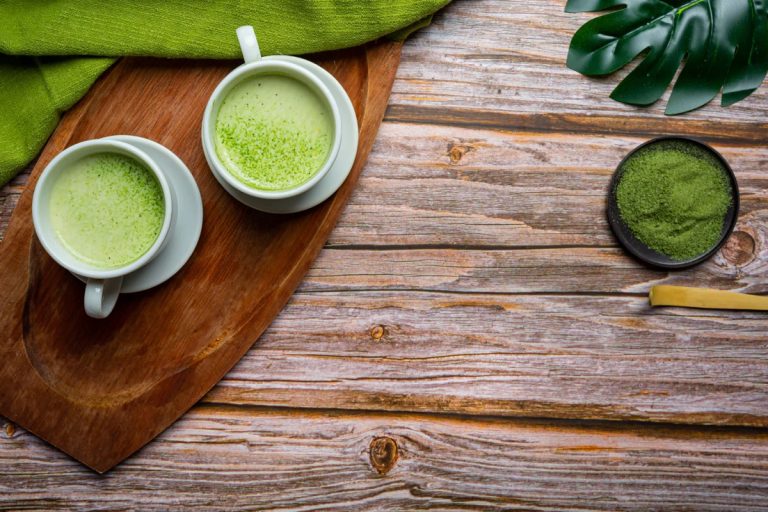
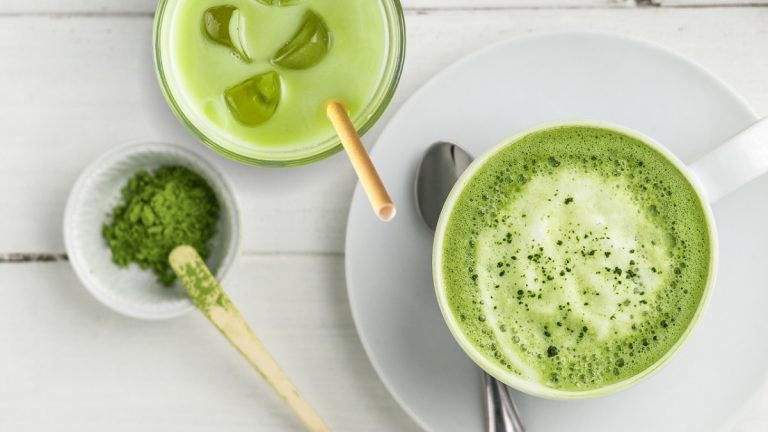
Matcha lattes are a popular way to enjoy matcha with reduced bitterness. The addition of milk or plant-based alternatives such as oat, almond, or soy milk softens the natural astringency of the tea and creates a creamy, smooth texture. Sweeteners like honey or maple syrup further mellow the earthy notes.
The ratio of matcha to milk plays a crucial role in controlling bitterness. A higher milk proportion dilutes the strength of the tea, making the drink more approachable for those who find traditional matcha too strong. Frothing milk before combining it with whisked matcha also helps integrate the powder evenly, reducing concentrated bitter spots.
Lattes are versatile, allowing adjustments in sweetness, texture, and flavor. Additional flavorings like vanilla, cinnamon, or cocoa can further complement the tea’s natural taste, masking harshness while retaining matcha’s vibrant color and antioxidant benefits. This makes lattes ideal for beginners or anyone seeking a smoother, less bitter matcha experience.
Iced Matcha Drinks
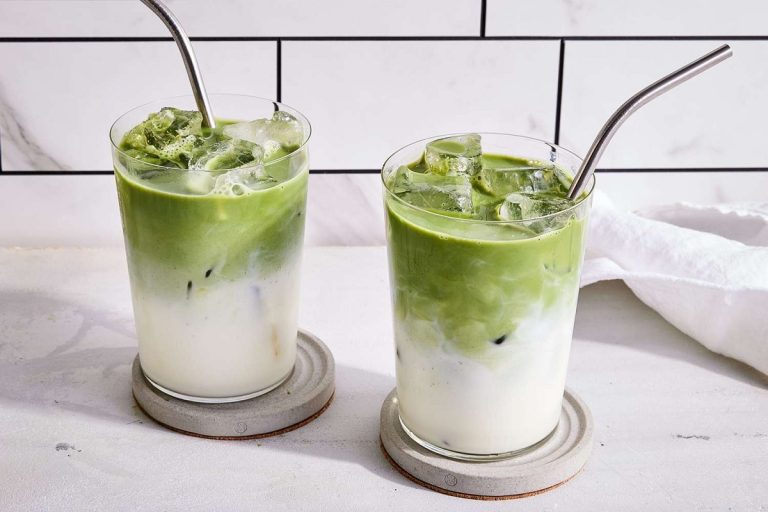
Iced matcha drinks, including iced teas and iced lattes, present a different dynamic for bitterness. Chilling matcha reduces perceived astringency, but dilution from ice can affect flavor intensity. Strongly concentrated iced matcha may still taste bitter, especially if powder quantity is high or water temperature was too hot during preparation.
Iced lattes with milk or sweeteners further mellow bitterness while creating a refreshing beverage. Adjusting ice amounts and liquid ratios ensures a balanced flavor. Using cold water to whisk matcha for iced drinks can also reduce sharpness and preserve sweetness.
Iced matcha drinks are especially popular in warm climates because cooling softens bitterness, making the tea more approachable while retaining antioxidants and caffeine. Adding natural flavor enhancers like citrus or berries can complement sweetness and reduce perceived astringency.
Matcha Smoothies and Blended Drinks
Matcha smoothies blend the tea powder with fruits, yogurt, or milk alternatives, creating a thick, nutrient-rich beverage. In this format, bitterness is often less noticeable because the sweetness and texture of fruits like banana, strawberry, or mango counterbalance astringent notes.
Blending ensures even distribution of matcha, preventing pockets of concentrated powder that could taste overly bitter. The addition of dairy or plant-based milk, along with frozen fruit, further softens the earthy flavor. Smoothies also allow for portion adjustments, letting you control matcha strength and caffeine content while minimizing harshness.
Smoothies are ideal for those who want matcha’s health benefits without experiencing strong bitterness. They provide a creative and versatile way to enjoy matcha in a palatable form while incorporating additional nutrients, fiber, and natural sweetness from fruits.
Dessert Applications
Matcha is also commonly used in desserts, including cakes, cookies, puddings, and ice creams. In these recipes, bitterness is usually tempered by sugar, cream, or other rich ingredients. Baking and blending matcha with sweet elements allow the tea’s earthy notes to complement, rather than overpower, the dish.
Culinary-grade matcha is typically used for desserts, as its stronger, slightly bitter flavor holds up well when combined with sugar and dairy. Properly balancing matcha with other ingredients ensures a pleasant, subtle bitterness that enhances depth and complexity, rather than creating an overly sharp taste.
Dessert applications provide a unique way to experience matcha, highlighting its versatility while minimizing unpleasant astringency. By combining natural sweetness, creamy textures, and complementary flavors, matcha’s bitterness becomes a harmonious element rather than a dominant characteristic.
Identifying High-Quality Matcha by Taste
The flavor of matcha is one of the clearest indicators of its quality. High-quality matcha exhibits a balance of natural sweetness, umami, and subtle bitterness, along with a smooth texture and vibrant green color. Learning to identify premium matcha by taste helps you select the best powder for traditional tea, lattes, or culinary purposes while ensuring optimal health benefits and enjoyment.
Sweetness and Umami Balance
One of the hallmarks of high-quality matcha is its natural sweetness and umami flavor. Ceremonial-grade matcha is made from young, shaded leaves that are rich in amino acids like L-theanine. These compounds provide a pleasant, savory-sweet taste that balances the mild bitterness from catechins.
When tasting premium matcha, the sweetness should be noticeable without added sugar. The umami creates a smooth, full-bodied mouthfeel that lingers pleasantly after each sip. Lower-grade matcha may taste overly astringent or harsh because it contains older leaves or less shading, highlighting bitterness over sweetness. Understanding the balance of umami and natural sweetness allows you to discern ceremonial-grade quality from culinary-grade or lower-quality powders.
This balance also contributes to matcha’s calming energy. The combination of L-theanine and caffeine produces alertness without jitters, a benefit that is more pronounced in high-quality matcha. Sweetness and umami serve as flavor markers and indicators of freshness and leaf selection.
Subtle Bitterness and Astringency
Bitterness in matcha is natural, but high-quality matcha presents it in a controlled, subtle way. The bitterness should be gentle, complementing the sweetness and umami rather than overpowering them. Excessive astringency or a harsh, dry aftertaste often signals lower-quality leaves or improper storage.
When tasting matcha, take note of how the bitterness develops on your palate. Premium matcha has a clean, smooth finish where bitterness fades into a lingering, savory flavor. Lower-grade powders tend to leave a sharp, lingering astringency that can dominate the cup and mask delicate flavors.
Subtle bitterness also indicates proper shading and careful leaf selection. Shaded leaves produce more amino acids and less catechins, softening harsh notes and creating a harmonious balance. Being able to recognize gentle bitterness is an essential skill for identifying high-quality matcha.
Texture and Mouthfeel
Texture is another indicator of premium matcha. High-quality matcha has a fine, silky consistency that dissolves evenly in water. When whisked properly, it produces a smooth, frothy layer on top, free of clumps or gritty particles.
Lower-quality matcha may feel coarse, sandy, or unevenly mixed, contributing to an unpleasant mouthfeel. Proper texture enhances flavor perception, allowing the natural sweetness, umami, and subtle bitterness to shine. Smoothness in mouthfeel often correlates with careful stone-grinding and proper processing techniques, which are hallmarks of premium matcha production.
Paying attention to texture as you taste ensures that you experience the full complexity of the tea and can distinguish top-quality powders from lesser alternatives. A smooth, creamy mouthfeel is a reliable sign of freshness and proper leaf selection.
Aftertaste and Flavor Persistence
The aftertaste of matcha is an important measure of quality. Premium matcha leaves a pleasant, lingering flavor that combines savory notes with gentle sweetness and subtle bitterness. This balance is a hallmark of ceremonial-grade matcha.
Lower-quality matcha often leaves a harsh or overly astringent aftertaste that dissipates quickly or feels dry on the palate. By evaluating how long the flavor persists and how it evolves, you can gauge leaf quality, shading practices, and freshness. The persistence of umami and sweetness in the aftertaste signals a well-crafted, high-quality product.
Learning to identify matcha by taste, including sweetness, umami, subtle bitterness, texture, and aftertaste, ensures that you consistently select premium powders that provide both flavor and health benefits. Taste is a direct reflection of leaf quality, processing, and freshness, making it one of the most reliable ways to assess matcha excellence.
People Also Asked
Why Does Matcha Taste Bitter?
Matcha tastes bitter primarily due to catechins, a type of antioxidant concentrated in the tea leaves. These compounds provide health benefits, but they also contribute to astringency and sharpness in flavor.
Bitterness is also influenced by the grade and quality of the matcha. Ceremonial-grade matcha made from young, shaded leaves contains more amino acids like L-theanine, which balance bitterness with natural sweetness and umami. Lower-grade or culinary matcha, made from older or sun-exposed leaves, tends to taste more bitter. Preparation techniques, including water temperature and whisking, also affect how pronounced the bitterness is.
Can The Bitterness Of Matcha Be Reduced?
Yes, you can reduce matcha’s bitterness with proper preparation and ingredient choices. Using slightly cooler water, around 70–80°C, prevents over-extraction of catechins, which can intensify sharp flavors.
Adding milk or plant-based alternatives like oat or almond milk softens the taste while preserving health benefits. Natural sweeteners such as honey, maple syrup, or agave can further mellow bitterness. Adjusting the powder-to-liquid ratio or using a higher-quality ceremonial-grade matcha also balances flavor. Small changes in preparation and ingredient selection allow you to enjoy matcha’s health benefits without overwhelming bitterness.
Is All Matcha Bitter?
Not all matcha is bitter. The level of bitterness varies depending on leaf quality, grade, and cultivation methods. Ceremonial-grade matcha tends to be smoother and sweeter due to higher levels of L-theanine and careful shading during growth.
Culinary-grade matcha or older leaves often taste more bitter and astringent. Additionally, freshness plays a role—stale matcha may have intensified bitterness and a less vibrant flavor. Preparation techniques like water temperature, whisking, and powder quantity can also make a noticeable difference. Properly prepared, high-quality matcha is balanced, with bitterness complementing natural sweetness and umami.
Why Does High-Grade Matcha Taste Less Bitter?
High-grade ceremonial matcha tastes less bitter because it is made from young, shaded leaves with higher levels of amino acids like L-theanine. These amino acids provide natural sweetness and umami that counteract the astringency of catechins.
The careful cultivation and processing of premium matcha reduce fibrous content, resulting in smoother texture and balanced flavor. Proper storage of fresh, high-quality matcha also prevents oxidation, which can intensify bitterness. By contrast, lower-grade matcha from older or sun-exposed leaves has higher catechin concentration and less L-theanine, making it taste sharper and more bitter.
How Does Preparation Affect Matcha Bitterness?
Preparation significantly impacts how bitter matcha tastes. Using too much powder, very hot water, or improper whisking can create a harsh, astringent cup. Using one teaspoon of matcha per serving and water around 70–80°C helps maintain balance.
Whisking thoroughly ensures even distribution and frothy texture, preventing concentrated bitter pockets. Adding milk or sweeteners can further reduce perceived bitterness. Even small adjustments in powder-to-water ratios, water temperature, or whisking technique allow you to tailor the flavor to your preference while preserving matcha’s natural nutrients and caffeine benefits.
Can Bitterness Indicate Matcha Quality?
Yes, bitterness can help indicate matcha quality, but context matters. Slight, controlled bitterness is natural and complements sweetness and umami in high-quality matcha.
Excessive, harsh bitterness often points to lower-grade matcha made from older leaves, less shading, or improper storage. Ceremonial-grade matcha balances subtle bitterness with smooth, savory-sweet flavors. By tasting and observing how bitterness interacts with other flavor notes, you can gauge leaf quality, freshness, and proper cultivation practices. Learning to interpret bitterness helps you consistently select premium matcha.
Is Bitterness Unpleasant Or Beneficial In Matcha?
Bitterness in matcha is not necessarily unpleasant—it is part of its characteristic flavor profile. The sharp notes balance the natural sweetness and umami, creating a complex, satisfying taste.
From a health perspective, the bitterness comes from catechins, which have antioxidant, anti-inflammatory, and metabolism-supporting properties. Controlled bitterness indicates the presence of these beneficial compounds. Learning to appreciate the balance between bitterness, sweetness, and umami allows you to enjoy matcha fully while benefiting from its nutrients and sustained caffeine boost.
Final Thoughts
Matcha’s flavor can be surprising for first-time drinkers, with its natural bitterness standing out alongside its earthy, umami notes. This bitterness comes from beneficial compounds like catechins and tannins, which contribute to matcha’s antioxidant properties and health benefits. While some people may find it strong at first, learning how to prepare and balance matcha can make the taste enjoyable.
Adjusting water temperature, whisking properly, and pairing matcha with milk, sweeteners, or complementary flavors can significantly reduce bitterness without compromising its nutritional value. Understanding the difference between ceremonial and culinary grades also helps, as higher-quality matcha tends to be smoother and less bitter.
Ultimately, whether is matcha bitter depends on preparation, powder quality, and personal taste preferences. By experimenting with brewing methods and flavor combinations, you can enjoy a perfectly balanced cup that highlights matcha’s unique taste while minimizing any overwhelming bitterness.