Does Coffee Have Gluten – Facts About Gluten And Coffee
You can trust that plain coffee, whether whole beans or grounds, is naturally gluten-free and safe for people who are sensitive to gluten. However, flavored coffees and some additives might contain gluten or could be at risk of cross-contamination during processing and preparation.
Coffee substitutes like chicory are gluten-free, but grain-based options are not. So, it’s a good idea to carefully check labels and choose certified gluten-free products to avoid any hidden gluten.
Knowing these details helps you enjoy your coffee with confidence while managing gluten concerns effectively. It’s all about being informed and making smart choices!
Is Plain Coffee Naturally Gluten-Free?

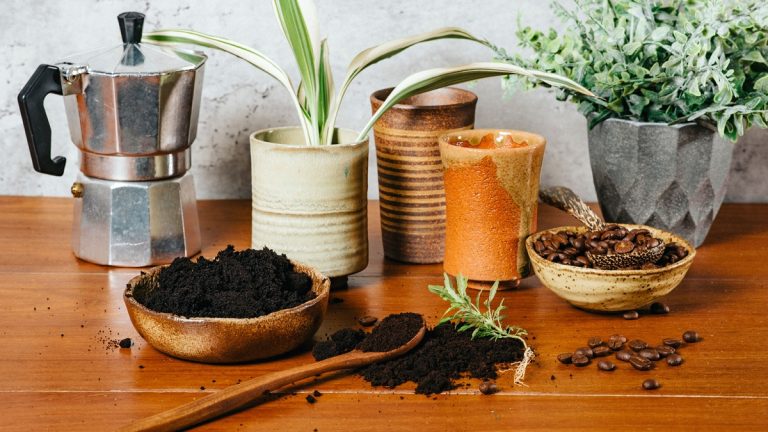
Is plain coffee naturally gluten-free? Yes, it is. Coffee beans come from the Coffea plant and don’t contain any gluten proteins. This stays true no matter how the coffee beans are roasted.
Roasting just means heating green coffee beans to bring out their flavor and aroma. This process doesn’t add gluten or change the beans’ natural gluten-free status.
When you drink plain brewed coffee, you’re getting water-extracted caffeine and other natural compounds from the beans—gluten-free all the way.
That said, it’s a good idea to make sure there’s no cross-contamination during packaging or preparation.
As long as you stick to pure coffee beans or grounds without any additives, you can enjoy your coffee without worrying about gluten or its effects on your health.
How Do Flavored Coffees Affect Gluten Content?
While plain coffee remains naturally gluten-free, flavored coffees can introduce gluten depending on their ingredients and processing methods. When you choose flavored options, consider how flavor additives and brewing methods might affect gluten content.
Here are key factors to keep in mind: Flavor additives may contain gluten-containing stabilizers or carriers. Cross-contamination can occur during the production of flavoring agents. Brewing methods that mix flavors post-brewing might actually reduce the gluten risk.
Also, some flavor additives go through rigorous testing to make sure they’re free of gluten. So, it’s always a good idea to check labels or contact the manufacturer if you’re unsure.
Which Coffee Additives Might Contain Gluten?

Because certain coffee additives can contain gluten, it’s important to know which ones might pose a risk. During coffee brewing, additives like flavored syrups, creamers, and some spices may introduce gluten.
Flavor additives such as malt flavoring, which comes from barley, often contain gluten and should be avoided. Also, some powdered creamers and artificial flavorings use wheat-based ingredients that aren’t always clearly labeled.
Malt flavoring from barley and some powdered creamers may contain hidden gluten and should be avoided.
If you have gluten sensitivity or celiac disease, it’s a good idea to carefully check ingredient lists and choose certified gluten-free products.
Understanding where gluten might be hiding in coffee additives helps you stick to your gluten-free diet without giving up your coffee.
Always look for transparency from manufacturers to make sure your coffee stays safe during brewing and drinking.
Can Cross-Contamination Happen During Coffee Processing?
Although coffee beans themselves don’t naturally contain gluten, cross-contamination can happen during processing, packaging, or handling if equipment is shared with gluten-containing products. When you rely on coffee roasting and packaging facilities that process multiple food items, you risk gluten exposure.
This contamination can influence caffeine absorption if your sensitivity triggers digestive issues. To visualize potential contamination points, consider:
- Shared roasting drums where gluten residues linger
- Conveyors transporting both coffee and gluten-based snacks
- Packaging lines using the same machines for different products
- Storage areas where coffee contacts gluten-containing materials
Understanding these risks helps you choose coffee brands with dedicated gluten-free protocols. That way, you can make sure your caffeine absorption stays unaffected by unwanted gluten.
How Can You Read Coffee Labels for Hidden Gluten?
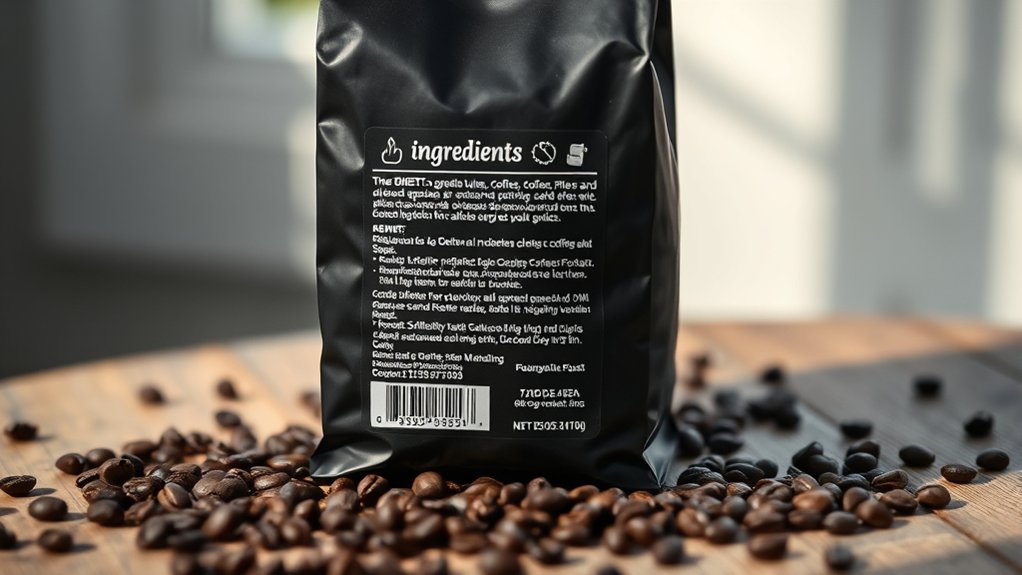
How do you identify hidden gluten in your coffee by reading labels? Start by examining the ingredient list closely. Pure coffee should list only roasted coffee beans.
Watch out for additives like malt flavoring or barley, which contain gluten and can affect caffeine absorption by altering coffee brewing compounds. If the label mentions “natural flavors” without specifics, it’s best to contact the manufacturer. Gluten might be present.
Also, look for gluten-free certification symbols that ensure rigorous testing. Keep in mind that cross-contamination during coffee brewing or packaging can occur, so transparent labeling is essential.
Which Coffee Brands Are Safest for Gluten-Free Diets?
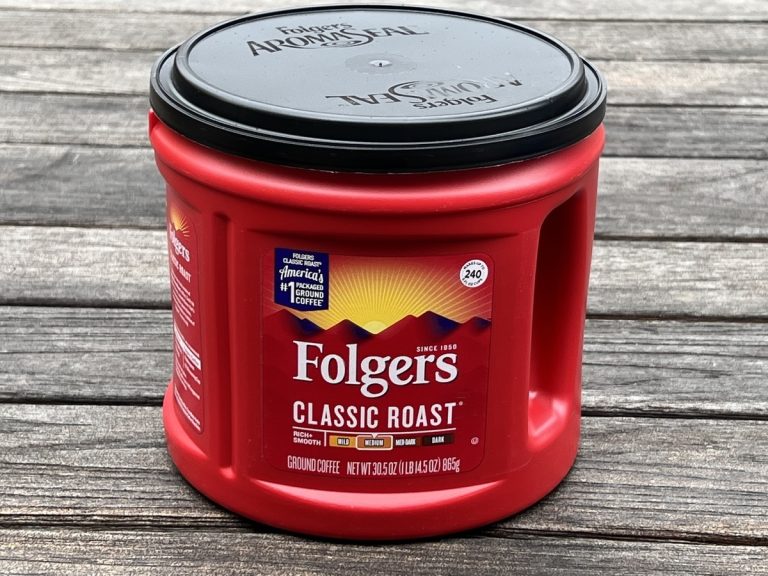
You should prioritize coffee brands that carry a certified gluten-free label to minimize exposure to gluten. That way, you can feel more confident that what you’re drinking is safe.
It’s also important to think about cross-contamination risks during processing and packaging because these can vary quite a bit between brands.
Knowing these details really helps you pick coffee that fits your gluten-free lifestyle without any unnecessary worry.
Certified Gluten-Free Brands
Which coffee brands can you trust to be truly gluten-free? Certified gluten-free brands carefully control coffee bean sourcing and monitor brewing temperature to make sure there’s no gluten contamination.
These companies go through third-party testing and certification, giving you peace of mind. Here are some reputable options to consider:
- Kicking Horse Coffee – Certified gluten-free and focuses on ethically sourced beans.
- Lifeboost Coffee – Uses single-origin beans and tests them for gluten absence.
- Bulletproof Coffee – Emphasizes purity and holds gluten-free certification.
- Verena Street Coffee – Has strict protocols to keep products gluten-free.
These brands don’t just guarantee gluten-free status; they also put a big focus on quality control in sourcing beans and managing brewing temperatures.
This helps minimize any risk of gluten contamination.
Cross-Contamination Risk Factors
While certified gluten-free brands offer reliable options, it’s important to understand the factors that increase the risk of gluten cross-contamination in coffee products. Cross-contamination can occur during coffee brewing, packaging, or processing, especially when shared equipment is used for gluten-containing and gluten-free products.
If you have gluten sensitivity, even trace amounts can trigger adverse reactions.
To minimize risk, choose brands that implement strict allergen controls and use dedicated facilities. Moreover, beware of flavored coffee blends, as flavor additives may introduce gluten.
When brewing coffee at home or in commercial settings, ensure that equipment like grinders and filters aren’t contaminated by gluten residues.
Are Coffee Substitutes Like Chicory Gluten-Free?
You might be wondering if coffee substitutes like chicory are safe for a gluten-free diet. Well, the good news is that chicory root itself is naturally gluten-free.
However, some blends might include additives or have a risk of cross-contamination. So, it’s always a good idea to check the labels and choose your products carefully to avoid any gluten exposure.
Chicory Gluten Content
Although chicory root is often used as a coffee substitute, its gluten content raises important questions for those with gluten sensitivities. Chicory itself is naturally gluten-free, so it’s generally safe for gluten-free baking and consumption. However, cross-contamination during processing can introduce gluten, so you should always check product labeling carefully.
Also, if you have chicory allergies, you might experience adverse reactions that aren’t related to gluten.
When you’re evaluating chicory for gluten content, keep a few things in mind:
- Source purity. Make sure it comes from a gluten-free certified facility.
- Processing methods. Avoid products made with shared equipment that handles gluten grains.
- Product labeling. Look for clear gluten-free certification on the package.
- Personal sensitivity. It’s important to know whether you’re dealing with gluten intolerance or a chicory allergy.
Common Coffee Substitutes
Understanding the gluten content in chicory sets the stage for examining other common coffee substitutes. Many substitutes, such as dandelion root, barley, and roasted grains, undergo coffee roasting processes to develop flavor profiles similar to coffee.
However, barley contains gluten, which is essential to consider if you have gluten sensitivities or celiac disease.
Dandelion root and chicory are naturally gluten-free, making them safer alternatives. These substitutes don’t contain caffeine, so your caffeine absorption will differ markedly compared to coffee.
If you rely on caffeine for alertness, substitutes won’t provide the same stimulant effect.
Always check product labels, as some blends may include gluten-containing additives.
What’s the Risk of Gluten Contamination in Coffee Shops?
How likely is it that your coffee contains gluten when ordered at a coffee shop? Pure coffee beans don’t contain gluten, whether during roasting or storage. So, the coffee itself is naturally gluten-free.
Pure coffee beans are naturally gluten-free, unaffected by roasting or storage processes.
But contamination can happen in busy coffee shop environments. Think about it: cross-contact with gluten-containing baked goods or snacks is common.
Shared utensils or surfaces used for both gluten and gluten-free products can also be a problem. Plus, some flavorings or syrups might’ve gluten-derived ingredients.
And don’t forget powdered additives or toppings that are stored near gluten-containing items.
The roasting and storage processes keep coffee gluten-free, but the real risk comes from how it’s handled and prepared at the shop. Knowing these points helps you figure out your gluten exposure risk when ordering your coffee.
How Can You Enjoy Coffee Safely With Gluten Sensitivity?
Since gluten contamination can happen during coffee preparation, you should take some specific precautions to enjoy coffee safely with gluten sensitivity. First, pick coffee beans or grounds that are labeled gluten-free to lower the risk. When brewing coffee, try to avoid using shared equipment that might’ve gluten residues.
It’s a good idea to go for manual brewing methods like pour-over or French press so you can control what’s going on. Also, watch out for additives like flavored syrups or creamers because they might contain gluten.
Understanding how your body metabolizes caffeine is important too. Gluten sensitivity can sometimes affect gut health, which might change how you process caffeine. Keep an eye on how your body reacts to coffee and adjust your intake if you notice any symptoms.
How to Choose Gluten-Free Coffee Accessories and Pods
When you’re picking out coffee pods, make sure they’re clearly labeled gluten-free. This helps you avoid any hidden gluten contamination.
Also, it’s a good idea to go for coffee makers made from non-porous materials like stainless steel or glass. These materials help reduce the chance of gluten residue building up.
And don’t forget—always give your accessories a thorough cleaning. That way, you can prevent any cross-contamination between gluten-containing and gluten-free products.
Identifying Gluten-Free Pods
Where can you find truly gluten-free coffee pods amid the variety on the market? Start by focusing on manufacturers who explicitly label their pods gluten-free to guarantee safety during coffee brewing.
Cross-contamination risks often arise during coffee storage or packaging, so opt for sealed pods from reputable brands. To identify gluten-free pods, consider these steps:
- Check the packaging for gluten-free certification or allergen statements.
- Research the brand’s coffee storage practices to avoid cross-contact with gluten-containing products.
- Review the ingredient list for additives or flavorings that may contain gluten.
- Choose pods designed for single-use machines to reduce contamination risks during brewing.
Safe Coffee Maker Materials
Although coffee itself is naturally gluten-free, the materials used in your coffee maker and accessories can introduce gluten contamination. When selecting coffee brewing equipment, choose stainless steel, glass, or BPA-free plastic components. These materials resist gluten adherence and are easy to clean.
Avoid wooden or porous materials that can trap gluten particles.
For coffee storage, airtight containers made from glass or food-grade plastic help prevent gluten exposure and keep your coffee fresh.
If you use pods, make sure they’re labeled gluten-free and made from safe materials to avoid contamination.
Avoiding Cross-Contamination Risks
Selecting the right coffee maker materials is only part of maintaining a gluten-free brewing environment. You also need to think about how to avoid cross-contamination with your coffee accessories and pods. During coffee roasting, beans can be exposed to gluten-containing grains if facilities are shared.
To minimize risks, choose accessories made from non-porous materials like stainless steel or glass. Proper coffee storage is vital. Use airtight containers dedicated solely to gluten-free coffee to prevent contamination.
When selecting pods, verify they’re labeled gluten-free and produced in gluten-free facilities.
To maintain gluten-free purity, here are some tips:
- Use separate grinders and scoops for gluten-free coffee.
- Store coffee beans and grounds in sealed, dedicated containers.
- Select pods certified gluten-free by reputable labs.
- Clean all equipment thoroughly before brewing.
Following these steps will help guarantee your coffee remains gluten-safe.
Frequently Asked Questions
Can Drinking Coffee Affect Gluten Intolerance Symptoms?
You might experience worsened gluten intolerance symptoms if your coffee has gluten cross contact during processing methods, like shared equipment with gluten-containing products. While pure coffee beans are naturally gluten-free, there are contamination risks to keep in mind.
To minimize symptoms, choose brands that guarantee gluten-free certification. Also, avoid flavored coffees that might include gluten-containing additives.
Being cautious about coffee processing and potential cross contact can really help you manage your gluten intolerance more effectively. It’s all about making smart choices with your coffee.
Does Decaffeinated Coffee Have Different Gluten Risks?
Decaffeinated coffee doesn’t pose different gluten risks compared to regular coffee. The decaffeination process mainly targets caffeine removal and doesn’t introduce gluten.
That said, you should watch out for coffee bean contamination. This can happen if beans are processed or packaged alongside gluten-containing products.
To keep things safe, choose brands that certify their decaffeinated coffee as gluten-free. This way, you know the decaffeination process and handling prevent any gluten cross-contact.
Are Instant Coffee Varieties Gluten-Free?
Yes, most instant coffee varieties are gluten-free because coffee beans themselves contain no gluten. However, you should consider coffee bean sourcing and manufacturing processes, as gluten cross contamination can occur if facilities also handle gluten-containing products.
To be safe, check for certifications or labels indicating gluten-free status. If you have gluten sensitivity, choosing brands with transparent sourcing and strict contamination controls will help you avoid any gluten exposure from instant coffee.
How Does Roasting Coffee Beans Impact Gluten Presence?
Think of coffee bean processing like a sculptor shaping clay. Roasting transforms raw beans without adding gluten.
The roasting impact involves high heat that breaks down proteins, but gluten isn’t naturally in coffee beans.
Since gluten comes from grains like wheat, barley, or rye, roasting coffee beans doesn’t introduce or increase gluten presence.
You can be confident that the roasting process itself doesn’t affect gluten content in your coffee.
Is Cold Brew Coffee Safe for Gluten-Sensitive Individuals?
Yes, cold brew coffee is generally safe for gluten-sensitive individuals. During coffee processing, gluten proteins aren’t naturally present in coffee beans, and cold brewing doesn’t introduce gluten.
That said, you should watch out for gluten contamination if the coffee is blended with flavorings or additives containing gluten. Always check labels or confirm with manufacturers to make sure no cross-contact happens during packaging or processing.
Conclusion
When savoring your daily brew, rest assured that plain coffee naturally steers clear of gluten’s complexities. However, stay mindful of flavored blends and additives. They might invite subtle gluten traces.
By carefully reading labels and choosing gluten-free accessories, you can confidently enjoy each cup without worry. Embrace these thoughtful steps, and your coffee experience will remain a smooth, safe ritual. This is true even with the intricate dance of gluten sensitivities and cross-contaminations.