Is Matcha Better Than Coffee: Health Benefits, Energy Boost, and Expert Insights
Coffee and matcha are two of the most popular beverages for energy, focus, and daily rituals. Each offers a unique combination of caffeine, flavor, and health benefits, attracting people for different reasons. Many individuals turn to coffee for a bold, quick energy boost, while matcha provides a gentler, sustained alertness with additional antioxidants and nutrients.
Understanding the differences between these two beverages helps you make an informed choice about which fits your lifestyle best. Matcha delivers caffeine combined with L-theanine, which promotes calm focus and reduces jitters. Coffee, in contrast, offers a stronger stimulant effect that can energize quickly but sometimes leads to a sharper crash later in the day.
Considering the question of is matcha better than coffee requires evaluating multiple factors: taste, preparation, health benefits, and how your body responds to caffeine. Personal preference, daily routine, and wellness goals all influence which beverage is more suitable.
Both matcha and coffee have devoted followers for good reason, and comparing their qualities reveals strengths unique to each. Exploring these differences provides insight into how each drink supports energy, focus, and overall well-being.
Caffeine and Energy Comparison
Caffeine is the primary driver of energy in both matcha and coffee, but the way it affects the body differs significantly. Understanding these differences can help you choose the right beverage to meet your energy needs, whether you want a quick boost or sustained focus throughout the day. Both drinks have unique mechanisms that influence alertness, productivity, and overall mental performance.
Caffeine Content in Coffee
Coffee is known for its high caffeine content, which can vary depending on the type of beans, roast, and brewing method. On average, an 8-ounce cup of brewed coffee contains around 95 milligrams of caffeine, though this can range from 70 to 140 milligrams. Espresso shots deliver even more concentrated caffeine per ounce.
The rapid absorption of caffeine from coffee produces an immediate increase in energy and alertness. This can be ideal for mornings or times when you need a quick mental and physical boost. However, the higher caffeine levels may lead to jitters, anxiety, or energy crashes in sensitive individuals. Coffee’s caffeine provides a short, intense energy spike, making it ideal for temporary alertness but less suitable for prolonged calm focus.
Caffeine Content in Matcha
Matcha contains a moderate amount of caffeine, usually around 25–70 milligrams per 8-ounce serving, depending on the quality and amount of powder used. Although lower than coffee, matcha’s caffeine is released more gradually due to the presence of L-theanine, an amino acid that promotes calm and focused energy.
The combination of caffeine and L-theanine in matcha creates a smooth, sustained alertness that lasts longer than coffee’s rapid spike. This makes matcha ideal for studying, working, or other activities requiring steady mental focus. Instead of a sudden energy surge, matcha provides a balanced boost that enhances concentration without causing jitters or crashes.
Energy Effects and Mental Performance
Coffee’s caffeine stimulates the central nervous system quickly, improving reaction time, attention, and short-term cognitive performance. It can also increase physical endurance, making it popular among athletes and individuals needing a rapid energy lift. The drawback is the potential for overstimulation, anxiety, and energy crashes once the caffeine wears off.
Matcha, in contrast, provides a more even energy curve. The L-theanine helps regulate neurotransmitters like dopamine and serotonin, promoting alertness without overstimulation. This combination improves mood, focus, and cognitive function for extended periods. For people sensitive to caffeine or those seeking calm, productive energy, matcha often proves more sustainable and gentle than coffee.
Choosing Based on Energy Needs
When comparing the two beverages, coffee is ideal for immediate, high-intensity energy and short-term alertness. Matcha is better suited for steady, prolonged focus with fewer side effects like jitters or crashes. Your choice should depend on lifestyle, caffeine tolerance, and the type of energy you need.
Considering caffeine content, absorption rate, and mental effects can help you select the drink that best supports productivity and wellness. Whether you prefer coffee for a quick spike or matcha for balanced, sustained energy, both beverages offer valuable benefits tailored to different needs.
Health Benefits of Matcha vs Coffee
Both matcha and coffee offer notable health benefits beyond their caffeine content, making them popular choices for those seeking energy and wellness. Each beverage provides unique compounds that contribute to heart health, metabolism, mental performance, and antioxidant intake. Comparing their health profiles helps you determine which drink best aligns with your goals.
Antioxidant Content and Cellular Protection
Matcha is a powerhouse of antioxidants, particularly catechins like EGCG (epigallocatechin gallate). These compounds help neutralize free radicals, reduce oxidative stress, and support overall cellular health. Regular matcha consumption is associated with lower risks of chronic diseases, including heart disease, inflammation, and certain cancers.
Coffee also contains antioxidants, mainly chlorogenic acids and polyphenols, which combat oxidative stress and promote metabolic health. While coffee offers disease-preventive benefits, matcha’s concentrated powdered form allows you to ingest the entire leaf, providing higher levels of antioxidants per serving. Both drinks support cellular protection, but matcha may have an edge for individuals prioritizing antioxidant intake and anti-inflammatory effects.
Heart Health and Cholesterol Support
Matcha contributes to cardiovascular wellness by supporting healthy cholesterol levels and improving blood vessel function. Its antioxidant and anti-inflammatory properties help maintain vascular health, which can reduce the risk of heart disease over time. Regular consumption may also help manage blood pressure and lipid profiles.
Coffee has been linked to improved cardiovascular health as well, particularly through its polyphenols, which reduce inflammation and promote healthy blood vessel function. Moderate coffee intake may decrease the risk of heart disease and stroke. However, excessive consumption can raise blood pressure in some individuals. Matcha offers a more gentle, heart-supportive option due to its lower caffeine content and concentrated antioxidants.
Cognitive Function and Mental Clarity
The combination of caffeine and L-theanine in matcha provides a calm, focused mental boost. L-theanine promotes relaxation and improved attention without the jittery effects often associated with coffee. This makes matcha ideal for sustained concentration, studying, or prolonged work sessions.
Coffee delivers a stronger, more immediate cognitive stimulation due to higher caffeine levels. It can enhance alertness, reaction time, and short-term memory, making it suitable for quick bursts of mental performance. However, coffee’s lack of L-theanine may lead to overstimulation, jitters, or energy crashes in sensitive individuals. Matcha offers steadier mental clarity, while coffee provides rapid, intense alertness.
Metabolic and Weight Management Benefits
Matcha supports metabolism and fat oxidation through its catechins, particularly EGCG. These compounds help promote healthy weight management, improve lipid profiles, and regulate blood sugar levels. The combination of moderate caffeine and antioxidants provides a gentle metabolic boost without overstimulation.
Coffee also enhances metabolism primarily through its caffeine content, increasing energy expenditure and fat oxidation. It may improve exercise performance and support weight management when consumed appropriately. While both beverages aid metabolic health, matcha adds the benefit of antioxidants and a smoother energy experience, whereas coffee provides a faster, more pronounced metabolic effect.
Potential Risks and Side Effects
While both matcha and coffee provide numerous health benefits, consuming either in excess or without considering individual sensitivity can lead to side effects. Understanding potential risks helps you enjoy these beverages safely while minimizing negative impacts on health. Factors like caffeine content, additives, and individual tolerance play a key role in determining your experience.
Caffeine-Related Side Effects
Both matcha and coffee contain caffeine, which can lead to side effects when consumed in large amounts. High caffeine intake may cause jitters, anxiety, rapid heart rate, insomnia, or digestive discomfort. Coffee generally contains higher caffeine per serving, making overconsumption more likely, while matcha’s combination of caffeine and L-theanine provides a smoother, gentler energy boost.
People with caffeine sensitivity should monitor their intake and start with smaller servings. Timing also matters—consuming caffeine late in the day can disrupt sleep patterns. Balancing your daily intake between matcha, coffee, or decaffeinated options helps reduce potential adverse effects.
Digestive Concerns
Coffee’s acidity can irritate the stomach, sometimes causing acid reflux, heartburn, or upset digestion. Some individuals may find that black coffee on an empty stomach leads to discomfort. Matcha is generally less acidic, but large quantities can still cause mild gastrointestinal issues due to its concentrated compounds.
Adding milk, plant-based alternatives, or blending with ice can help reduce acidity and improve digestibility. Monitoring portion sizes and pairing beverages with food can further minimize digestive discomfort, making consumption more enjoyable and less likely to trigger stomach issues.
Potential for Overconsumption of Additives
Many modern coffee and matcha drinks contain added sugar, flavored syrups, or creamers. While these ingredients enhance taste, excessive consumption can increase calorie intake, contribute to weight gain, and negatively impact blood sugar levels. Sweetened matcha lattes or coffee beverages from cafés often contain hidden sugars that accumulate over time.
Making drinks at home allows you to control sugar and additives, preserving the health benefits of matcha or coffee. Using natural sweeteners like honey, agave, or stevia, along with unsweetened milk alternatives, can help mitigate the risk associated with excessive additives.
Interactions With Medications
Caffeine can interact with certain medications, including blood thinners, stimulant drugs, and some antidepressants, affecting efficacy or causing side effects. Additionally, matcha contains vitamin K, which may influence blood clotting medications, while coffee can affect medications metabolized by the liver.
Consulting with a healthcare professional is advised if you take medications regularly or have pre-existing conditions. Adjusting portion sizes, timing, and beverage choice ensures that you can enjoy matcha or coffee safely without interfering with medications or overall health.
Sensitivity and Individual Tolerance
Individual tolerance to caffeine varies widely. Some people may experience heightened anxiety, insomnia, or palpitations from relatively small amounts of coffee, while others can consume multiple cups with no effect. Matcha’s L-theanine content generally reduces overstimulation, but sensitivity still matters.
Understanding your body’s response, monitoring symptoms, and adjusting consumption patterns can help prevent adverse effects. Moderation and mindful drinking allow you to enjoy the benefits of matcha and coffee while minimizing potential health risks, ensuring that these beverages remain a positive addition to your daily routine.
Taste, Preparation, and Versatility
Matcha and coffee differ significantly in taste, preparation methods, and versatility, making each unique in how it can be enjoyed. Understanding these aspects helps you choose the right beverage for your palate, lifestyle, and occasions. Both drinks offer flexibility, but their flavors, brewing methods, and potential adaptations shape the overall experience.
Taste Profile Comparison
Coffee is known for its bold, roasted, and slightly bitter flavor. The taste varies depending on bean type, roast level, and brewing method, ranging from nutty and chocolatey to smoky or fruity. Coffee’s intensity can be adjusted with milk, creamers, or sweeteners, but its fundamental profile remains robust and aromatic.
Matcha has a smoother, earthy, and slightly vegetal flavor with subtle natural sweetness. The umami-rich taste is enhanced when using high-quality ceremonial-grade powder. While it may initially taste more bitter for some, whisking properly and adding optional sweeteners or milk creates a well-balanced, mellow beverage. Unlike coffee, matcha’s flavor is delicate yet complex, offering a unique drinking experience that highlights natural green tea notes.
Preparation Methods
Coffee preparation typically involves brewing ground beans using methods like drip, French press, espresso, or pour-over. Each method impacts flavor, strength, and aroma. Coffee preparation is versatile but often requires precise timing and measurements for optimal taste.
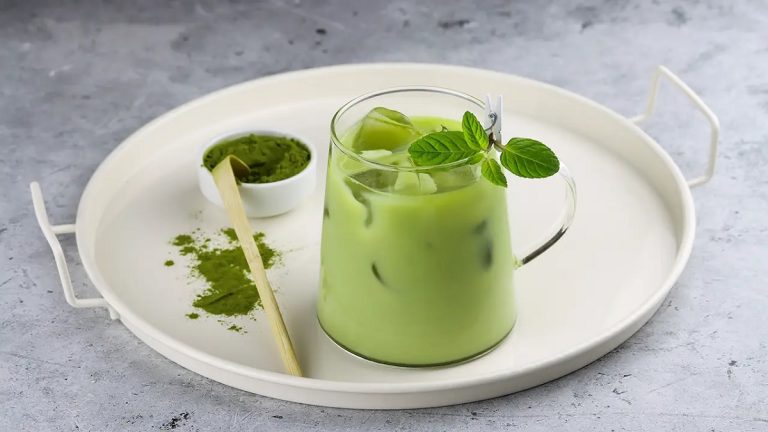
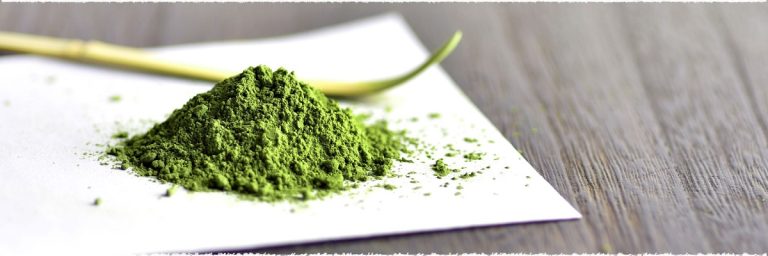
Matcha preparation involves whisking powdered tea with water, creating a frothy, smooth beverage. Iced matcha requires cold water, ice, and sometimes milk or sweeteners. While simpler in equipment requirements—no grinder or filter needed—matcha demands attention to water temperature, powder quality, and whisking technique to avoid clumps or bitterness. Both drinks allow for experimentation, but matcha preparation emphasizes technique and finesse.
Versatility and Customization
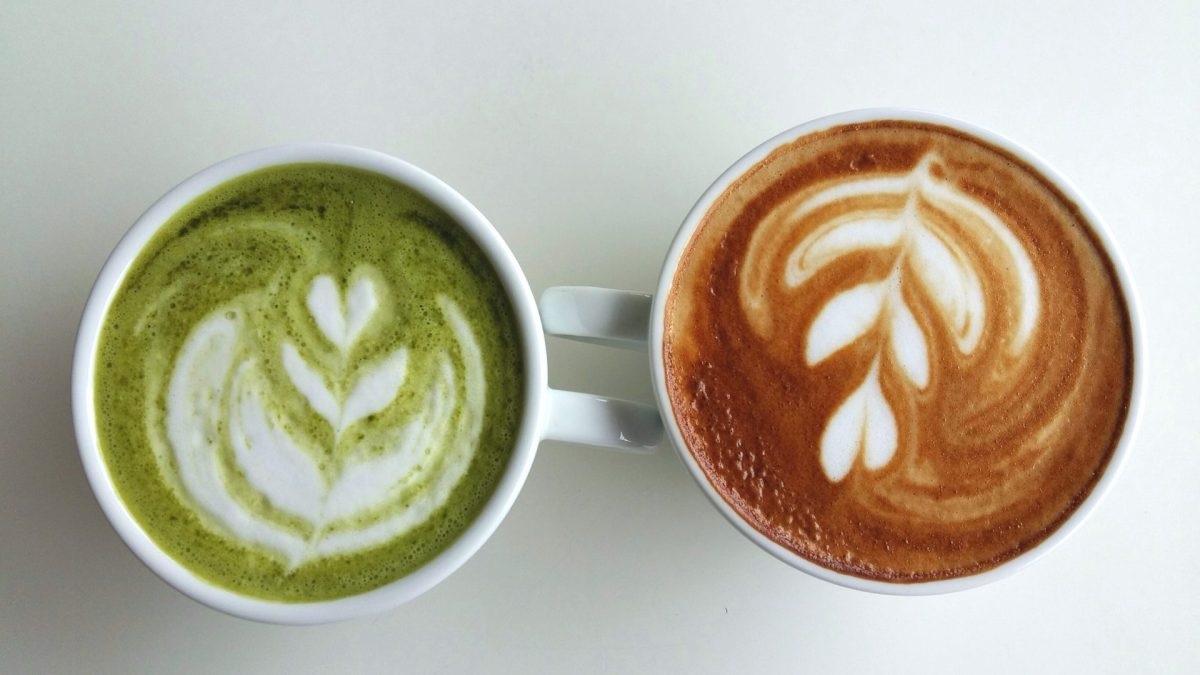
Both beverages offer high versatility. Coffee can be customized with syrups, milk, alternative sweeteners, and even spices like cinnamon or nutmeg. Latte art, cold brews, and specialty drinks expand coffee’s appeal for different tastes and occasions.
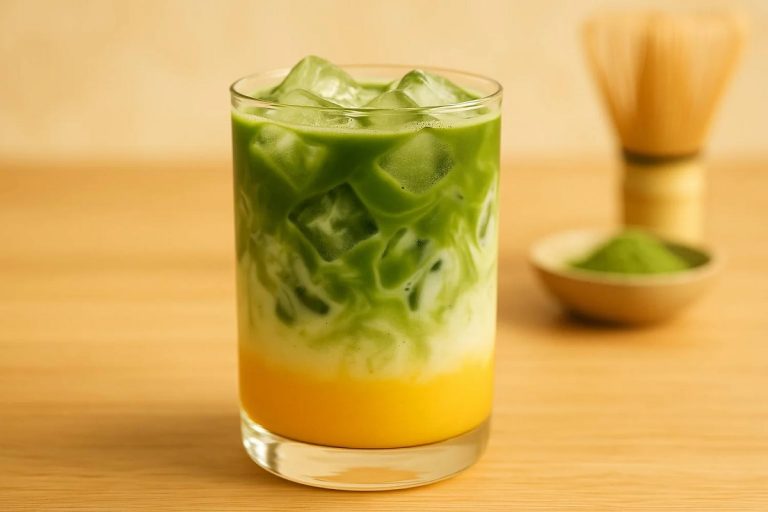
Matcha is equally versatile, supporting iced drinks, lattes, smoothies, desserts, and even baking. Plant-based milks, natural sweeteners, and flavor boosters like vanilla, citrus, or mint enhance iced matcha or hot lattes. Its powdered form allows easy incorporation into recipes, making it a flexible ingredient beyond beverages.
Occasion and Preference Considerations
Coffee is ideal for those seeking bold flavor and immediate energy, commonly consumed in mornings or pre-work activities. Its intense taste and aroma create a sensory ritual that energizes and stimulates.
Matcha is better suited for calm, sustained energy and mindful moments. Its delicate flavor, versatility in recipes, and aesthetic appeal make it suitable for relaxation, study sessions, or creative drinks. Both drinks cater to distinct preferences and lifestyles, offering enjoyable experiences tailored to individual taste and energy needs.
Frequently Asked Questions
What Are The Key Differences Between Matcha And Coffee?
Matcha and coffee differ primarily in caffeine content, flavor, and health benefits. Coffee typically provides a rapid energy boost with higher caffeine levels, while matcha offers moderate caffeine combined with L-theanine, promoting calm and sustained focus.
Flavor profiles also differ: coffee is bold, roasted, and sometimes bitter, whereas matcha is smooth, earthy, and slightly sweet. Nutritionally, matcha delivers antioxidants and catechins that support overall health. Your choice depends on whether you prioritize intense, immediate energy or a balanced, mindful boost.
Does Matcha Provide A More Sustained Energy Boost Than Coffee?
Yes, matcha provides a more balanced and sustained energy boost compared to coffee. The caffeine in matcha is released gradually due to the presence of L-theanine, an amino acid that promotes calm alertness.
This combination helps maintain focus and productivity without the sharp spikes and crashes often associated with coffee. Coffee provides a faster energy surge but may lead to jitters or energy dips once the effects wear off. For long-lasting concentration, matcha is typically the better option.
Which Is Better For Mental Focus And Calmness?
Matcha is generally better for maintaining focus with calmness. L-theanine in matcha interacts with caffeine to enhance concentration, improve mood, and reduce anxiety. This results in a smooth, alert state that is ideal for work, study, or meditation.
Coffee, while stimulating, can sometimes increase stress or nervousness in sensitive individuals due to higher caffeine levels. Its energy boost is more intense but may not support sustained calm focus. Matcha’s balanced combination makes it ideal for those seeking clarity without overstimulation.
How Do Health Benefits Compare Between Matcha And Coffee?
Both beverages offer unique health benefits. Matcha is rich in antioxidants, particularly catechins, which help fight oxidative stress, support heart health, and reduce inflammation. Coffee contains antioxidants like polyphenols and chlorogenic acids, which improve metabolism and may protect liver function.
While coffee provides cardiovascular and cognitive benefits, matcha’s concentrated nutrients support additional wellness, including steady energy and mental clarity. The choice depends on your health priorities: coffee for a strong stimulant and metabolism boost, matcha for antioxidants, calm focus, and long-term wellness support.
Can Matcha Help Reduce Caffeine-Related Side Effects Compared To Coffee?
Yes, matcha is less likely to cause caffeine-related side effects like jitters or crashes. The L-theanine in matcha moderates caffeine’s stimulating effects, promoting alertness without overstimulation.
Coffee’s higher caffeine content can lead to anxiety, rapid heartbeat, or sleep disruption in sensitive individuals. Matcha offers a gentler alternative, making it suitable for people who want energy without negative side effects. Adjusting portion sizes and preparation methods further helps manage caffeine intake effectively.
Which Beverage Is More Versatile In Recipes And Drinks?
Both coffee and matcha are versatile, but in different ways. Coffee is commonly used for lattes, iced drinks, smoothies, and desserts. Matcha, in powdered form, allows easier integration into beverages, smoothies, baked goods, and even savory dishes.
Matcha’s mild flavor can be blended with milk, plant-based alternatives, fruits, or spices to create unique drinks. Coffee’s bold taste works well with syrups, creamers, and spices. If you want a drink that doubles as a culinary ingredient, matcha offers broader versatility.
Should Personal Preference Or Health Goals Determine The Choice Between Matcha And Coffee?
Absolutely, your choice should consider both taste preference and health goals. If you enjoy bold, intense flavors and quick energy, coffee may be ideal. If you prefer a smoother, earthy flavor with calm, sustained energy and antioxidant benefits, matcha is preferable.
Consider lifestyle factors like caffeine sensitivity, daily energy needs, and dietary goals. Both beverages can be enjoyed in moderation as part of a balanced routine, but matching your choice to personal preferences and wellness priorities ensures the most satisfying and beneficial experience.
Final Words
Choosing between matcha and coffee ultimately depends on your health goals, energy needs, and personal preferences. Matcha offers a smooth, sustained energy boost thanks to its L-theanine content, along with antioxidants, vitamins, and minerals that support overall wellness. Coffee, on the other hand, provides a quicker caffeine spike and familiar bold flavor, but it can sometimes lead to jitters or crashes for sensitive individuals.
Considering the health benefits, matcha is often seen as a gentler, nutrient-rich alternative. It supports mental clarity, heart health, and metabolism while providing steady alertness without overstimulation. Coffee has its advantages too, especially for those seeking a strong, immediate energy lift or enjoying traditional coffee flavors in daily routines.
After weighing the evidence, is matcha better than coffee depends on context. For long-lasting energy, antioxidant support, and reduced side effects, matcha may be the preferable choice, while coffee remains ideal for quick energy and robust taste. Both can fit into a balanced lifestyle when consumed mindfully.