How Much Caffeine in 1 Teaspoon of Matcha? Key Facts and Comparisons
Many people turn to matcha for a gentle energy boost, appreciating its vibrant green color and rich antioxidant profile. Unlike regular green tea, matcha involves consuming the whole powdered leaf, which intensifies both flavor and caffeine content. For anyone monitoring their caffeine intake, understanding the exact amount in a small serving can make a noticeable difference.
Knowing the caffeine content helps you manage energy levels, avoid jitters, and tailor matcha consumption to your daily routine. The potency of matcha can vary based on quality, preparation, and portion size, making it important to measure carefully.
One teaspoon of matcha is a common amount used for traditional preparation, and it provides a concentrated source of caffeine along with L-theanine, an amino acid that promotes calm alertness. This combination creates a balanced energy effect that is distinct from coffee or other caffeinated beverages.
Being aware of how much caffeine you consume in a single teaspoon allows you to enjoy matcha safely while maintaining control over your alertness and focus. It also helps in comparing it to other drinks and planning multiple servings throughout the day.
Matcha Serving Sizes
Matcha is a versatile beverage, and the amount you use greatly affects both flavor and caffeine content. Understanding proper serving sizes helps you enjoy its health benefits while managing energy levels and avoiding excessive stimulation. Serving sizes can vary depending on preparation style, personal tolerance, and whether you are making traditional tea, lattes, or smoothies.
Traditional Matcha Tea Serving Sizes
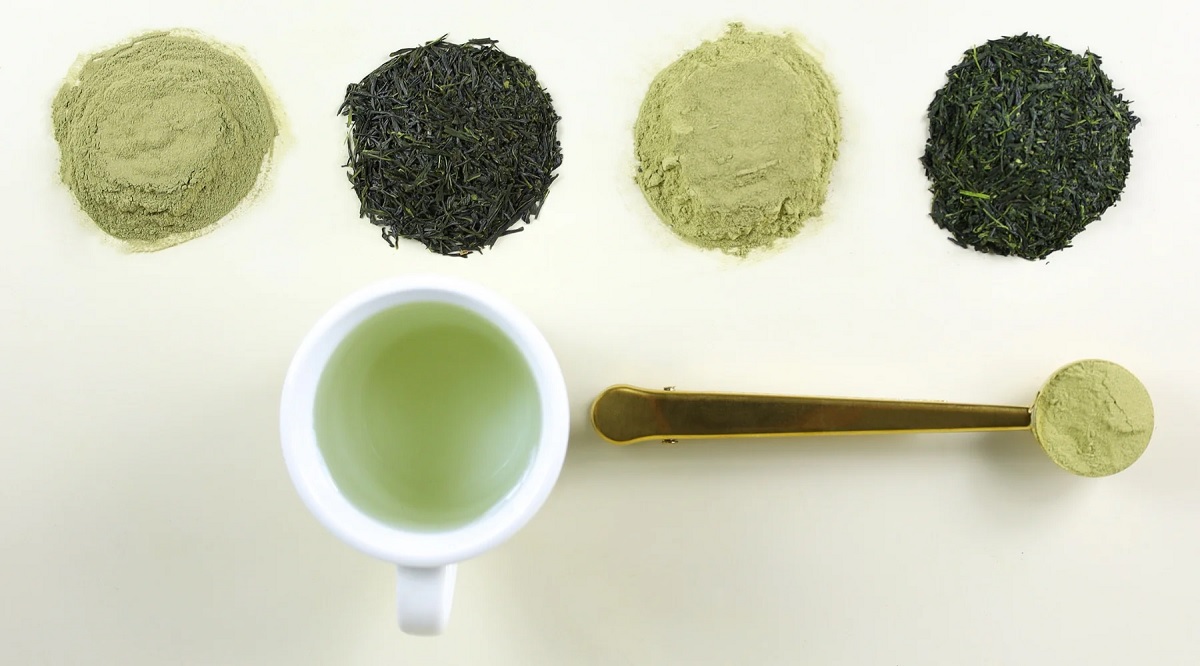
For traditional matcha tea, a standard serving size is typically about one teaspoon of matcha powder per cup, which is roughly 2 grams. This amount creates a vibrant green tea with a strong, earthy flavor while delivering moderate caffeine and antioxidants.
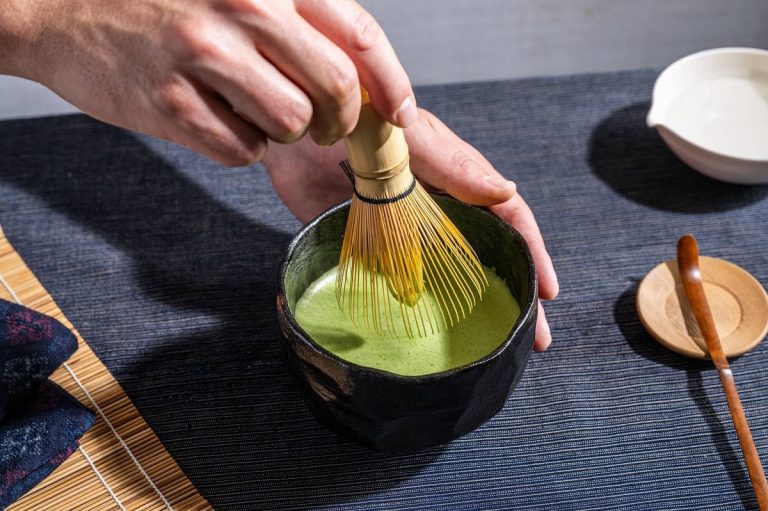
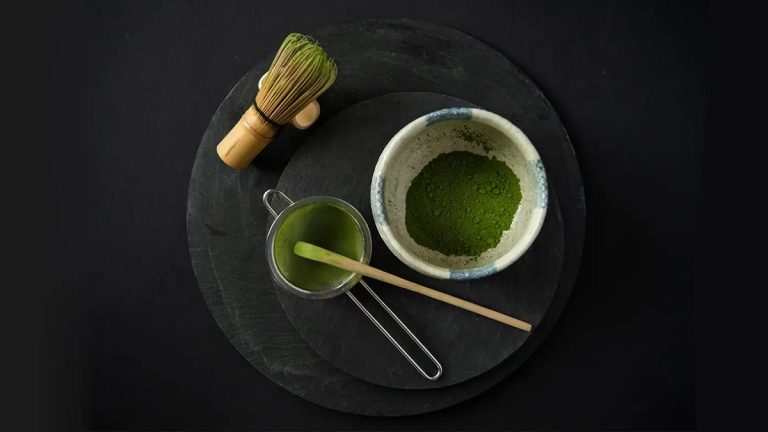
Preparing matcha traditionally involves sifting the powder into a bowl, adding around 60–70 ml of hot water, and whisking it until frothy. This concentration provides a balanced flavor that is not too bitter, especially when using ceremonial-grade matcha. Beginners often start with slightly less than a teaspoon to avoid overly strong taste and gradually increase as they become accustomed to the flavor.
Adjusting serving size also impacts caffeine intake. One teaspoon of matcha contains enough caffeine to produce a gentle, sustained alertness without the sharp spikes associated with coffee. Knowing the standard serving size allows you to plan your daily consumption and enjoy multiple cups without overstimulation.
Matcha Latte and Beverage Serving Sizes
When making matcha lattes or smoothies, serving sizes often differ from traditional tea. Most recipes call for about half to one teaspoon of matcha per 8–12 ounces of milk or milk alternative. This amount ensures that the drink has a smooth flavor while maintaining the health benefits of matcha.
Using more matcha powder can intensify the flavor but also increase caffeine and tannin content, which may lead to bitterness or digestive discomfort for sensitive individuals. Balancing the powder with milk or plant-based alternatives creates a creamy texture and mellows the natural earthiness of matcha.
For larger beverages or iced matcha drinks, it is common to slightly increase matcha powder while maintaining the proper ratio with liquid. This preserves the flavor and prevents the drink from becoming too weak. Monitoring serving sizes helps you enjoy matcha lattes consistently without overdoing caffeine intake or overpowering the delicate taste.
Adjusting Serving Sizes for Individual Needs
Serving sizes can be customized based on individual preferences, caffeine tolerance, and health goals. People who are sensitive to caffeine may prefer starting with half a teaspoon per serving, while those accustomed to caffeine might use a full teaspoon or slightly more.
Preparation method also affects serving size decisions. Whisking matcha into a concentrated shot with less water increases both flavor intensity and caffeine per serving, while blending with larger volumes of milk or water dilutes the concentration. Tracking serving sizes ensures you can enjoy multiple servings throughout the day safely.
Additionally, understanding serving sizes allows you to experiment with recipes while maintaining control over flavor balance, sweetness, and texture. Whether making traditional tea, lattes, or smoothies, managing matcha quantity ensures a consistent and enjoyable experience every time.
Serving Sizes for Health Benefits and Energy
Proper serving sizes are important for maximizing matcha’s health benefits. One teaspoon per serving provides a meaningful dose of antioxidants, vitamins, and L-theanine, which promotes focus and calm energy. Overusing matcha can increase caffeine intake beyond comfort levels and lead to jitters or sleep disruption.
Knowing the ideal serving size helps you enjoy the balance of energy and relaxation that matcha offers. It also enables you to integrate matcha into a daily routine safely, whether consuming it in the morning for an energy boost or in the afternoon for sustained focus. By paying attention to serving sizes, you ensure that each cup delivers flavor, nutrients, and caffeine in the right balance.
Average Caffeine Content in 1 Teaspoon of Matcha
Knowing the average caffeine content in a single teaspoon of matcha is essential for anyone looking to enjoy its energy-boosting benefits responsibly. Matcha differs from other teas because you consume the entire powdered leaf, making caffeine content more concentrated and predictable. Understanding the typical caffeine levels helps you manage intake and tailor your matcha consumption to your lifestyle and sensitivity.
How Much Caffeine Is in One Teaspoon of Matcha?
On average, one teaspoon of matcha, which is approximately 2 grams of powder, contains around 60 to 70 milligrams of caffeine. This amount is lower than a standard cup of coffee but higher than a typical serving of brewed green tea. The caffeine in matcha is released more gradually due to the presence of L-theanine, an amino acid that promotes calm focus.
This combination creates a smoother, steadier energy boost compared to coffee, which can spike alertness rapidly and sometimes cause jitters. For many people, one teaspoon of matcha provides enough caffeine for sustained mental clarity, enhanced focus, and gentle stimulation without overwhelming the nervous system.
It’s important to note that caffeine content can vary depending on the quality of matcha, its origin, and preparation method. Ceremonial-grade matcha tends to have slightly higher caffeine levels due to denser leaves, while culinary-grade matcha may have lower concentrations. Being aware of these differences helps you adjust servings according to your personal tolerance and desired effect.
Factors That Affect Caffeine Levels in Matcha
Several factors influence the caffeine content in a teaspoon of matcha. First, the grade and quality of matcha play a significant role. Higher-grade matcha, grown in shaded conditions, generally contains more caffeine and L-theanine, enhancing both flavor and energy effects.
Preparation also impacts caffeine levels. Using less water concentrates the caffeine in the serving, while adding milk or blending it into smoothies dilutes the effect per sip. The way the powder is measured—loosely scooped versus a tightly packed teaspoon—can alter the actual caffeine intake slightly.
Individual sensitivity further determines how caffeine affects you. People with higher tolerance may feel minimal stimulation, whereas those sensitive to caffeine may notice a stronger effect from the same serving. Understanding these variables helps you make informed choices and ensures that your matcha provides the energy boost you desire without unwanted side effects.
Comparing Matcha Caffeine to Coffee and Other Teas
One teaspoon of matcha contains roughly 60–70 milligrams of caffeine, which is significantly lower than the average 95–120 milligrams in an 8-ounce cup of coffee. Unlike coffee, matcha provides a gradual release of caffeine, thanks to L-theanine, which helps maintain alertness without the sudden crash or jittery feeling often associated with coffee.
Compared to brewed green tea, matcha has a higher caffeine content per serving. A standard cup of green tea typically contains 20–40 milligrams of caffeine, making matcha more concentrated. This is because you consume the entire leaf in powdered form, rather than steeping it and discarding the leaves.
Knowing these comparisons helps you decide which beverage suits your energy needs at a particular time of day. One teaspoon of matcha can provide a balanced, sustained boost without the overstimulation or acidity that coffee sometimes causes, making it a versatile option for both mornings and afternoons.
Tips for Managing Caffeine Intake With Matcha
Managing caffeine intake from matcha involves careful portion control and timing. Using one teaspoon per serving ensures a moderate dose that provides alertness without overconsumption. For sensitive individuals, starting with half a teaspoon can help gauge tolerance.
Timing also matters. Consuming matcha in the morning or early afternoon allows you to enjoy its energizing effects without disrupting sleep. Pairing matcha with food or milk can further moderate the absorption of caffeine and reduce potential stomach irritation, making it gentler on digestion.
Being aware of the average caffeine content in one teaspoon of matcha enables you to enjoy the benefits while avoiding overstimulation. Whether you use it for mental focus, energy, or as part of a daily routine, understanding caffeine levels helps you make informed choices and ensures a consistent, enjoyable matcha experience.
How Preparation Affects Caffeine
The way you prepare matcha has a significant impact on how much caffeine ends up in your cup. Unlike brewed teas, where steeping time primarily controls caffeine extraction, matcha involves consuming the powdered leaf itself. This means factors like water temperature, powder quantity, and whisking technique can alter both caffeine concentration and the overall flavor profile. Understanding these factors helps you enjoy matcha safely and effectively.
Water Temperature and Its Impact on Caffeine
Water temperature plays an important role in matcha preparation. Using water that is too hot can make the matcha taste bitter, but it also slightly increases caffeine release. Hotter water may extract caffeine more quickly, making the drink feel stronger and more stimulating.
Conversely, using slightly cooler water, around 70–80°C, preserves flavor and releases caffeine more gradually. This helps create the signature smooth and balanced energy effect that matcha is known for. Cooler water also protects the delicate antioxidants and L-theanine in the leaves, which contribute to a calming and focused sensation alongside caffeine.
Adjusting water temperature allows you to control both taste and stimulant effects. For beginners or those sensitive to caffeine, slightly cooler water can reduce intensity while maintaining the beneficial properties of matcha, creating a more gentle, digestible beverage.
Powder Quantity and Serving Size
The amount of matcha powder you use directly affects caffeine content. One teaspoon of powder contains roughly 60–70 milligrams of caffeine, but increasing the serving size can double or even triple that amount. Using more powder results in a richer, more vibrant flavor and higher caffeine concentration.
Smaller servings dilute caffeine effects and create a lighter, smoother beverage. This is useful for people who want the flavor and antioxidants without a strong energy boost. Measuring powder accurately with a teaspoon or digital scale ensures consistency, helping you manage both caffeine intake and flavor balance across multiple servings.
Powder quantity also interacts with water volume. A small amount of matcha in less water produces a concentrated shot with higher caffeine per sip, while a larger volume of water or milk dilutes it. Understanding this relationship allows you to adjust preparation to your taste and energy needs.
Whisking and Blending Techniques
How you whisk or blend matcha affects caffeine dispersion and overall drink quality. Proper whisking ensures the powder is fully dissolved and evenly distributed, creating a smooth texture. Uneven mixing can result in pockets of concentrated powder, giving unpredictable caffeine spikes.
Blending matcha into smoothies or lattes also changes caffeine perception. The addition of milk or liquid spreads caffeine more evenly throughout the drink, softening its stimulating effect. Frothing or whisking vigorously can create a frothy, airy texture while maintaining even caffeine distribution.
Mastering these preparation techniques ensures that your matcha delivers a consistent caffeine experience. Attention to whisking and blending allows you to enjoy a balanced, flavorful cup while controlling the intensity of caffeine effects, making the drink more enjoyable and predictable.
Timing and Additional Ingredients
The timing of consumption and added ingredients can further influence caffeine effects. Consuming matcha on an empty stomach may make caffeine feel stronger, while pairing it with food or milk slows absorption, resulting in a gentler energy release.
Sweeteners or plant-based milk alternatives don’t change caffeine levels significantly, but they can affect how the drink feels on your stomach and its perceived intensity. Being mindful of timing, ingredient ratios, and consumption habits ensures that the caffeine in matcha supports alertness without causing overstimulation or digestive discomfort.
Health Considerations of Caffeine in Matcha
While matcha provides a smooth and sustained energy boost, its caffeine content is an important factor to consider for overall health. Understanding how caffeine affects your body, the benefits it offers, and potential risks can help you enjoy matcha safely. Awareness of these considerations ensures that your matcha consumption supports both mental focus and physical well-being.
Caffeine Benefits in Matcha
Caffeine in matcha can improve alertness, concentration, and cognitive performance. Unlike coffee, matcha contains L-theanine, an amino acid that promotes relaxation and reduces jitteriness, resulting in a calm yet focused energy. This combination supports mental clarity, making matcha a popular choice for studying, working, or creative activities.
Additionally, moderate caffeine intake can temporarily boost metabolism and enhance physical endurance. One teaspoon of matcha provides enough caffeine for a gentle energy lift without overstimulation. The slow release of caffeine from matcha helps prevent the sudden spikes and crashes commonly associated with other caffeinated beverages, allowing for longer-lasting alertness throughout the day.
Consuming matcha in appropriate amounts can contribute to improved mood and productivity, making it a balanced option for those who enjoy the benefits of caffeine without negative side effects.
Potential Risks of Excessive Caffeine
Excessive caffeine intake from matcha can lead to side effects such as anxiety, restlessness, rapid heartbeat, and digestive discomfort. Sensitive individuals may experience these effects even with a single teaspoon of matcha, especially when consumed on an empty stomach.
High caffeine consumption can also interfere with sleep, particularly if matcha is consumed in the late afternoon or evening. Poor sleep affects overall health, including mood, focus, and metabolism. Overconsumption may also exacerbate stomach sensitivity or conditions like acid reflux, making moderation key for those with gastrointestinal concerns.
Being aware of your personal tolerance and adjusting serving sizes accordingly helps prevent these issues. Monitoring how your body responds ensures that caffeine from matcha remains beneficial rather than disruptive.
Considerations for Specific Populations
Certain populations should be more cautious with caffeine in matcha. Pregnant or breastfeeding individuals may need to limit intake, as high caffeine consumption can affect fetal development or infant sleep. Children and adolescents are also more sensitive to caffeine, and small amounts may cause overstimulation or digestive discomfort.
Individuals with heart conditions, anxiety disorders, or gastrointestinal issues should consult a healthcare professional before consuming matcha regularly. Adjusting portion sizes, timing of consumption, and pairing matcha with food can mitigate potential risks while still allowing enjoyment of its benefits.
People Also Asked
How Much Caffeine Is In 1 Teaspoon Of Matcha?
One teaspoon of matcha, which is about 2 grams of powder, typically contains 60 to 70 milligrams of caffeine. This provides a moderate energy boost that is gentler than coffee but stronger than regular brewed green tea.
The caffeine in matcha is released gradually due to the presence of L-theanine, an amino acid that promotes calm alertness. This combination creates a smooth, sustained energy effect, helping you stay focused without the jitters or sudden crash commonly associated with other caffeinated beverages.
Does The Quality Of Matcha Affect Caffeine Content?
Yes, the quality and grade of matcha influence caffeine levels. Ceremonial-grade matcha, made from the youngest, shaded leaves, usually contains more caffeine than culinary-grade matcha. This is because younger leaves have higher concentrations of natural compounds, including caffeine and L-theanine.
Lower-grade matcha may have slightly less caffeine but can still provide a noticeable boost. The flavor and texture also vary, with higher-grade matcha being smoother and less bitter. Choosing the right quality helps you manage caffeine intake while enjoying optimal taste and health benefits.
How Does Matcha Compare To Coffee In Caffeine Levels?
One teaspoon of matcha contains roughly 60 to 70 milligrams of caffeine, which is lower than a standard 8-ounce cup of coffee, which typically has 95–120 milligrams. However, matcha provides a gentler, more sustained release of caffeine.
This is due to L-theanine, which slows absorption and creates a calm, focused energy. While coffee can produce rapid spikes and crashes, matcha’s caffeine is steadier, making it ideal for sustained alertness without jitters or sudden fatigue. This makes matcha a balanced alternative for daily energy needs.
Can Matcha Cause Jitters Like Coffee?
Matcha can cause jitters, but it is less likely than coffee. The presence of L-theanine in matcha balances caffeine’s stimulating effect, promoting calm focus rather than sudden spikes in alertness.
However, consuming multiple teaspoons or very strong preparations can increase caffeine intake enough to produce jitters, anxiety, or rapid heartbeat. Monitoring serving size and observing how your body reacts helps you enjoy matcha safely without uncomfortable side effects. Combining matcha with food or milk can also reduce potential overstimulation.
Does Preparation Method Affect Caffeine Content?
Yes, preparation significantly impacts caffeine content. Using less water or blending a higher concentration of matcha increases caffeine per serving. Conversely, diluting matcha with more milk or water lowers the overall caffeine concentration.
Water temperature also matters; extremely hot water can slightly increase caffeine extraction, while cooler water preserves flavor and slows caffeine release. Whisking thoroughly ensures even distribution, preventing pockets of high caffeine concentration. Being mindful of preparation allows you to control both taste and caffeine effects in each cup.
Is It Safe To Drink Multiple Teaspoons Of Matcha Per Day?
Drinking multiple teaspoons of matcha daily is generally safe for healthy adults but requires caution. Each teaspoon contains 60–70 milligrams of caffeine, so exceeding three teaspoons can approach or surpass recommended daily caffeine limits.
You should also consider individual sensitivity, health conditions, and time of day. Spacing servings and pairing matcha with meals can reduce digestive irritation and prevent overstimulation. Monitoring your body’s response ensures you can enjoy the benefits of matcha without negative side effects like jitteriness or sleep disruption.
How Does L-Theanine Affect Caffeine Absorption In Matcha?
L-theanine in matcha slows the absorption of caffeine, creating a gradual, sustained energy boost. Unlike coffee, which can cause rapid spikes and crashes, matcha provides alertness while promoting calmness and focus.
This unique interaction allows you to enjoy mental clarity without anxiety, jitters, or nervous energy. The combination of caffeine and L-theanine also enhances mood, concentration, and cognitive performance. Understanding this balance helps you use matcha strategically for study, work, or creative tasks, making each teaspoon both energizing and calming.
Final Thoughts
Matcha is a popular choice for those seeking a steady boost of energy and focus, thanks to its unique combination of caffeine and L-theanine. Understanding the amount of caffeine you’re consuming is essential for managing energy levels, avoiding jitters, and maintaining overall wellness. One teaspoon of matcha can provide a moderate dose of caffeine, enough to enhance alertness without the sharp spikes associated with coffee.
Knowing how much caffeine is in your serving allows you to enjoy matcha safely throughout the day. It also helps you make informed choices if you are sensitive to caffeine or need to limit intake for health reasons. Preparation methods and matcha quality can slightly alter caffeine levels, so adjusting the amount of powder or how you brew it can give you the perfect balance.
Considering all these factors answers the question, how much caffeine in 1 teaspoon of matcha? By monitoring portion size, preparation, and timing, you can enjoy matcha’s energizing benefits while avoiding potential side effects. This knowledge ensures a safe, enjoyable, and effective matcha experience every time.