Is Matcha Good For Diabetes: Benefits, Blood Sugar Control, and Tips
Managing blood sugar levels is a central concern for people living with diabetes, and dietary choices play a significant role in maintaining overall health. Certain beverages, like matcha, have gained attention for their potential impact on glucose regulation and insulin sensitivity. Its rich composition of antioxidants, catechins, and other bioactive compounds has sparked interest among researchers and health enthusiasts alike.
Matcha is made from powdered green tea leaves, which provides a concentrated source of nutrients compared to regular green tea. These nutrients, particularly epigallocatechin gallate (EGCG), may support metabolic health and reduce inflammation, factors that are important in managing diabetes. Its moderate caffeine content also offers a gentle energy boost without the sharp spikes that some other caffeinated drinks can cause.
Exploring whether matcha aligns with diabetic-friendly habits involves understanding its effects on blood sugar, insulin response, and overall metabolic function. For many, it presents a natural, low-calorie option to support wellness while enjoying a flavorful beverage.
Evaluating the question of is matcha good for diabetes helps uncover how this traditional green tea powder may fit into a balanced, health-conscious lifestyle, offering both potential benefits and important considerations for daily consumption.
Effects of Matcha on Blood Sugar Levels
Matcha is increasingly recognized for its potential role in supporting healthy blood sugar regulation. Its unique composition of antioxidants, catechins, and bioactive compounds may help improve insulin sensitivity and reduce spikes in glucose levels. Understanding how matcha interacts with blood sugar is essential for those managing diabetes or aiming to maintain steady energy throughout the day.
How Matcha Influences Glucose Absorption
Matcha contains catechins, particularly epigallocatechin gallate (EGCG), which can influence glucose absorption in the digestive system. These compounds may slow the breakdown of carbohydrates into glucose, reducing post-meal blood sugar spikes. Slower absorption allows the body to manage glucose levels more efficiently, minimizing sudden energy fluctuations.
Studies suggest that regular consumption of green tea extracts, including matcha, may improve glycemic control in individuals with type 2 diabetes. By supporting stable glucose levels, matcha can reduce the stress on the pancreas, promote better insulin function, and potentially lower the risk of complications associated with chronic high blood sugar.
Impact on Insulin Sensitivity
Insulin sensitivity is crucial for effective glucose management, and matcha may play a supportive role. EGCG and other antioxidants in matcha have been shown to enhance cellular response to insulin, allowing glucose to enter cells more efficiently for energy production.
Improved insulin sensitivity can lead to lower fasting blood sugar levels and a reduced risk of insulin resistance. Incorporating matcha into a balanced diet may complement lifestyle practices like exercise and weight management, which also improve insulin function. Over time, this can contribute to better overall metabolic health and support long-term diabetes management strategies.
Potential Anti-Inflammatory Effects
Chronic inflammation is linked to insulin resistance and elevated blood sugar levels. Matcha’s high antioxidant content helps combat oxidative stress and inflammation, creating a more favorable environment for glucose regulation.
By reducing inflammation at the cellular level, matcha may indirectly support better insulin function and glucose control. This anti-inflammatory effect is particularly beneficial for individuals with type 2 diabetes, as it can help protect against complications such as cardiovascular issues and neuropathy, which are commonly associated with prolonged high blood sugar.
Considerations for Diabetic-Friendly Consumption
While matcha shows promise for supporting healthy blood sugar levels, preparation and moderation are key. Sweetened matcha lattes or mixes with added sugar can counteract its benefits, leading to spikes in glucose. Choosing unsweetened matcha and controlling portion sizes ensures that the positive effects on blood sugar are maintained.
Timing of consumption can also influence outcomes. Drinking matcha alongside meals may help moderate post-meal glucose spikes, while excessive daily intake should be avoided to prevent potential caffeine-related side effects. Combining matcha with a balanced diet, regular physical activity, and consistent monitoring allows for safe and effective integration into a diabetes-friendly routine.
Potential Benefits for People With Diabetes
Matcha offers several potential advantages for individuals managing diabetes, thanks to its rich nutrient profile and bioactive compounds. Its antioxidants, catechins, and amino acids work together to support glucose control, insulin sensitivity, and overall metabolic health. Understanding these benefits helps highlight how incorporating matcha into a balanced lifestyle may support long-term diabetes management and general wellness.
Improved Blood Sugar Regulation
One of the most significant potential benefits of matcha for people with diabetes is its impact on blood sugar regulation. Catechins, particularly EGCG, may slow carbohydrate absorption and reduce post-meal glucose spikes. This effect helps maintain more stable blood sugar levels throughout the day, minimizing energy crashes and the stress on the pancreas.
Stable glucose levels are essential for preventing long-term complications of diabetes, including nerve damage, kidney issues, and cardiovascular problems. Incorporating matcha into meals or as a low-calorie beverage alternative can help manage daily blood sugar fluctuations while providing additional antioxidants that support overall metabolic health.
Enhanced Insulin Sensitivity
Matcha may also improve insulin sensitivity, which is a critical factor in managing type 2 diabetes. Improved sensitivity allows the body to use insulin more efficiently, helping cells absorb glucose for energy rather than letting it accumulate in the bloodstream.
Regular consumption of matcha, combined with lifestyle strategies like exercise and balanced nutrition, can contribute to better insulin function over time. This may lead to lower fasting blood sugar levels and reduced risk of insulin resistance, supporting long-term metabolic health and complementing medical diabetes management strategies.
Antioxidant and Anti-Inflammatory Support
Chronic inflammation and oxidative stress are common in people with diabetes and can exacerbate complications. Matcha is rich in antioxidants that help neutralize free radicals and reduce inflammation. These properties support cellular health, protect organs, and enhance overall metabolic function.
Reducing inflammation can also improve insulin sensitivity and cardiovascular health, both of which are essential for managing diabetes. By incorporating matcha into a consistent wellness routine, individuals may gain added protection against the long-term impacts of chronic high blood sugar and support overall health maintenance.
Low-Calorie, Nutrient-Rich Beverage Option
Matcha serves as a natural, low-calorie alternative to sugary beverages, which can contribute to spikes in blood sugar. It provides essential nutrients like vitamins, minerals, and amino acids without adding excessive calories or sugar.
Using matcha in place of sweetened drinks or desserts helps reduce overall sugar intake, supporting healthier glucose levels. Additionally, its energizing yet calming effects make it an ideal beverage choice for maintaining focus, alertness, and well-being throughout the day while aligning with diabetes-friendly dietary practices.
Precautions and Considerations
While matcha offers potential benefits for individuals with diabetes, it’s important to approach consumption thoughtfully. Factors such as caffeine content, quality of the powder, and preparation methods can influence its effects. Being aware of precautions ensures that matcha supports blood sugar control and overall health without unintended side effects.
Monitoring Caffeine Intake
Matcha contains moderate caffeine, which can affect blood sugar levels and overall metabolic function. While its caffeine is generally gentler than coffee due to L-theanine, excessive consumption may cause jitteriness, increased heart rate, or sleep disturbances.
For people with diabetes, managing caffeine intake is crucial because overstimulation may impact insulin sensitivity or cause temporary spikes in blood pressure. Start with small servings, observe how your body reacts, and avoid drinking matcha late in the day. Moderation ensures that the calming and cognitive benefits of matcha are enjoyed without disrupting sleep or triggering unwanted side effects.
Choosing High-Quality Matcha
The quality of matcha greatly influences both safety and effectiveness. Low-grade powders may contain heavy metals, pesticides, or other contaminants absorbed during cultivation. Consuming these products regularly can pose health risks, particularly for individuals managing chronic conditions like diabetes.
Opting for organic, ceremonial-grade matcha from reputable suppliers reduces the risk of contamination. Checking certifications and origin helps ensure that you’re getting a pure, high-quality product. High-quality matcha not only maximizes antioxidant and catechin content but also minimizes potential harm from impurities, making it a safer option for daily consumption.
Avoiding Added Sugars
Sweetened matcha drinks can undermine its potential health benefits by causing spikes in blood sugar levels. Many commercial lattes, flavored powders, or pre-made mixes contain added sugars that may negate matcha’s positive effects for people with diabetes.
To maintain stable glucose levels, prepare matcha with minimal or no sweeteners. Natural alternatives like stevia, monk fruit, or a small amount of honey can be used in moderation, but portion control is essential. Consuming matcha in its pure form ensures that you gain maximum benefits without increasing sugar intake.
Timing and Digestive Considerations
Drinking matcha on an empty stomach may cause mild digestive discomfort for some individuals, including nausea or stomach irritation. Its concentrated compounds and caffeine content can sometimes irritate sensitive stomachs.
Pairing matcha with meals or consuming it after light snacks helps reduce potential gastrointestinal issues. Additionally, spacing consumption throughout the day rather than drinking multiple servings at once helps maintain stable blood sugar levels and avoids overstimulation. Proper timing enhances both comfort and effectiveness.
Consulting Healthcare Professionals
Before incorporating matcha regularly, especially for individuals with diabetes or other chronic conditions, consulting a healthcare professional is recommended. Matcha contains bioactive compounds that may interact with certain medications, such as blood thinners or stimulants, and individual tolerance varies.
A professional can help determine safe serving sizes, timing, and preparation methods tailored to your health needs. This ensures that matcha is integrated safely into your daily routine while supporting blood sugar control, metabolic health, and overall wellness.
Expert Insights and Research Findings
Scientific studies and expert analyses provide valuable insights into how matcha may influence blood sugar regulation and overall health. Researchers have examined its bioactive compounds, antioxidant content, and metabolic effects, offering evidence that can guide safe and effective use. Understanding these findings helps clarify matcha’s potential role for people managing diabetes and those seeking long-term wellness benefits.
Studies on Blood Sugar Control
Research has shown that green tea extracts, including matcha, can positively influence blood sugar regulation. Catechins, particularly EGCG, appear to slow the digestion and absorption of carbohydrates, resulting in reduced post-meal glucose spikes.
Clinical trials suggest that regular consumption of matcha may improve fasting blood glucose levels and insulin sensitivity in individuals with type 2 diabetes. Experts highlight that its polyphenols reduce oxidative stress and inflammation, which are critical factors in maintaining stable blood sugar. While more extensive long-term studies are needed, current evidence supports the inclusion of matcha as a complementary strategy for glucose management.
Insights on Metabolic Health
Experts point to matcha’s potential in supporting broader metabolic health. Beyond glucose control, catechins and other antioxidants may enhance fat oxidation and promote energy expenditure, which is valuable for weight management and metabolic balance.
Regular matcha consumption has been associated with improved cholesterol profiles and reduced markers of inflammation, which are important for reducing cardiovascular risk in individuals with diabetes. Researchers emphasize that these benefits are most effective when matcha is incorporated into a balanced diet and combined with physical activity and healthy lifestyle habits.
Cognitive and Stress-Reduction Benefits
Beyond physical health, studies indicate that matcha can improve mental focus and cognitive performance due to its combination of caffeine and L-theanine. Experts note that the “relaxed alertness” induced by this pairing can reduce stress, indirectly benefiting metabolic health, as stress hormones like cortisol can negatively affect blood sugar regulation.
Cognitive enhancement and mental calmness are particularly valuable for individuals managing diabetes, who may experience stress-related glucose fluctuations. Incorporating matcha into daily routines can provide a mental boost while supporting steady energy and emotional well-being, according to research-backed insights.
Expert Recommendations for Consumption
Health professionals emphasize moderation and quality when recommending matcha. One to two cups per day is typically suggested, with careful attention to caffeine sensitivity and avoiding sweetened powders that can counteract glucose-stabilizing benefits.
Experts also advise choosing high-quality, organic matcha to maximize antioxidant content and minimize exposure to contaminants. Consuming matcha with meals or snacks may optimize glucose management and reduce potential digestive discomfort. These evidence-based recommendations help ensure that matcha provides health benefits safely and effectively for long-term wellness.
Emerging Research and Future Directions
Ongoing research continues to explore matcha’s role in diabetes management, metabolic health, and cognitive support. Preliminary studies are promising, showing improvements in insulin sensitivity, inflammation reduction, and antioxidant support, but larger, long-term clinical trials are needed to confirm these effects.
Experts encourage a holistic approach, integrating matcha with other dietary and lifestyle interventions rather than relying on it as a standalone solution. The combination of current research findings and traditional use supports matcha as a valuable, nutrient-rich beverage with potential benefits for blood sugar control and overall health.
FAQs
Can Matcha Help Control Blood Sugar Levels?
Yes, matcha may help support blood sugar control due to its high content of catechins, particularly EGCG. These antioxidants can slow the absorption of carbohydrates in the digestive system, helping reduce post-meal glucose spikes.
For individuals with diabetes, this effect may aid in maintaining stable blood sugar levels throughout the day. Combining matcha with a balanced diet, regular physical activity, and proper medication management enhances its potential benefits. Drinking unsweetened matcha ensures that added sugars do not counteract its glucose-regulating properties.
How Does Matcha Affect Insulin Sensitivity?
Matcha may improve insulin sensitivity, which allows your cells to utilize glucose more efficiently for energy. EGCG and other bioactive compounds in matcha can enhance cellular response to insulin, reducing insulin resistance over time.
Improved insulin sensitivity supports better long-term blood sugar control, which is especially beneficial for people with type 2 diabetes. Incorporating matcha alongside exercise and a healthy diet may further optimize insulin function, helping maintain stable glucose levels and promoting metabolic health.
Is Matcha Safe for People With Diabetes?
For most people with diabetes, moderate matcha consumption is considered safe. However, it’s important to monitor caffeine intake and avoid sweetened powders or pre-made mixes, which can spike blood sugar.
Starting with smaller servings and observing your body’s response is recommended. Consulting with a healthcare professional is also beneficial, especially if you are taking medications like insulin or blood thinners. Choosing high-quality, organic matcha ensures safety while providing maximum antioxidant and health benefits.
How Should I Prepare Matcha for Diabetes Management?
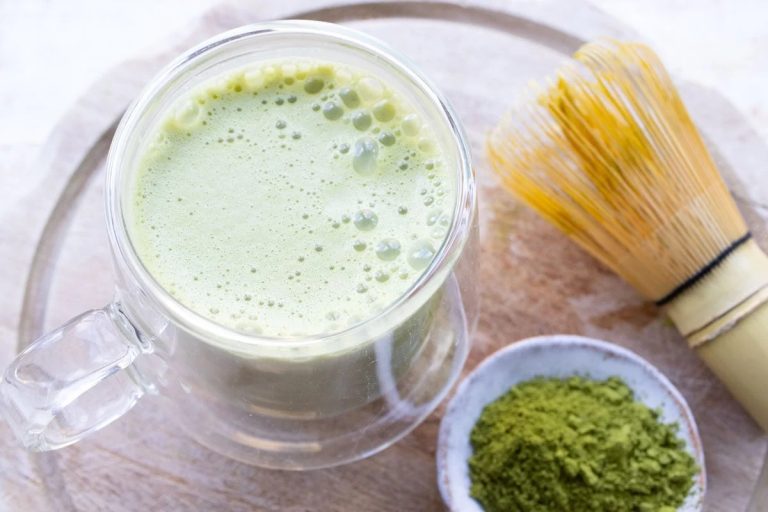
To maximize benefits for blood sugar control, prepare matcha without added sugar or sweeteners. Whisking it with water or unsweetened plant-based milk keeps it low-calorie and maintains its natural antioxidant content.
You can enjoy it hot or iced, but avoid commercially sweetened drinks, which may counteract matcha’s glucose-regulating effects. Consuming matcha alongside meals may help reduce post-meal glucose spikes, making it a practical addition to a diabetes-friendly routine while still providing flavor and health benefits.
How Often Can People With Diabetes Drink Matcha?
Moderation is key for safe daily consumption. One to two cups per day is generally recommended to gain health benefits without risking excessive caffeine intake.
Spacing servings throughout the day can help sustain energy and mental focus while supporting steady blood sugar levels. Starting with smaller amounts allows you to gauge tolerance, particularly for caffeine sensitivity. Incorporating matcha into a balanced diet ensures it complements your overall diabetes management plan safely.
Are There Any Precautions When Drinking Matcha With Diabetes?
Yes, you should be mindful of caffeine content, portion size, and preparation methods. Excessive caffeine may affect blood pressure or cause jitteriness, while sweetened matcha drinks can spike glucose levels.
People taking medications, especially for diabetes or cardiovascular conditions, should consult a healthcare provider to avoid potential interactions. Choosing high-quality, organic matcha and monitoring your body’s response ensures that you enjoy its benefits safely while supporting blood sugar control and overall metabolic health.
Final Thoughts
Incorporating matcha into a diabetes-friendly diet can offer multiple health advantages. Its high concentration of antioxidants, particularly catechins, may help regulate blood sugar levels and improve insulin sensitivity. Regular consumption, when combined with a balanced diet and proper exercise, can support weight management and reduce inflammation, both of which are important for diabetes control.
It’s important to consume matcha mindfully. Overconsumption or sweetened preparations can counteract its benefits, and individuals should monitor caffeine intake to avoid spikes in blood sugar or potential interactions with medications. Choosing high-quality matcha and preparing it without added sugars ensures you receive the full nutritional benefits.
After reviewing current research, is matcha good for diabetes appears promising for many people seeking natural support for blood sugar management. By integrating matcha thoughtfully into daily routines, you can enjoy its antioxidant, metabolic, and cardiovascular benefits while supporting overall diabetes health.