How Much Caffeine In Green Tea Matcha: Facts, Comparisons, and Tips
Caffeine content in beverages plays a significant role in energy, focus, and overall daily alertness. Among popular options, green tea and matcha stand out as natural sources of caffeine, each offering unique benefits and effects. Understanding their caffeine levels helps you make informed choices about when and how to consume these teas for optimal performance and comfort.
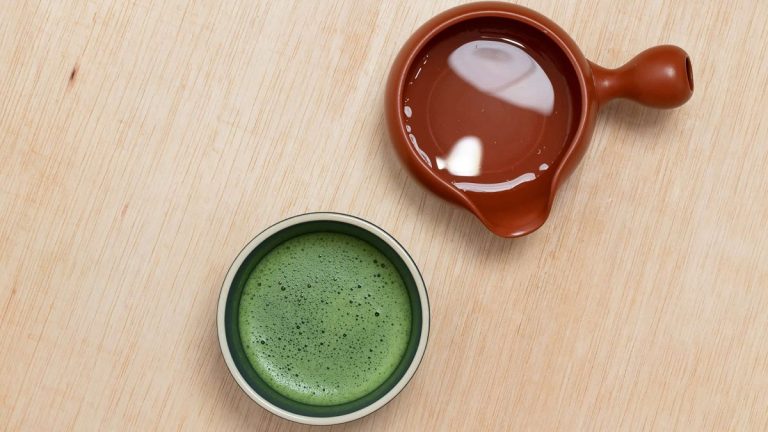
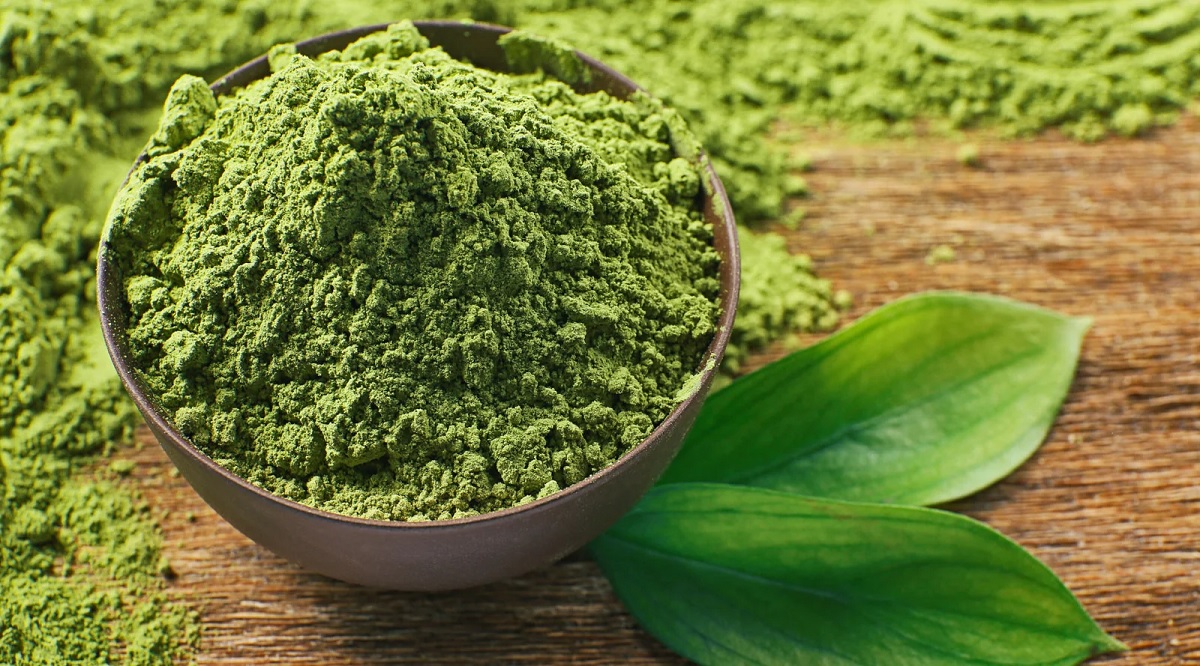
Matcha, a powdered form of green tea, is known for providing a more concentrated source of nutrients and caffeine. Unlike regular green tea, where leaves are steeped and then discarded, matcha involves consuming the entire leaf, resulting in higher caffeine per serving. This can contribute to sustained energy and mental clarity throughout the day.
Knowing how much caffeine in green tea matcha can help you manage intake, avoid overstimulation, and pair it appropriately with meals or workouts. It also assists in balancing your caffeine consumption from other sources, such as coffee or energy drinks.
Exploring caffeine levels in green tea and matcha allows you to enjoy their benefits safely while tailoring your intake to support focus, alertness, and overall well-being.
Caffeine Content in Matcha vs Regular Green Tea
Understanding caffeine content is essential for anyone seeking energy, focus, or alertness from tea. Matcha and regular green tea both contain caffeine, but the way they are prepared and consumed significantly affects the amount you ingest. Comparing the two helps you make informed decisions about which tea fits your lifestyle and caffeine tolerance.
Caffeine in Matcha
Matcha contains more caffeine per serving than regular green tea because the entire powdered leaf is consumed. On average, one teaspoon of ceremonial-grade matcha (about 2 grams) contains roughly 60 to 70 milligrams of caffeine, depending on quality and preparation. This higher concentration provides a sustained energy boost that is often gentler than coffee due to the presence of L-theanine, an amino acid that promotes calm focus.
The combination of caffeine and L-theanine in matcha creates a state of alert relaxation, enhancing mental clarity, concentration, and productivity without sudden spikes or crashes. This makes matcha an ideal choice for study sessions, work tasks, or morning energy needs. Adjusting the amount of matcha powder allows you to tailor caffeine intake according to personal tolerance.
Caffeine in Regular Green Tea
Regular green tea, prepared by steeping leaves in hot water, contains significantly less caffeine than matcha. A standard cup (8 ounces) typically has 20 to 45 milligrams of caffeine, depending on steeping time and tea variety. This milder caffeine content provides a gentle lift in energy and focus without overstimulation.
Green tea is well-suited for those who are sensitive to caffeine or prefer a lower-intensity boost throughout the day. Longer steeping times can increase caffeine content slightly, but it generally remains below matcha levels. Green tea offers a calming and hydrating alternative while still supporting alertness, making it ideal for multiple cups throughout the day.
Factors Affecting Caffeine Levels
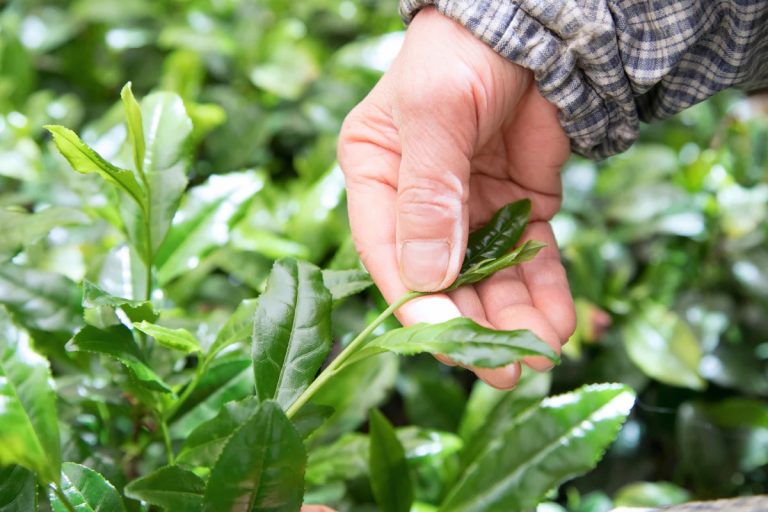
Caffeine content in both matcha and green tea can vary based on several factors. The quality and grade of tea leaves, growing conditions, harvest time, and preparation methods all influence the final caffeine concentration. For example, ceremonial-grade matcha generally contains more caffeine than culinary-grade matcha, and younger tea leaves tend to have higher caffeine levels than older ones.
Steeping time, water temperature, and leaf-to-water ratio also impact caffeine extraction in regular green tea. Shorter steeping times yield lower caffeine, while longer steeping increases it. Understanding these variables allows you to customize your tea for the desired caffeine effect while maintaining flavor and overall experience.
Choosing the Right Tea for Your Needs
Deciding between matcha and regular green tea depends on your energy requirements, sensitivity to caffeine, and lifestyle. Matcha offers a more concentrated caffeine experience with sustained focus and mental clarity, making it ideal for mornings or periods of high productivity. Regular green tea provides a gentler lift suitable for multiple cups throughout the day or for individuals sensitive to caffeine.
Both teas also offer additional health benefits, including antioxidants, catechins, and L-theanine, which complement their caffeine content. By understanding the differences in caffeine levels and effects, you can make an informed choice that balances energy, focus, and overall wellness while enjoying the unique flavors of each tea.
How Matcha’s Caffeine Affects Energy and Focus
Matcha is well-known for providing a unique combination of energy and mental clarity. Unlike coffee, matcha delivers caffeine alongside L-theanine, an amino acid that promotes calm alertness. Understanding how this combination affects your body helps you harness matcha’s benefits for productivity, concentration, and sustained energy throughout the day.
Sustained Energy Without Jitters
Matcha’s caffeine content provides a natural boost in energy, typically ranging from 60 to 70 milligrams per teaspoon of ceremonial-grade powder. Consuming the entire powdered leaf allows for a slower release of caffeine into the bloodstream compared to coffee, which reduces the likelihood of sudden spikes or crashes.
The presence of L-theanine works synergistically with caffeine to promote a steady, focused energy. L-theanine encourages alpha brain wave activity, producing a state of alert calmness. This makes matcha ideal for morning routines, work sessions, or periods requiring extended focus, allowing you to stay energized without experiencing the jitteriness or anxiety commonly associated with high-caffeine beverages.
Enhancing Mental Focus and Clarity
Matcha’s combination of caffeine and L-theanine supports cognitive performance and mental clarity. Studies suggest that L-theanine can improve attention, memory, and reaction time, making the experience of consuming matcha more than just a stimulant effect. The caffeine provides alertness, while L-theanine tempers overstimulation, resulting in sustained focus.
This unique interaction allows you to remain mentally sharp for longer periods, supporting tasks such as studying, writing, or detailed work. Unlike other caffeinated drinks that may cause rapid energy spikes, matcha’s balanced effect encourages a smooth, prolonged period of productivity while maintaining calmness and reducing stress.
Timing and Consumption Tips
The effects of matcha’s caffeine can vary depending on timing and preparation. Consuming matcha in the morning or early afternoon maximizes focus and energy without interfering with sleep. Overconsumption, especially late in the day, may disrupt sleep cycles due to its caffeine content.
Preparing matcha with the correct water temperature and using quality powder ensures optimal absorption of both caffeine and L-theanine. Starting with one teaspoon per serving allows you to gauge your tolerance. Adjusting the amount gradually provides sustained energy and mental clarity while minimizing potential side effects such as headaches or jitteriness.
Incorporating Matcha Into Daily Routines
Integrating matcha into your daily routine can enhance both physical energy and cognitive function. Pairing it with a balanced breakfast or snacks rich in protein and fiber helps stabilize energy levels throughout the day. The calming yet alert state induced by matcha supports a more productive workflow and a focused mindset.
For individuals seeking an alternative to coffee or energy drinks, matcha offers a unique way to stay energized while avoiding common caffeine-related drawbacks. Its effects on energy, focus, and mental clarity make it an ideal addition to study sessions, work hours, or moments when sustained attention is required.
Factors Influencing Caffeine in Green Tea Matcha
Caffeine content in green tea matcha can vary significantly depending on multiple factors. While matcha is generally higher in caffeine than regular green tea, understanding what influences these levels helps you manage intake for energy, focus, and overall wellness. Growing conditions, tea quality, preparation methods, and individual serving sizes all play a role in determining caffeine levels.
Tea Quality and Leaf Grade
The quality and grade of matcha significantly affect its caffeine content. Ceremonial-grade matcha, made from young, tender leaves, typically contains more caffeine and L-theanine than culinary-grade matcha, which uses older leaves or leaf stems. Younger leaves are richer in bioactive compounds, providing a more concentrated energy boost and enhanced mental clarity.
High-quality matcha also has a vibrant green color, fine texture, and a smoother flavor profile, all indicators of nutrient density. Lower-grade matcha may contain less caffeine and fewer catechins, reducing its overall stimulating effect. Choosing the right grade ensures both maximum caffeine content and optimal flavor, which is important for consistent energy and focus.
Growing Conditions and Harvest Time
The environment in which tea plants are grown influences caffeine levels. Matcha cultivated under shaded conditions, typical of high-quality Japanese tea farms, tends to have higher caffeine concentrations. Shading increases chlorophyll production and amino acids like L-theanine, enhancing both flavor and the calming effects of caffeine.
Harvest time also plays a role. Early spring leaves, known as first flush, contain more caffeine and catechins compared to later harvests. Seasonal variations, soil quality, and climate conditions all contribute to the natural caffeine content of matcha. Being aware of these factors helps you select matcha that meets your energy and focus requirements.
Preparation Methods
How you prepare matcha or green tea also impacts caffeine intake. For matcha, using more powder per serving increases caffeine content, while less powder yields a milder effect. Water temperature is equally important: using water around 175°F (80°C) preserves caffeine and L-theanine without causing bitterness.
For regular green tea, steeping time and leaf-to-water ratio influence caffeine extraction. Longer steeping periods extract more caffeine, while shorter steeping produces a gentler beverage. Adjusting preparation methods allows you to control caffeine levels according to your tolerance and desired effects, balancing energy and alertness without overstimulation.
Serving Size and Consumption Frequency
The amount of matcha or green tea consumed in a single serving directly affects caffeine intake. Larger servings or multiple cups throughout the day increase total caffeine exposure, which may enhance energy and focus but also raise the risk of jitters or sleep disturbances.
Spacing consumption evenly, limiting intake to morning or early afternoon, and measuring serving sizes carefully ensures consistent benefits while minimizing side effects. Understanding your personal caffeine sensitivity and monitoring consumption frequency allows you to enjoy matcha safely and maintain sustained energy throughout the day.
Additional Influences on Caffeine Effects
Individual factors, such as body weight, metabolism, and tolerance to caffeine, also determine how matcha affects energy and alertness. People with higher caffeine sensitivity may experience heightened effects even at lower doses, while regular caffeine consumers may require larger servings for the same level of stimulation.
Other dietary factors, including food intake and interactions with medications, can influence caffeine absorption and effectiveness. Combining matcha with meals or snacks can moderate its stimulating effects, providing a balanced boost in focus and energy. Awareness of both personal and external factors ensures matcha consumption is effective, safe, and tailored to your needs.
Tips to Control Caffeine Consumption
Caffeine from matcha or green tea can provide energy and focus, but excessive intake may lead to jitters, sleep disturbances, or digestive issues. Understanding strategies to control caffeine consumption helps you enjoy the benefits of these teas while minimizing potential side effects. Proper timing, portion control, and mindful preparation are key for a balanced approach.
Monitor Serving Size and Frequency
One of the most effective ways to control caffeine intake is to monitor how much matcha or green tea you consume per serving and throughout the day. For matcha, one teaspoon of ceremonial-grade powder typically contains around 60–70 milligrams of caffeine, while a standard cup of green tea ranges from 20–45 milligrams.
Limiting yourself to one or two servings daily ensures you benefit from caffeine without overloading your system. Spacing out servings by several hours allows your body to metabolize caffeine effectively and prevents accumulation that may interfere with sleep or increase jitteriness. Measuring powder and steeping leaves consistently helps maintain a steady, controlled intake.
Adjust Preparation Methods
Preparation plays a significant role in caffeine content. Using less matcha powder or shorter steeping times for green tea reduces caffeine extraction, while hotter water or longer steeping increases it. For those sensitive to caffeine, preparing a slightly weaker cup allows you to enjoy the flavor and benefits without excessive stimulation.
Sifting matcha powder before whisking ensures even dispersion, which can provide a smoother energy release. Similarly, for green tea, adjusting the leaf-to-water ratio and steeping duration helps you control the strength and caffeine levels. Mindful preparation is an easy, effective way to regulate caffeine intake while enjoying your favorite teas.
Time Your Tea Consumption
The timing of tea consumption greatly affects how caffeine impacts your daily routine. Drinking matcha or green tea in the morning or early afternoon maximizes energy and focus when needed. Consuming caffeine late in the day can disrupt sleep cycles and reduce overall rest quality.
Spacing out tea consumption between meals also helps regulate absorption and minimizes gastrointestinal discomfort. Understanding your personal caffeine sensitivity and planning your tea intake around daily activities ensures you benefit from the alertness and concentration matcha and green tea provide without negative side effects.
Combine With Lifestyle Practices
Controlling caffeine also involves supporting your body with healthy lifestyle habits. Eating balanced meals, staying hydrated, and getting sufficient sleep can reduce reliance on caffeine for energy. Engaging in regular exercise helps maintain alertness naturally, lowering the need for multiple caffeinated beverages throughout the day.
Tracking your overall caffeine sources, including coffee, chocolate, or energy drinks, ensures you stay within a safe range while still enjoying matcha or green tea. By combining mindful tea preparation, portion control, timing, and healthy habits, you can maximize benefits while avoiding common caffeine-related issues.
Frequently Asked Questions
How Much Caffeine Is in a Cup of Matcha?
A standard cup of matcha, made with about one teaspoon of ceremonial-grade powder, typically contains 60 to 70 milligrams of caffeine. Because you consume the whole powdered leaf, matcha provides a higher and more concentrated dose than regular green tea.
The combination of caffeine and L-theanine in matcha creates sustained energy and mental clarity without the jittery spike associated with coffee. Adjusting the amount of matcha powder allows you to control caffeine intake based on your sensitivity and daily needs.
How Much Caffeine Is in Regular Green Tea?
Regular green tea contains less caffeine than matcha, averaging around 20 to 45 milligrams per 8-ounce cup. The caffeine content varies depending on the tea type, steeping time, and leaf quality.
Green tea provides a gentle, steady boost in energy and alertness, making it ideal for multiple cups throughout the day or for individuals sensitive to caffeine. Adjusting steeping time and leaf quantity allows you to moderate caffeine levels according to your personal tolerance.
Why Does Matcha Have More Caffeine Than Green Tea?
Matcha contains more caffeine because you consume the entire powdered leaf rather than just steeping it in water. This results in a higher concentration of bioactive compounds, including caffeine and catechins.
Additionally, young tea leaves used for high-quality matcha are naturally richer in caffeine than older leaves typically used for regular green tea. The combination of leaf selection, preparation method, and powdered consumption contributes to matcha’s stronger stimulating effect.
Can the Caffeine in Matcha Cause Jitters?
While matcha contains more caffeine than regular green tea, its combination with L-theanine reduces the likelihood of jitters. L-theanine promotes a calm, focused state, balancing the stimulating effects of caffeine.
However, consuming excessive amounts or combining matcha with other high-caffeine drinks may still lead to restlessness, rapid heartbeat, or anxiety. Moderation and mindful timing of consumption help you enjoy sustained energy without unpleasant side effects.
How Does Steeping Time Affect Green Tea Caffeine Levels?
Steeping time significantly impacts the caffeine content in regular green tea. Longer steeping extracts more caffeine from the leaves, while shorter steeping produces a milder, lower-caffeine cup.
For example, steeping for one to two minutes yields a gentle boost, while four to five minutes increases caffeine extraction. Adjusting steeping time allows you to tailor your green tea to your energy needs and caffeine tolerance while maintaining flavor balance.
Is It Safe to Drink Matcha Every Day for Caffeine?
Yes, moderate daily consumption of one to two cups of matcha is generally safe for most adults. This provides a steady source of caffeine without overwhelming your system.
It’s important to monitor overall caffeine intake from other sources, such as coffee, chocolate, or energy drinks. Consuming matcha at the right times, avoiding late evening servings, and adjusting portion size ensures sustained energy, focus, and mental clarity without disrupting sleep or causing overstimulation.
Final Words
The caffeine content in matcha can vary significantly depending on the type, quality, and preparation method. Generally, matcha contains more caffeine than regular green tea because you consume the whole leaf in powdered form. This provides a steadier energy boost, thanks to the presence of L-theanine, which helps promote focus and mental clarity without the abrupt crash often associated with coffee.
For those monitoring their caffeine intake, understanding how much caffeine in green tea matcha is essential. Factors like serving size, water temperature, and the grade of matcha—ceremonial or culinary—play a major role in determining the final caffeine content. Being mindful of these variables allows you to enjoy matcha safely throughout the day without overconsumption.
Based on research and practical experience, how much caffeine in green tea matcha is enough to provide energy and alertness depends on individual tolerance and lifestyle. By consuming it mindfully, you can balance its stimulating effects with overall health and well-being.