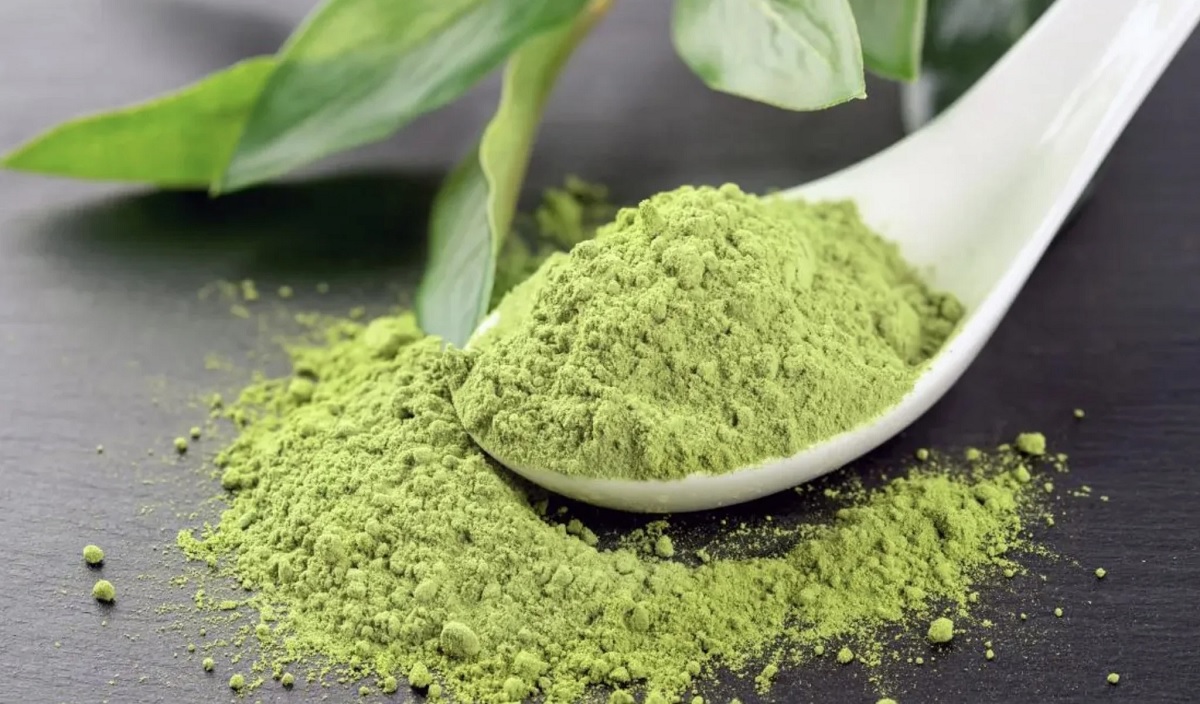
Is Matcha Good for Your Skin? Glow-Boosting Benefits You’ll Love
Healthy skin often reflects daily habits, food choices, and the small rituals followed without much thought. What you drink can quietly influence how your skin feels and looks over time, especially when antioxidants and calming nutrients are part of that routine. That is why green powders and plant-based drinks keep getting attention in skincare conversations.
Matcha has moved beyond trendy cafés and into beauty discussions for a reason. People notice changes like a fresher glow, balanced oil levels, and fewer dull days when they stay consistent with nutrient-rich drinks. This naturally leads to one common question: is matcha good for your skin, or is it simply another wellness trend?
Your skin responds to what supports it from within. Matcha contains compounds known for supporting clarity, fighting oxidative stress, and promoting an even-looking tone. These elements work quietly, supporting skin without dramatic overnight promises.
Understanding how matcha fits into a skincare-focused lifestyle helps set realistic expectations. When consumed regularly as part of a balanced routine, it becomes more than a drink and starts to feel like a simple form of skin care from the inside out.
Skin-Boosting Antioxidants in Matcha
Matcha stands out in skincare-focused nutrition because it delivers a concentrated dose of antioxidants in every serving. These compounds help the skin defend itself against daily stressors like pollution, UV exposure, and internal inflammation. When consumed consistently, matcha antioxidants support clearer, calmer, and more resilient-looking skin by working from within rather than masking surface concerns.
EGCG and Its Role in Protecting Skin Cells
One of the most powerful antioxidants in matcha is EGCG, also known as epigallocatechin gallate. This compound is widely studied for its ability to protect skin cells from oxidative damage caused by free radicals. Free radicals break down collagen and elastin over time, leading to early signs of aging such as fine lines, dullness, and uneven texture.
EGCG works at a cellular level by neutralizing these unstable molecules before they can cause long-term damage. This protective action helps preserve skin firmness and supports a smoother overall appearance. When skin cells are less stressed, they are better able to repair themselves and maintain a healthy renewal cycle.
Another key benefit of EGCG is its calming effect on inflammation. Skin inflammation often shows up as redness, sensitivity, or recurring breakouts. EGCG helps regulate inflammatory responses, making it especially helpful for people dealing with acne-prone or reactive skin.
Over time, regular intake of EGCG-rich matcha can support a stronger skin barrier. A healthy barrier locks in moisture, keeps irritants out, and gives skin a naturally balanced look. This makes EGCG one of the most valuable skin-supporting antioxidants found in matcha.
Chlorophyll and Detox Support for Clearer Skin
Matcha is naturally rich in chlorophyll, the pigment responsible for its vibrant green color. Chlorophyll acts as an internal cleanser, helping the body eliminate toxins that may otherwise contribute to dullness, congestion, and uneven skin tone. When toxins build up, they often show up through the skin in the form of breakouts or irritation.
By supporting gentle detoxification, chlorophyll helps create a cleaner internal environment. This allows the skin to focus more on repair and renewal rather than constant defense. As a result, many people notice a fresher and clearer appearance with consistent matcha consumption.
Chlorophyll also supports oxygen delivery to skin cells. Well-oxygenated skin cells function more efficiently, which can improve overall texture and brightness. This process supports natural skin clarity without relying on harsh topical treatments.
Additionally, chlorophyll has mild antibacterial properties. These properties may help reduce acne-causing bacteria, making matcha a supportive option for those struggling with frequent blemishes. Over time, this internal support can complement external skincare routines and promote a calmer, more balanced complexion.
Vitamin C and Polyphenols for Skin Brightness
Along with EGCG and chlorophyll, matcha provides smaller but meaningful amounts of vitamin C and other polyphenols. Vitamin C plays a vital role in collagen production, which helps maintain skin firmness and elasticity. While matcha is not a replacement for vitamin C-rich fruits, it contributes to overall antioxidant intake.
Polyphenols in matcha help protect the skin from environmental stressors like sun exposure and pollution. These compounds work together to reduce oxidative stress, which is a major contributor to uneven skin tone and premature aging.
Vitamin C also supports a brighter-looking complexion by helping regulate excess melanin production. When melanin becomes unbalanced, dark spots and uneven patches may appear. Consistent antioxidant support helps the skin maintain a more even and radiant appearance over time.
The combined effect of vitamin C and polyphenols enhances the skin’s natural glow. Rather than offering quick cosmetic results, these antioxidants support gradual improvements in tone, texture, and resilience. This makes matcha a valuable addition to a skin-focused wellness routine that prioritizes long-term results.
Matcha and Acne-Prone Skin
Acne-prone skin often reacts strongly to internal inflammation, hormonal shifts, and daily stress. What you consume can quietly influence how frequently breakouts appear and how long they take to heal. Matcha is often discussed in this context because it supports skin balance from within, offering nutrients that help calm irritation and support clearer-looking skin over time.
How Matcha Helps Reduce Inflammation Linked to Acne
Inflammation is one of the main drivers behind persistent acne. When the body is in a constant inflammatory state, pores are more likely to become irritated, swollen, and clogged. Matcha contains natural compounds that help regulate inflammatory responses, which can reduce the intensity of active breakouts and calm redness around the skin.
The antioxidants in matcha work by neutralizing oxidative stress that contributes to inflammation. When oxidative stress is lowered, the skin environment becomes more stable and less reactive. This can help reduce painful cystic acne and frequent flare-ups that tend to worsen under stress or poor dietary habits.
Matcha also supports overall immune balance. A well-regulated immune response helps the skin heal more efficiently after breakouts, minimizing prolonged redness and discomfort. Over time, this internal support can lead to fewer recurring breakouts and a smoother skin texture.
By calming inflammation at its source, matcha supports acne-prone skin without stripping or irritating it. This makes it a gentle internal option for those looking to support clearer skin alongside a consistent topical skincare routine.
Matcha’s Effect on Oil Balance and Blemish Control
Excess oil production is another major factor in acne development. When oil mixes with dead skin cells and bacteria, pores become blocked and blemishes form. Matcha helps support balanced oil production by influencing stress-related hormones that often trigger excess sebum.
One unique benefit of matcha is its calming effect on cortisol levels. High stress can signal the skin to produce more oil, which increases the likelihood of clogged pores. Matcha promotes a more relaxed internal state, helping the skin maintain healthier oil balance throughout the day.
Matcha also contains compounds with mild antibacterial properties. These may help limit the growth of acne-causing bacteria on the skin, reducing the frequency of new blemishes. While it does not replace medical treatments, this supportive action can be beneficial for mild to moderate acne concerns.
With consistent consumption, matcha may help acne-prone skin appear less shiny and more even. When oil levels are balanced, pores look smaller, breakouts heal faster, and the skin feels calmer and more manageable overall.
Hydration and Skin Elasticity Support
Skin hydration plays a major role in how smooth, firm, and youthful your complexion appears. When the body stays well hydrated, skin cells function more efficiently and maintain better structure. Certain beverages can support this process from within, and matcha is often highlighted for its ability to complement hydration while contributing nutrients that support skin elasticity and resilience.
How Matcha Supports Internal Hydration Levels
Proper hydration begins internally, and what you drink influences how well your body retains moisture. Matcha is primarily water-based, which contributes to daily fluid intake while offering additional skin-supportive compounds. Unlike sugary drinks that can dehydrate the body, matcha provides hydration without causing spikes that disrupt moisture balance.
Matcha also contains natural electrolytes in small amounts, which help the body distribute fluids more efficiently. This supports consistent hydration at the cellular level, allowing skin cells to stay plump and flexible. When skin cells are properly hydrated, they are better able to maintain their structure and protect the skin barrier.
Another factor is matcha’s gentle caffeine content. While excessive caffeine can be dehydrating, the balanced composition of matcha, combined with amino acids like L-theanine, helps moderate this effect. This allows you to enjoy its benefits without significantly compromising hydration.
Consistent hydration supported by matcha helps reduce dryness, flakiness, and tightness. Over time, skin appears smoother, more supple, and better equipped to maintain its natural moisture levels throughout the day.
Collagen Preservation and Improved Skin Elasticity
Skin elasticity depends heavily on collagen and elastin, two structural proteins that keep skin firm and flexible. As the body ages or experiences oxidative stress, collagen fibers weaken, leading to sagging and fine lines. Matcha helps support collagen preservation by providing antioxidants that protect these fibers from damage.
The polyphenols in matcha work to neutralize free radicals that break down collagen over time. By reducing this damage, matcha helps maintain skin strength and elasticity. This protective effect allows skin to retain its bounce and resist premature signs of aging.
Hydration also plays a direct role in collagen function. Well-hydrated skin supports better collagen alignment, which improves elasticity and smoothness. Matcha supports this process by encouraging consistent hydration while reducing inflammation that can interfere with collagen synthesis.
With regular intake, matcha may help skin feel firmer and more resilient. While it does not replace topical treatments or professional care, it works internally to support the structures that give skin its youthful stretch and strength.
Matcha’s Effect on Premature Aging
Premature aging often shows up through fine lines, uneven texture, and a loss of natural firmness. These changes are usually influenced by oxidative stress, sun exposure, and daily lifestyle habits. Matcha is frequently discussed in anti-aging routines because it offers internal support that helps protect skin from early damage while promoting a smoother and more resilient appearance over time.
How Matcha Fights Free Radical Damage
Free radicals are unstable molecules that damage skin cells and accelerate the aging process. They are triggered by factors like UV rays, pollution, and poor dietary choices. Matcha is rich in antioxidants that help neutralize these free radicals before they break down collagen and elastin fibers.
The concentrated antioxidant profile of matcha allows it to work at a deeper level compared to many standard beverages. By reducing oxidative stress, matcha helps slow the appearance of fine lines and prevents the skin from losing its natural elasticity too quickly. This protective effect supports a more youthful-looking complexion.
Another benefit is matcha’s ability to reduce chronic inflammation. Inflammation weakens skin structure over time, making lines and wrinkles more visible. Matcha helps regulate inflammatory responses, allowing skin cells to focus on repair rather than constant defense.
With consistent use, this antioxidant protection supports smoother texture and improved skin tone. While results are gradual, the long-term impact of reduced cellular damage plays a key role in preventing early aging signs.
Matcha and the Preservation of Skin Firmness
Skin firmness depends on the strength of collagen and elastin networks beneath the surface. As these fibers break down, skin begins to sag and lose definition. Matcha supports firmness by protecting these structural proteins from oxidative and inflammatory damage.
The polyphenols in matcha help maintain the integrity of collagen fibers. By limiting breakdown, they support skin density and help maintain a firmer appearance. This process is essential for delaying visible signs of aging such as sagging cheeks and deepening folds.
Hydration also influences firmness, and matcha supports this by promoting internal moisture balance. Well-hydrated skin maintains better elasticity, allowing it to resist fine lines caused by dryness and repetitive facial movement.
Over time, consistent matcha consumption supports skin that feels stronger and more resilient. Rather than creating instant results, it contributes to long-term skin health by preserving firmness and reducing factors that accelerate premature aging.
Benefits of Drinking Matcha
Drinking matcha is more than a daily habit or trend-driven choice. It offers a wide range of wellness benefits that support both body and mind. Because matcha uses whole tea leaves in powdered form, it delivers concentrated nutrients in every cup. This makes it a unique beverage that supports energy, focus, and overall health when consumed consistently.
Sustained Energy and Improved Mental Focus
One of the most noticeable benefits of drinking matcha is its ability to provide clean, sustained energy. Unlike coffee, which can cause sudden spikes and crashes, matcha delivers caffeine in a slower, more balanced way. This helps you feel alert without the jittery side effects that often come from stronger stimulants.
Matcha contains L-theanine, an amino acid that promotes calm focus. This compound works alongside caffeine to support mental clarity while keeping stress levels steady. As a result, you may notice improved concentration, better productivity, and a more relaxed sense of alertness throughout the day.
This balanced energy makes matcha suitable for long work sessions, studying, or creative tasks. Instead of feeling overstimulated, the mind stays engaged and clear. Many people find it easier to stay focused for longer periods after switching from coffee to matcha.
Over time, this steady energy support can improve daily performance without placing strain on the nervous system. Drinking matcha regularly encourages a more controlled and sustainable approach to mental stimulation and focus.
Support for Metabolism and Daily Wellness
Drinking matcha can also support metabolism and overall physical wellness. The natural compounds found in matcha help the body use energy more efficiently, which may support healthy weight management when combined with balanced nutrition and movement.
Matcha is rich in antioxidants that help protect cells from oxidative stress. This cellular protection supports organ function, digestion, and immune balance. When oxidative stress is reduced, the body can focus more on repair and maintenance rather than constant defense.
Another benefit is matcha’s gentle support for digestion. Unlike sugary or highly processed drinks, matcha is light on the system and can be easier to tolerate daily. Its natural properties support gut balance, which plays an important role in overall wellness and energy levels.
By supporting metabolism and internal balance, matcha contributes to a healthier daily rhythm. This internal support helps the body function more smoothly, promoting long-term wellness rather than quick or temporary results.
Immune Support and Long-Term Health Benefits
Regularly drinking matcha may help strengthen immune function through its concentrated nutrient profile. Antioxidants in matcha help protect immune cells from damage, allowing them to respond more effectively to everyday stressors.
Matcha also supports inflammation balance within the body. Chronic inflammation can weaken immune defenses and contribute to fatigue and frequent illness. The compounds in matcha help regulate inflammatory responses, supporting a more stable internal environment.
Another long-term benefit is matcha’s role in supporting heart and cellular health. By reducing oxidative damage, it helps protect blood vessels and supports healthy circulation. This contributes to better oxygen delivery and nutrient transport throughout the body.
Over time, consistent matcha consumption supports resilience and overall vitality. Rather than targeting one area alone, it works across multiple systems, making it a valuable addition to a health-focused lifestyle built on daily, sustainable habits.
FAQs
Is Matcha Good For Your Skin?
Matcha is often considered beneficial for your skin because it delivers antioxidants that support skin health from within. When you drink matcha regularly, your body receives compounds that help fight oxidative stress, which is a major cause of dullness and early aging.
You may notice that your skin looks calmer and more balanced over time. By supporting hydration, circulation, and internal repair, matcha can contribute to a clearer and healthier-looking complexion when combined with good skincare habits.
Can Drinking Matcha Improve Skin Glow?
Drinking matcha can help improve skin glow by supporting cell renewal and reducing internal inflammation. When your body experiences less oxidative stress, your skin is better able to maintain a fresh and radiant appearance.
You may see a more even tone and natural brightness with consistent use. Matcha supports circulation and hydration, which helps skin reflect light more evenly. This glow develops gradually as your skin responds to improved internal balance rather than instant surface effects.
Does Matcha Help With Acne-Prone Skin?
Matcha can be supportive for acne-prone skin because it helps calm inflammation and balance oil production. When your body is under less stress, breakouts may appear less frequently and heal more smoothly.
You may find that redness and irritation reduce over time. Matcha also contains compounds that support immune balance, which plays a role in how your skin responds to acne-causing bacteria. This internal support works best alongside a consistent external skincare routine.
Can Matcha Slow Down Skin Aging?
Matcha may help slow visible signs of skin aging by protecting skin cells from free radical damage. These free radicals break down collagen and elastin, which are responsible for firmness and smooth texture.
By drinking matcha regularly, you support your skin’s ability to resist fine lines and early wrinkles. The antioxidants in matcha help preserve skin structure, allowing your complexion to maintain elasticity and resilience as part of a long-term skin care approach.
Is Matcha Good For Skin Hydration And Elasticity?
Matcha supports skin hydration by contributing to daily fluid intake while providing nutrients that help skin cells retain moisture. Well-hydrated skin appears smoother and feels more comfortable throughout the day.
You may also notice improved elasticity over time. Hydrated skin supports collagen function more effectively, which helps maintain firmness. Matcha works internally to support these processes, making it a helpful addition to habits focused on supple and flexible skin.
How Often Should You Drink Matcha For Skin Benefits?
For skin benefits, drinking matcha consistently is more important than consuming large amounts. One cup daily is often enough to support antioxidant intake and internal balance.
You may begin noticing subtle changes in skin clarity and texture after a few weeks. Pairing matcha with proper hydration, nutrition, and skincare enhances results. Long-term consistency allows your skin to benefit from steady antioxidant support rather than expecting immediate visible changes.
Final Thoughts
Healthy skin often reflects what you nourish your body with daily, and natural choices can make a visible difference over time. Matcha stands out because it supports skin from within by helping the body fight oxidative stress, calm inflammation, and maintain a balanced glow. Regular use can support clearer, smoother, and more refreshed-looking skin without relying on harsh products.
Many people wonder, is matcha good for your skin when it comes to aging concerns and uneven texture. Its rich antioxidant profile may help reduce the appearance of fine lines while supporting elasticity and hydration. When combined with a consistent skincare routine and proper hydration, matcha can become a simple yet effective addition to your lifestyle.
Overall, is matcha good for your skin depends on balance and consistency. Enjoyed in moderation and paired with healthy habits, matcha can support long-term skin health naturally. Choosing quality matcha and listening to your body can help you experience the best skin-related benefits over time.