Is Starbucks Matcha Sweet: Everything You Should Know
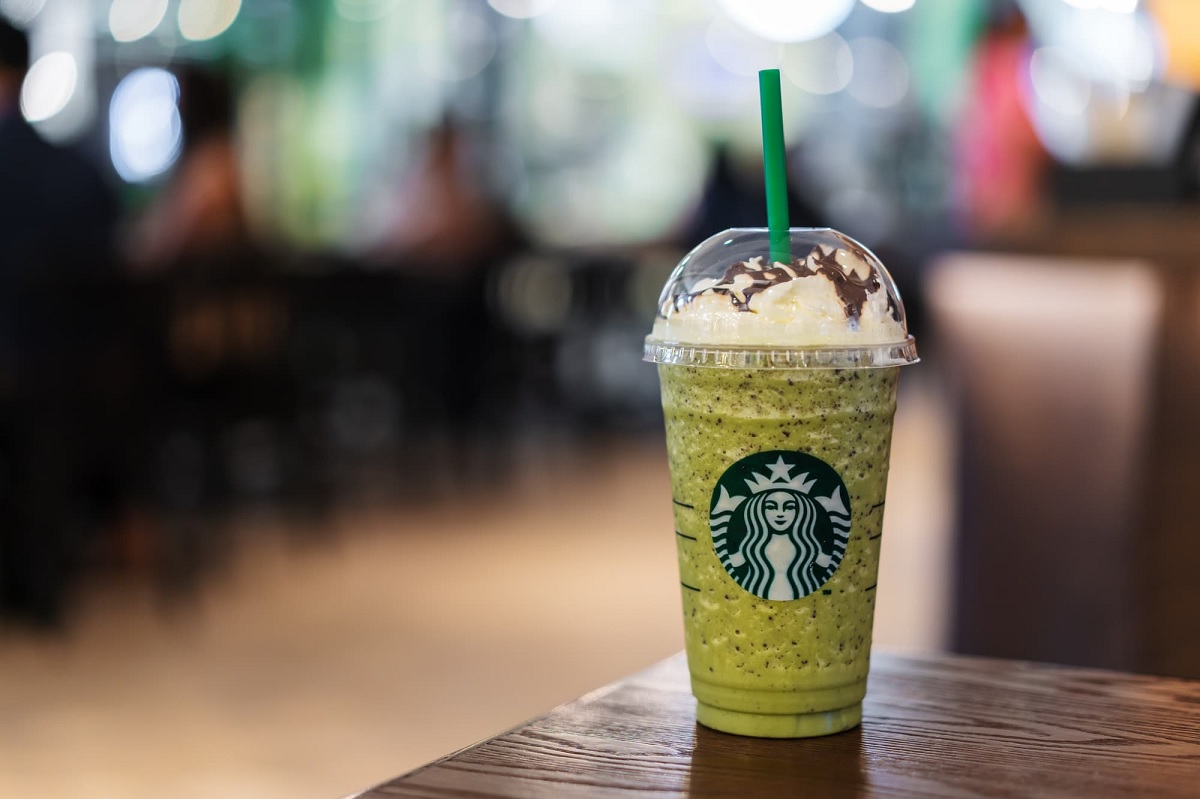
Starbucks matcha drinks have become a popular choice for those seeking a vibrant, creamy, and flavorful alternative to traditional coffee beverages. Their bright green color, smooth texture, and unique taste make them stand out on any menu. Many new customers and matcha enthusiasts often wonder about the flavor profile of these drinks, particularly whether the sweetness is noticeable and balanced.
Understanding the natural taste of matcha and the way Starbucks prepares it can help you anticipate the flavor experience. Starbucks matcha drinks are typically made with pre-sweetened matcha powder, which gives them a mild sweetness alongside the earthy and umami notes of the green tea. This preparation makes it appealing to those who enjoy a slightly sweet, creamy beverage without needing additional sugar.
Knowing the sweetness level can also help you decide how to customize your drink, whether adding milk, flavored syrups, or adjusting the number of scoops of matcha. It allows you to enjoy the beverage exactly how you like it while balancing flavor and nutrition.
Exploring the flavor profile of Starbucks matcha drinks provides clarity for both new and regular customers. By understanding how sweetness is incorporated, you can make more informed choices and enjoy a consistently satisfying cup of matcha every time.
Is Starbucks Matcha Sweet?
Starbucks matcha drinks are well-loved for their vibrant green color, creamy texture, and distinct flavor profile. Many customers wonder about the sweetness of these beverages, especially those new to matcha or those accustomed to sweeter coffee drinks. Understanding how Starbucks prepares matcha, including the use of pre-sweetened powders and milk combinations, can help you know what to expect. Knowing the balance of sweetness and earthiness is essential for customizing your drink and enjoying a satisfying experience every time.
The Role Of Pre-Sweetened Matcha Powder
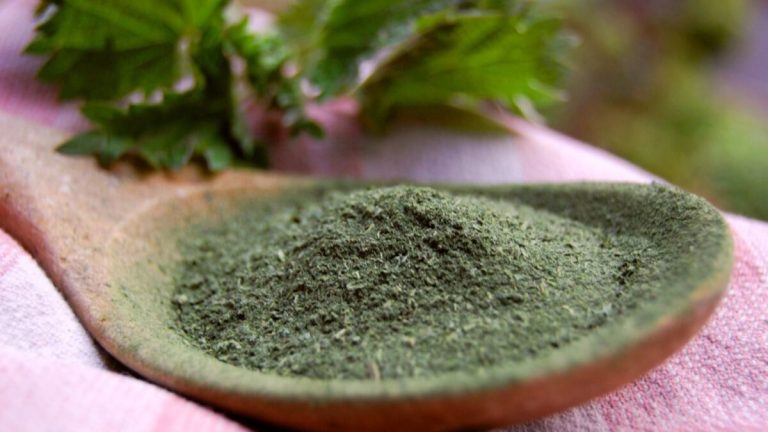
Starbucks matcha is made using a pre-sweetened matcha powder, which combines finely ground green tea leaves with sugar. This preparation ensures that the drink has a mild, consistent sweetness without requiring additional sweeteners. The pre-sweetened powder balances the natural earthiness and slightly bitter notes of matcha, making it more approachable for those who might find pure matcha too intense.
The sweetness level of Starbucks matcha drinks is moderate, designed to appeal to a wide audience. The powder also allows baristas to prepare drinks quickly and consistently across locations. While some matcha enthusiasts prefer unsweetened varieties to experience the full umami flavor, Starbucks’ approach provides a smooth and creamy beverage that most customers enjoy.
Pre-sweetened matcha makes it easy to create classic drinks like the Matcha Green Tea Latte. It also allows flexibility in customization—customers can adjust sweetness by requesting extra scoops of matcha, choosing different milk types, or adding flavored syrups. Understanding the role of pre-sweetened powder clarifies why Starbucks matcha drinks taste sweeter than traditional ceremonial-grade matcha.
Sweetness And Milk Combinations
The type of milk used in Starbucks matcha drinks further enhances the perception of sweetness. Whole milk, oat milk, or almond milk all add natural creaminess and subtle sugar content that complements the pre-sweetened matcha powder. The result is a drink that feels indulgent, smooth, and balanced.
Milk also softens matcha’s naturally grassy and earthy notes. The combination of sugar in the powder and lactose or natural sugars in milk creates a creamy beverage that appeals to both coffee and tea drinkers. Non-dairy milk options such as oat or almond milk offer slightly different sweetness levels, allowing you to customize the taste according to your preference.
This interplay between matcha powder and milk is key to Starbucks’ signature flavor. A standard matcha latte has noticeable sweetness but maintains the integrity of matcha’s natural flavor. Those looking for a stronger green tea taste can request fewer scoops or alternative milk options, while those seeking a sweeter experience can choose extra scoops or flavored syrups.
Customization And Adjusting Sweetness
Starbucks encourages drink customization, giving customers control over sweetness. You can request fewer scoops of matcha powder for a less sweet, more earthy flavor or add syrups like vanilla or caramel for extra sweetness. Adjusting milk type also changes sweetness perception, with oat milk generally enhancing natural sugar content and almond milk providing a nutty, mild sweetness.
This flexibility means that sweetness is not fixed—your drink can be tailored to your taste. Customers who prefer a true matcha experience may ask for unsweetened powder, while those seeking a dessert-like latte can request additional sweeteners. Understanding customization options allows you to enjoy the perfect balance between sweetness, creaminess, and matcha flavor.
Baristas can also adjust temperature and froth levels, which subtly affects how sweetness is perceived. A hotter latte may highlight the sugar in the pre-sweetened powder, while a cooler latte can soften the sweetness. This knowledge ensures that your matcha drink is enjoyable and perfectly suited to your preferences.
Balancing Sweetness With Matcha’s Natural Flavor
Starbucks matcha drinks are designed to provide a balance between sweetness and the natural earthy flavor of matcha. While the pre-sweetened powder and milk add sugar and creaminess, the distinct vegetal taste of matcha is still present. The drink is neither overly sugary nor completely bitter, creating a smooth, well-rounded flavor profile.
This balance makes Starbucks matcha drinks accessible to a wide audience, from casual customers to tea enthusiasts. For those sensitive to sweetness, the ability to customize scoops, syrups, and milk types allows for a tailored experience. The combination of pre-sweetened matcha, creamy milk, and optional flavor enhancements ensures each latte is enjoyable, vibrant, and satisfying.
Understanding the interaction between sweetness and natural matcha flavor is key to appreciating Starbucks’ approach. The result is a creamy, subtly sweet beverage that highlights matcha’s unique taste while remaining approachable for all palates.
Ingredients That Affect Sweetness
The sweetness of Starbucks matcha drinks depends on a combination of ingredients that influence flavor, texture, and overall taste perception. While matcha itself has natural umami and slightly bitter notes, the addition of milk, sugar, and flavorings can significantly impact sweetness. Understanding which components contribute to sweetness allows you to customize your drink for a perfectly balanced flavor profile every time.
Pre-Sweetened Matcha Powder
The primary source of sweetness in Starbucks matcha drinks is the pre-sweetened matcha powder. Unlike ceremonial-grade matcha, which is pure and slightly bitter, Starbucks’ powder contains added sugar to create a mild, consistent sweetness. This allows the latte to appeal to a broader audience and balances matcha’s natural grassy flavor.
The amount of powder used also affects sweetness. A standard latte usually includes one to two scoops, but requesting more scoops increases sweetness while intensifying the matcha flavor. Conversely, using fewer scoops reduces sugar content and emphasizes the natural earthy taste. Pre-sweetened matcha makes it easier for baristas to prepare drinks quickly and consistently, while also providing a predictable level of sweetness.
This ingredient is essential to the drink’s flavor profile, but it can be adjusted based on personal preference. For a less sweet latte, customers can request fewer scoops, and for a sweeter version, extra scoops or additional syrups can be added.
Milk And Milk Alternatives
Milk contributes significantly to perceived sweetness in a matcha latte. Dairy options like whole milk or 2% milk contain natural lactose, which enhances the creamy texture and provides subtle sugar content. Plant-based alternatives, such as oat, almond, or soy milk, also impact sweetness differently. Oat milk, for example, naturally tastes sweeter, while almond milk offers a mild, nutty sweetness.
The type and proportion of milk used affect both flavor and texture. A higher milk-to-matcha ratio softens the grassy notes and increases perceived sweetness. Frothing or steaming the milk also influences taste, as heated milk brings out its natural sugars and creates a creamy consistency that balances matcha’s earthiness.
Adjusting milk types allows for a customizable sweetness experience. Customers can choose plant-based or dairy milk depending on preference, dietary needs, and the level of natural sweetness they want in their latte.
Syrups And Flavor Enhancements
Beyond the powder and milk, Starbucks offers additional flavorings that affect sweetness. Popular options include vanilla, caramel, and hazelnut syrups, each adding extra sugar and unique flavor dimensions. These syrups not only increase sweetness but also complement matcha’s earthy taste, creating a layered and indulgent beverage experience.
Flavor enhancements should be used carefully to maintain balance. Adding too much syrup can overpower the natural flavor of matcha, while smaller amounts can subtly elevate sweetness without losing the tea’s distinct vegetal notes. Many customers also enjoy experimenting with seasonal flavors or sugar-free syrups for a customized experience.
The ability to mix and match syrups provides flexibility in sweetness and flavor intensity. Customers can choose their preferred level of sugar while still enjoying the creamy, smooth texture of a traditional matcha latte.
Temperature And Preparation Techniques
Even the way a matcha latte is prepared affects perceived sweetness. Steamed or frothed milk enhances natural sugar content, while blending the matcha thoroughly ensures the sweetness is evenly distributed. The temperature of the drink also plays a role—hotter drinks may bring out the sugar’s flavor more prominently, whereas cooler drinks soften sweetness perception.
Proper whisking of matcha powder ensures a smooth, lump-free base that allows sugar to dissolve evenly. This uniform mixture creates a consistent taste in every sip. Small adjustments in preparation can significantly change how sweet the drink tastes, even without altering the amount of powder, milk, or syrup.
By understanding the combined effects of matcha powder, milk, syrups, and preparation techniques, you can better control sweetness. These factors work together to create the final flavor experience of a Starbucks matcha latte.
How to Adjust Sweetness at Starbucks
Starbucks matcha drinks are designed to appeal to a wide audience, but sweetness levels can be customized to suit your personal taste. Between pre-sweetened matcha powder, milk choices, and flavored syrups, there are multiple ways to control how sweet your latte is. Understanding these options allows you to enjoy a perfectly balanced drink, whether you prefer it subtly sweet, indulgently creamy, or closer to pure matcha flavor.
Adjusting Matcha Powder Scoops
One of the simplest ways to change sweetness is by adjusting the number of matcha powder scoops in your drink. Starbucks pre-sweetened matcha contains sugar, so using fewer scoops reduces sweetness and highlights the natural earthy flavor of matcha.
Ordering extra scoops increases sweetness while intensifying the tea’s flavor. This method allows for precise control without affecting milk ratios or adding syrups. Many customers start with the standard scoop amount and request modifications based on previous experience or personal preference. Adjusting the powder is particularly useful for those who want a stronger matcha taste without adding extra sugar from syrups.
Experimenting with scoop quantity gives you the flexibility to find the perfect balance between sweetness and matcha flavor. It’s also an easy way to tailor drinks across hot and iced options.
Choosing Milk And Milk Alternatives
The type of milk in your matcha latte can subtly influence sweetness. Dairy milk contains natural lactose, which enhances flavor, while plant-based options vary in perceived sweetness. Oat milk is naturally sweeter and creamier, almond milk offers mild nutty sweetness, and soy milk provides a neutral, slightly sweet base.
You can also control the milk-to-matcha ratio. More milk softens matcha’s earthy notes and increases perceived sweetness, while less milk allows the tea’s natural flavor to stand out. Steamed or frothed milk also brings out natural sugars and adds a creamy texture, balancing the overall taste.
Choosing the right milk type is an easy and effective way to adjust sweetness without adding additional sugar. Pairing milk choices with powder adjustments provides a fully customized beverage experience.
Adding Syrups And Flavorings
Syrups are a straightforward way to increase sweetness in your Starbucks matcha latte. Vanilla, caramel, or hazelnut syrups enhance both sweetness and flavor. Seasonal options, like pumpkin spice or cinnamon dolce, add unique layers of taste while increasing sugar content.
You can request sugar-free versions of these syrups for flavor enhancement without added calories. Adding a small amount gradually allows you to find a balance where sweetness complements matcha’s natural flavor without overwhelming it. Baristas can also combine syrups to create custom flavor profiles, giving your latte a unique touch.
Using syrups and flavorings provides flexibility for indulgent or lightly sweet options. It’s especially helpful for customers who prefer a sweeter latte but want to retain the signature earthy taste of matcha.
Temperature And Drink Style Considerations
Temperature and preparation style can also affect perceived sweetness. Hot lattes tend to enhance sugar flavors, while iced versions may feel slightly less sweet due to dilution from ice. Requesting a smaller or larger ice ratio can help maintain desired sweetness levels in cold drinks.
Preparation techniques, such as thorough whisking or blending of matcha powder with milk, ensure even distribution of sweetness. Frothing milk properly also brings out natural sugar content, balancing flavors. Paying attention to these details allows you to enjoy a consistently sweet and creamy matcha latte every time.
Frequently Asked Questions
Is Starbucks Matcha Naturally Sweet?
Starbucks matcha is not naturally sweet on its own because pure matcha powder has a slightly bitter and earthy taste. However, the matcha powder used at Starbucks is pre-sweetened, which gives the drink a mild, consistent sweetness. This sugar content balances matcha’s natural bitterness, making it more approachable for casual drinkers.
You can still taste the subtle grassy and umami notes of matcha, but the sweetness ensures the beverage is creamy and enjoyable. This makes Starbucks matcha ideal for those who prefer a lightly sweetened drink without adding extra sugar manually.
How Sweet Is A Standard Starbucks Matcha Latte?
A standard Starbucks matcha latte has a moderate level of sweetness due to the pre-sweetened powder. Combined with steamed milk or milk alternatives, the latte achieves a creamy, slightly sweet flavor that appeals to a wide range of customers.
The sweetness is noticeable but balanced, complementing the natural earthy taste of matcha. If you enjoy a sweeter beverage, you can request extra scoops of matcha powder or flavored syrups. For a less sweet option, ask for fewer scoops or an alternative milk choice.
Can I Adjust The Sweetness Of Starbucks Matcha?
Yes, you can adjust the sweetness of your Starbucks matcha drink easily. Reducing or increasing the number of matcha powder scoops changes how sweet the beverage tastes. Adding flavored syrups or choosing naturally sweeter milk alternatives, like oat milk, can also enhance sweetness.
Conversely, using fewer scoops or switching to a less sweet milk option like almond milk reduces sugar levels. Customization allows you to enjoy a matcha latte that perfectly suits your taste preferences, whether you like it mildly sweet, creamy, or closer to pure matcha flavor.
Does The Type Of Milk Affect Sweetness?
Yes, the type of milk you choose significantly affects the perceived sweetness of your matcha latte. Dairy milk contains natural sugars called lactose, which enhance the creamy sweetness. Plant-based options vary—oat milk is naturally sweeter, almond milk adds a mild nutty sweetness, and soy milk provides a more neutral flavor.
Milk also balances matcha’s earthy and slightly bitter notes. Frothing or steaming milk brings out its natural sugar content, enhancing creaminess. Choosing the right milk allows you to tailor the sweetness and texture of your drink without adding extra syrups or sugar.
Are Syrups Necessary For A Sweet Matcha Latte?
Syrups are optional but can be used to increase sweetness and add unique flavor profiles. Popular options like vanilla, caramel, or hazelnut enhance both taste and sweetness without overpowering matcha’s natural flavor. Seasonal syrups, like pumpkin spice, can provide a more indulgent experience.
Using syrups allows for precise control over sweetness. You can request sugar-free versions for added flavor without extra calories. Gradual addition of syrups ensures a balanced drink, complementing the pre-sweetened matcha powder and creamy milk base.
How Does Temperature Affect The Sweetness Of Matcha Drinks?
Temperature can influence how sweet your Starbucks matcha latte tastes. Hot drinks tend to bring out the natural sugars in pre-sweetened matcha and milk, making the beverage taste sweeter. Iced lattes may feel slightly less sweet due to dilution from ice, which can reduce the perception of sugar.
Adjusting preparation, such as using less ice or thoroughly whisking the matcha powder with milk, ensures a consistent flavor. Hot or cold, understanding temperature effects helps you enjoy the level of sweetness you prefer in every cup.
Conclusion
Starbucks matcha lattes are known for their distinctively smooth, creamy taste, which often comes with a noticeable level of sweetness. The sweetness primarily comes from the pre-sweetened matcha powder Starbucks uses, combined with the milk or milk alternatives you choose. This makes it much sweeter than traditional matcha prepared at home, which is usually more earthy and less sugary.
If you’re curious about adjusting the flavor, you can customize your drink at Starbucks. You can request fewer pumps of syrup, choose sugar-free options, or even ask for unsweetened milk to make the matcha taste closer to traditional preparations. Understanding these options is key to enjoying a drink that matches your personal preference.
Overall, knowing the factors that influence sweetness can help you decide what works best for you. Asking yourself, Is Starbucks Matcha Sweet?, helps you navigate customization options and ensures a drink that fits your taste, whether you prefer sweet, balanced, or more authentic matcha flavors.